

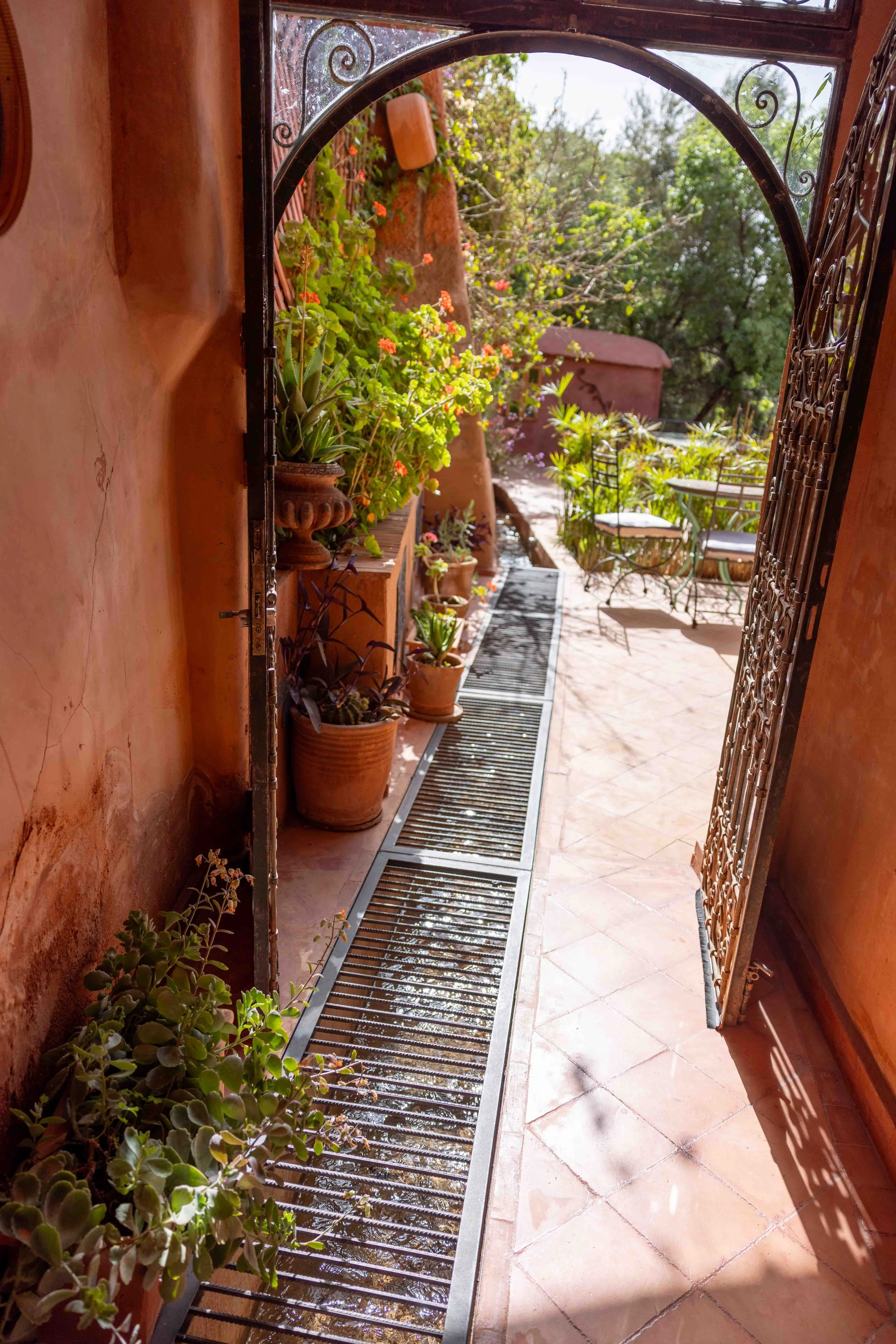
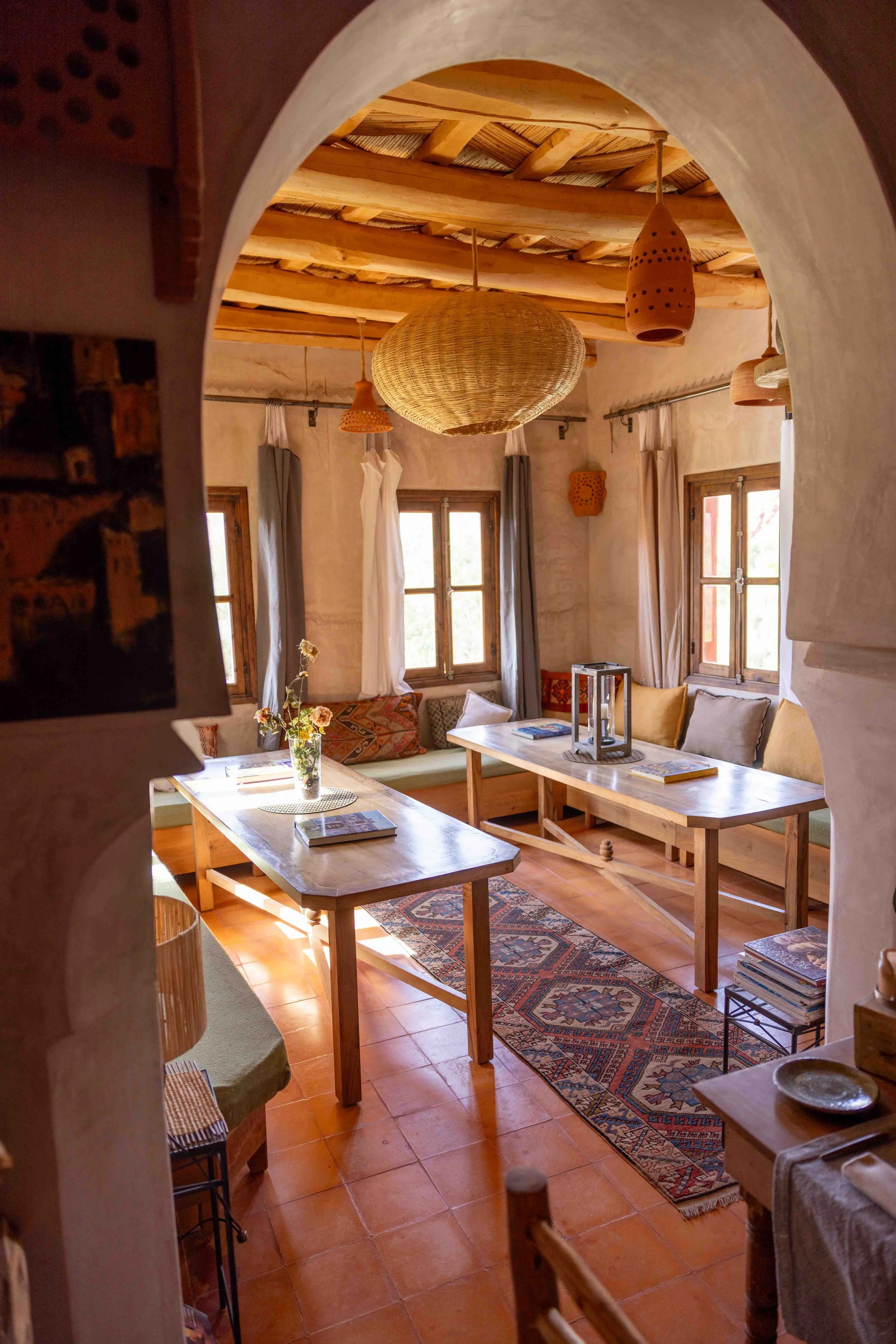
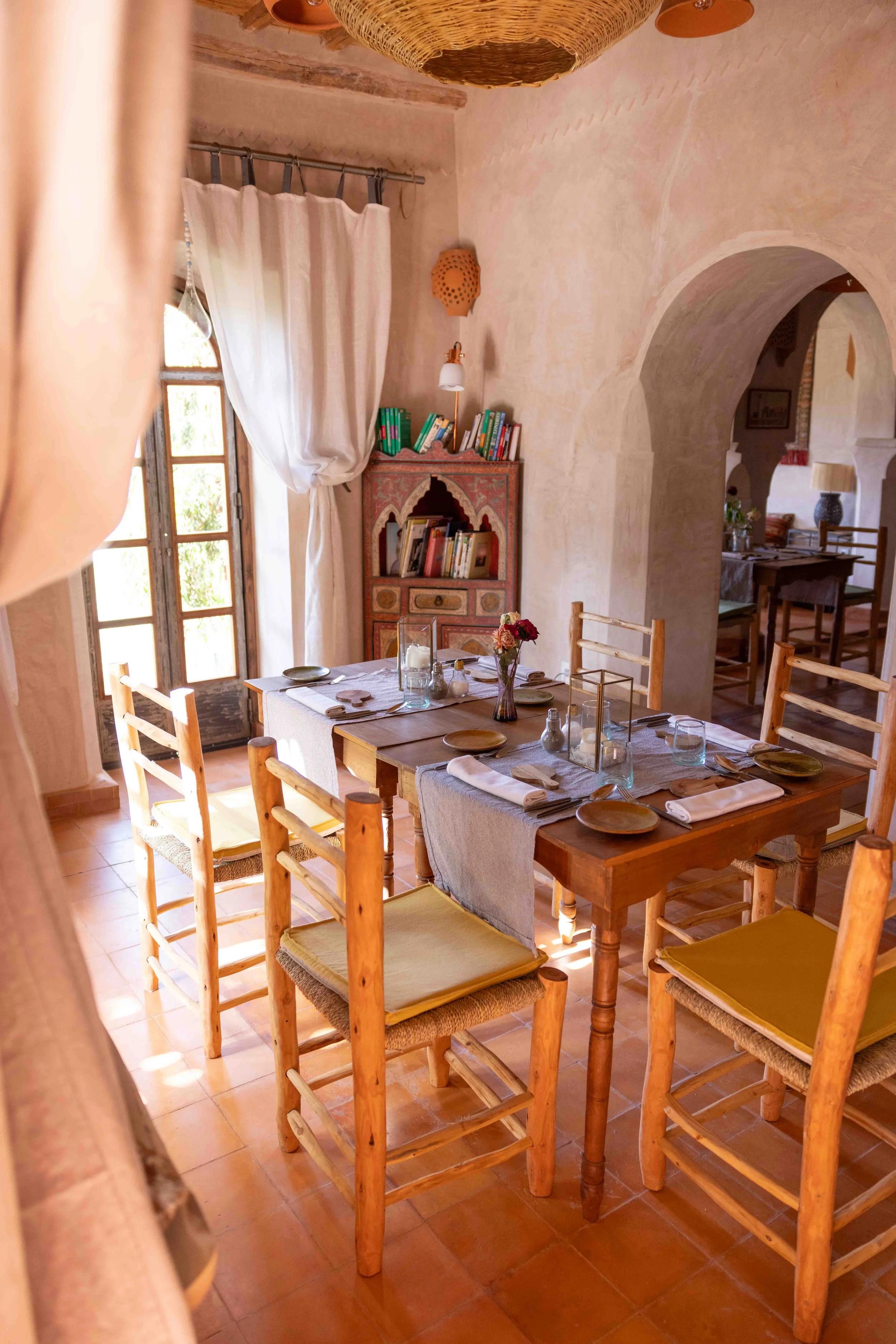
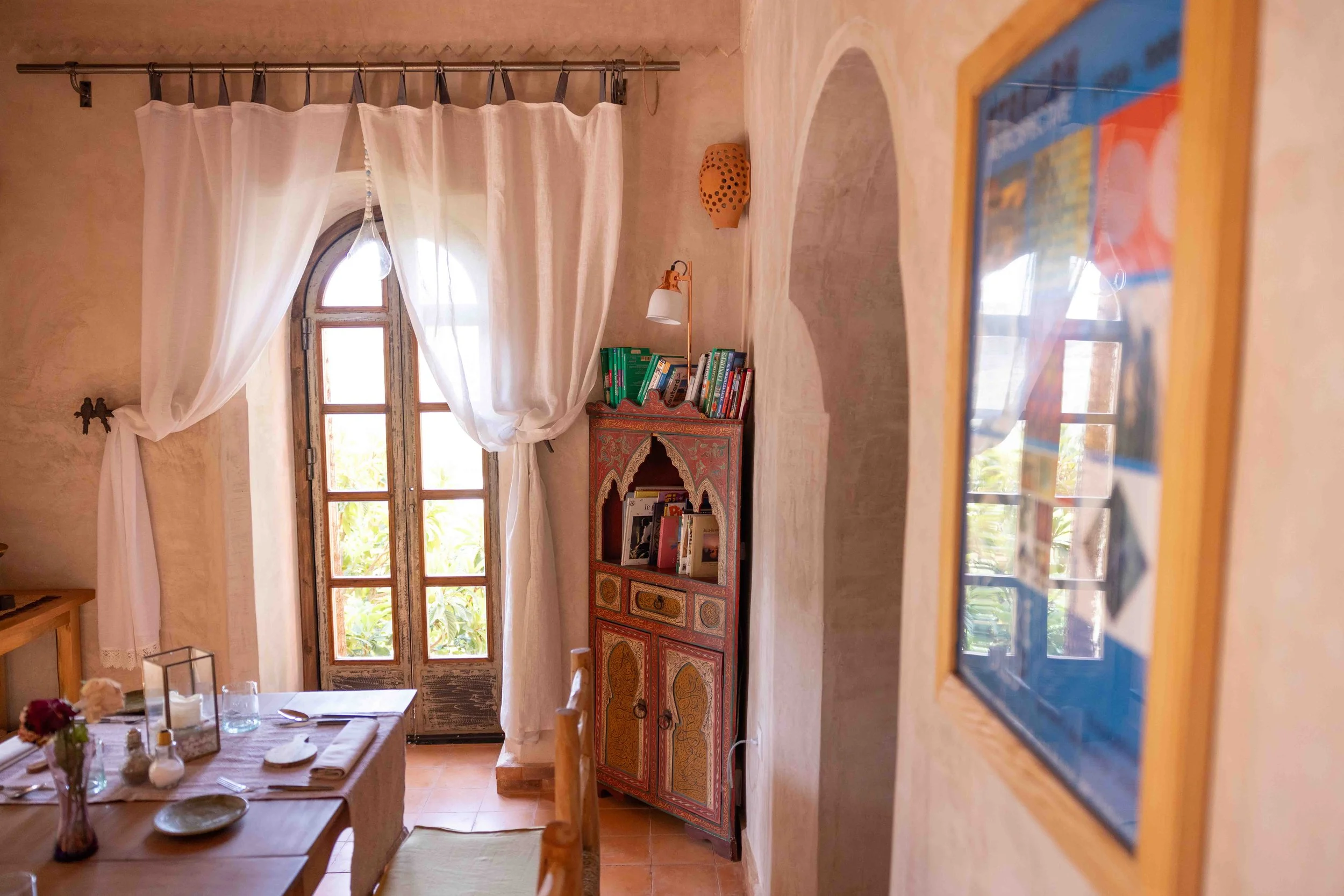
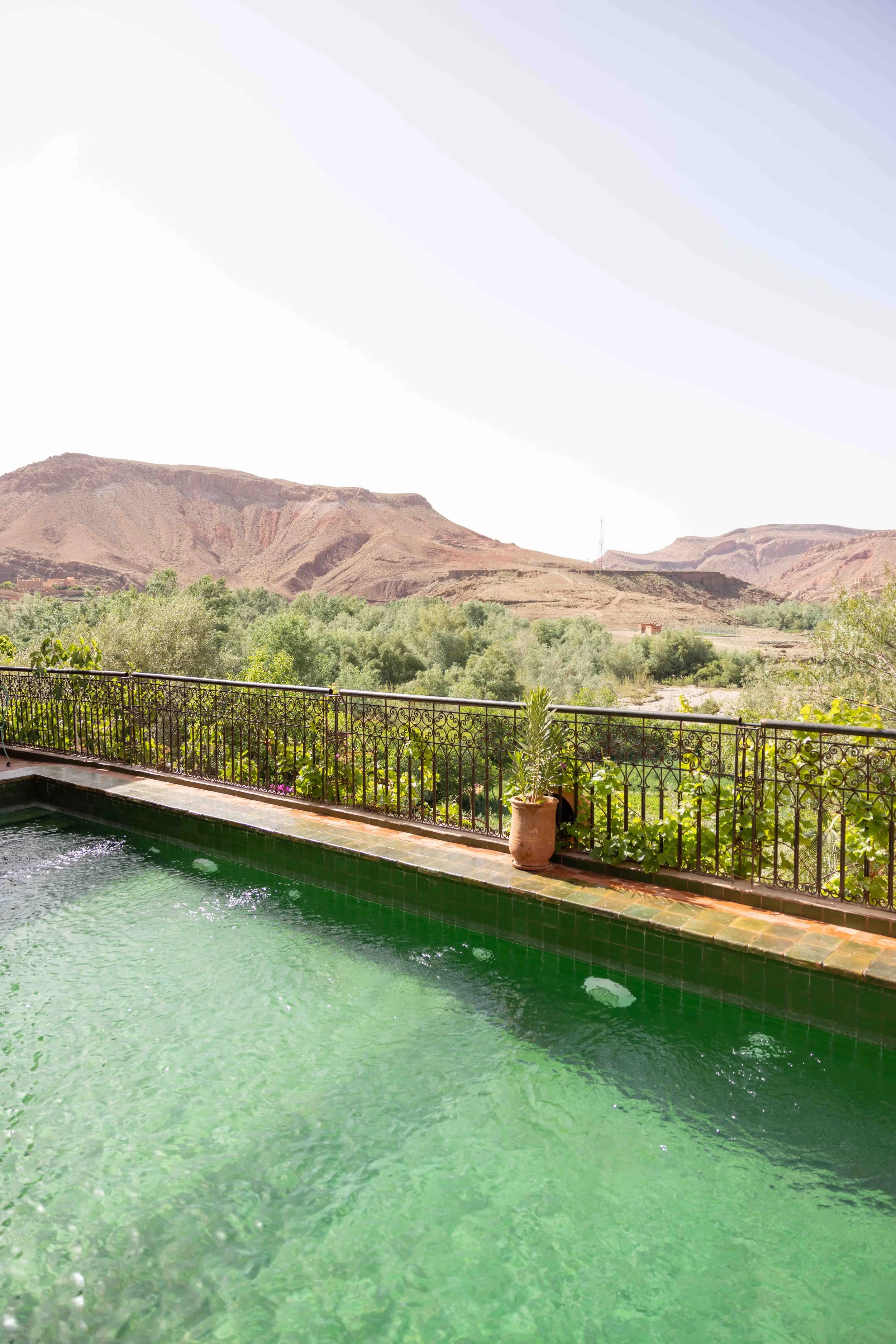
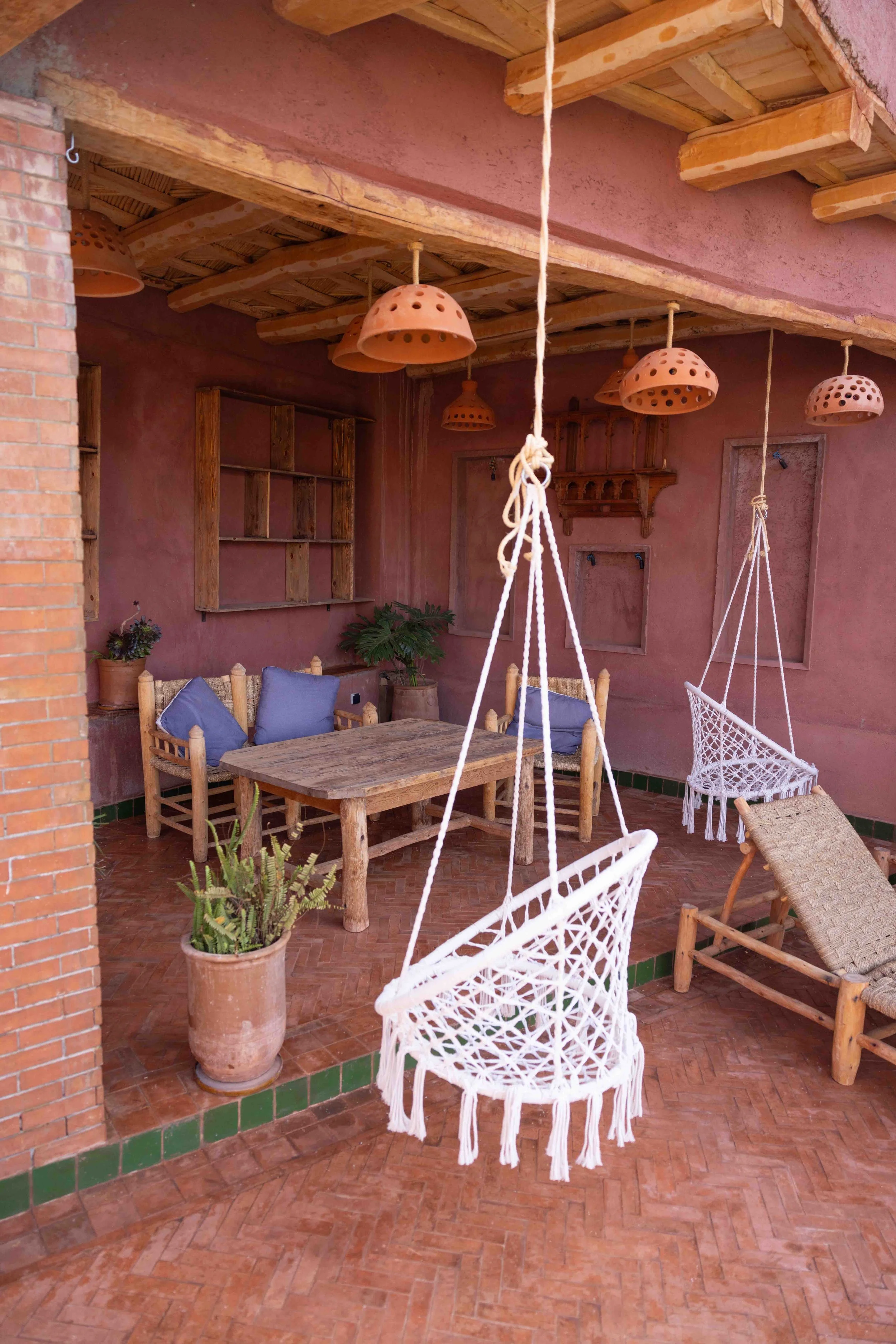
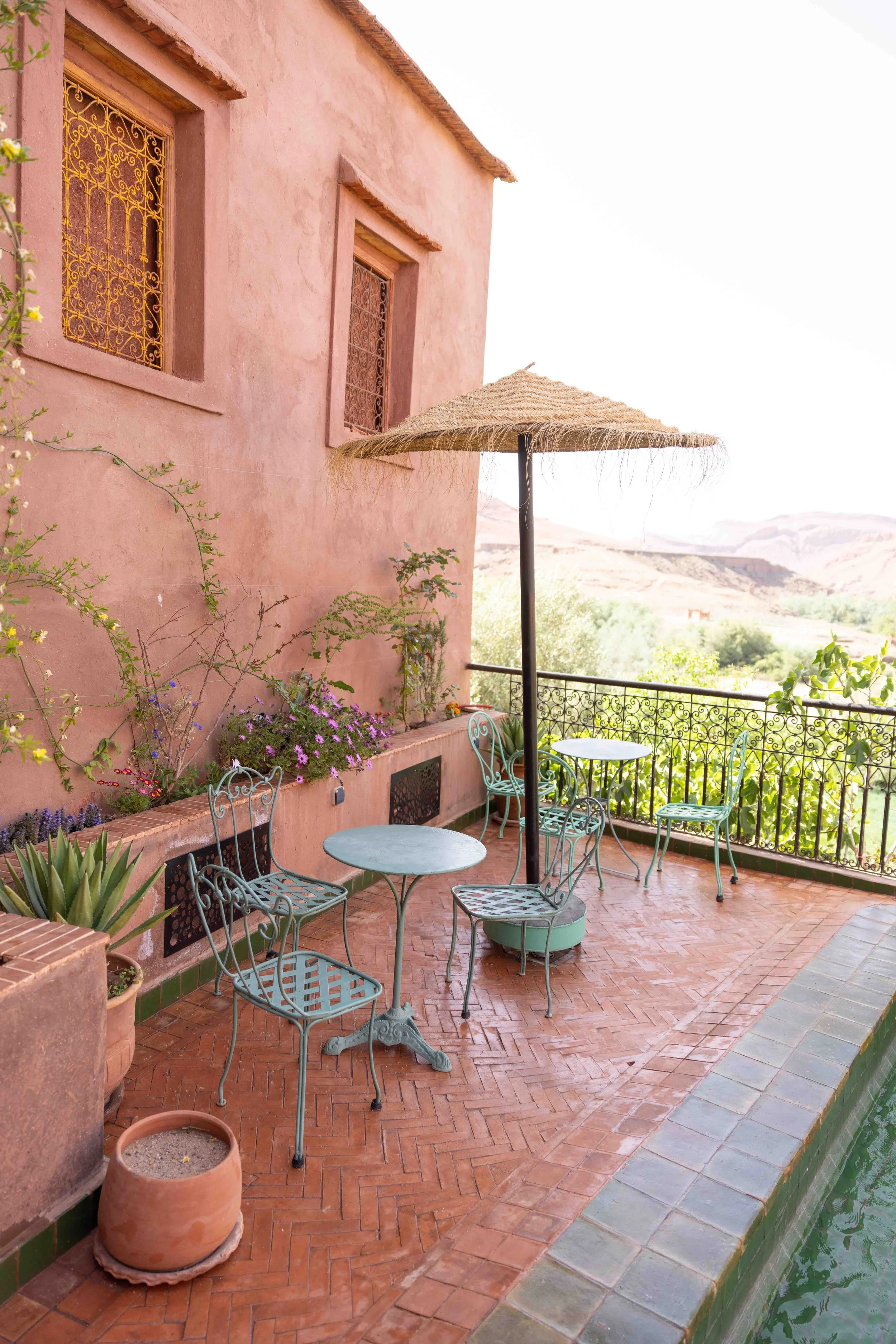
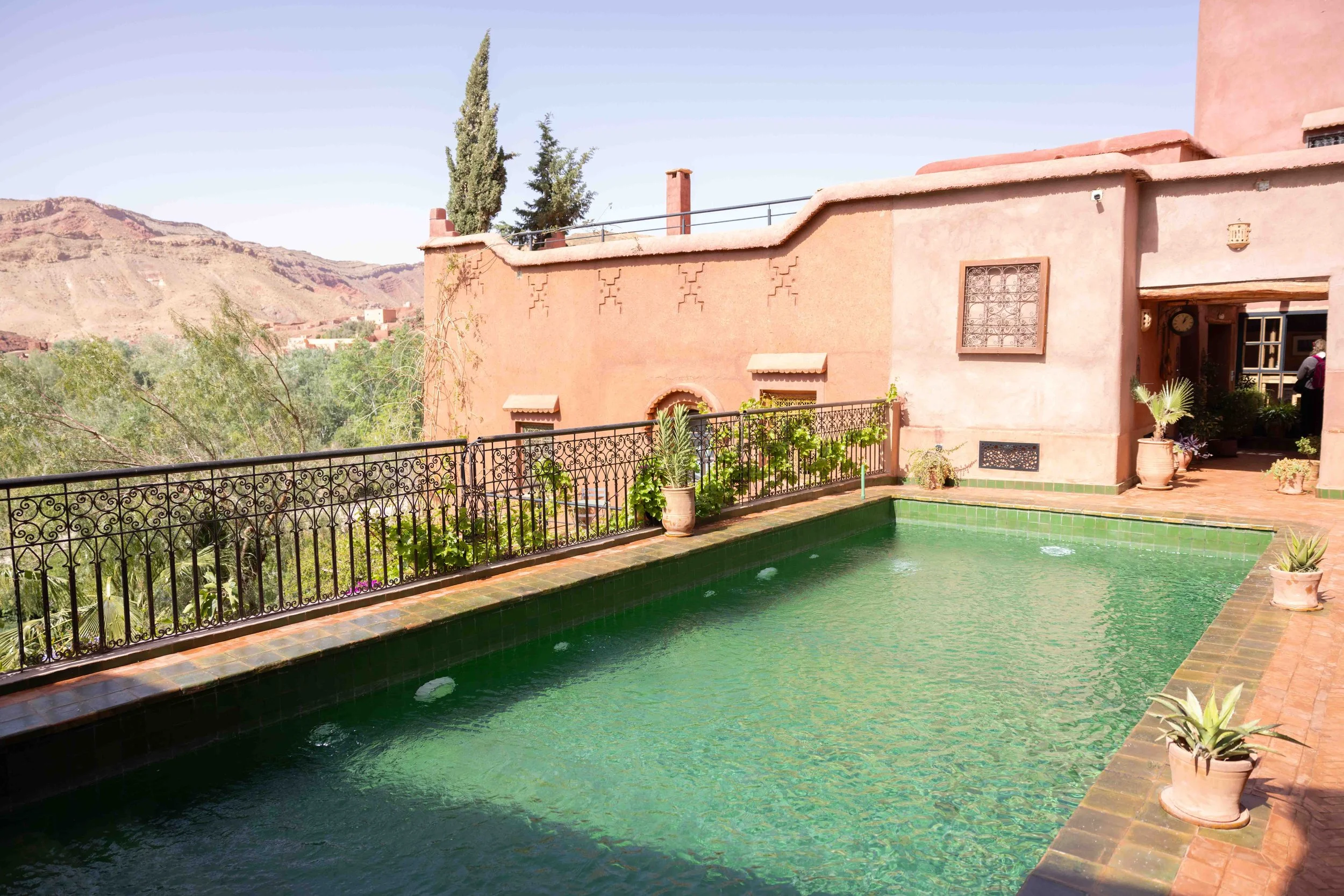
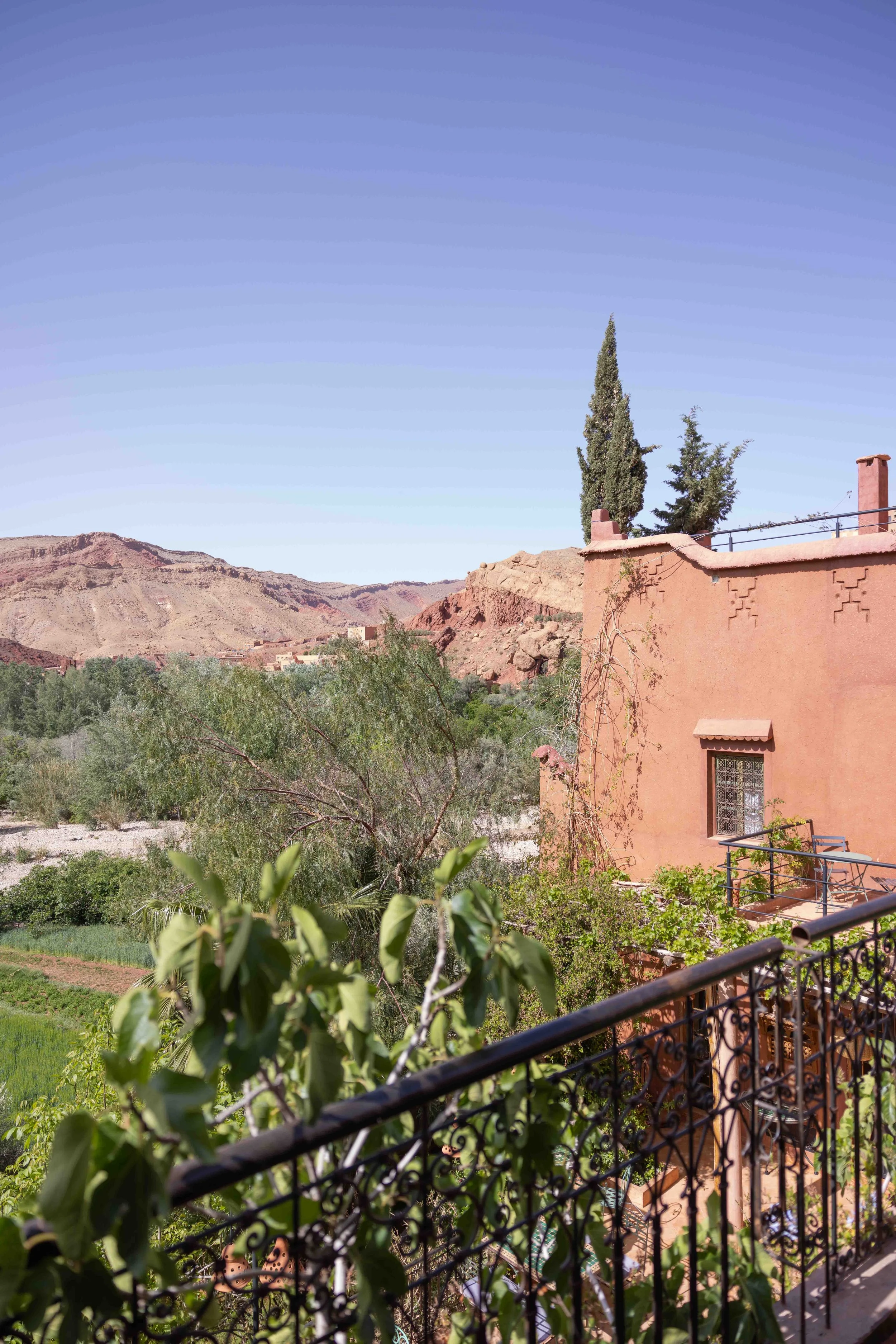
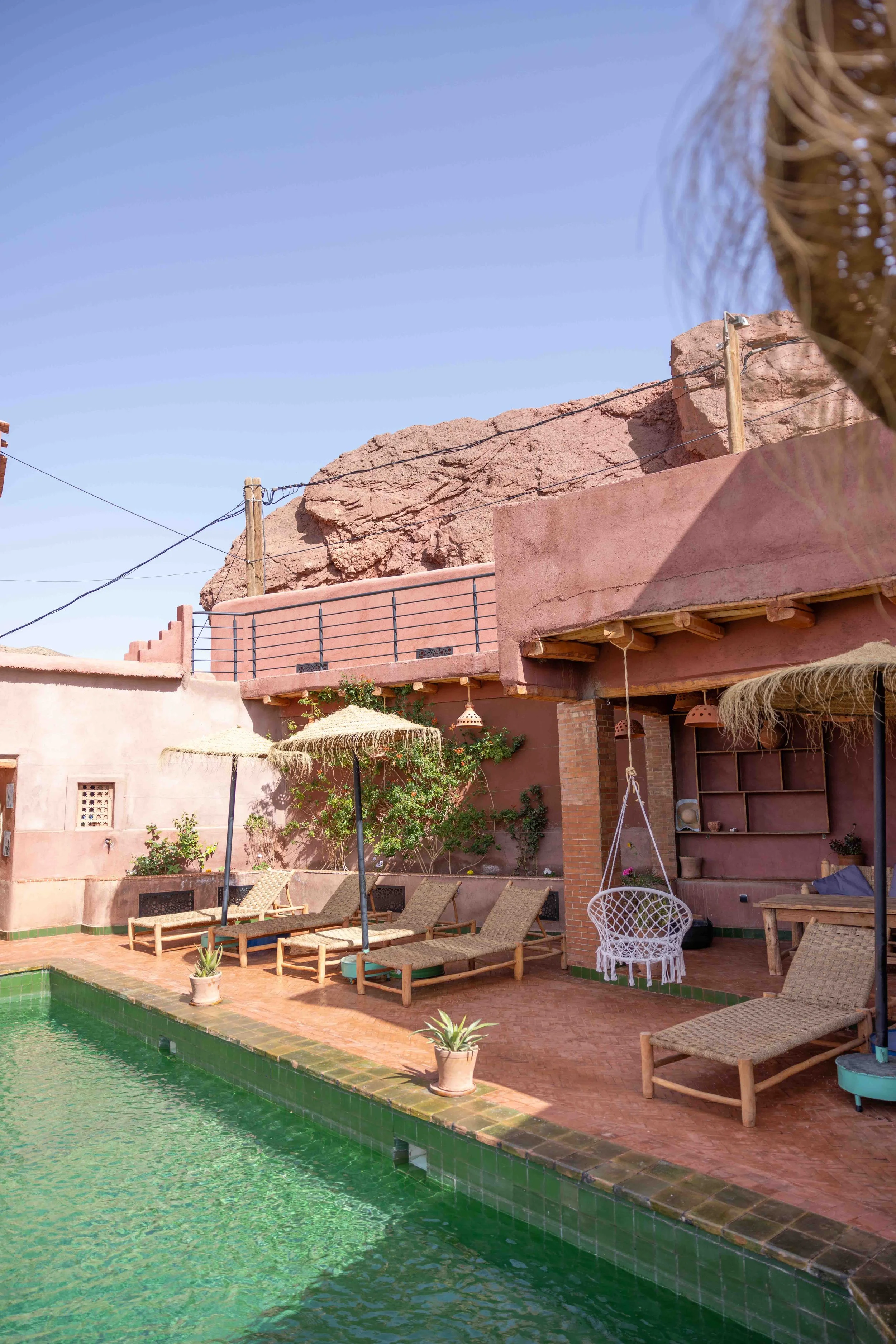
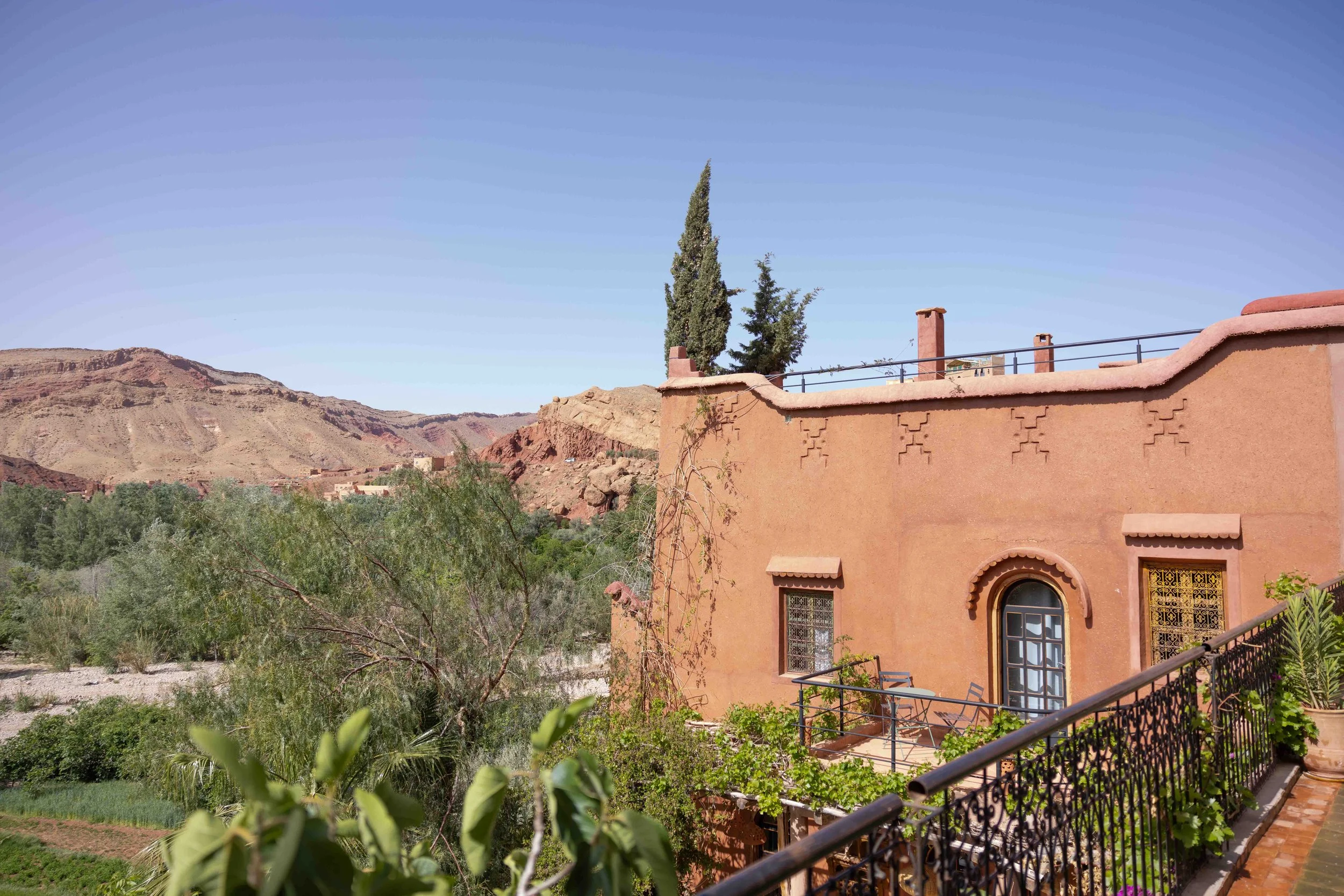
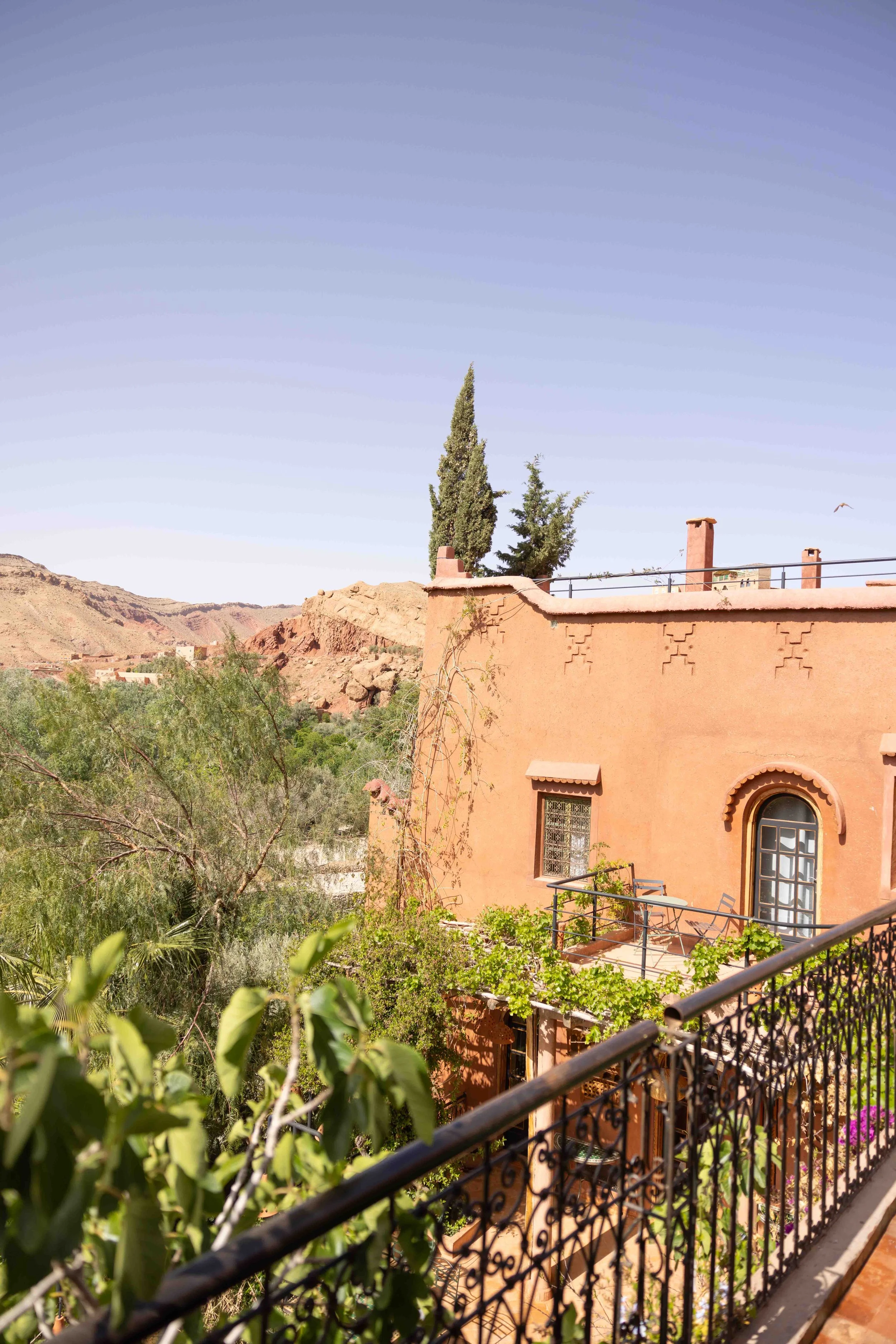
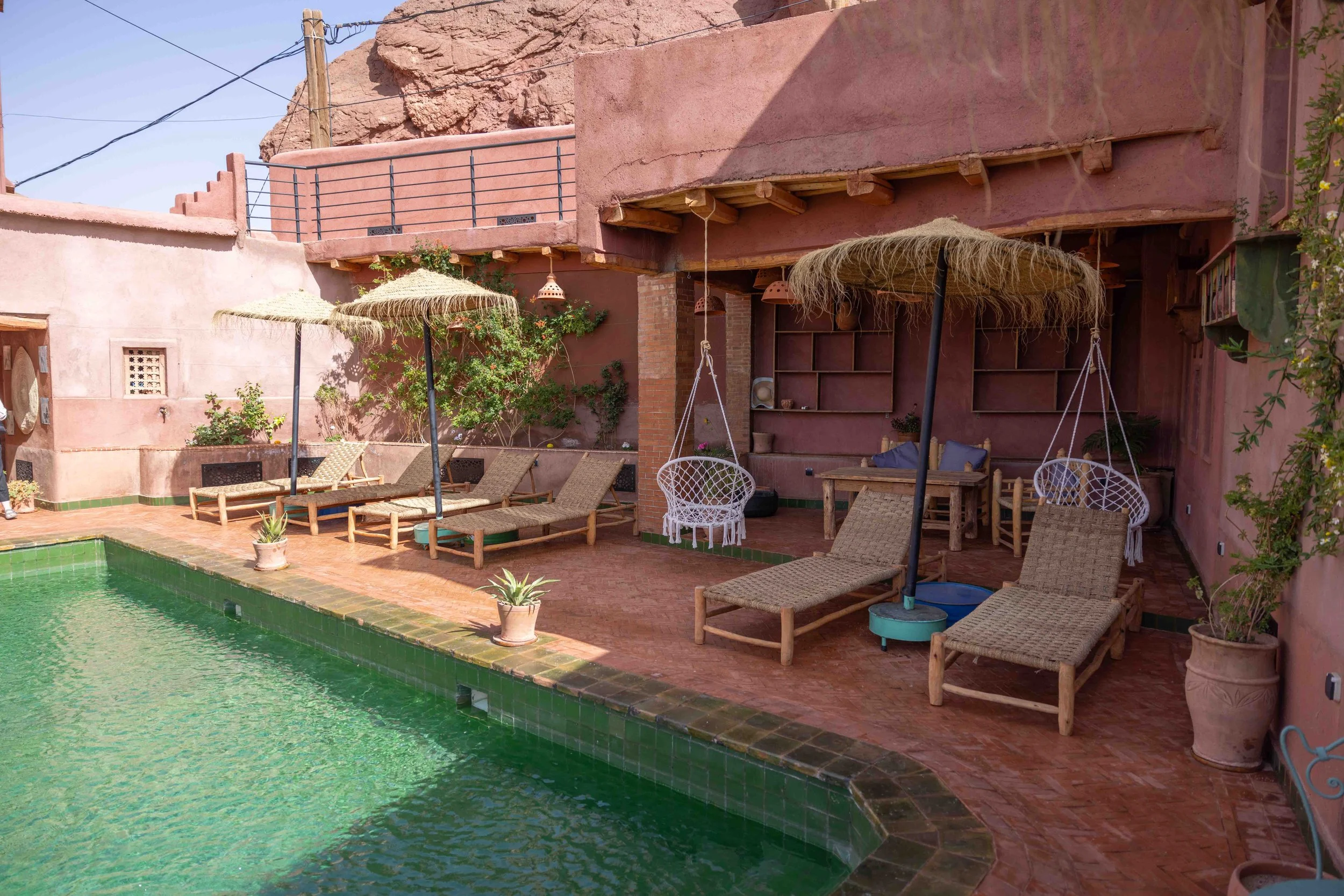
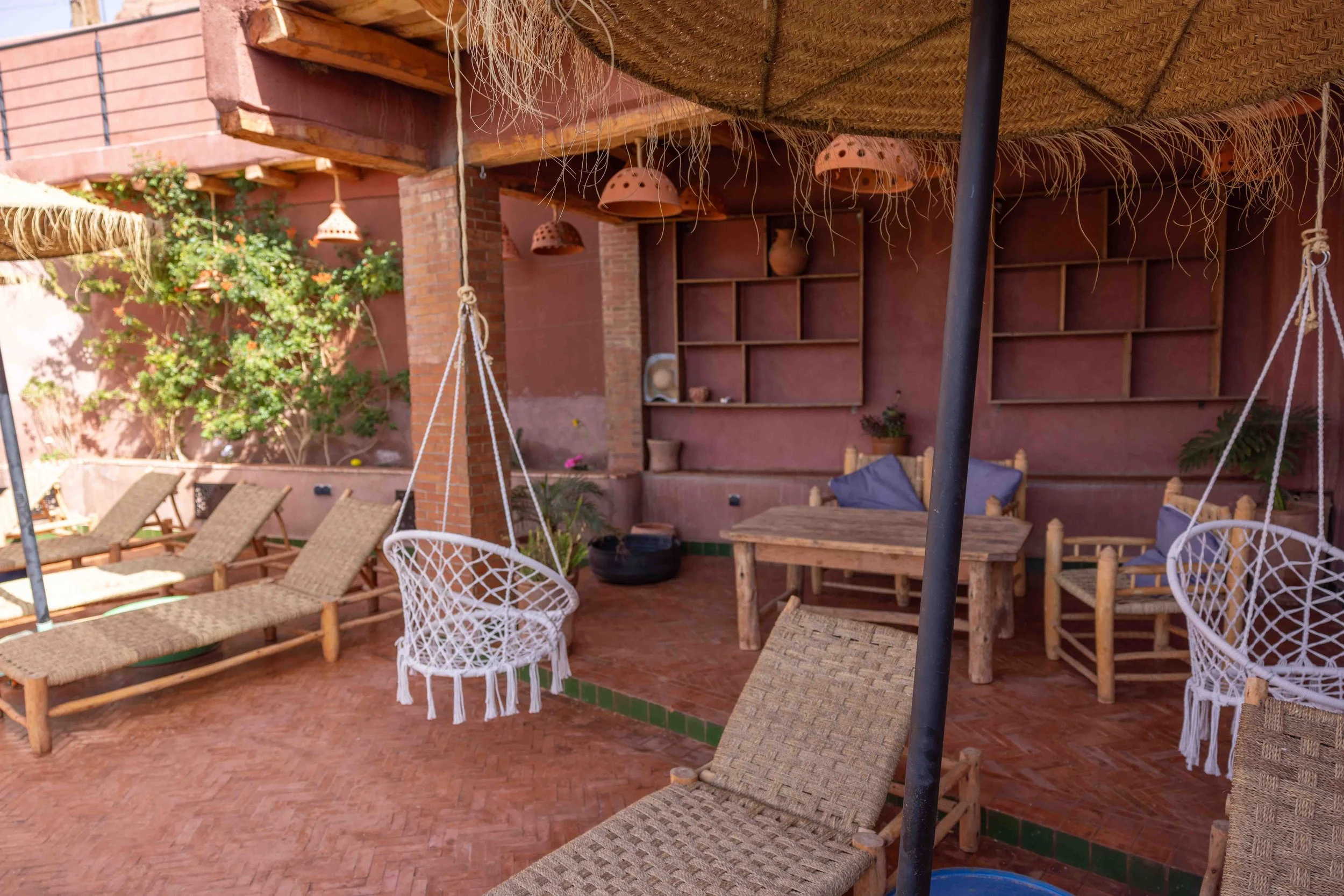
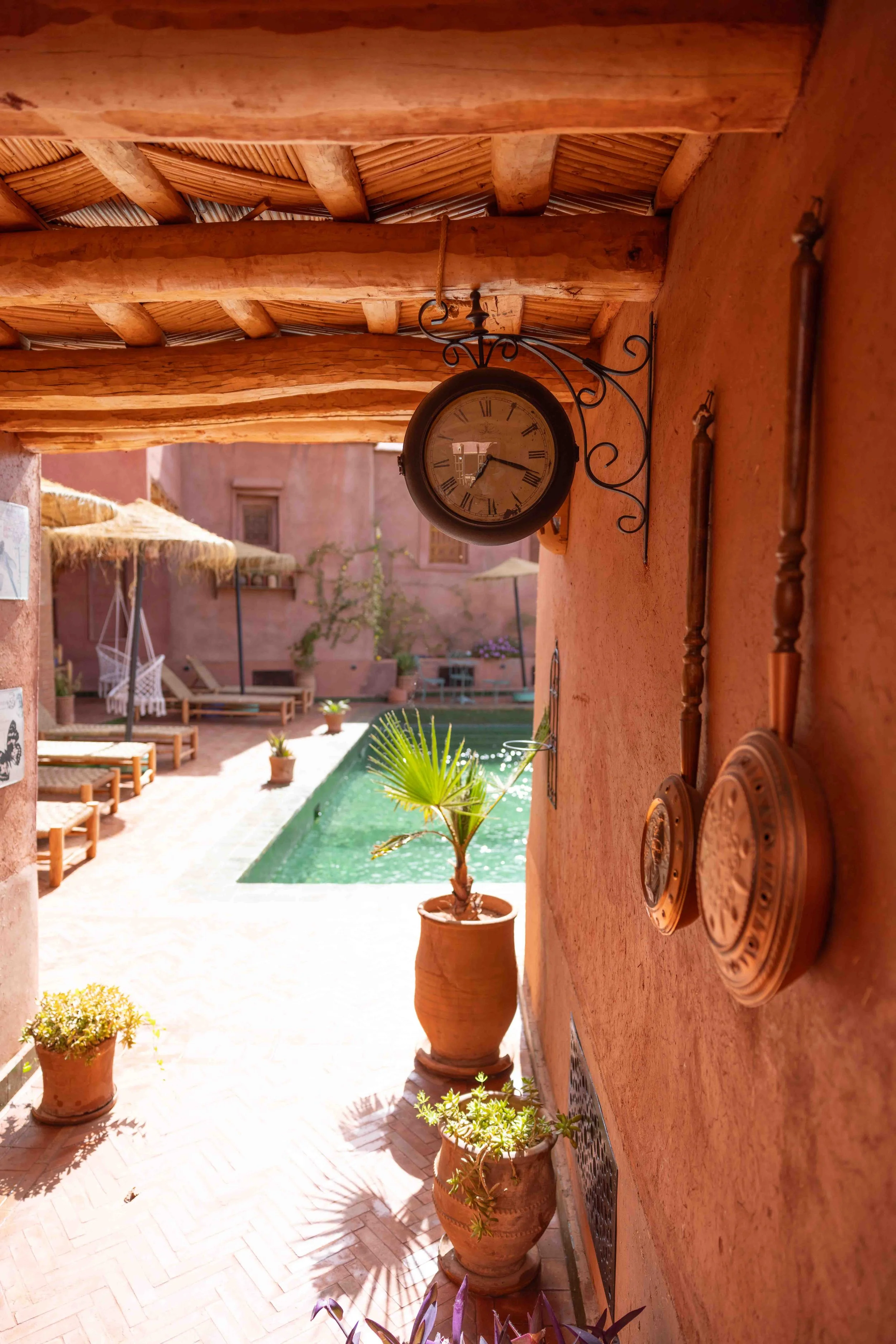
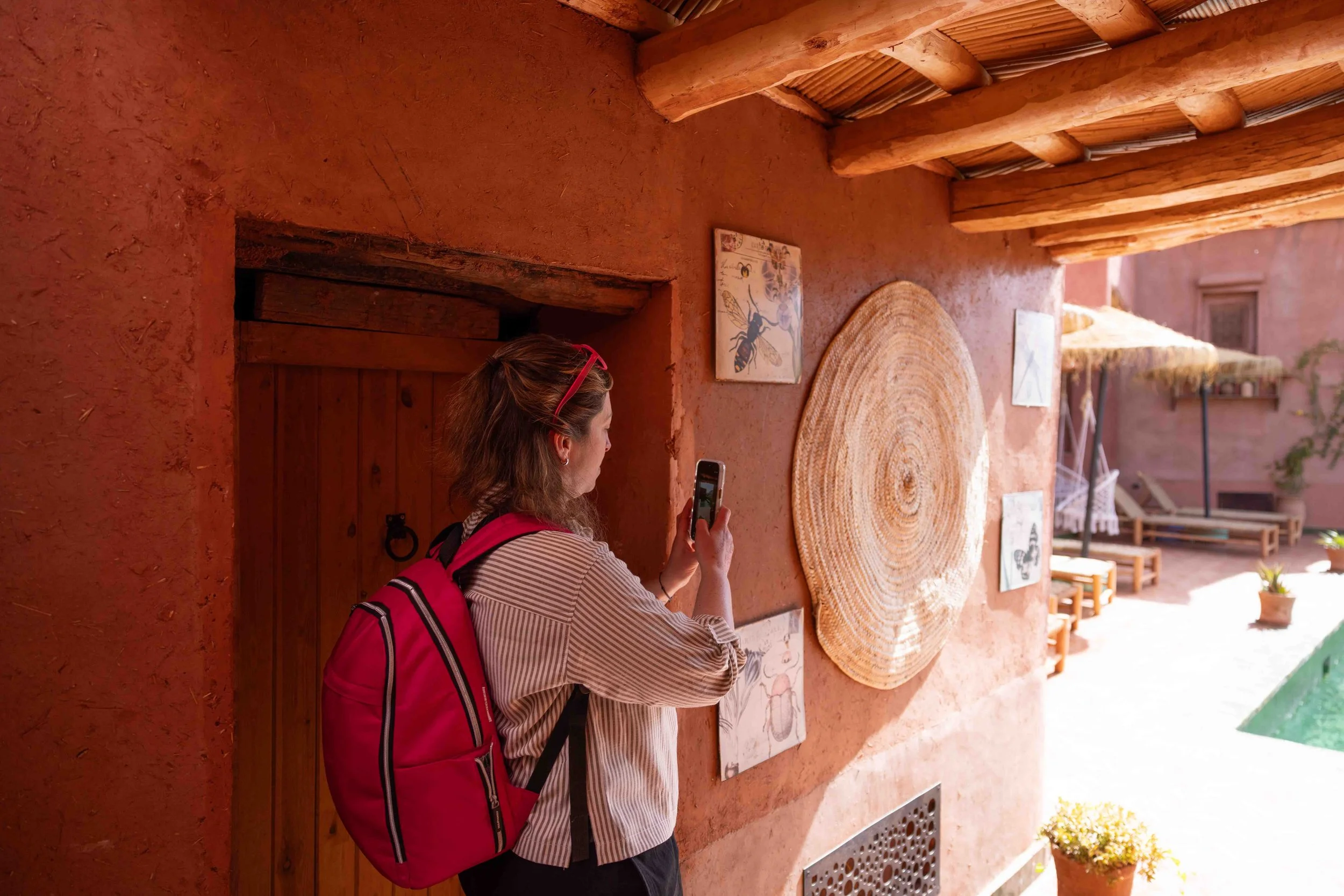
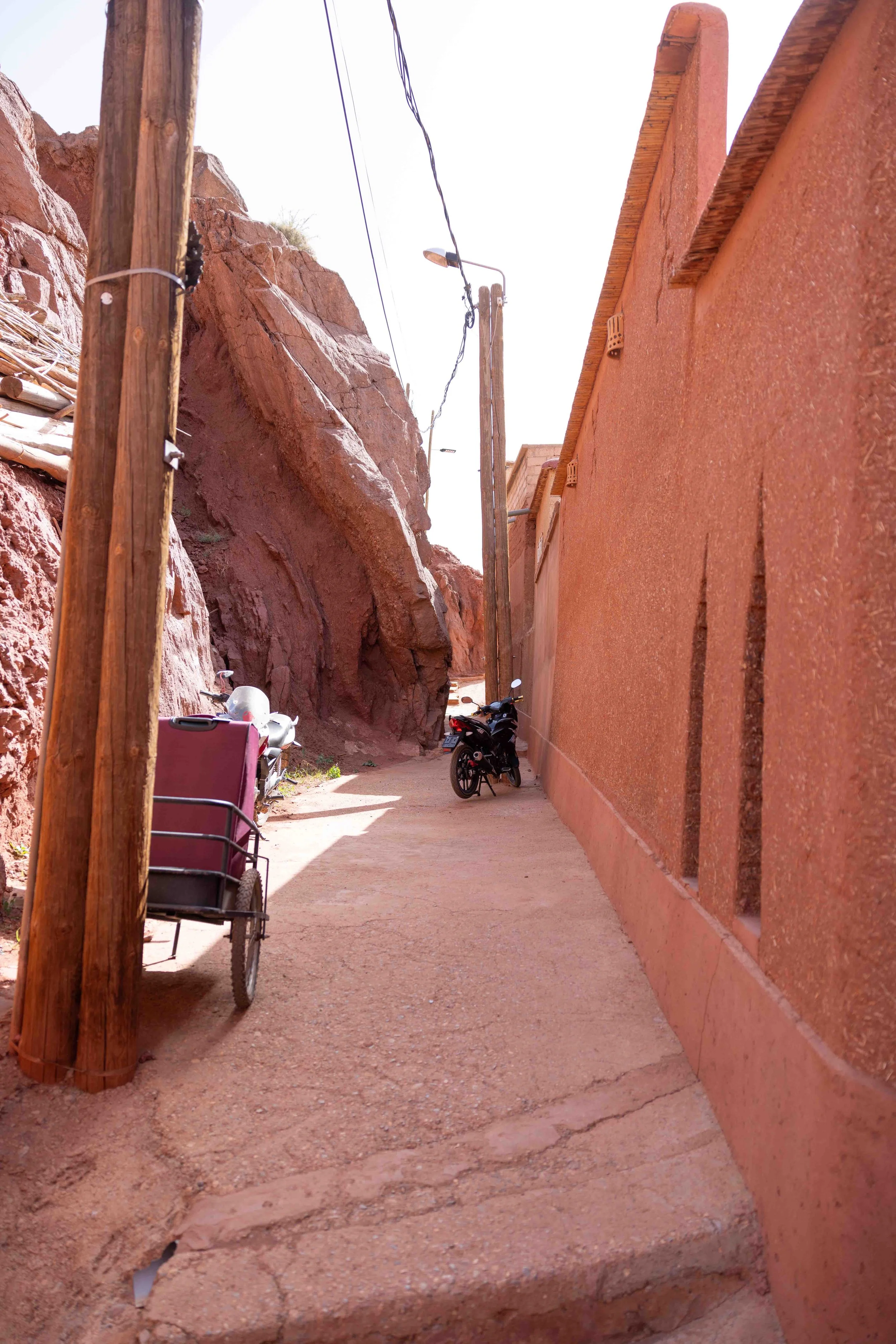
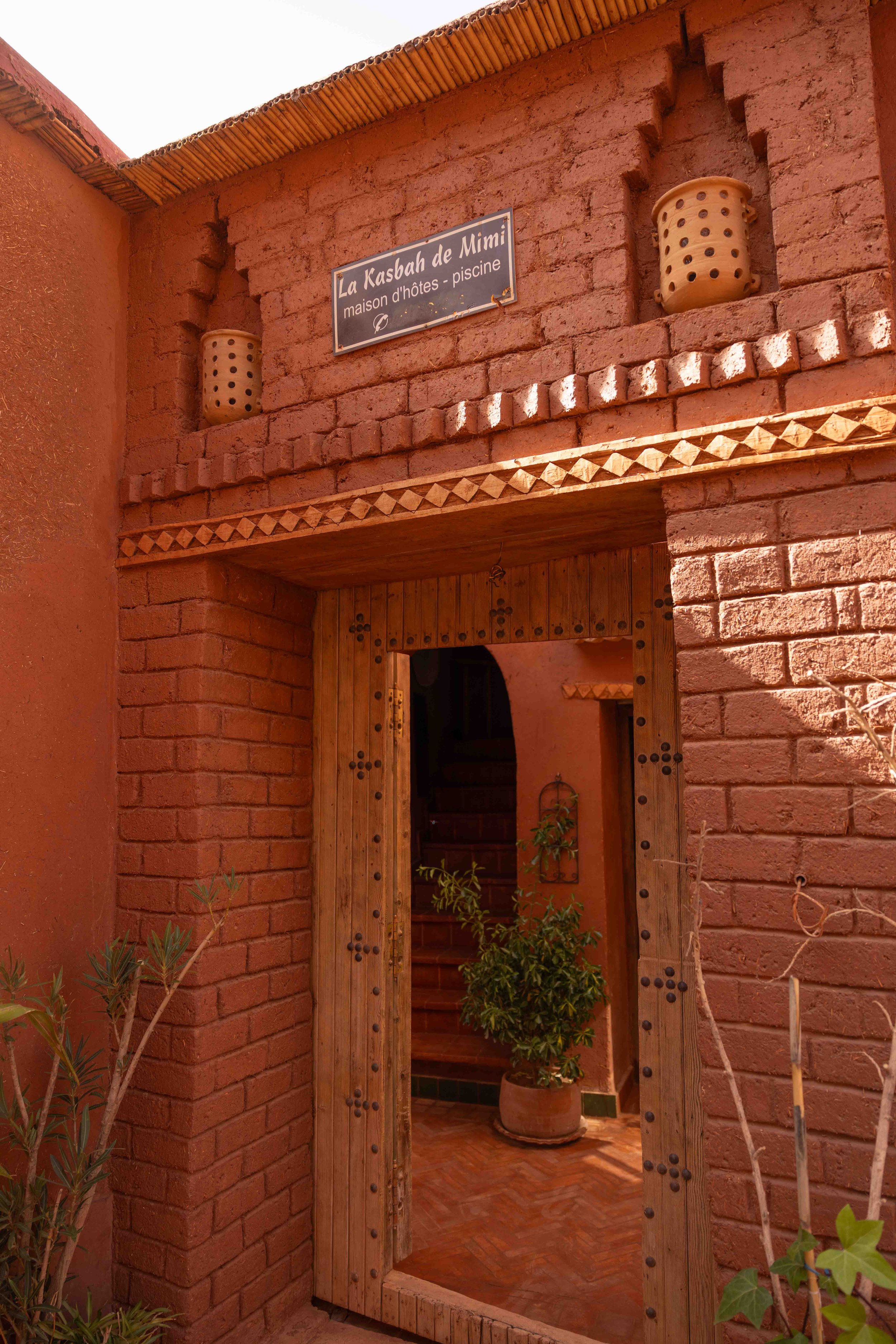
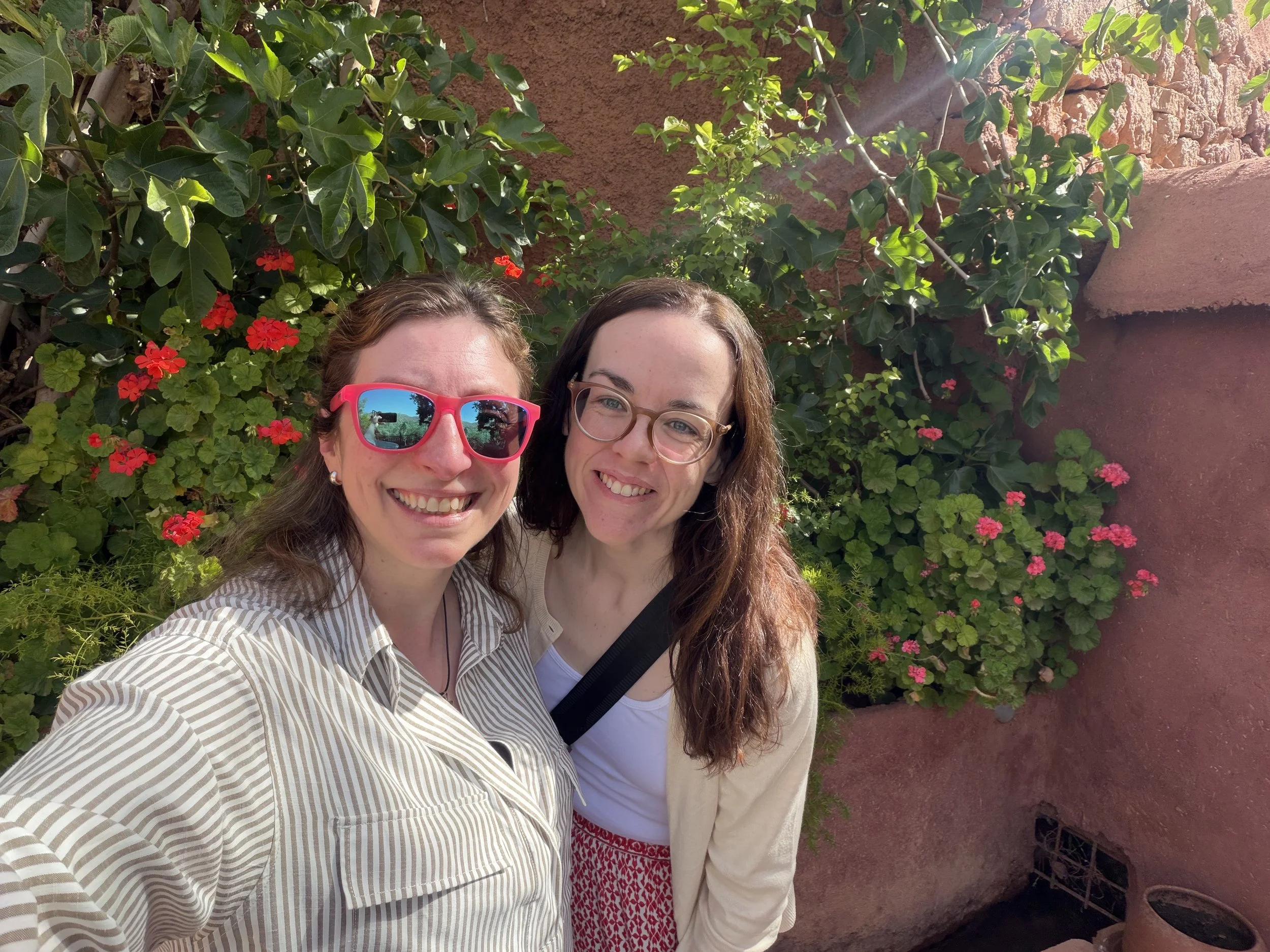
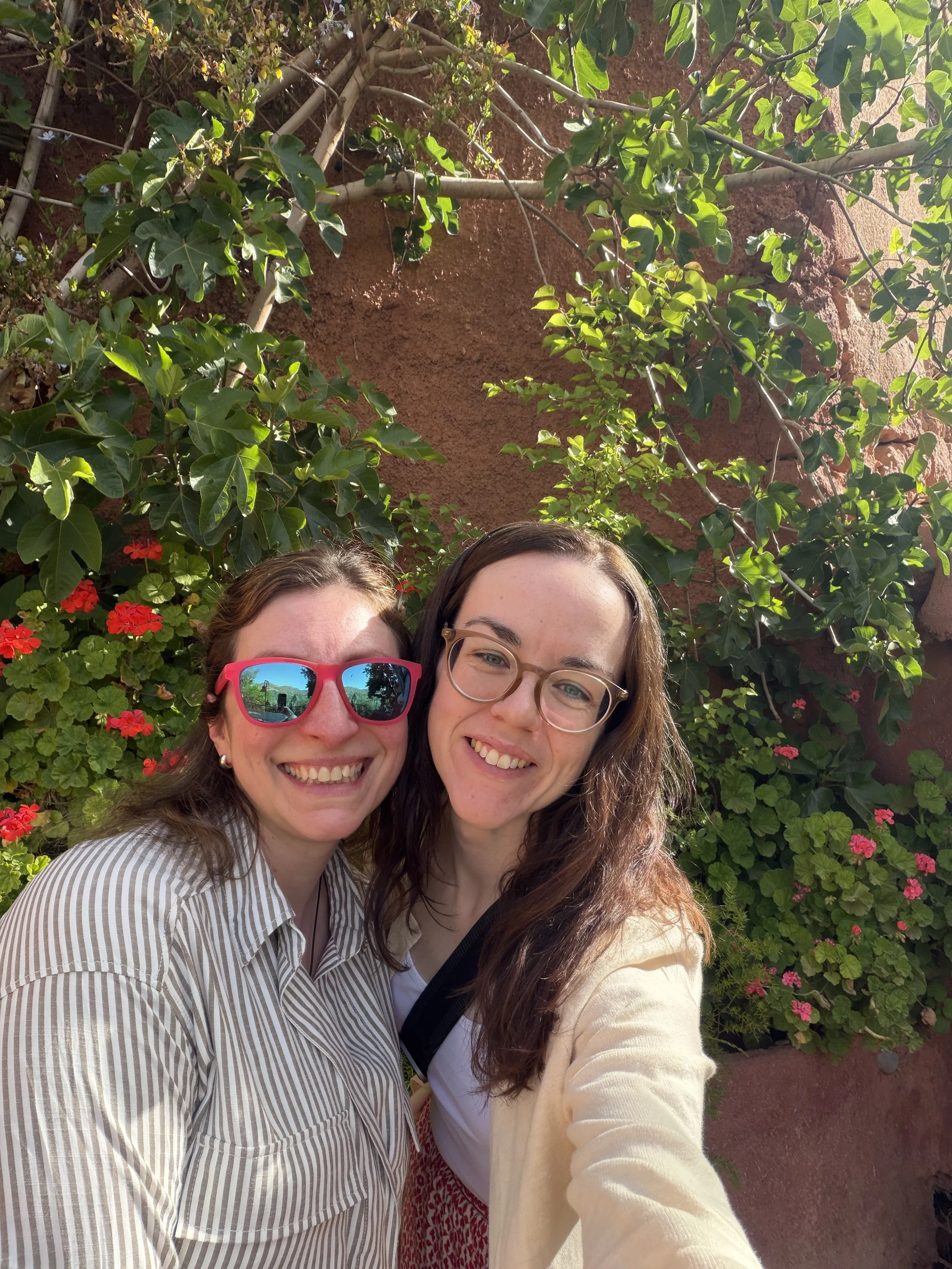
We woke up to a peaceful morning at Kasbah de Mimi, and honestly, we weren’t ready to leave.
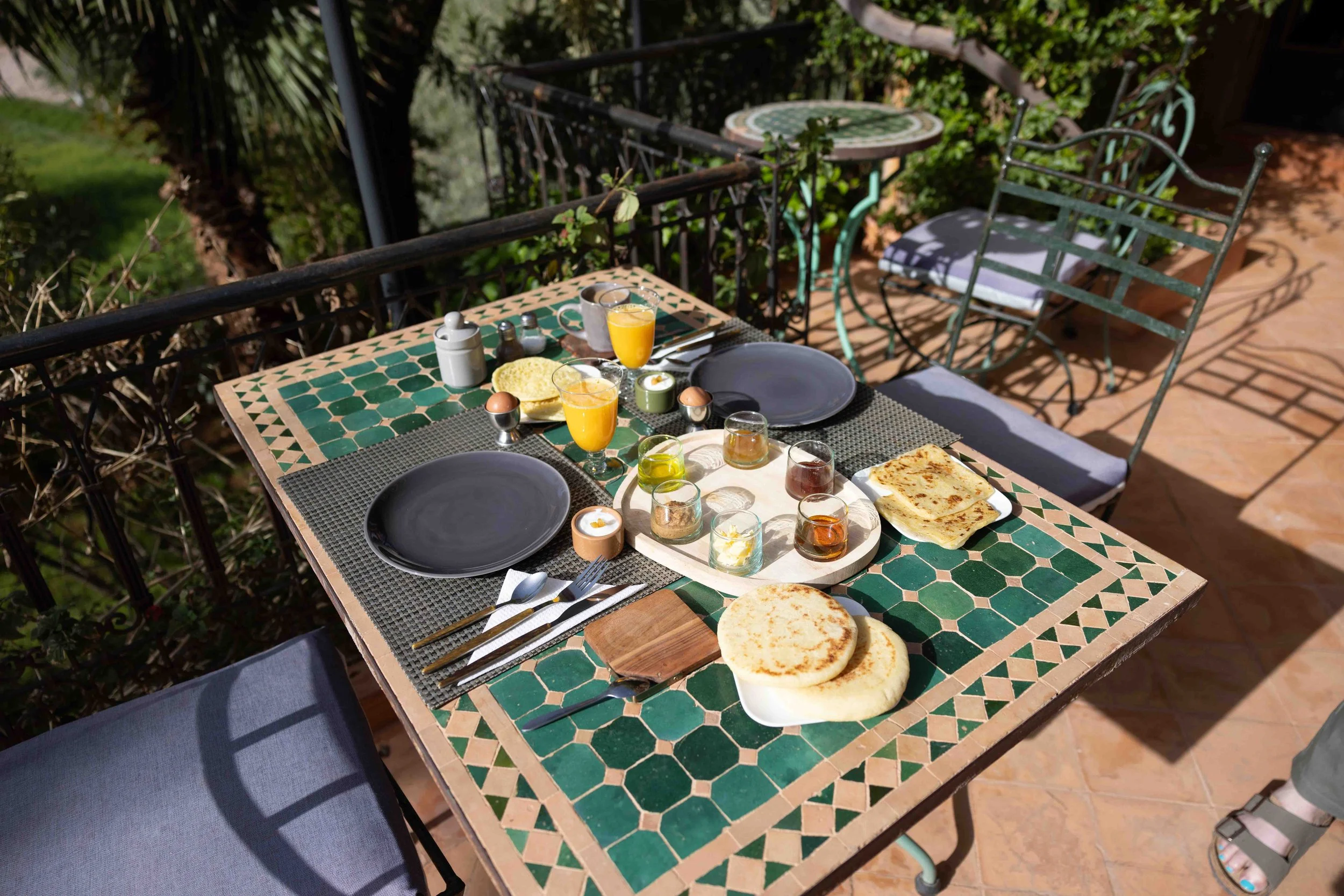
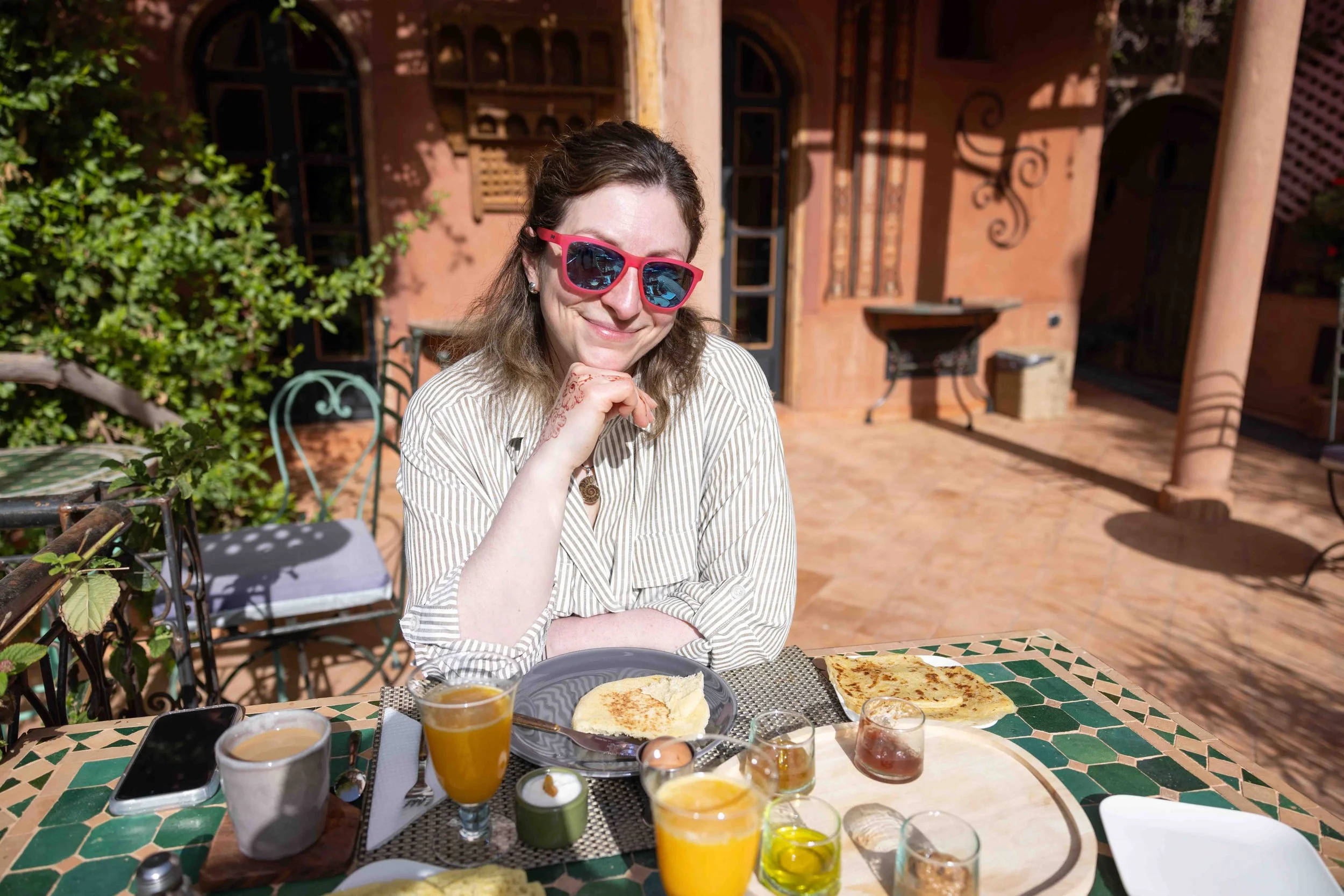
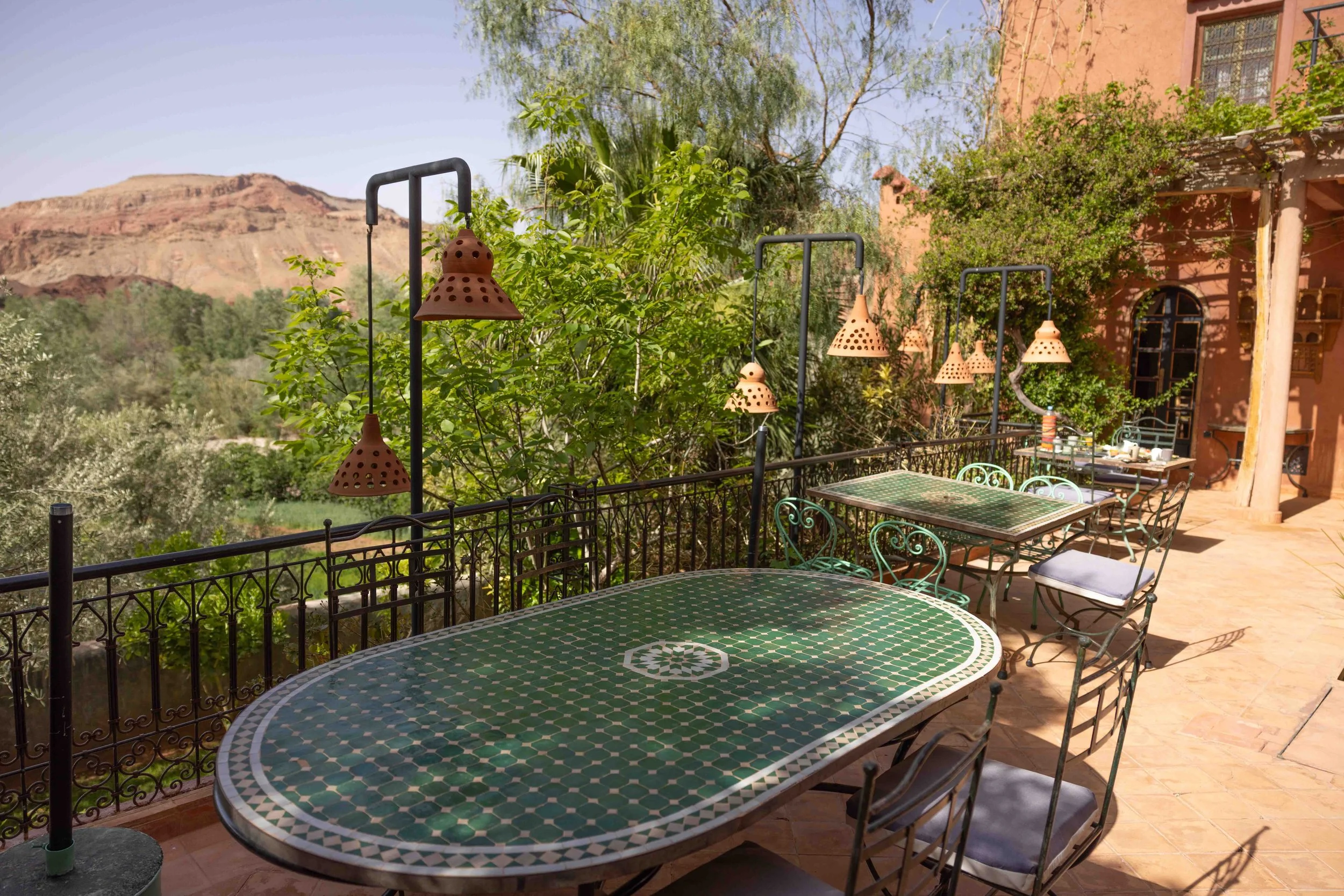
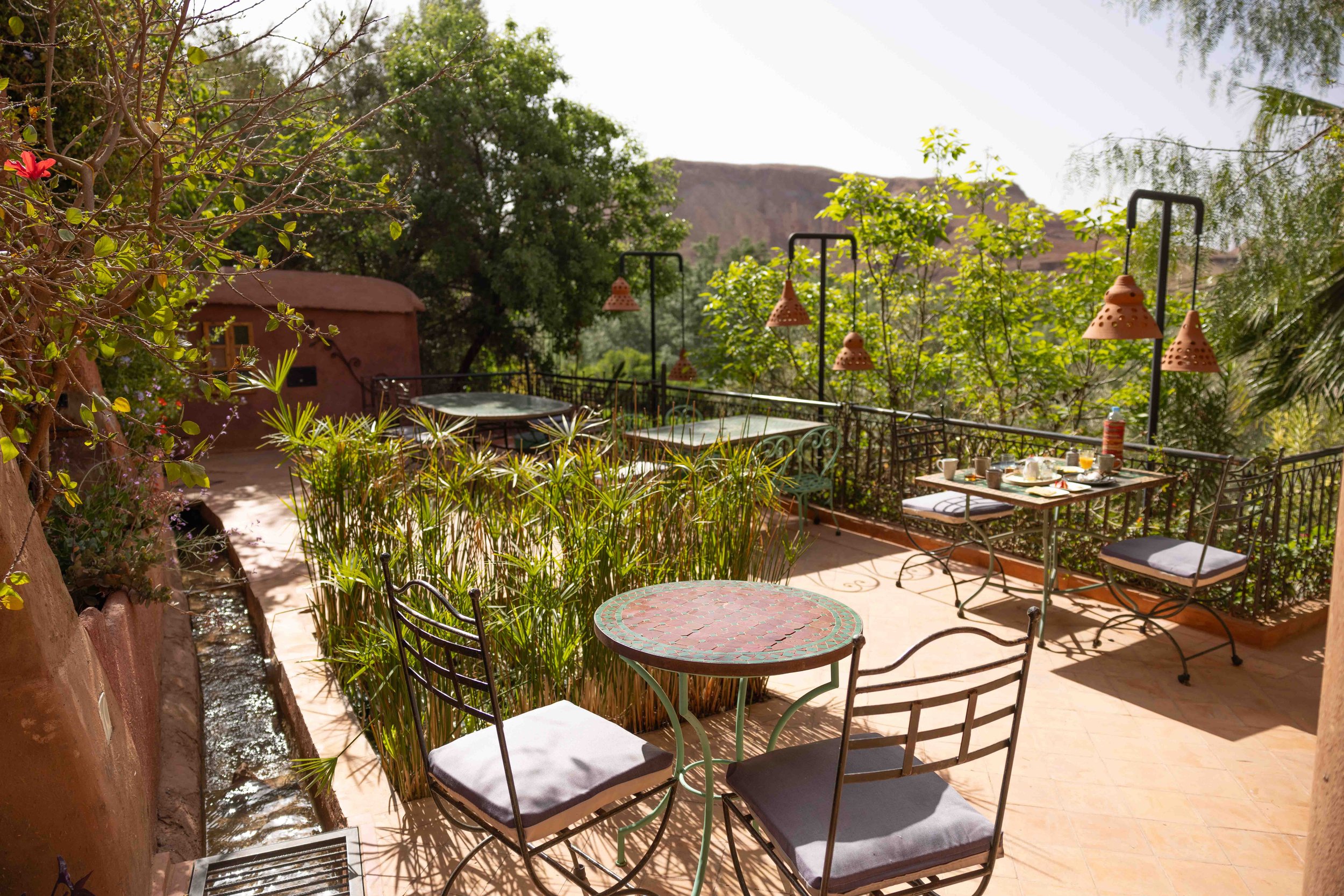
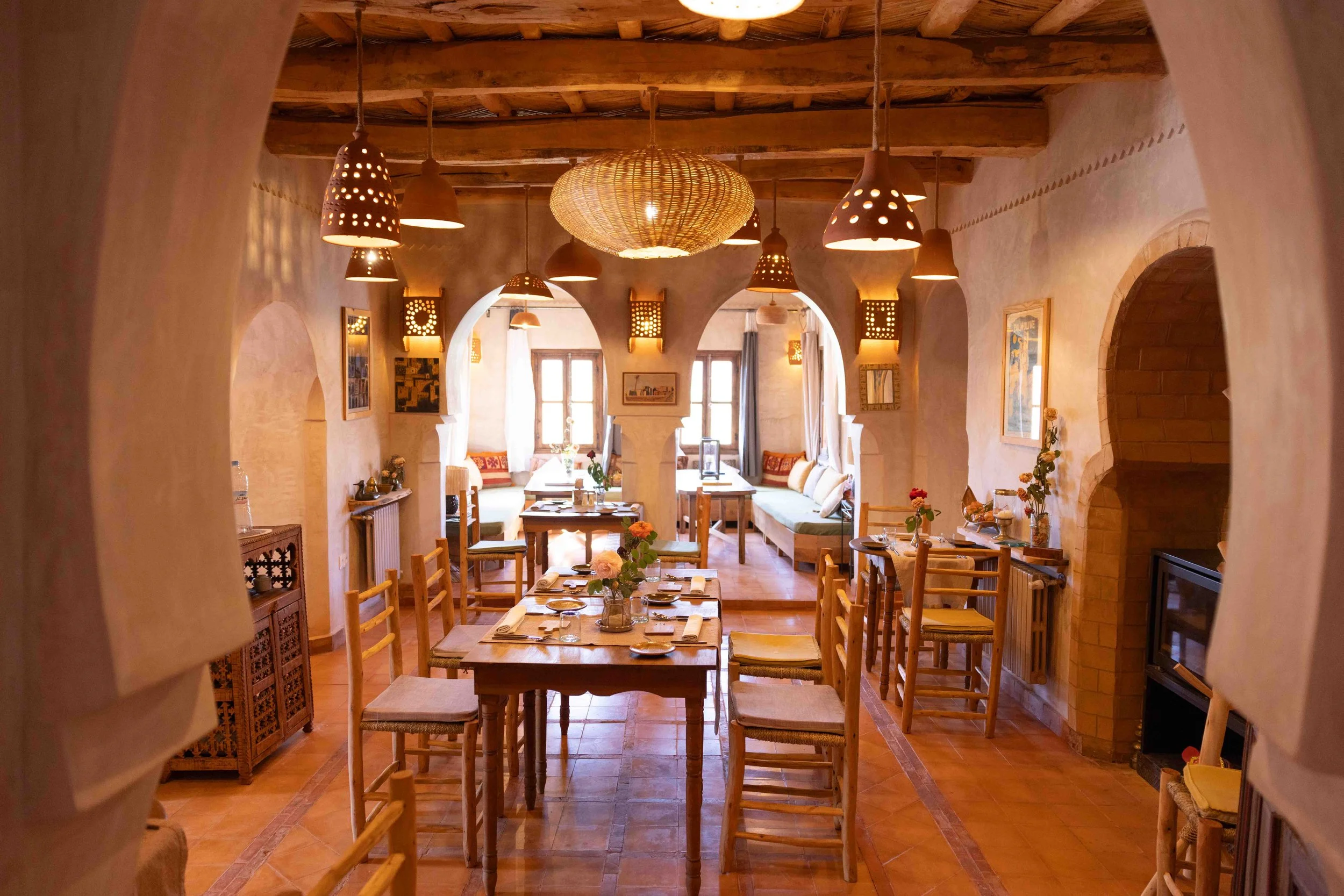
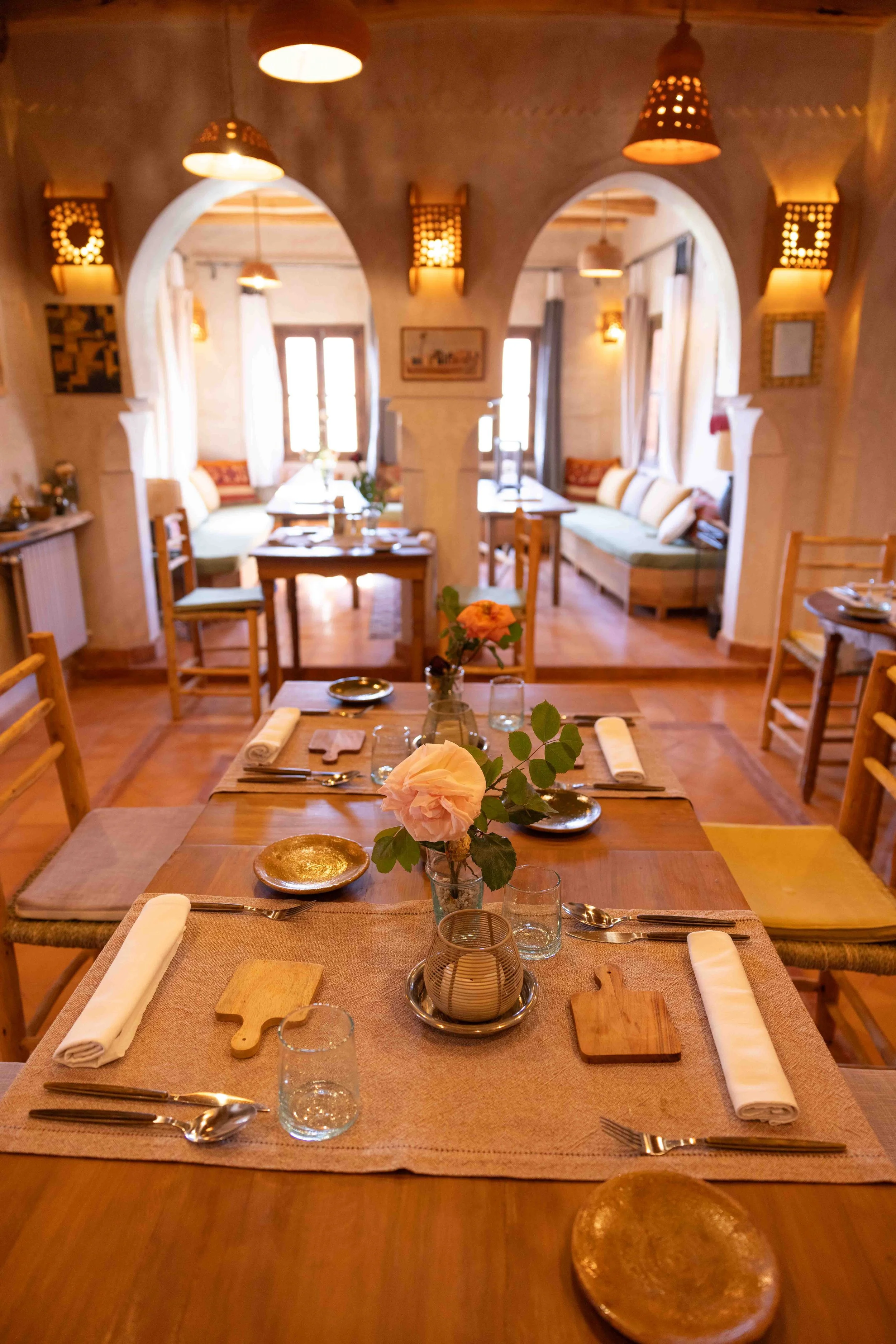
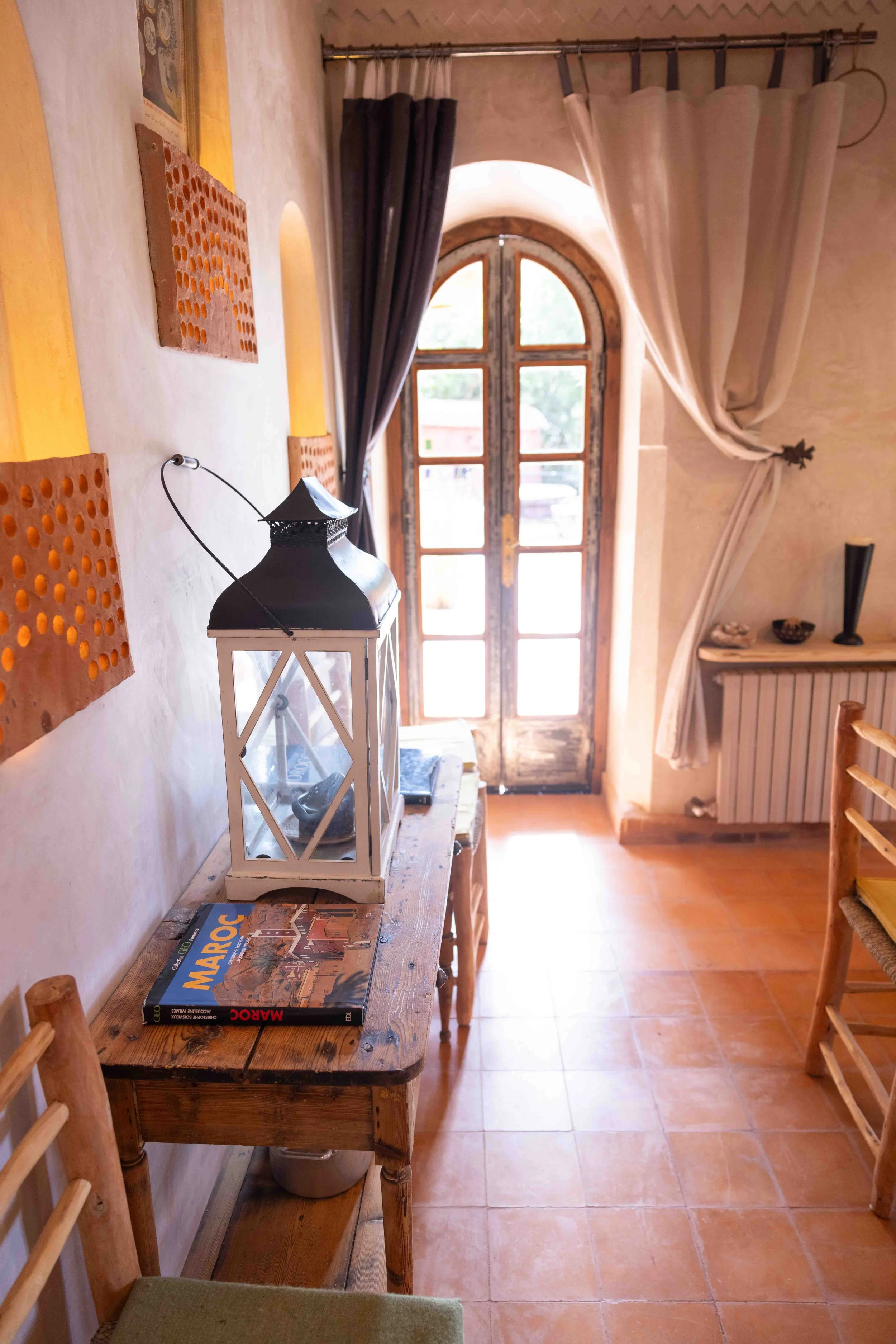
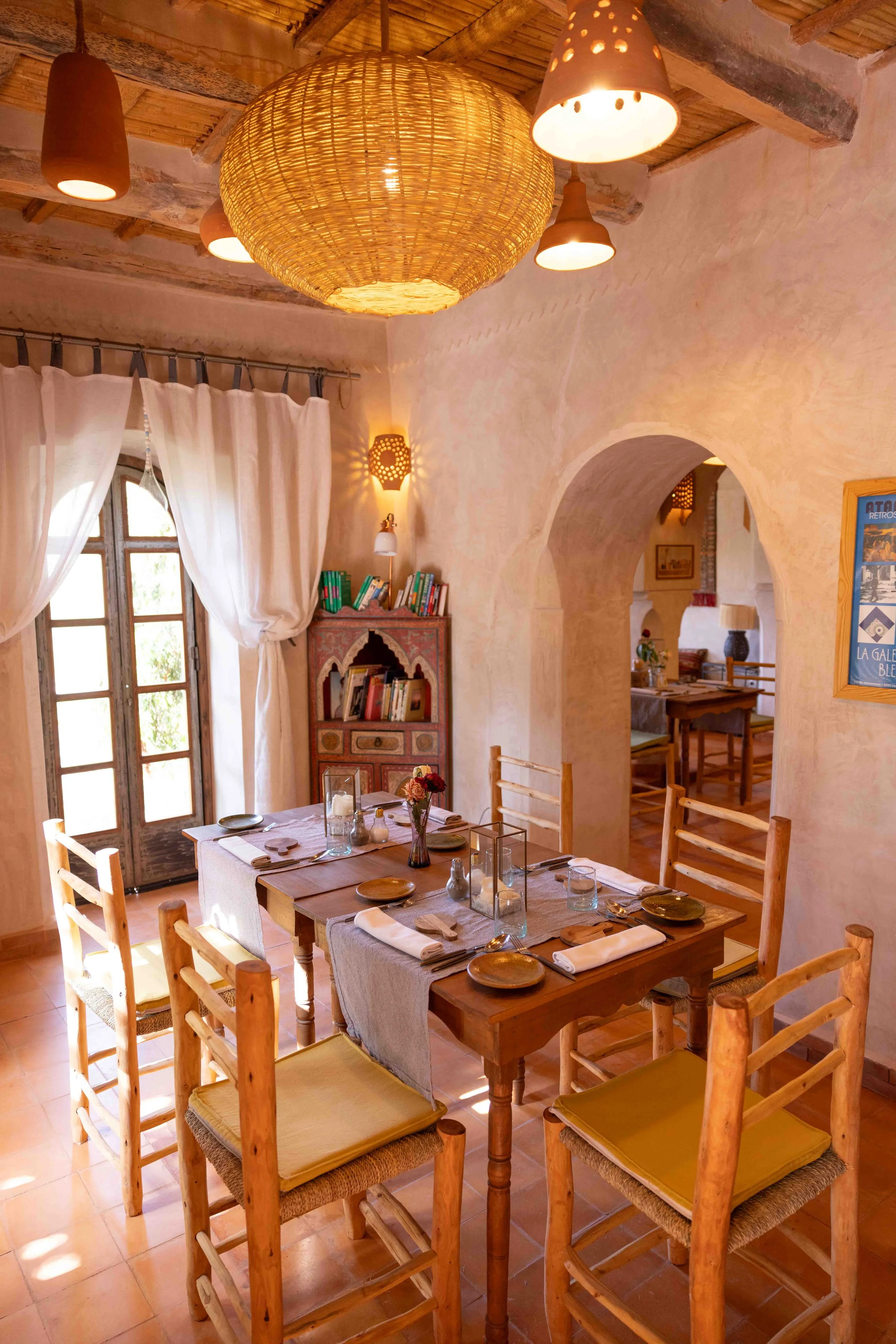
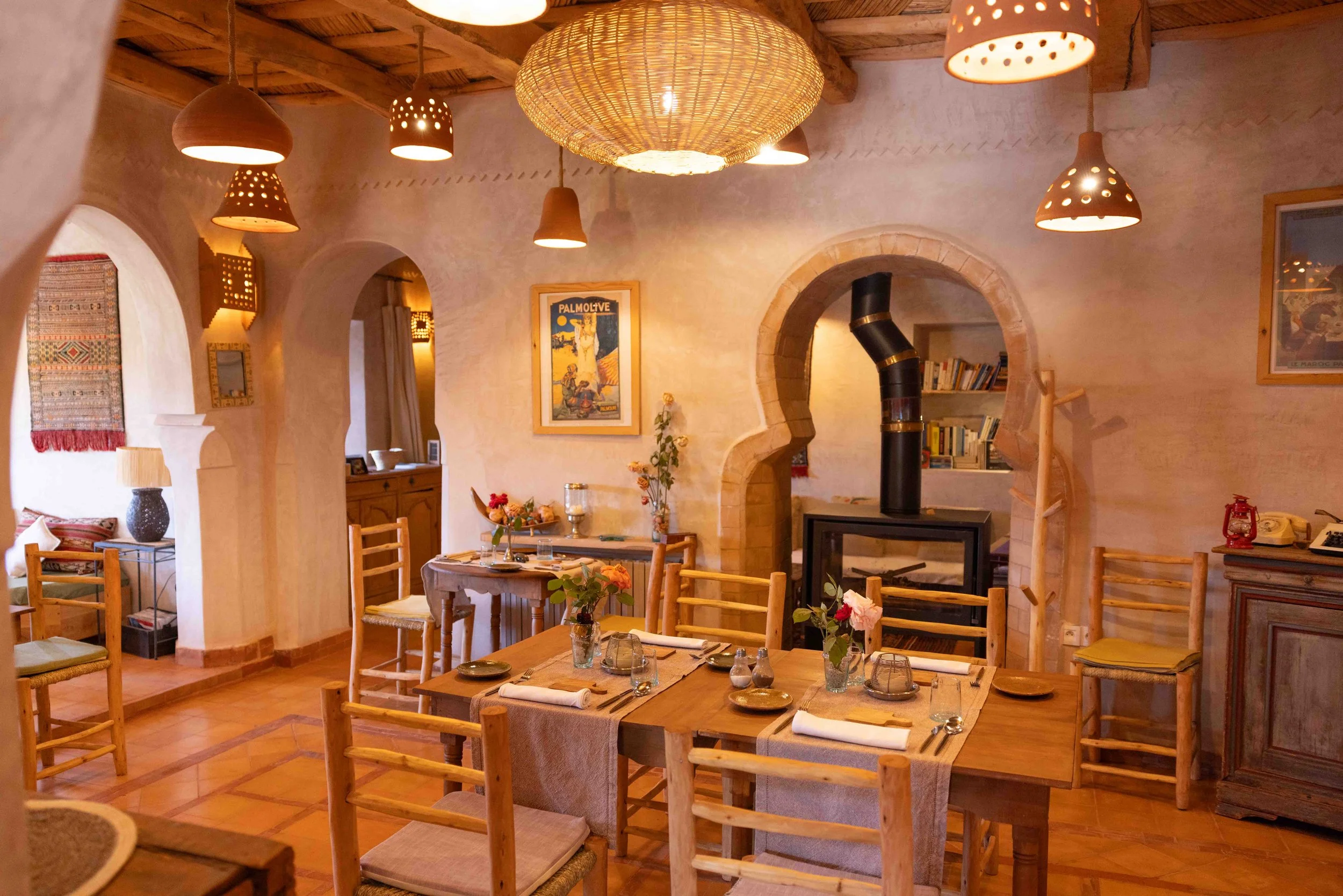
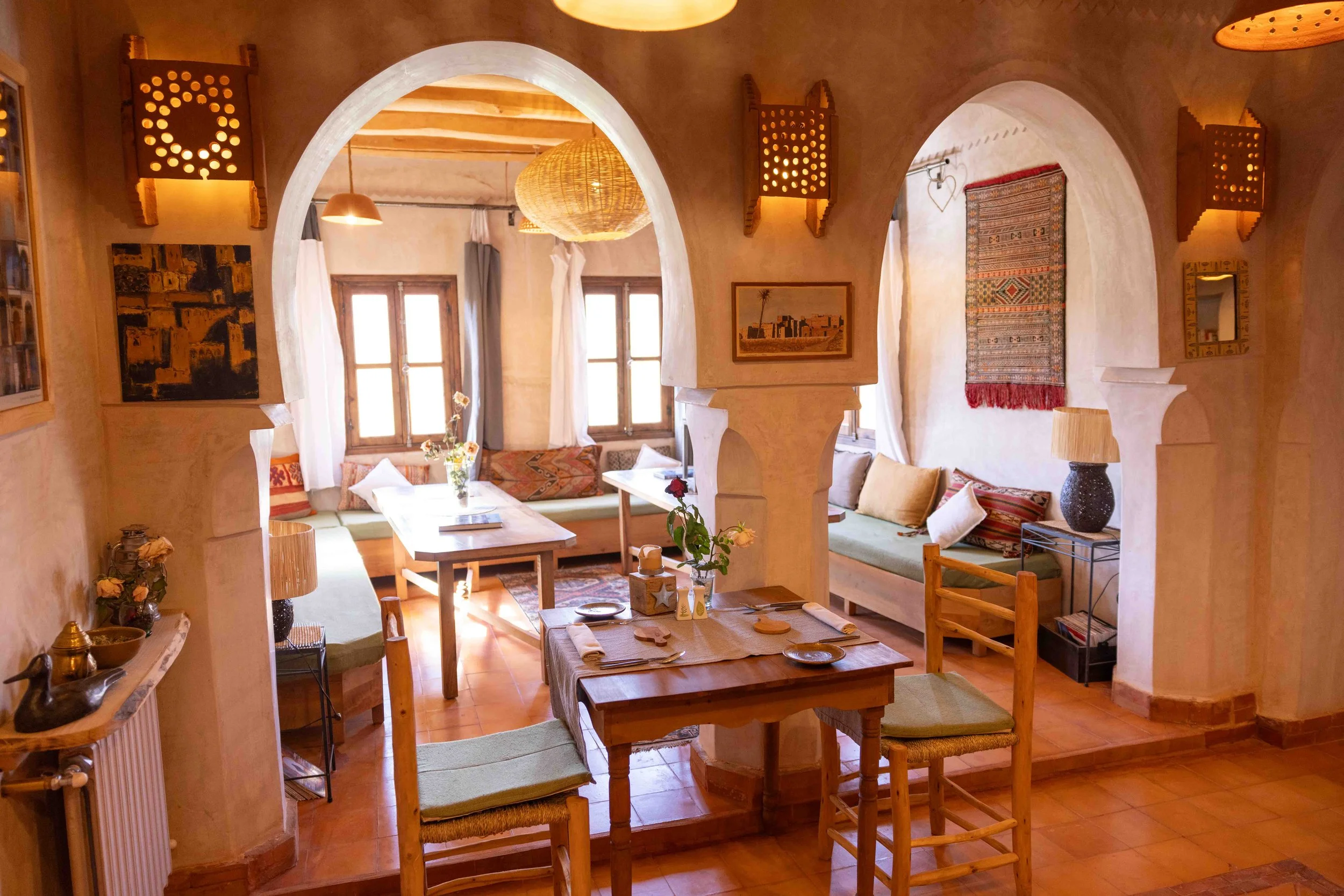
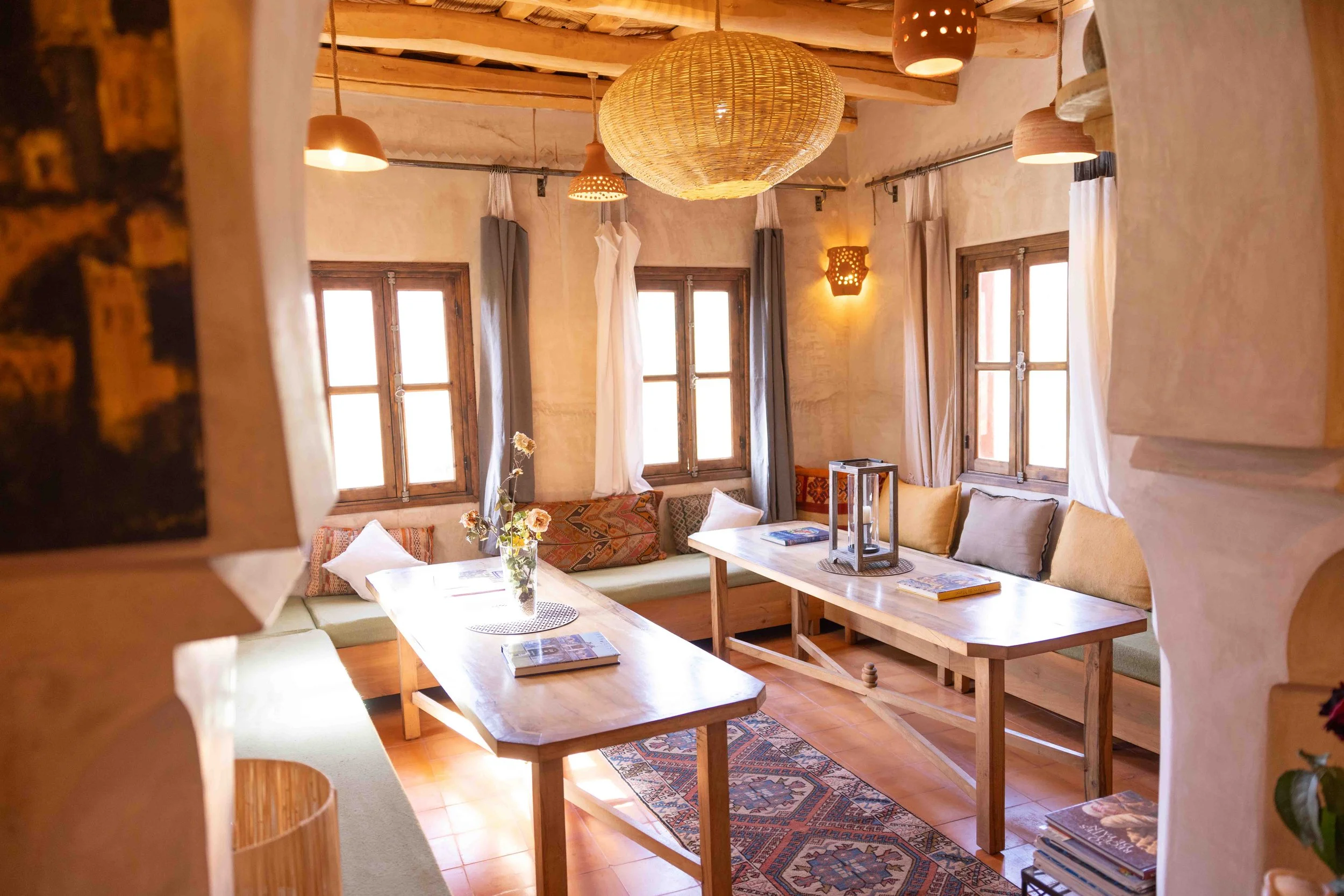
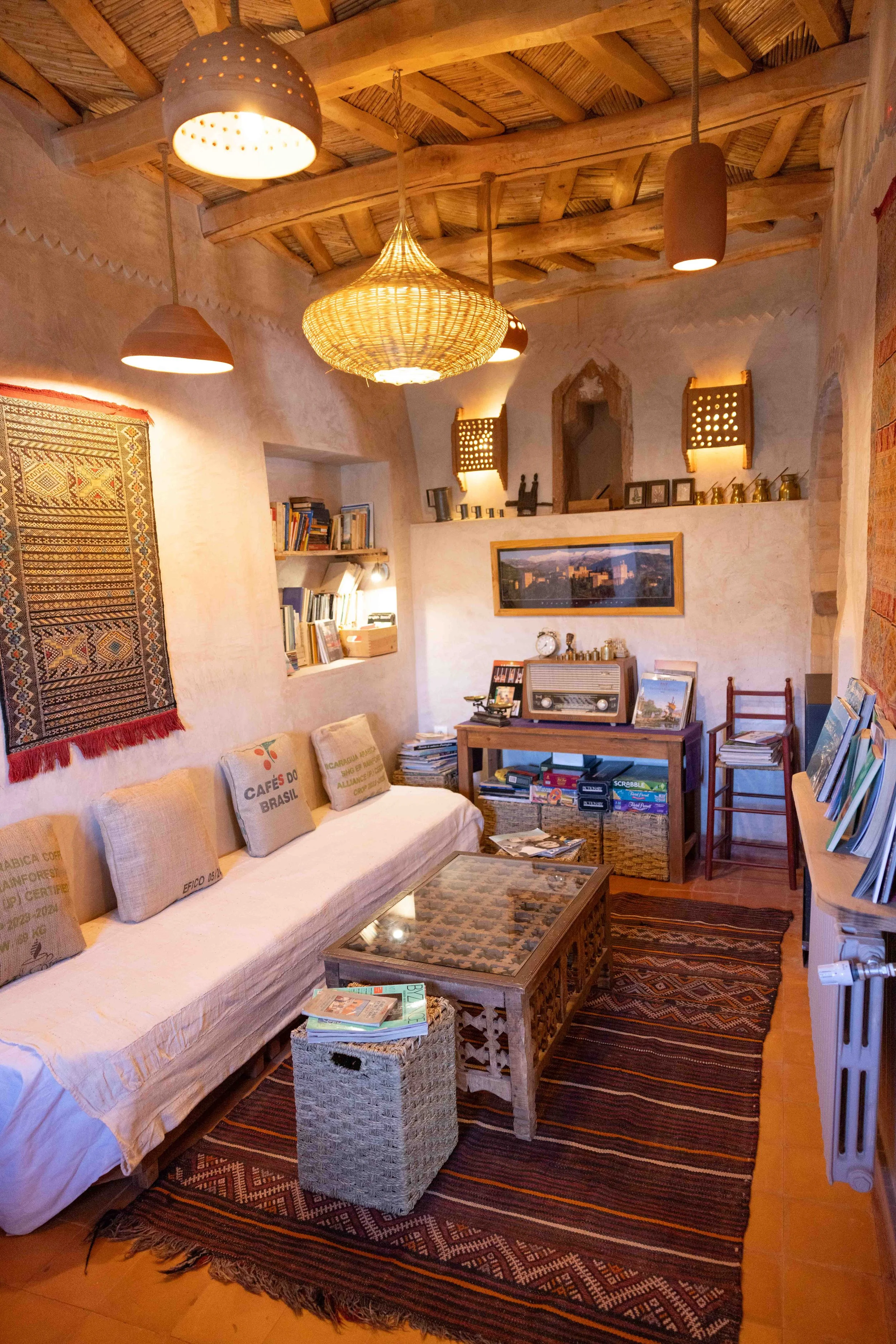
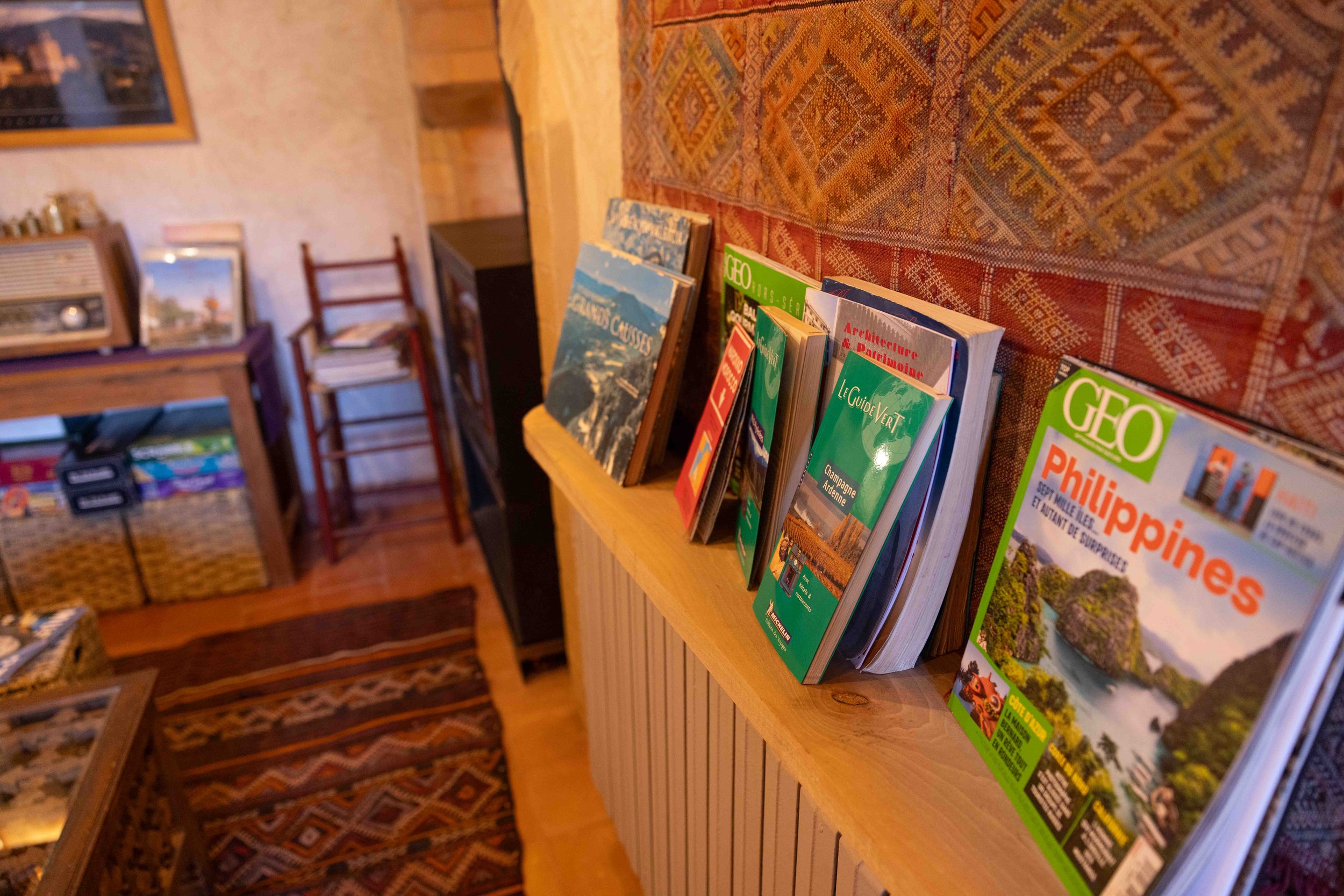
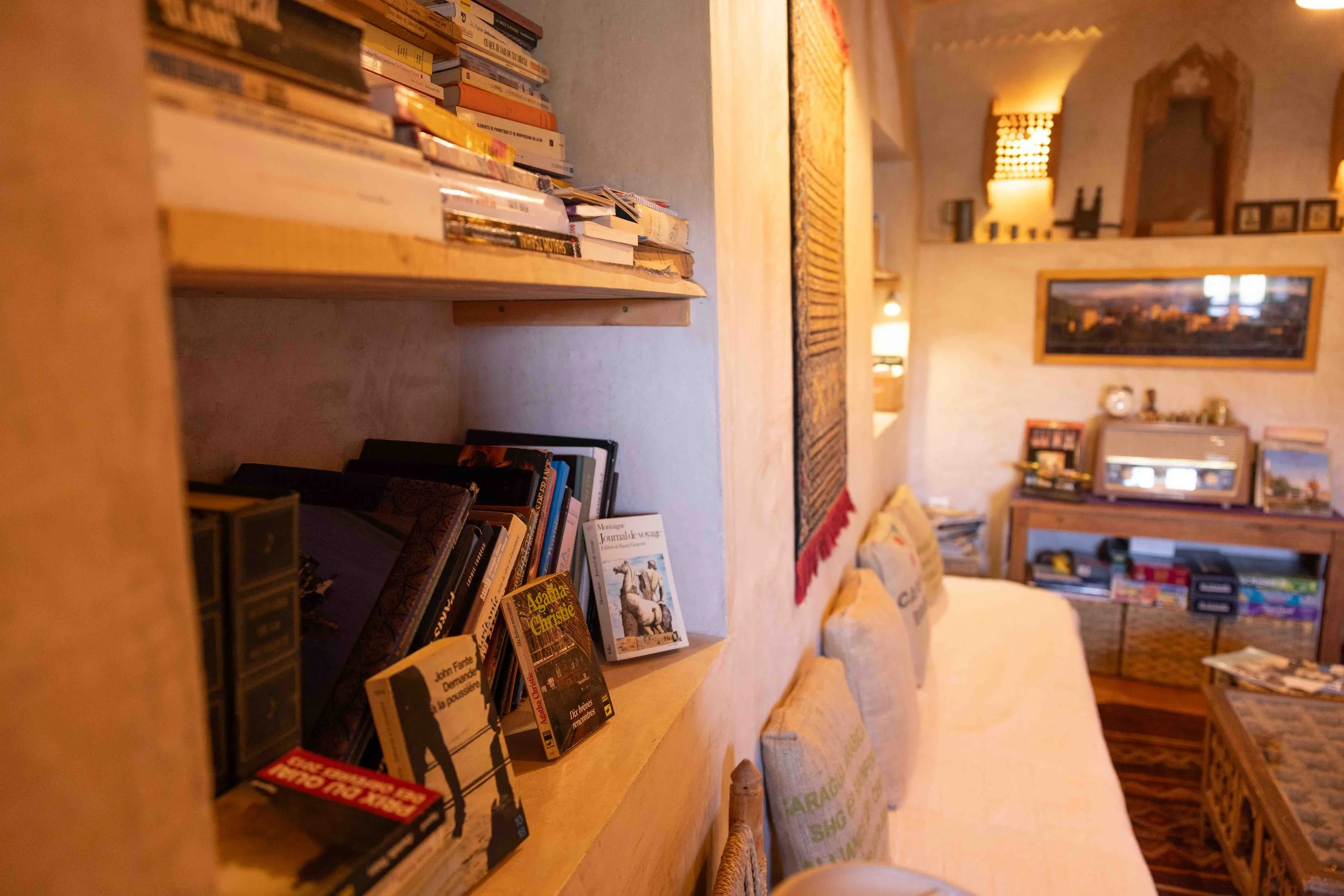
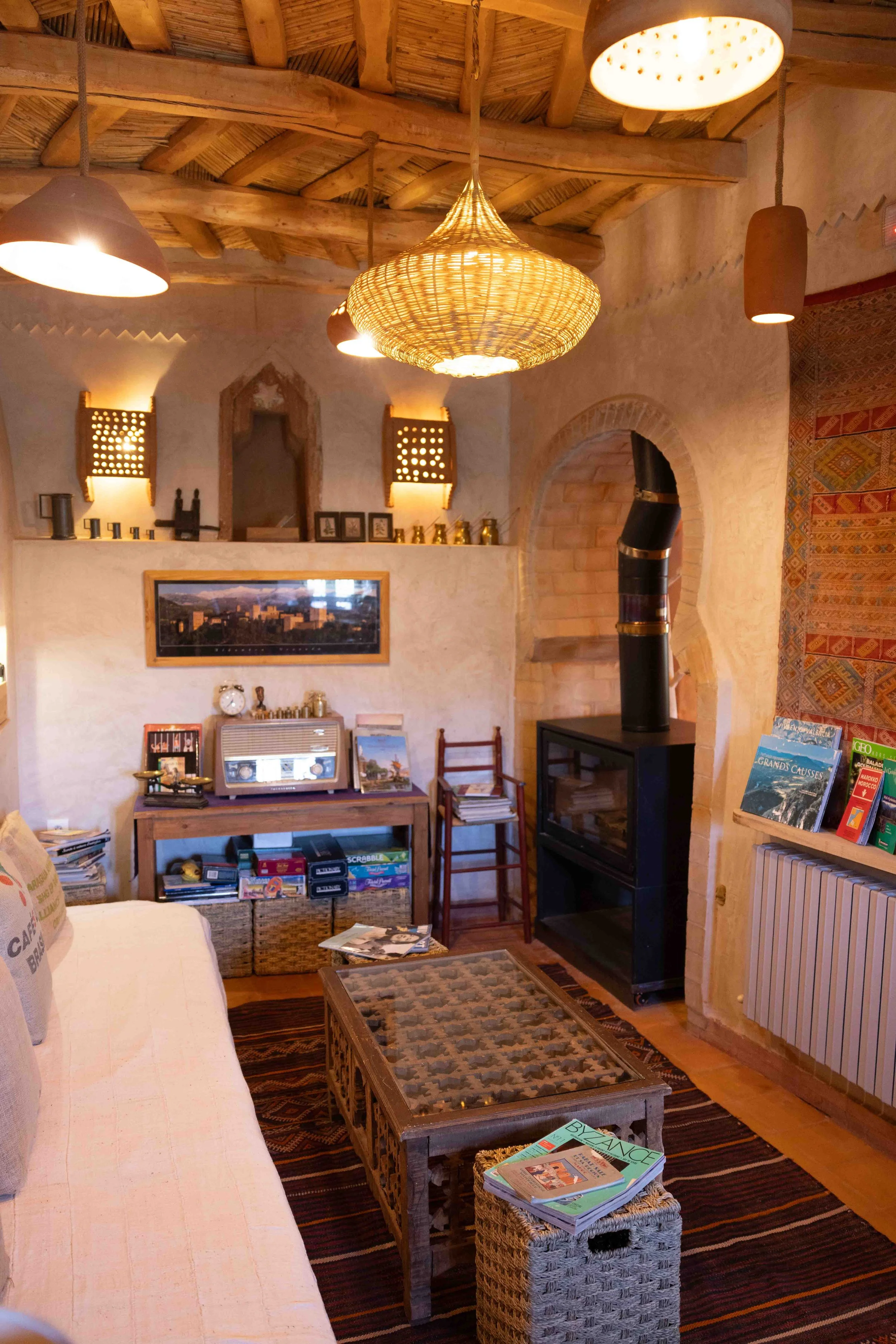
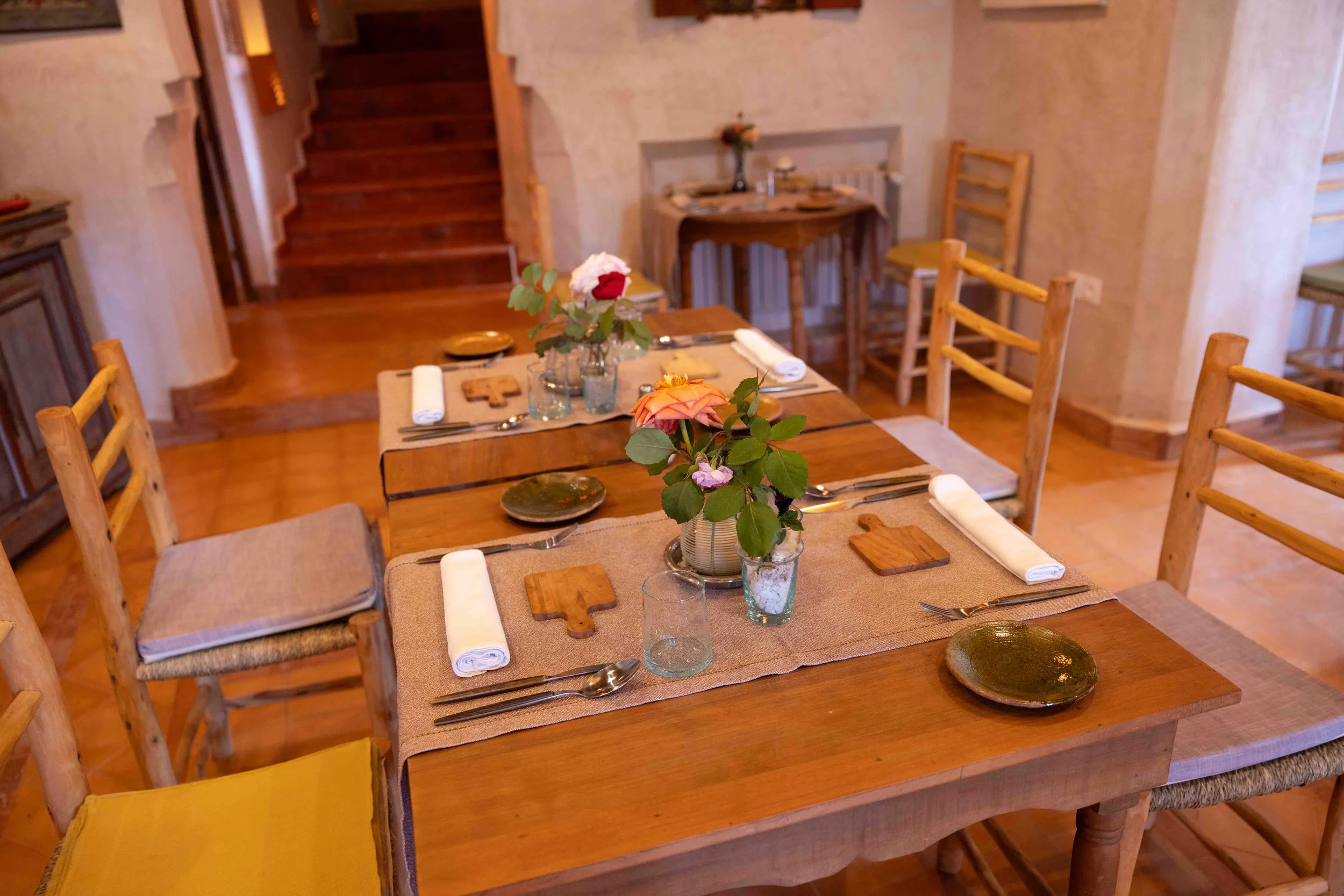
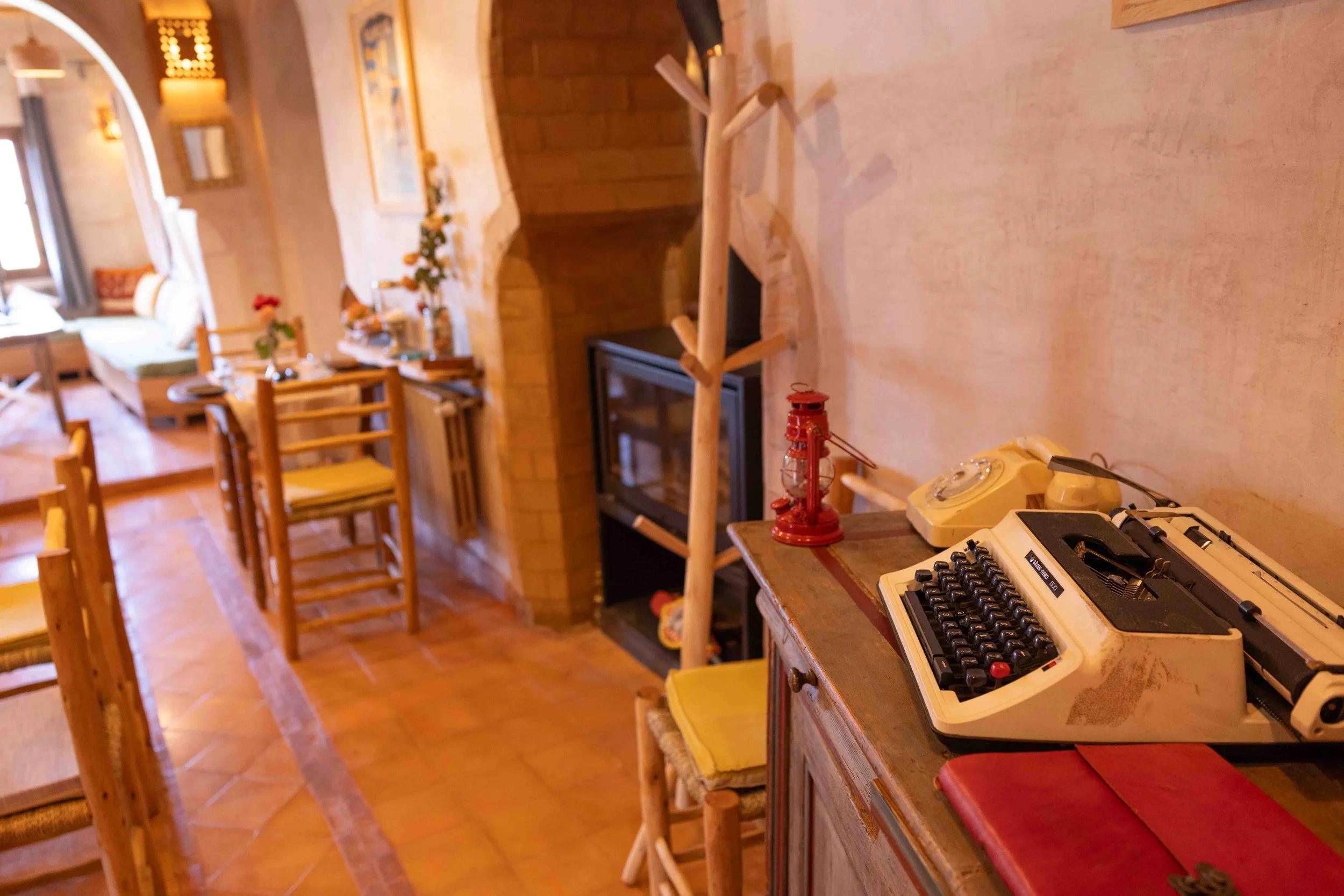
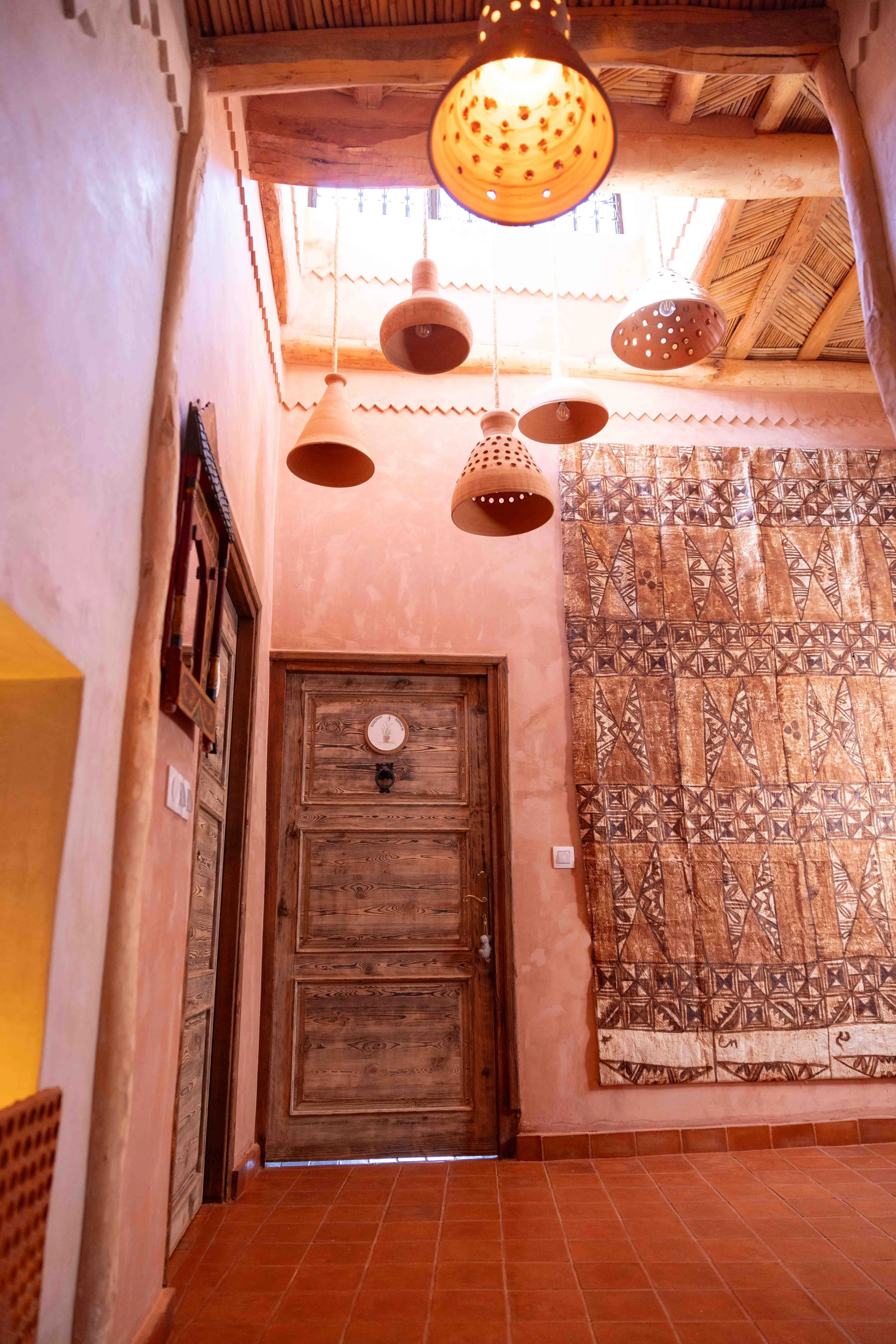
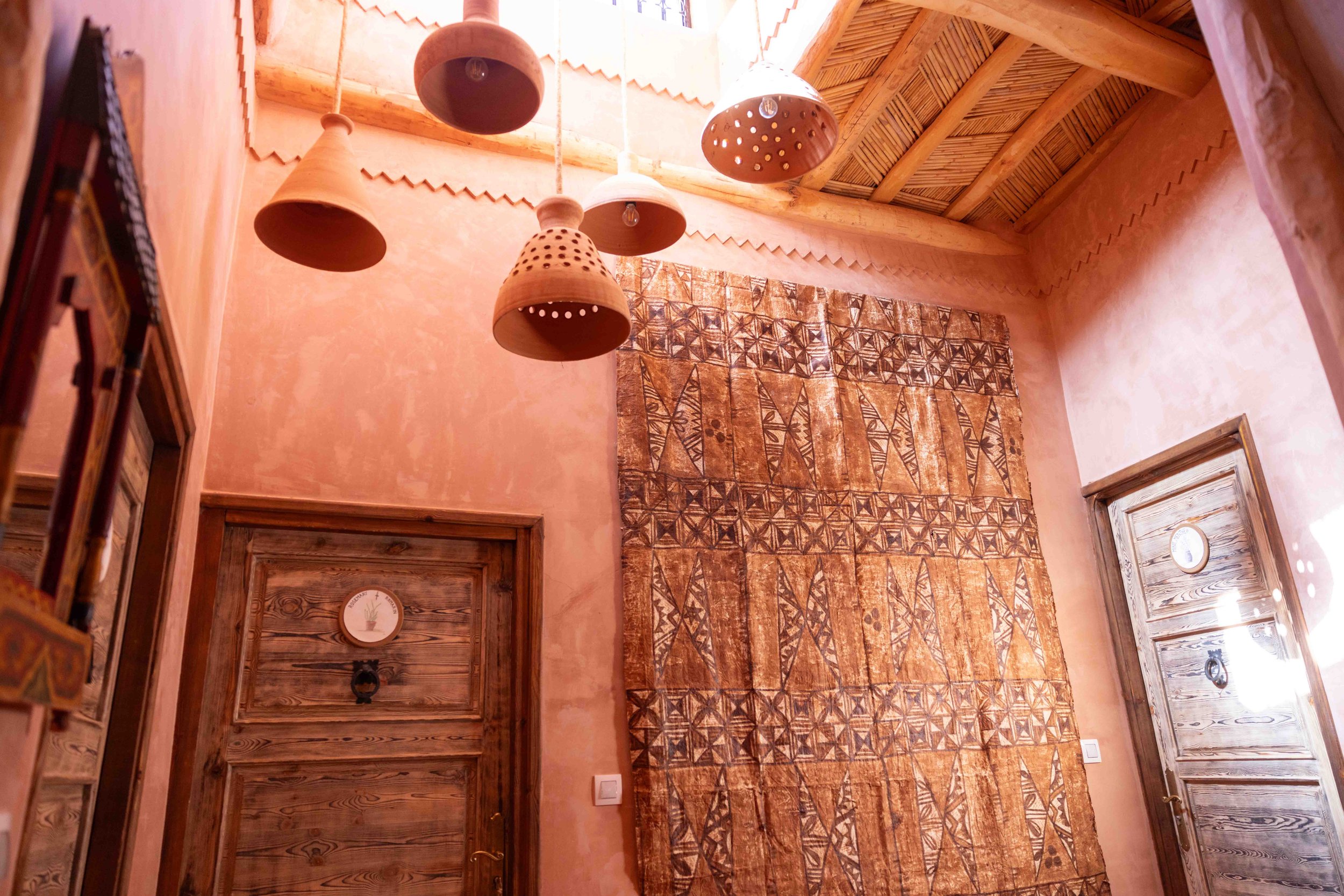
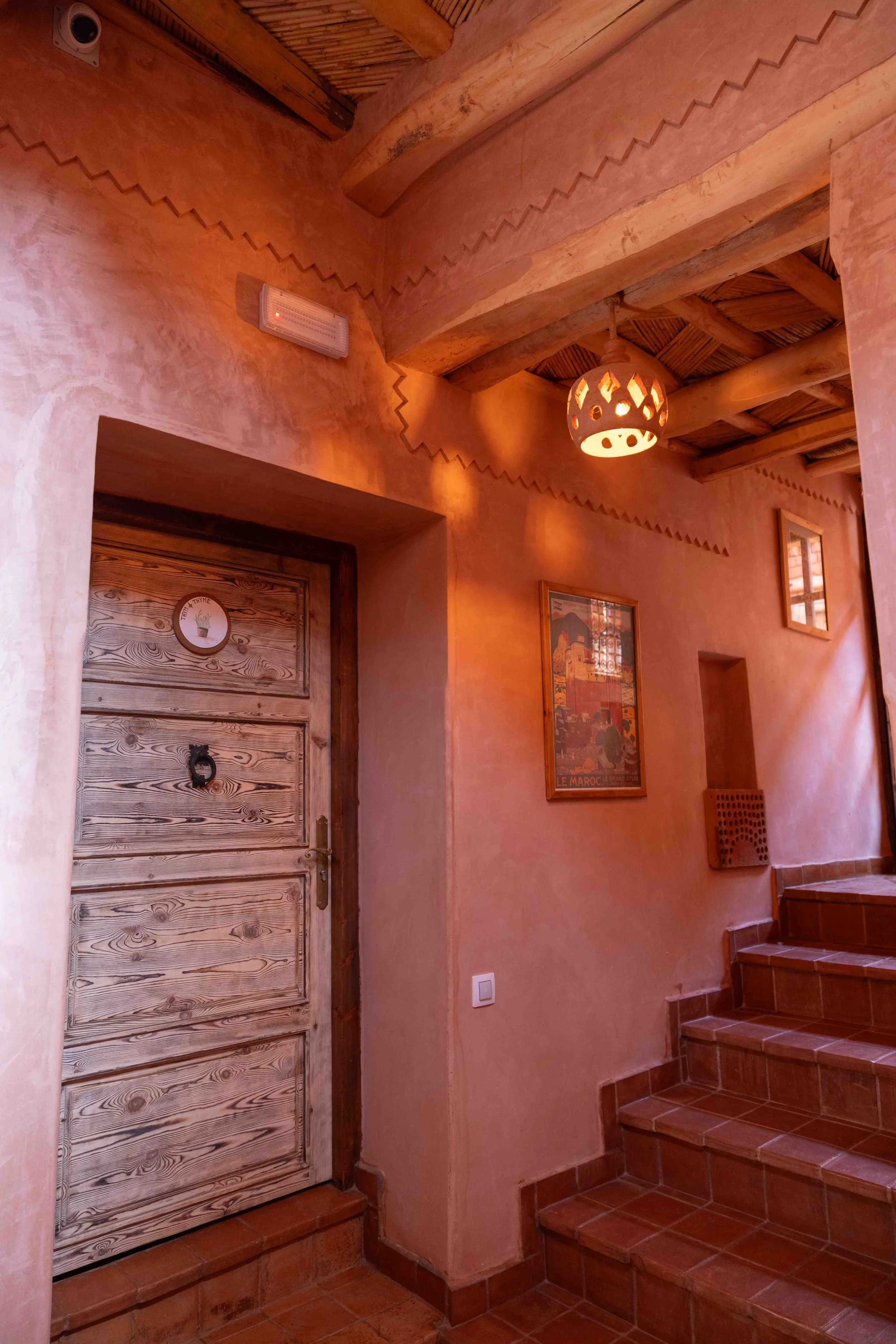
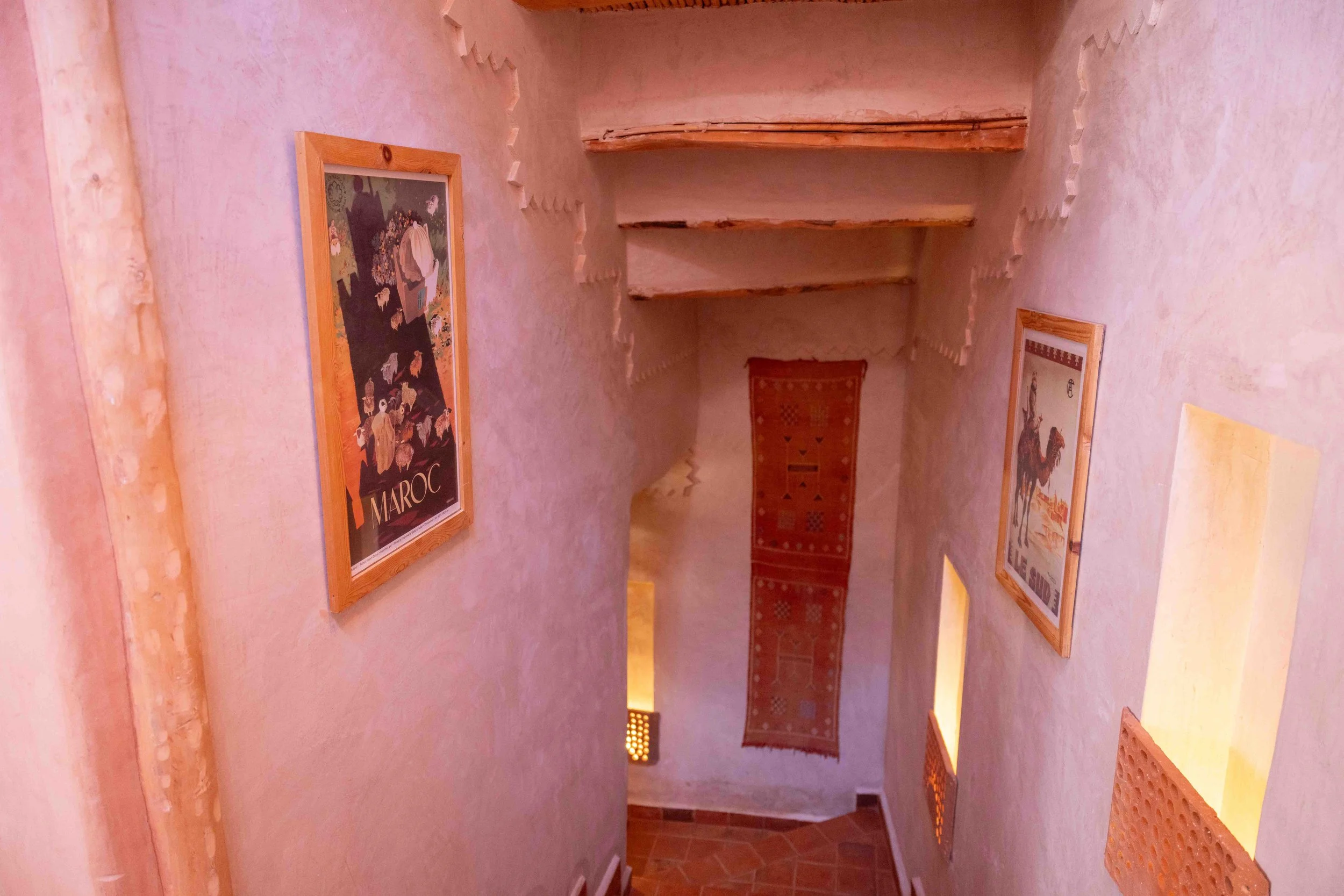
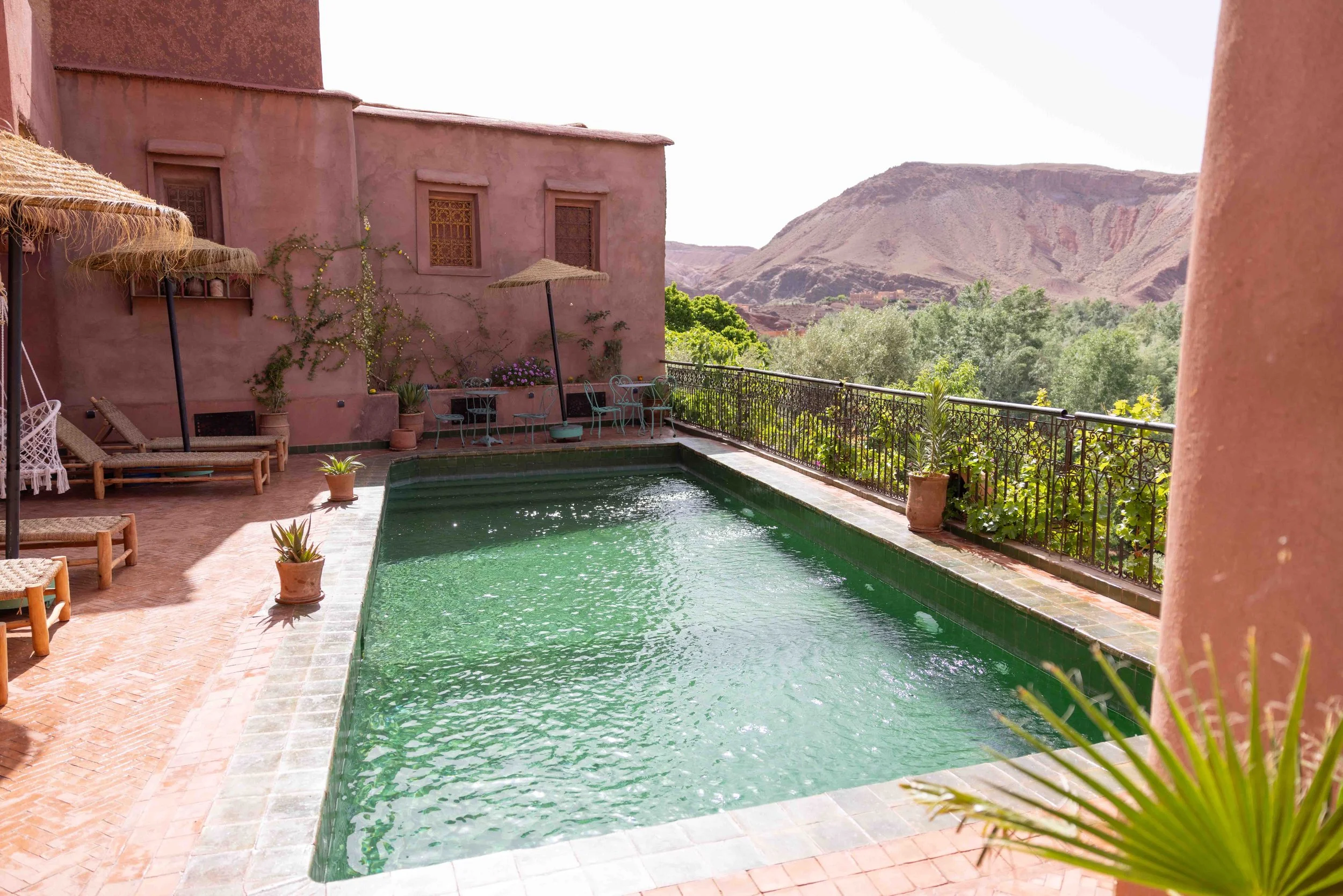
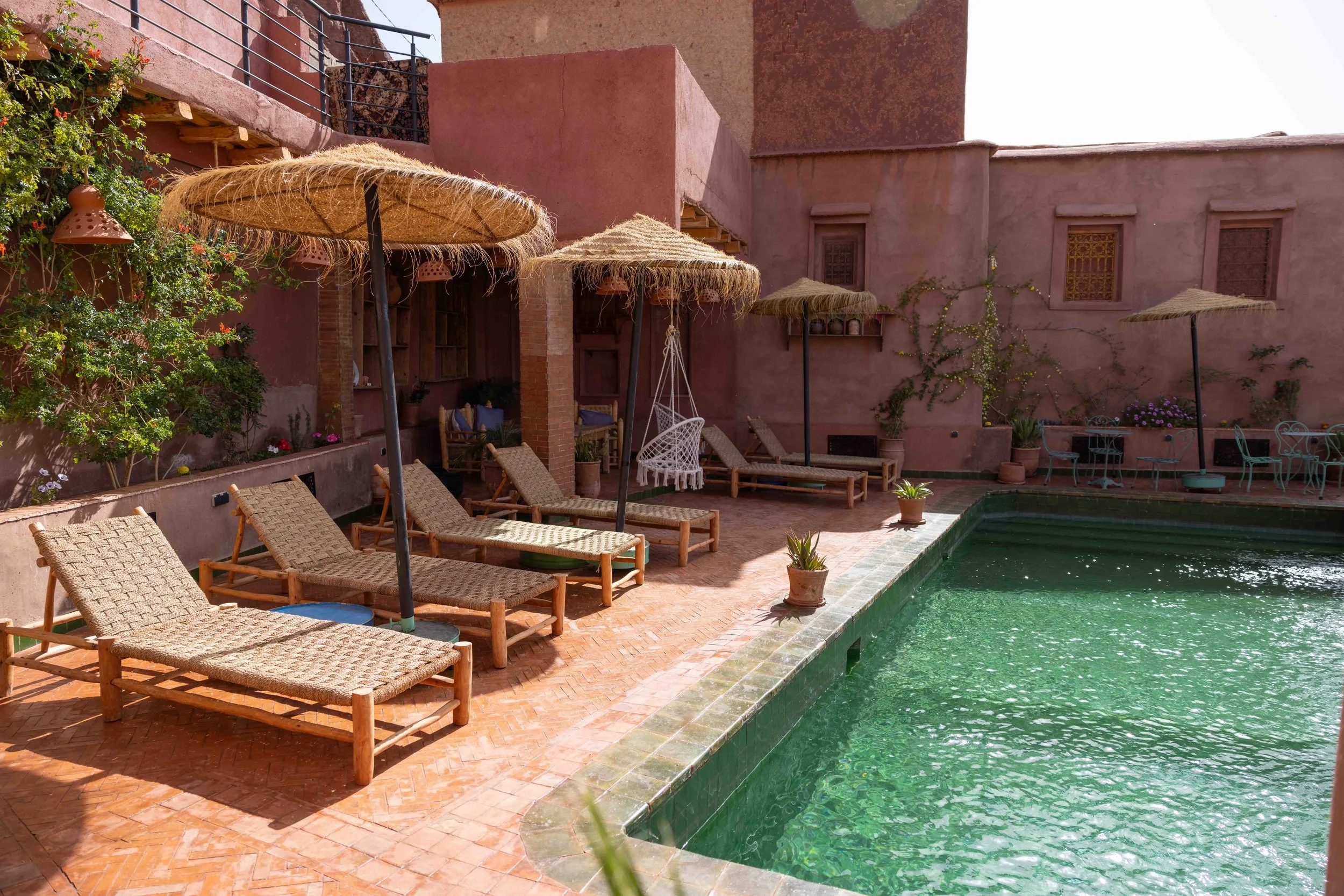
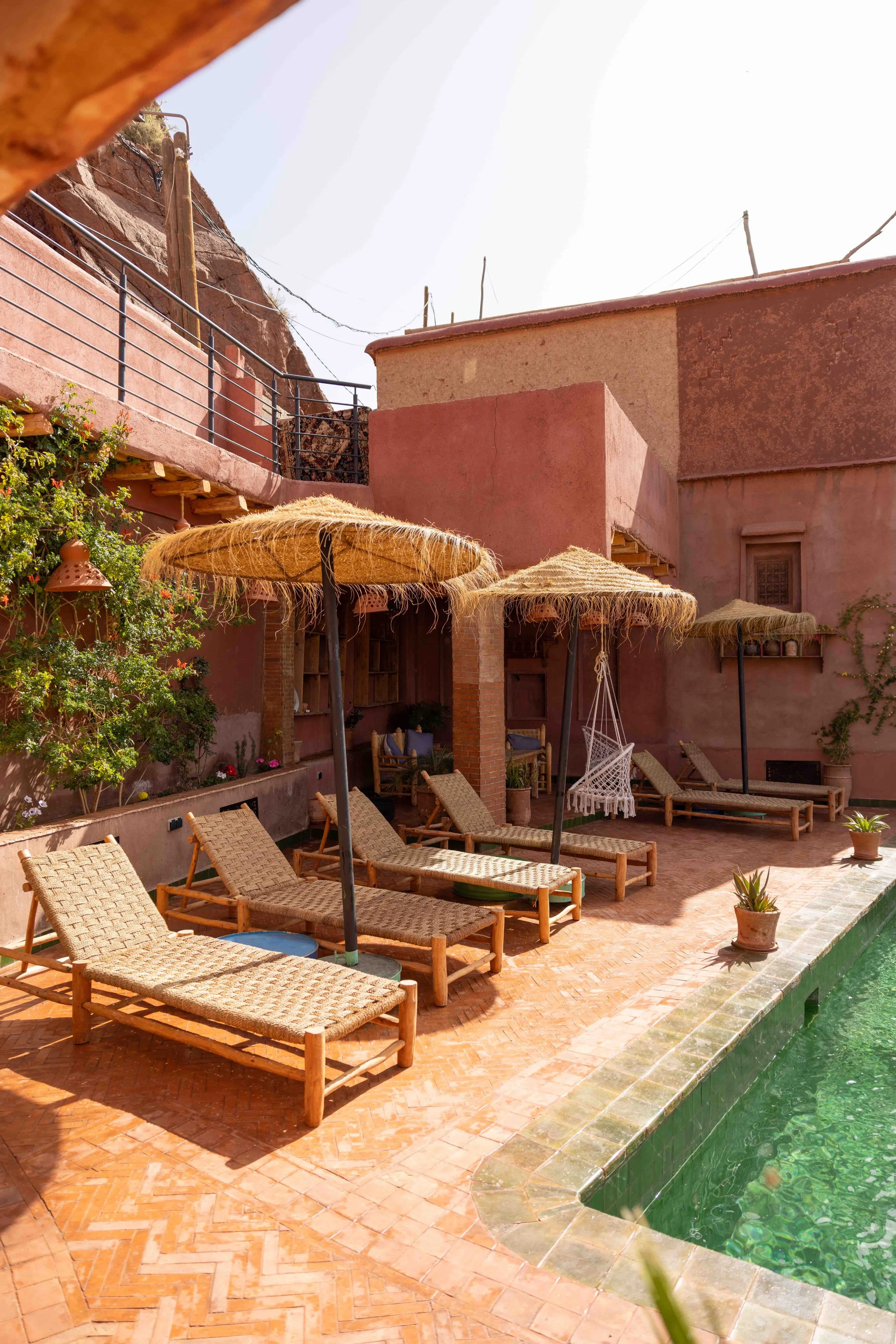
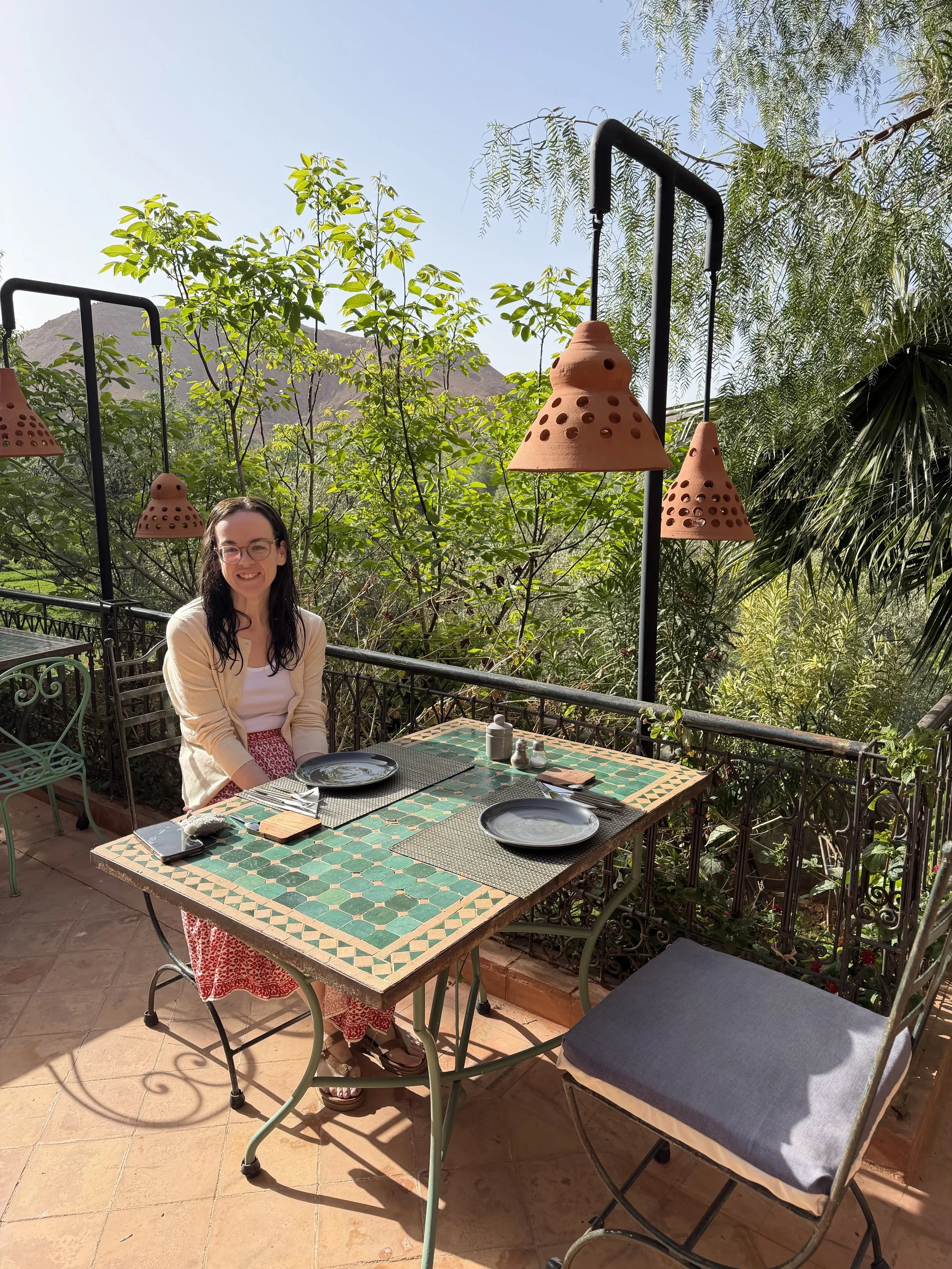
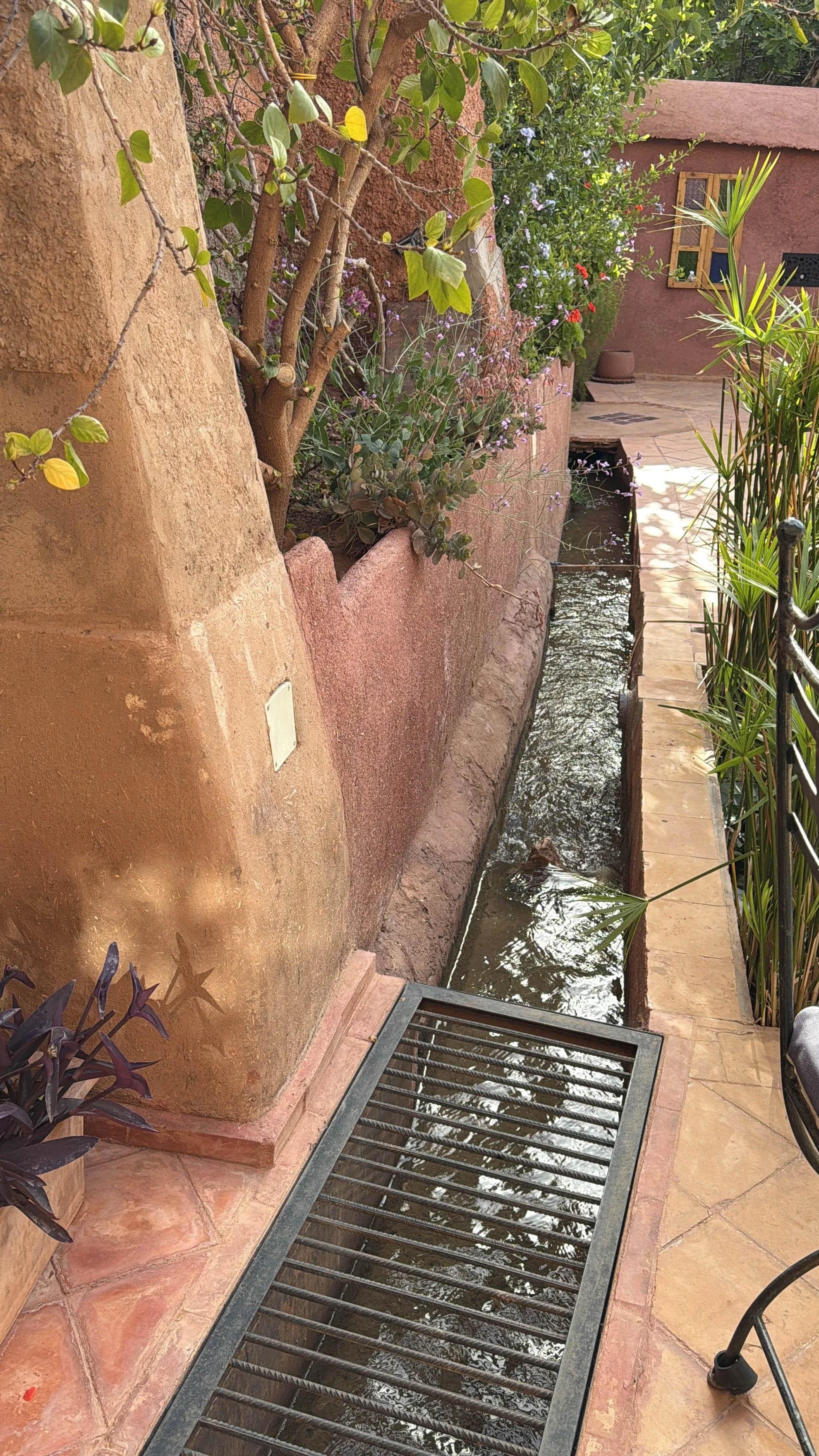
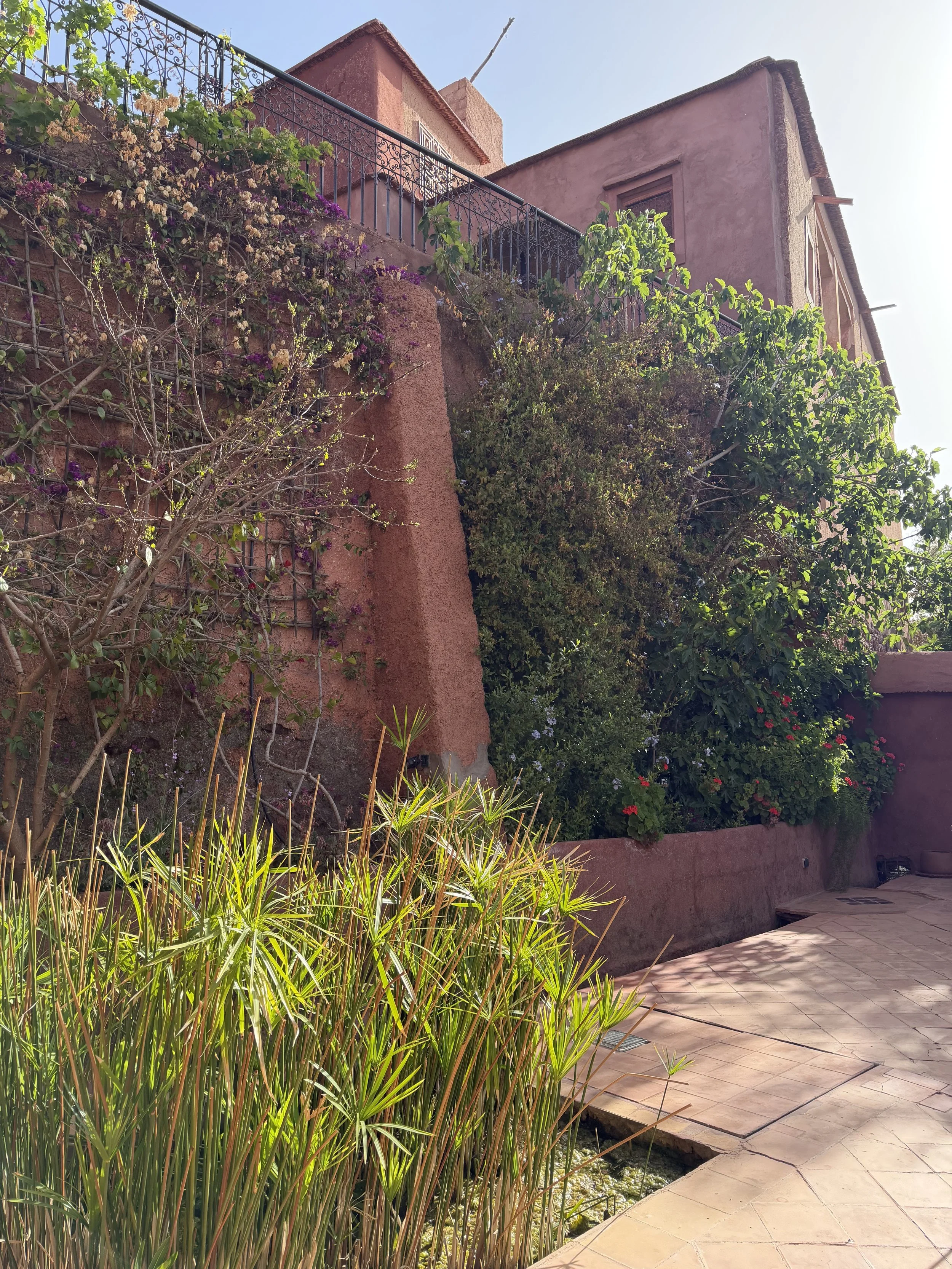
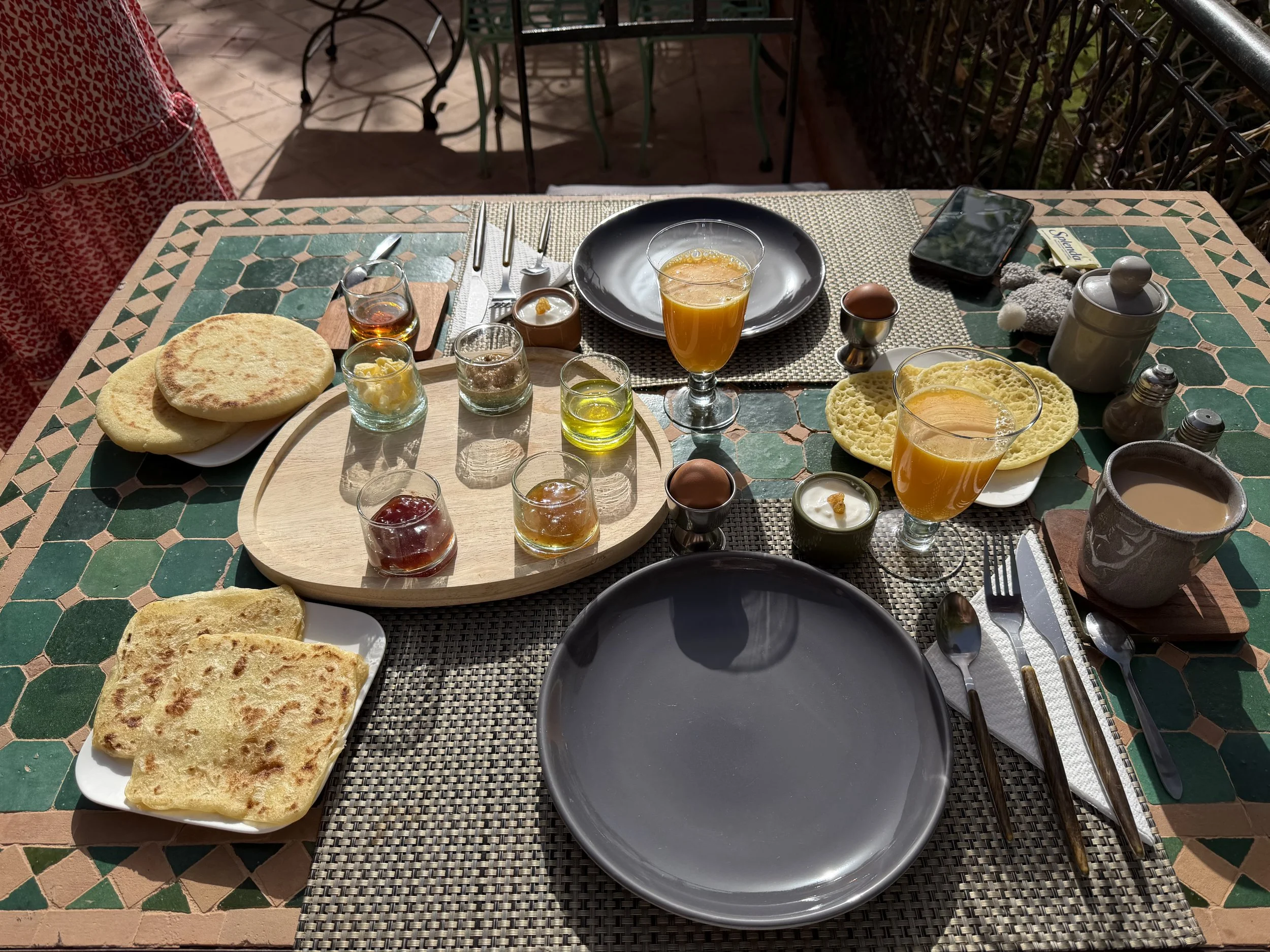
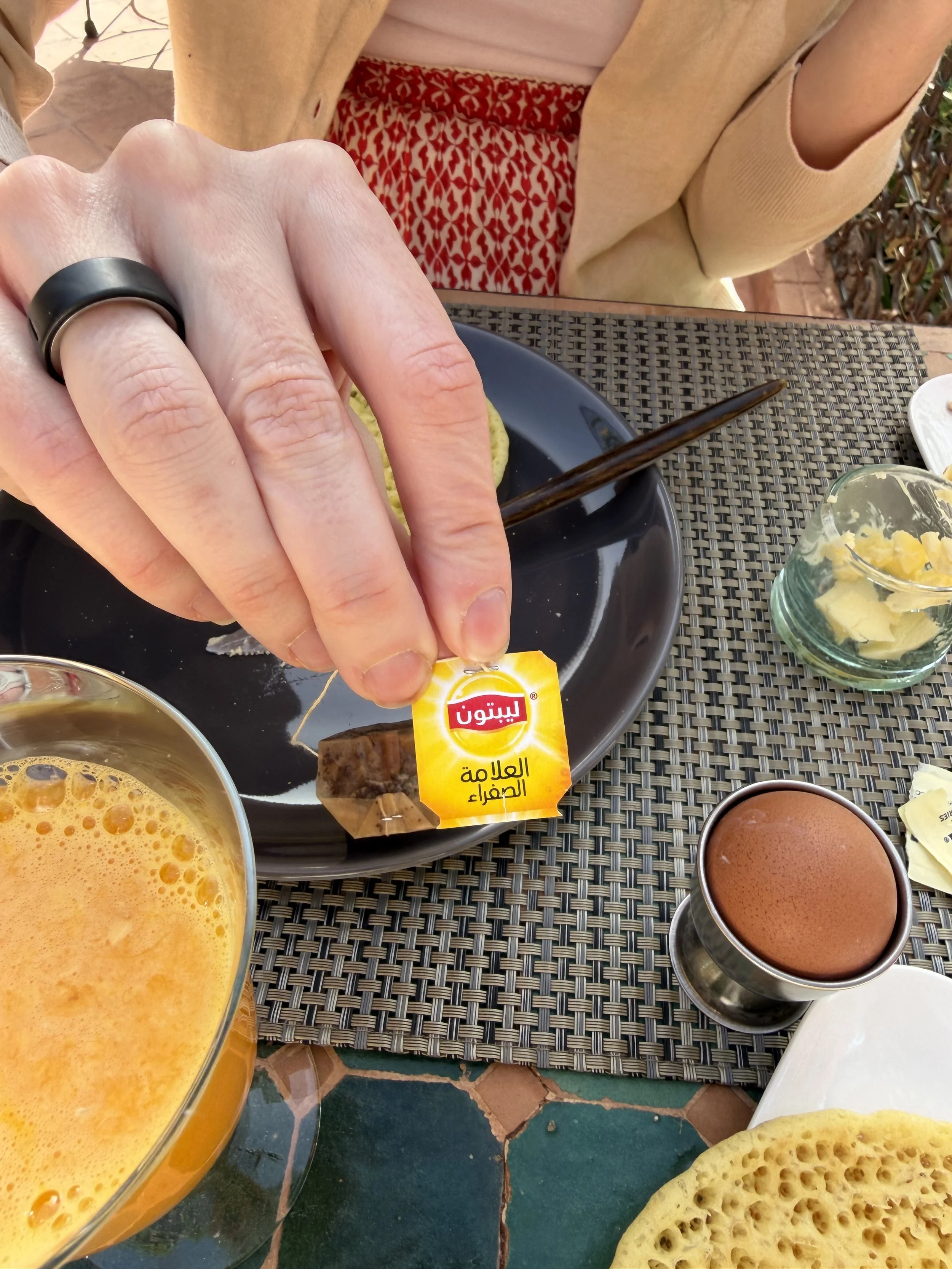
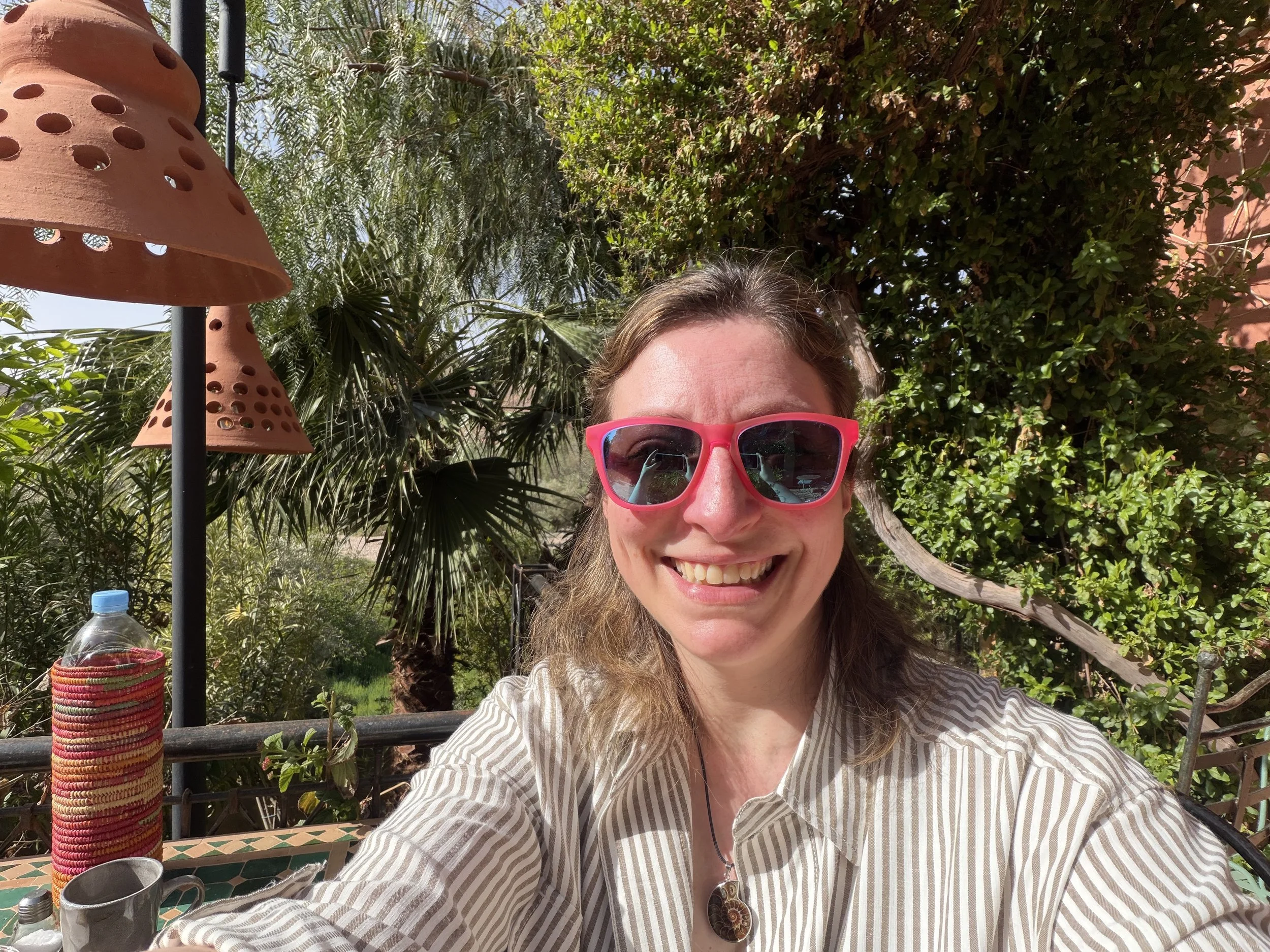
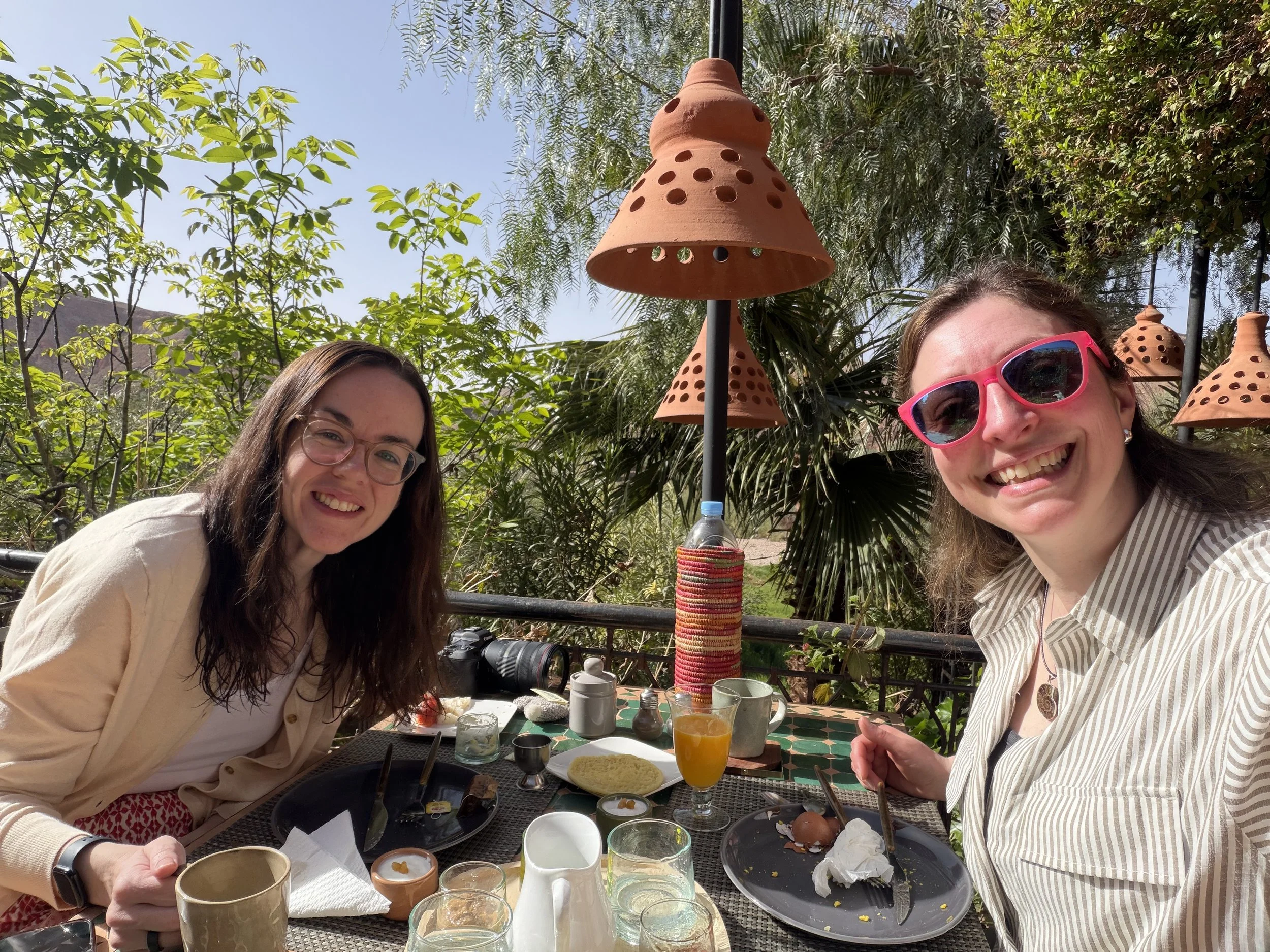
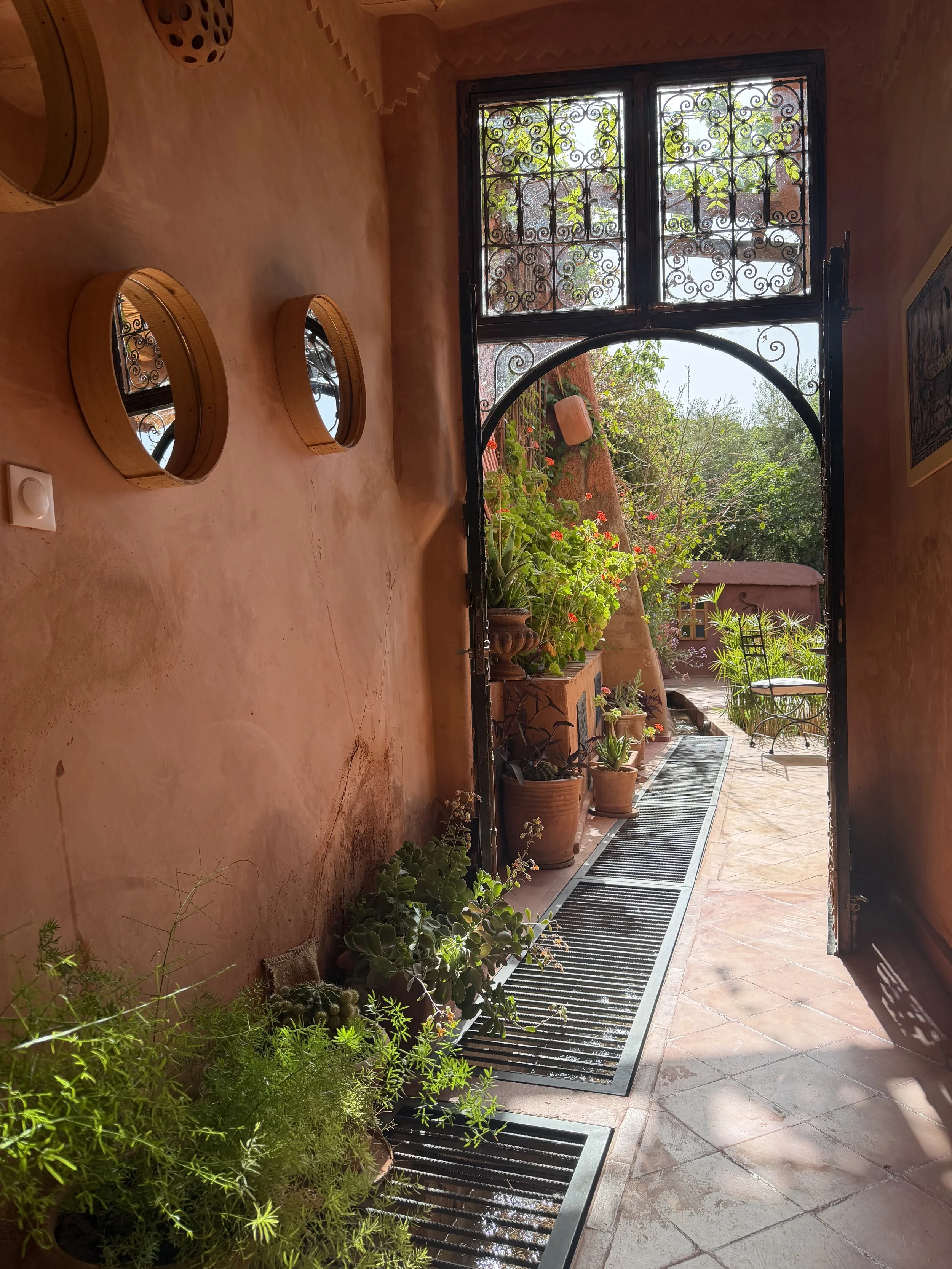
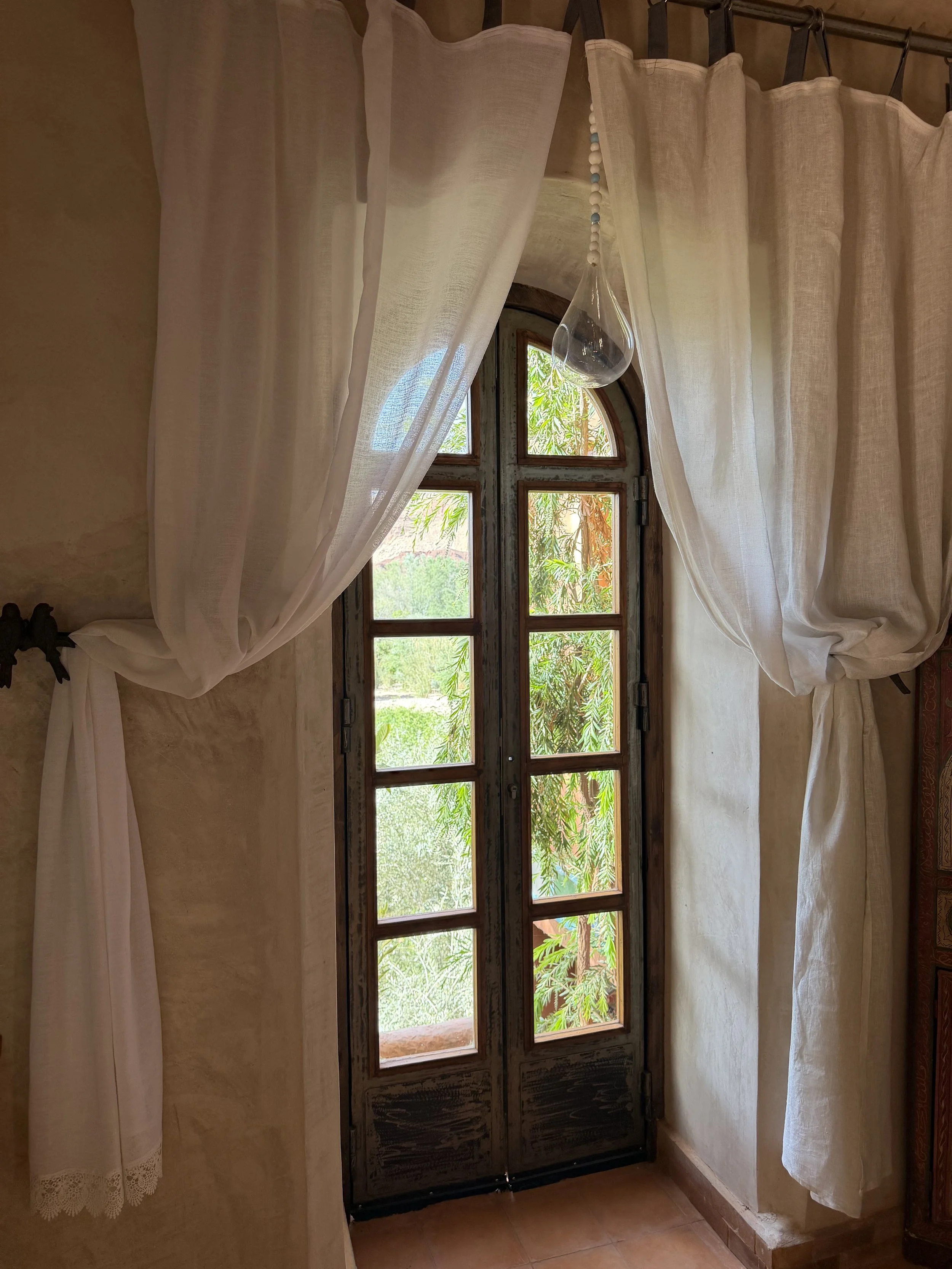
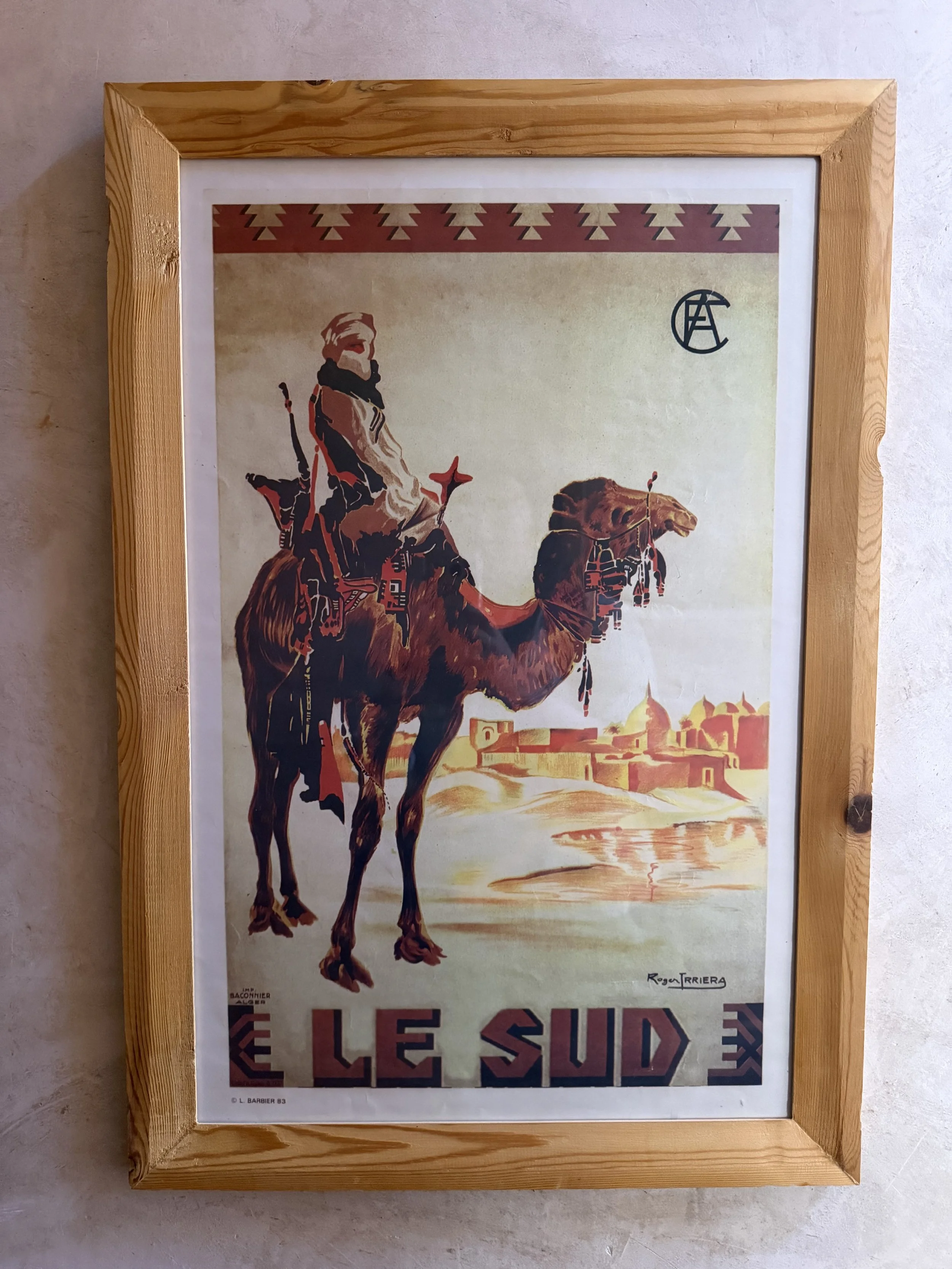
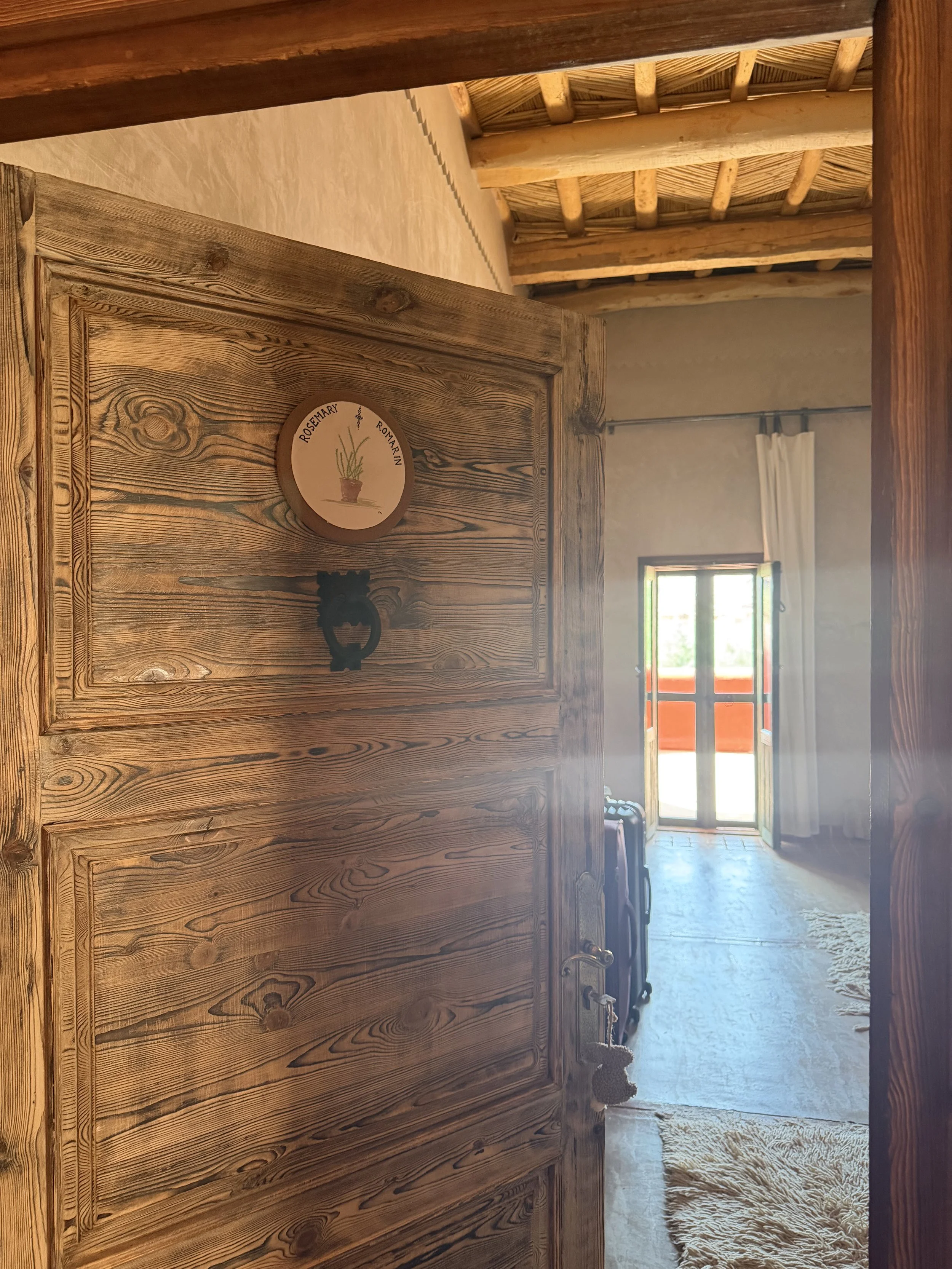
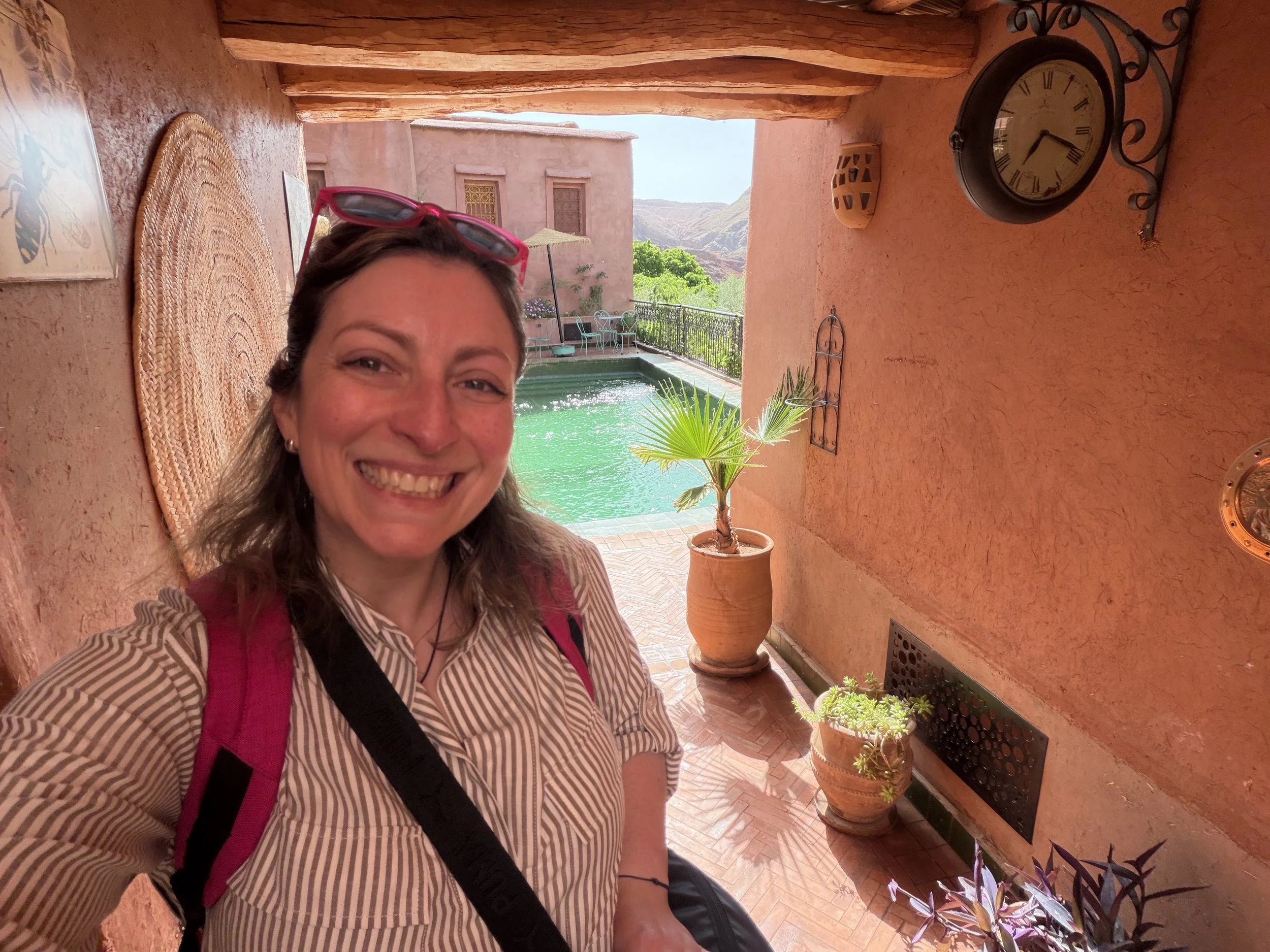
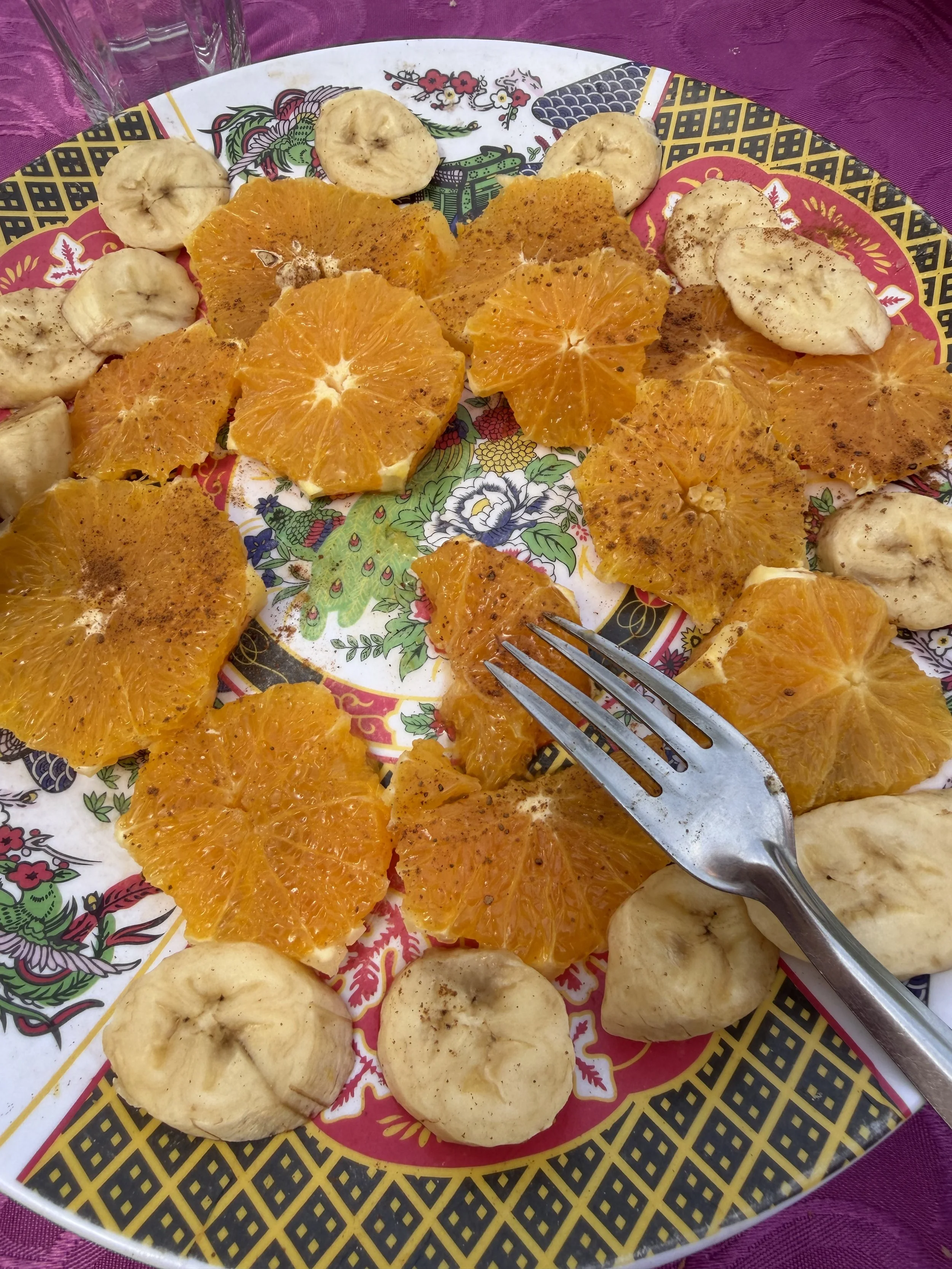
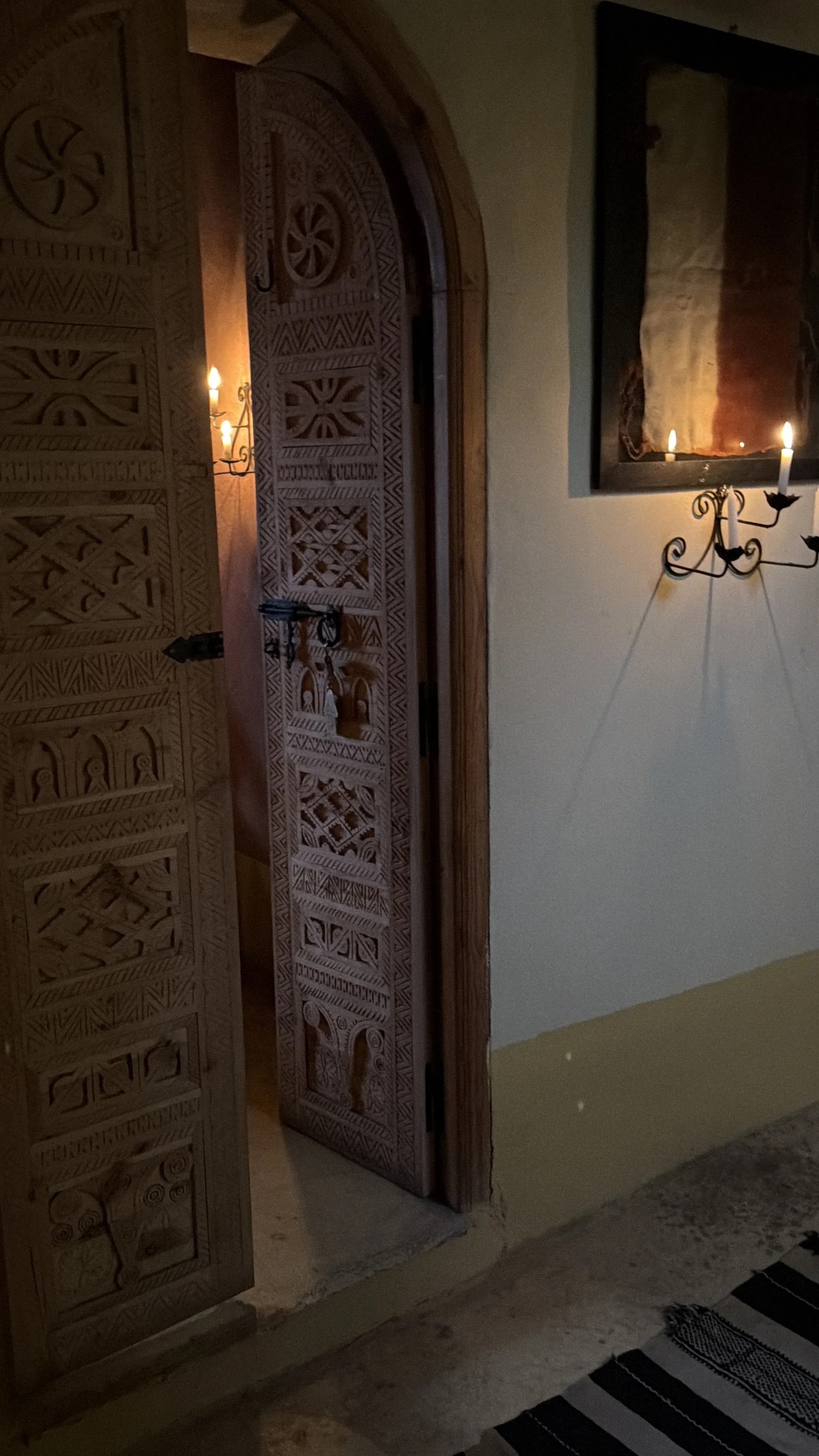
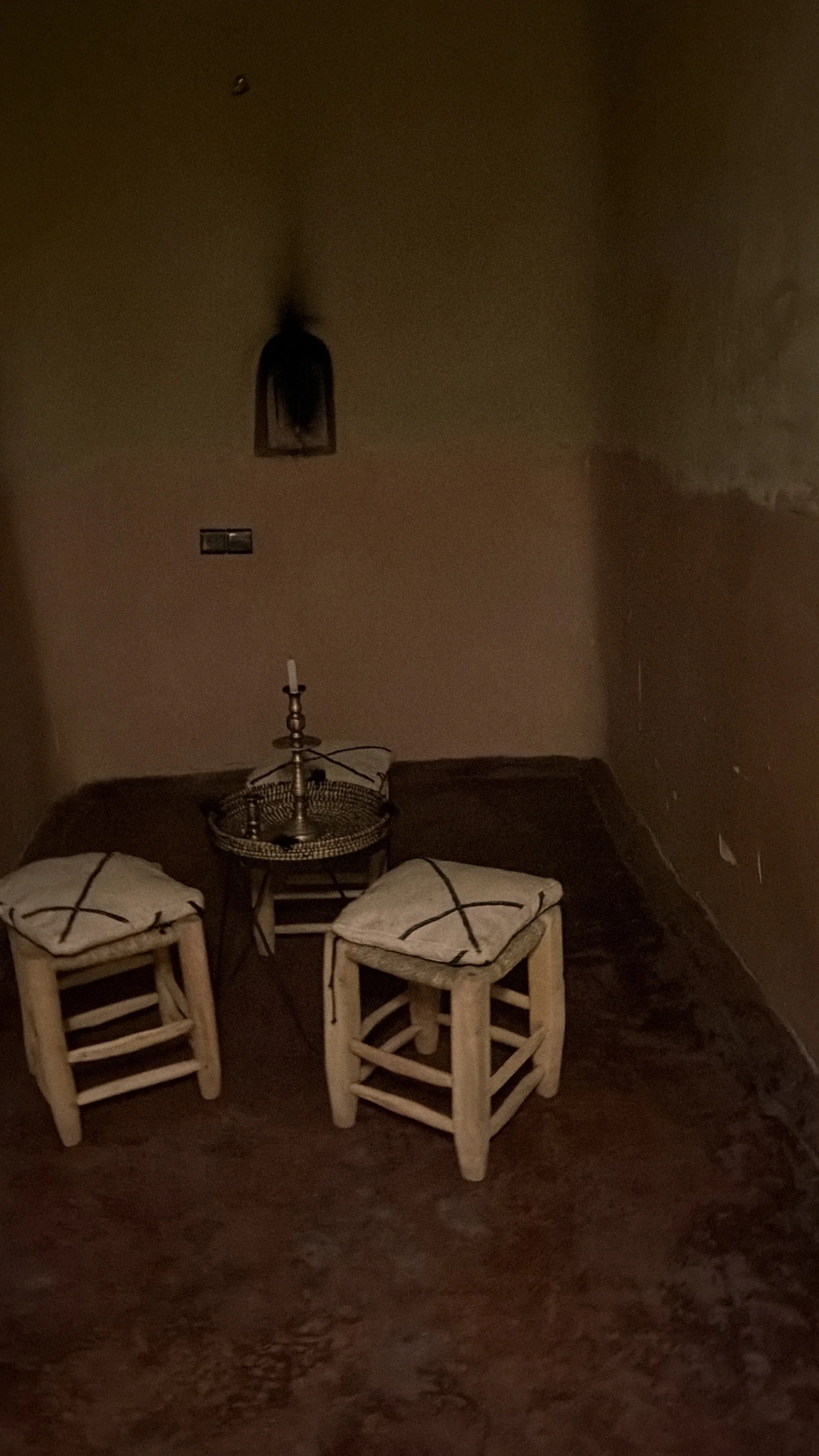
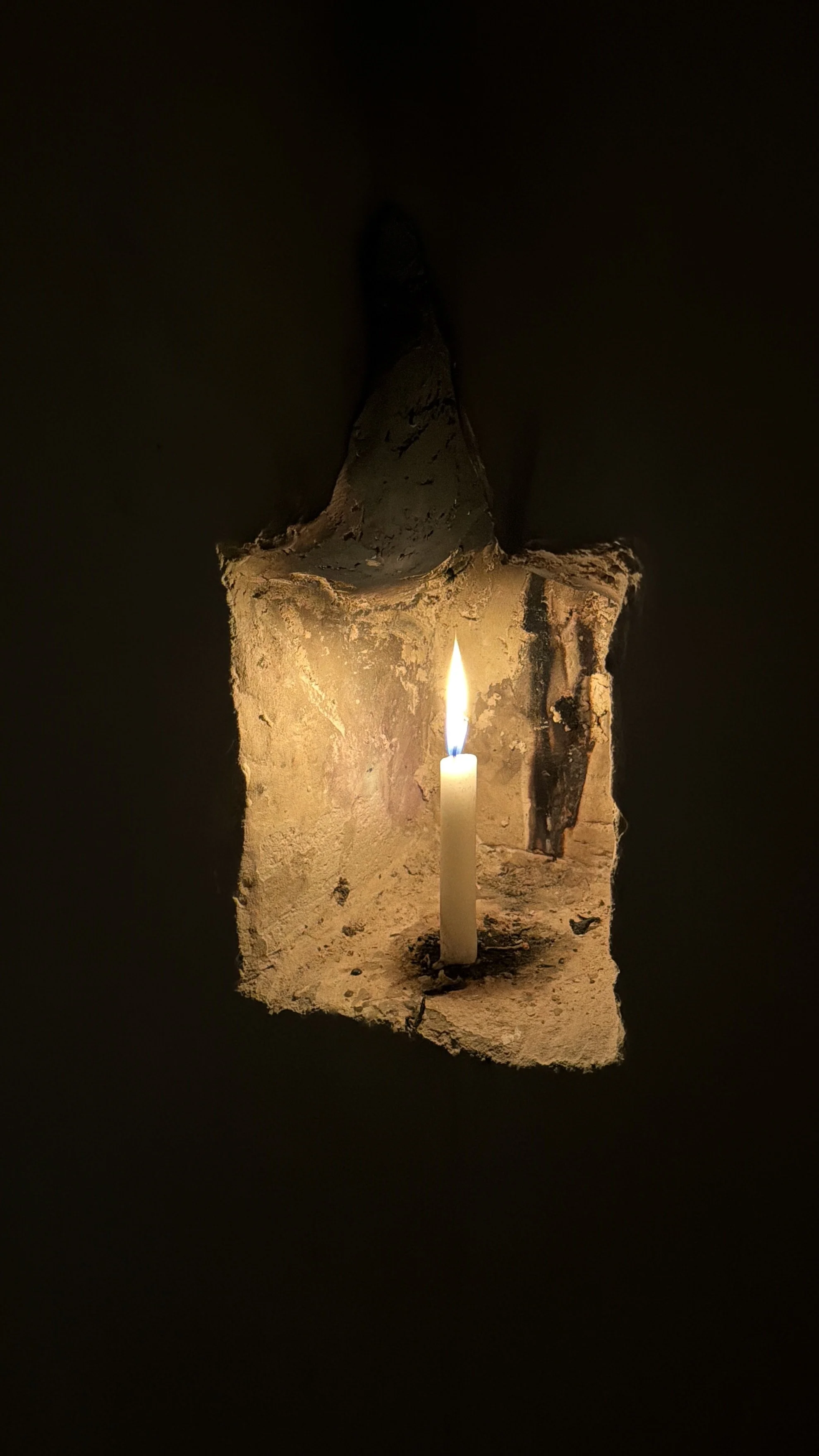
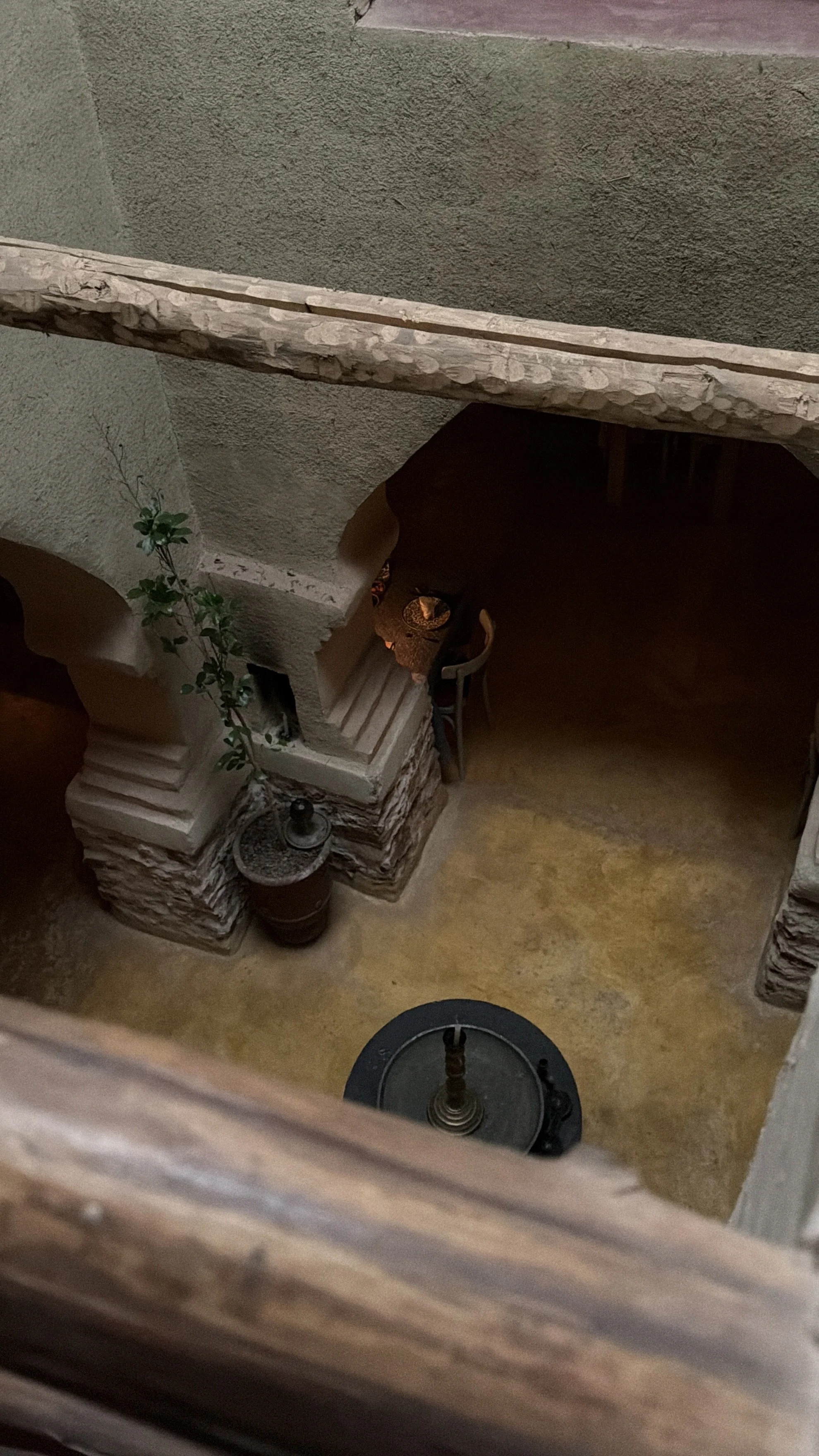
Hidden away from the usual tourist trail, this kasbah felt like one of Morocco’s true hidden gems. The warm hospitality, quiet surroundings, and beautiful traditional design made it one of the most memorable places we stayed during the trip. Before breakfast, I wandered through the property one last time, taking additional photos of the intricate interior details. We then had a delicious (and beautiful) breakfast out on the patio, and soaked up the last moments of quiet and calm before a travel day en route to Marrakech!
Then it was time to hit the road again for another unforgettable day through southern Morocco — one filled with surreal landscapes, ancient kasbahs, lush oases, Hollywood film sets, and one of the country’s most iconic UNESCO sites.
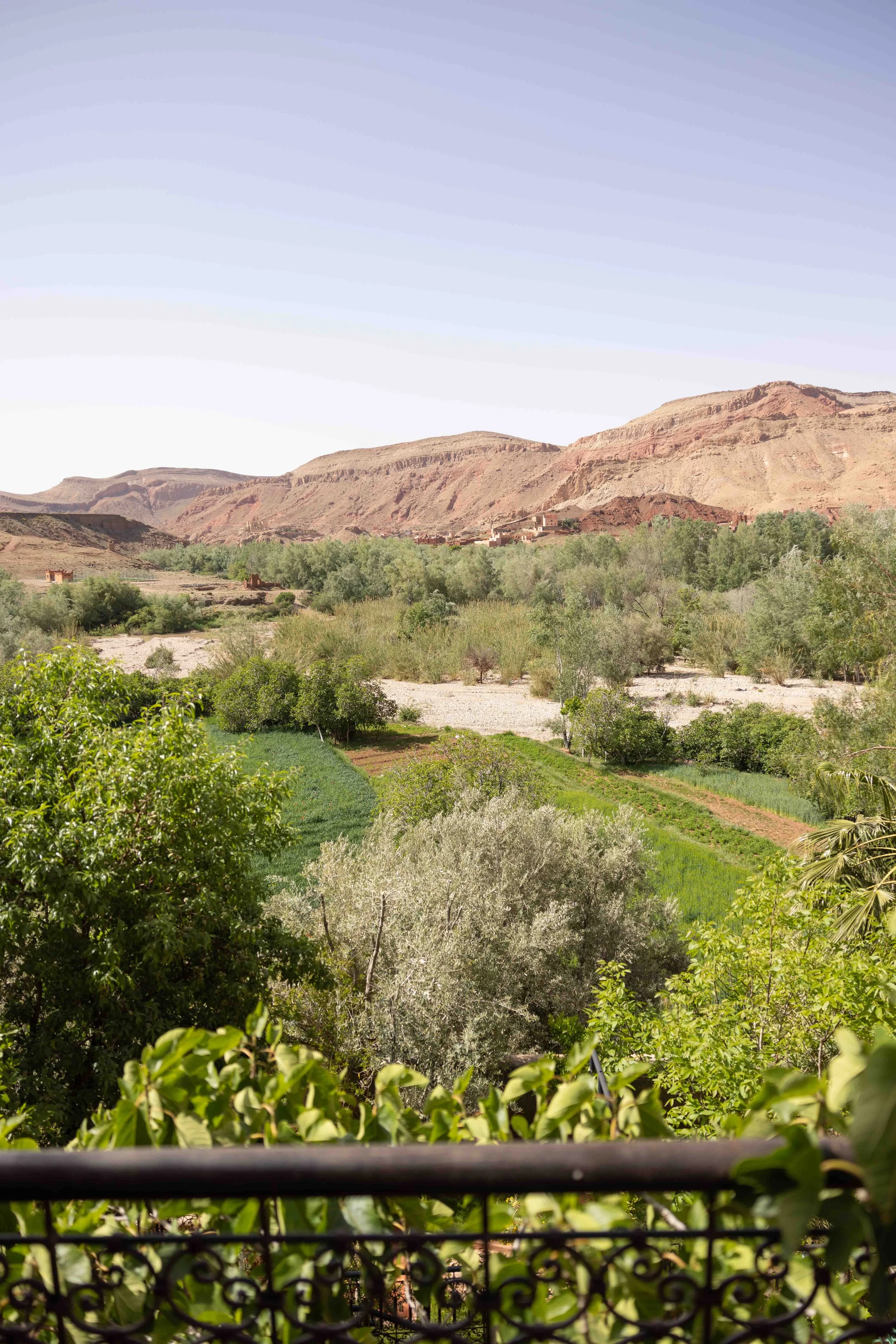
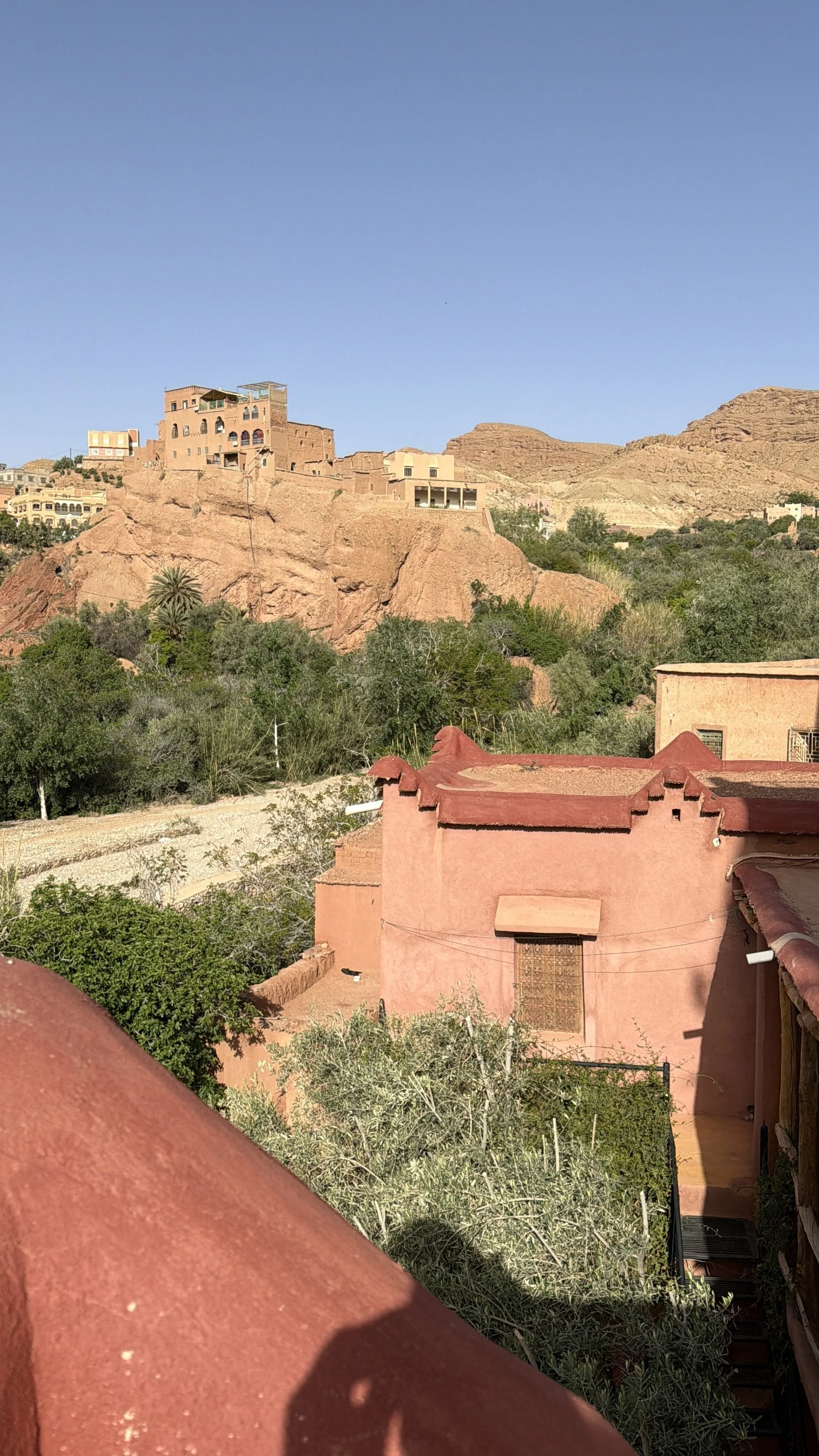
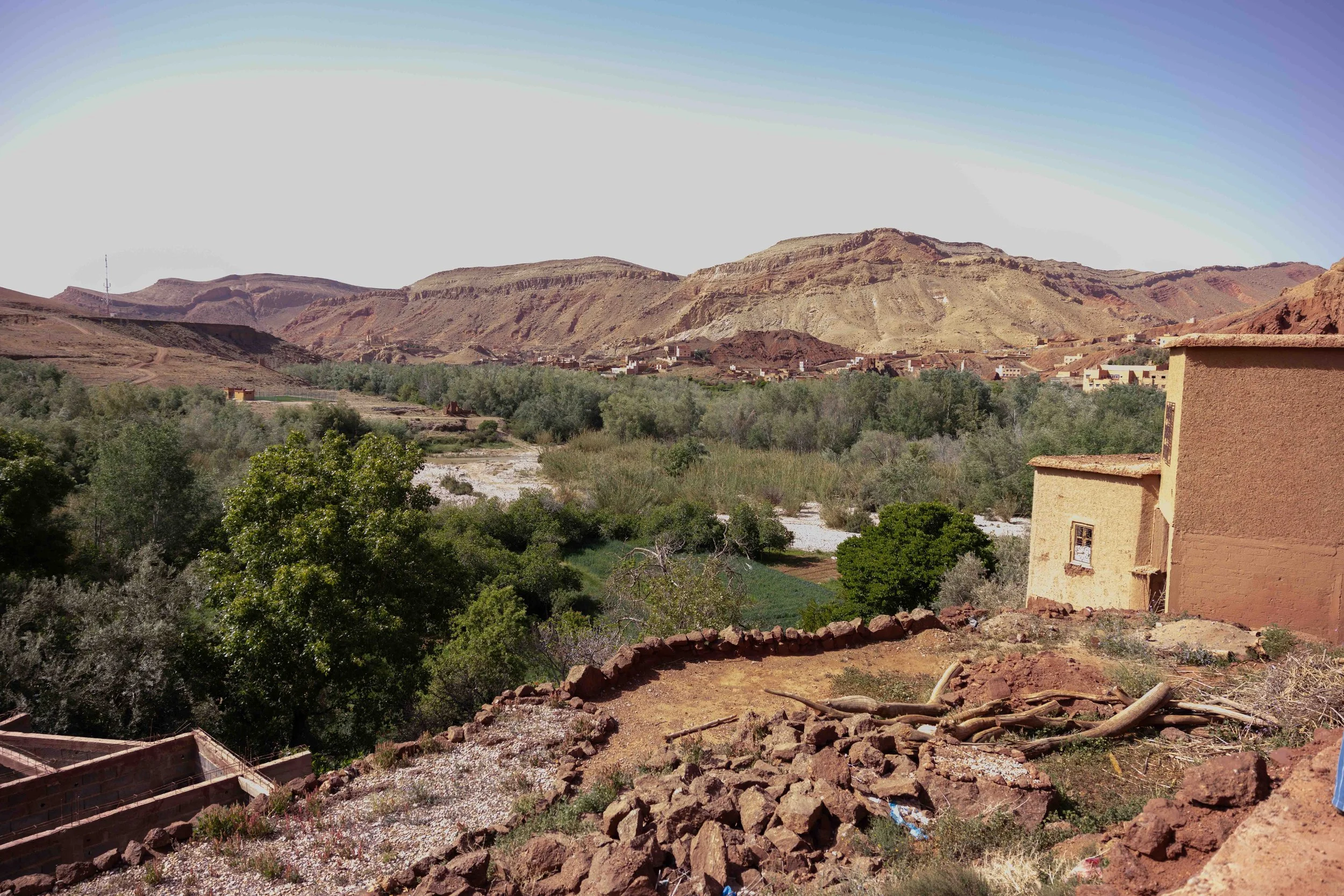
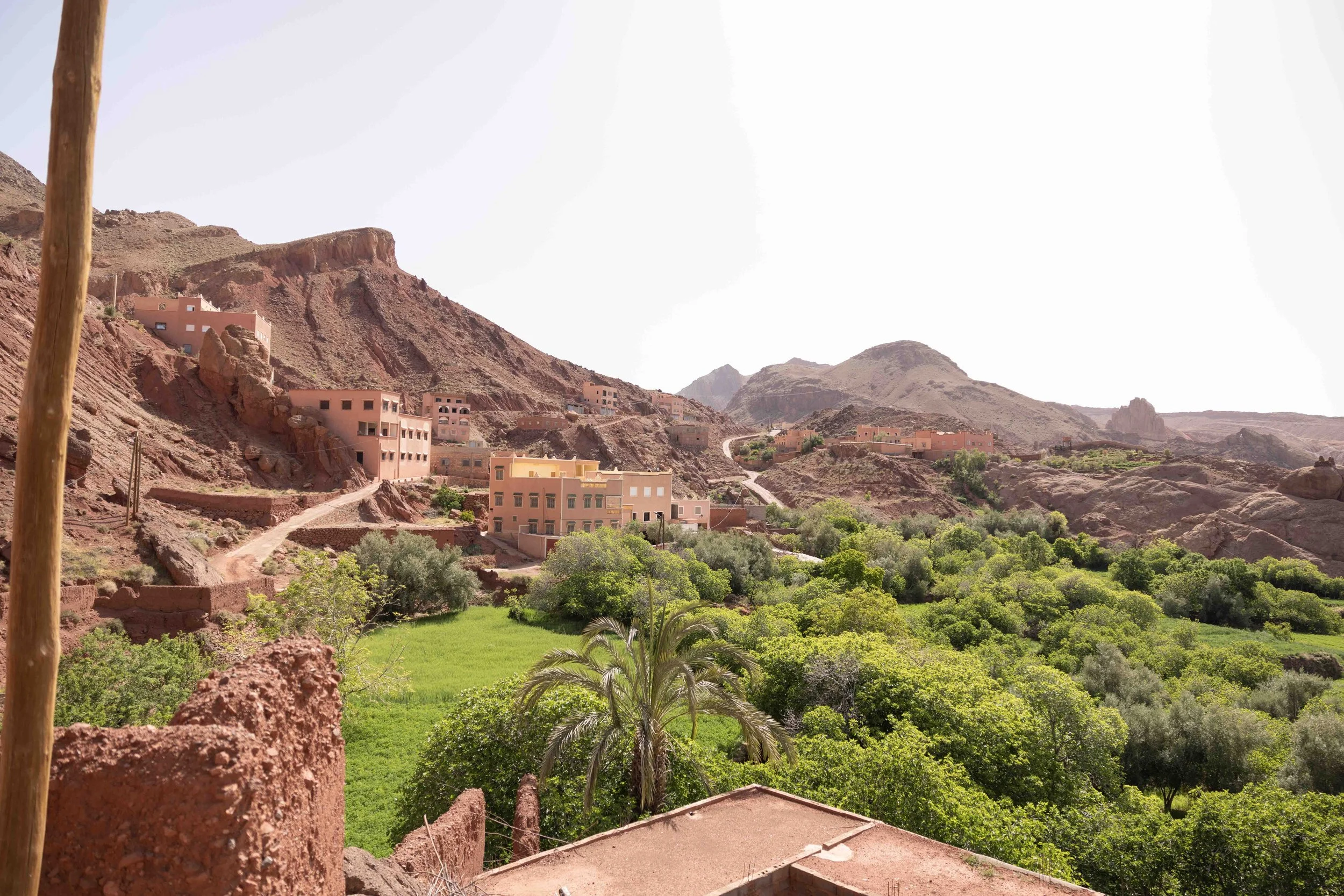
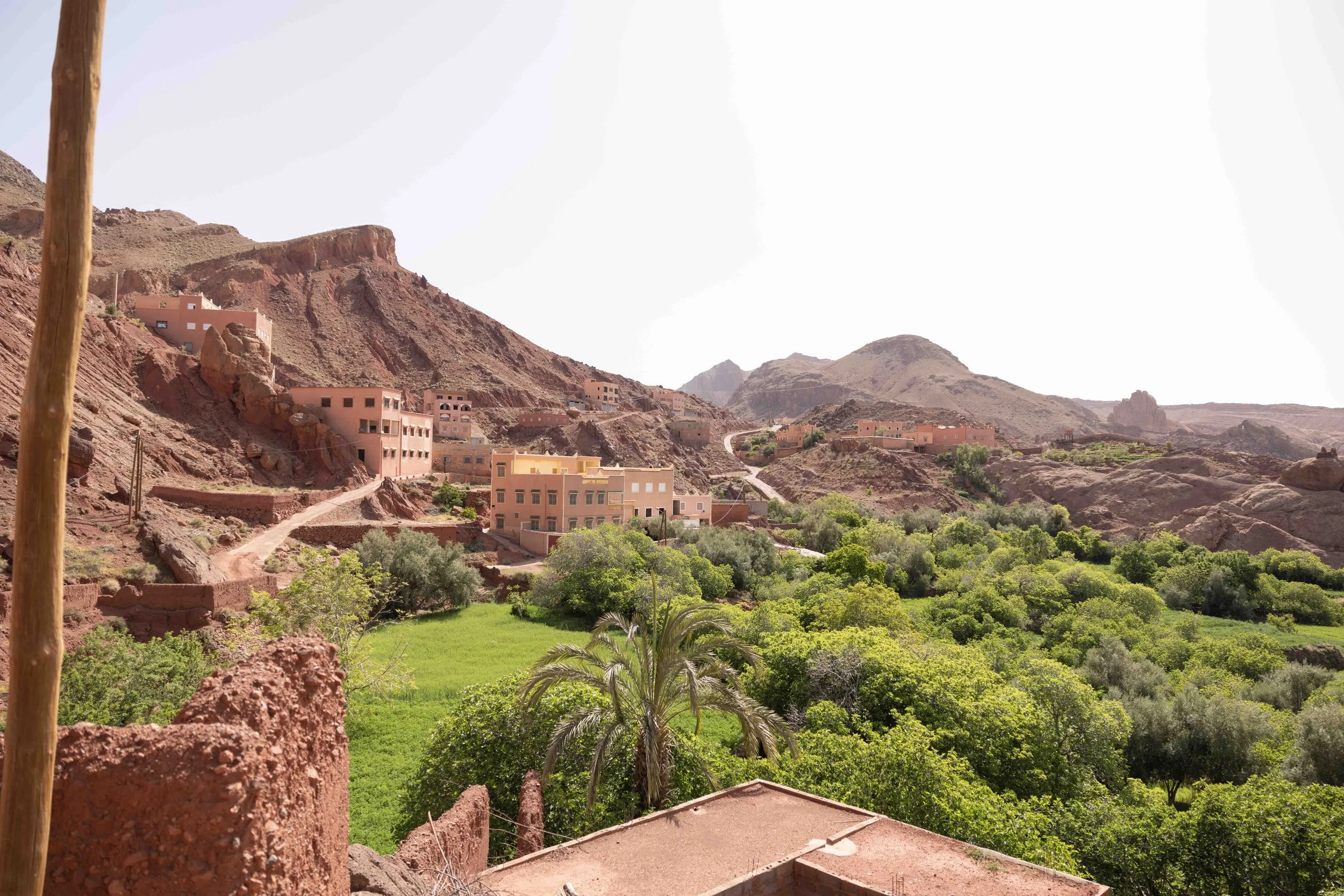
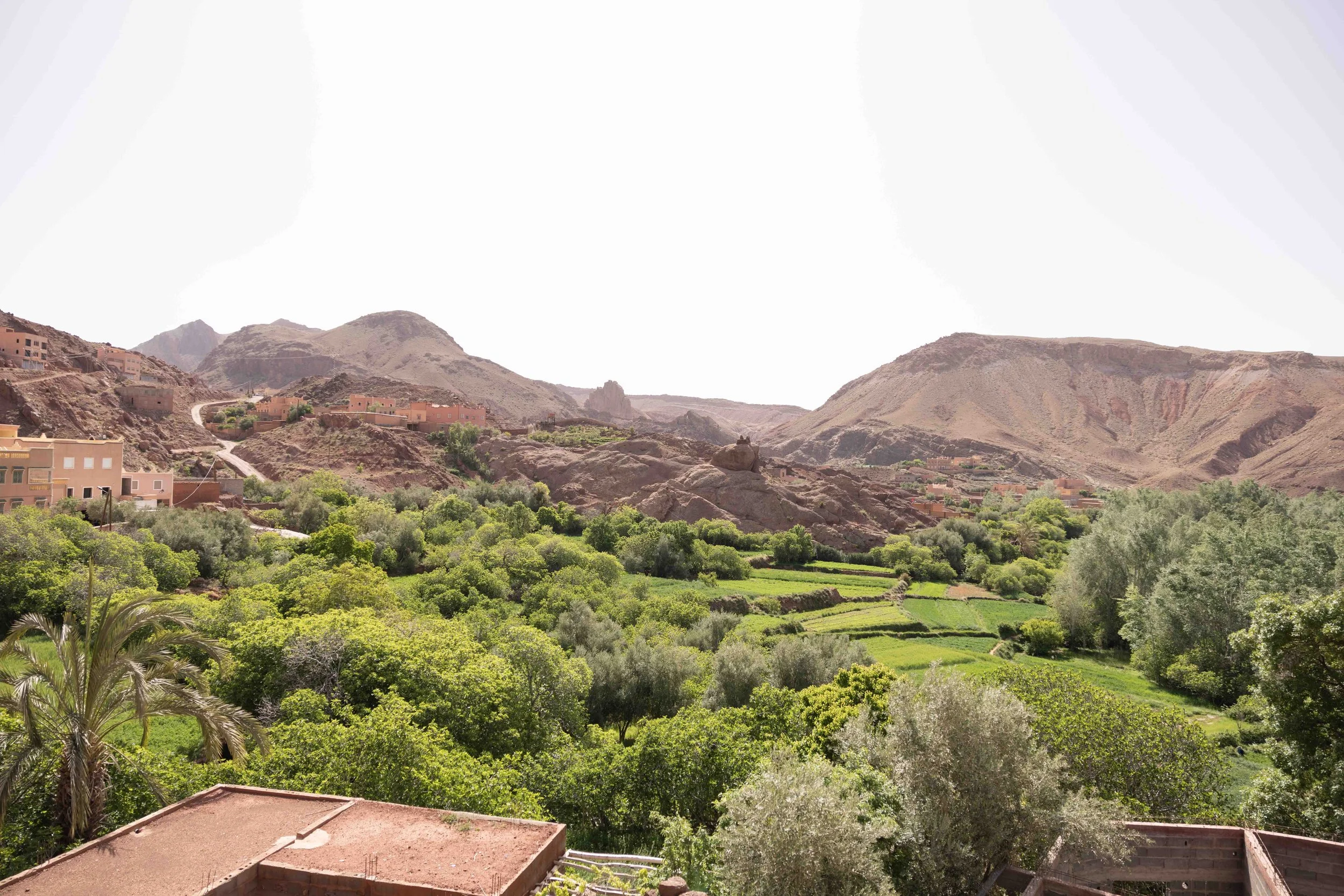
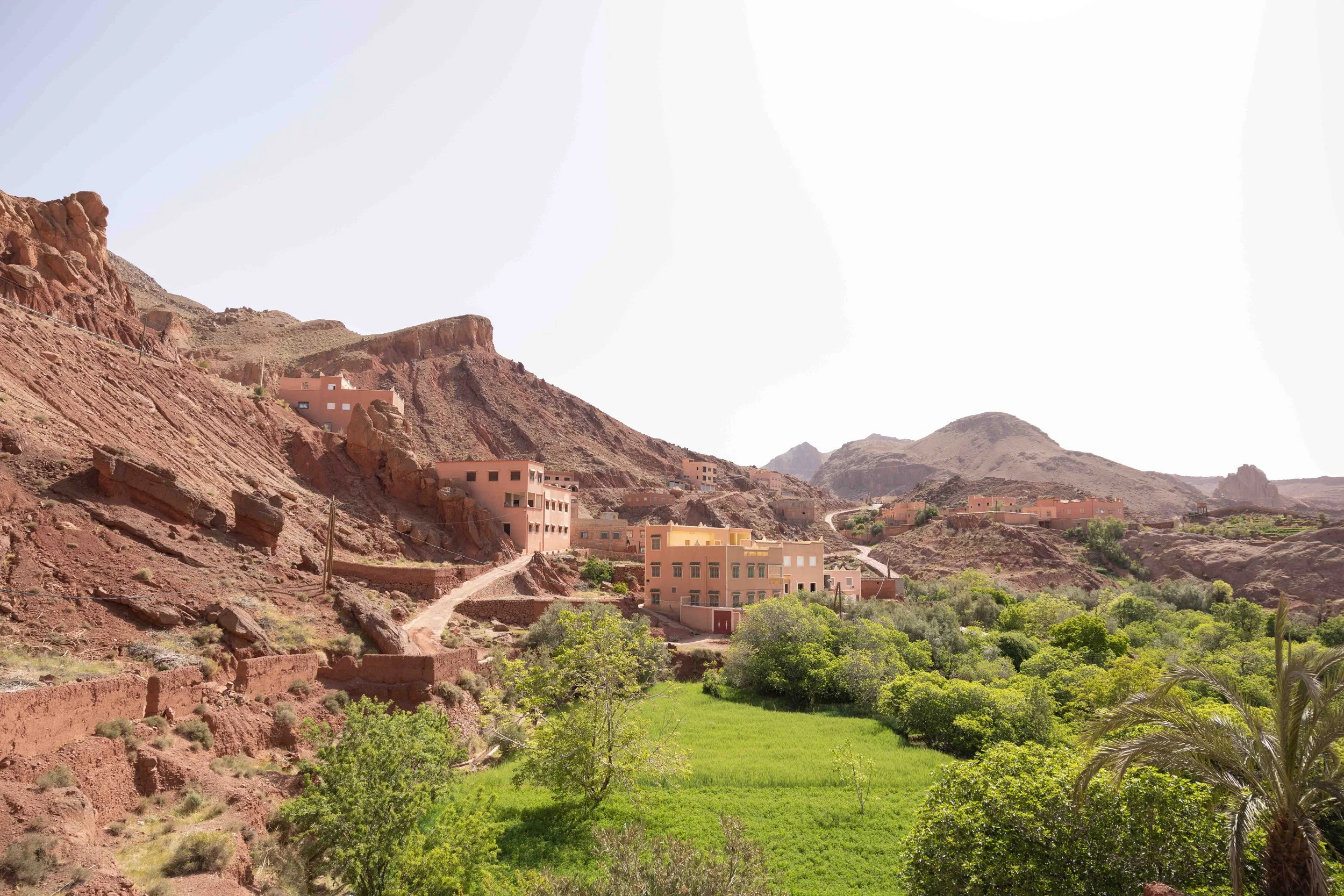
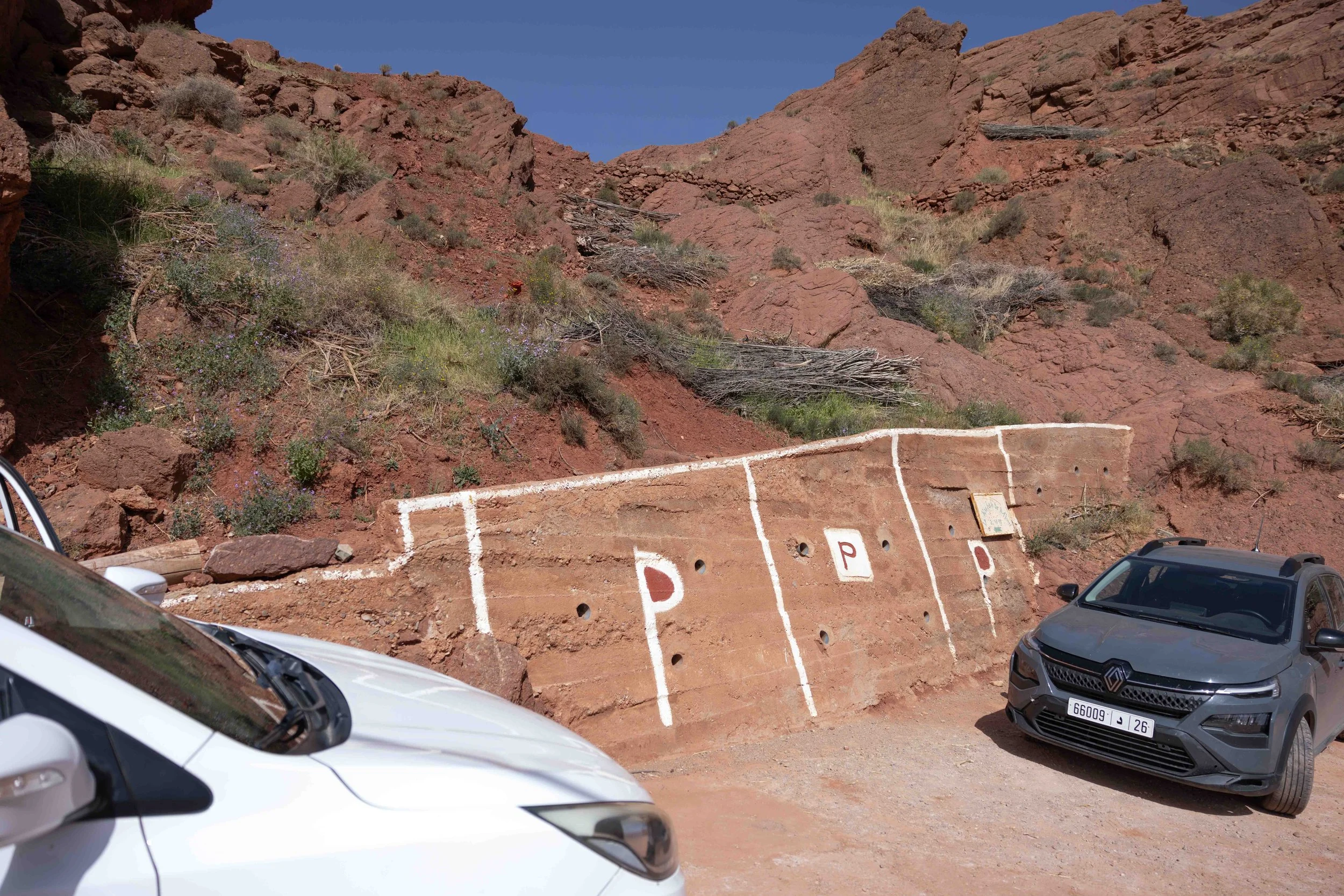
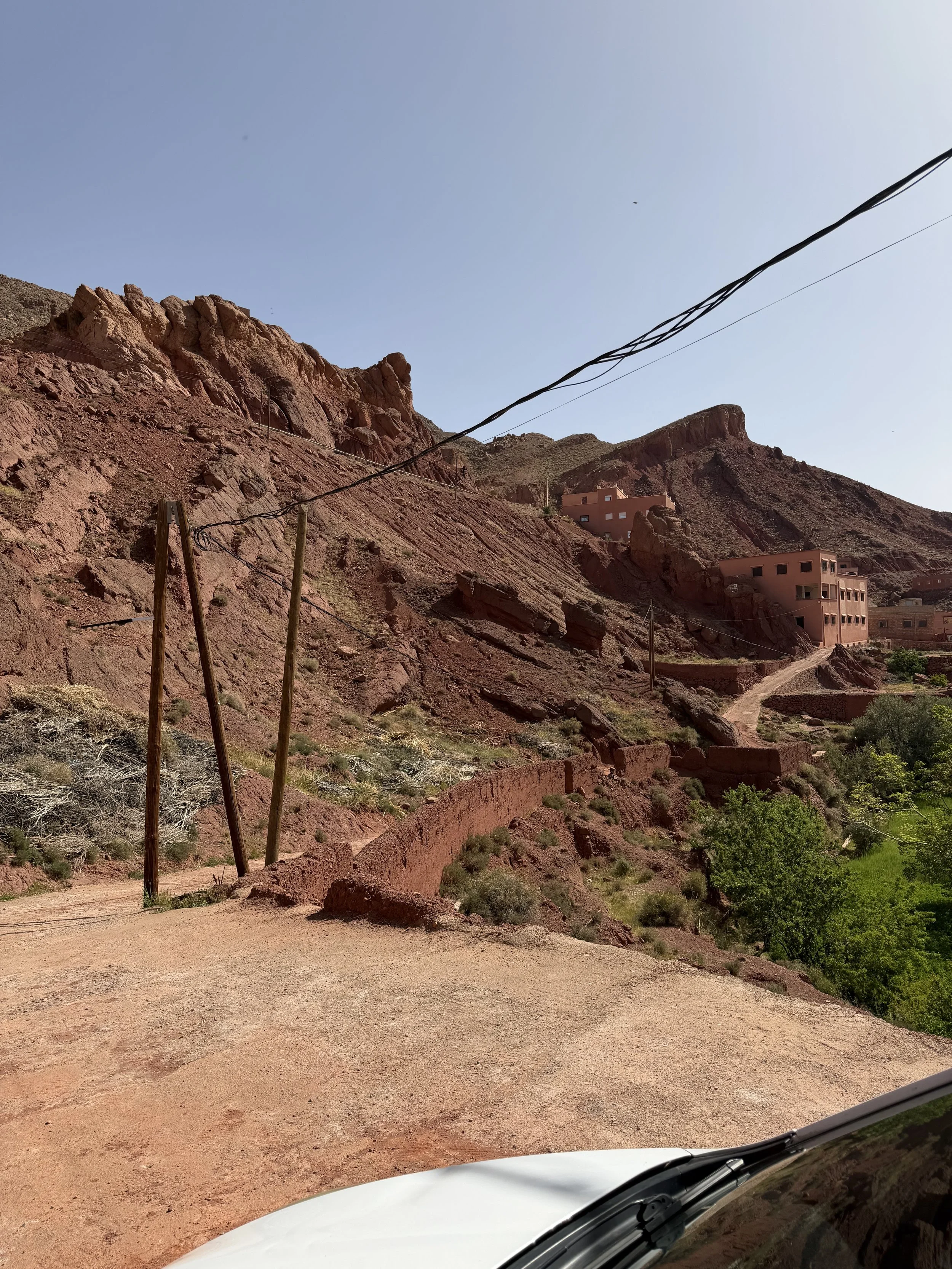
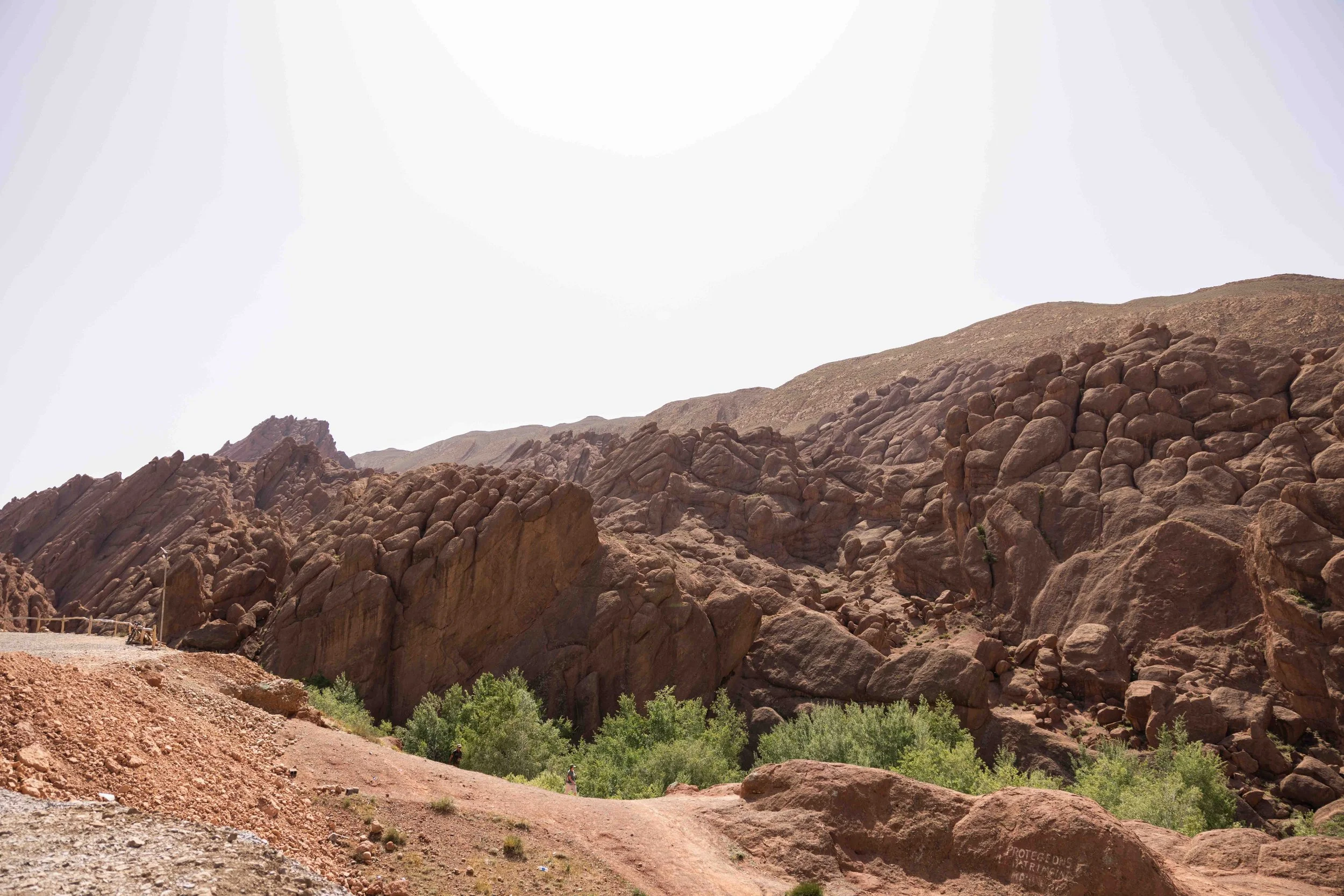
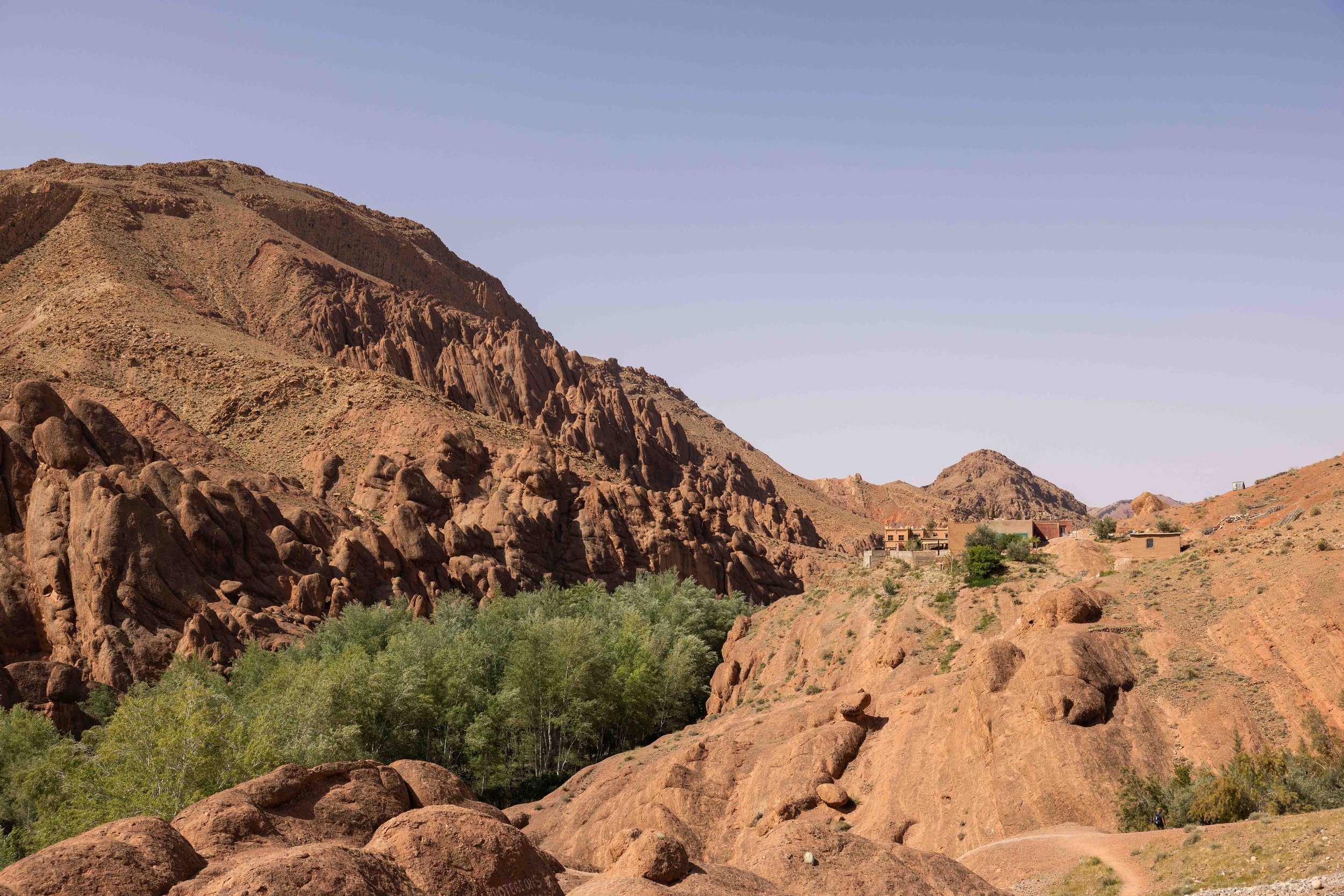
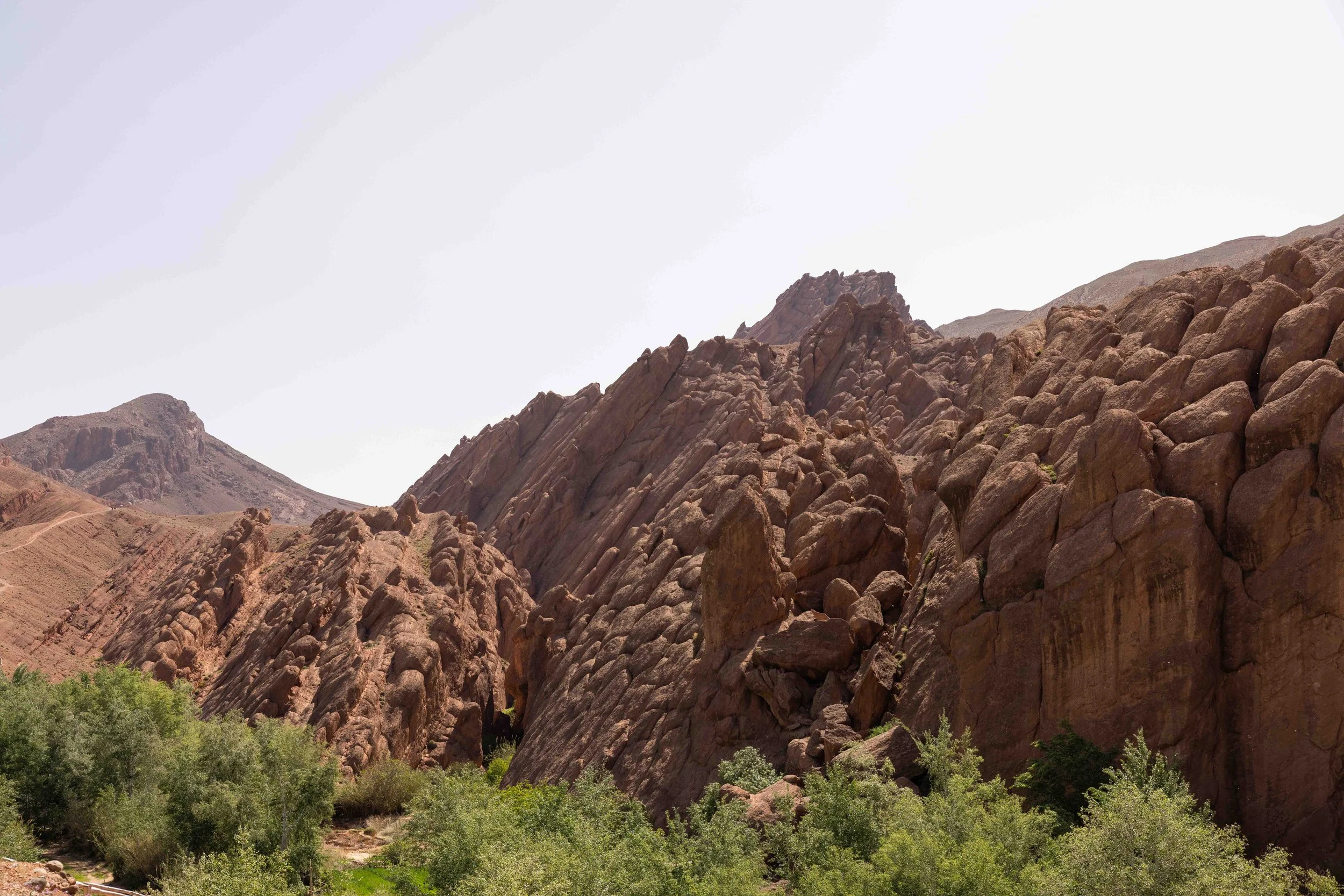
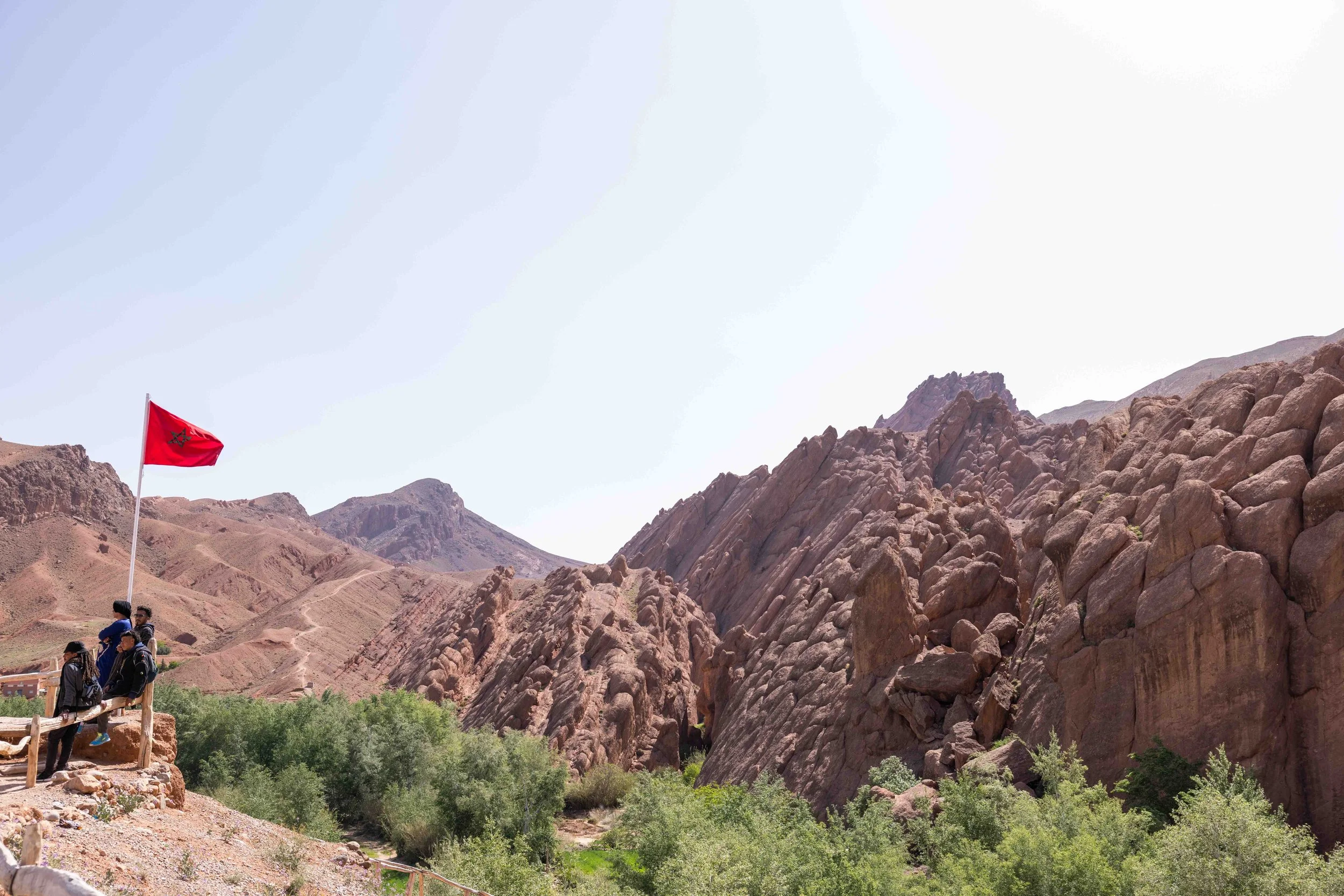
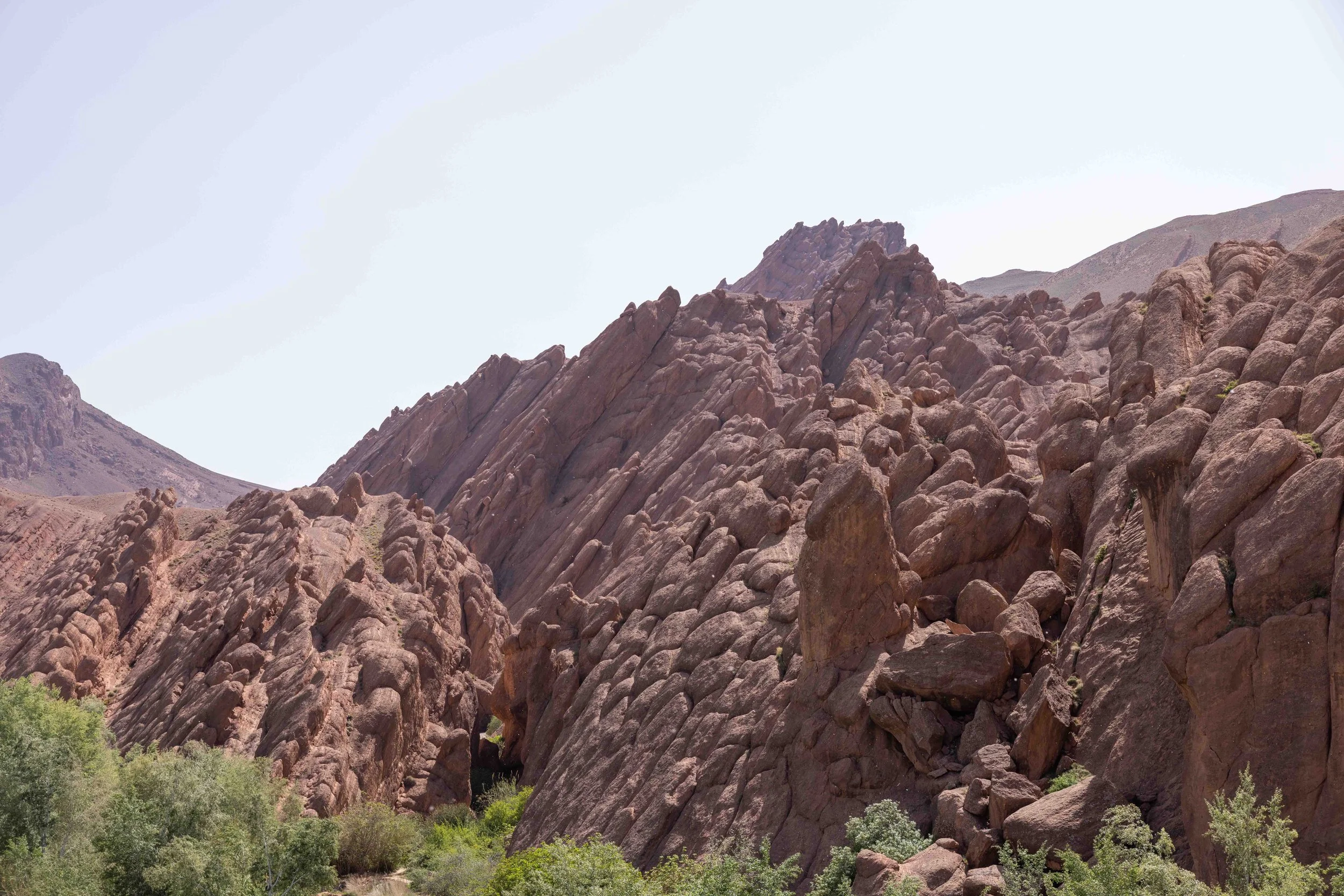
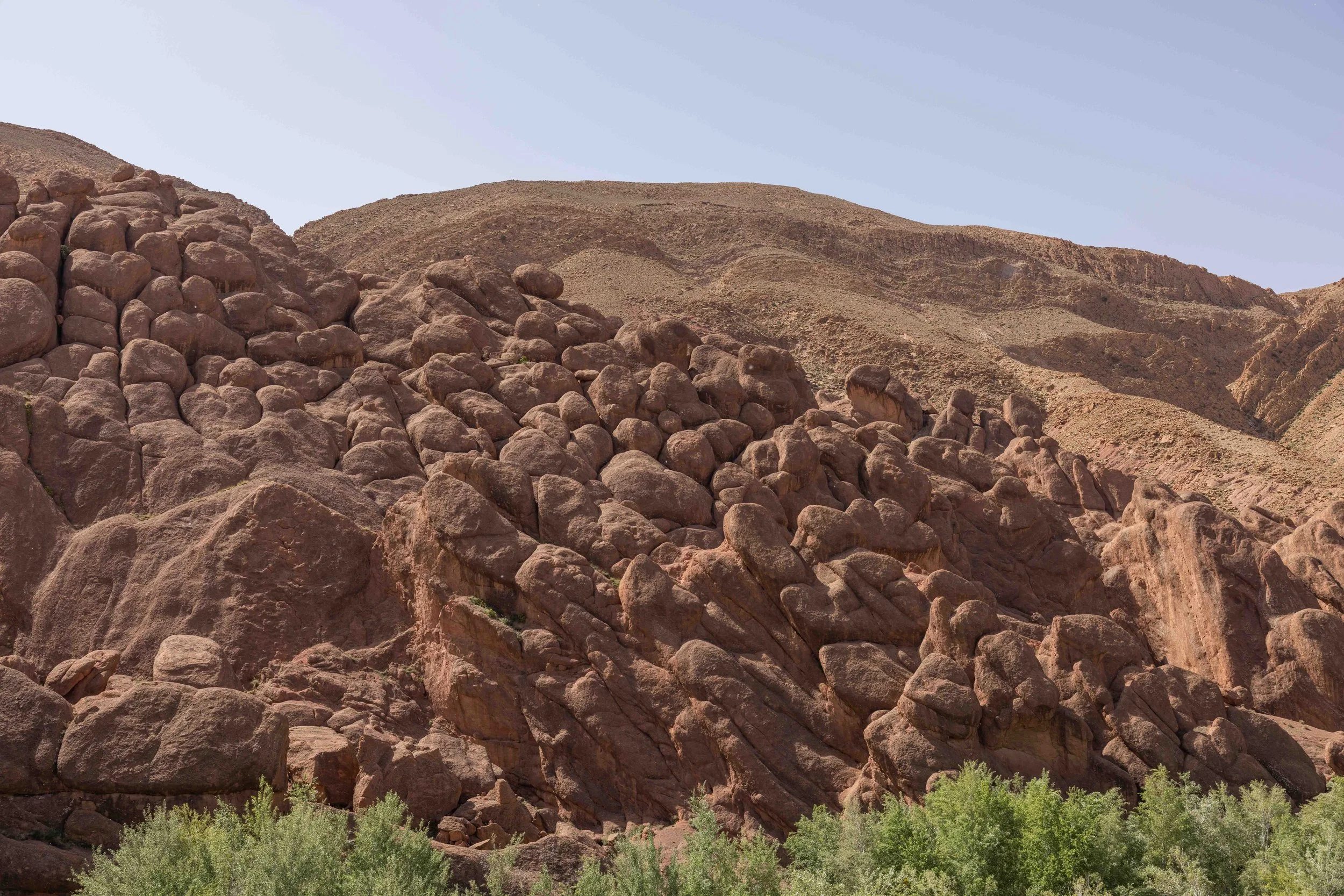
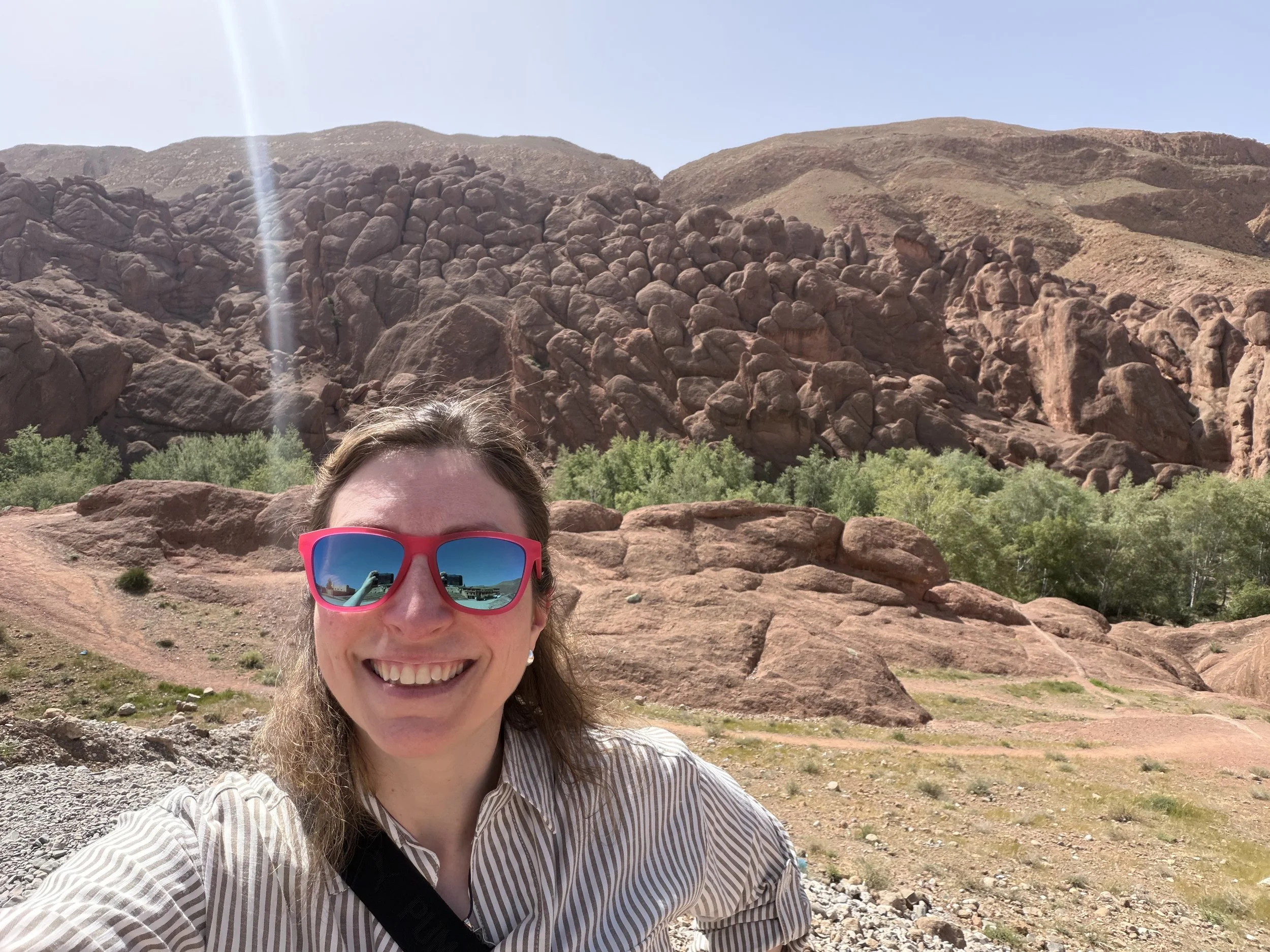
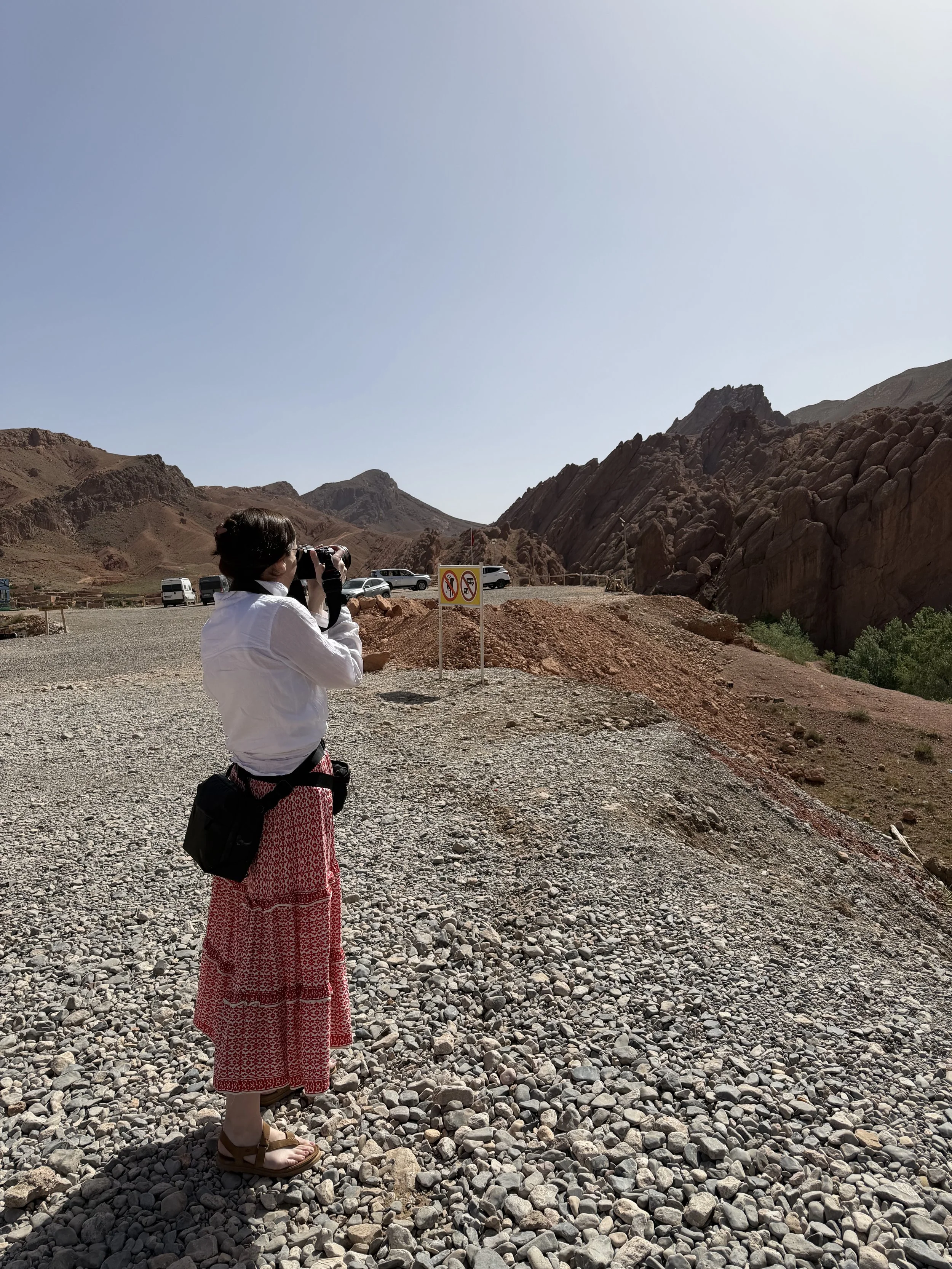
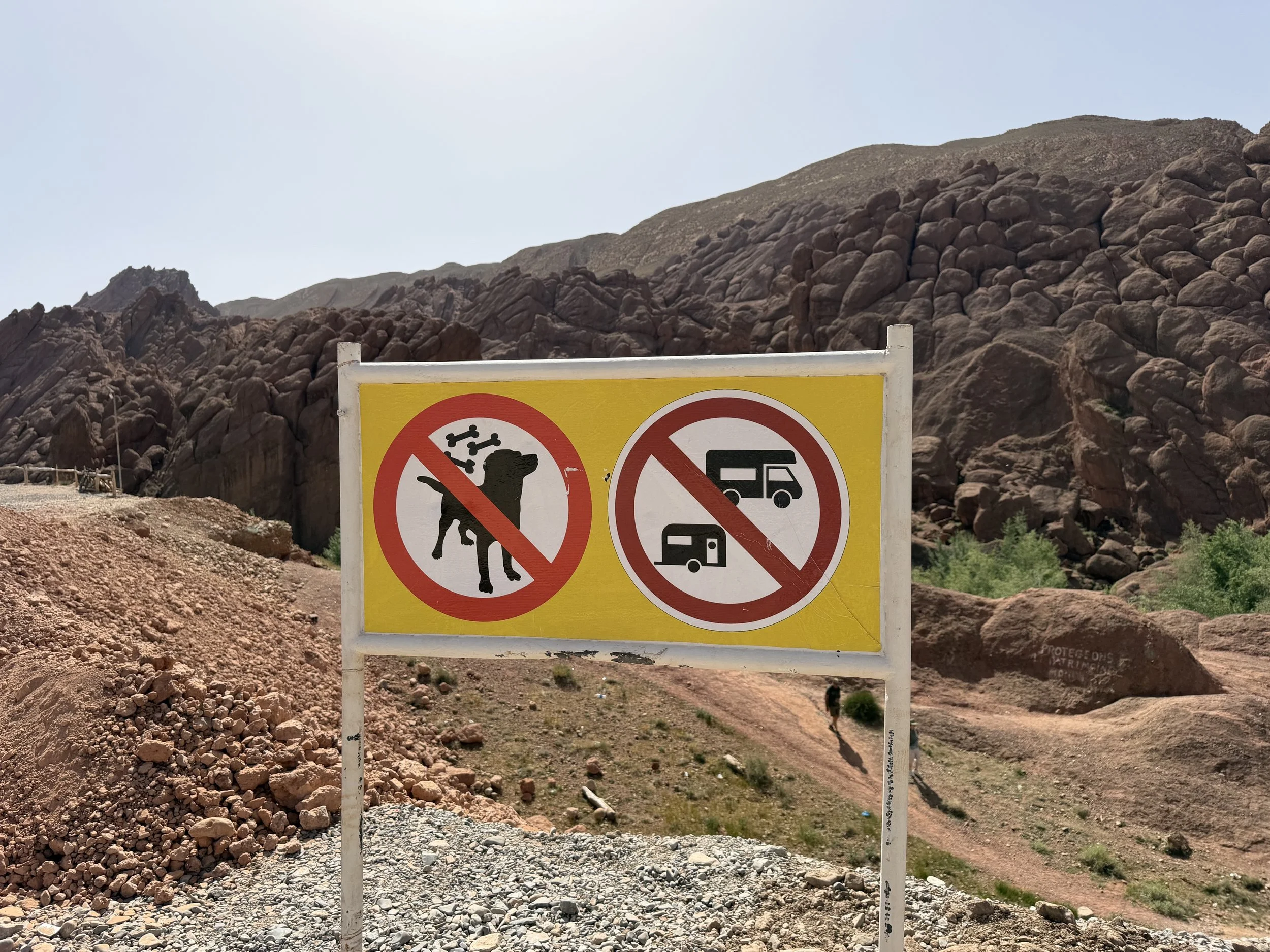
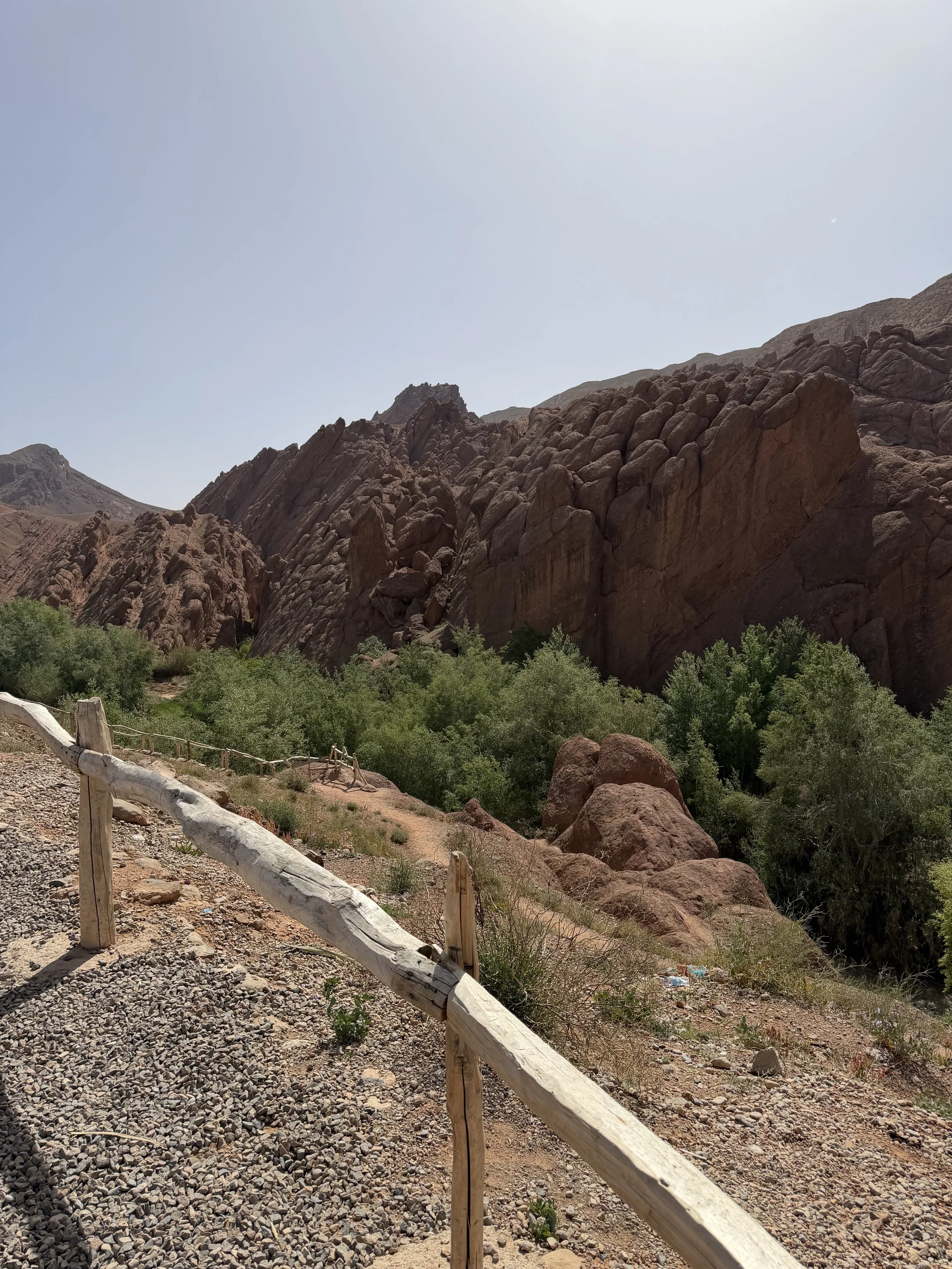
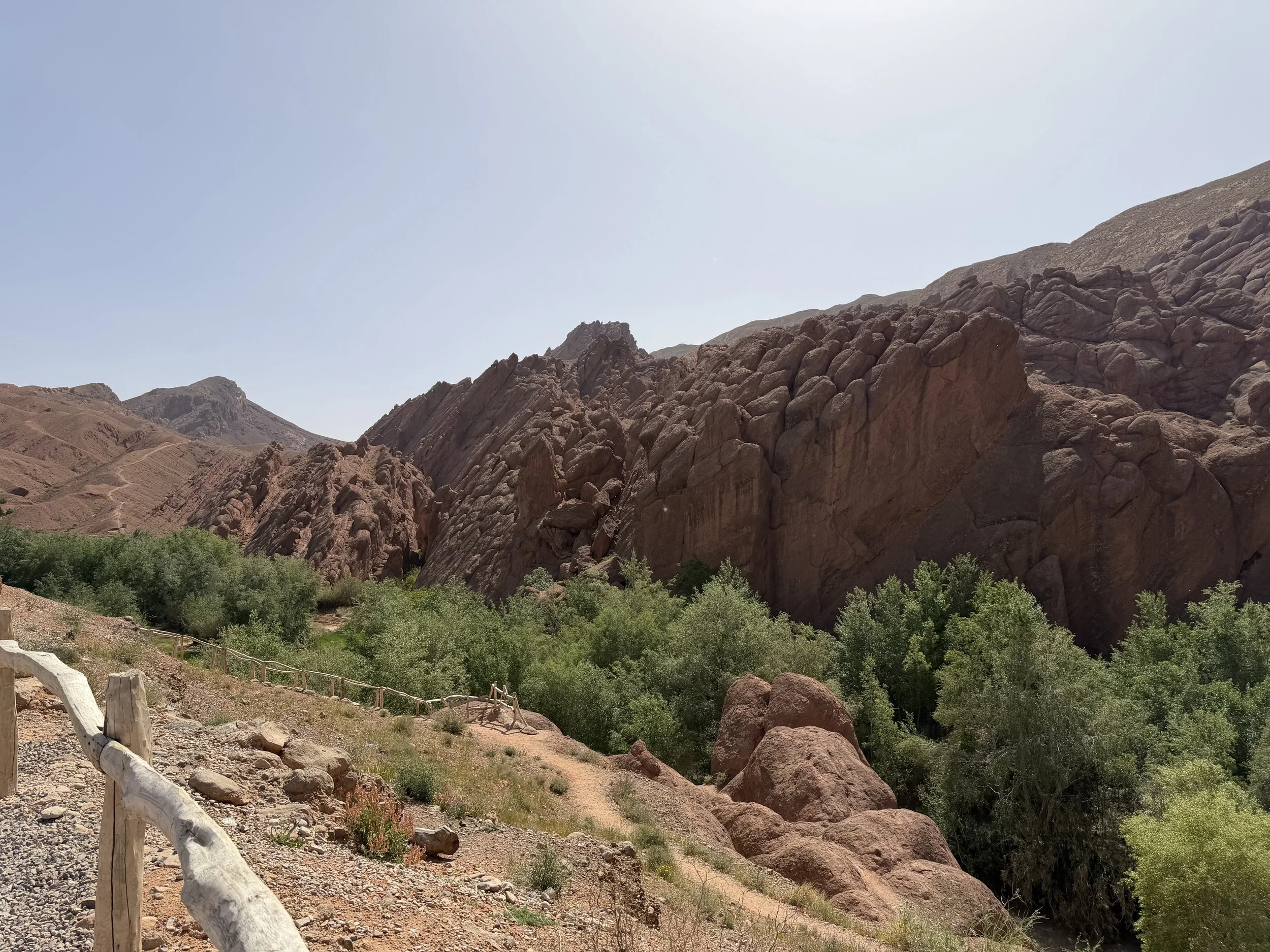
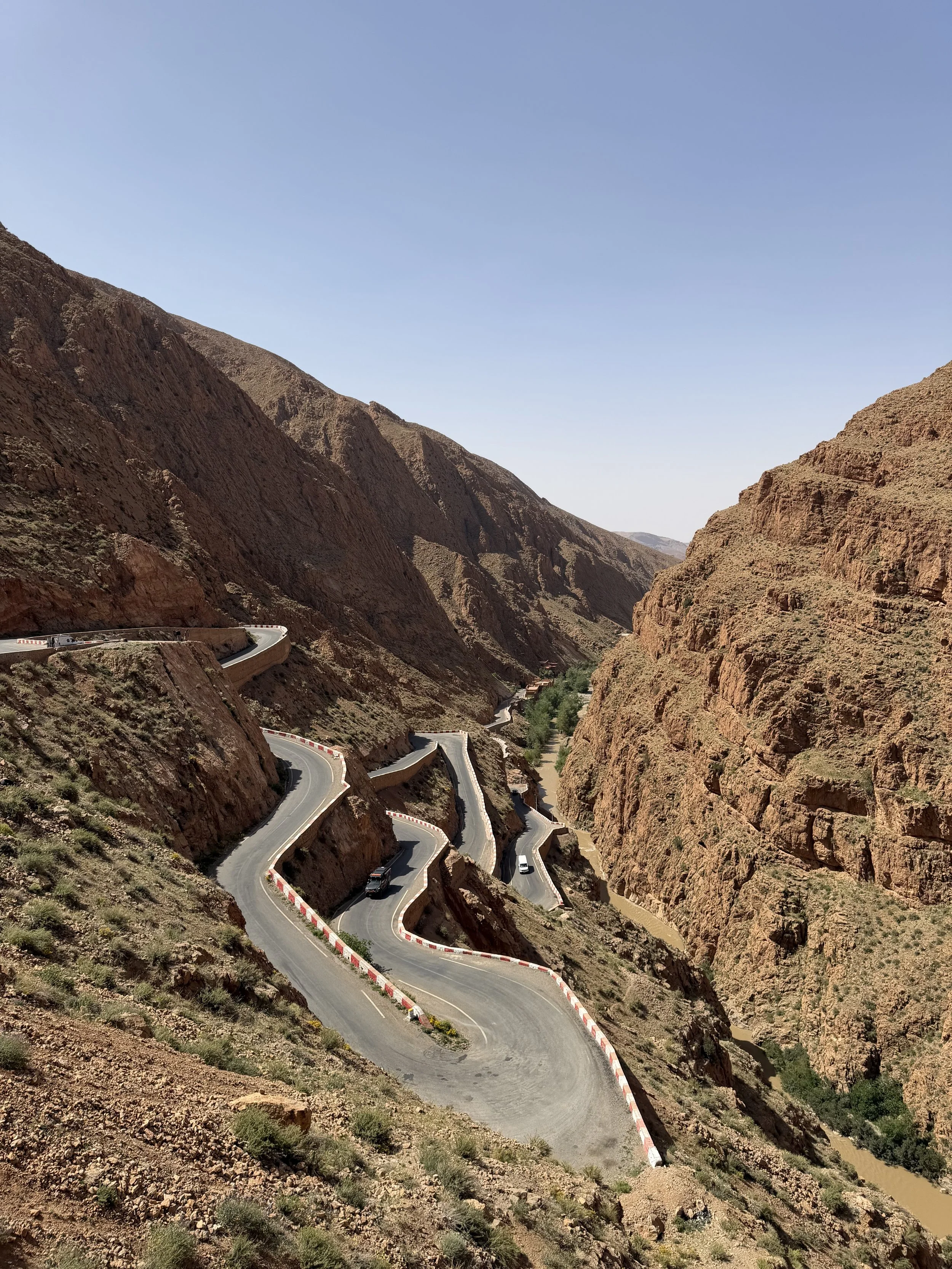
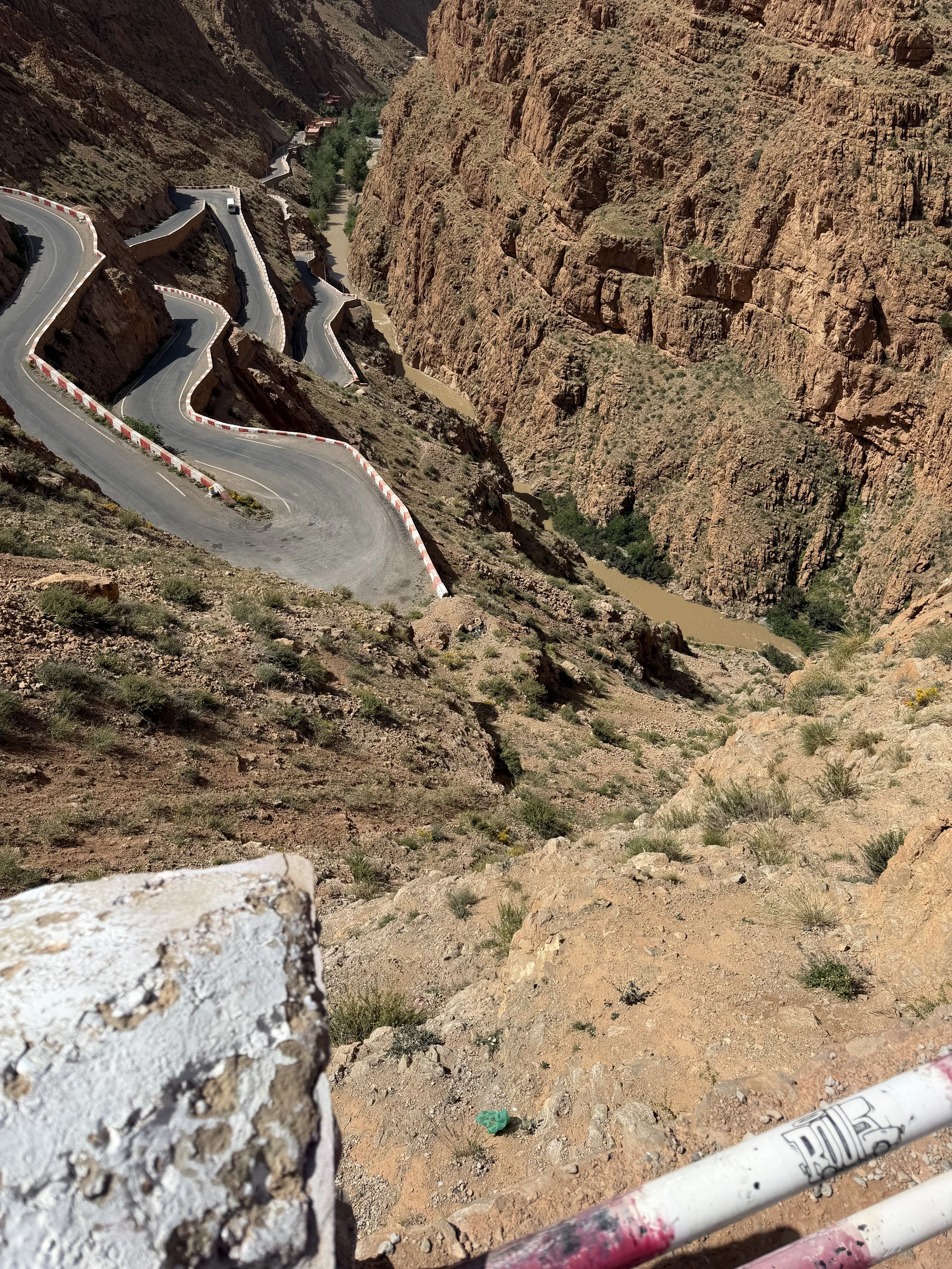
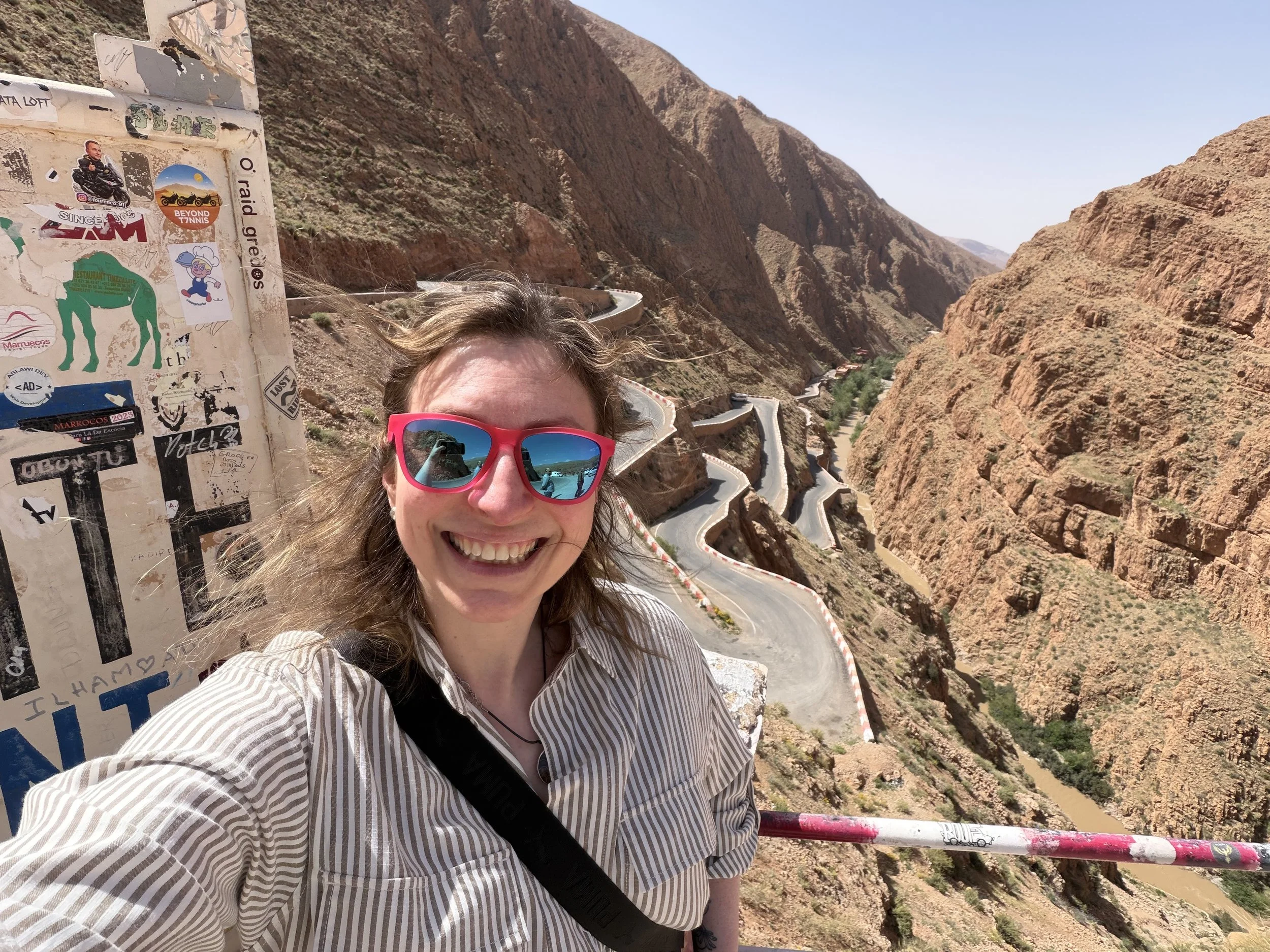
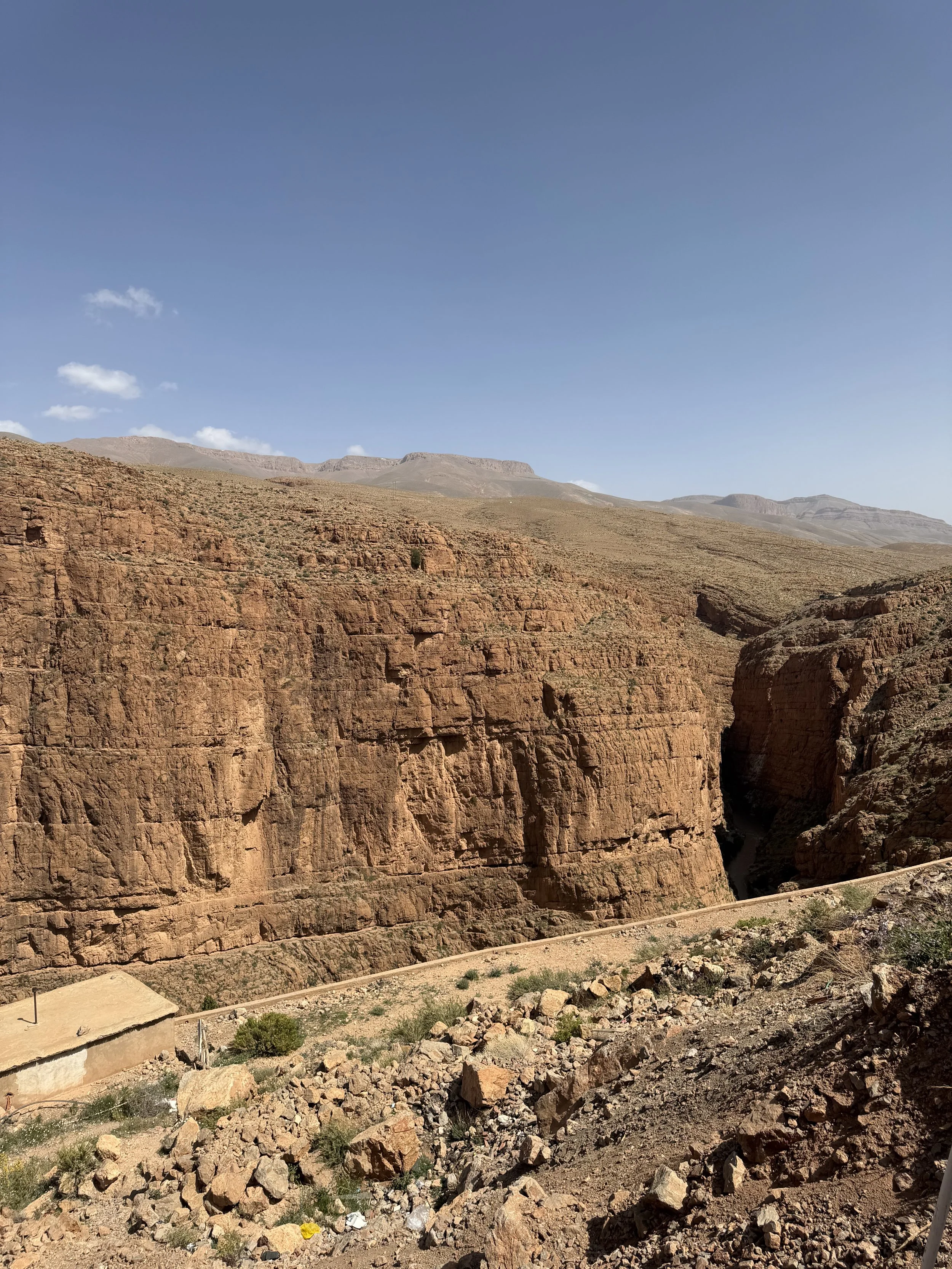
Our drive began through the dramatic landscapes of the Dades Valley, where strange and beautiful rock formations rose from the earth like giant stone sculptures.
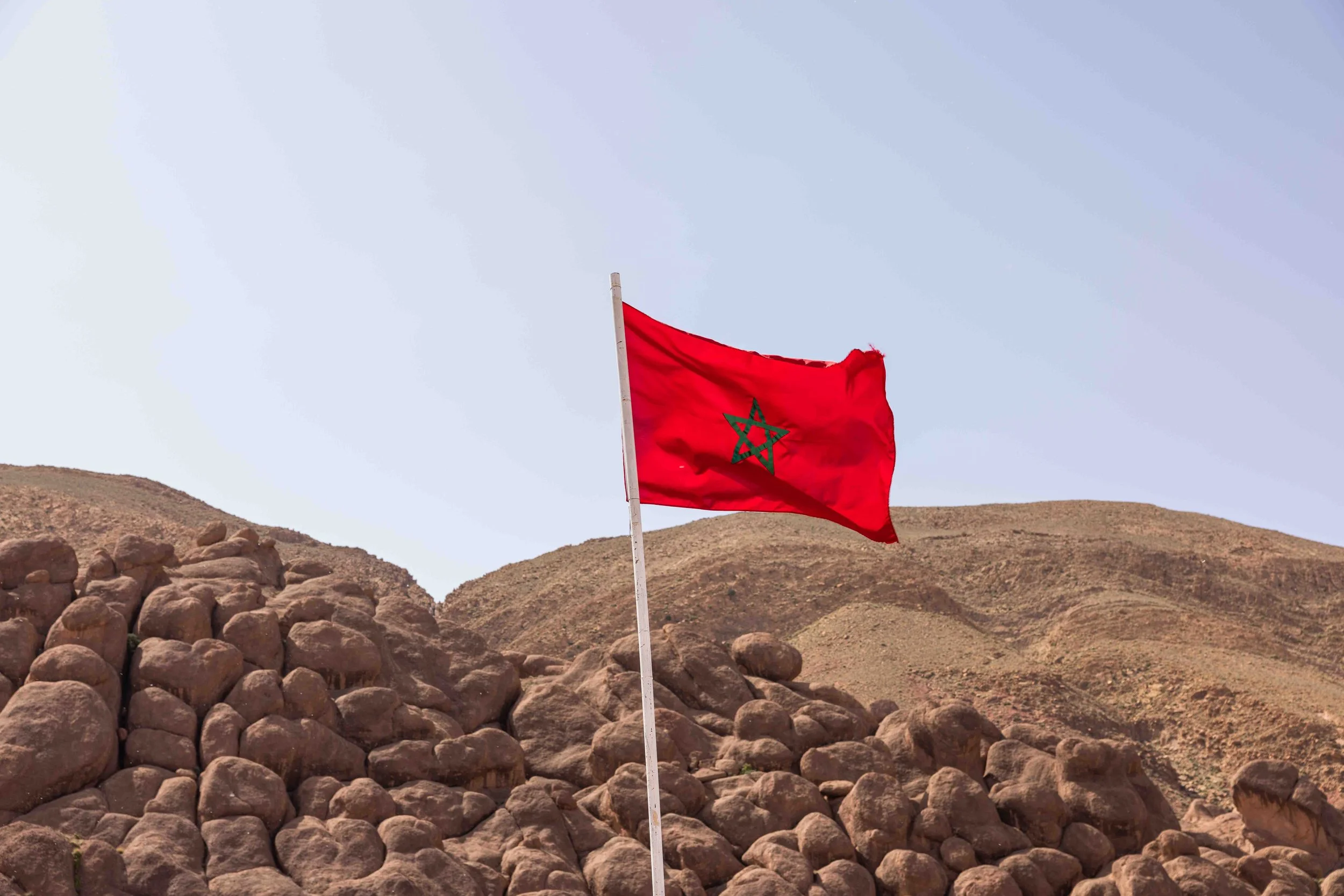
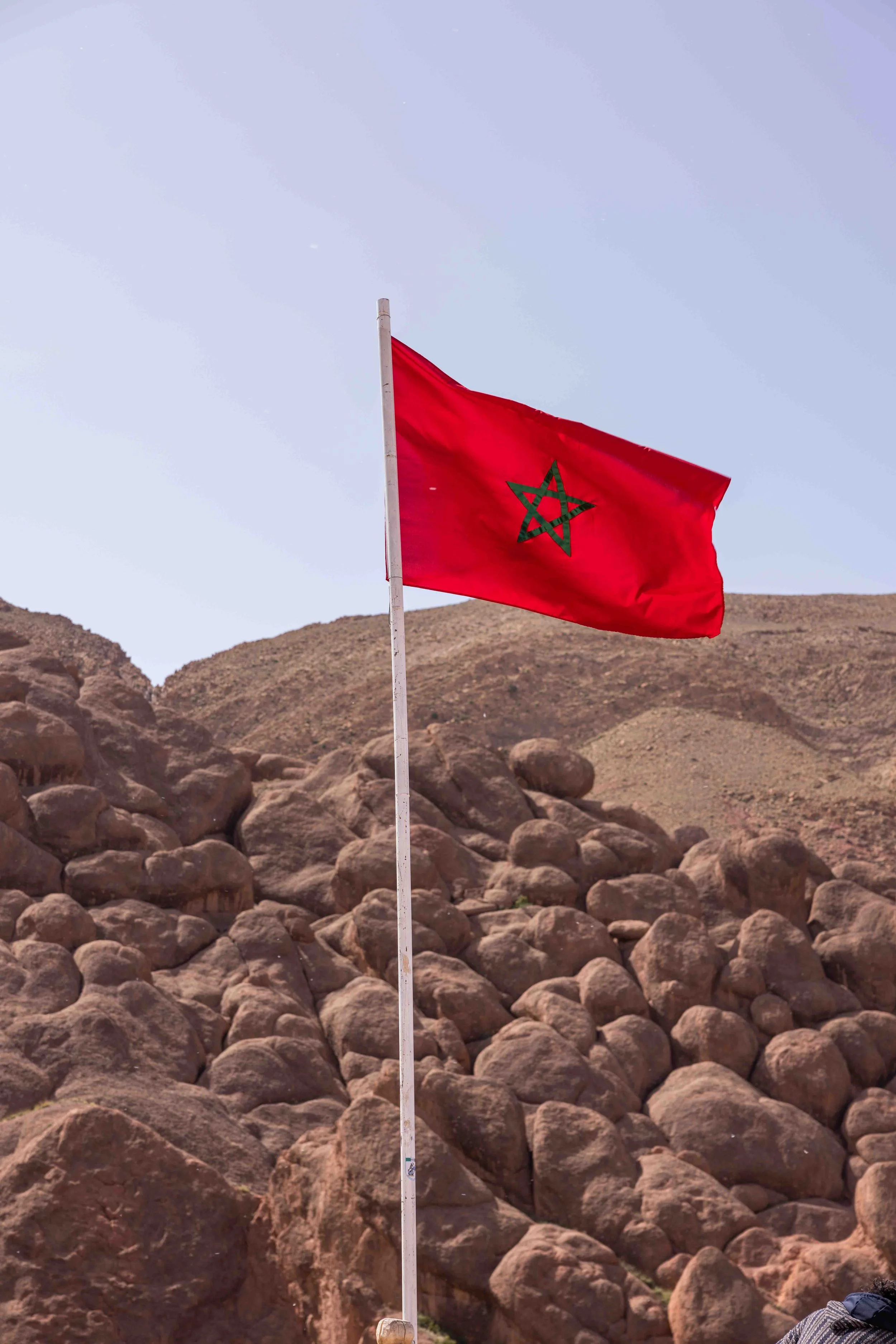
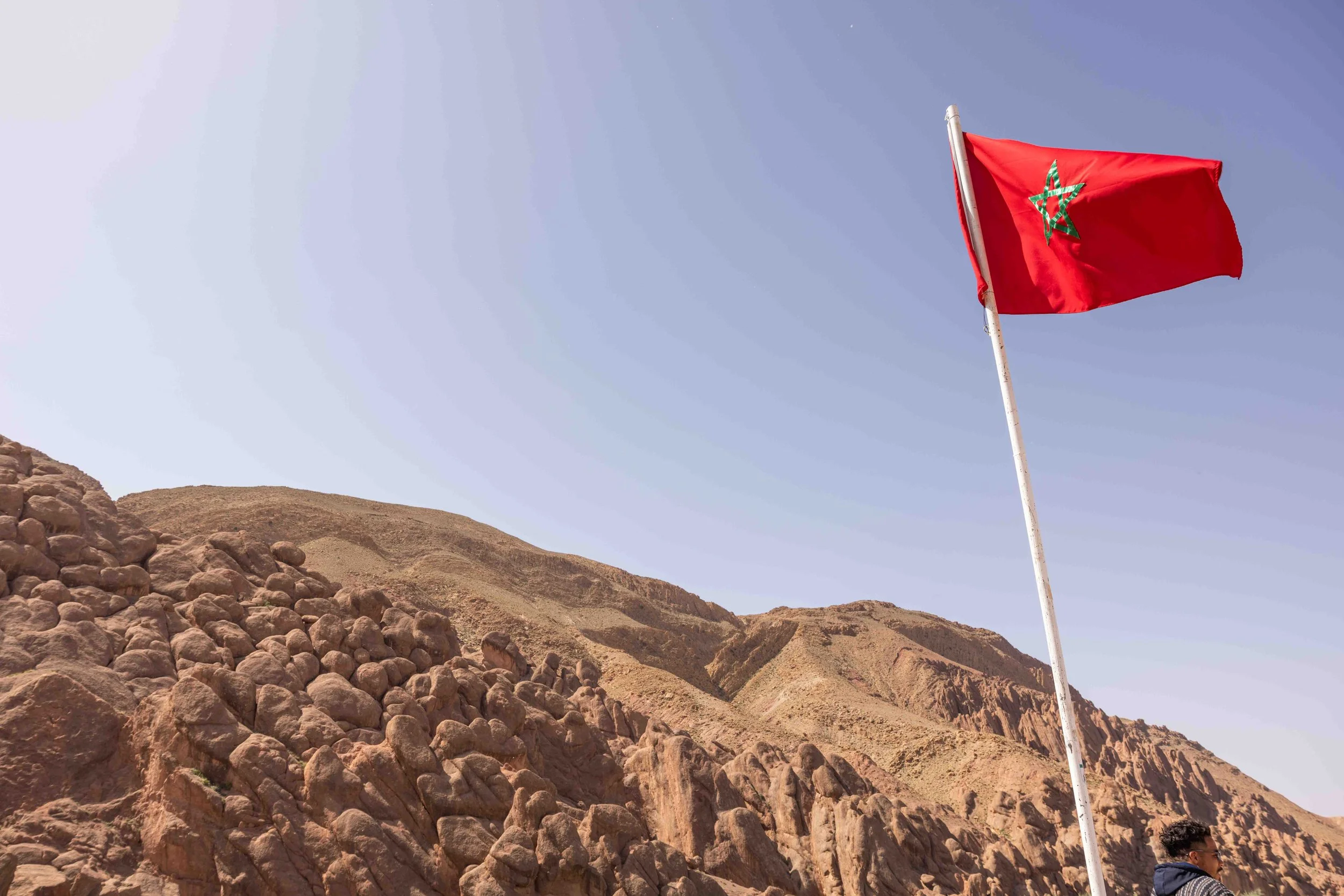
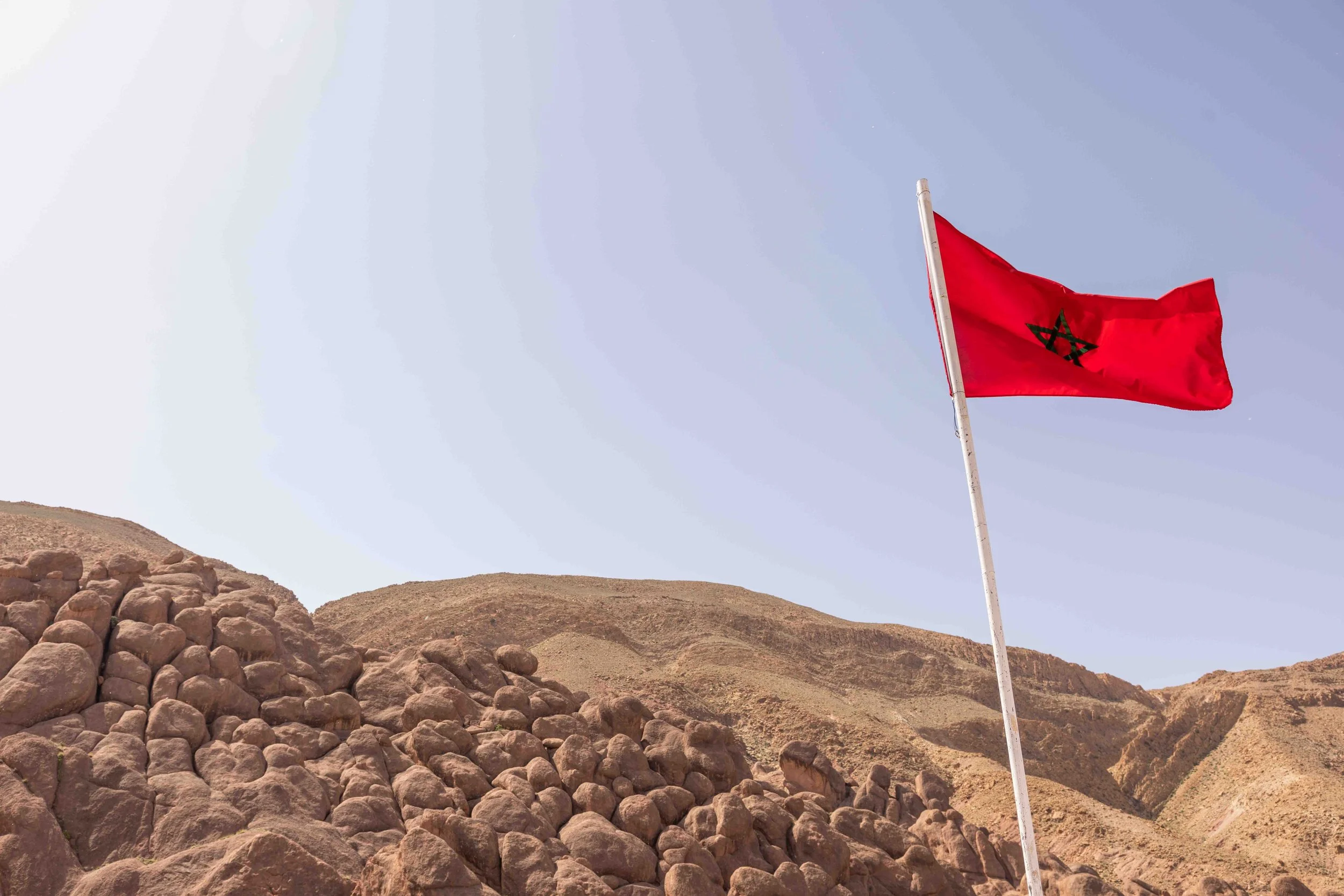
One of the most famous formations in the area is known as the “Monkey Fingers,” named for the long, finger-like rocks shaped by centuries of wind and erosion. The terrain here barely looked real — a mixture of deep red cliffs, winding roads, and rugged mountains that constantly changed with the shifting light.
Every turn revealed another postcard-worthy view.
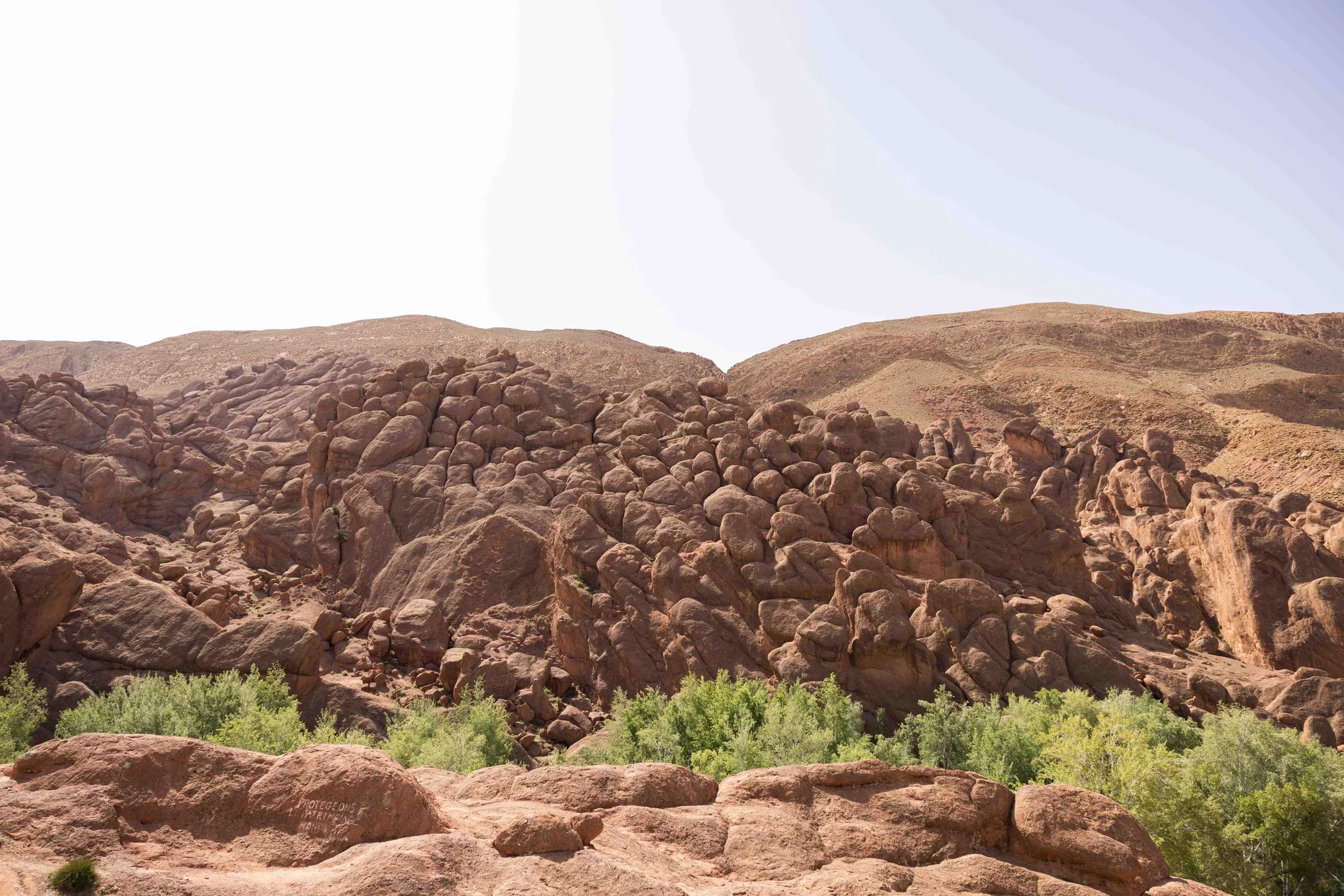
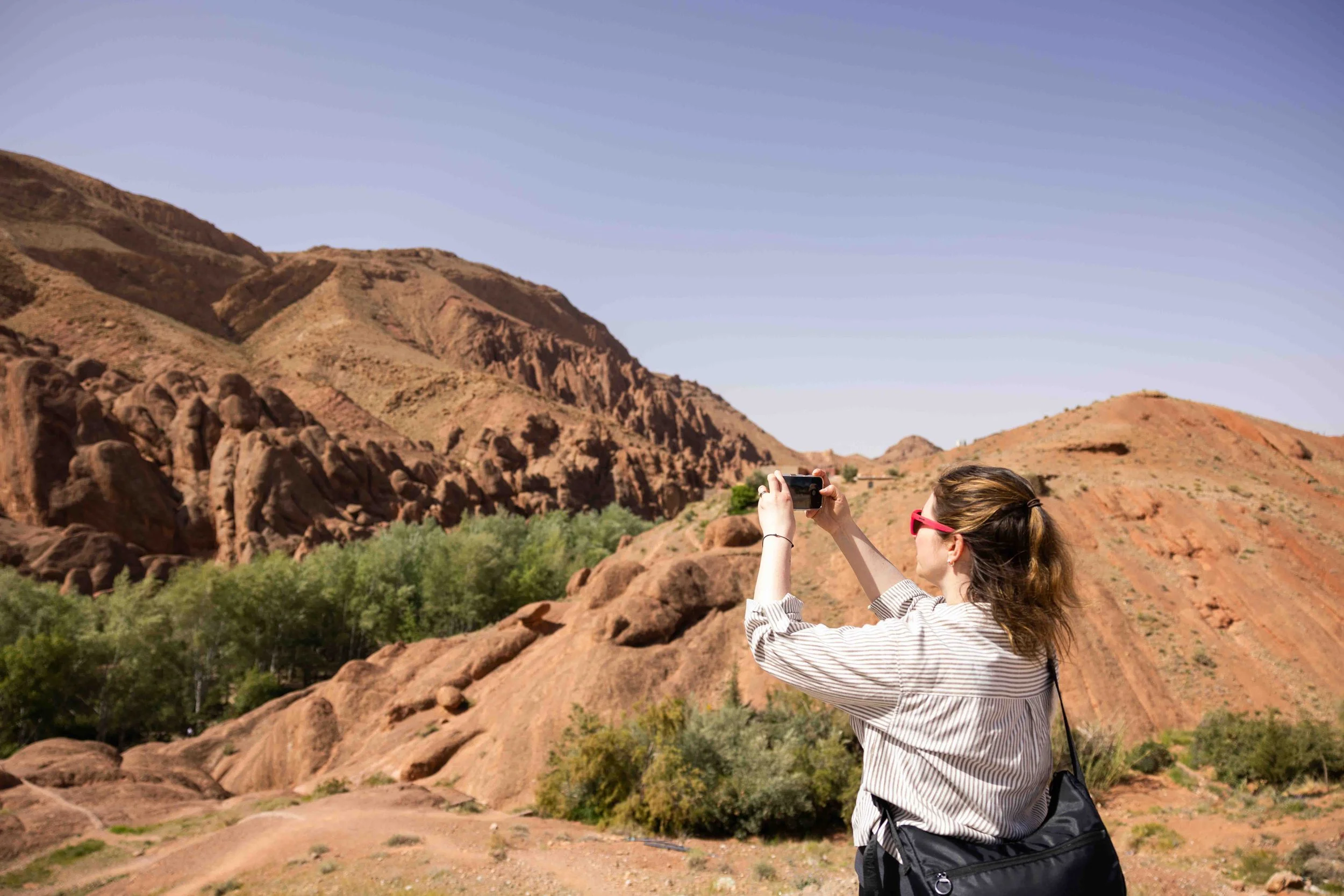
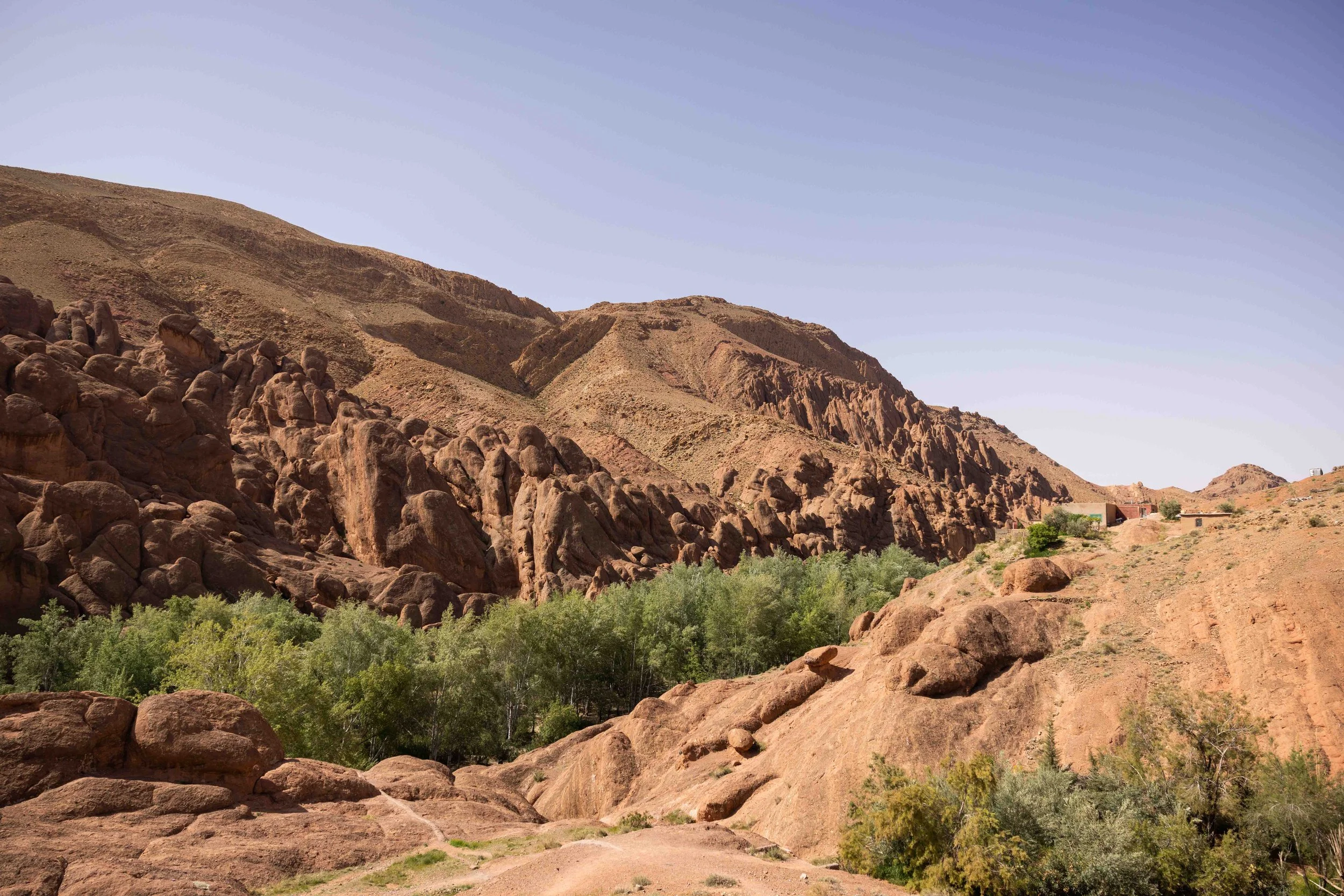
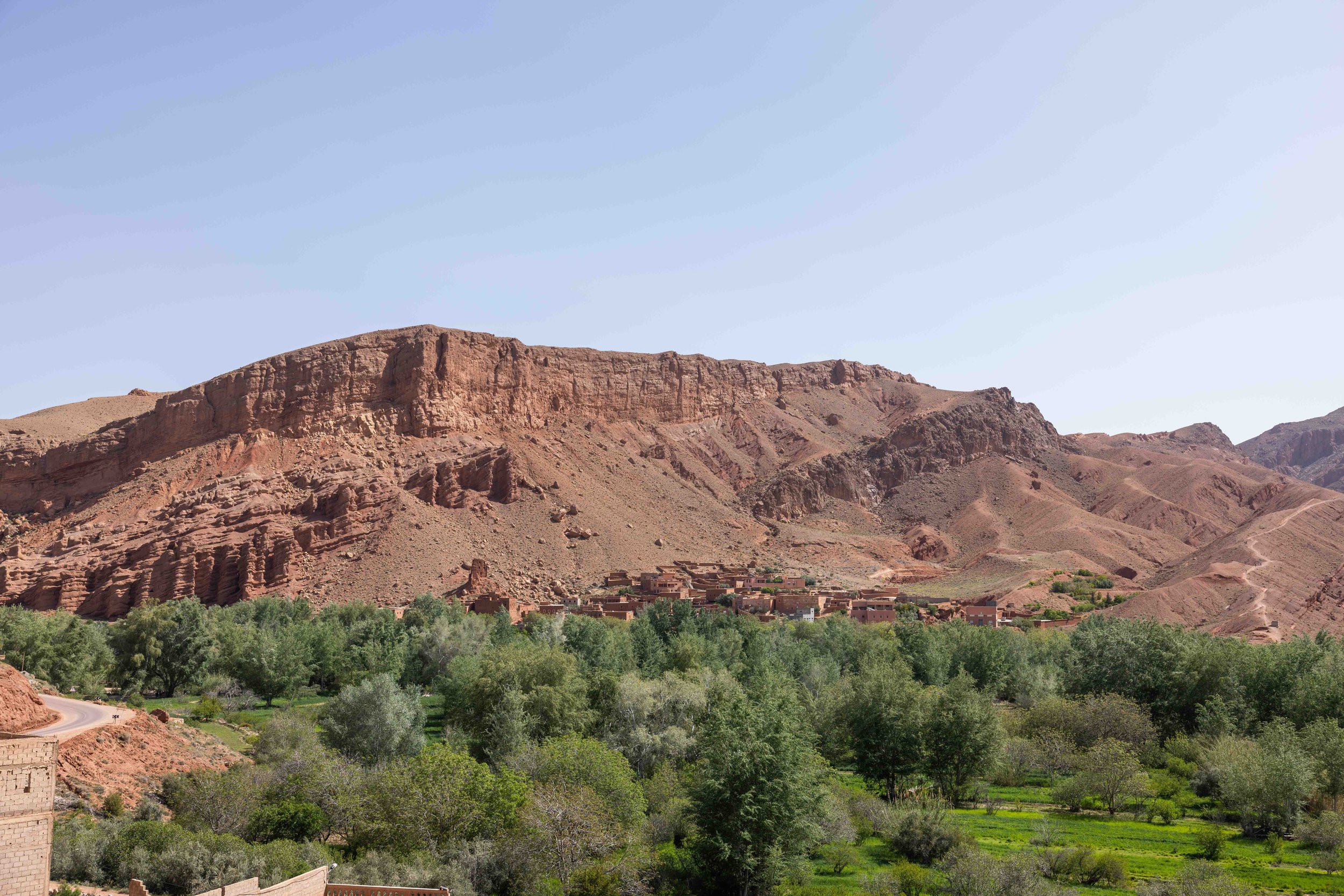
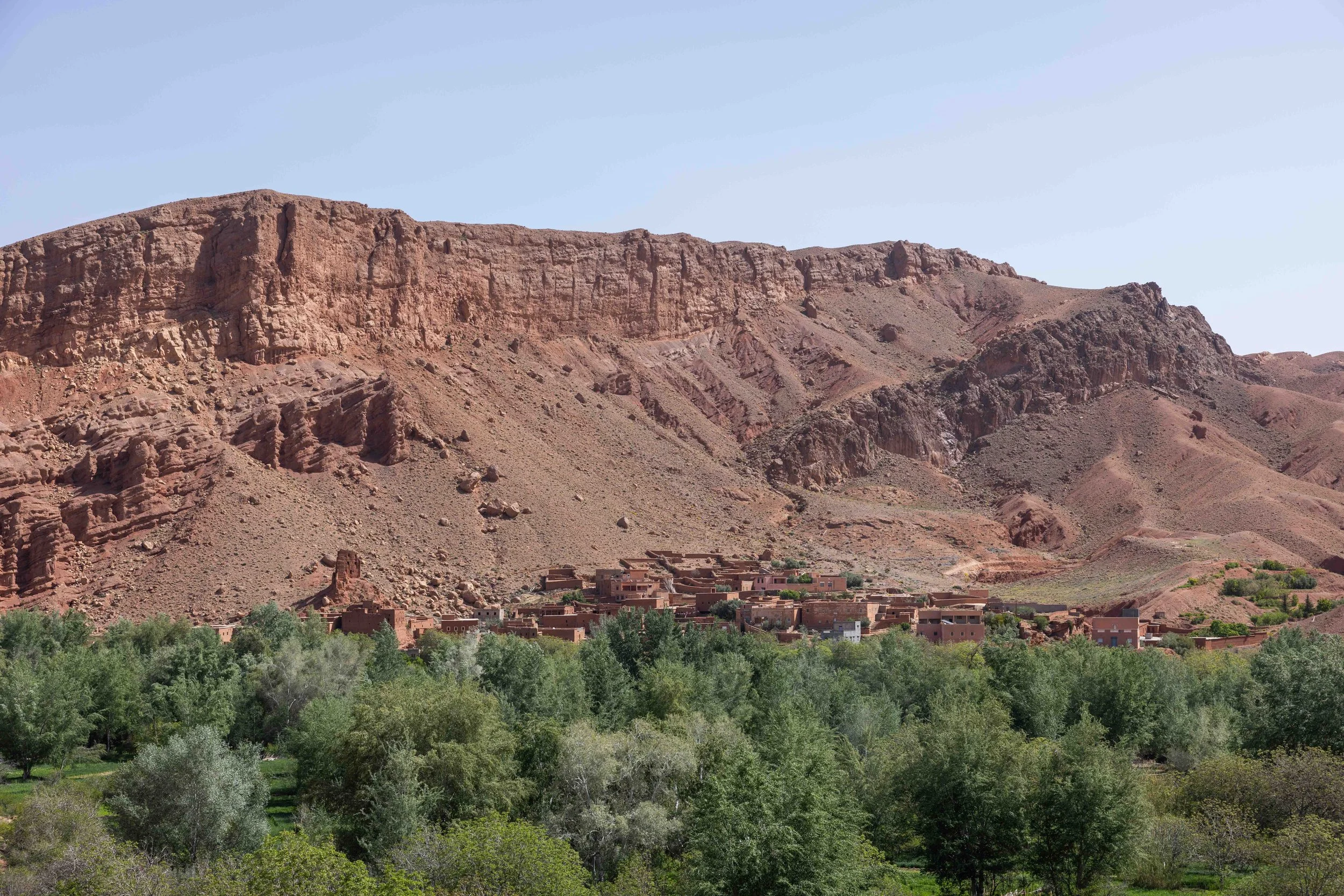
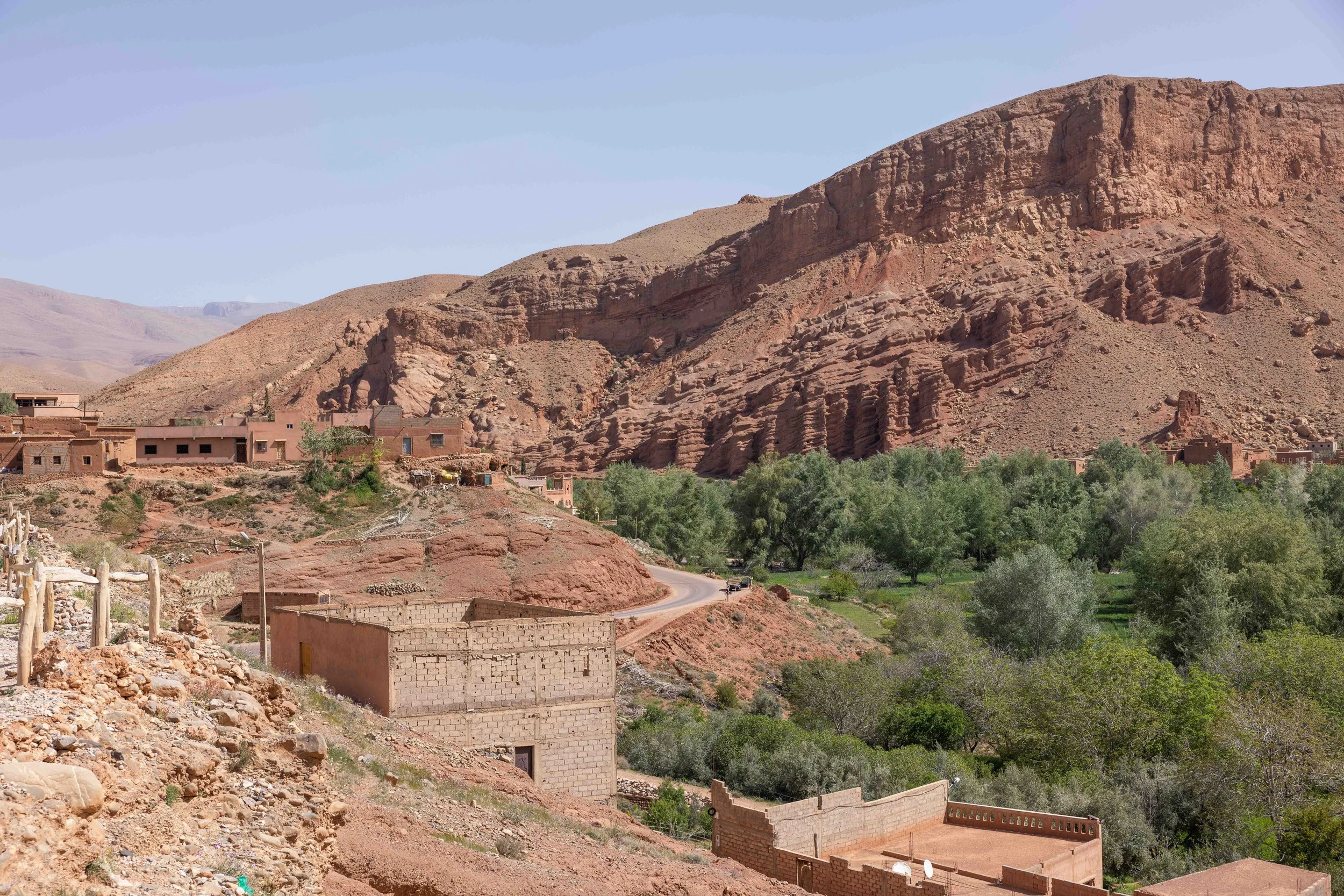
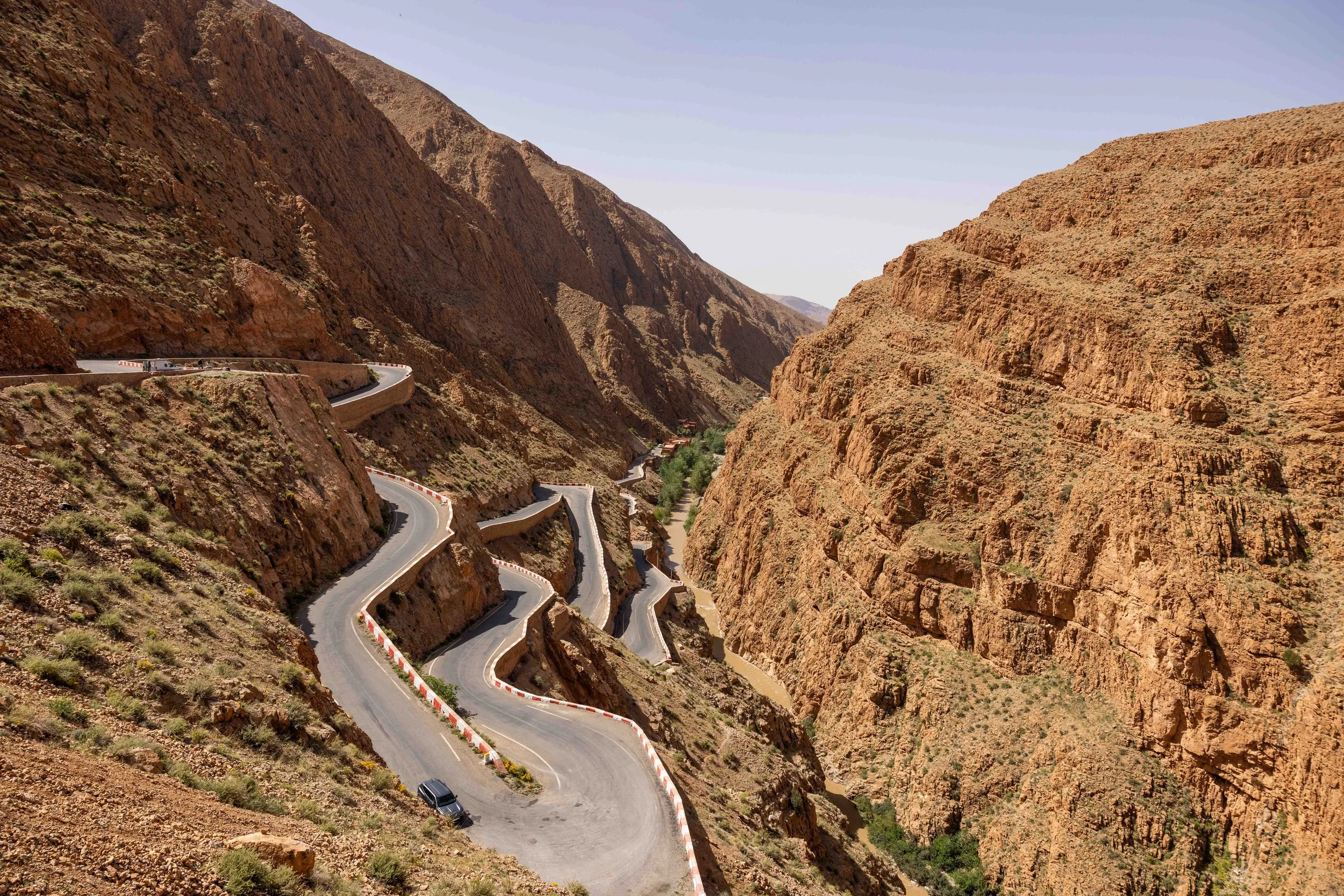
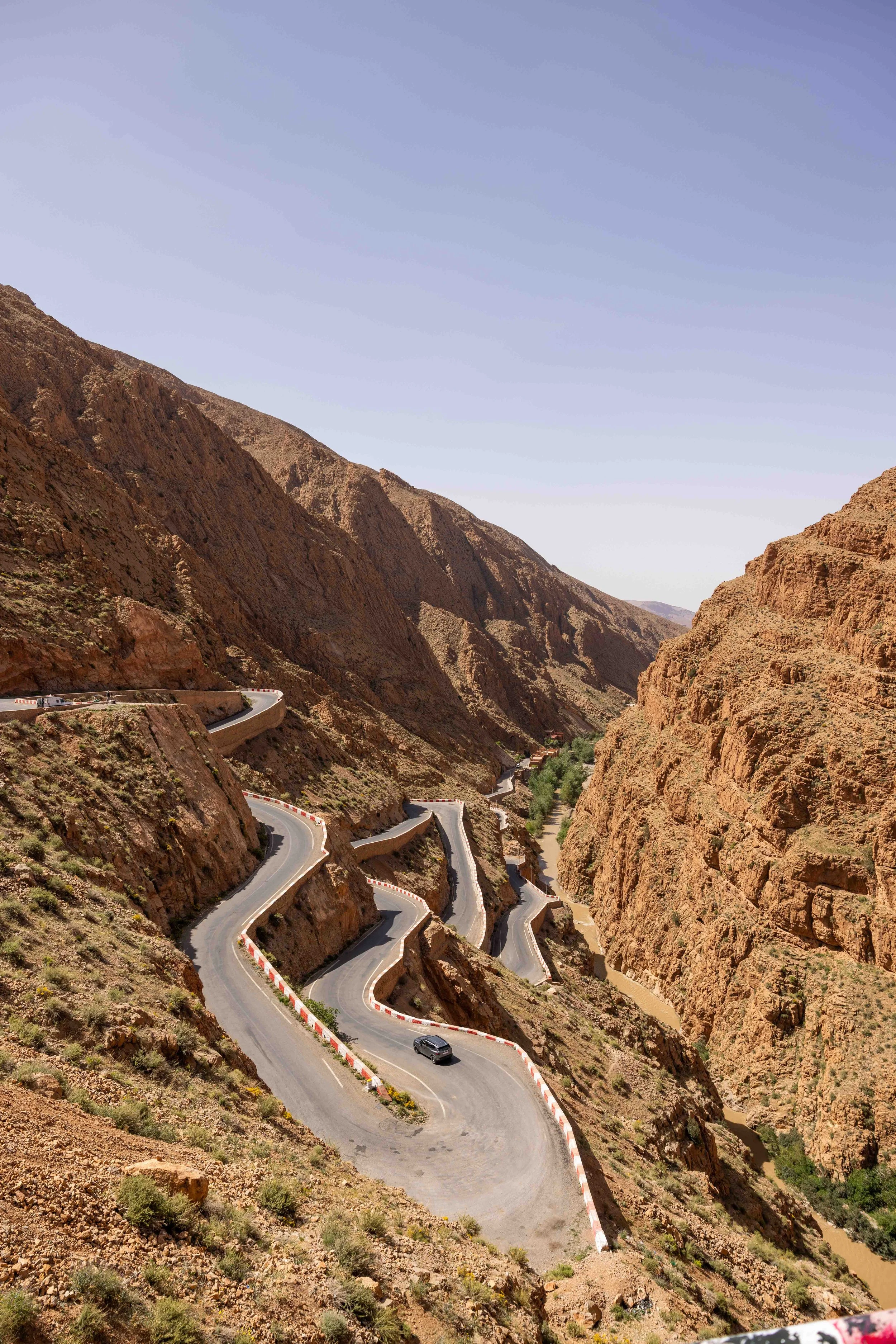
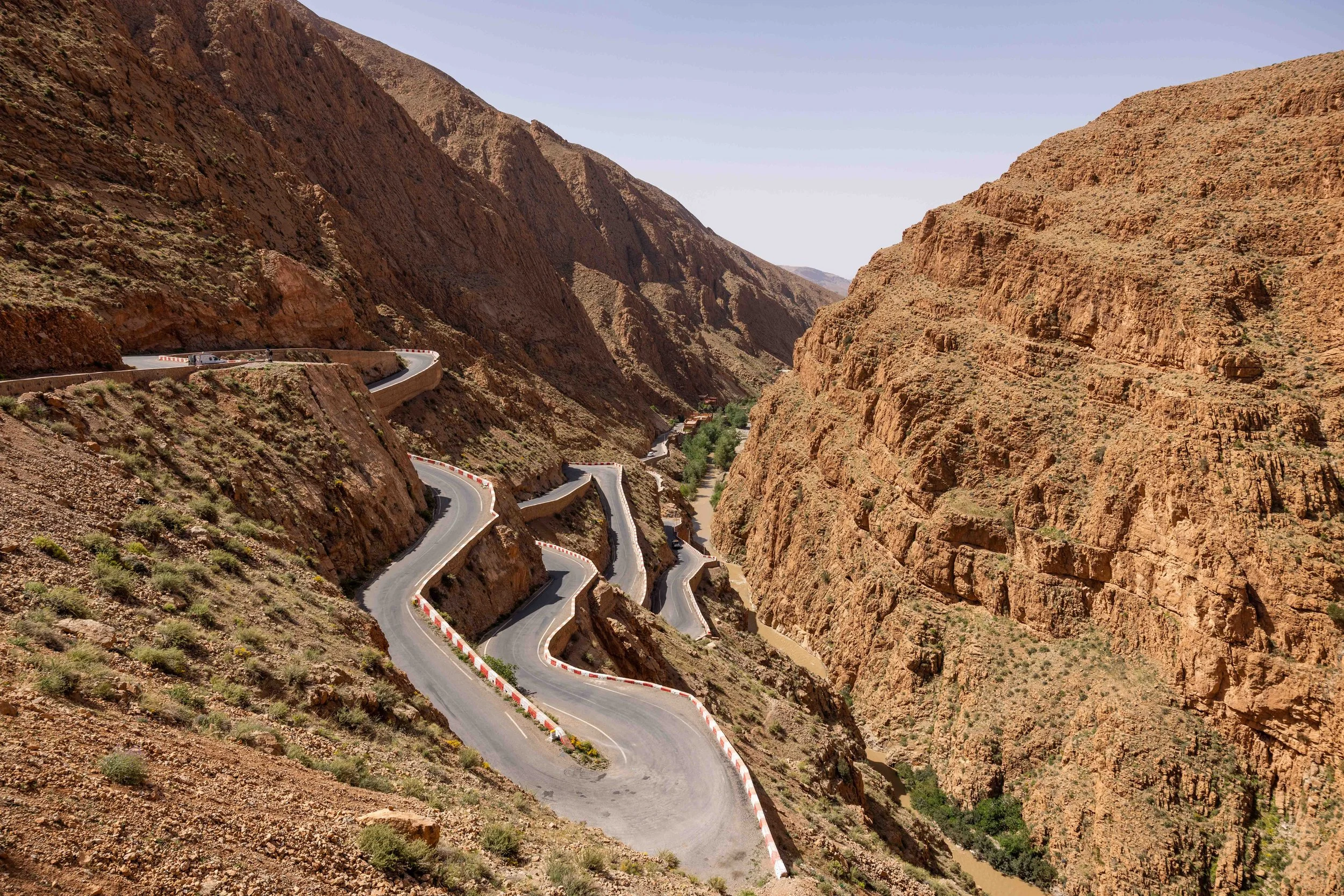
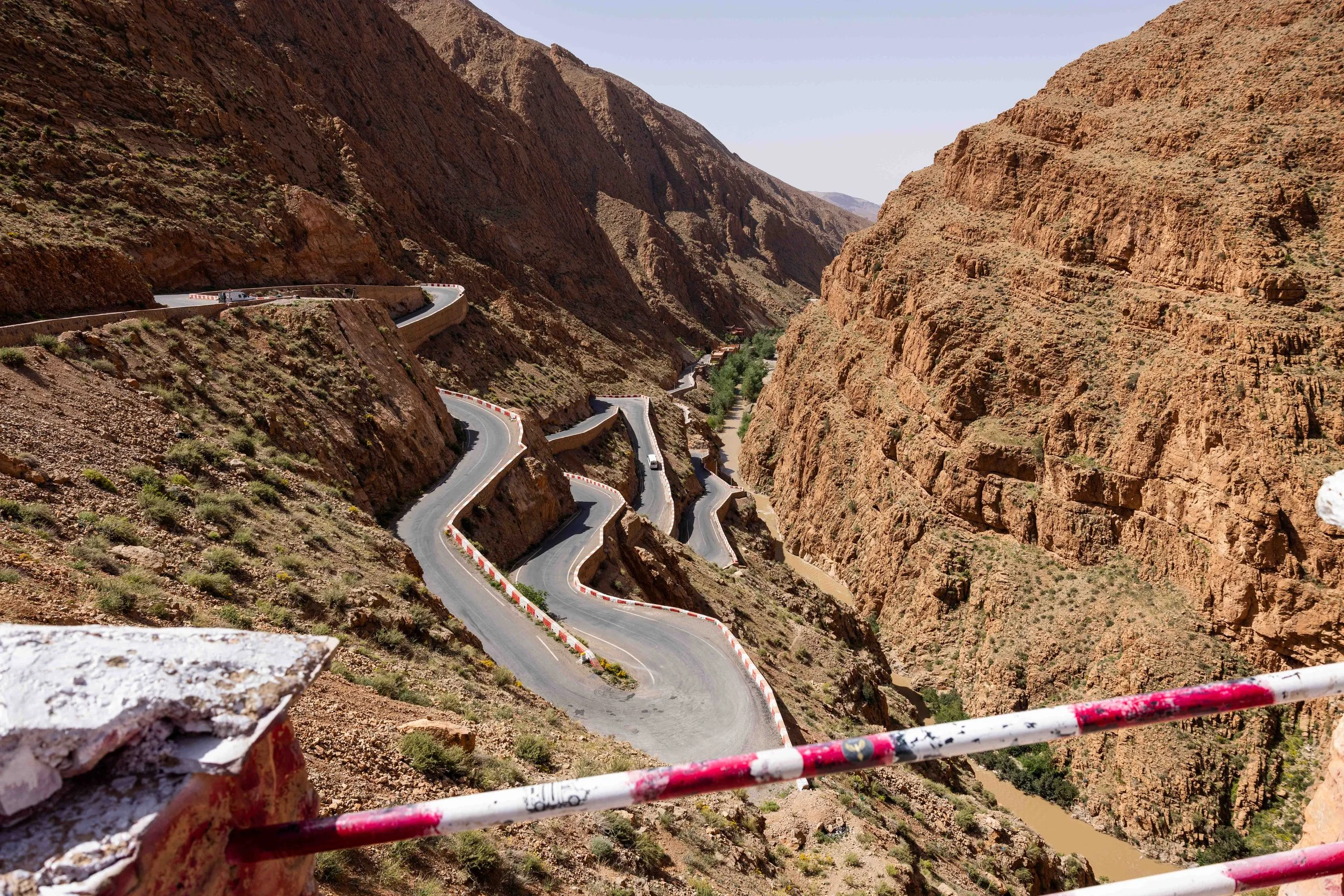
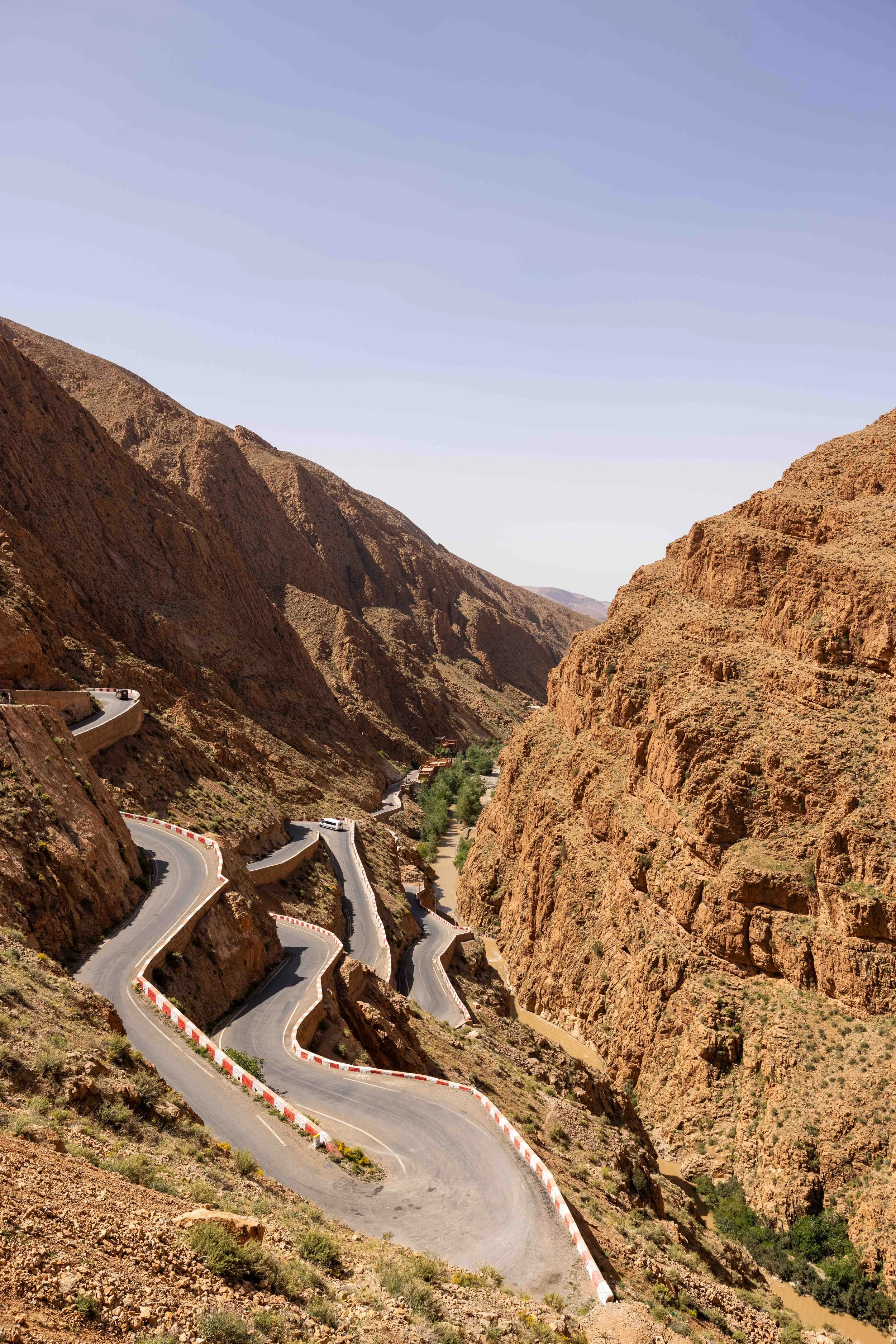
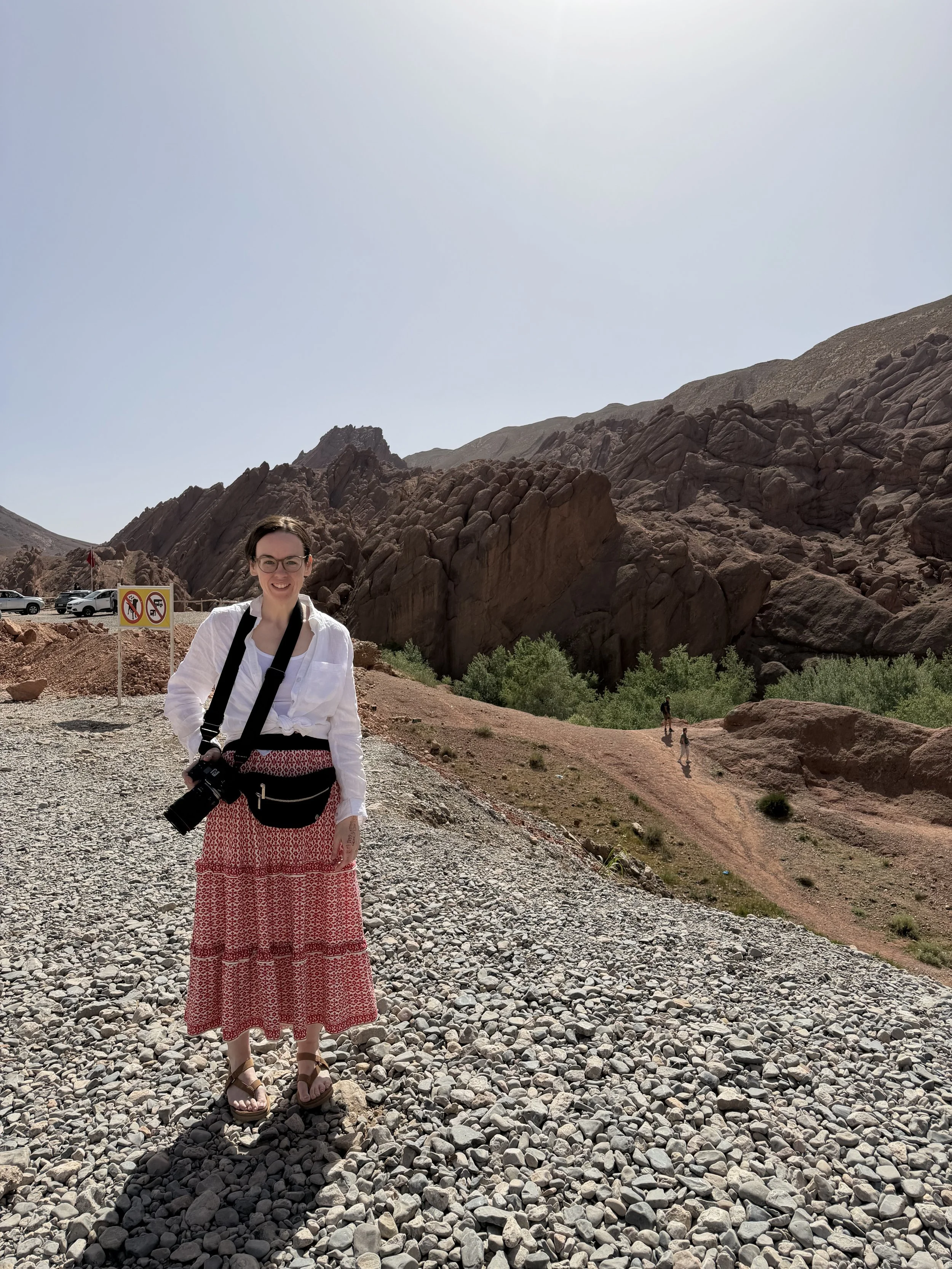
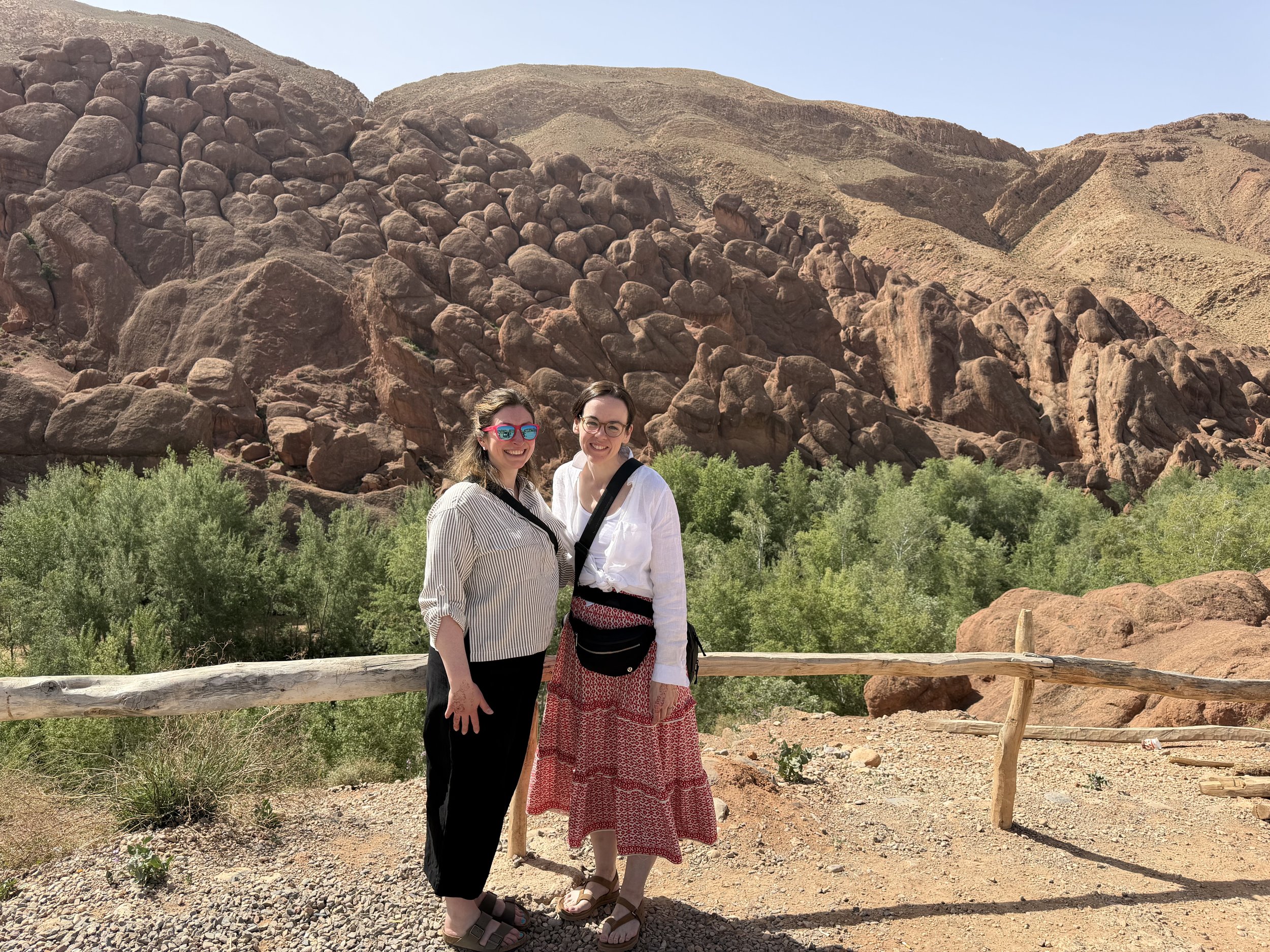
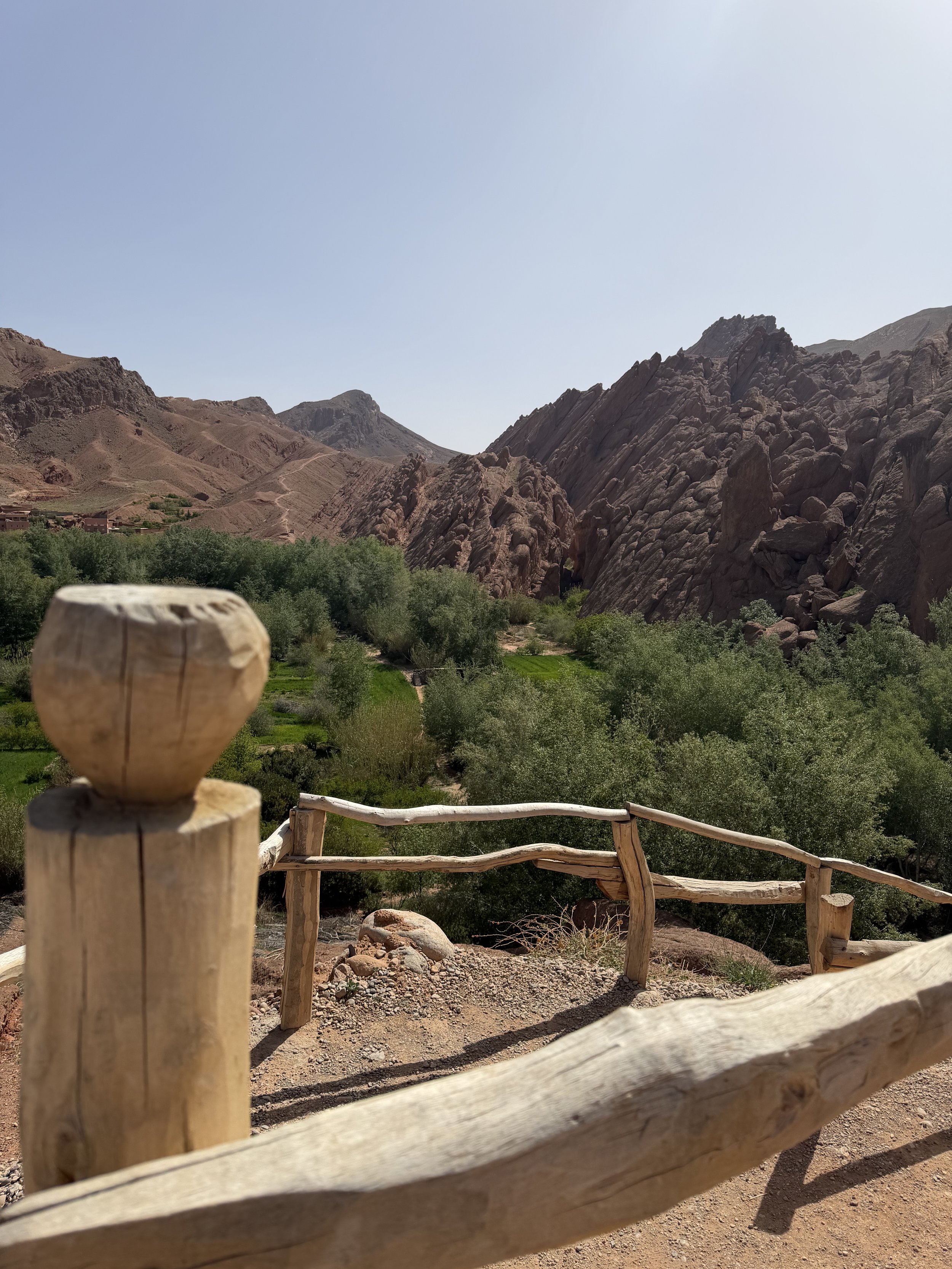
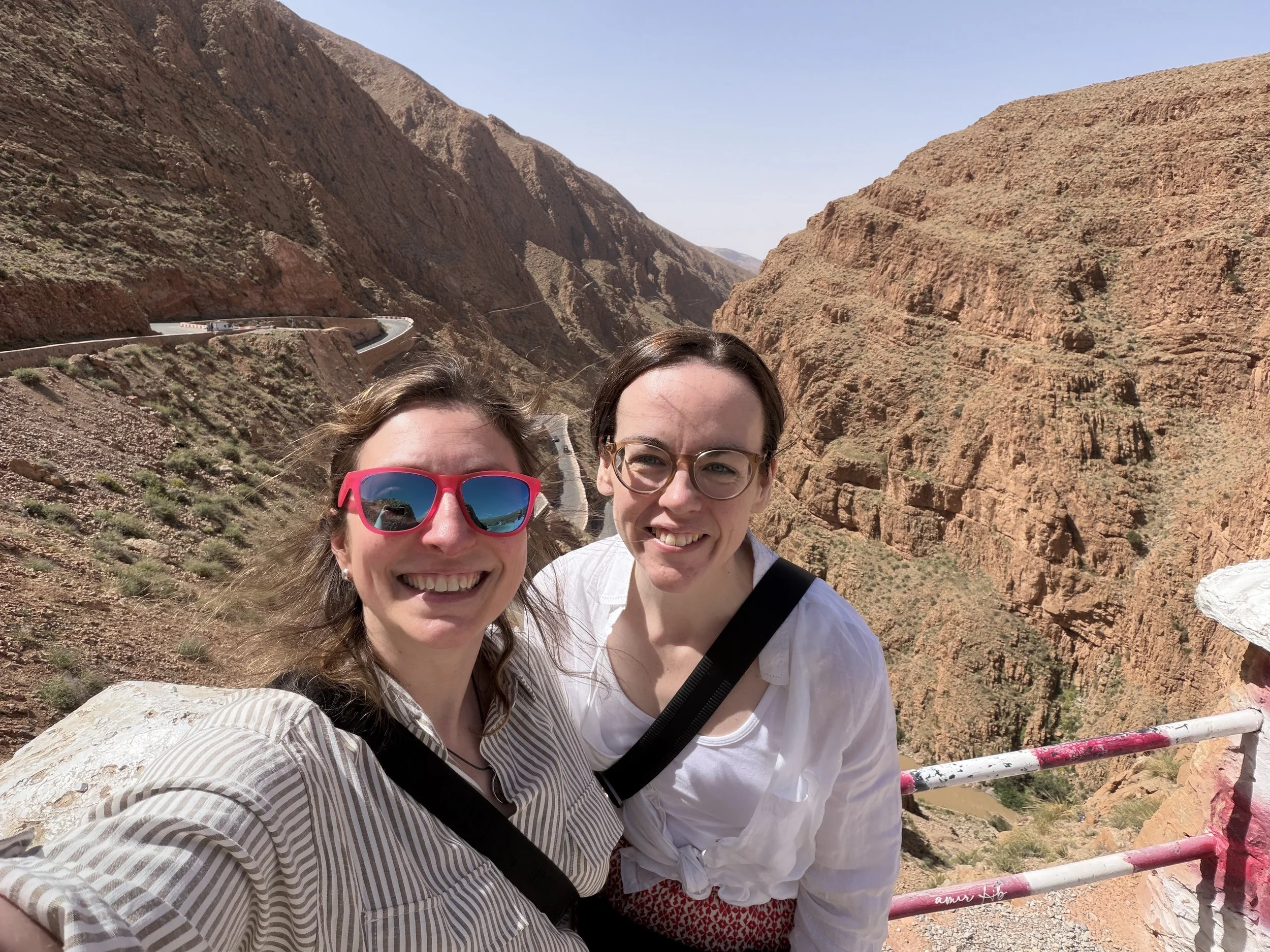
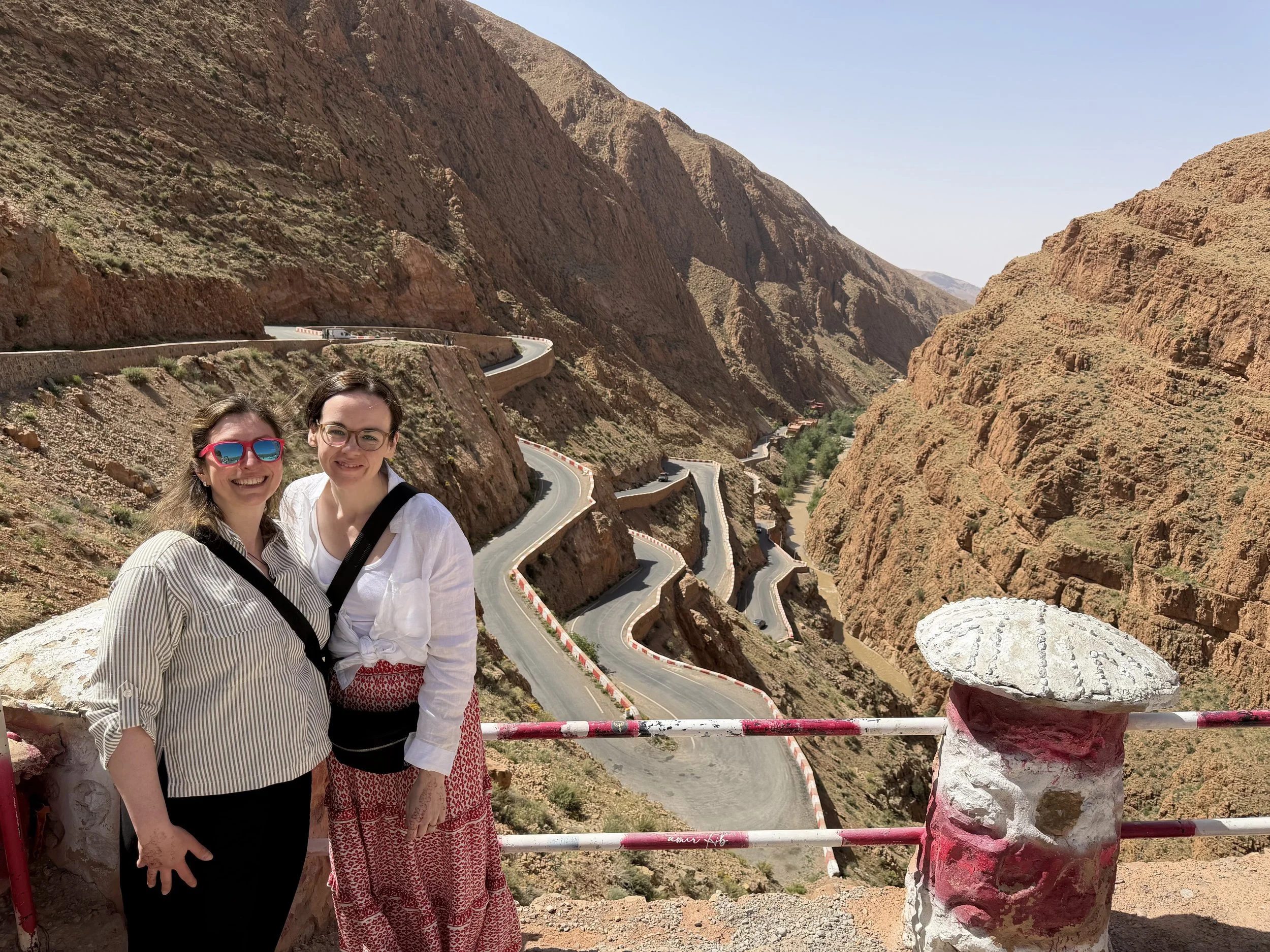
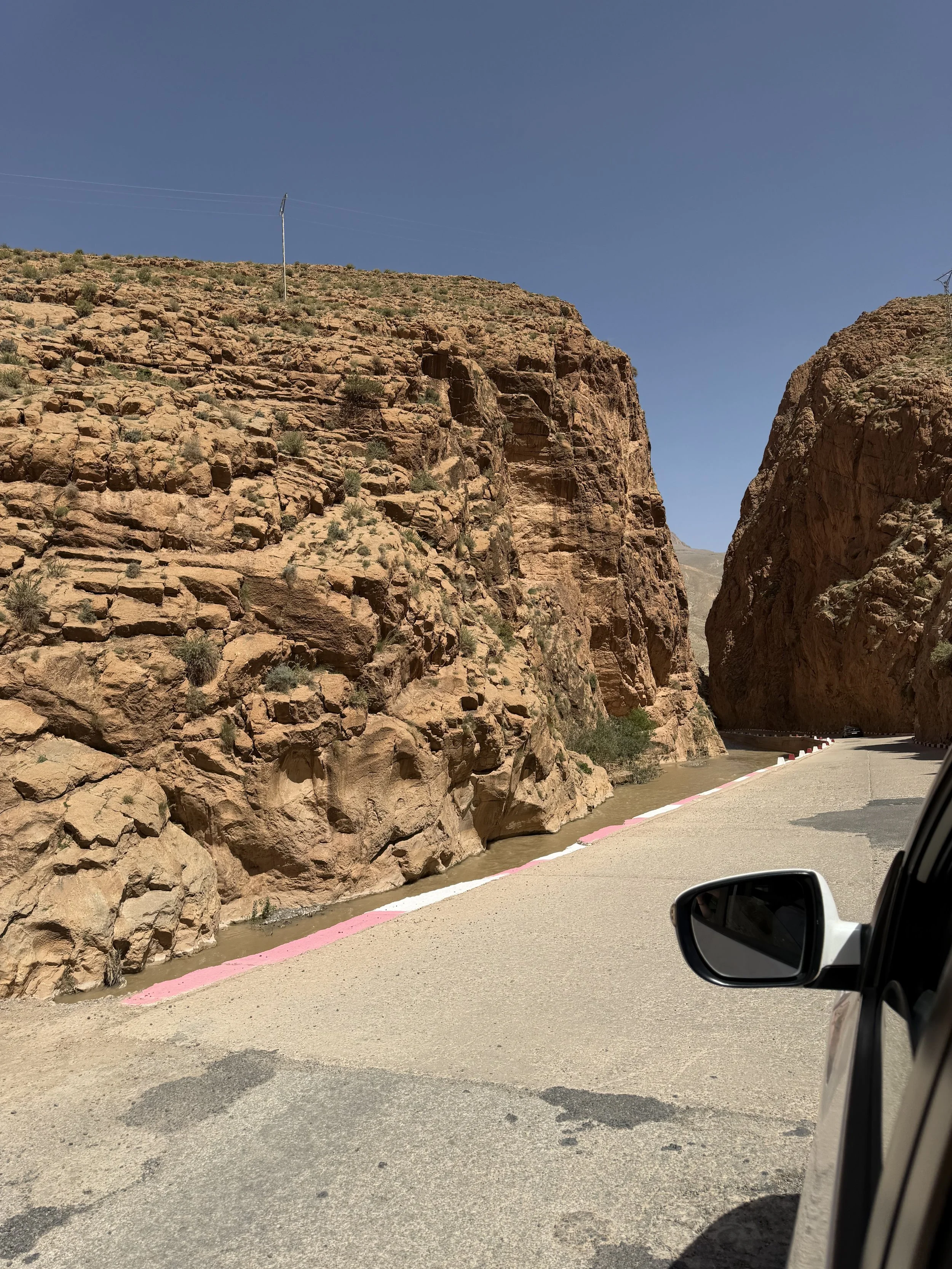
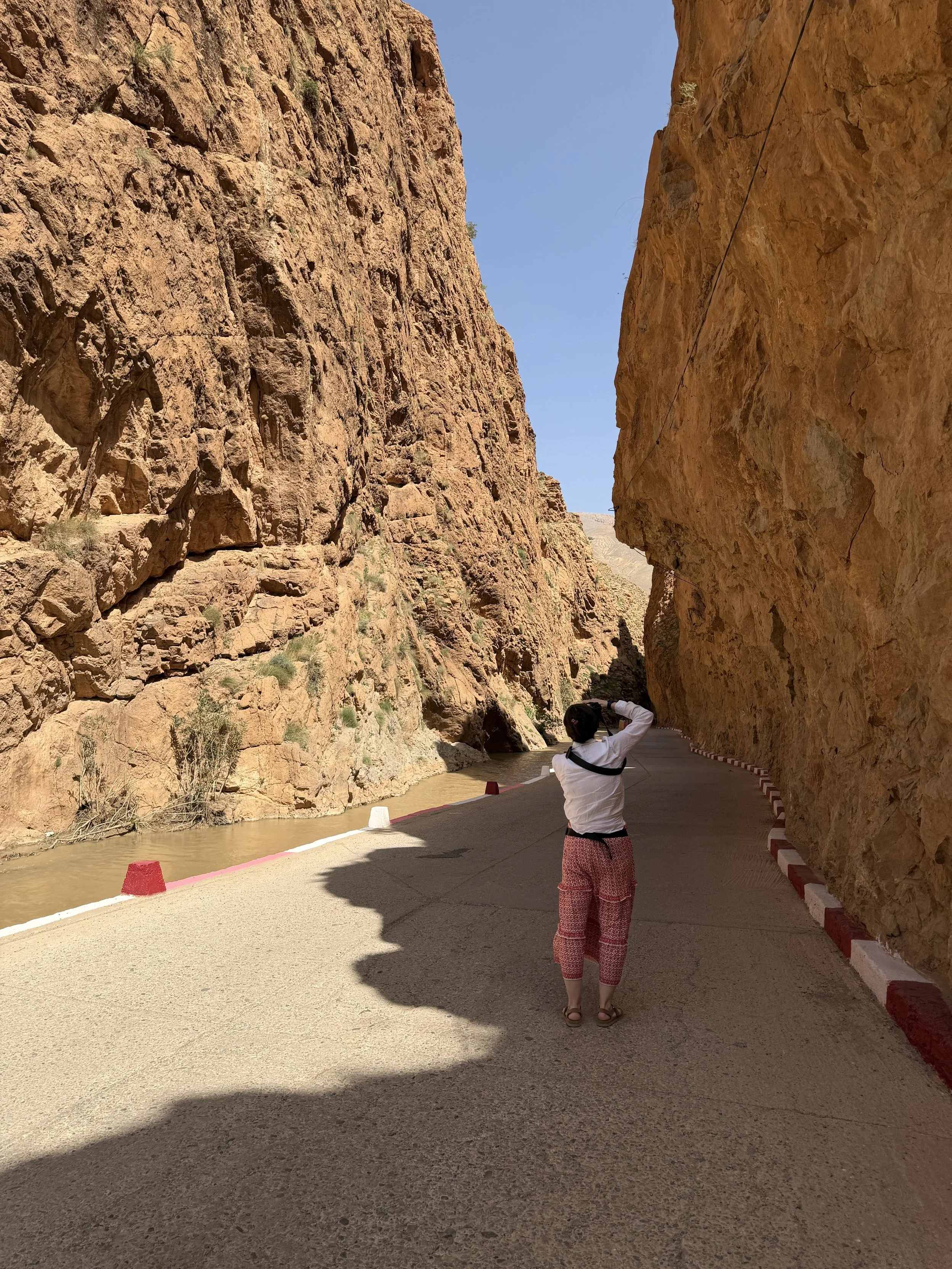
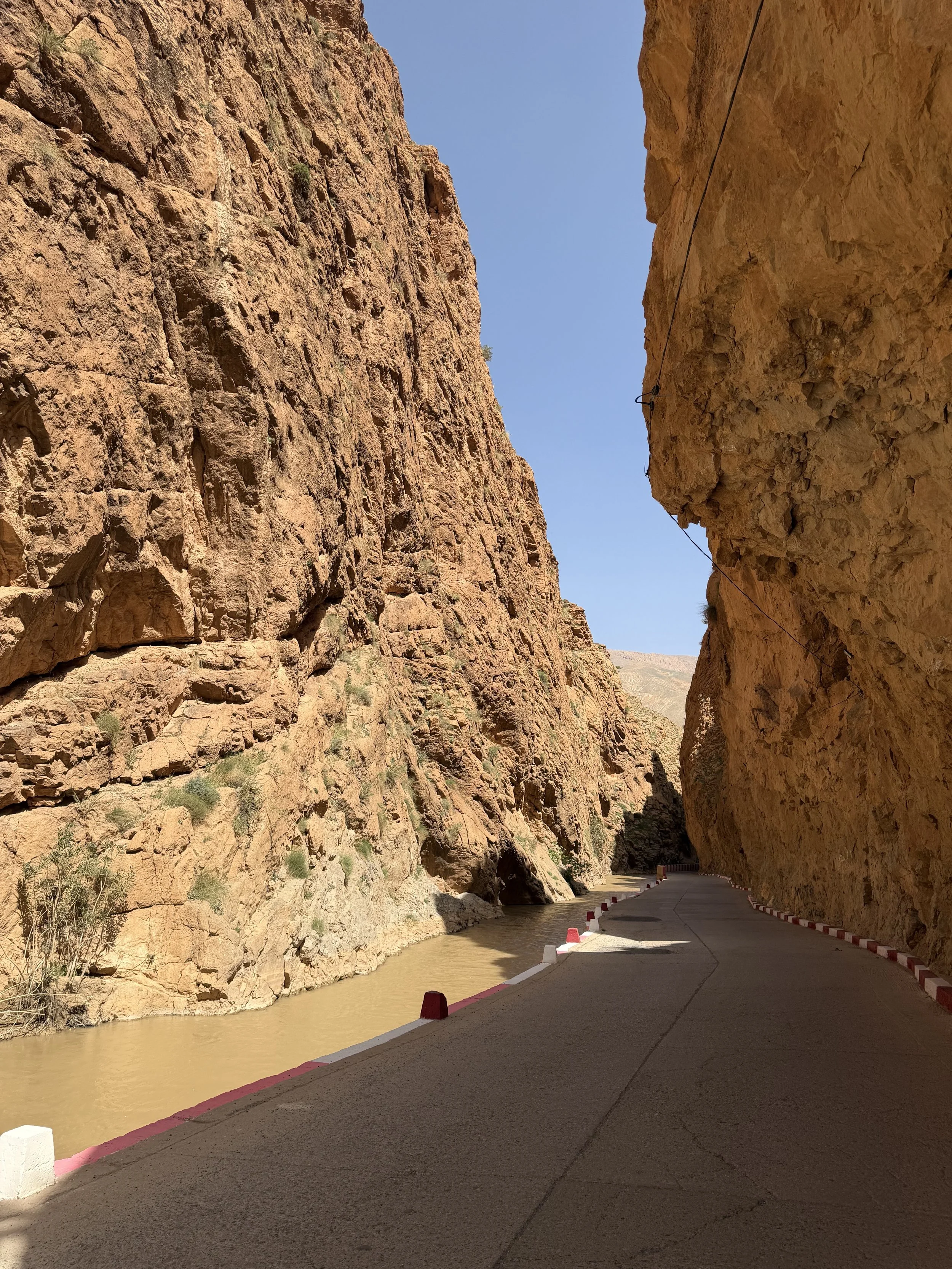
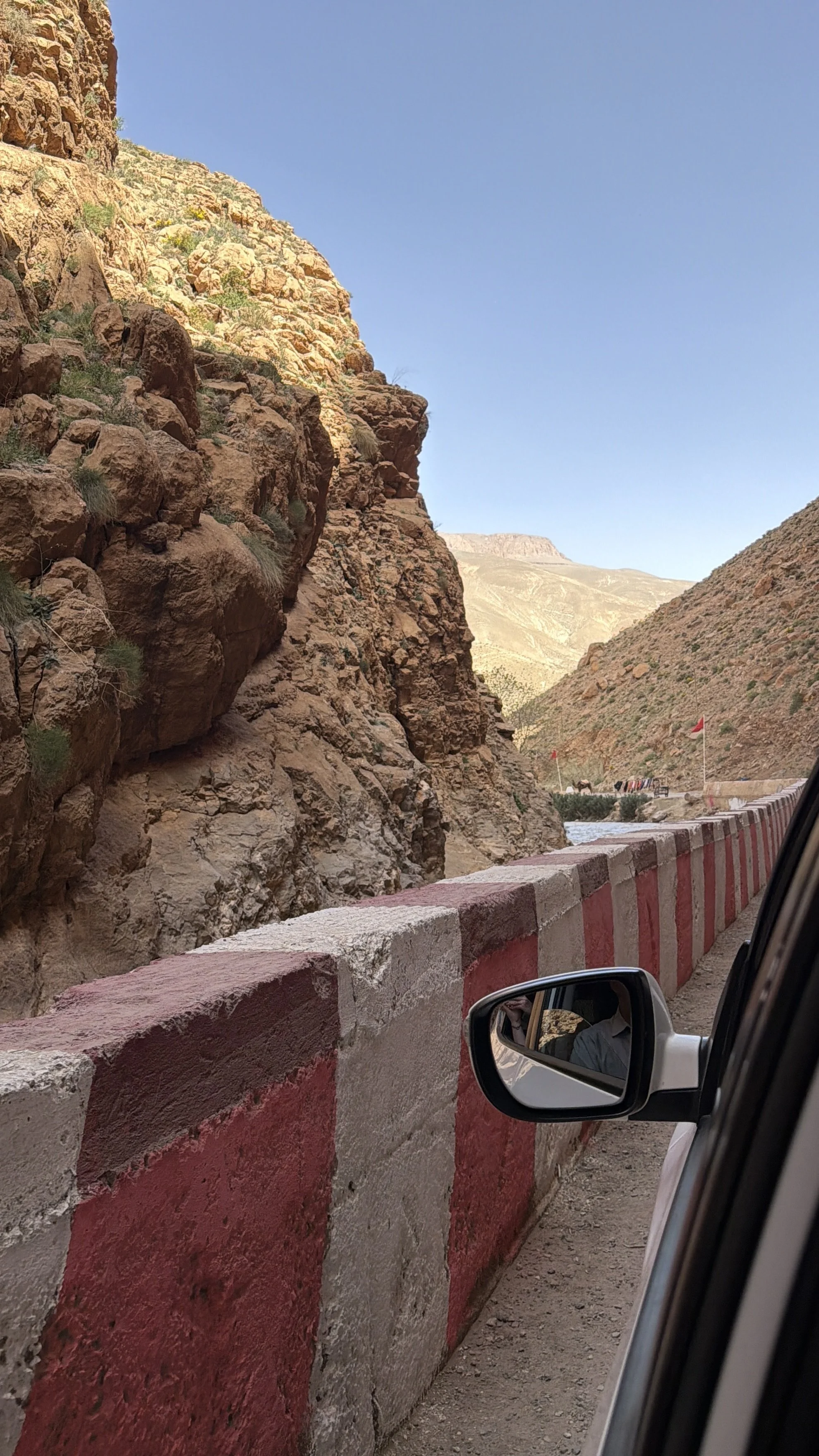
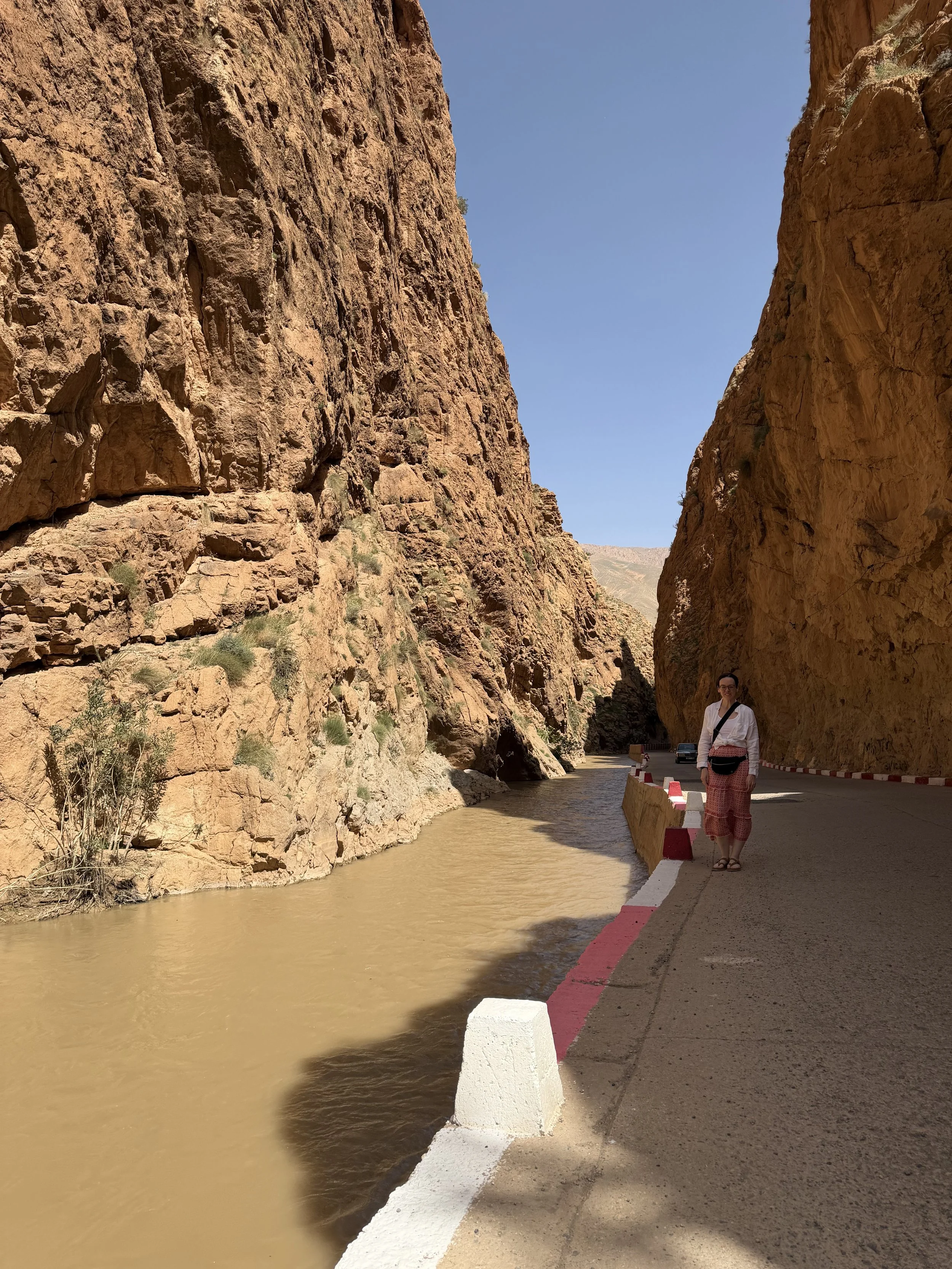
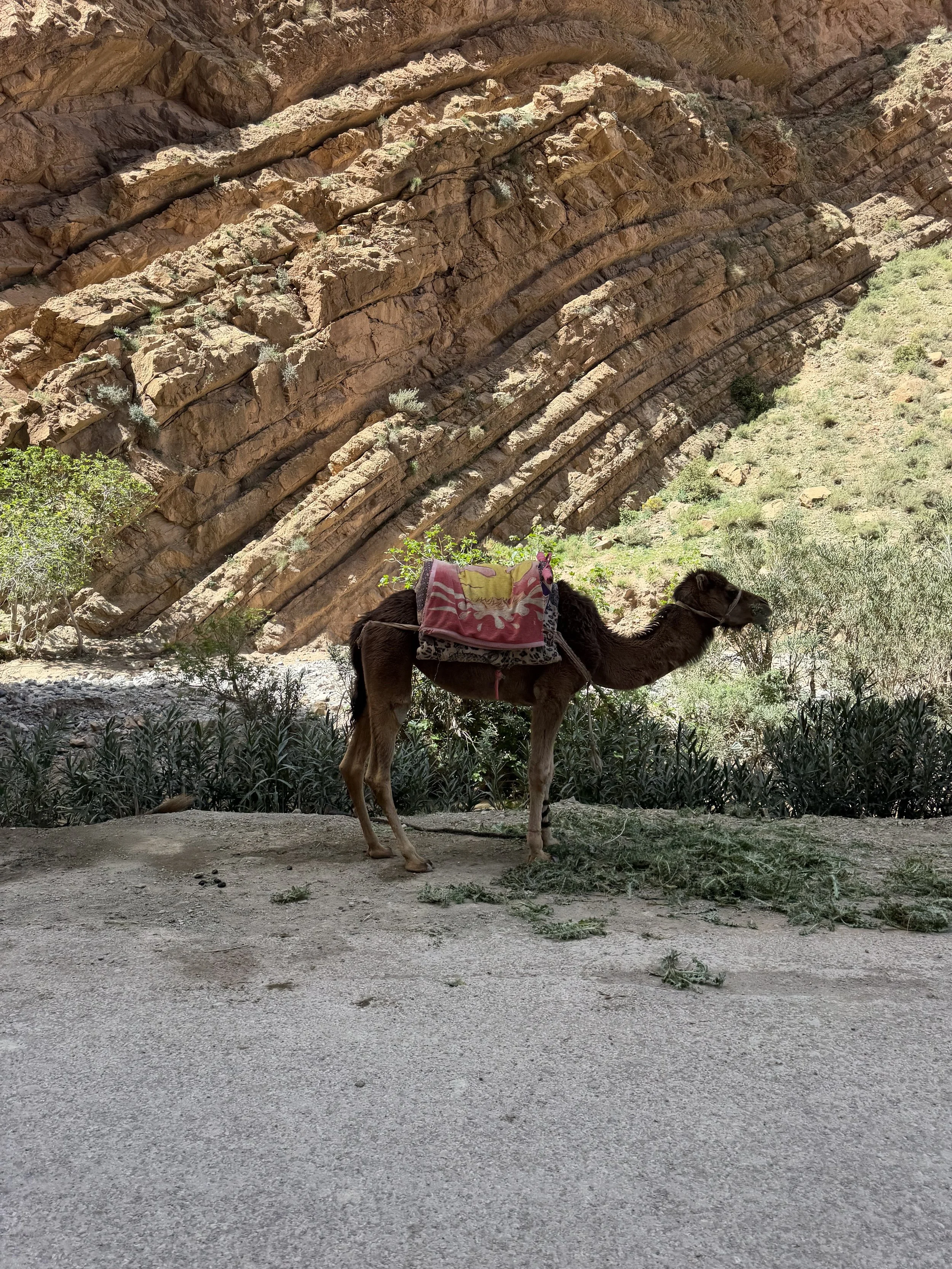
As we continued onward, we traveled along the legendary “Road of a Thousand Kasbahs,” one of Morocco’s most culturally rich and scenic routes. Ancient kasbahs and fortified villages appeared throughout the valleys, standing as reminders of the region’s importance along historic caravan trading routes. Some were beautifully restored, while others slowly blended back into the earth from which they were built. It was impossible not to feel connected to history while driving through this part of Morocco.
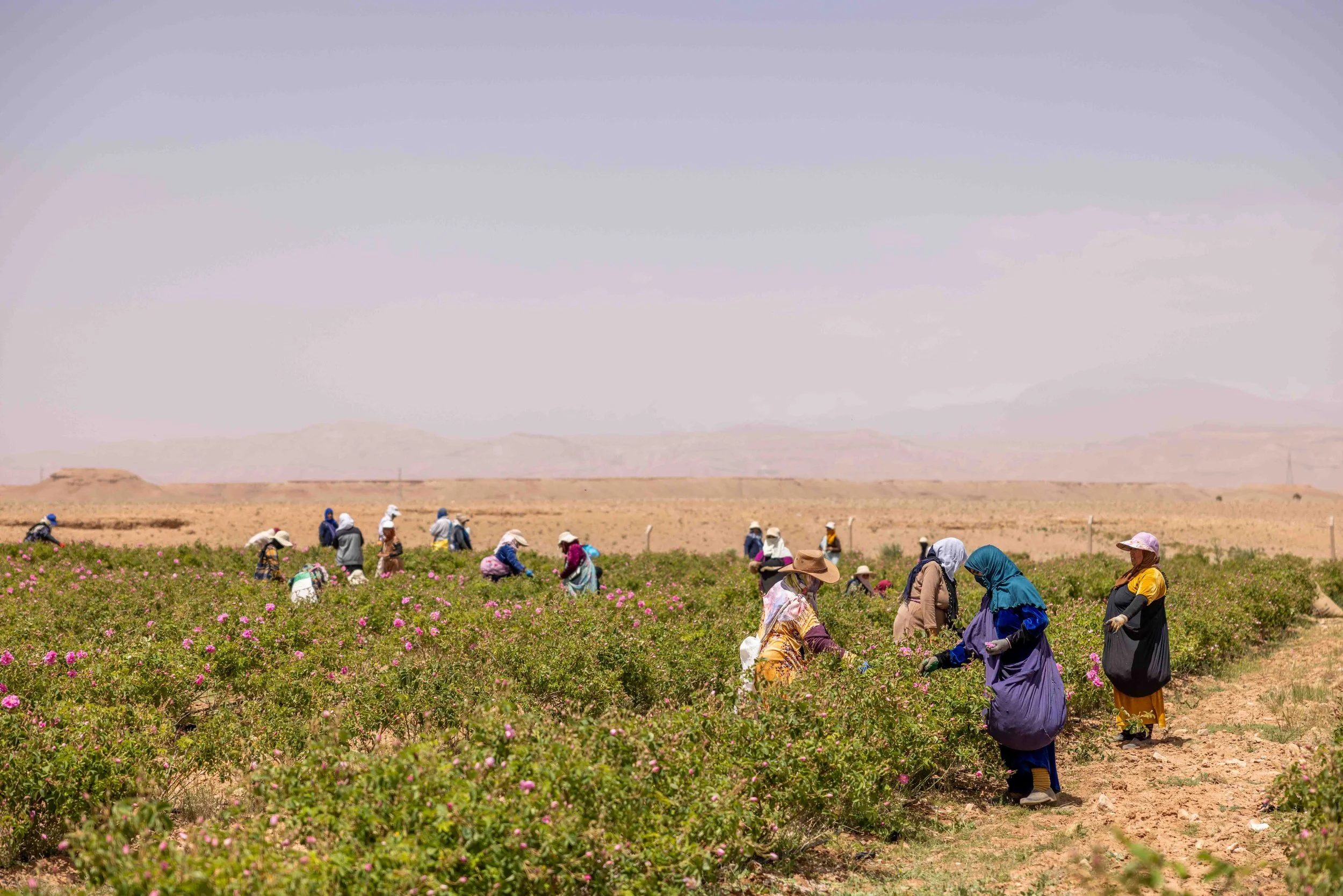
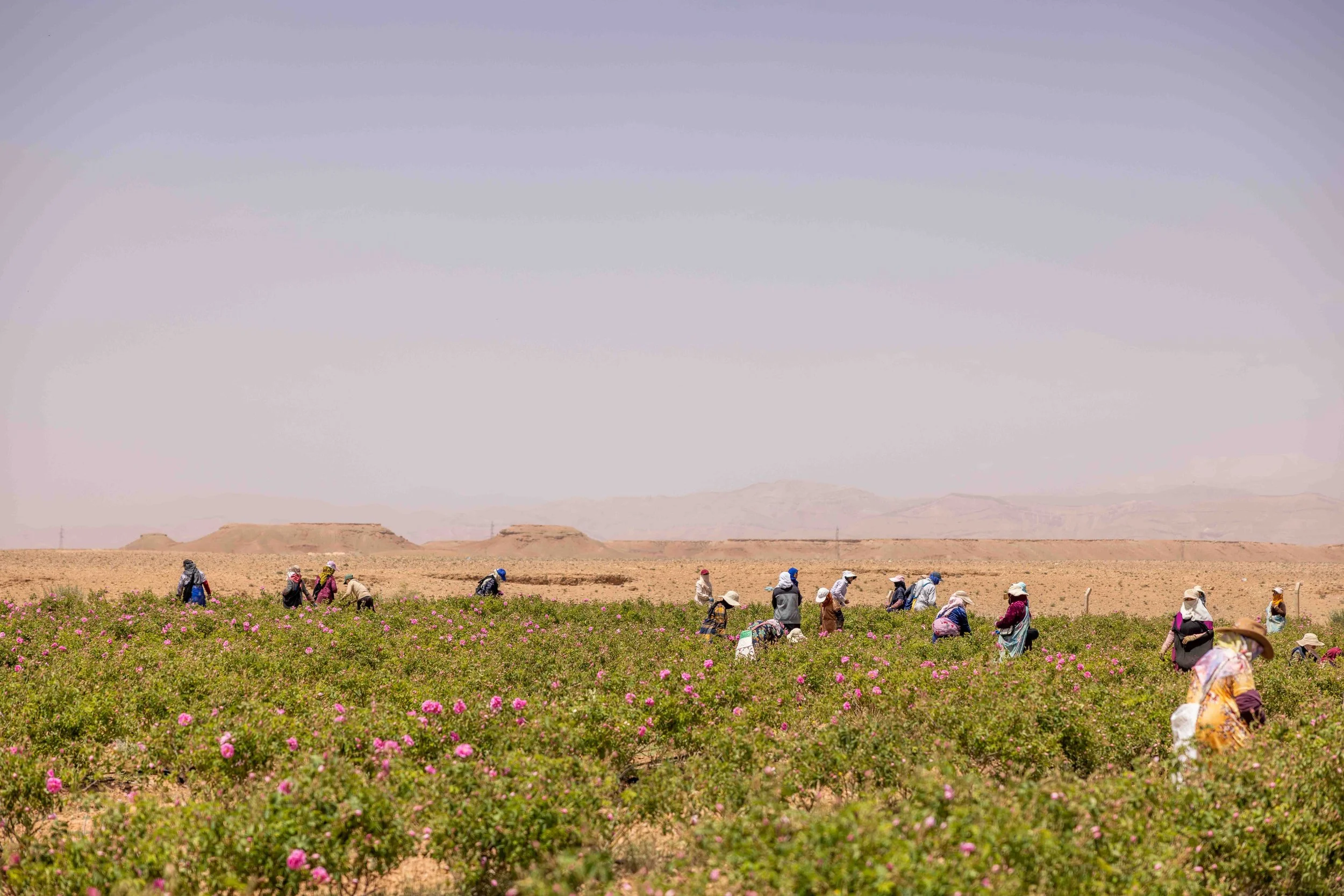
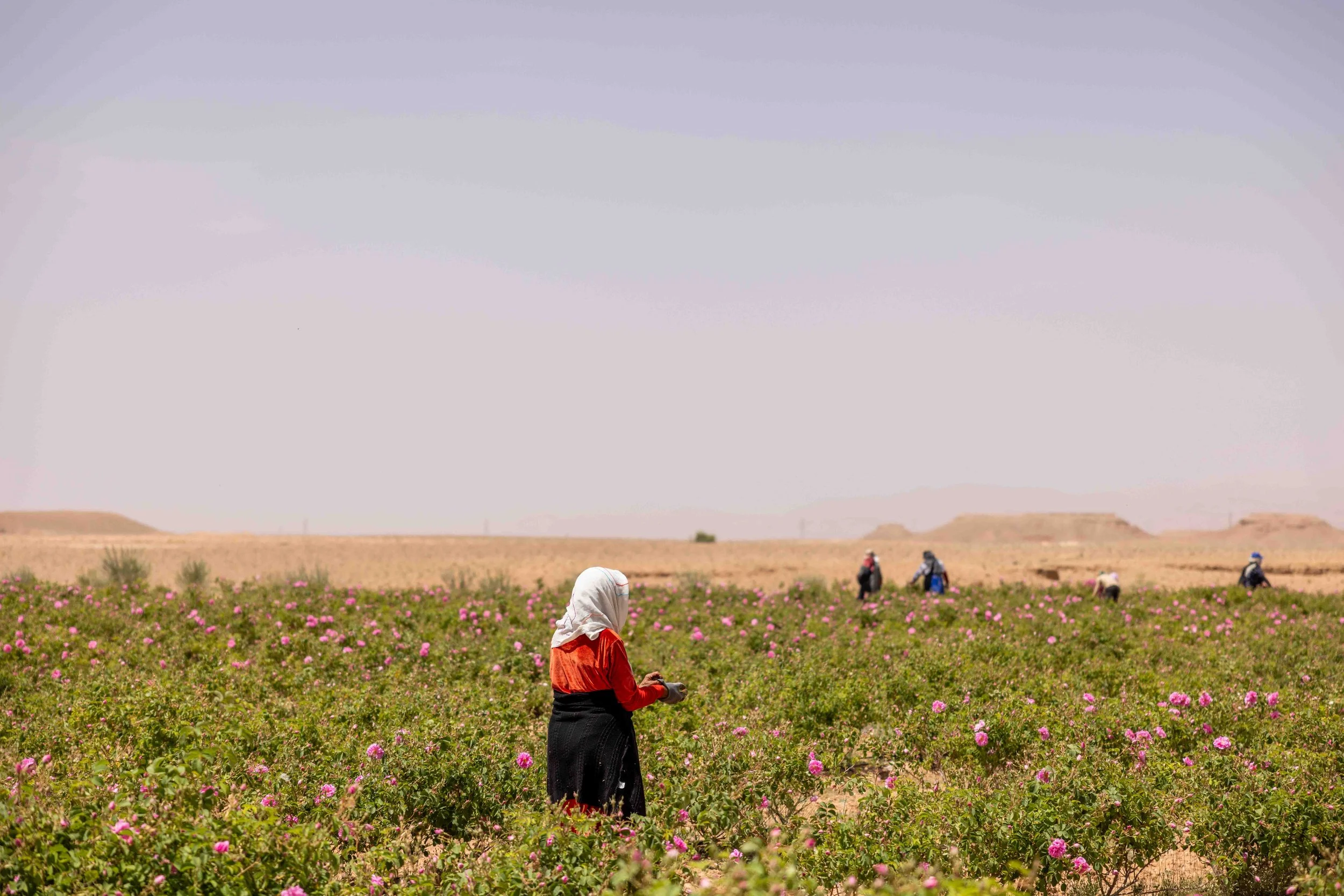
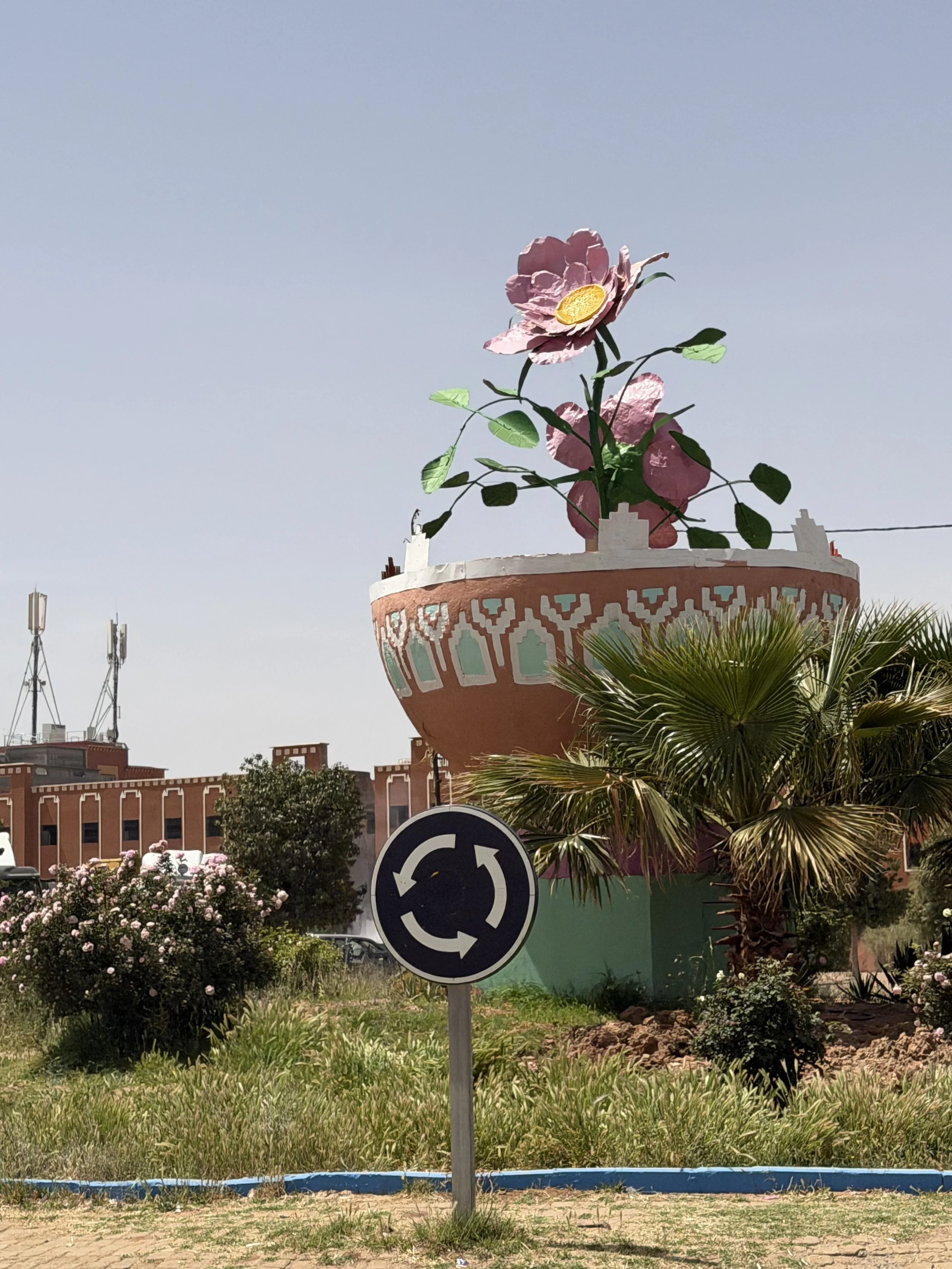
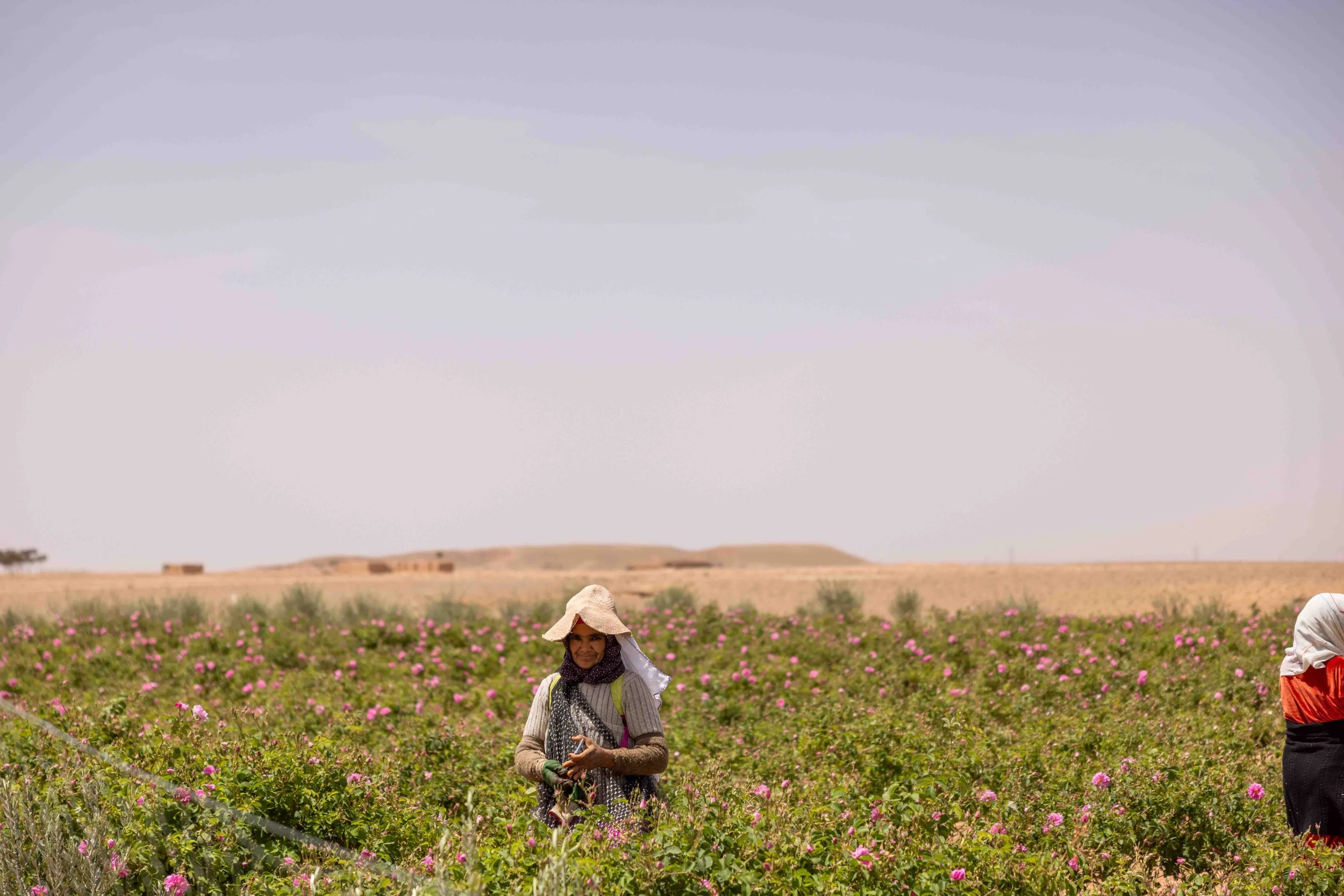
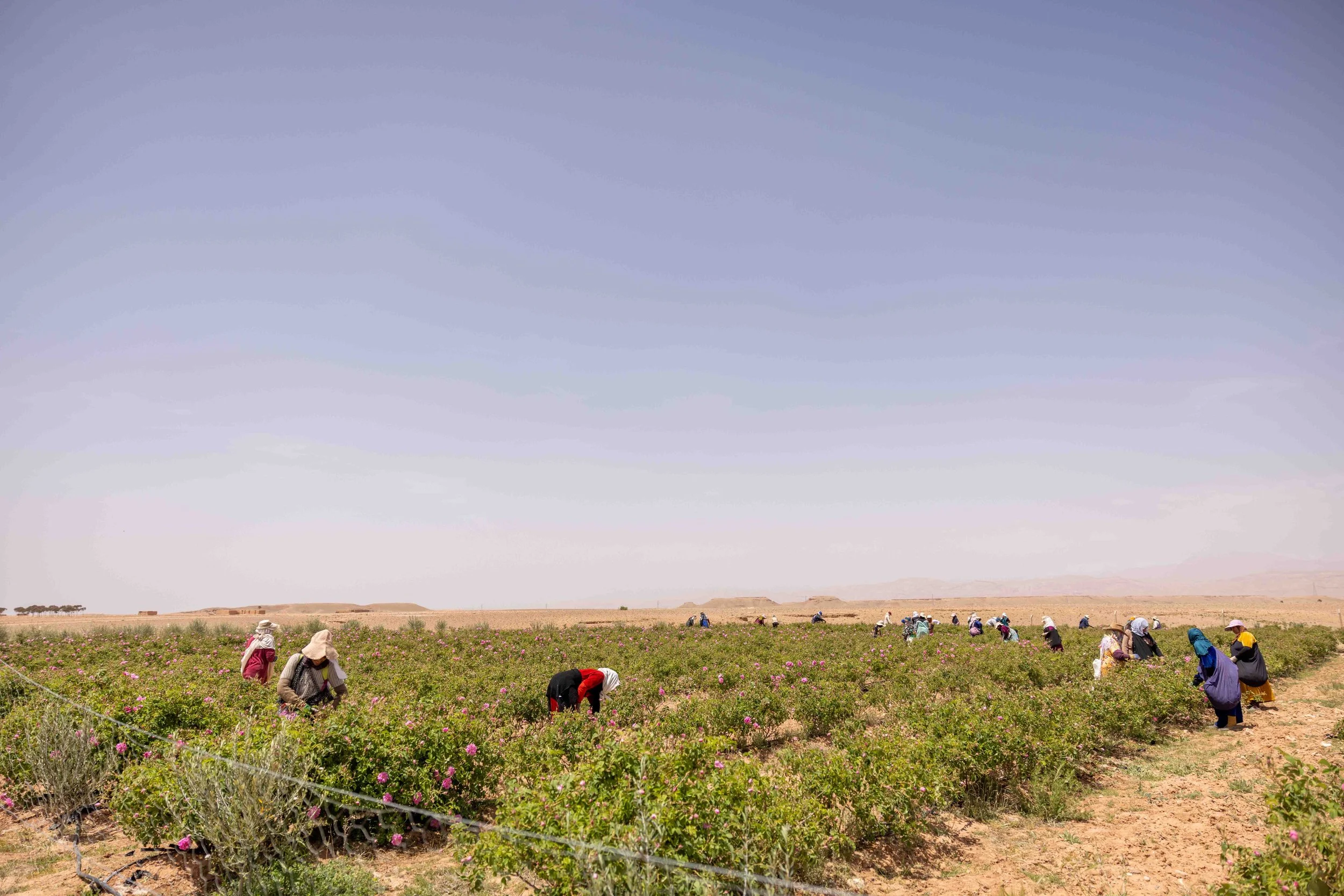
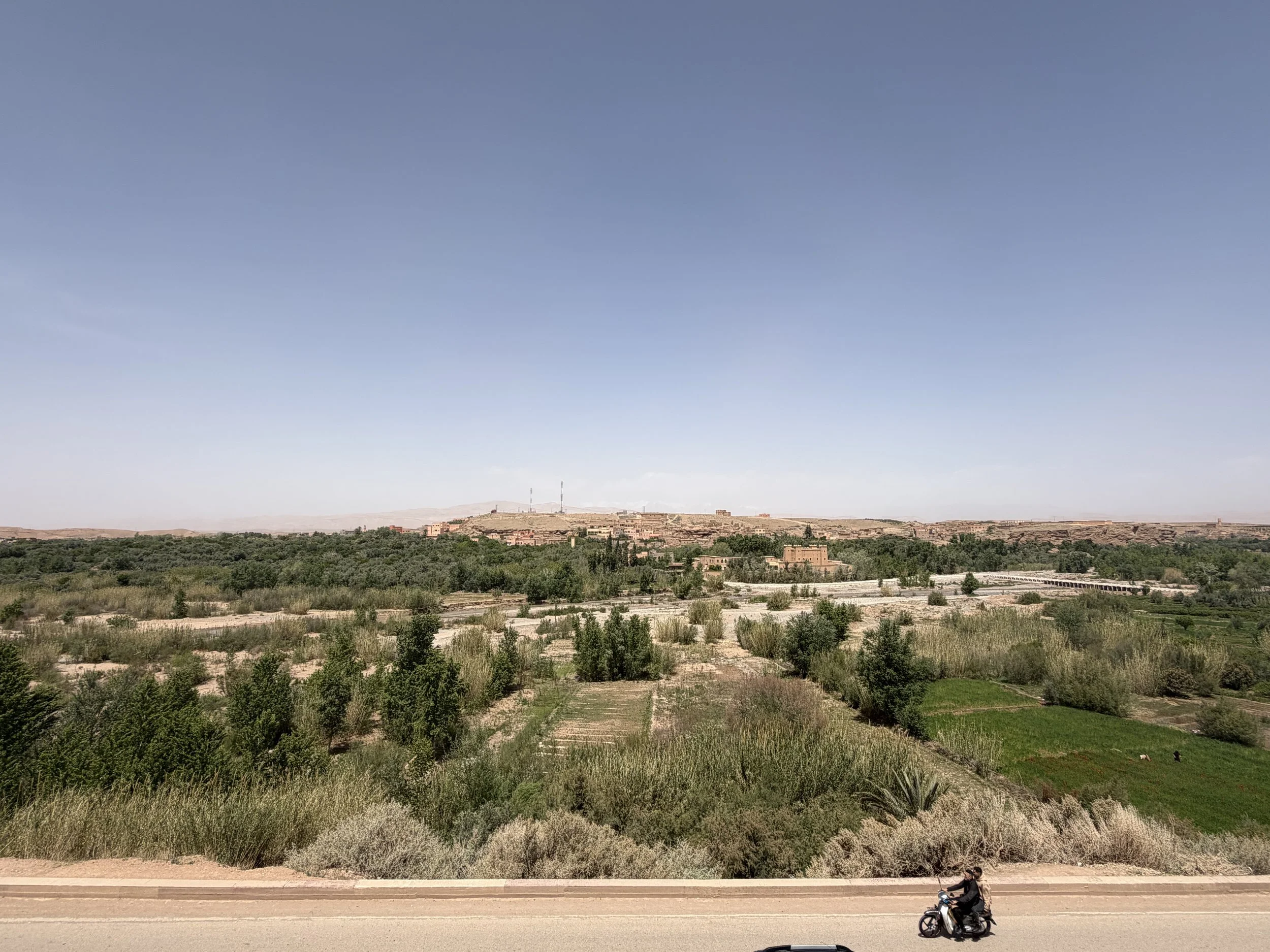
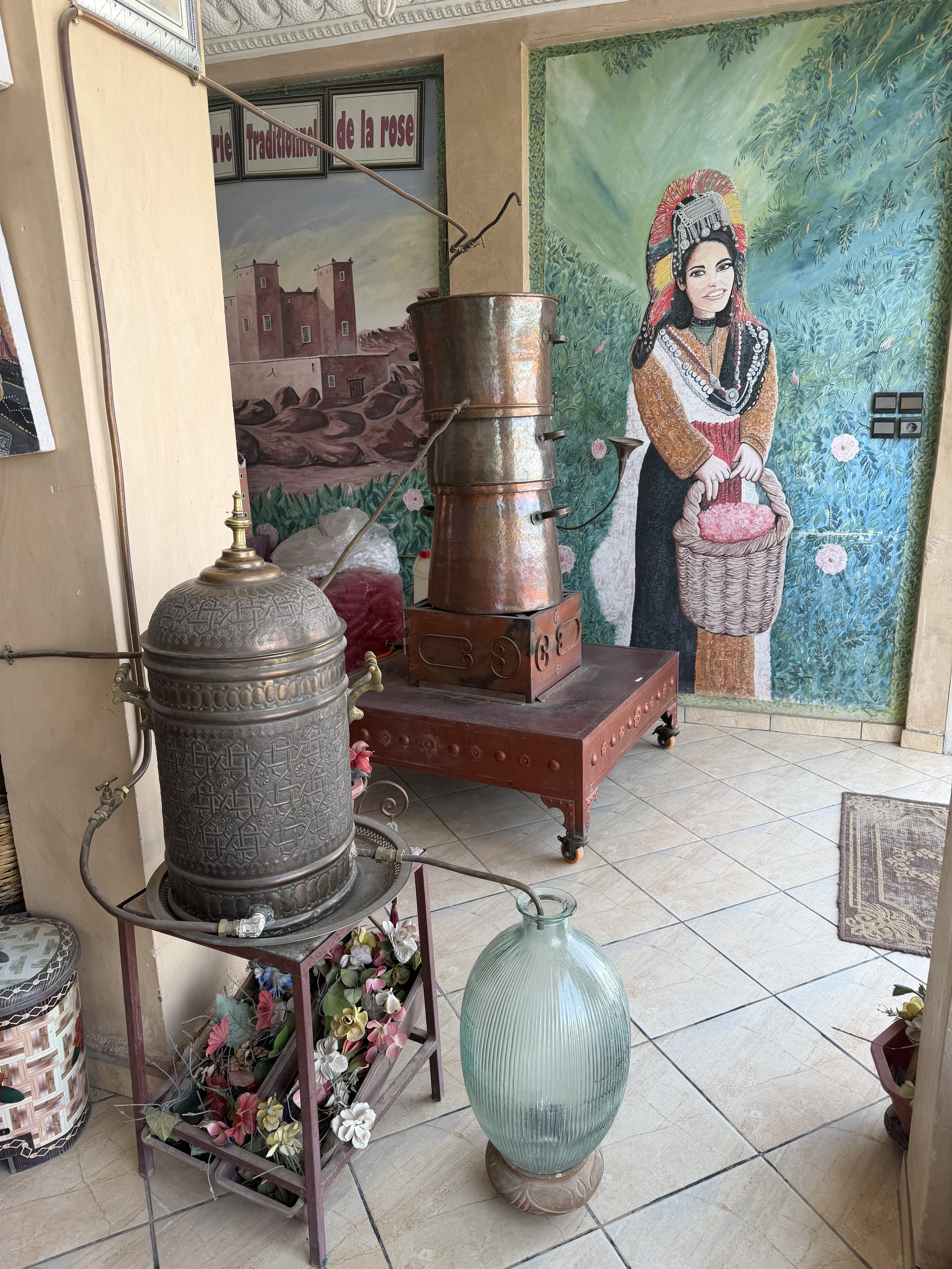
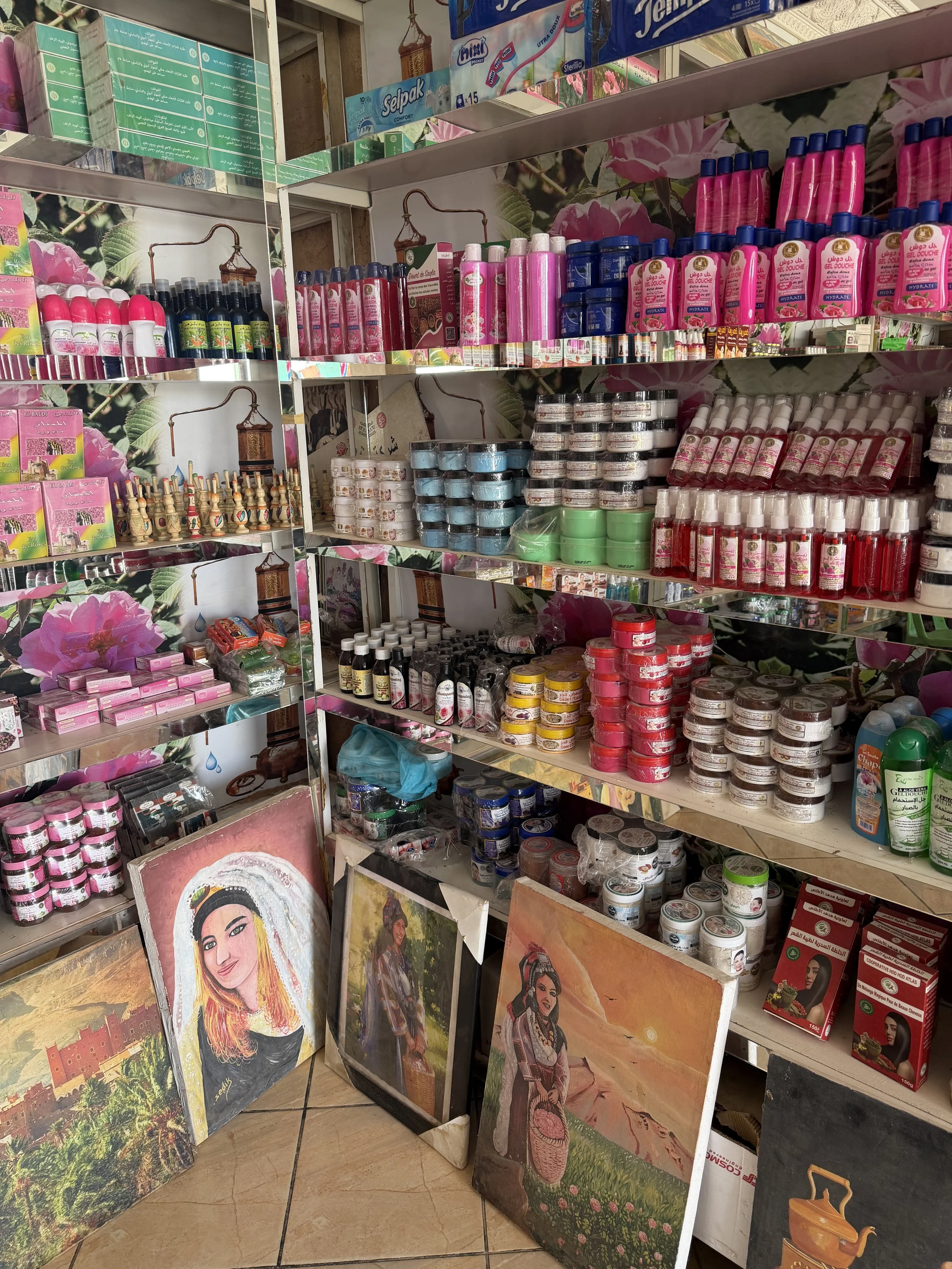
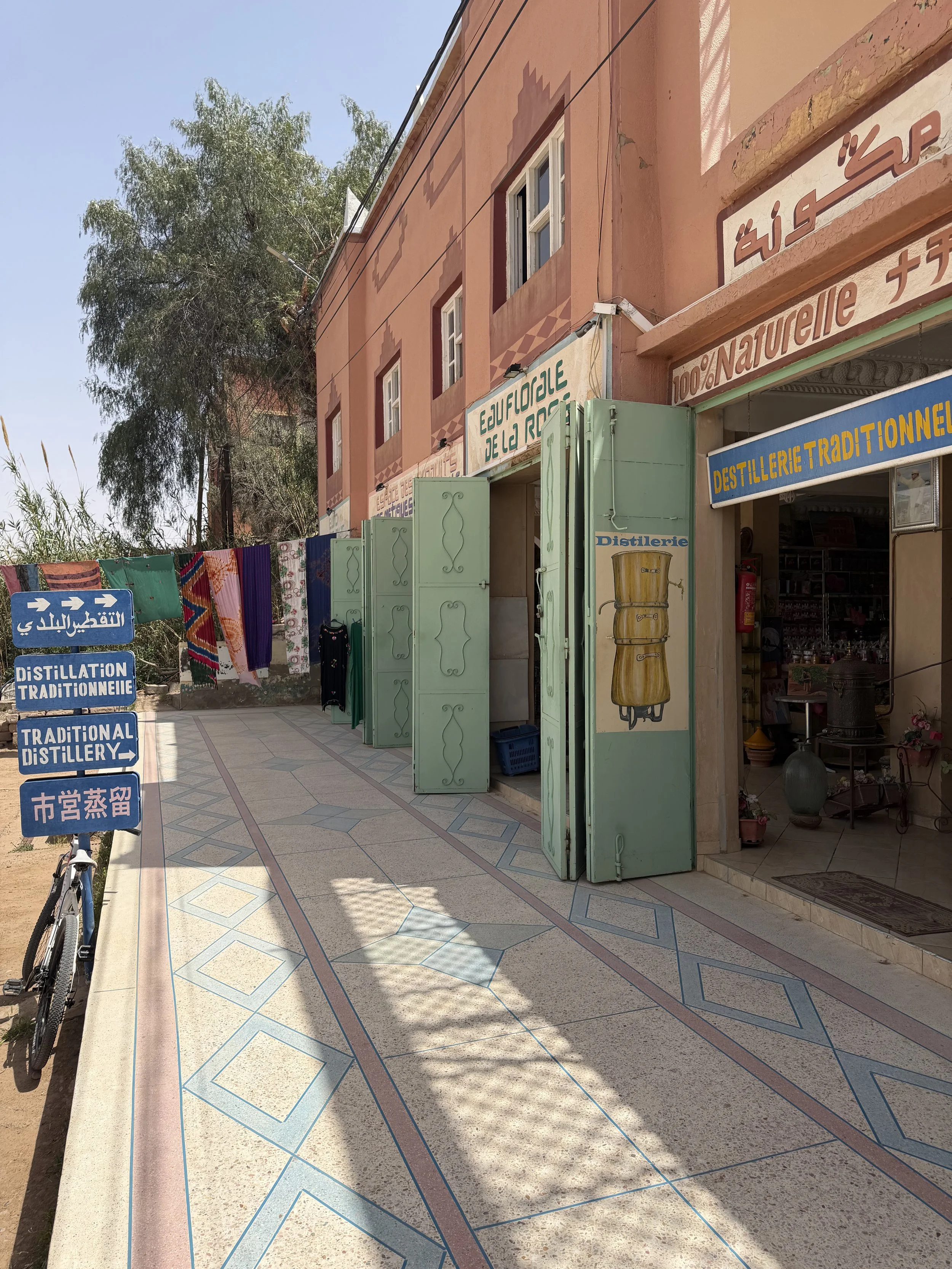
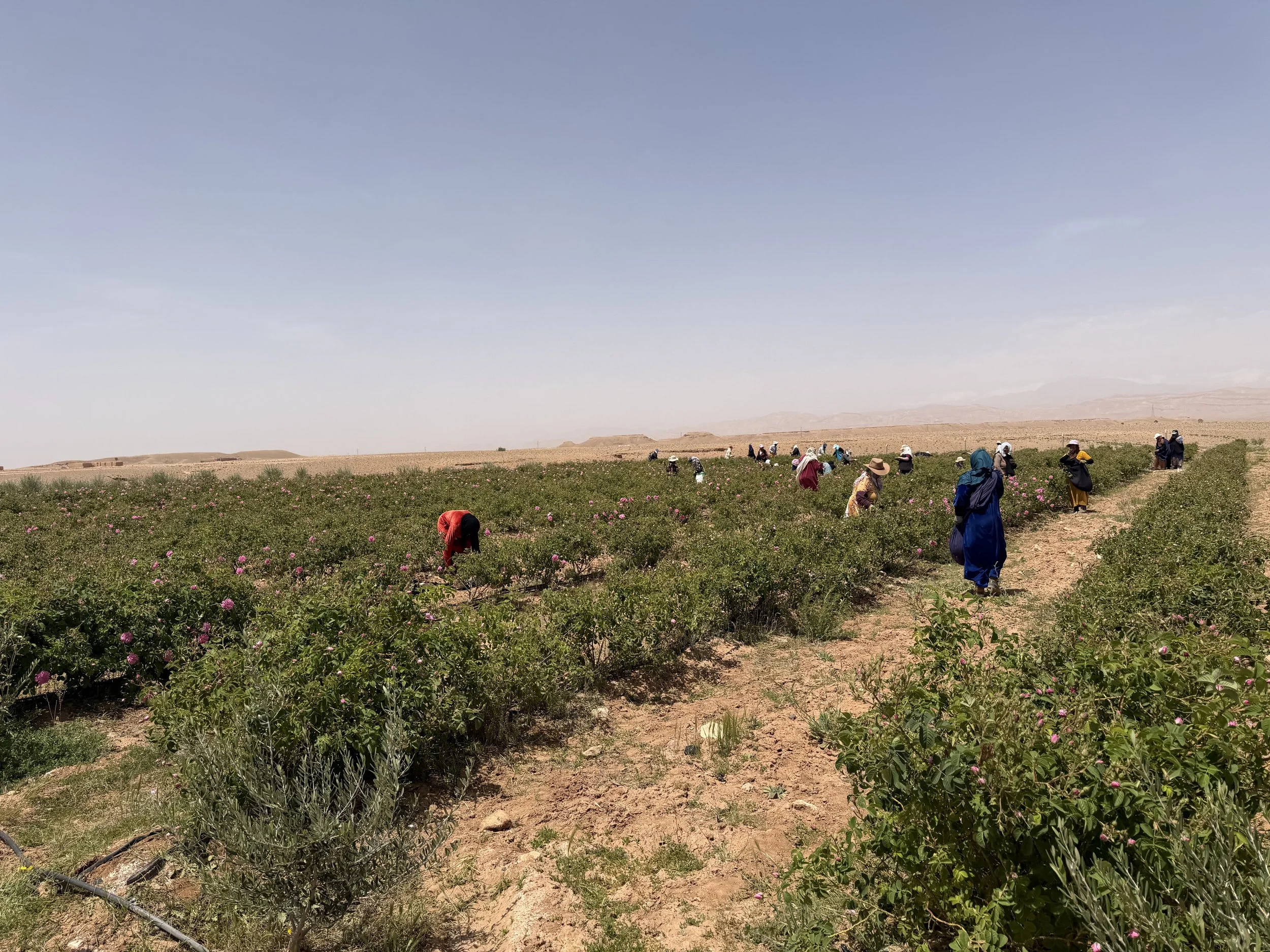
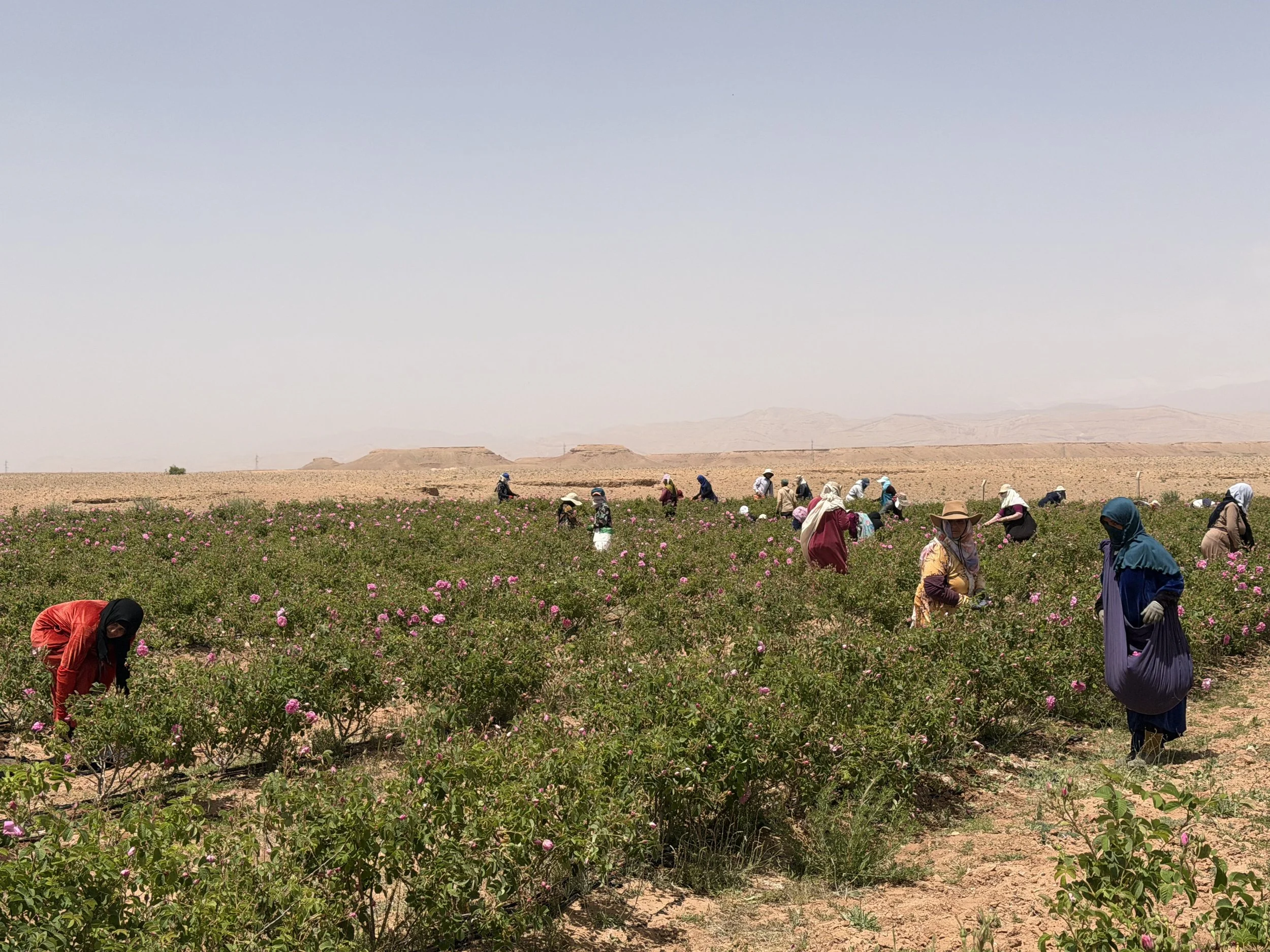
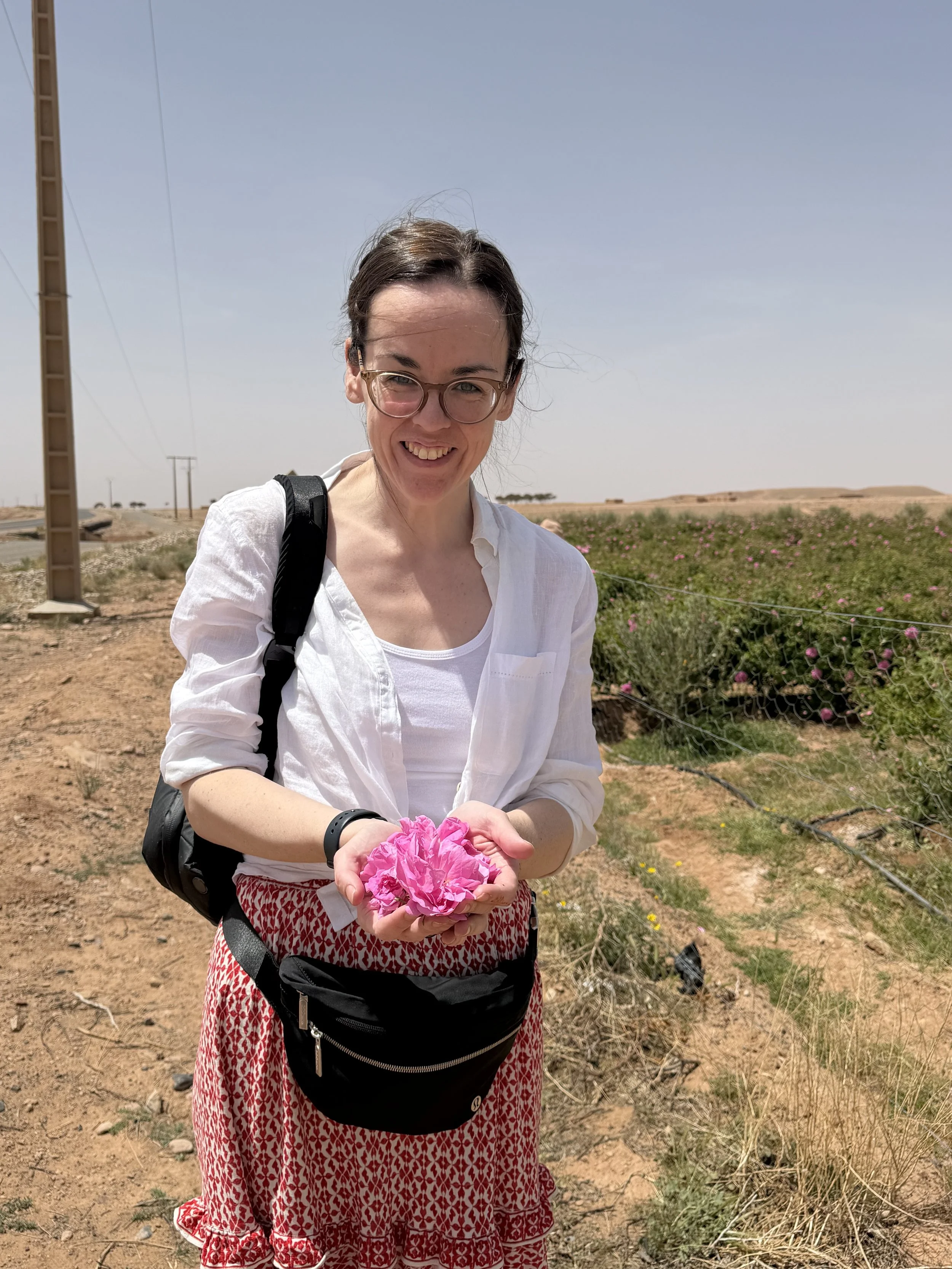
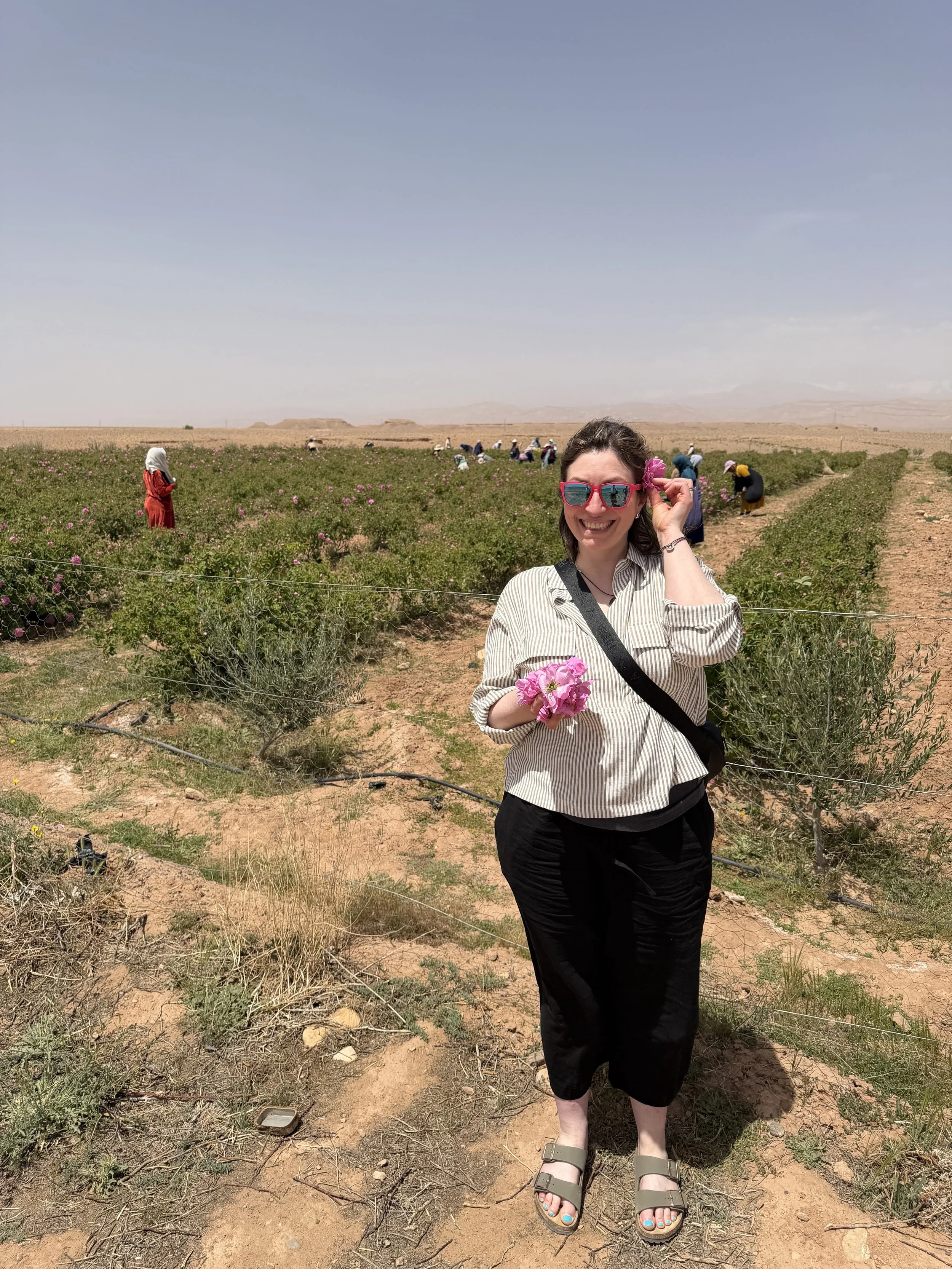
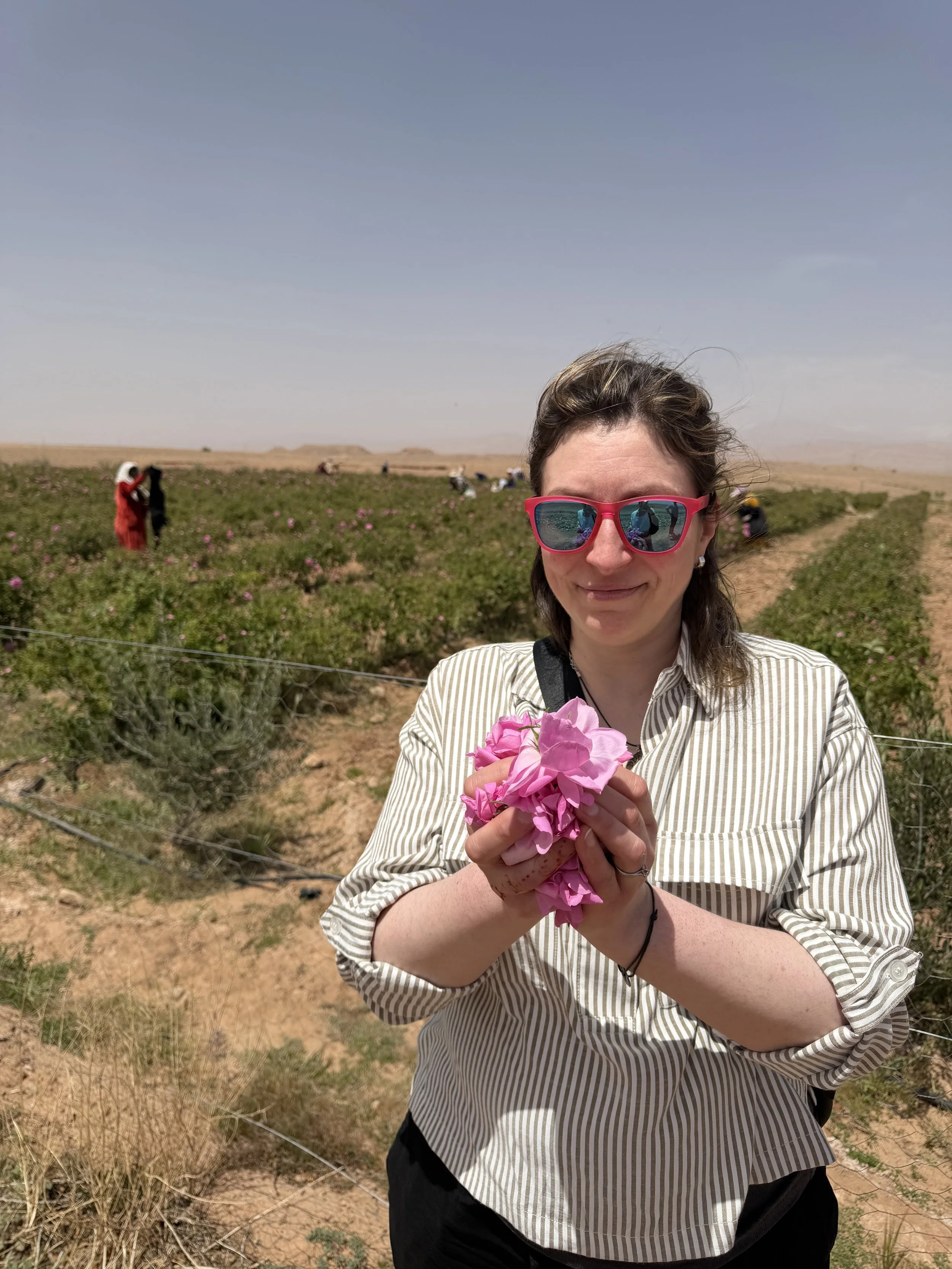
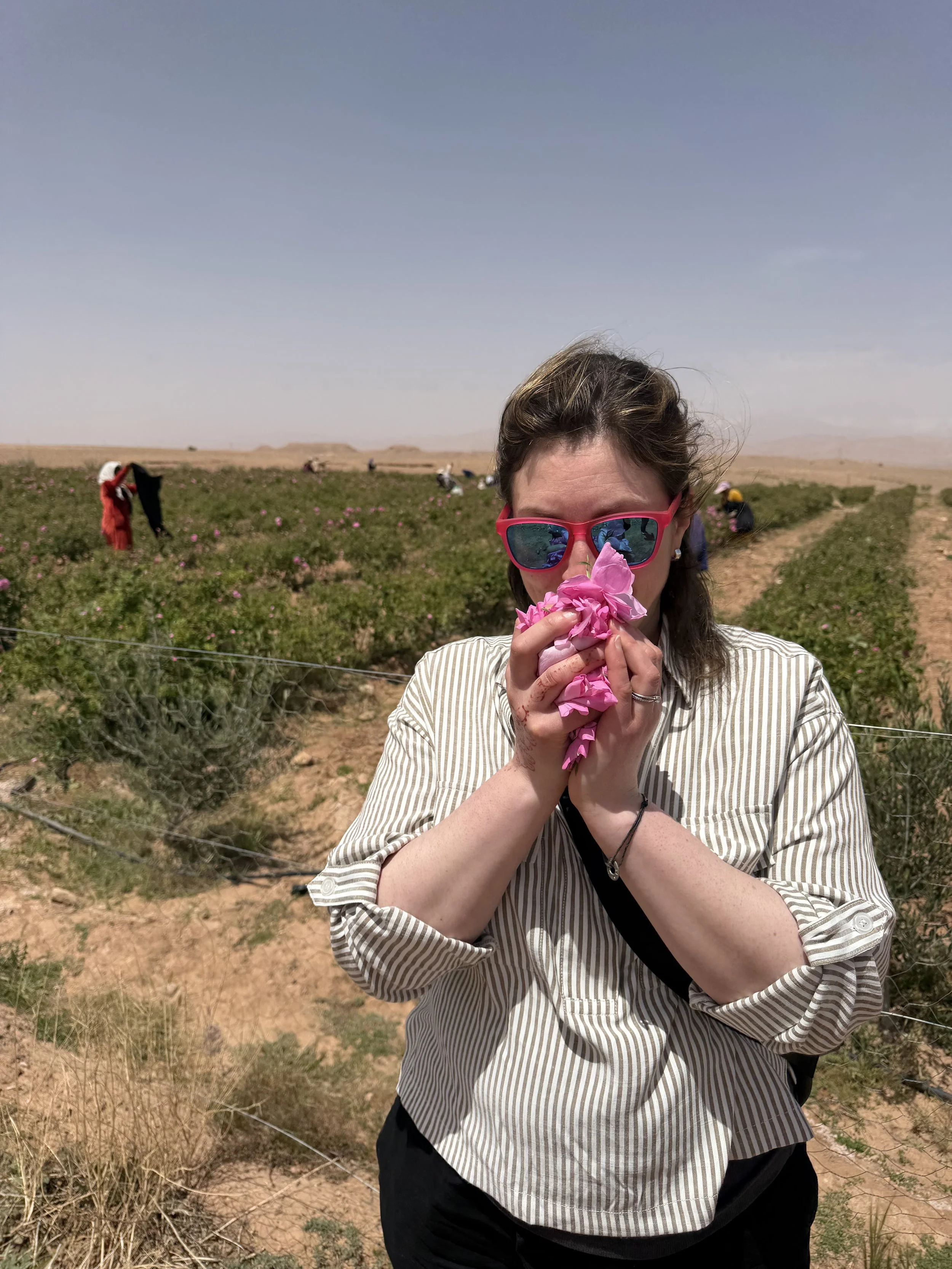
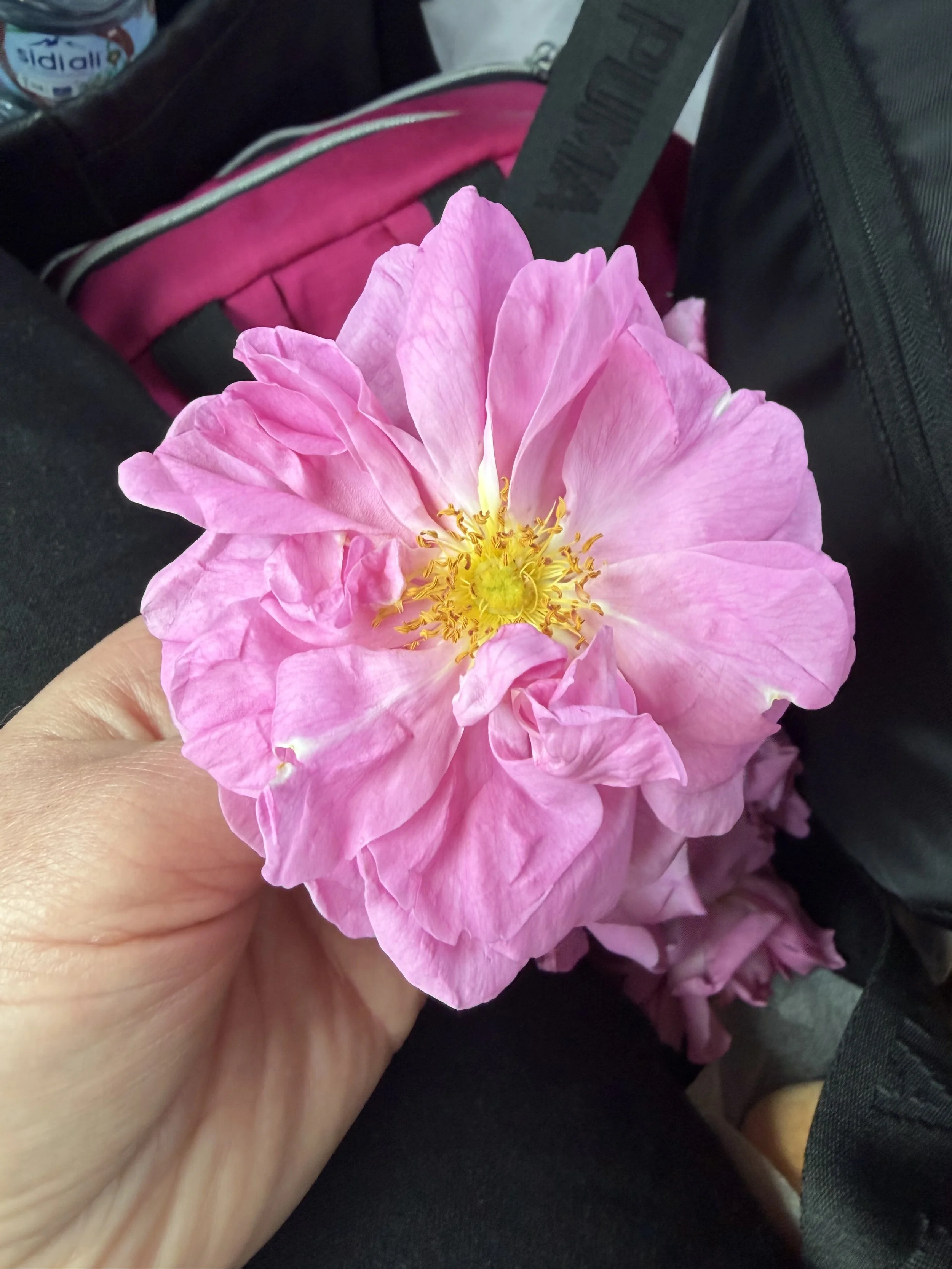
Next came the fragrant and colorful Valley of Roses, famous for its production of cosmetics, perfumes, oils, and traditional medicines made from Damask roses.
According to local legend, these roses were first brought here centuries ago by a Berber merchant returning from Damascus. Today, the valley is still known for cultivating Rosa Damascena — the Damask rose — whose scent drifts through the region during blooming season.
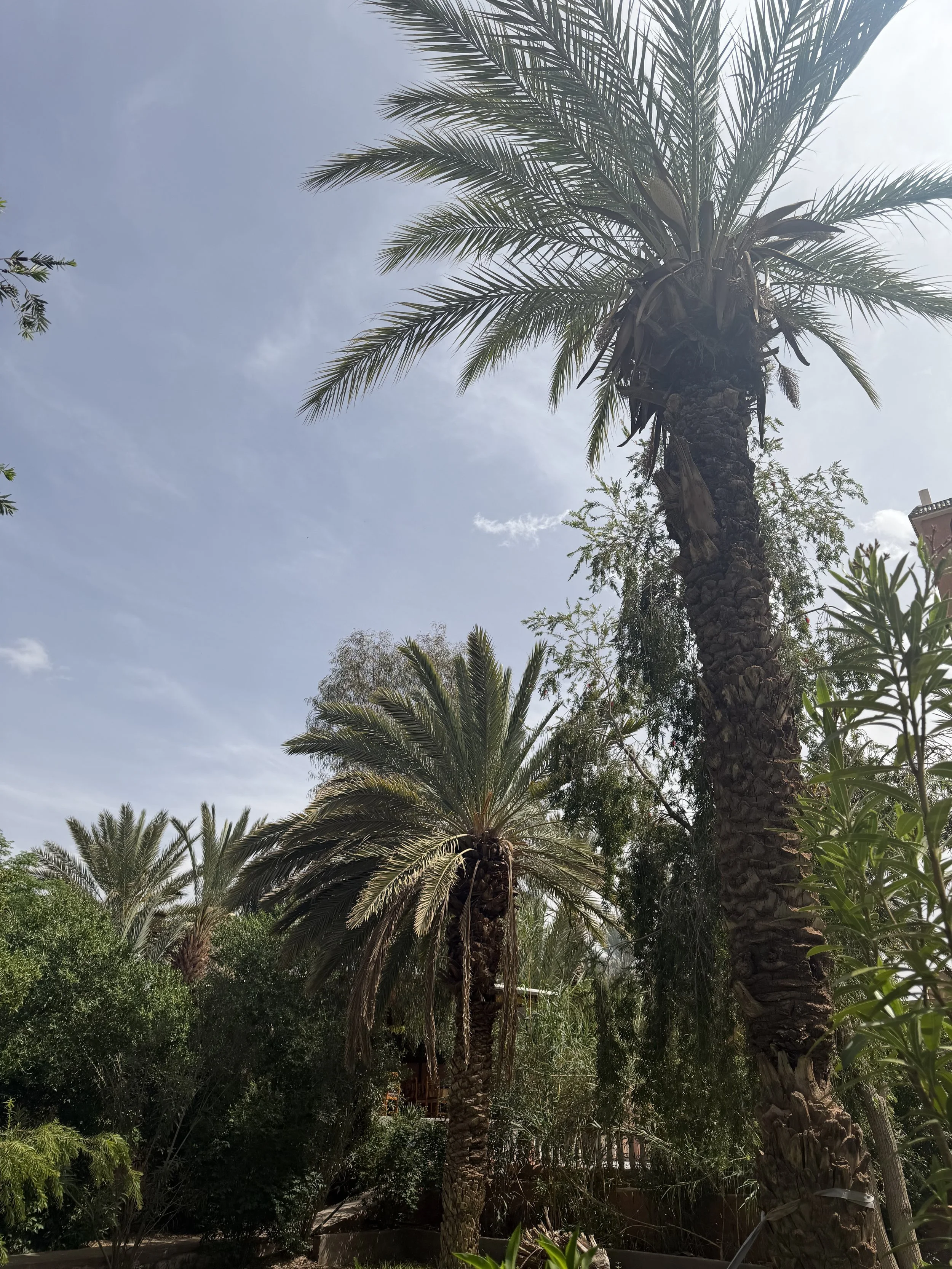
Even outside peak bloom, the area felt vibrant and alive, with rose products sold in small roadside cooperatives and markets along the route.
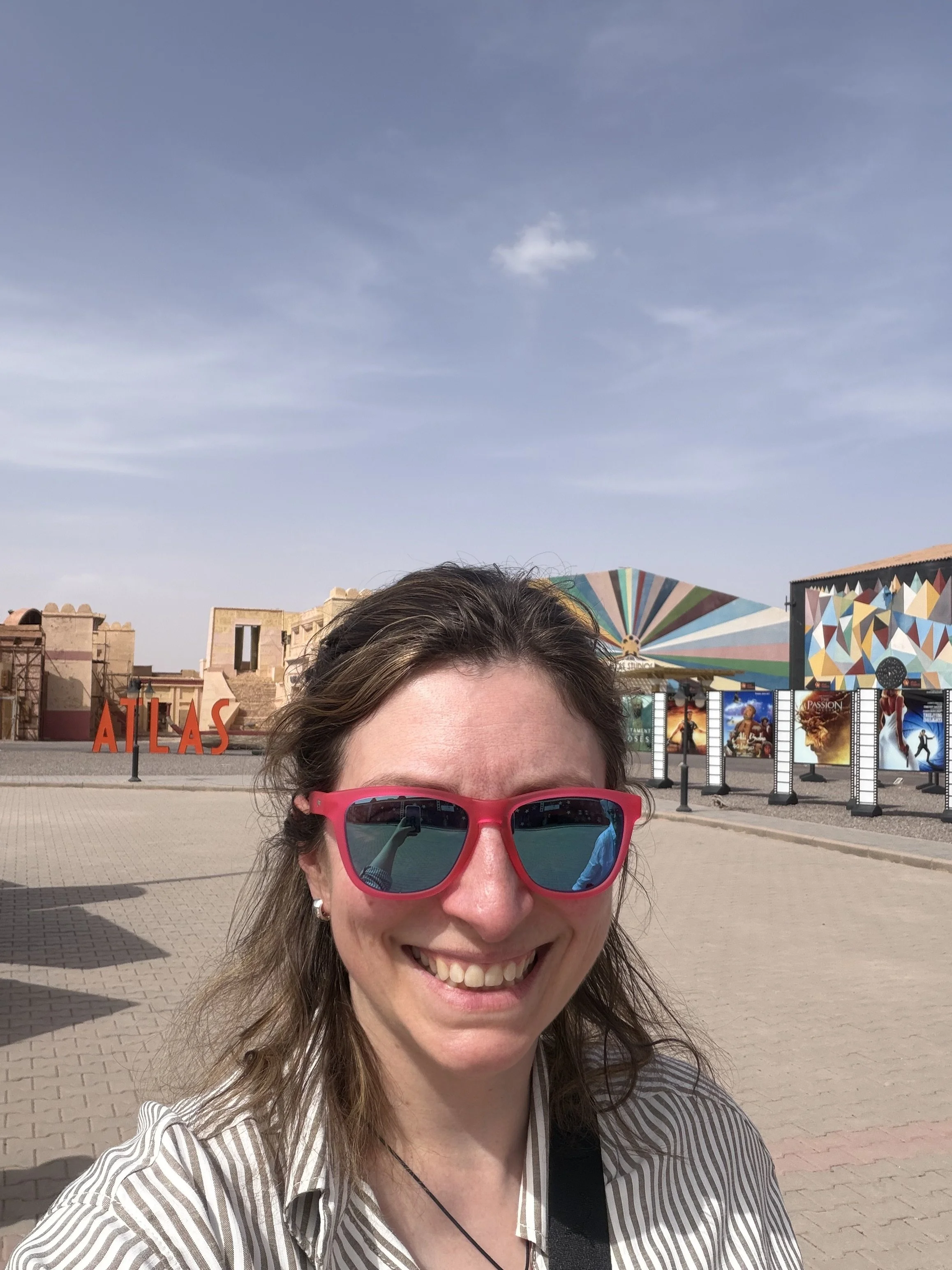
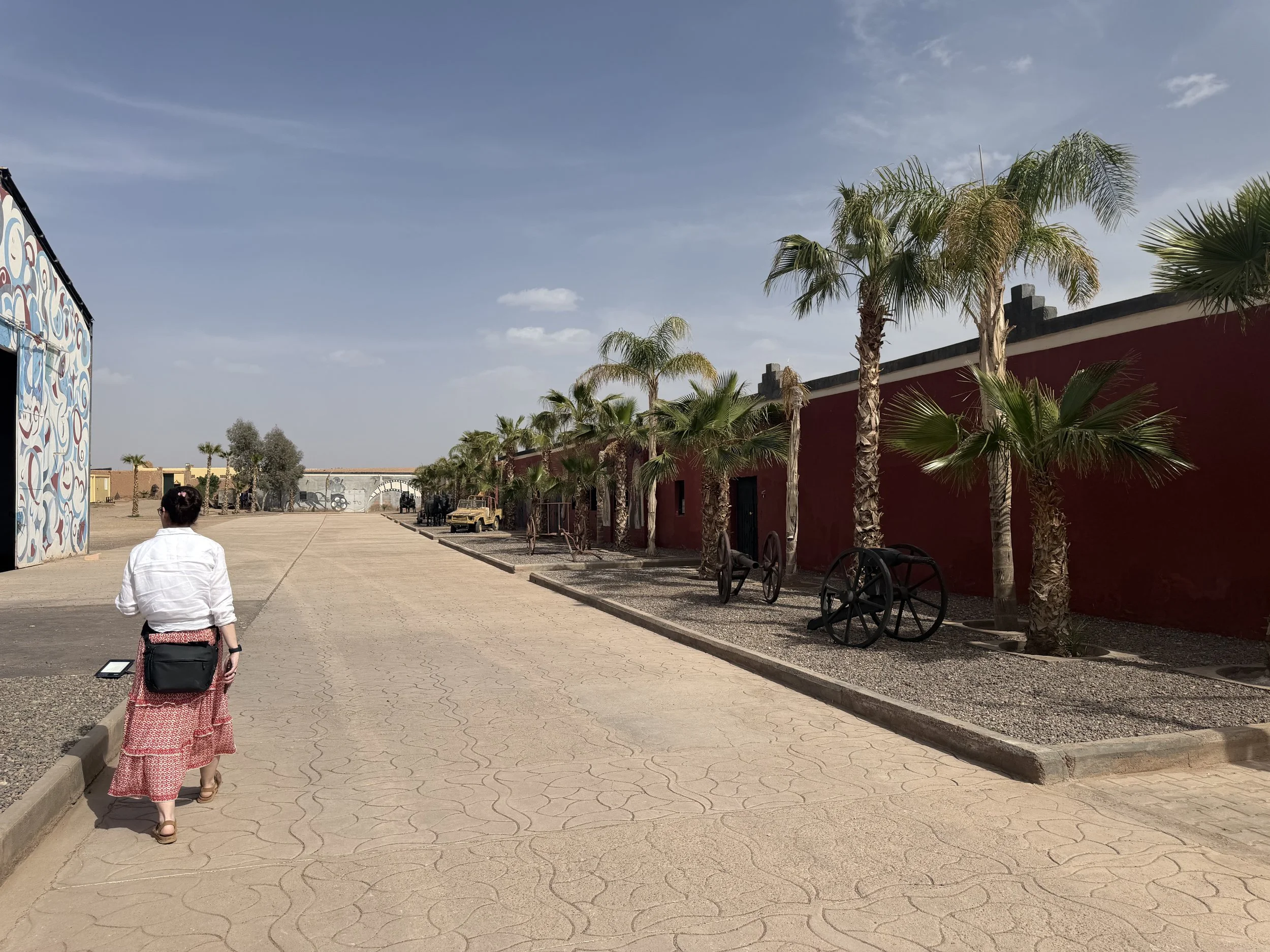
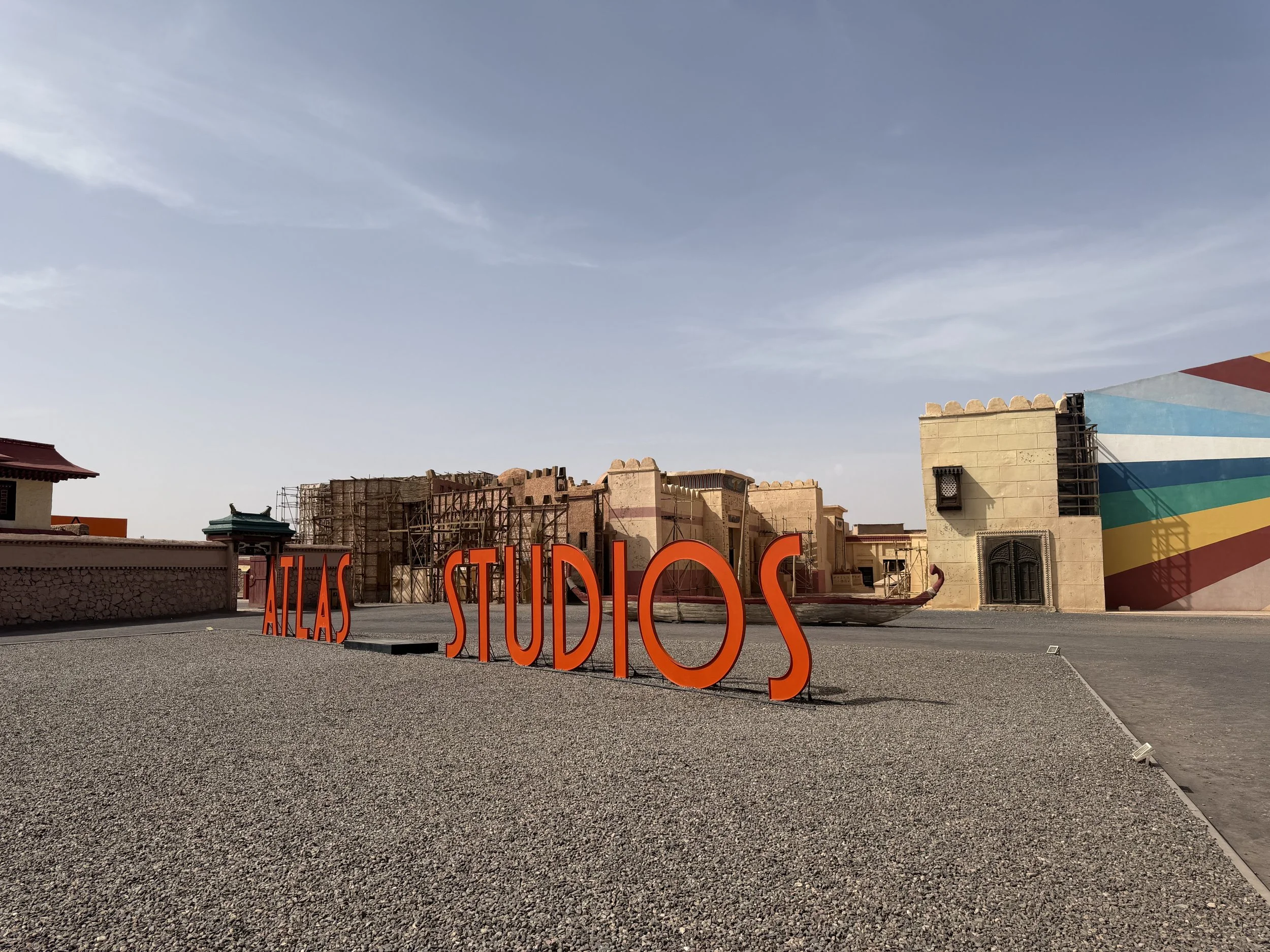
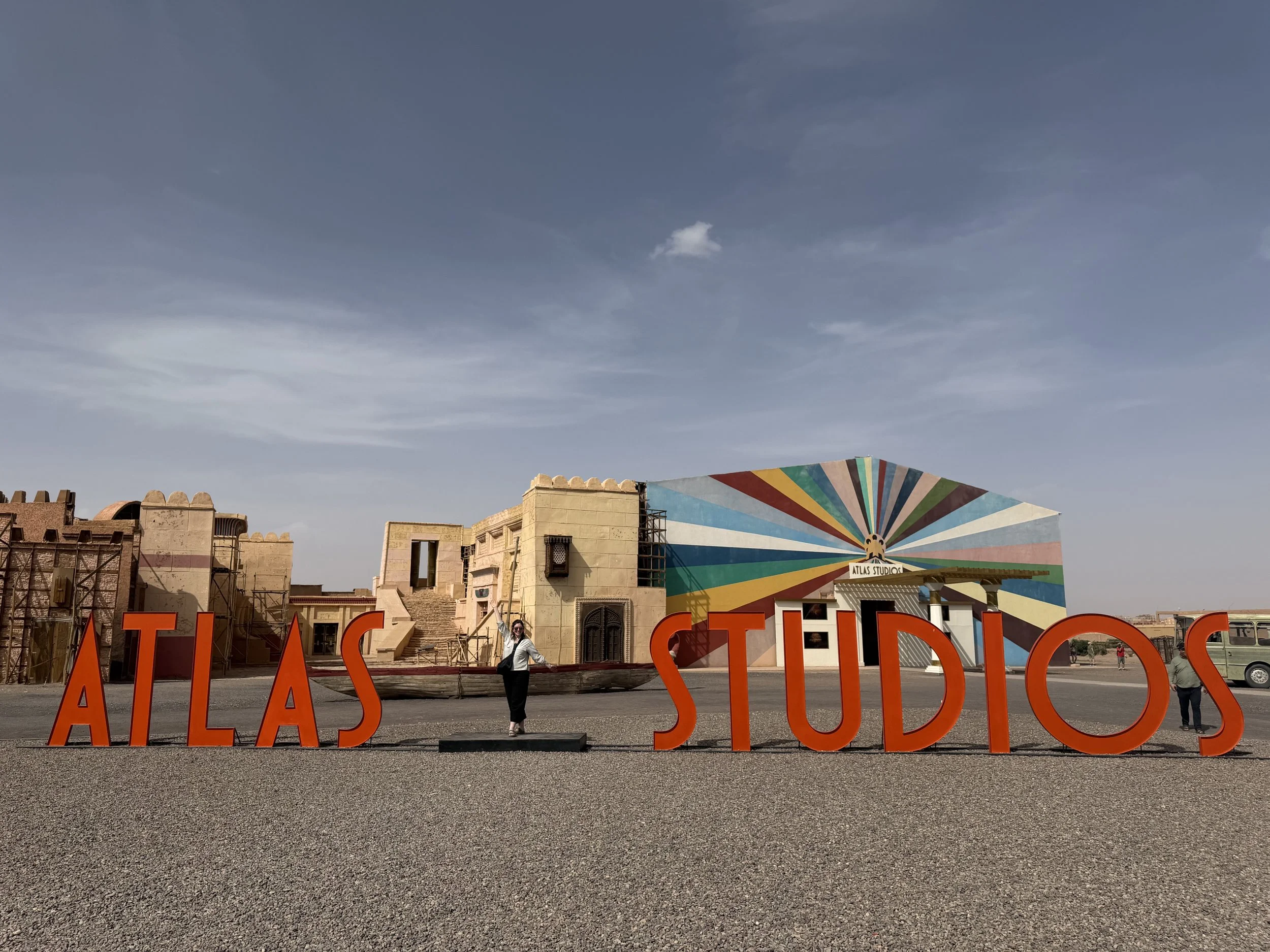
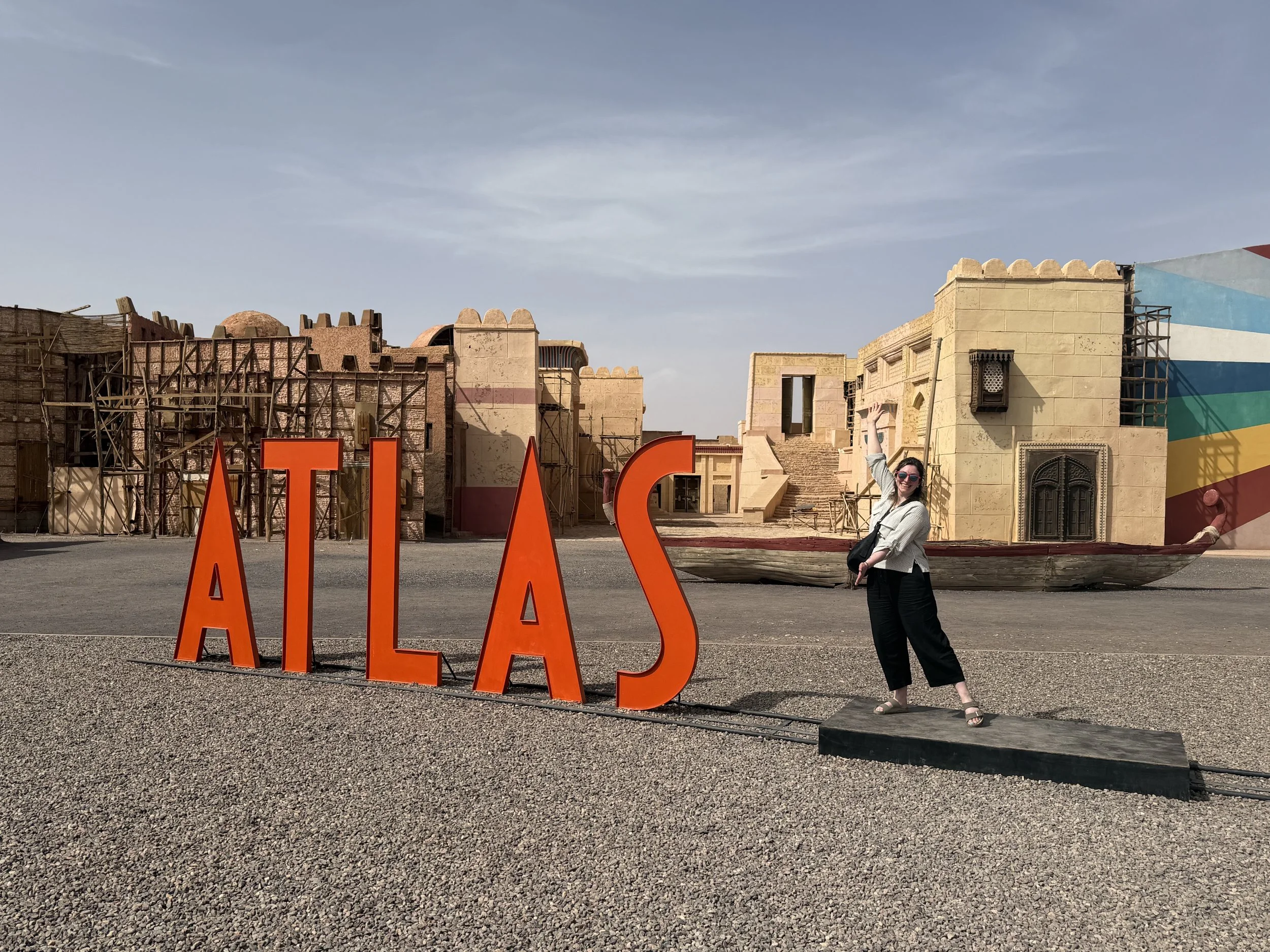
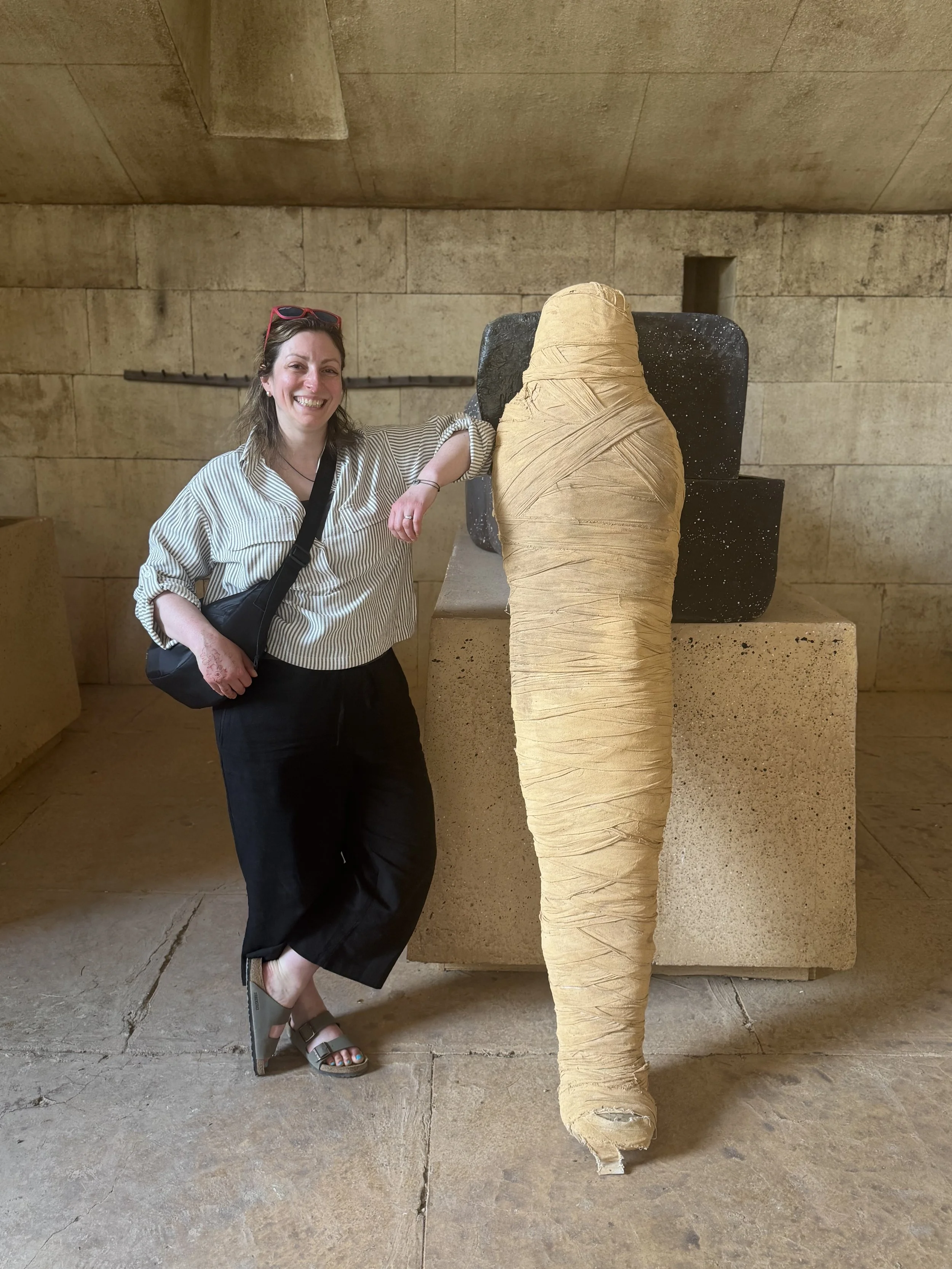
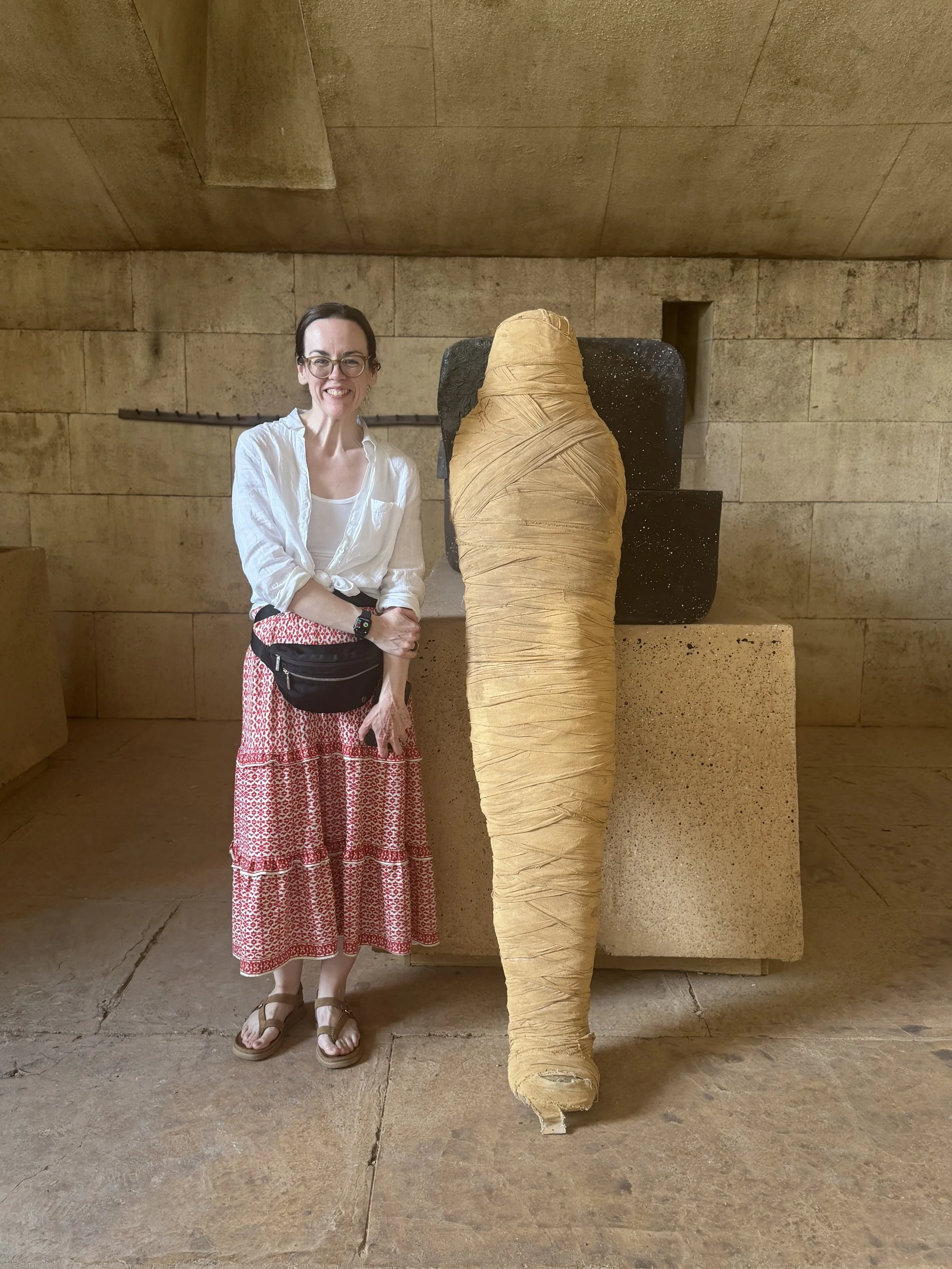
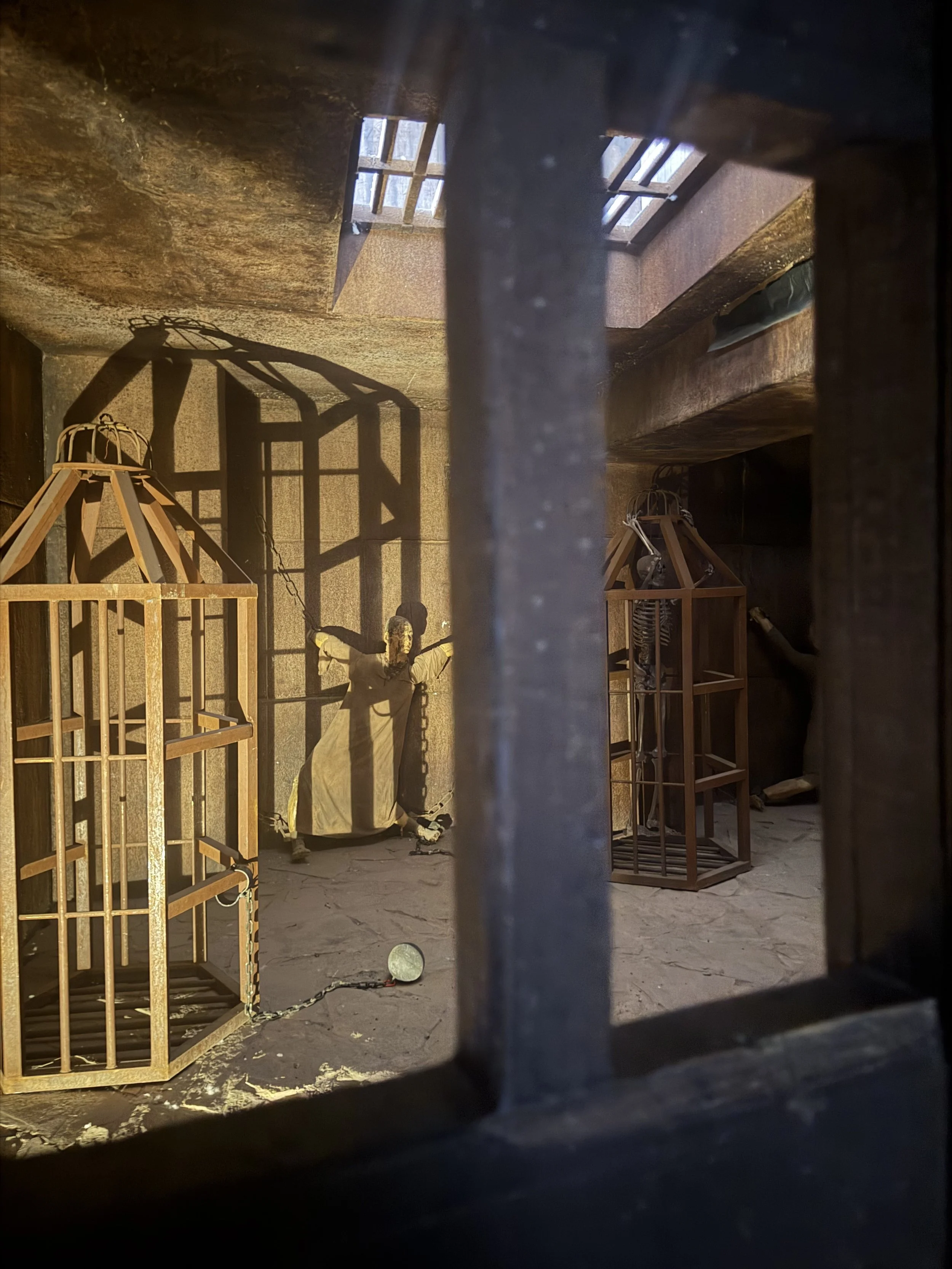
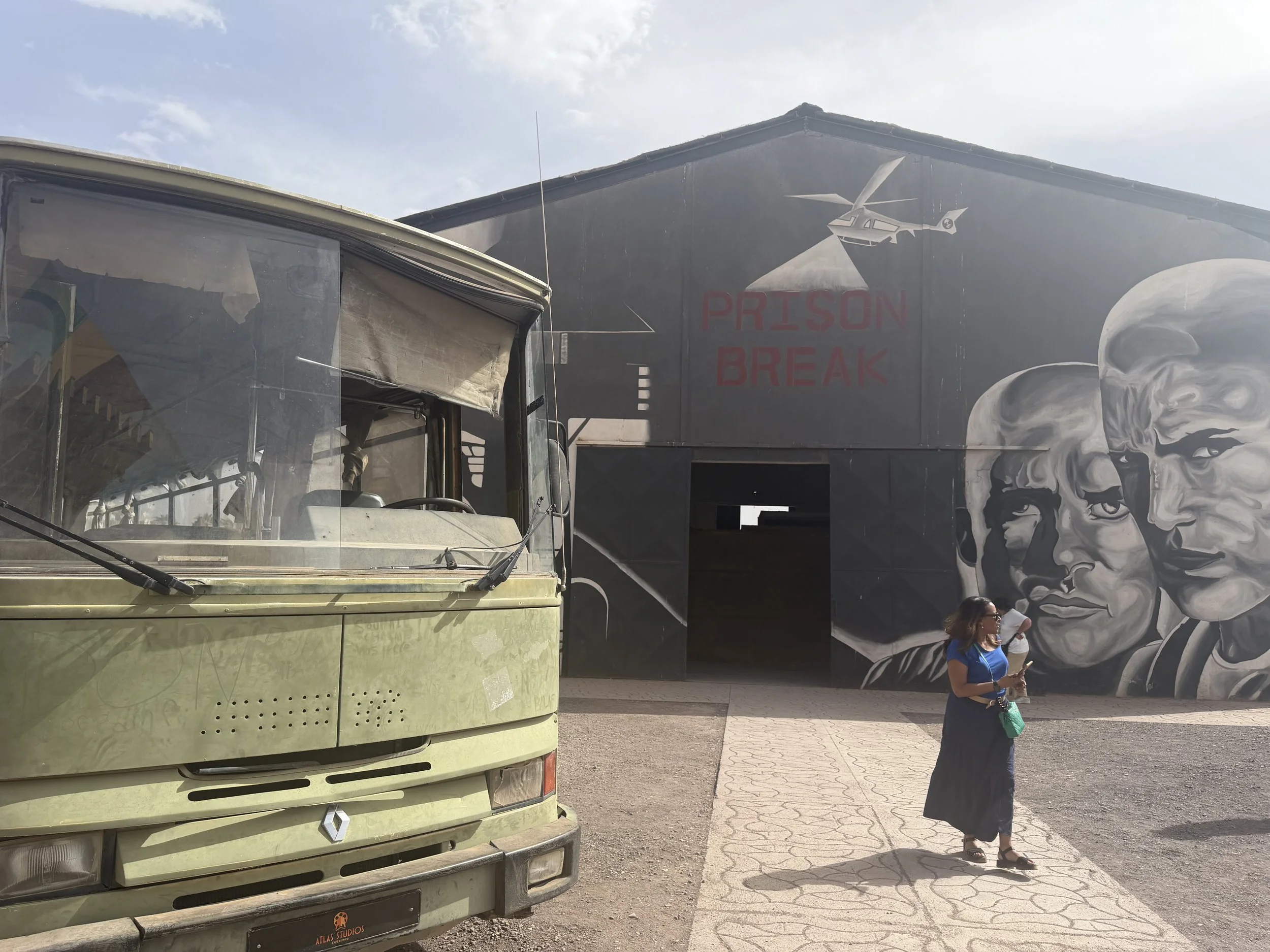
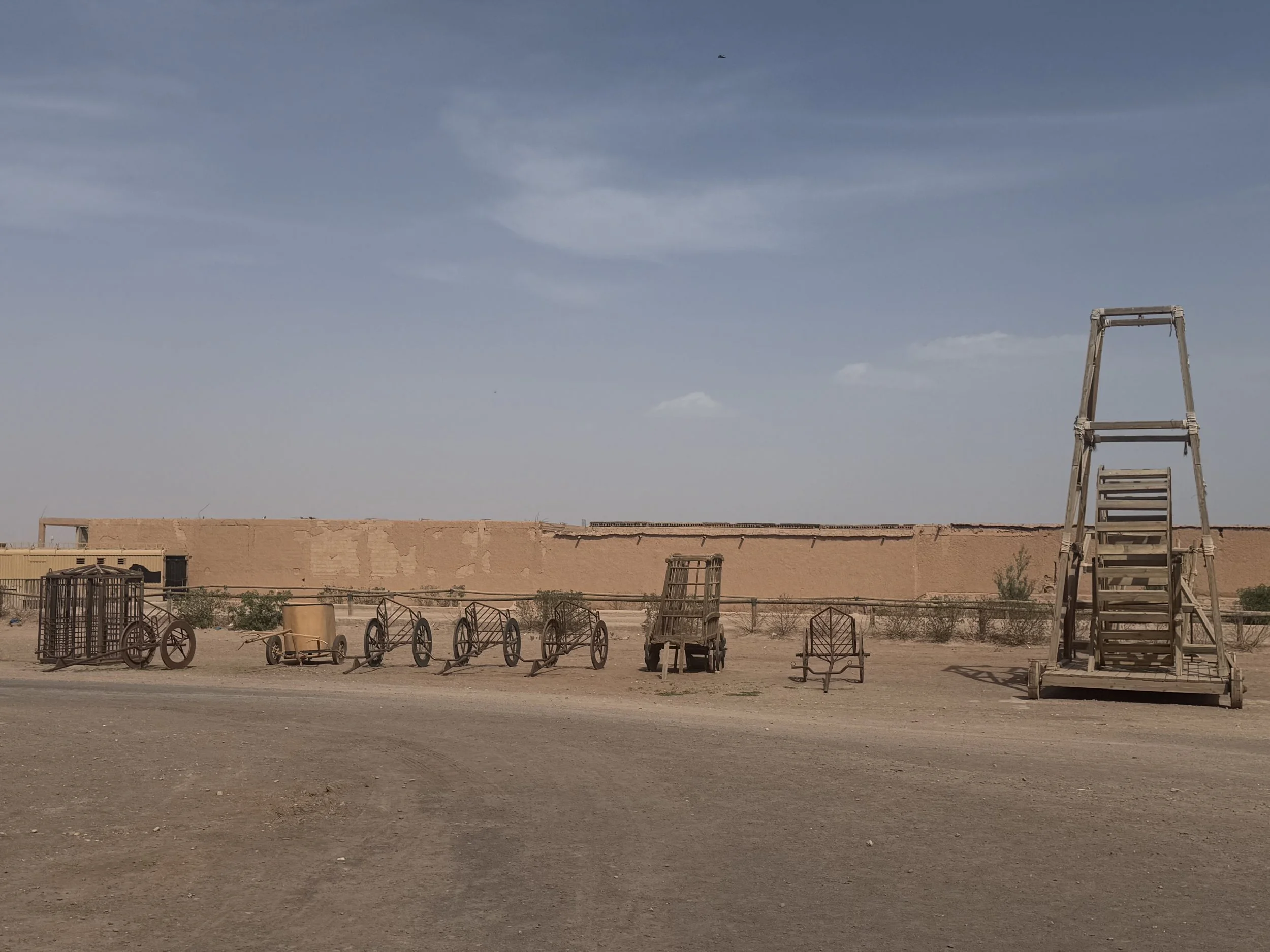
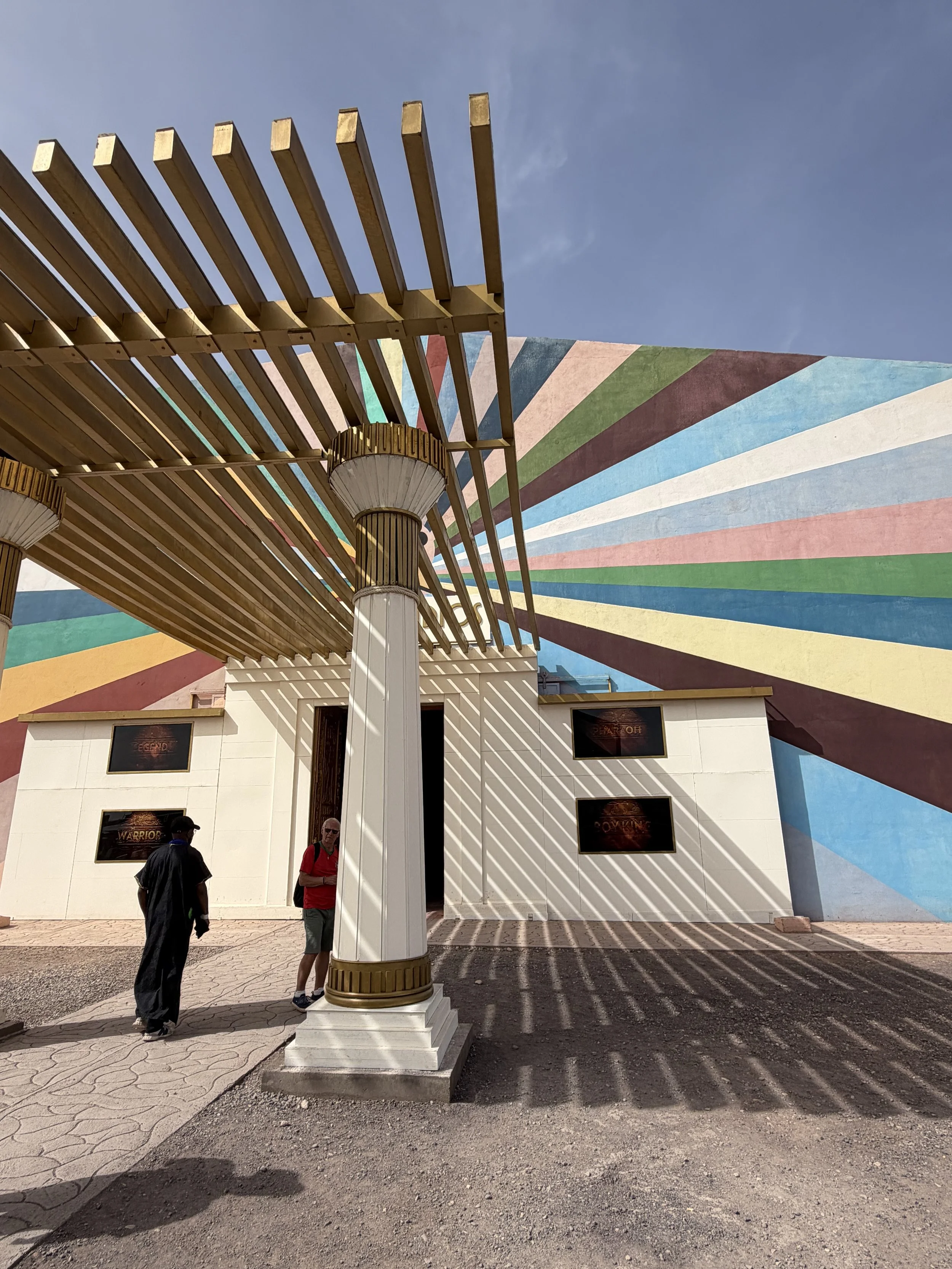
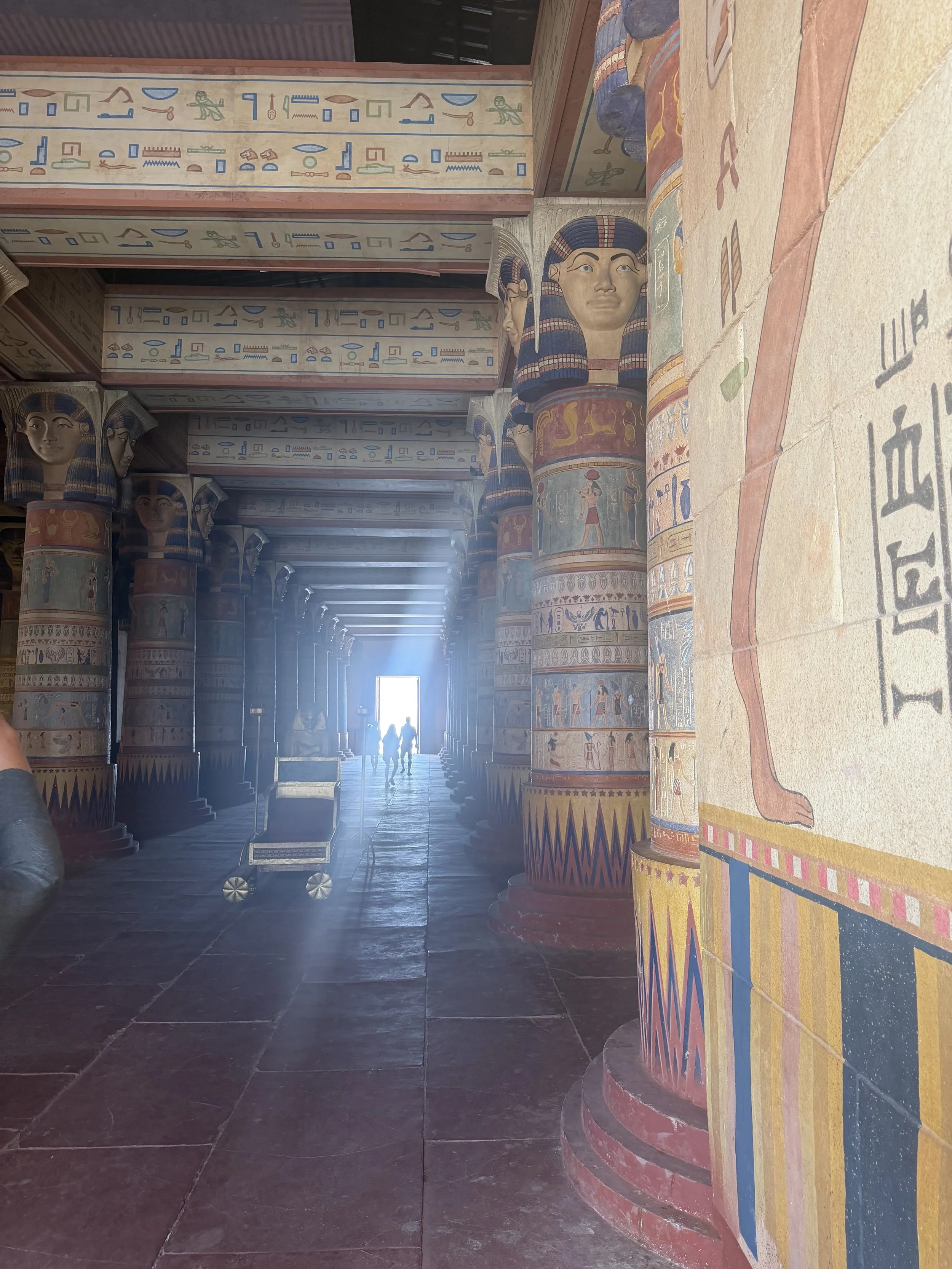
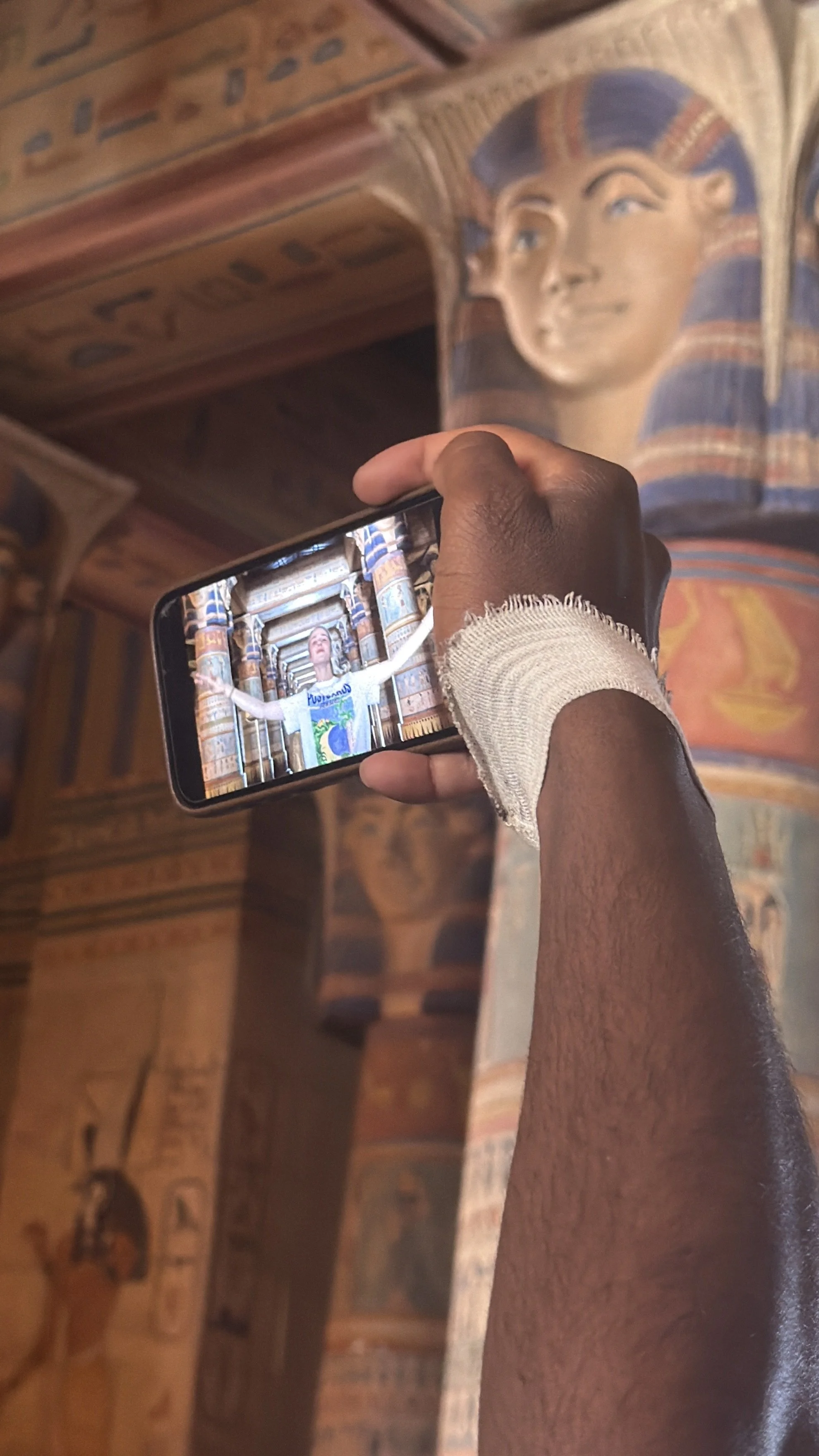
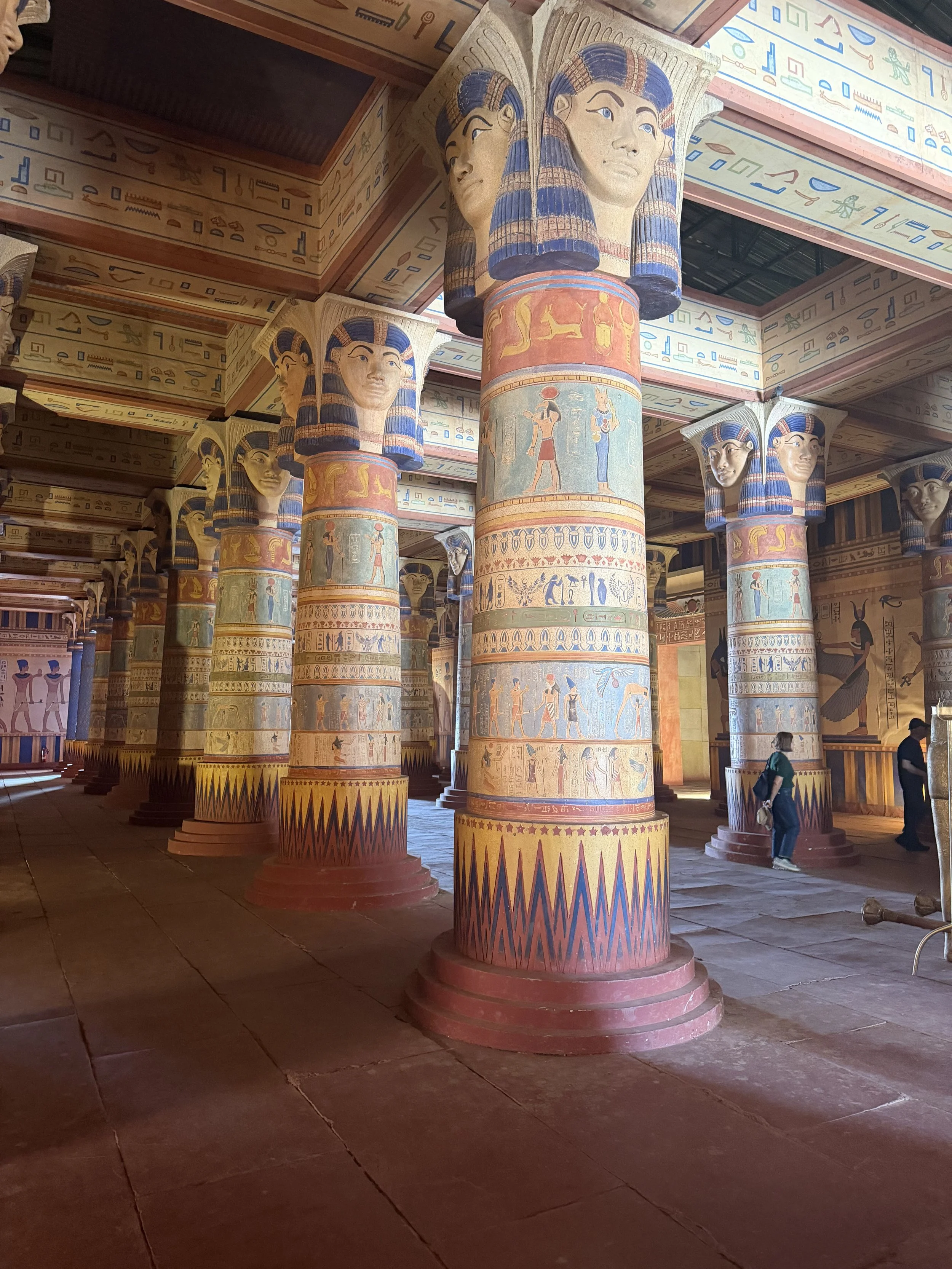
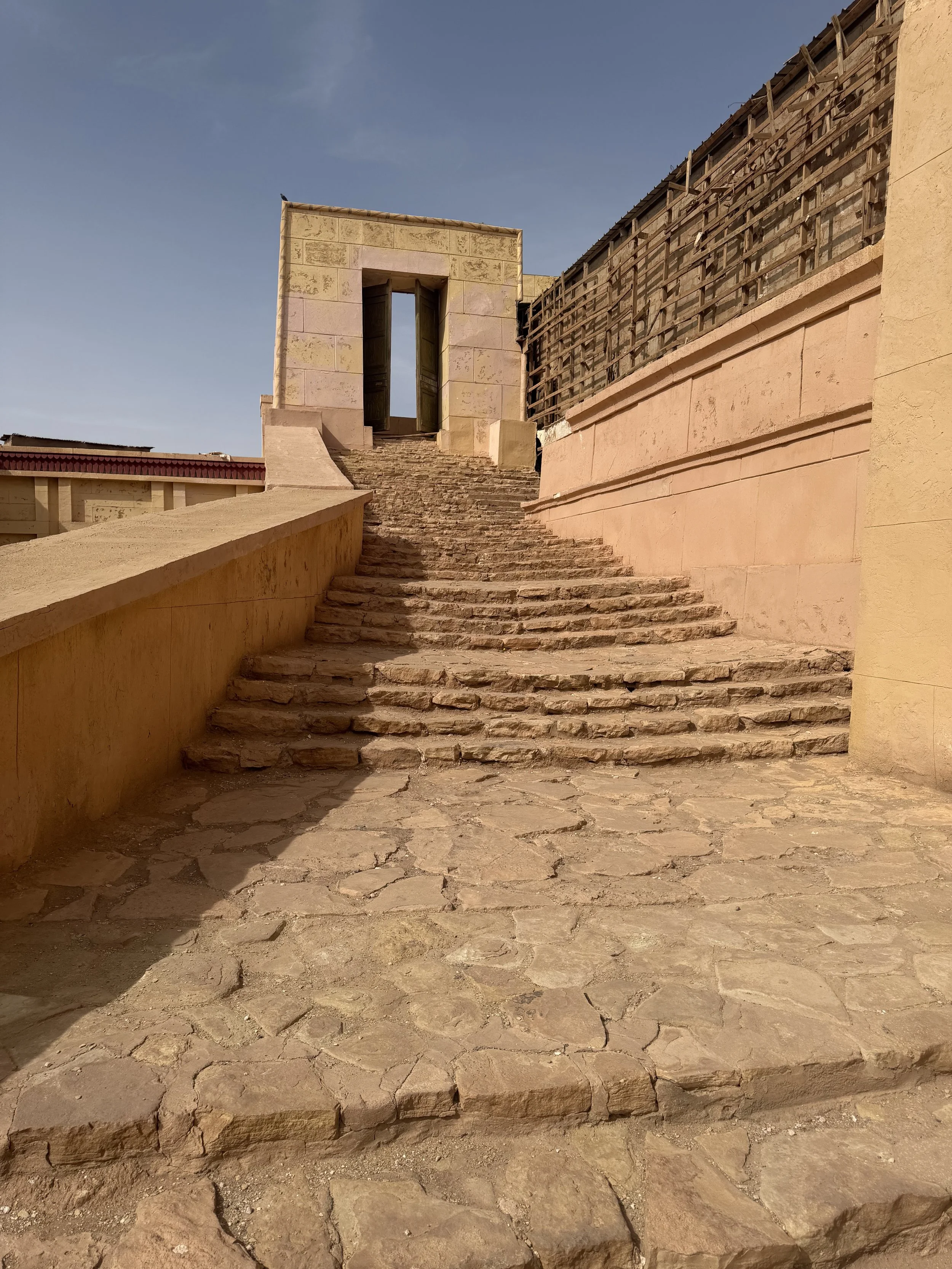
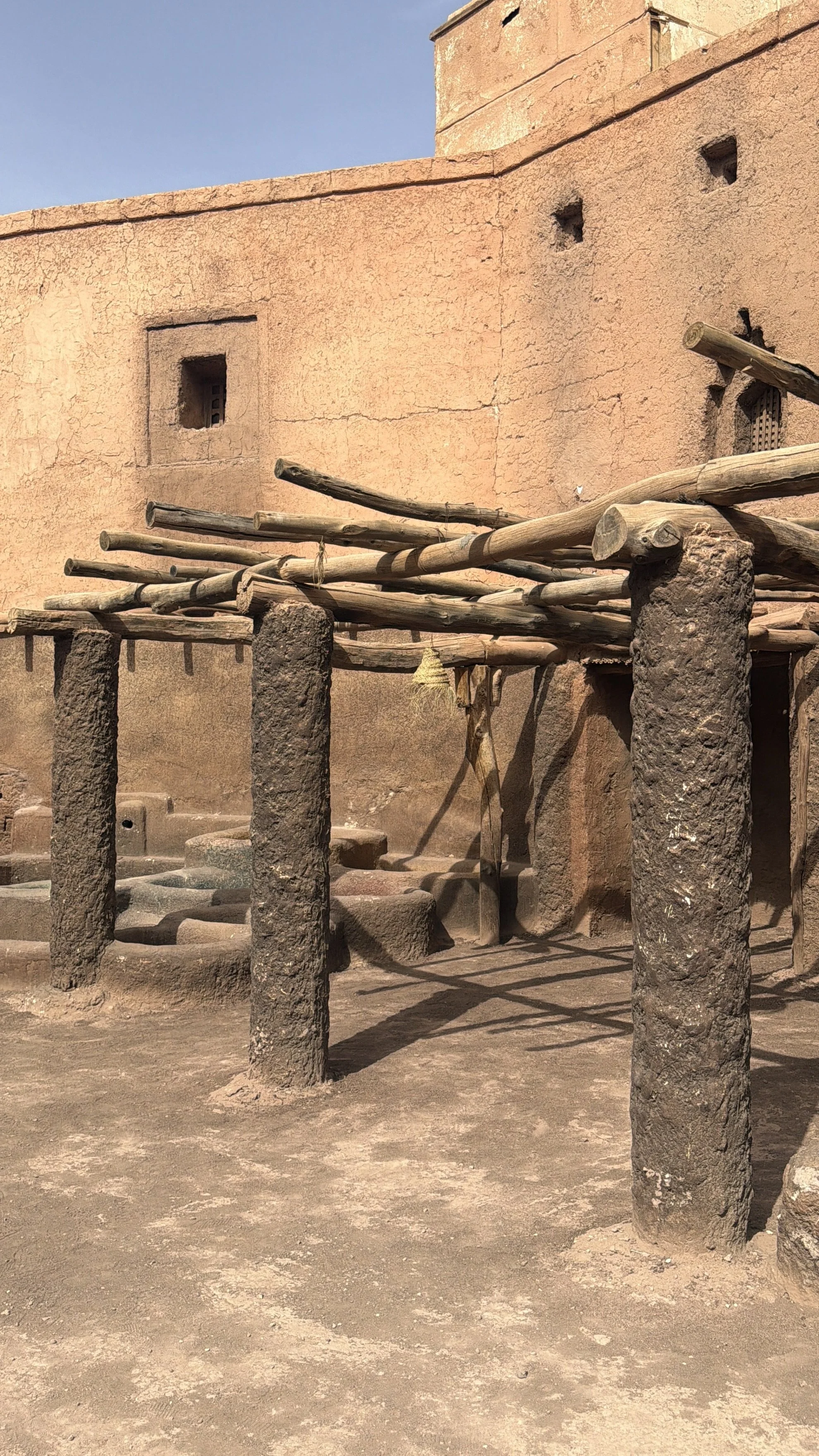
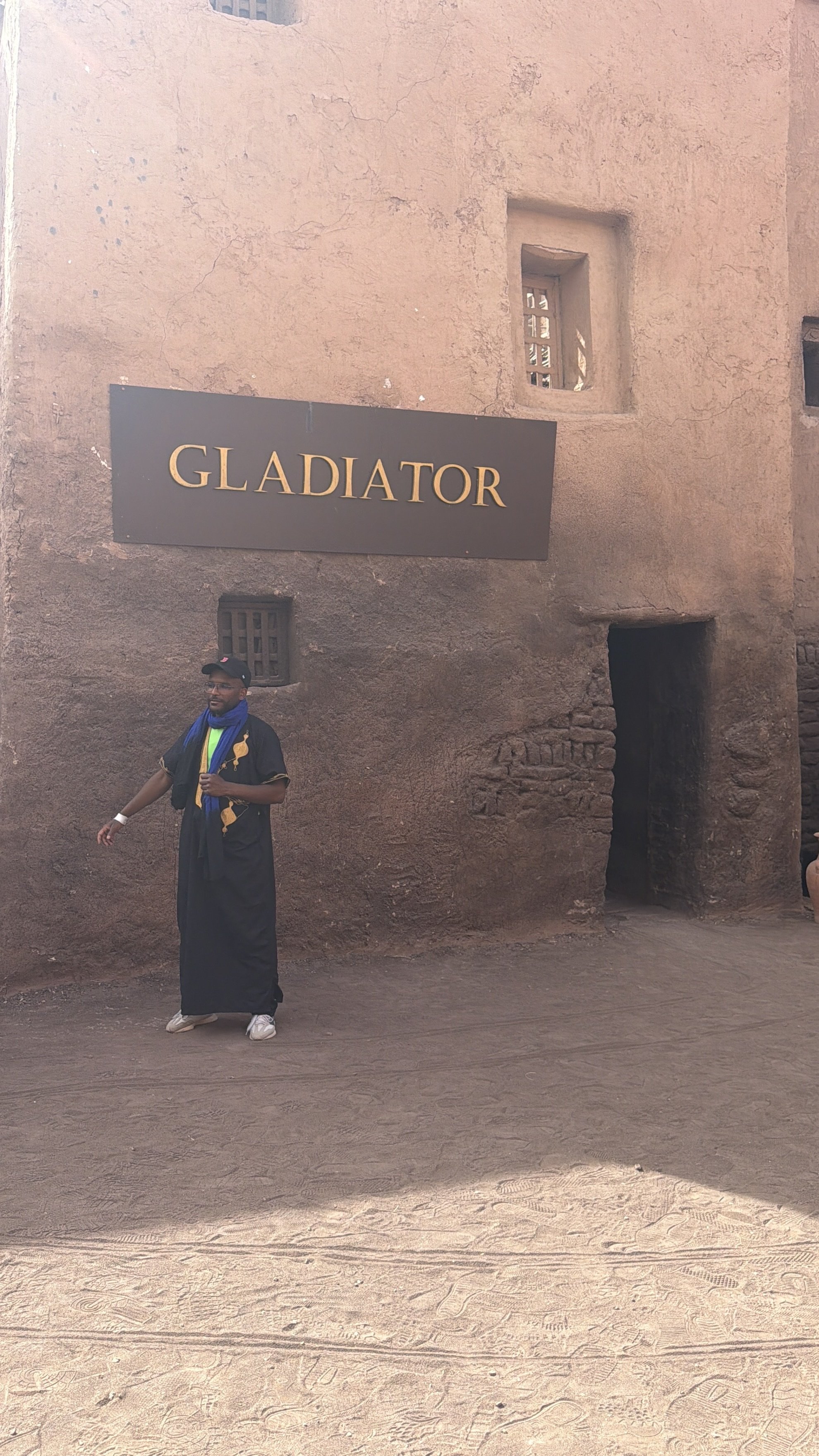
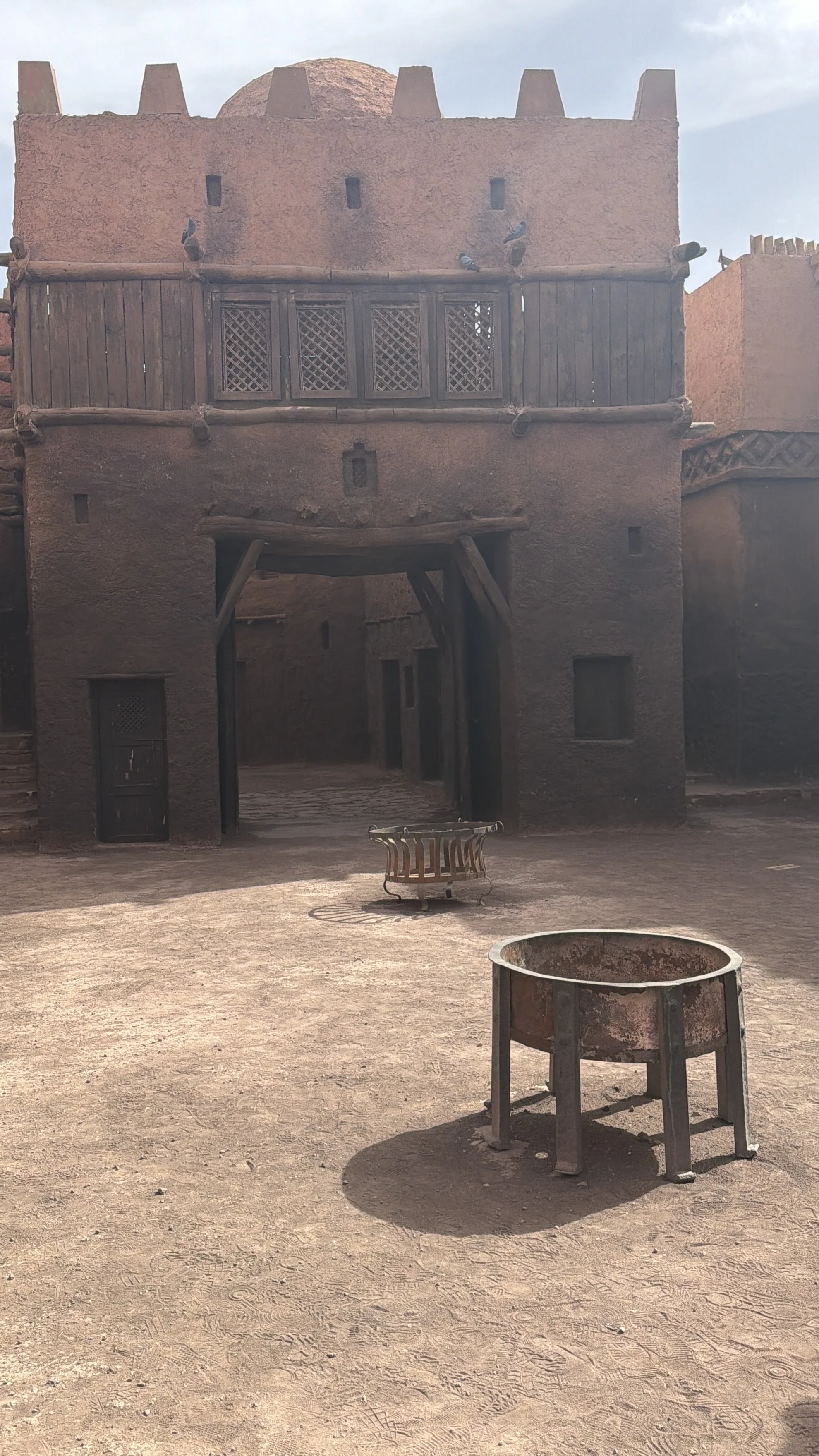
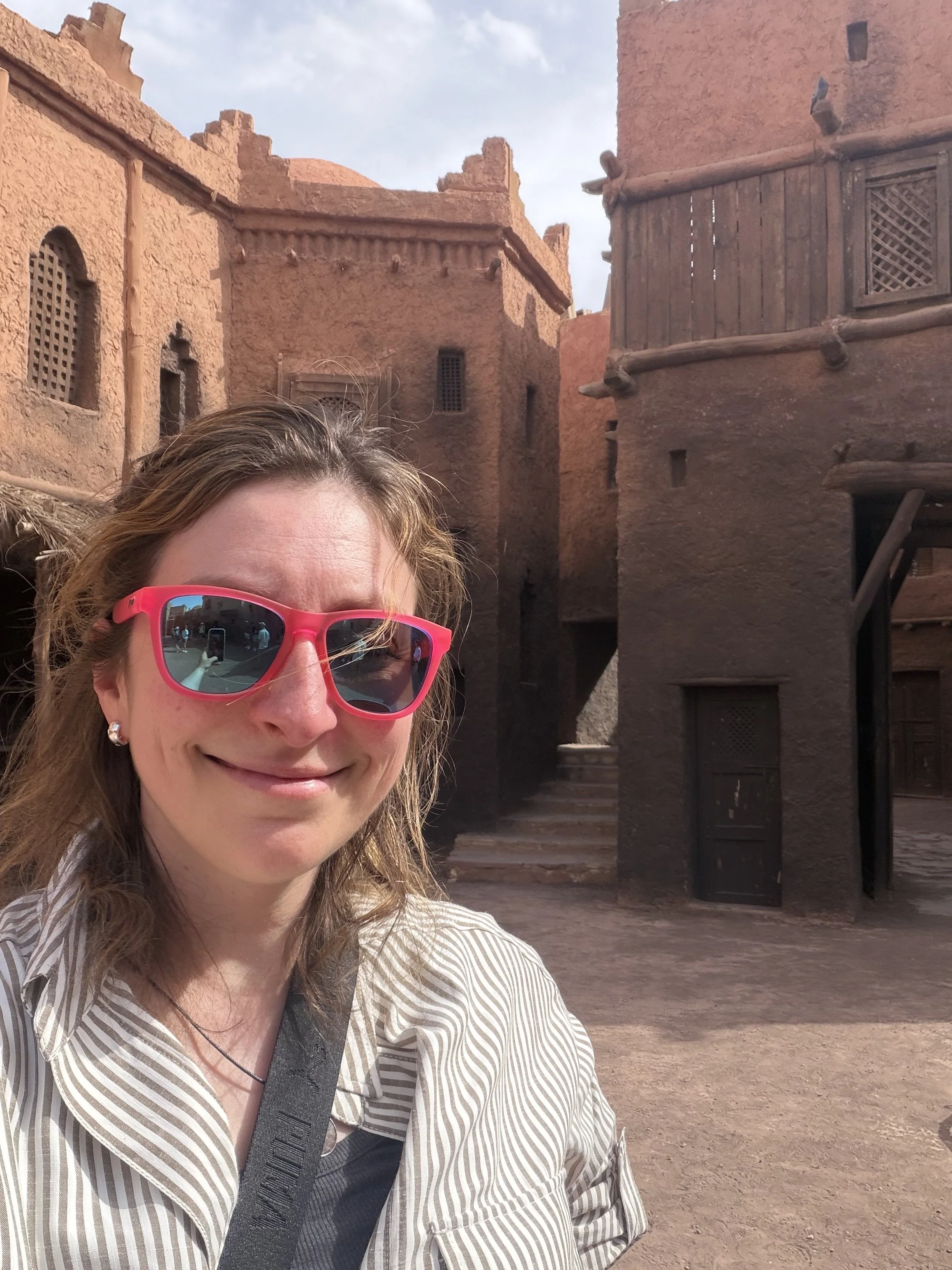
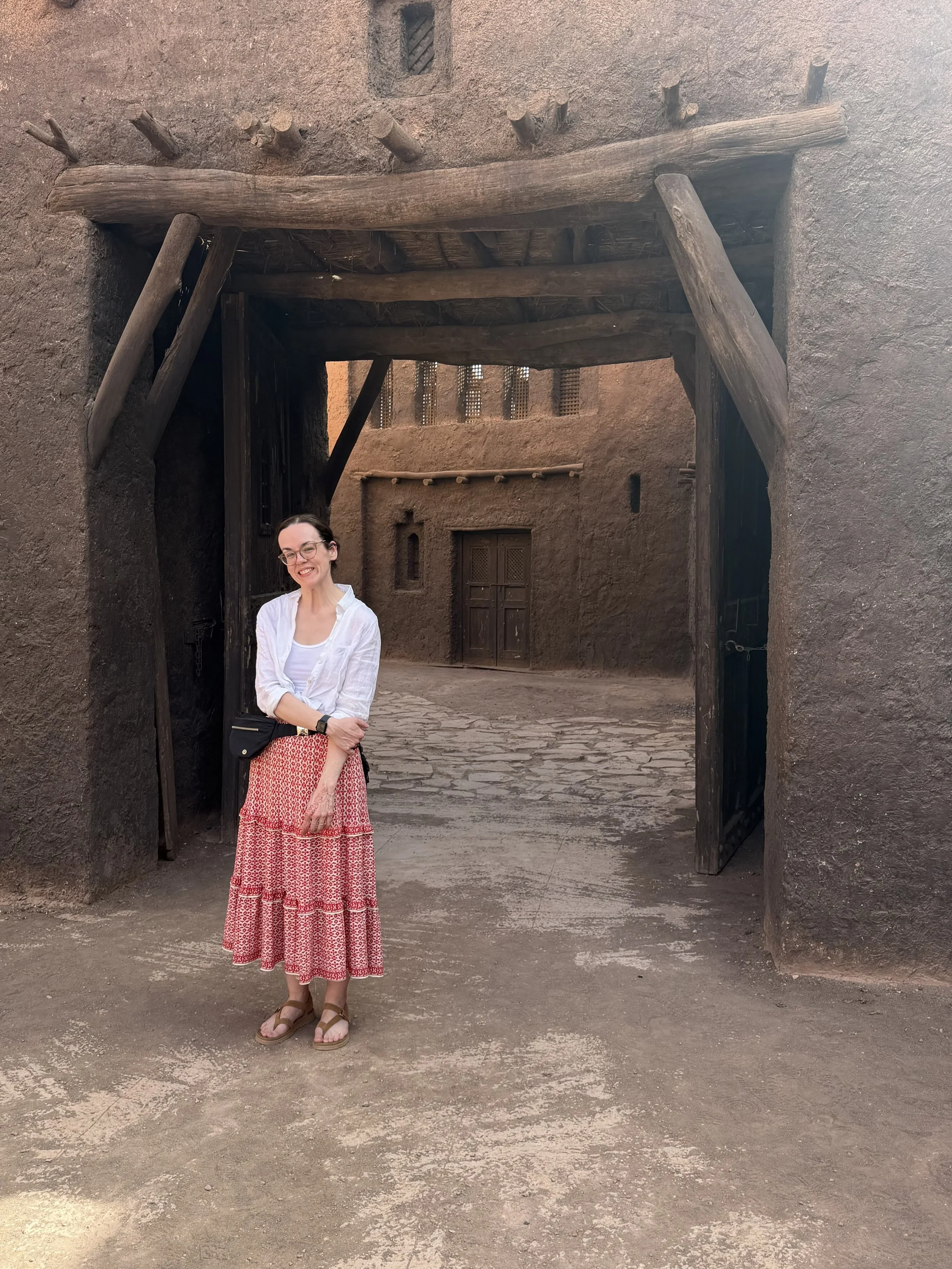
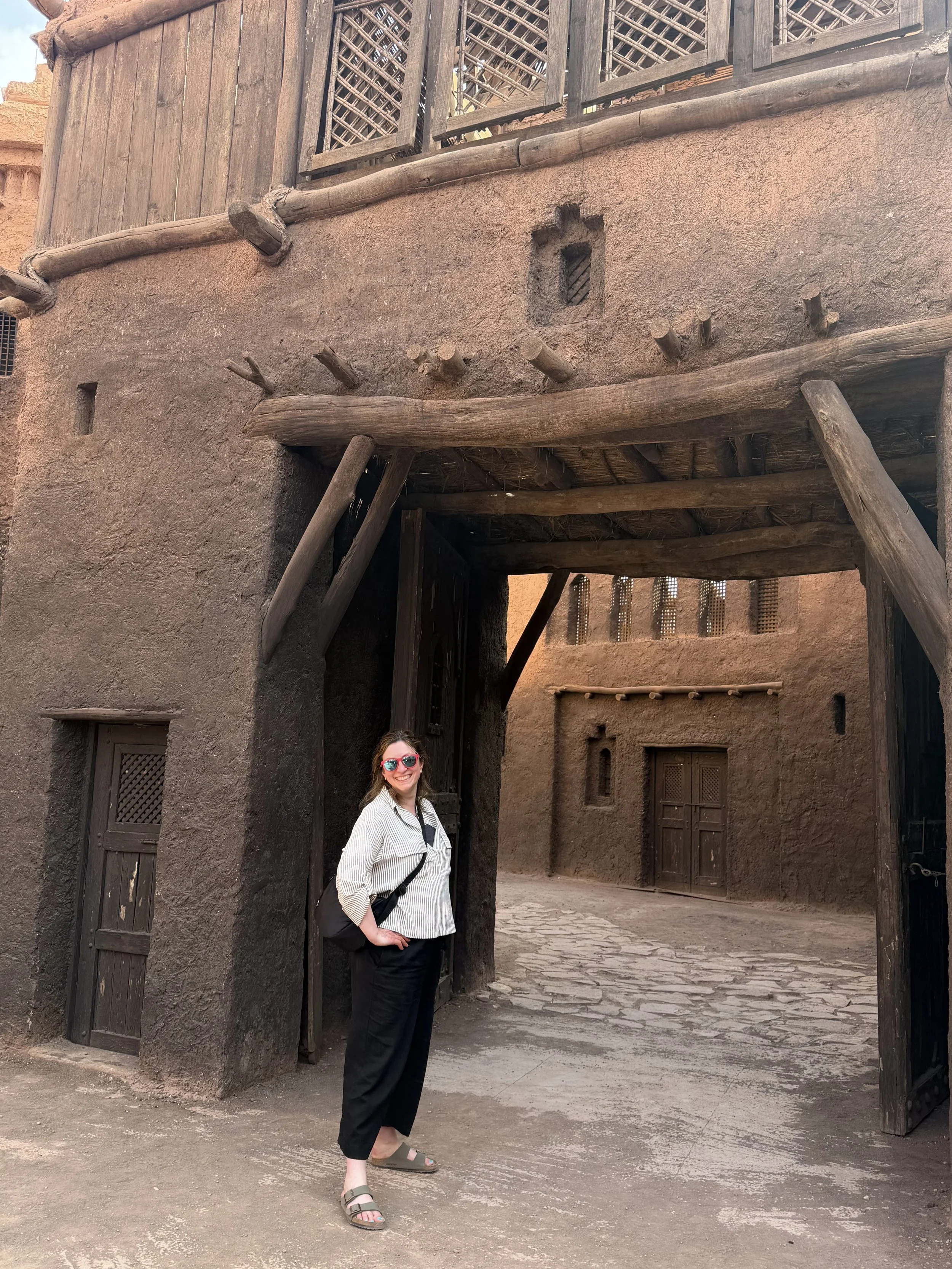
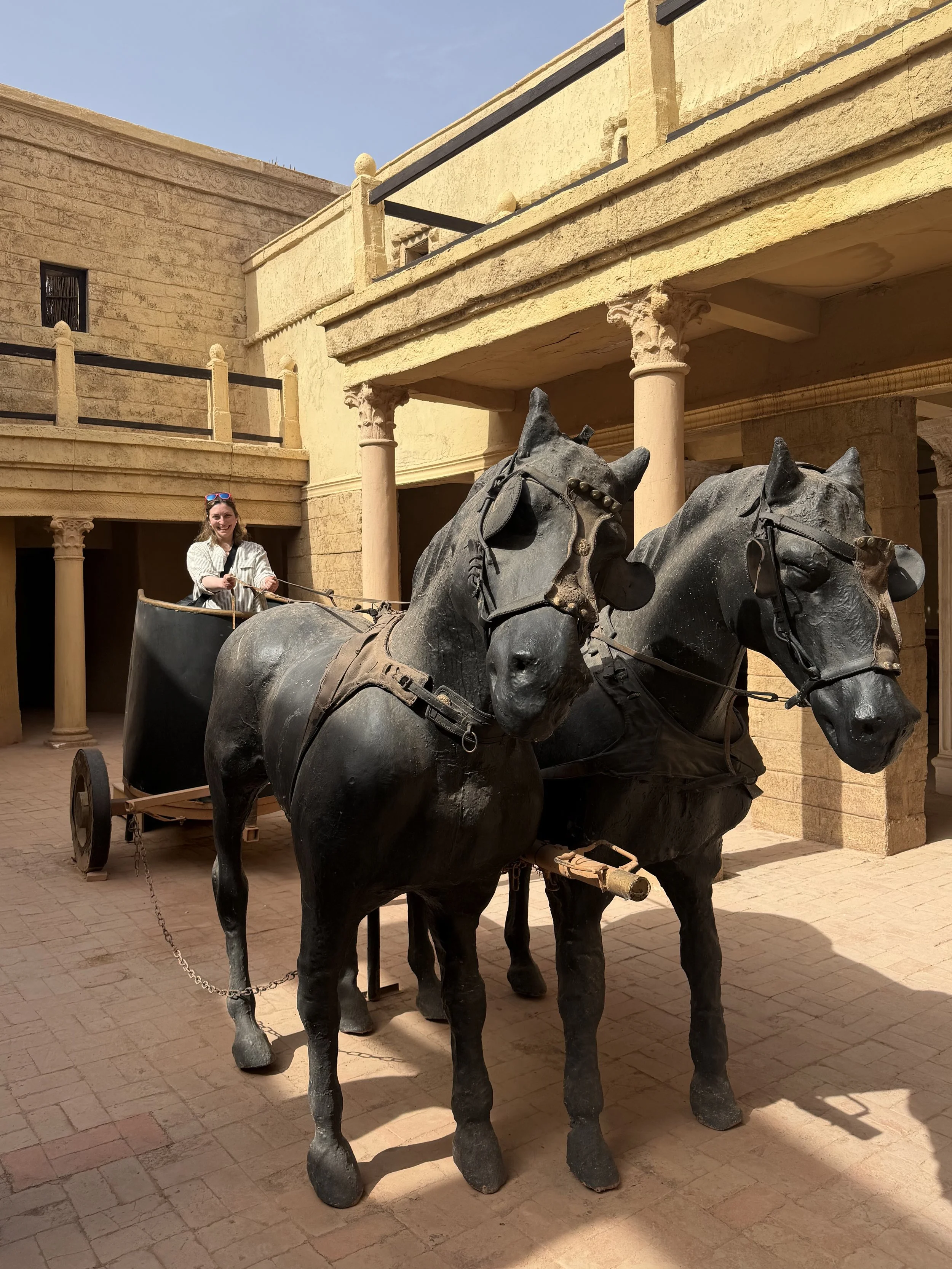
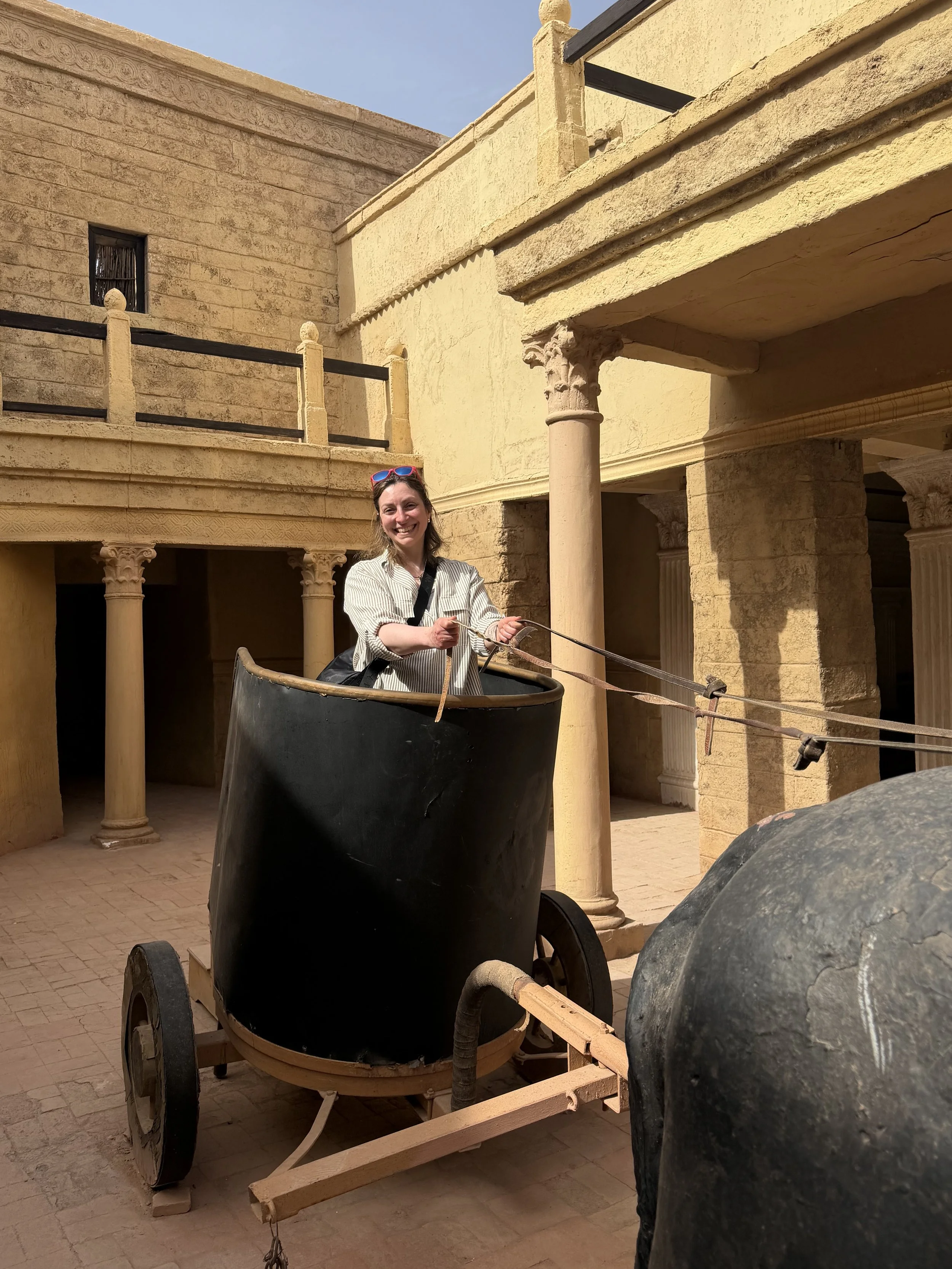
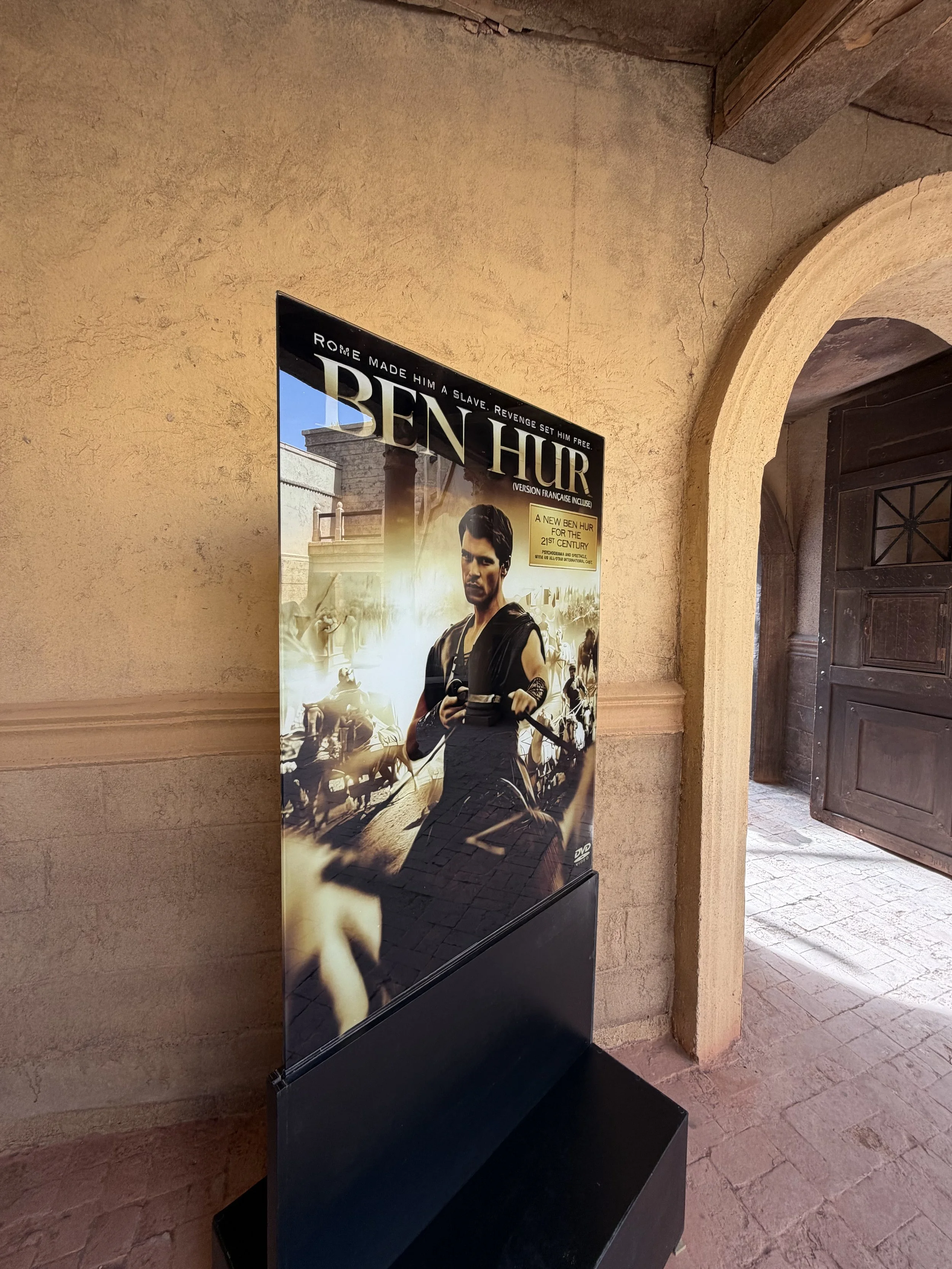
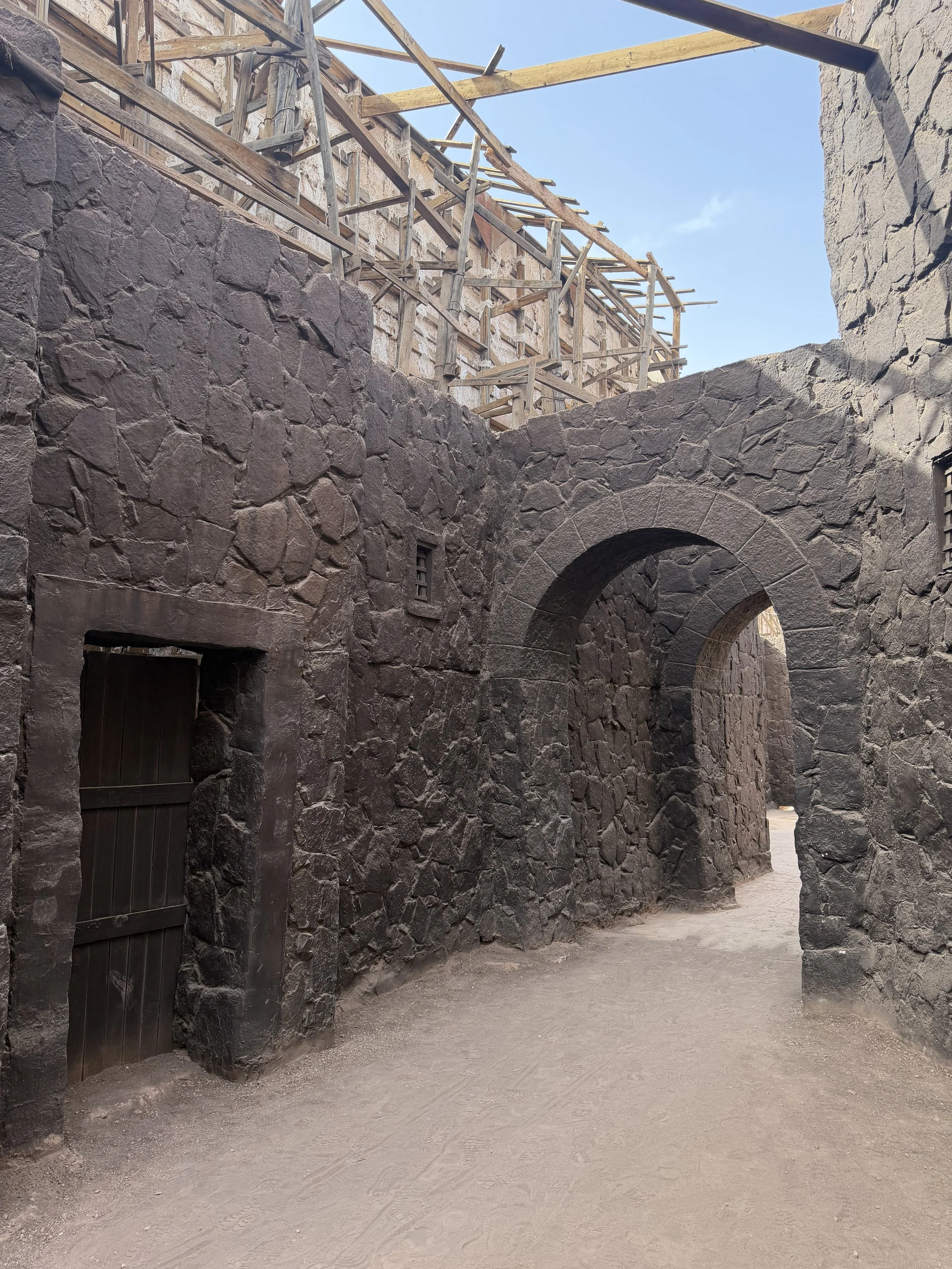
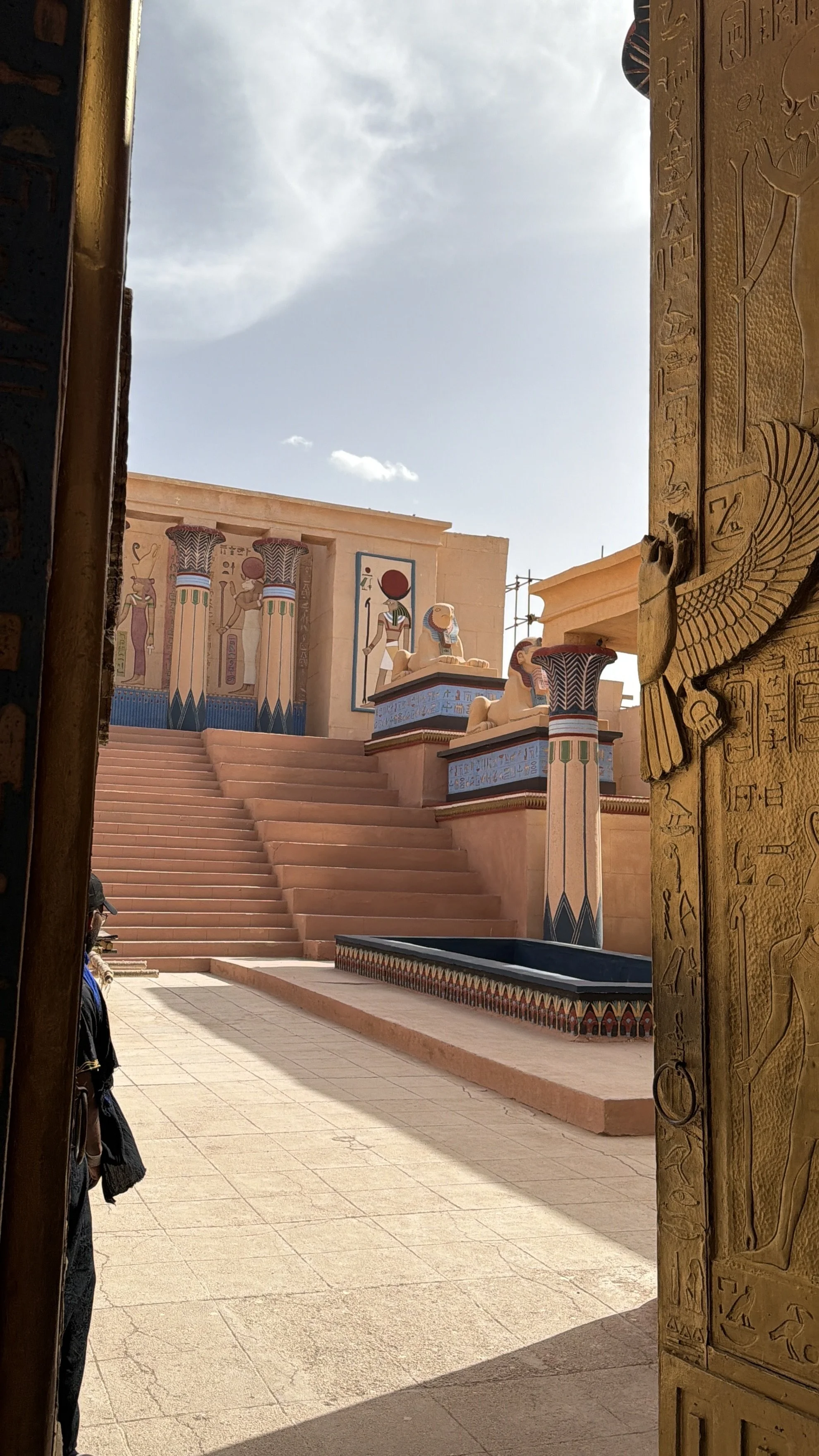
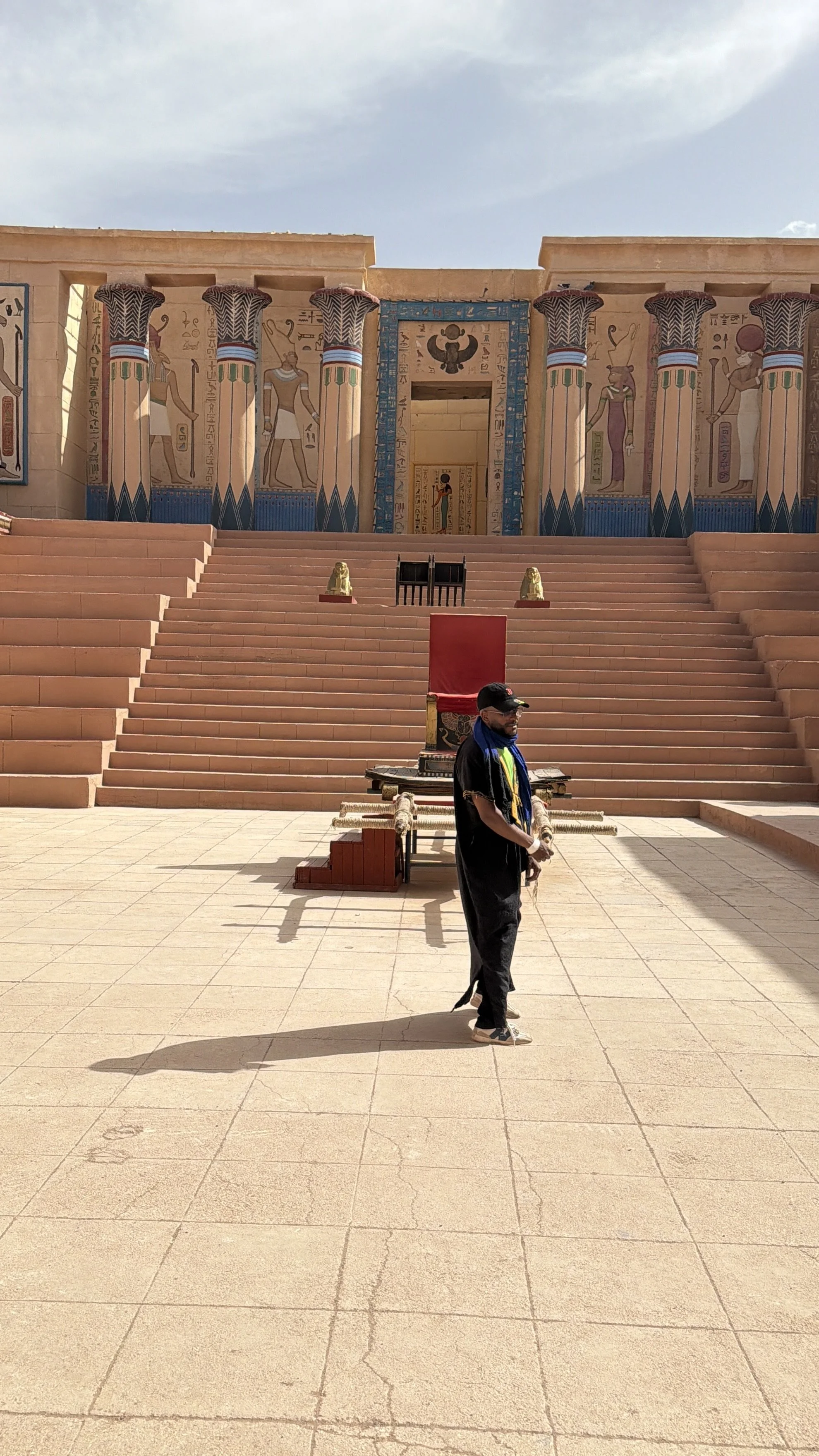
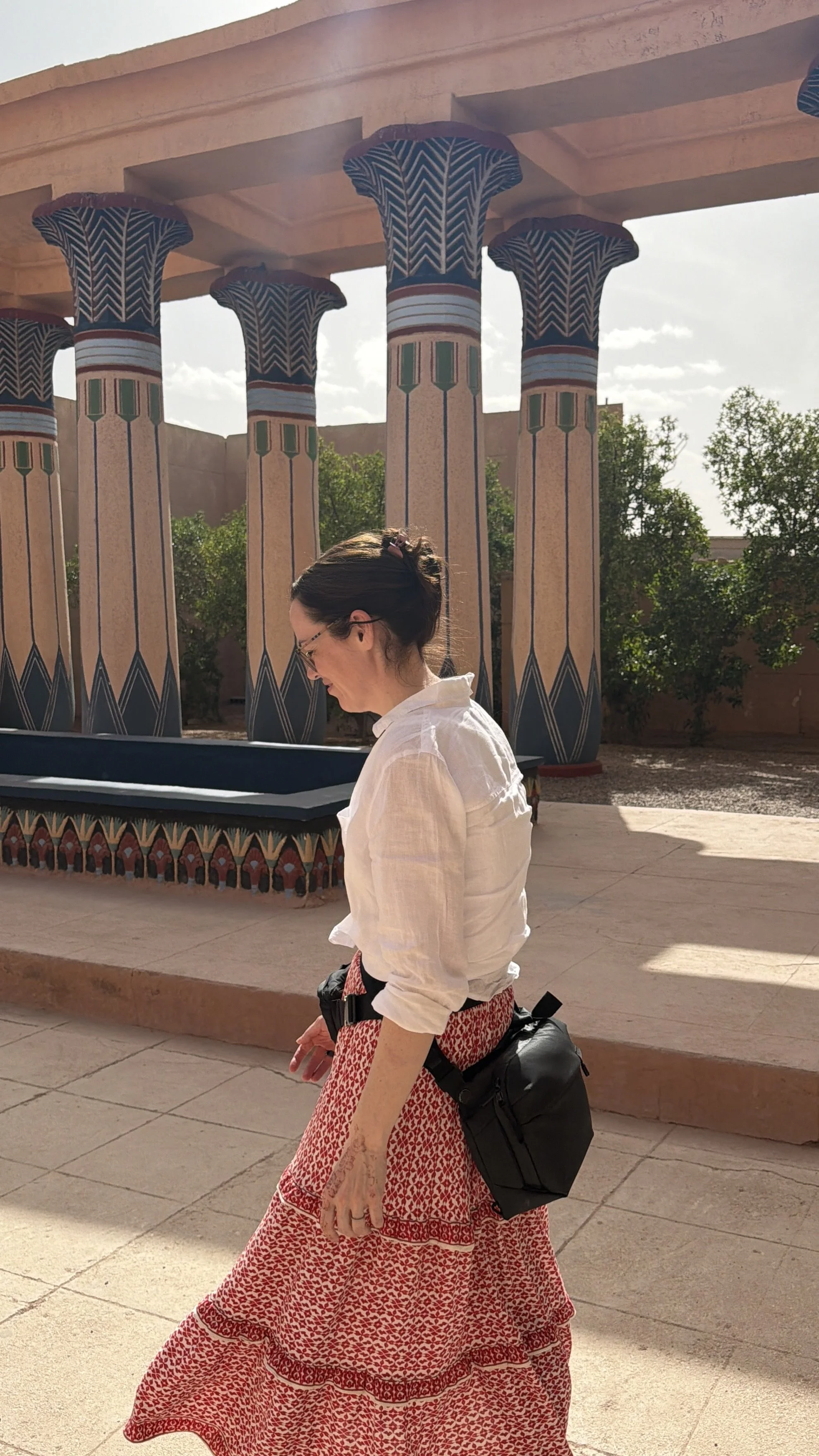
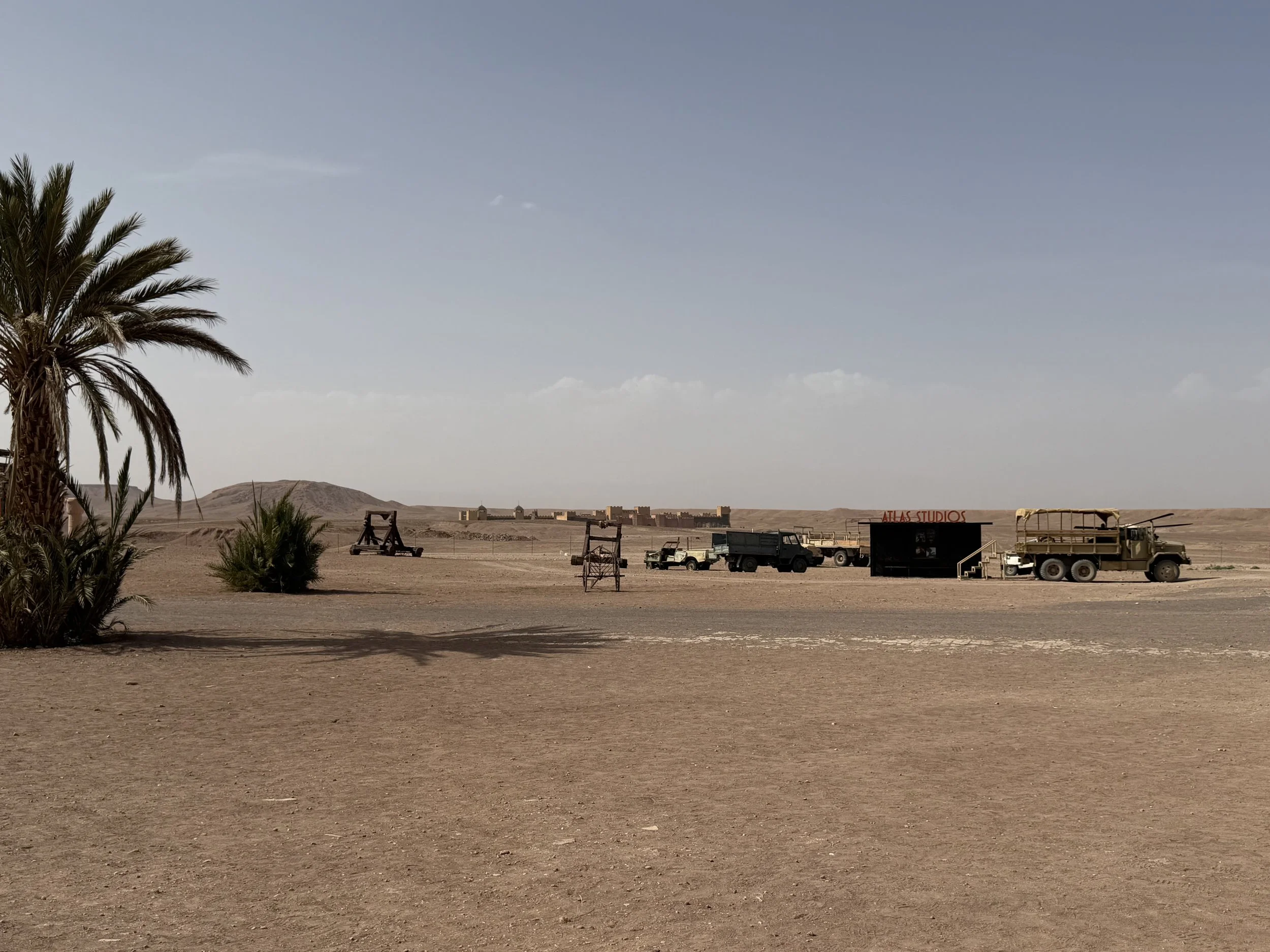
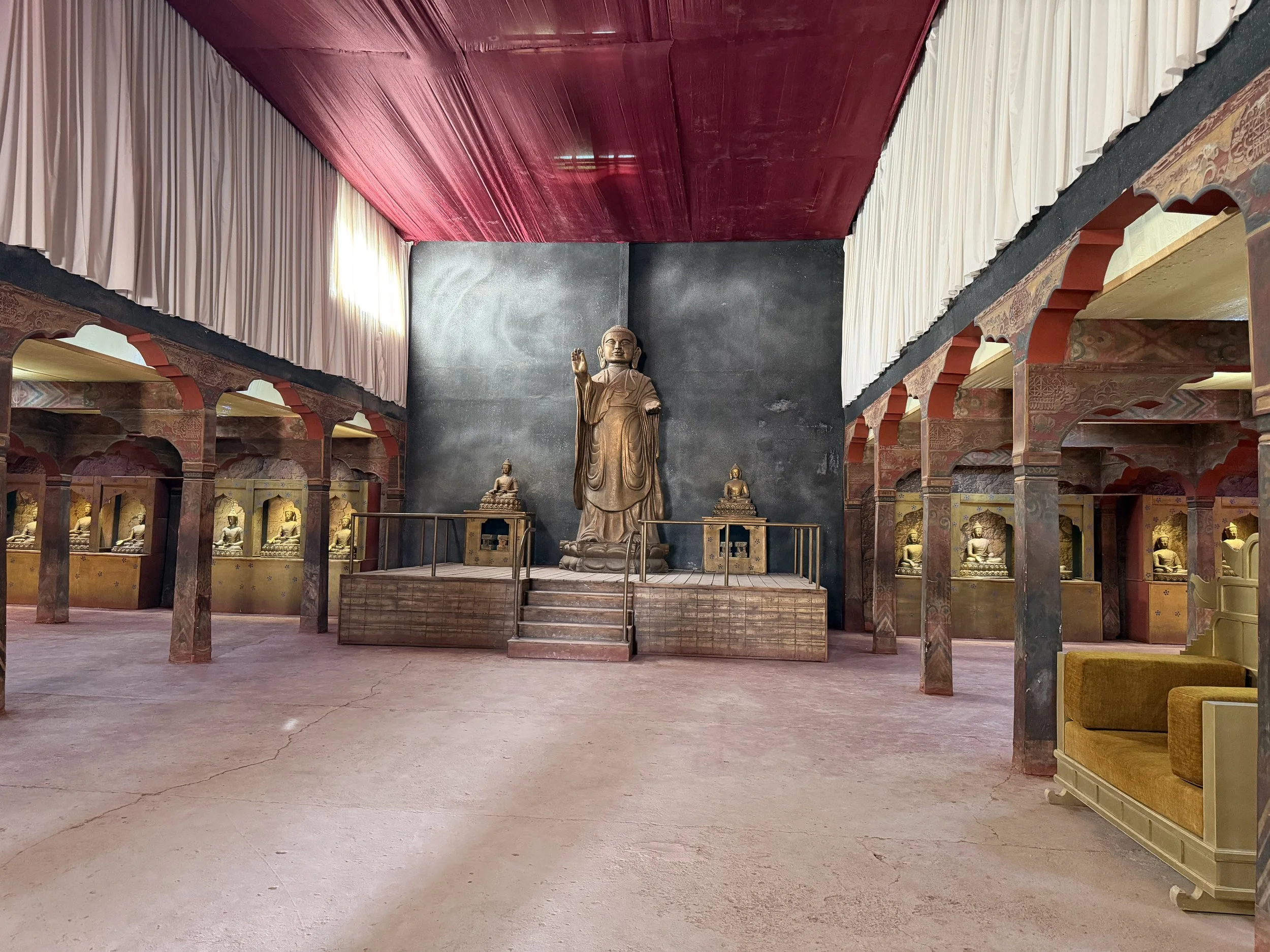
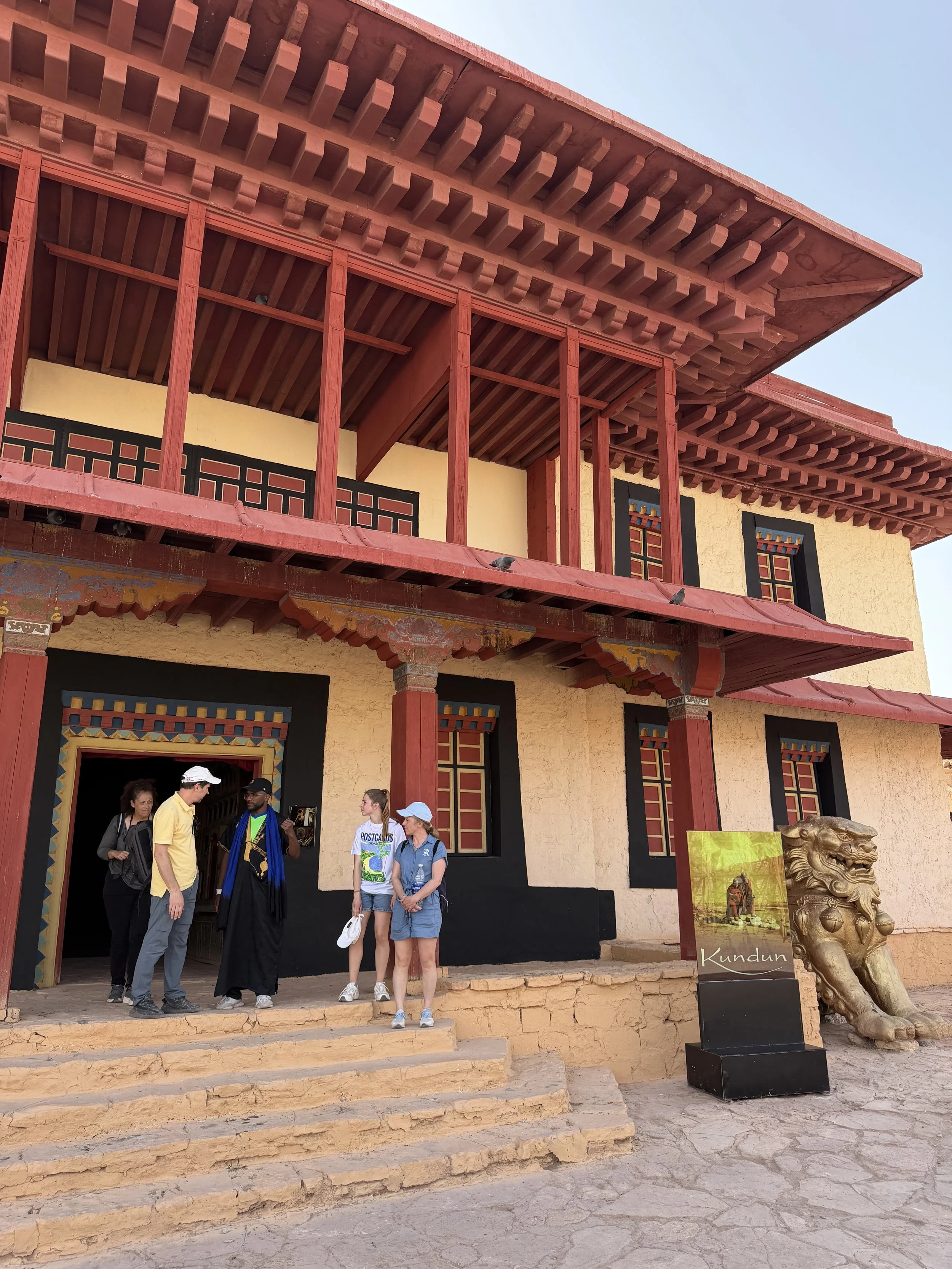
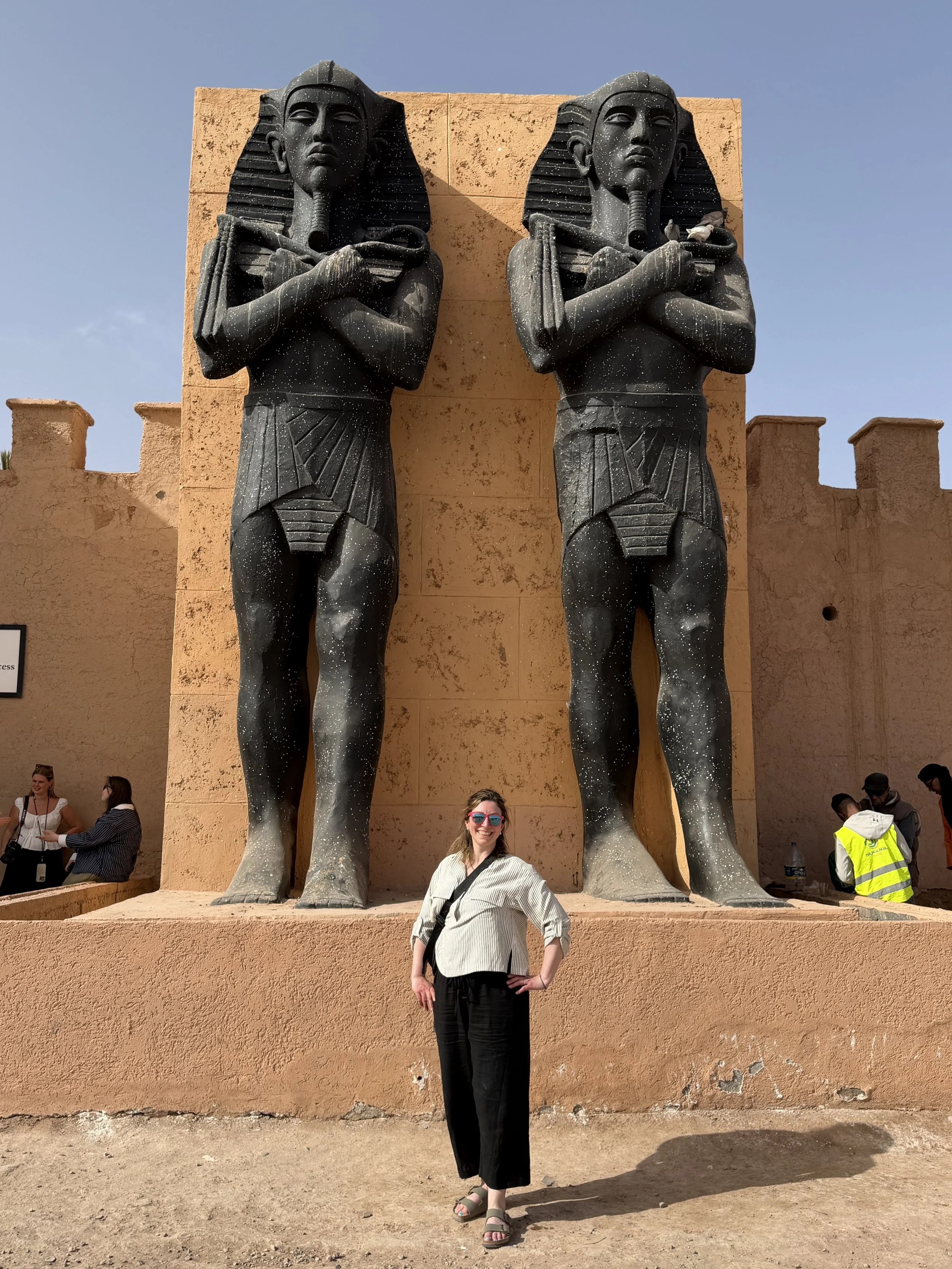
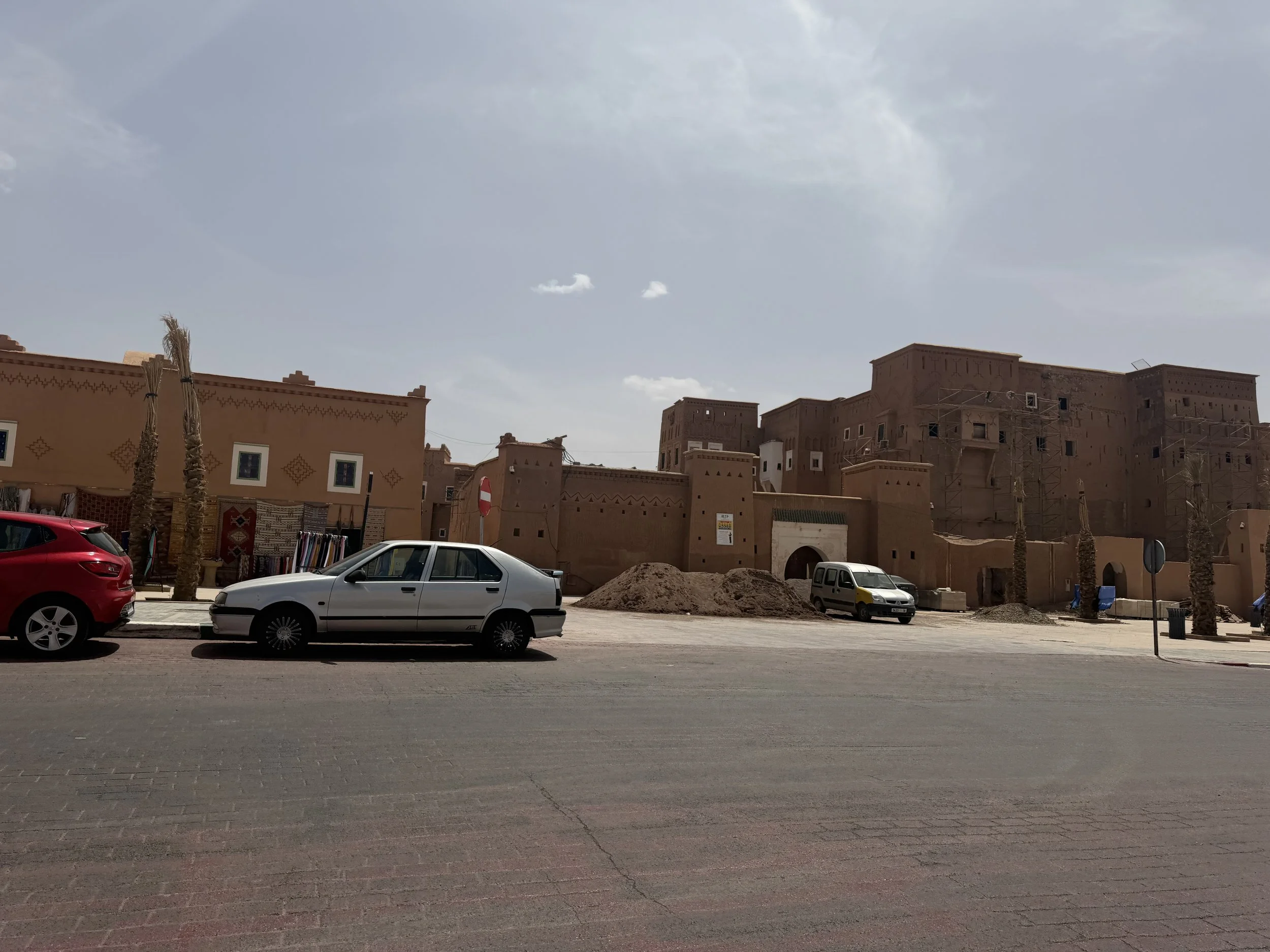
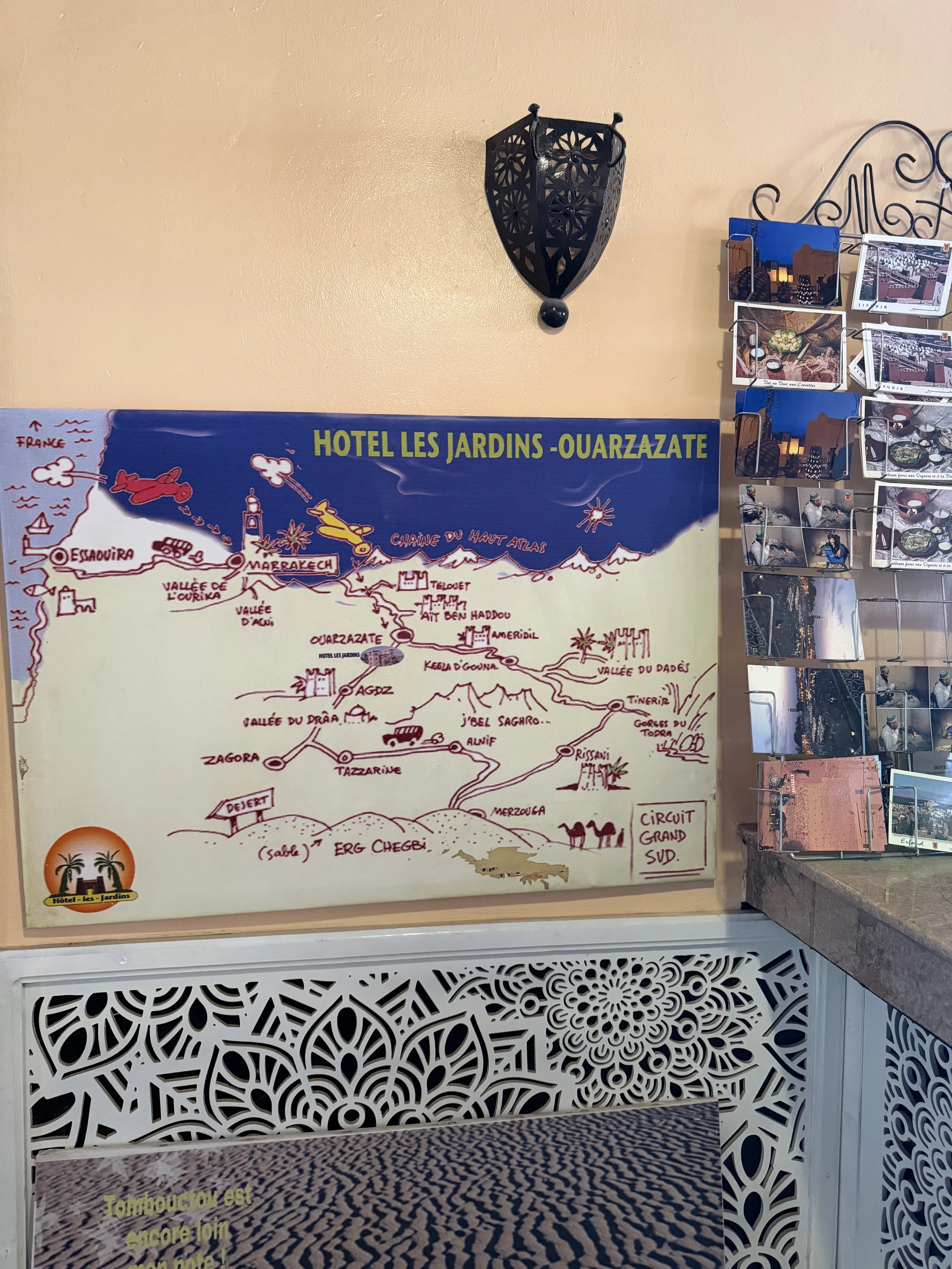
From there, we continued to Ouarzazate, often called the “Door of the Desert” and Morocco’s answer to Hollywood.
Over the decades, countless films and TV productions have been shot here, from Lawrence of Arabia to Gladiator, Game of Thrones, and many more. The city’s dramatic desert scenery makes it the perfect cinematic backdrop.
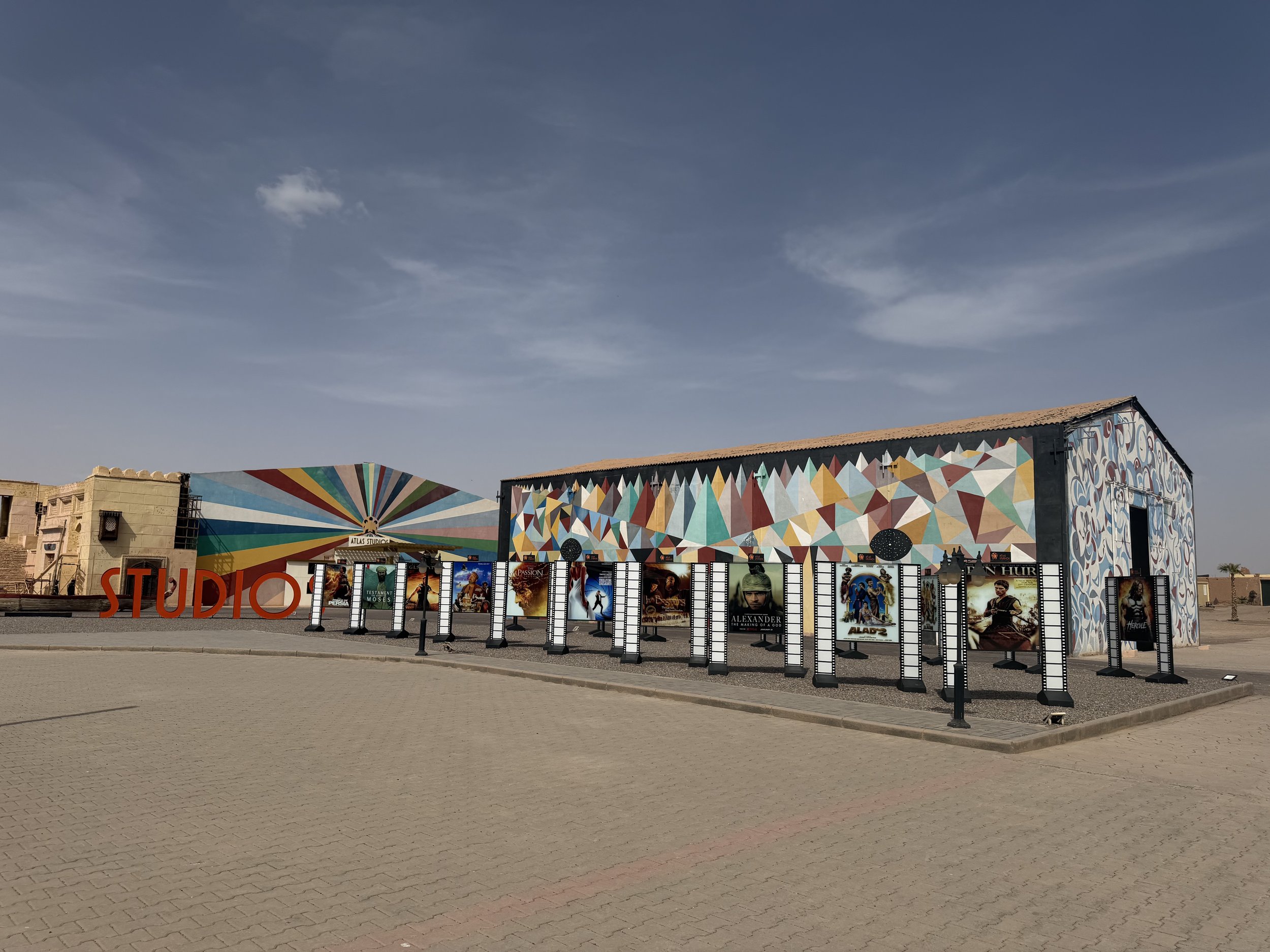
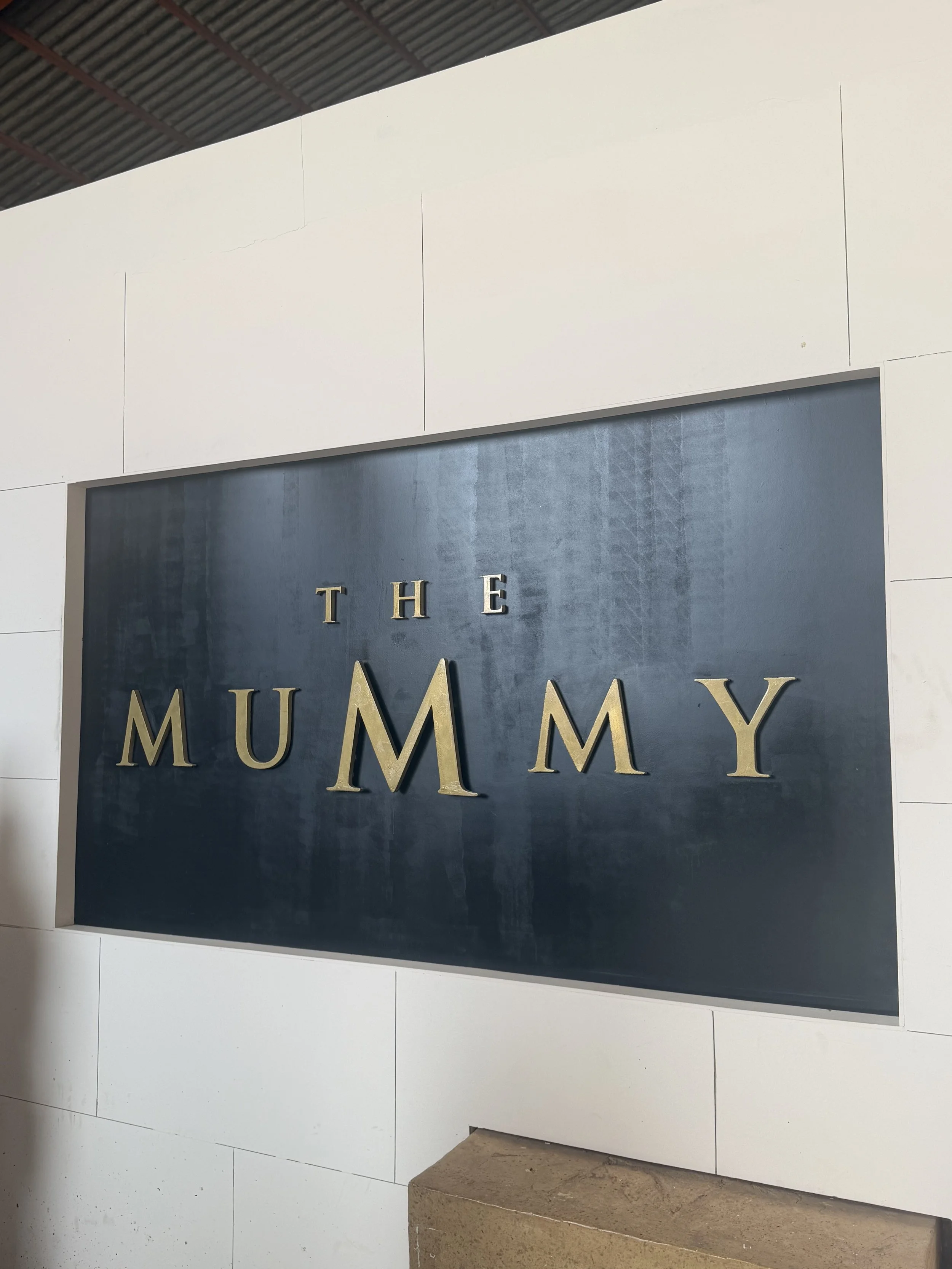
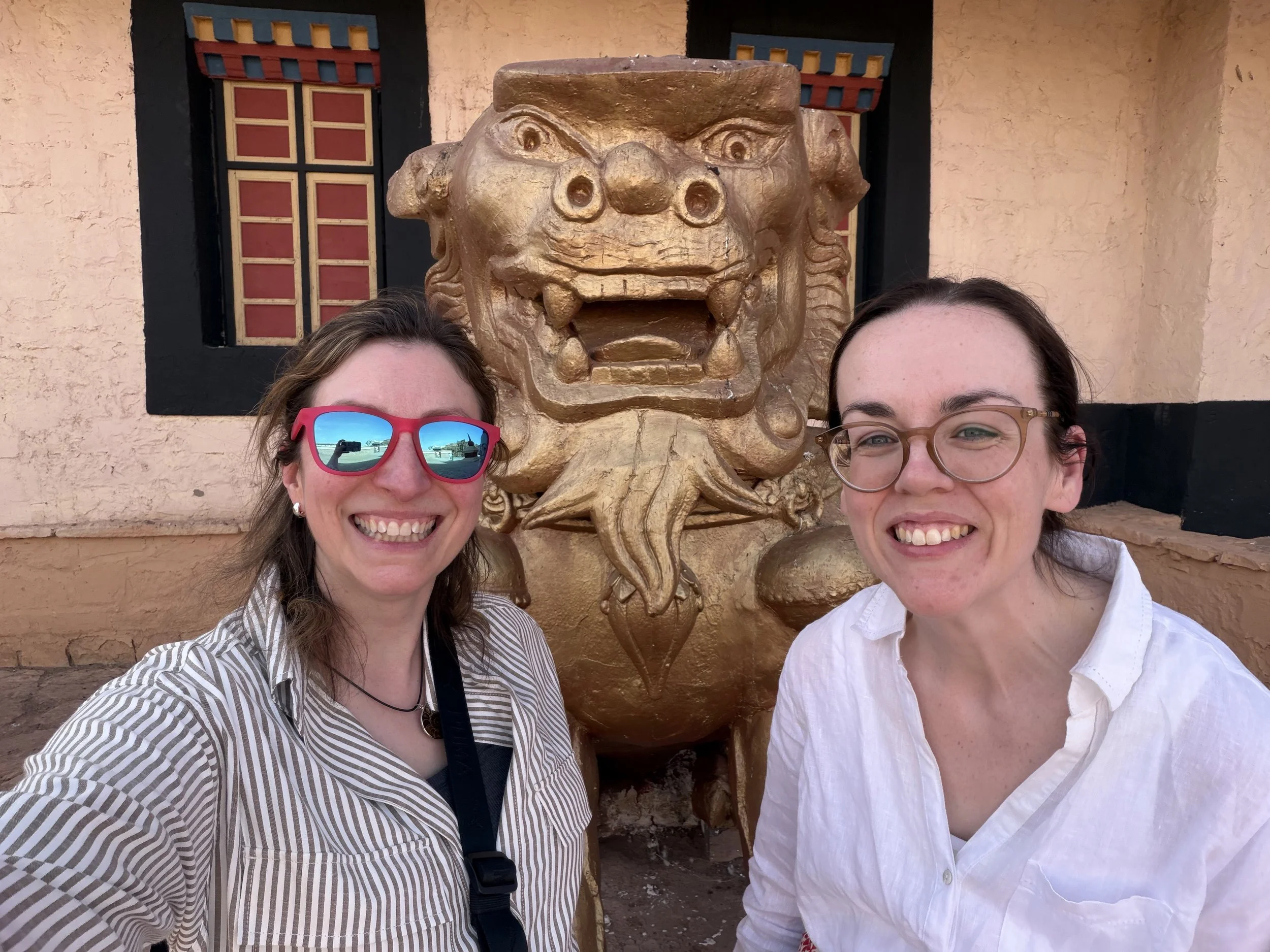
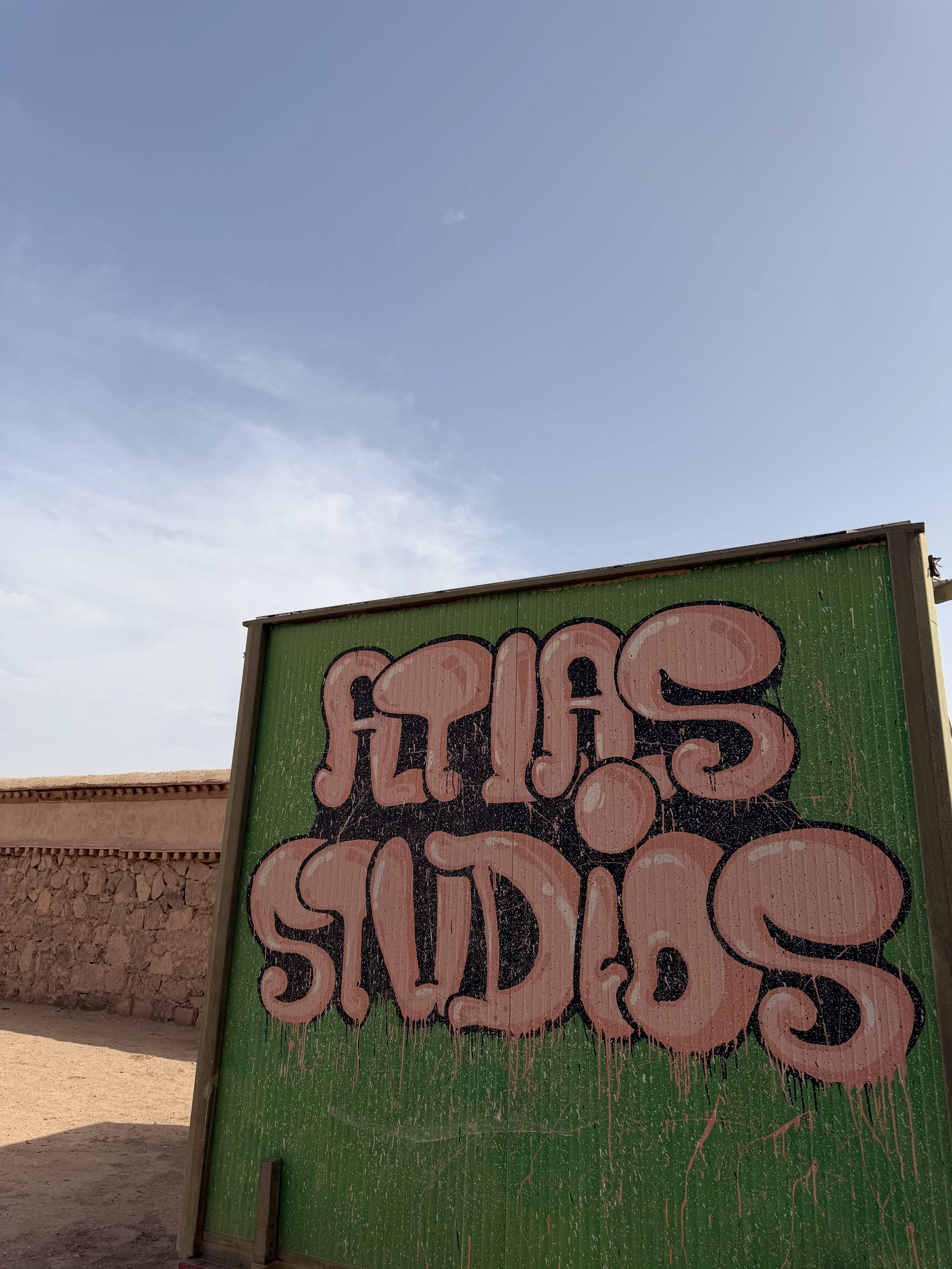
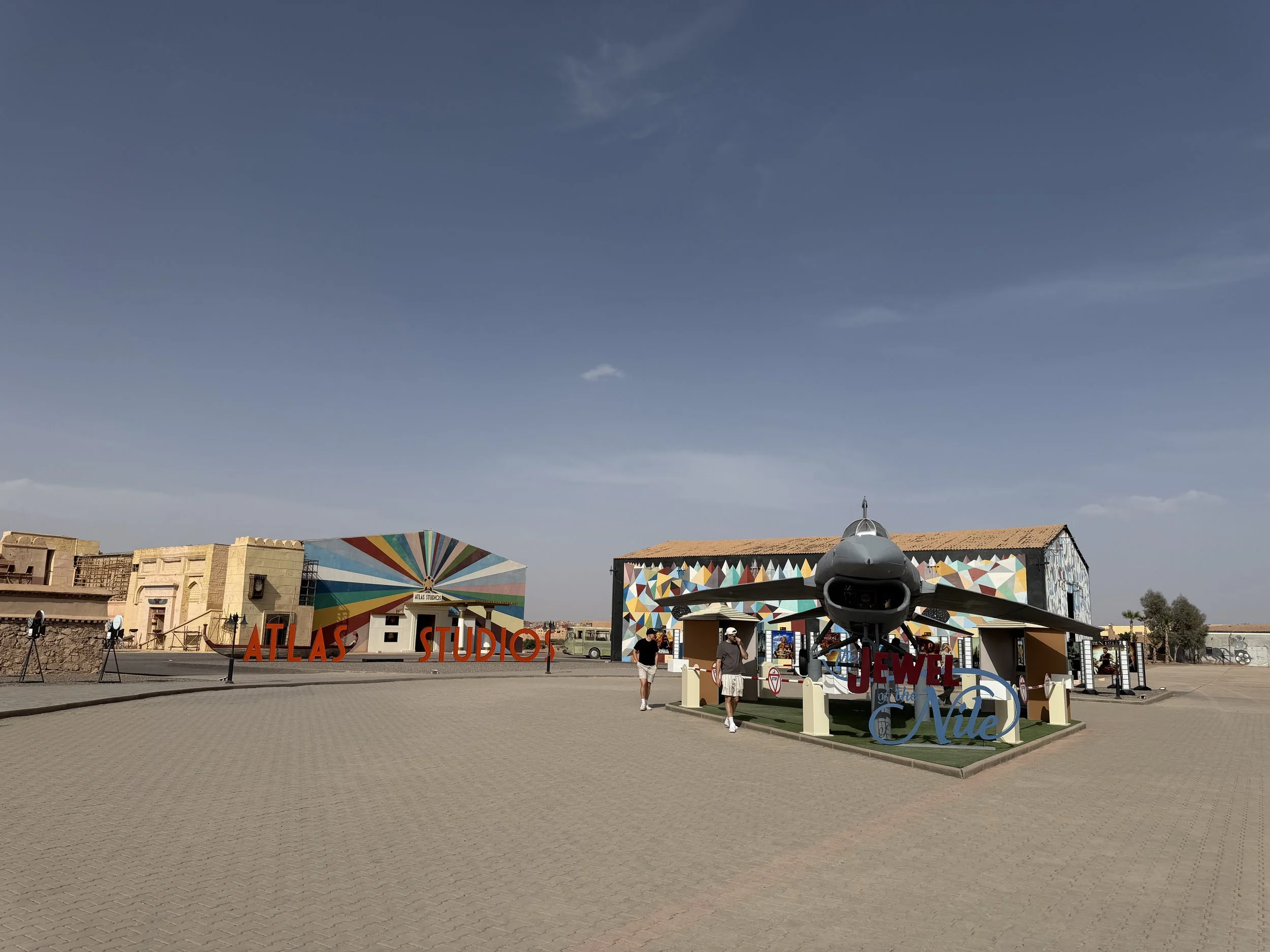
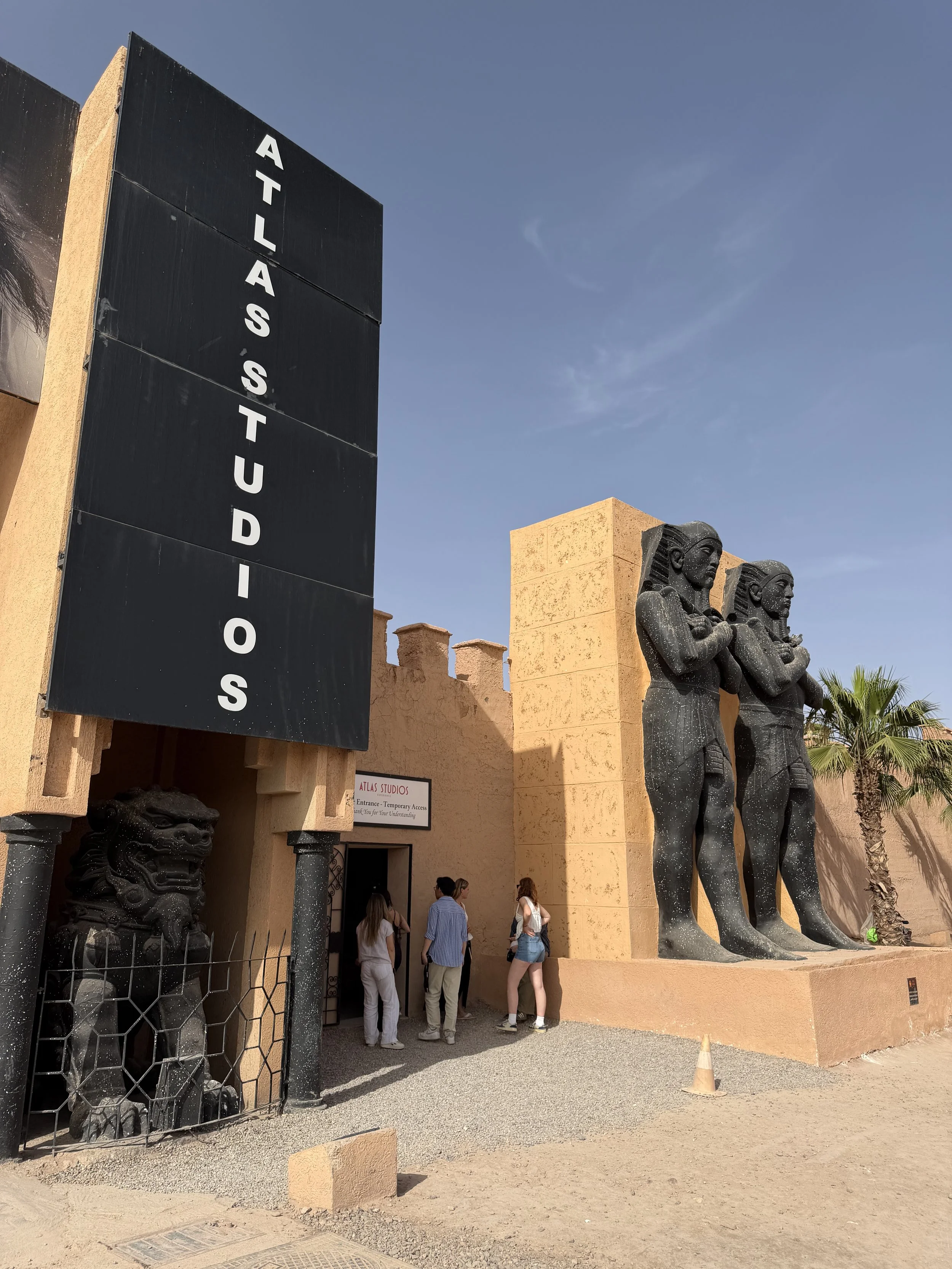
We also passed by Atlas Studios, one of the world’s largest film studios, where entire movie sets rise unexpectedly from the desert landscape. It’s such a fascinating contrast — ancient kasbahs and modern filmmaking existing side by side.
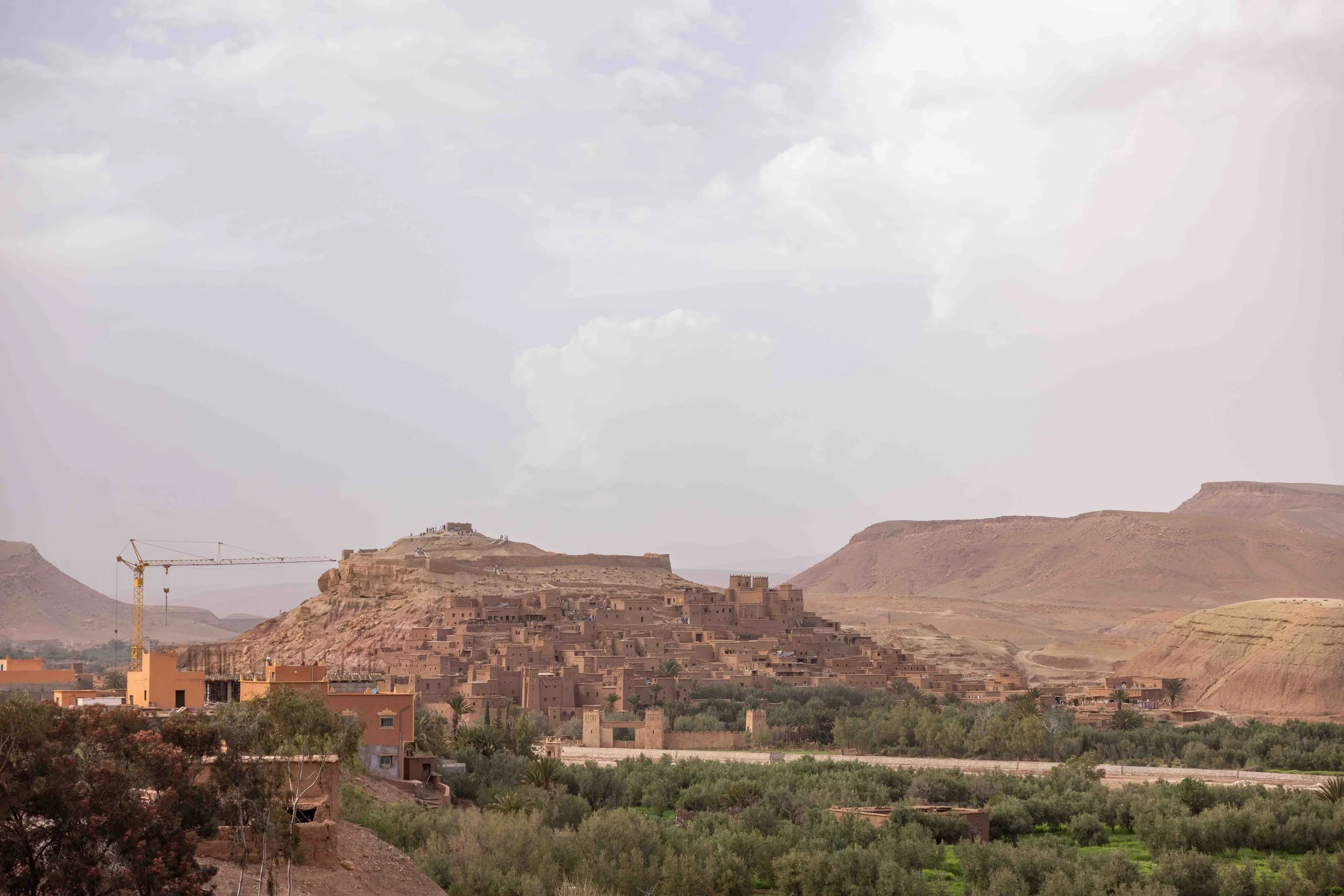
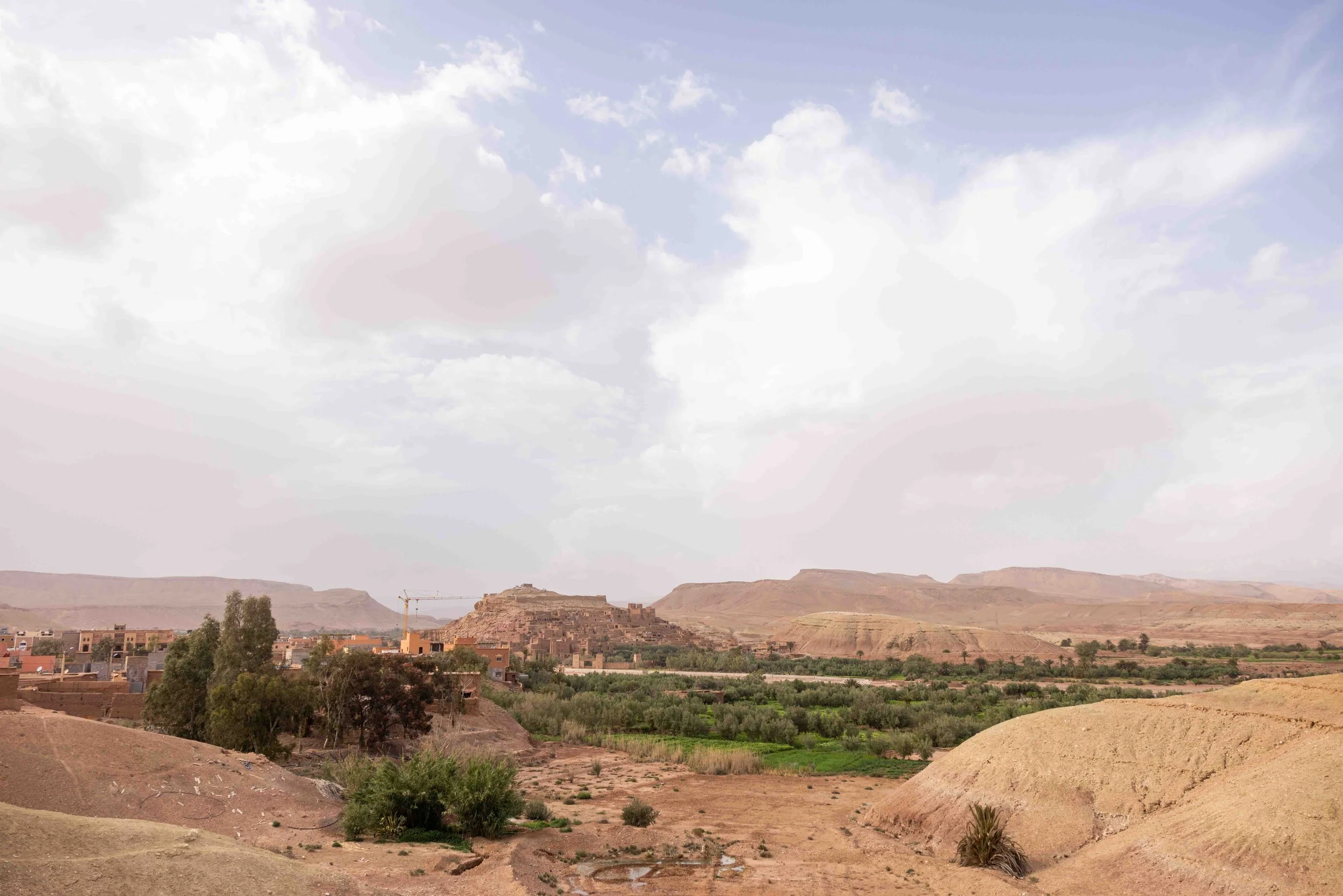
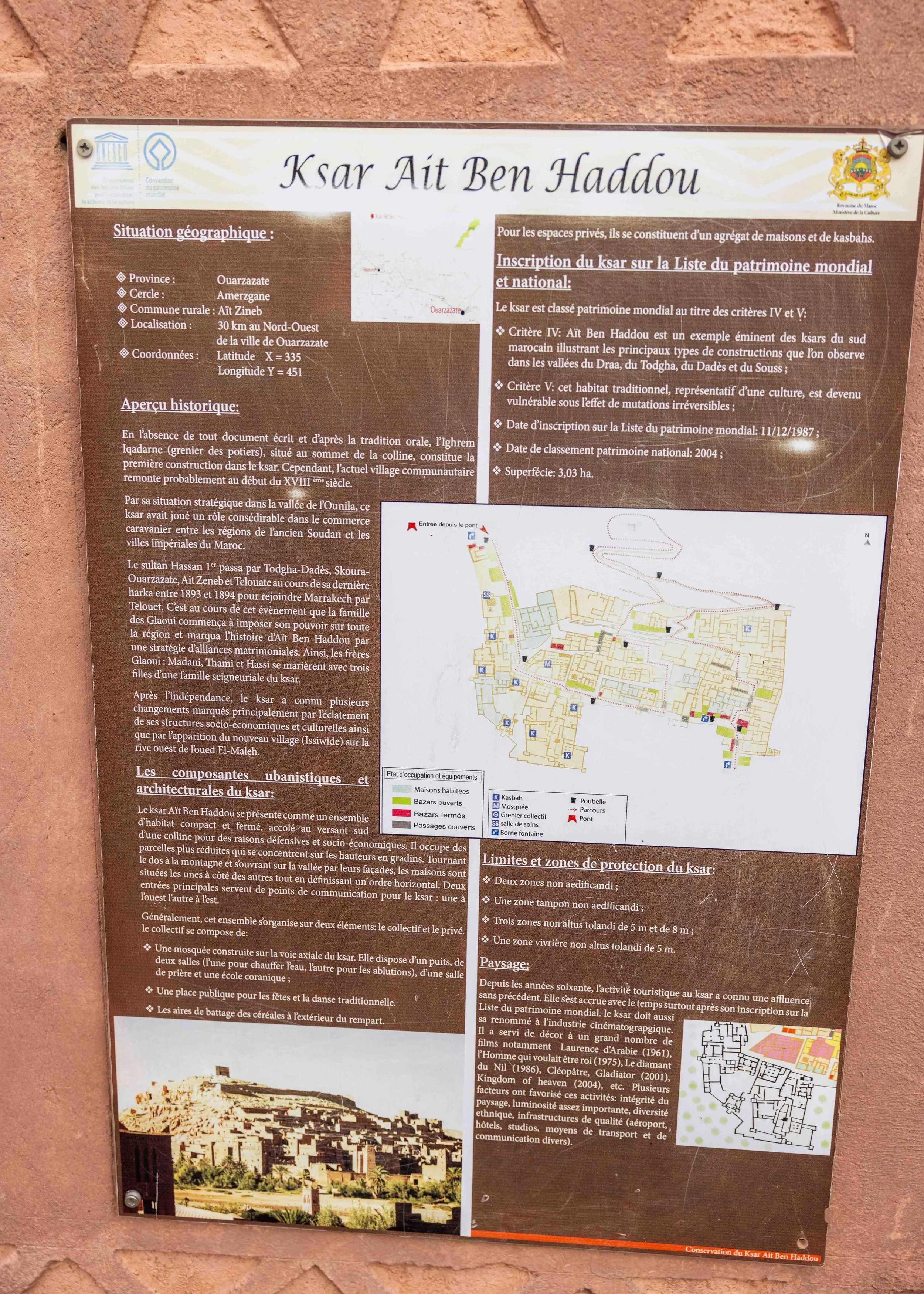
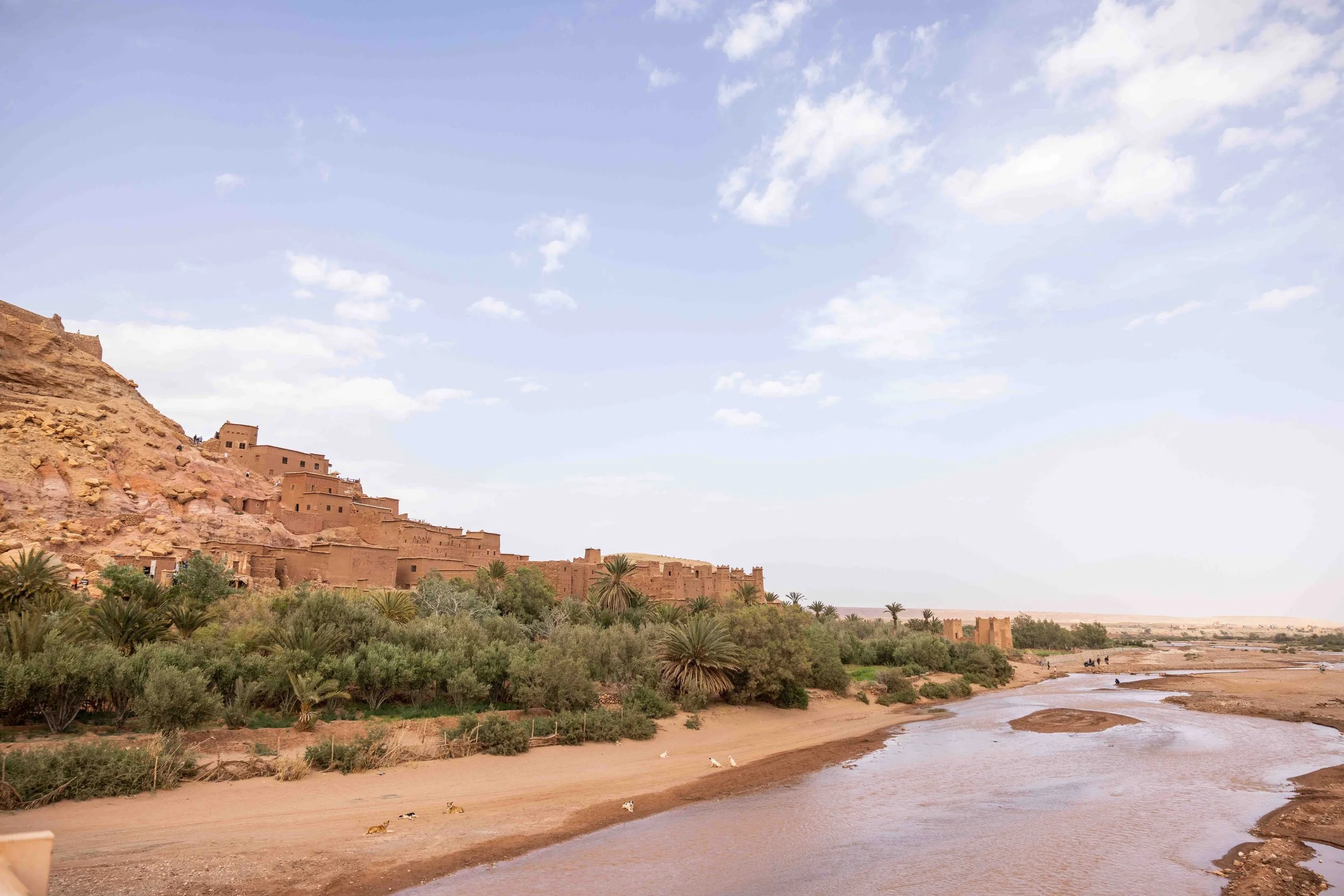
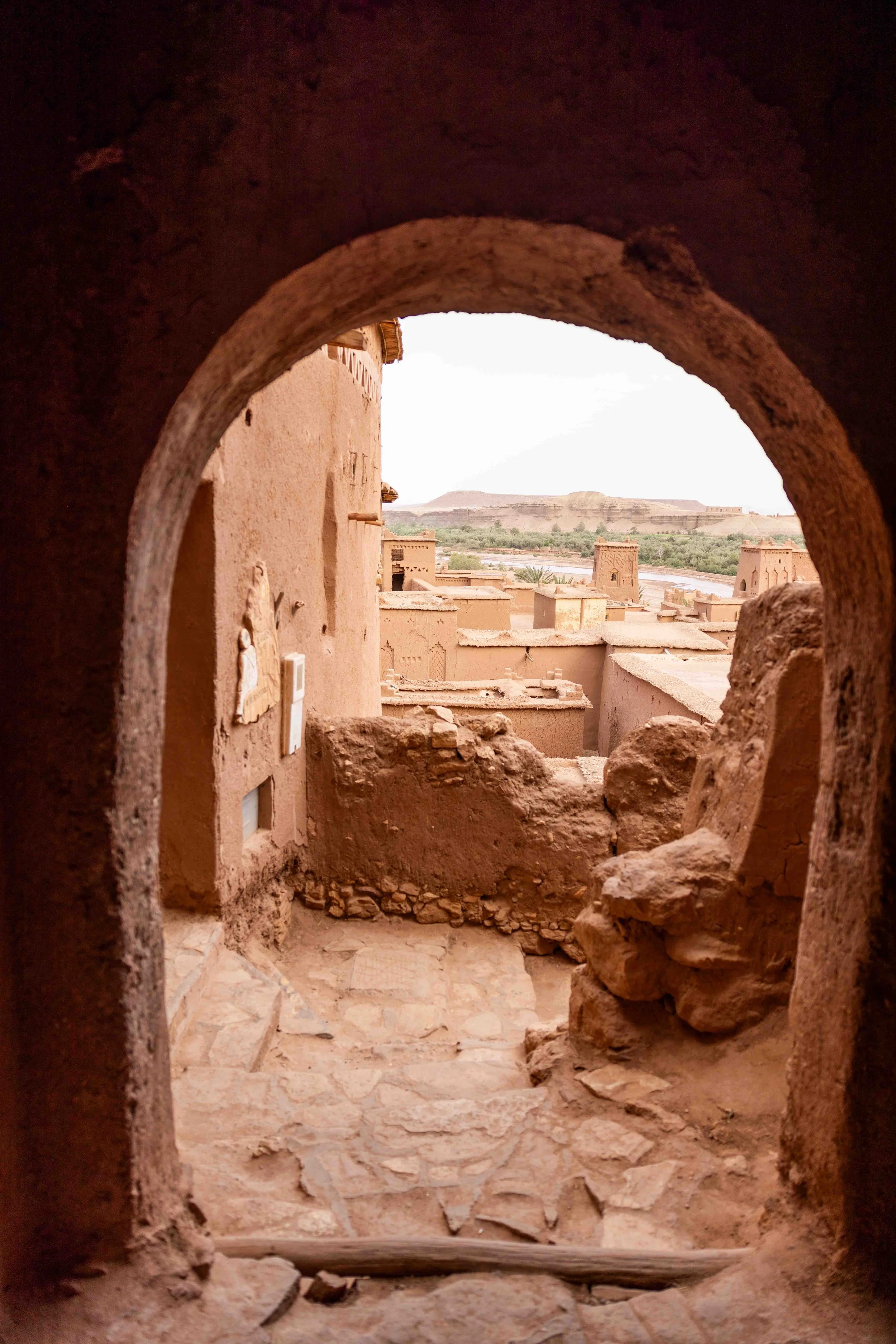
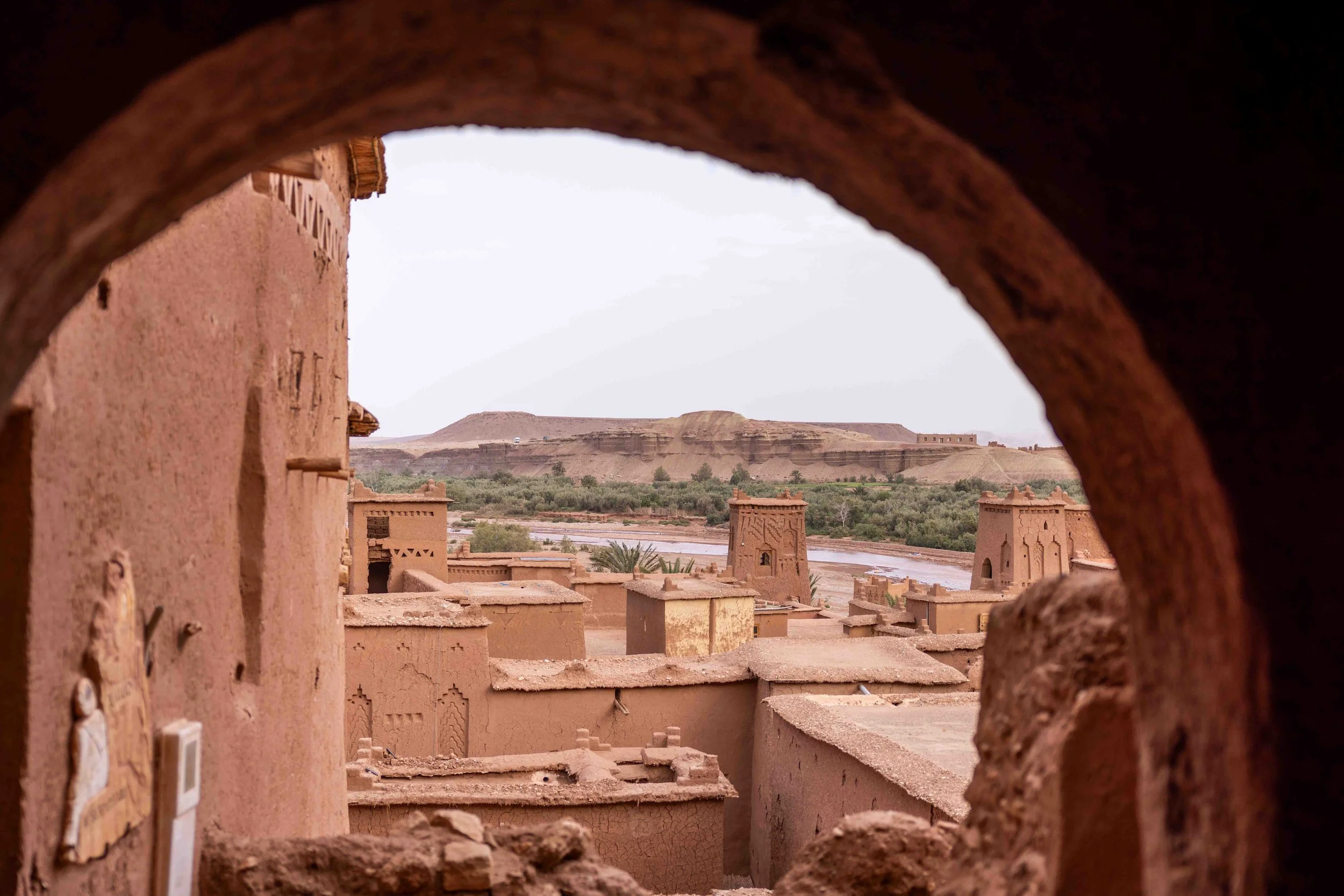
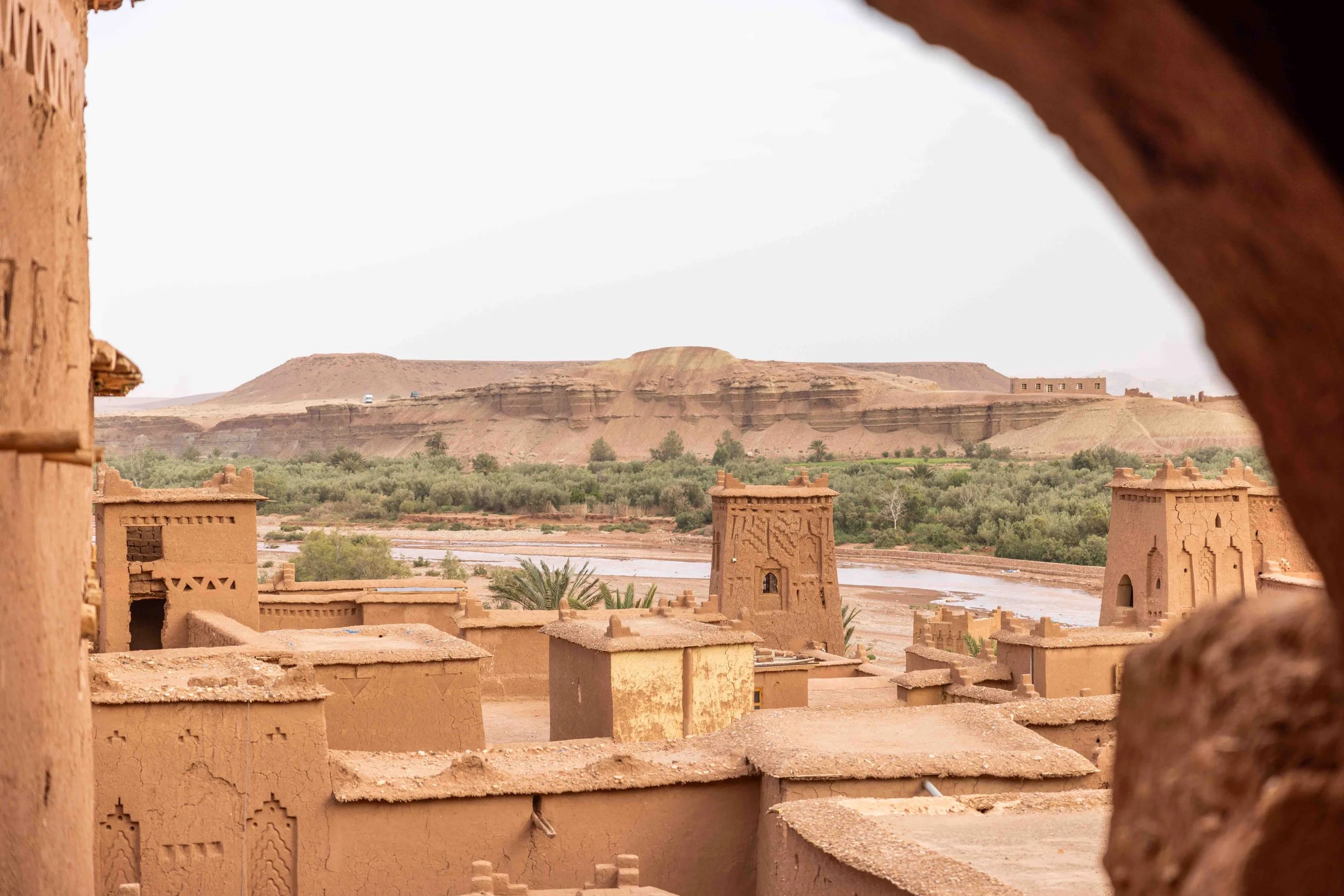
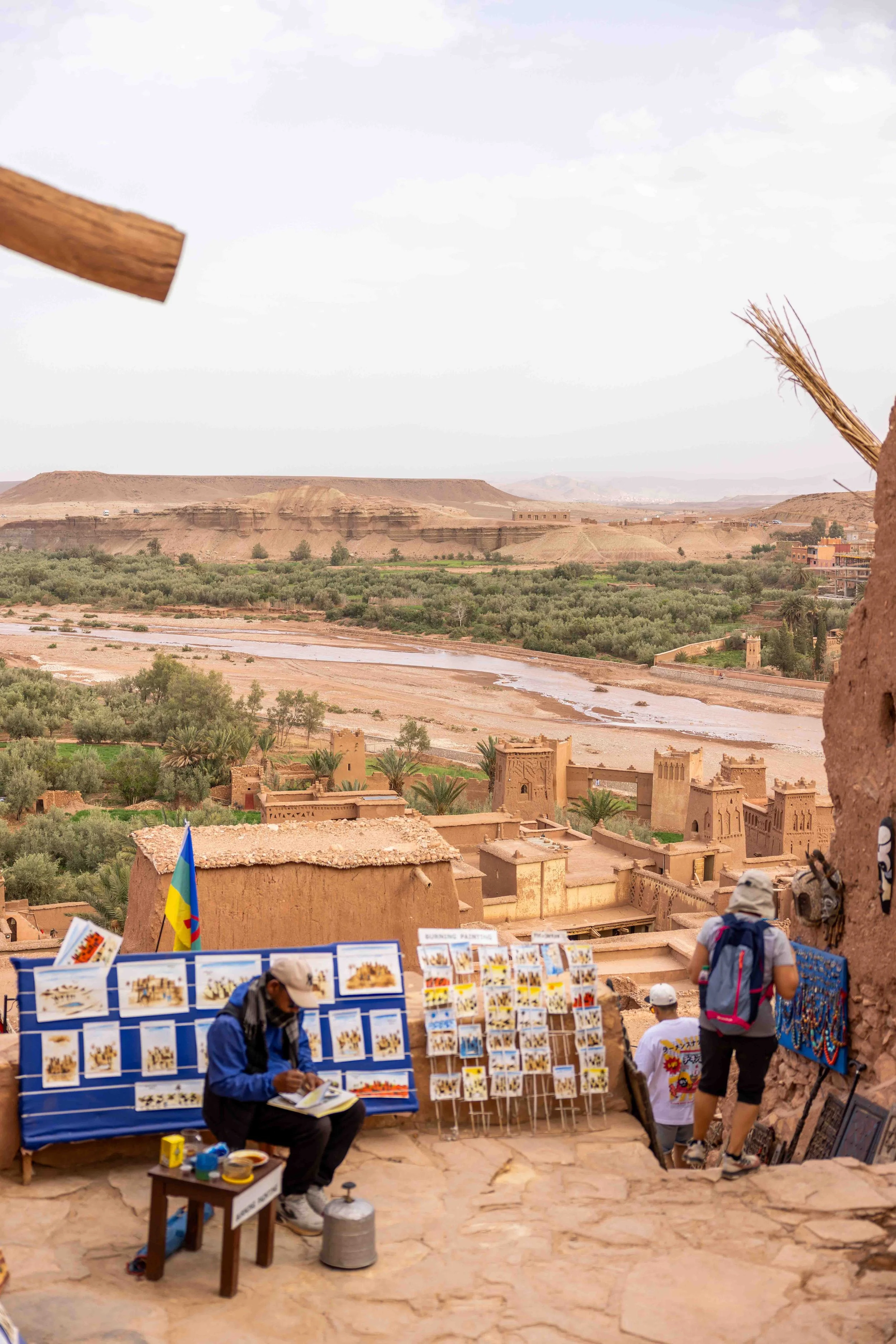
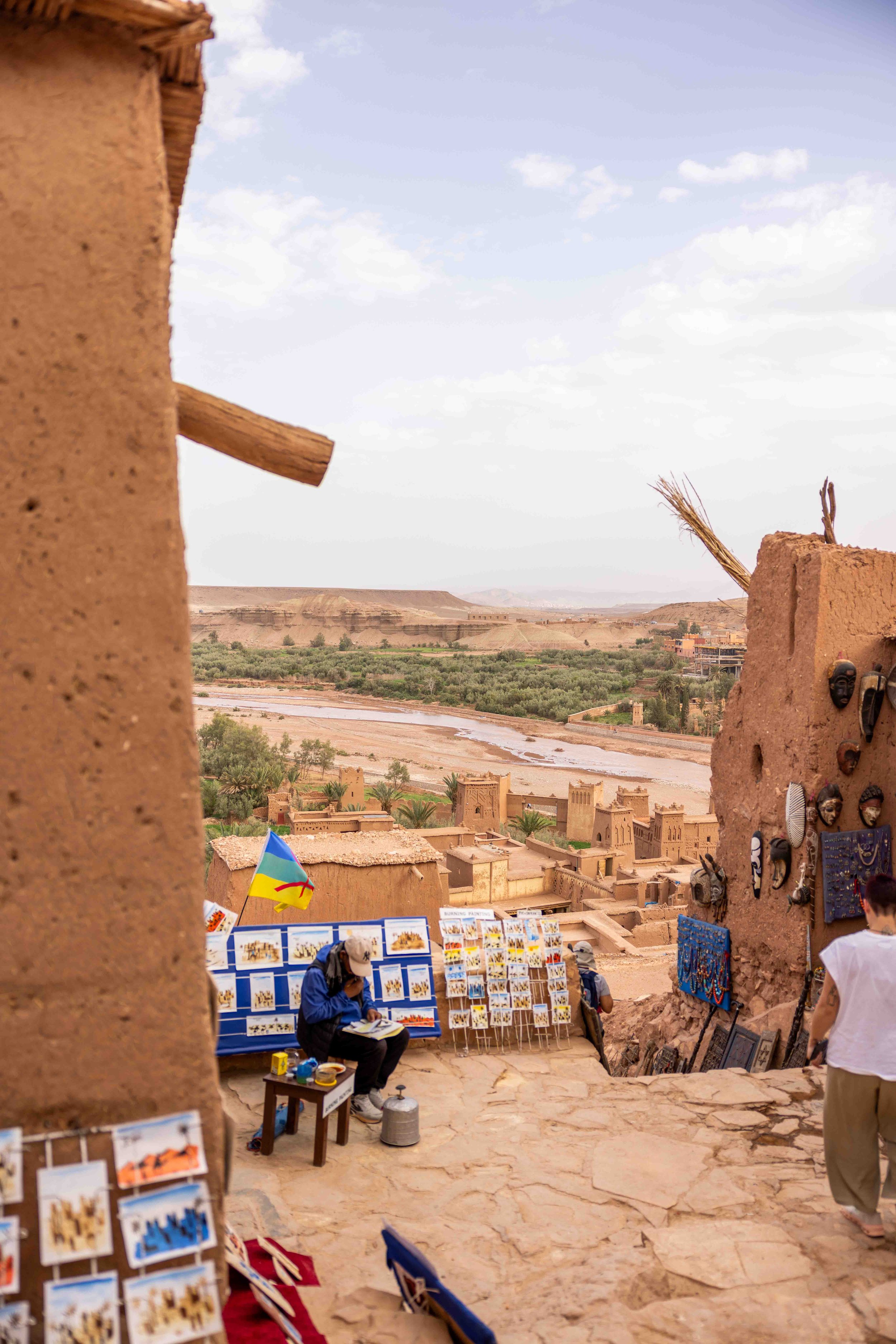
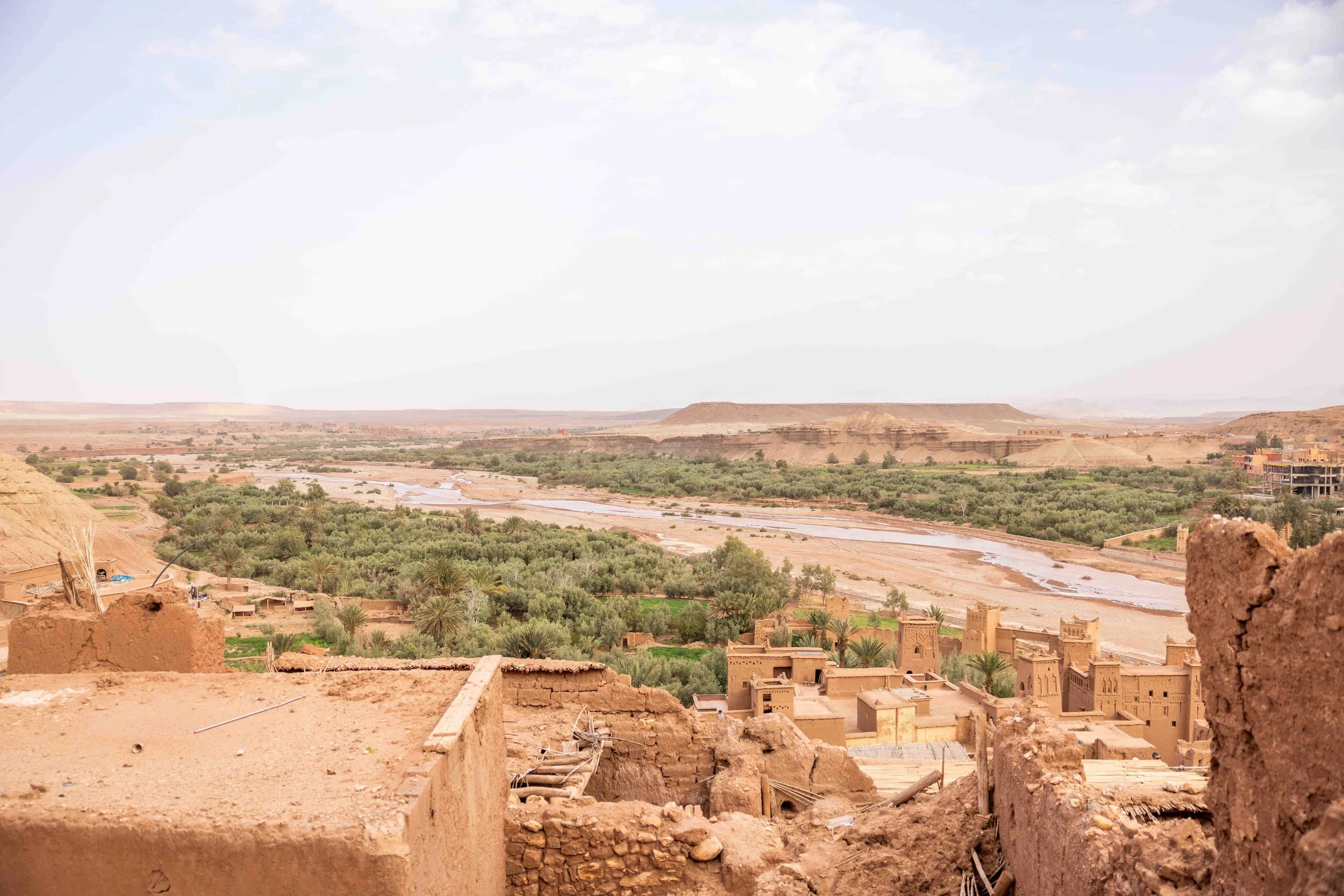
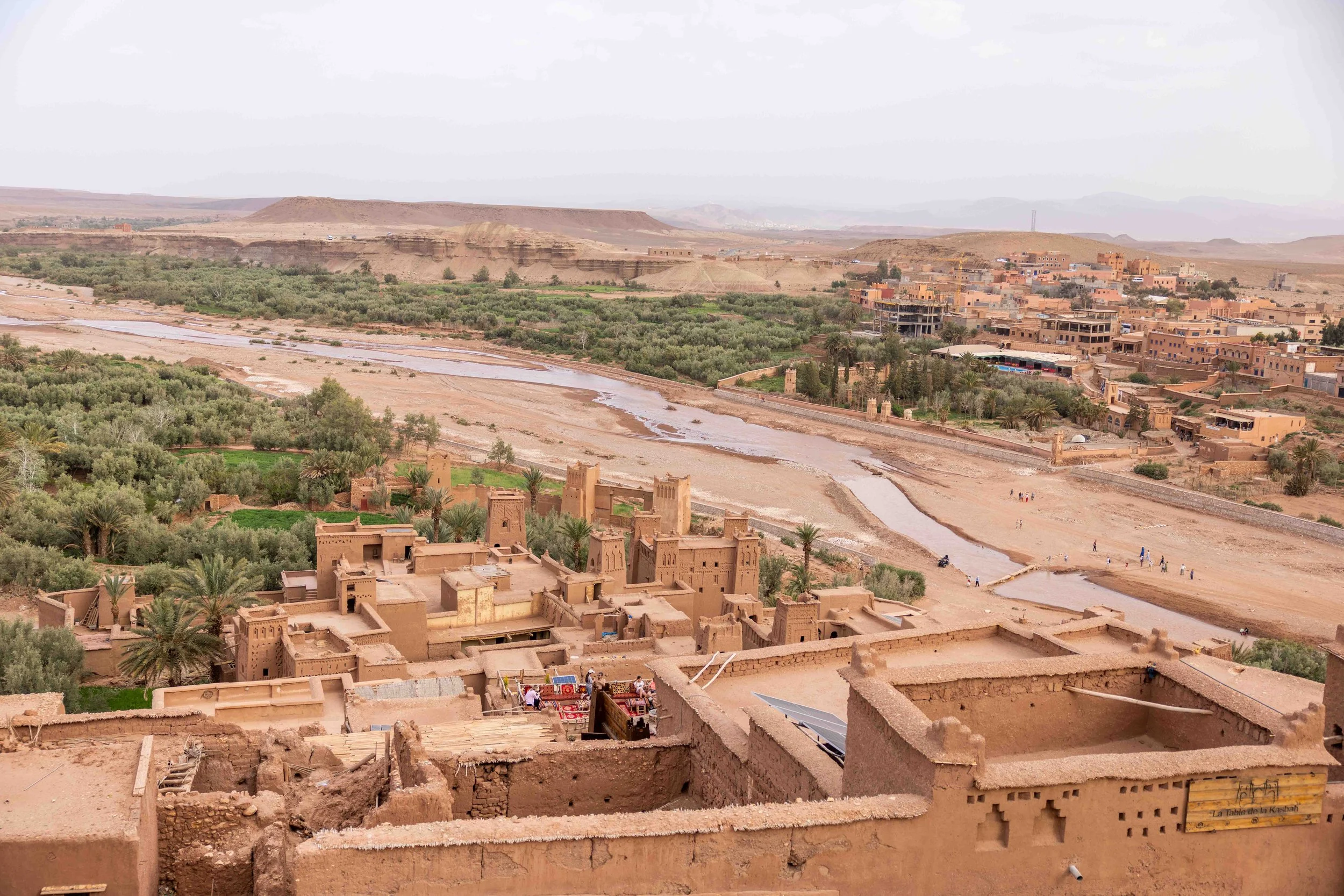
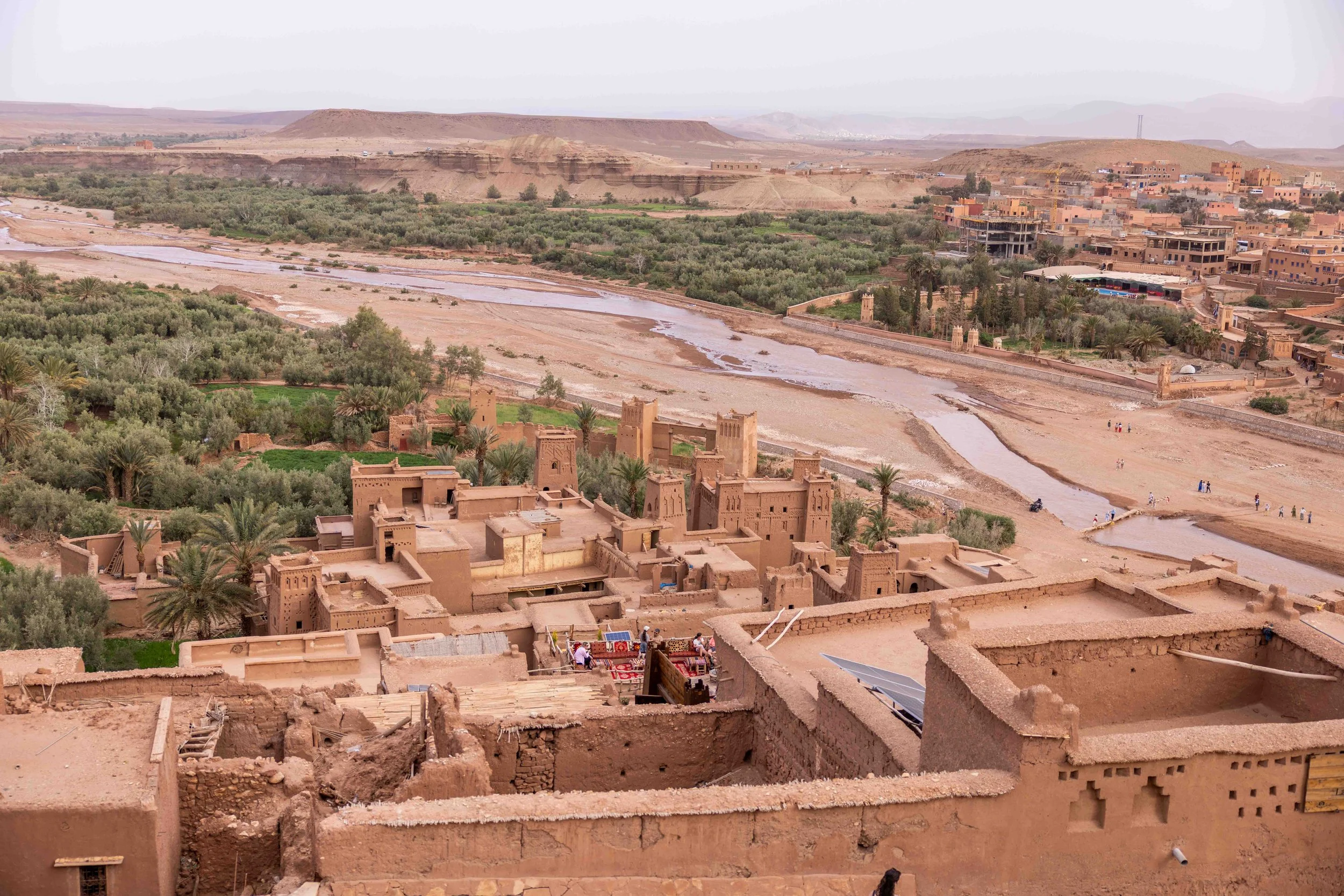
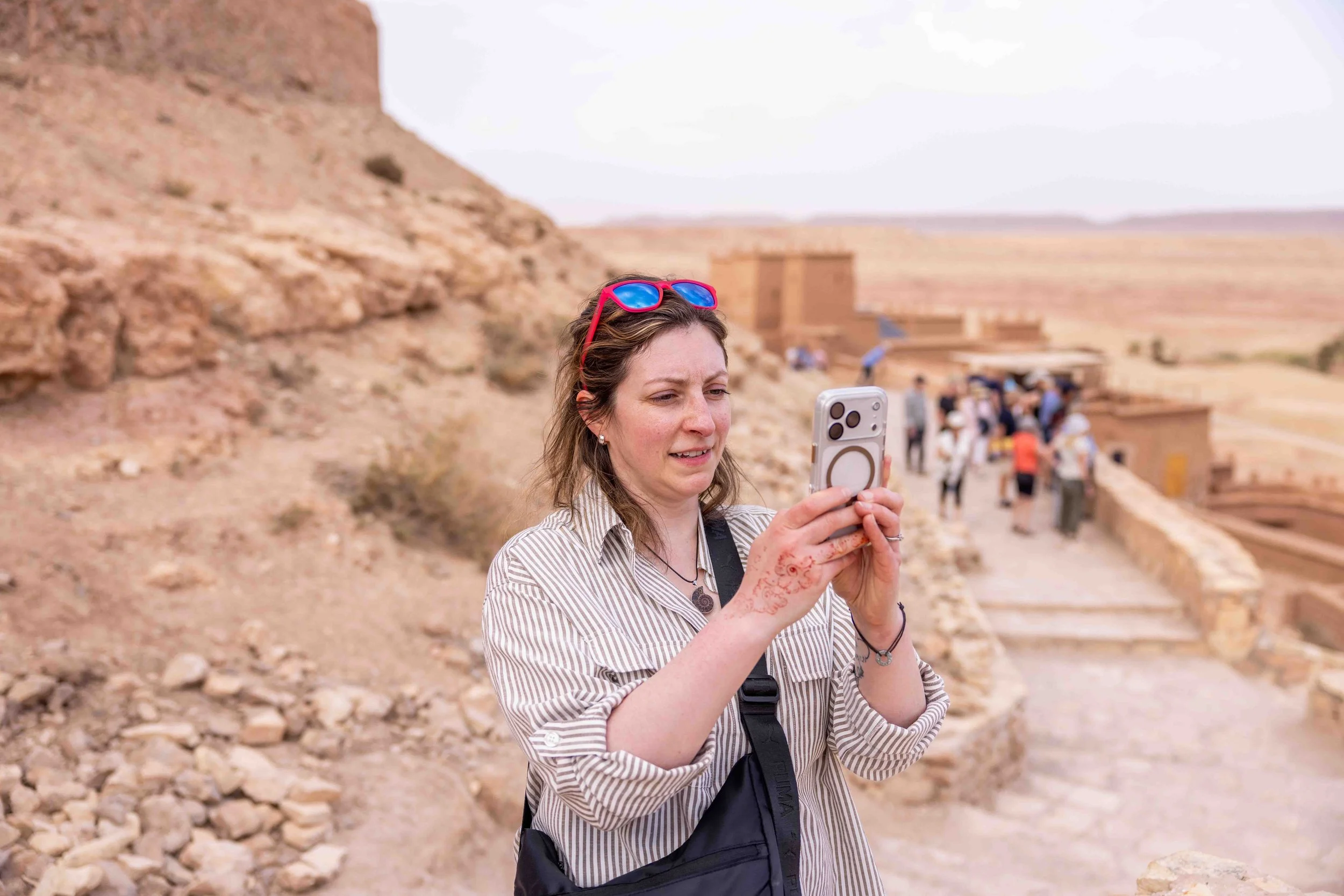
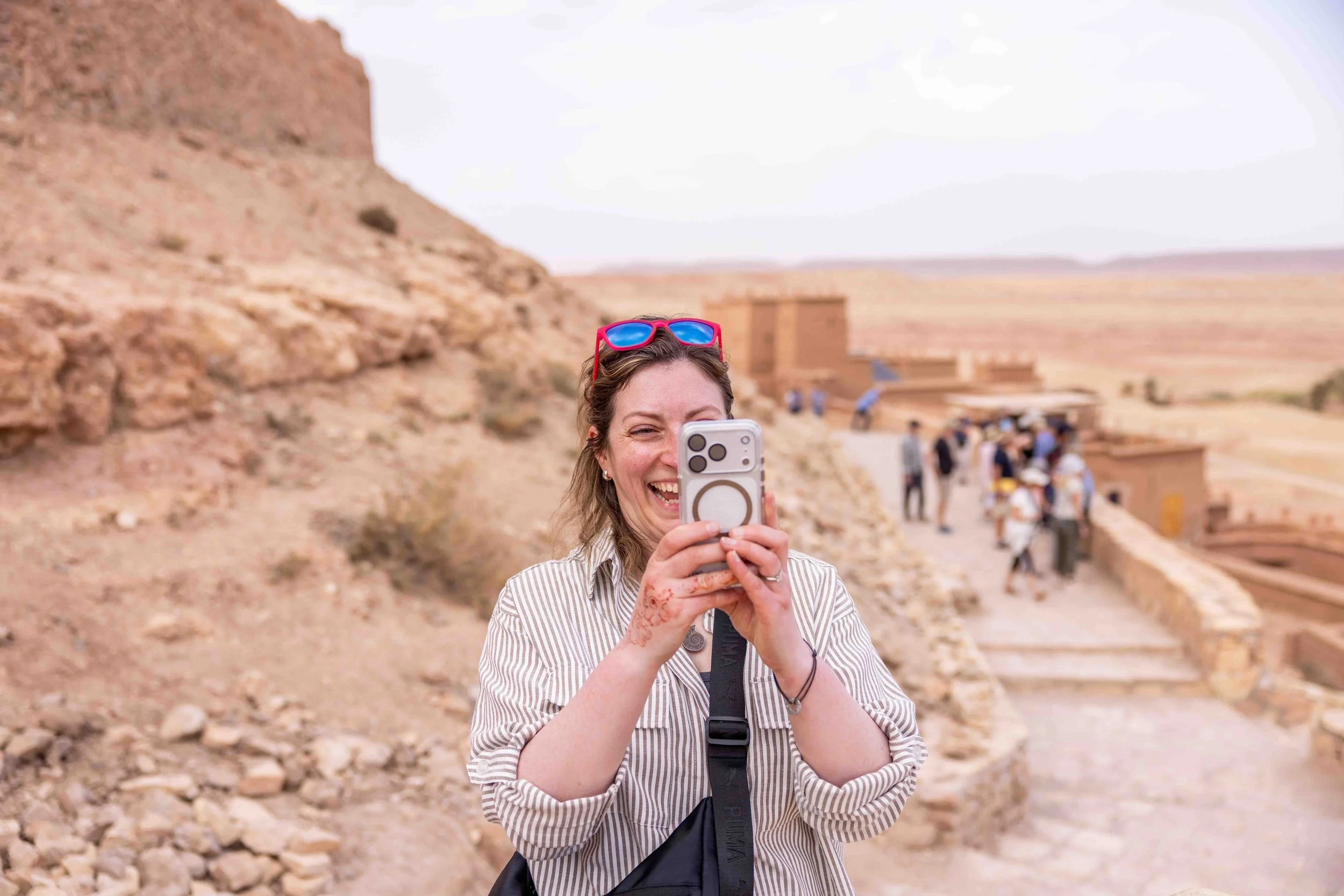
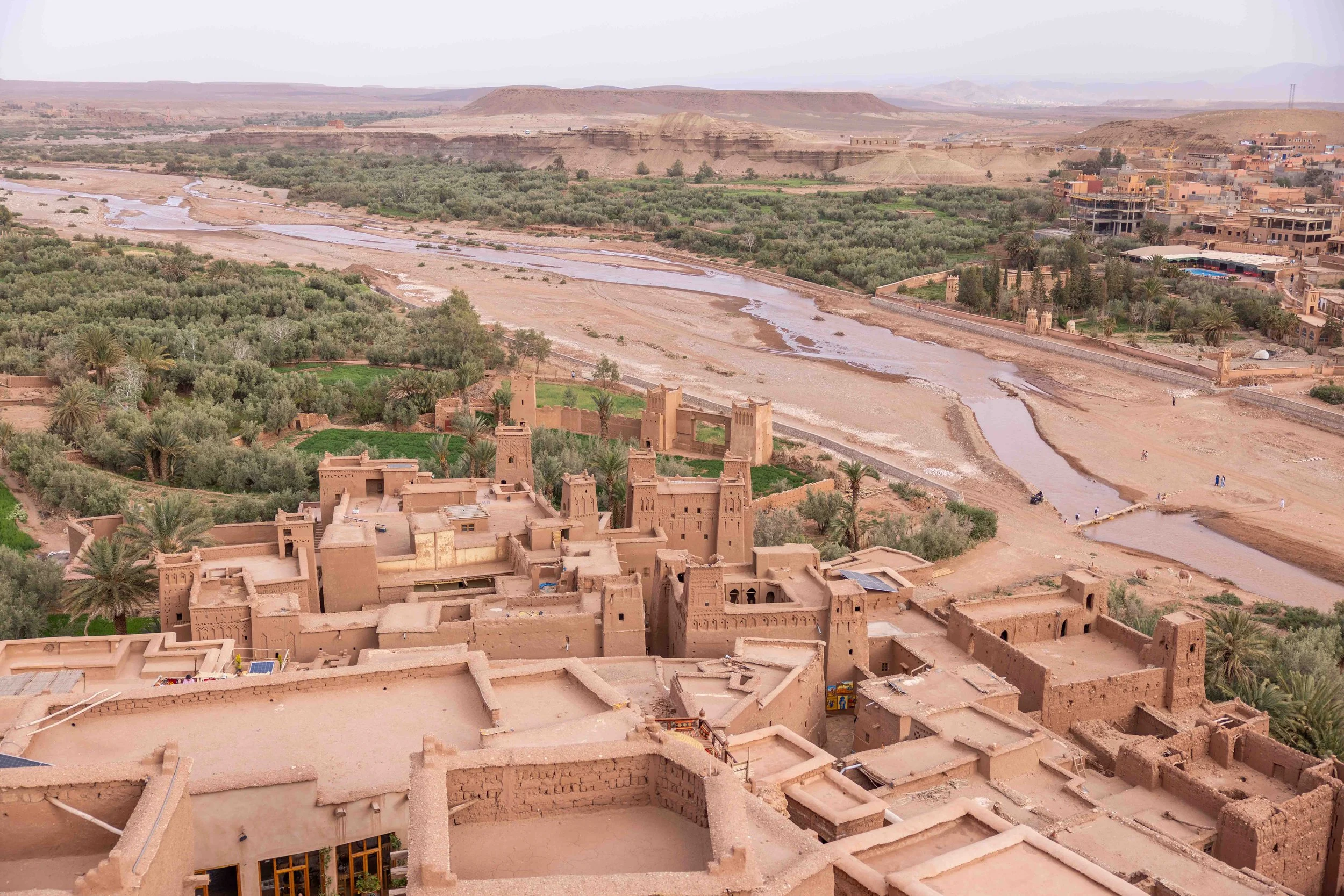
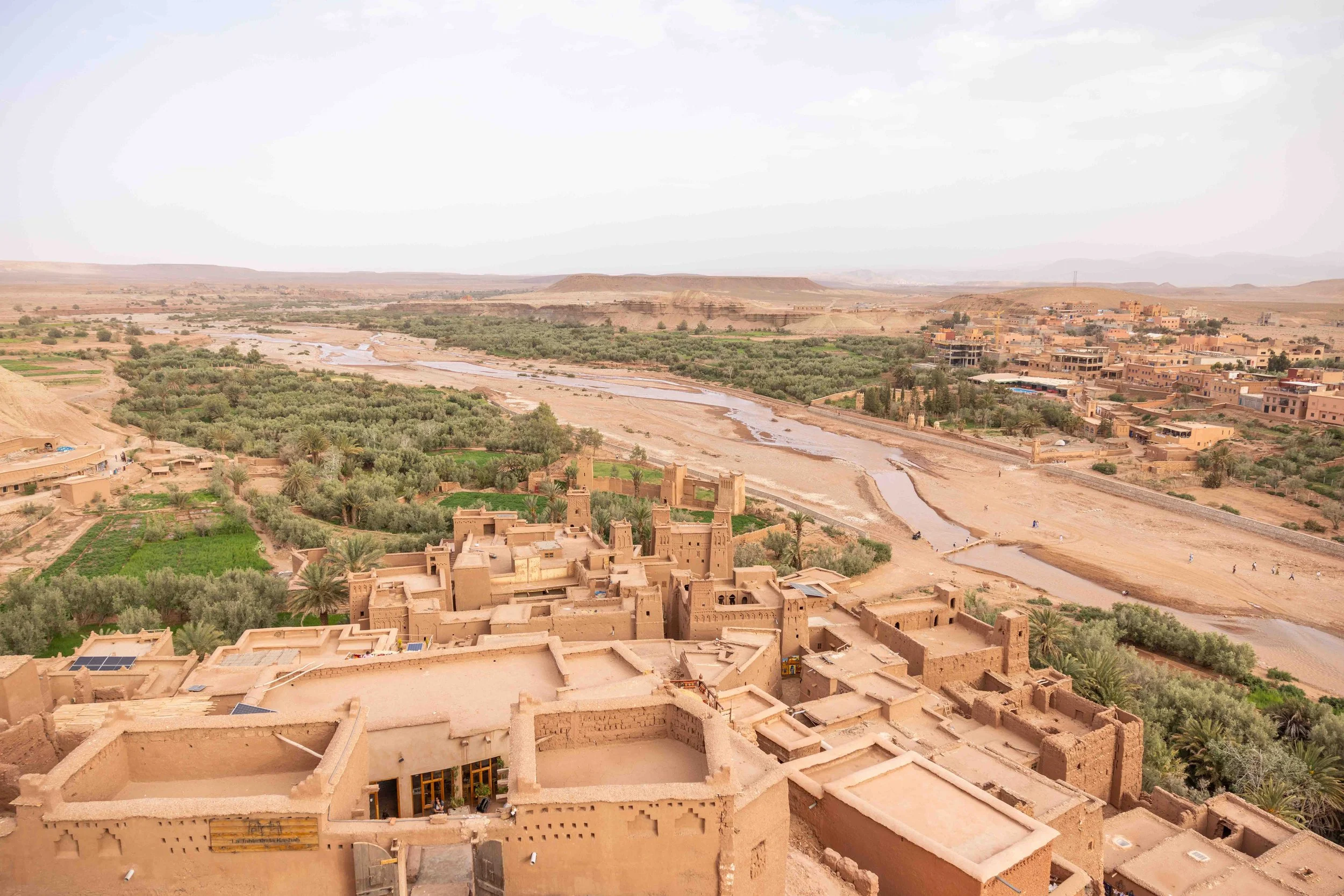
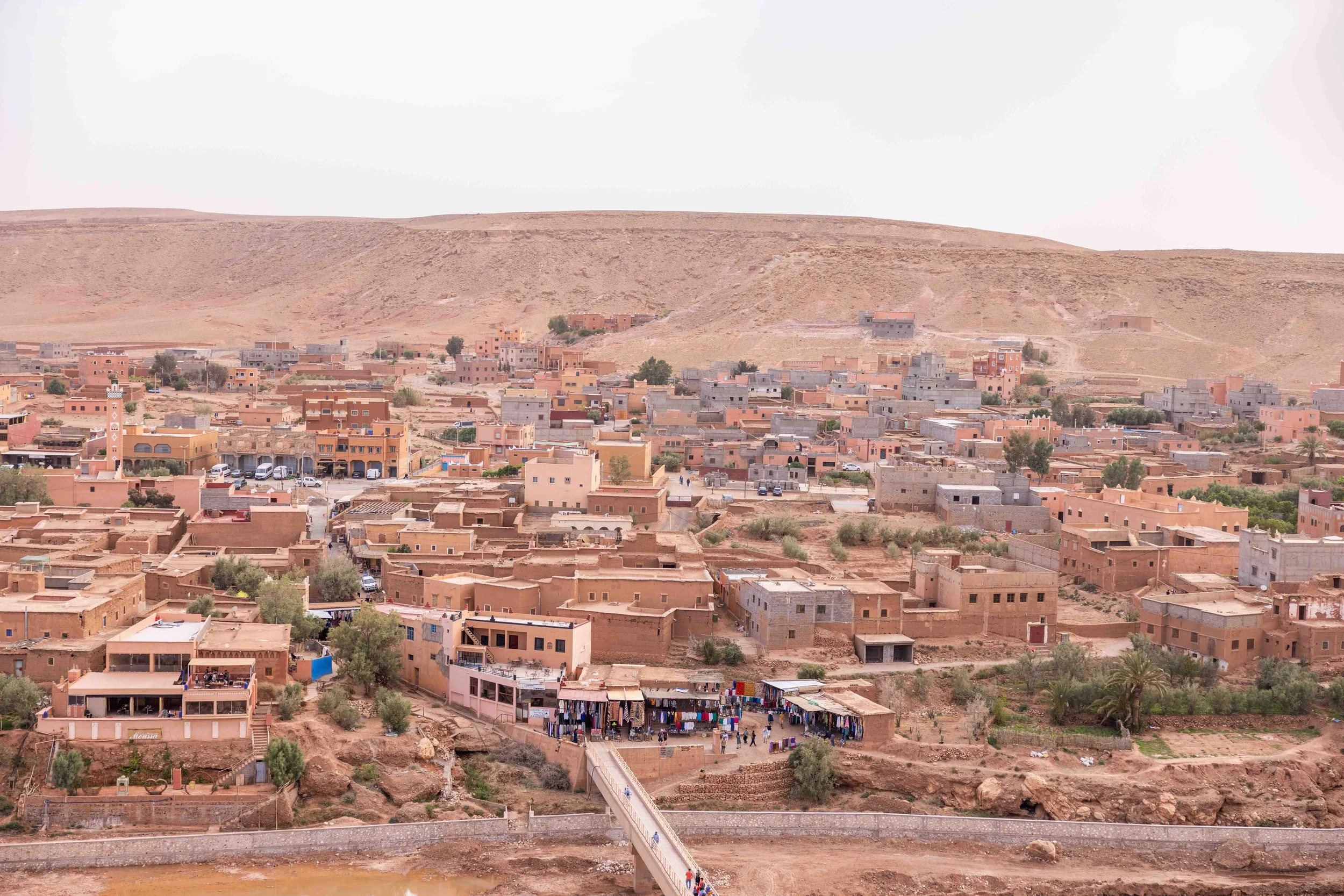
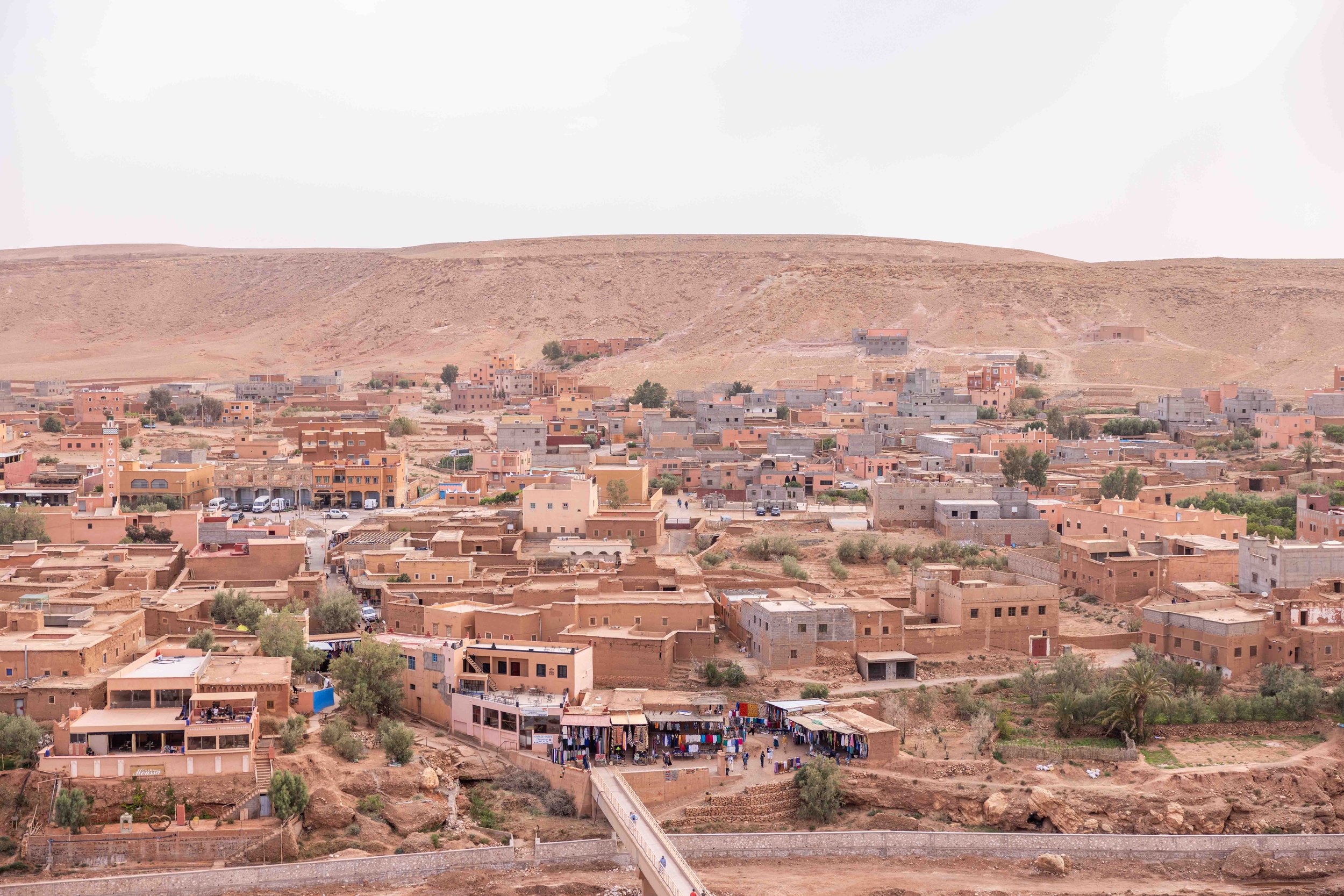
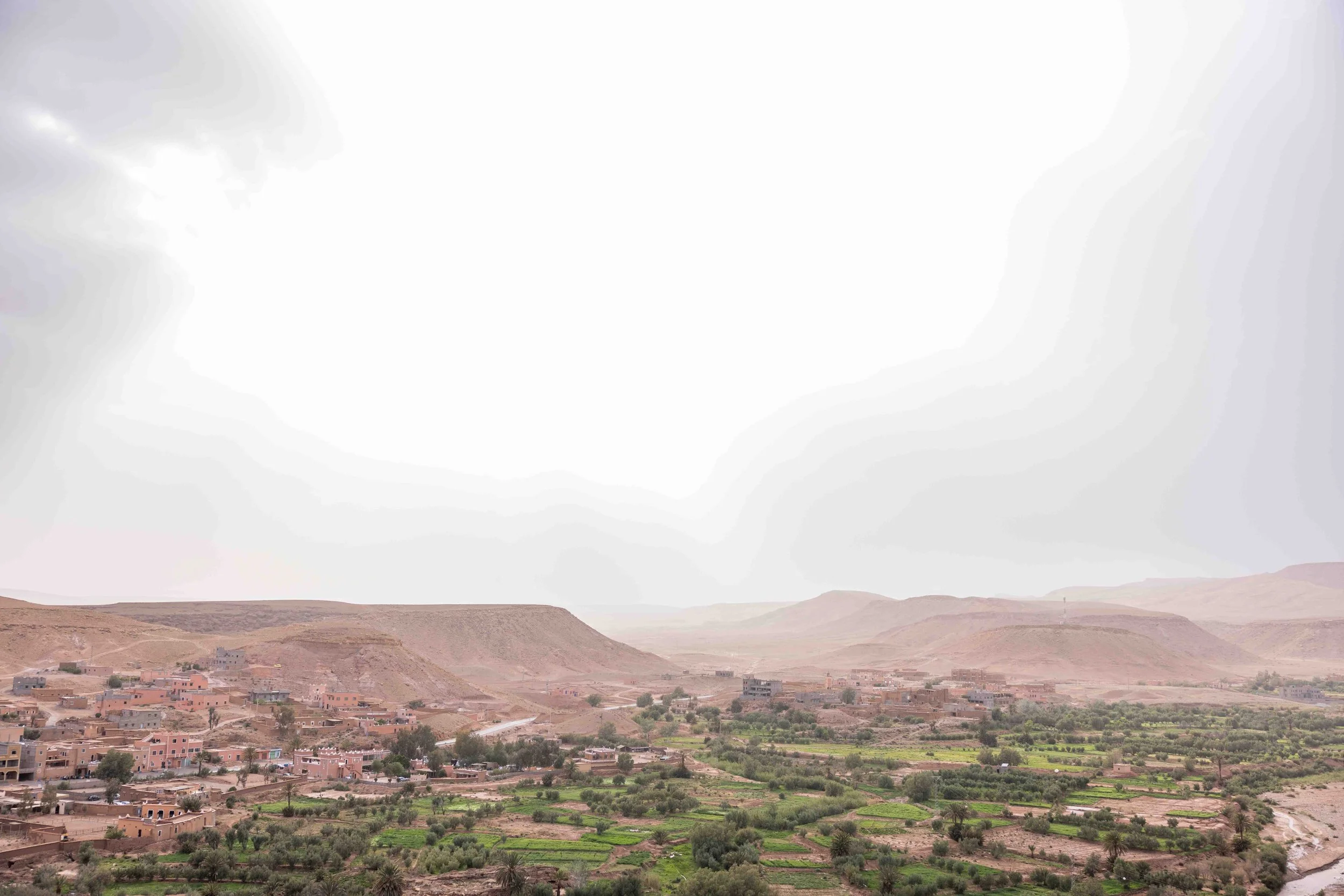
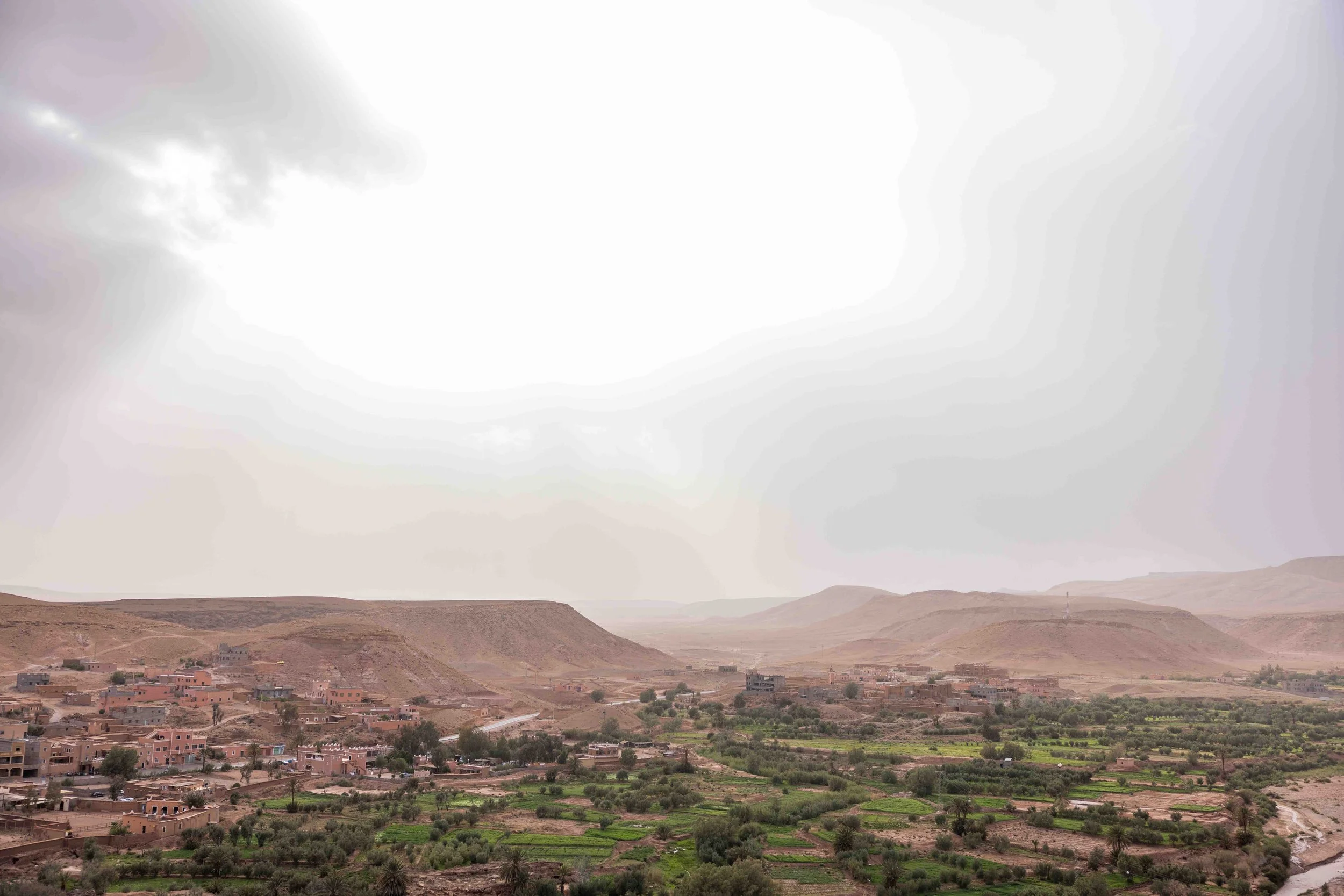
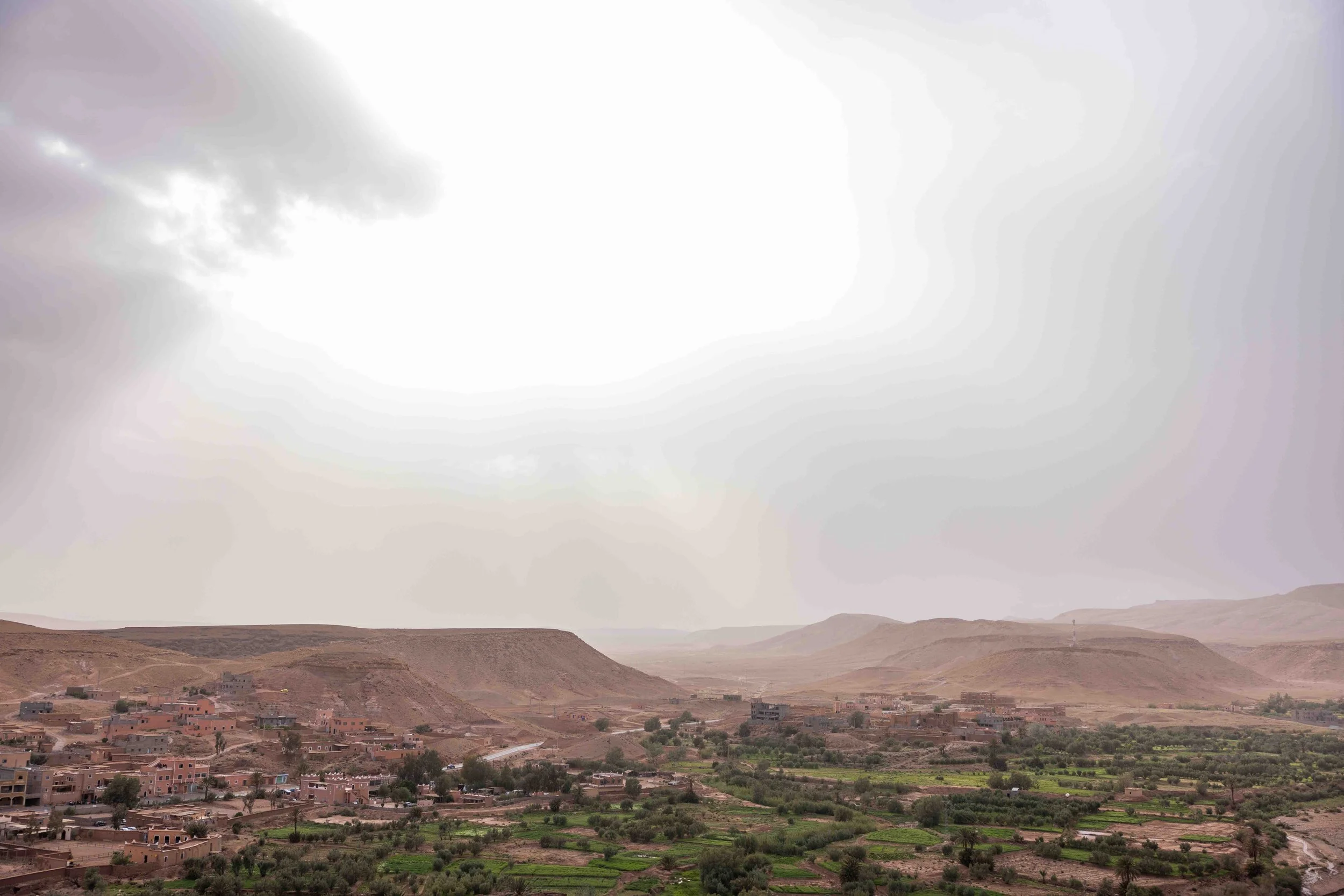
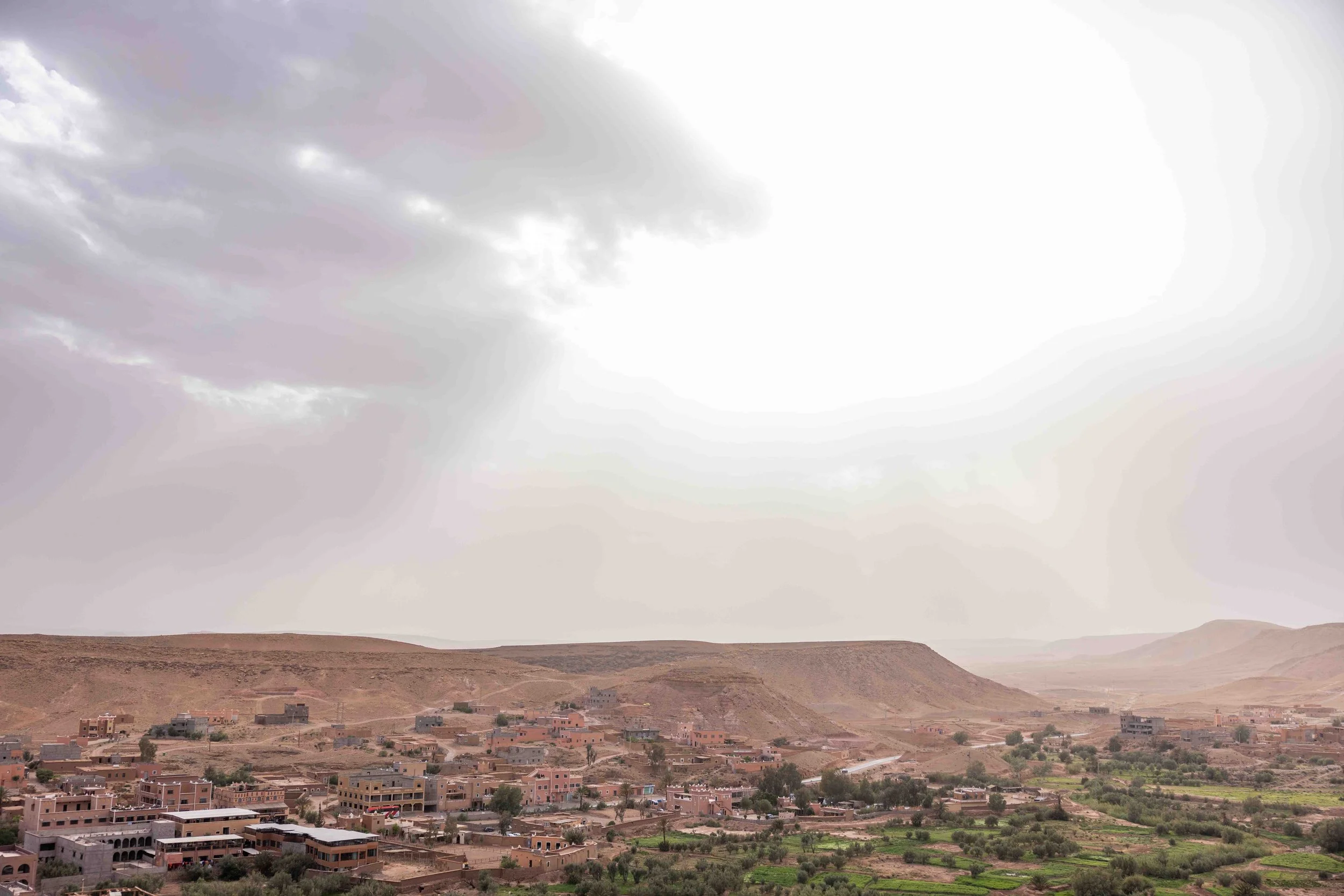
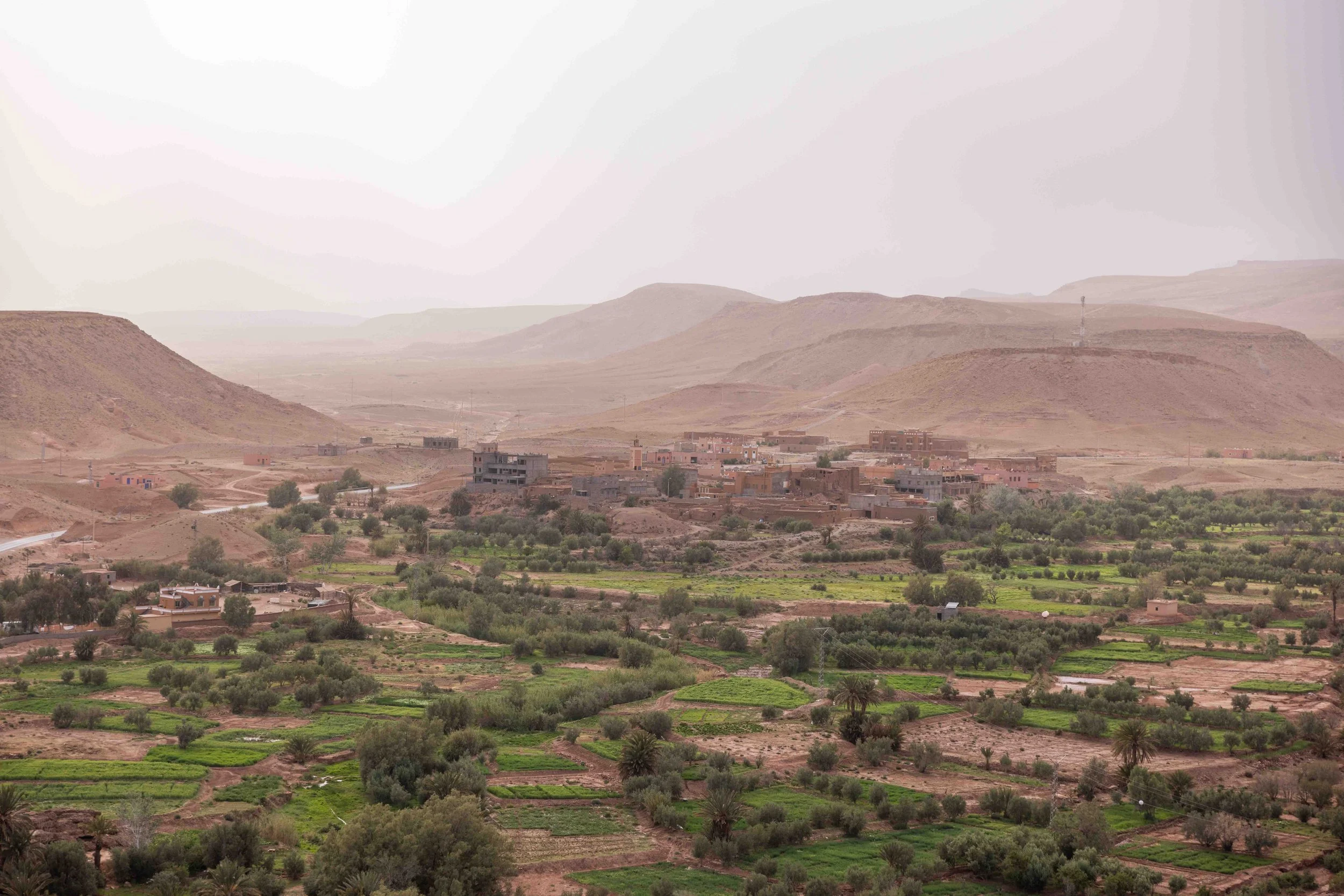
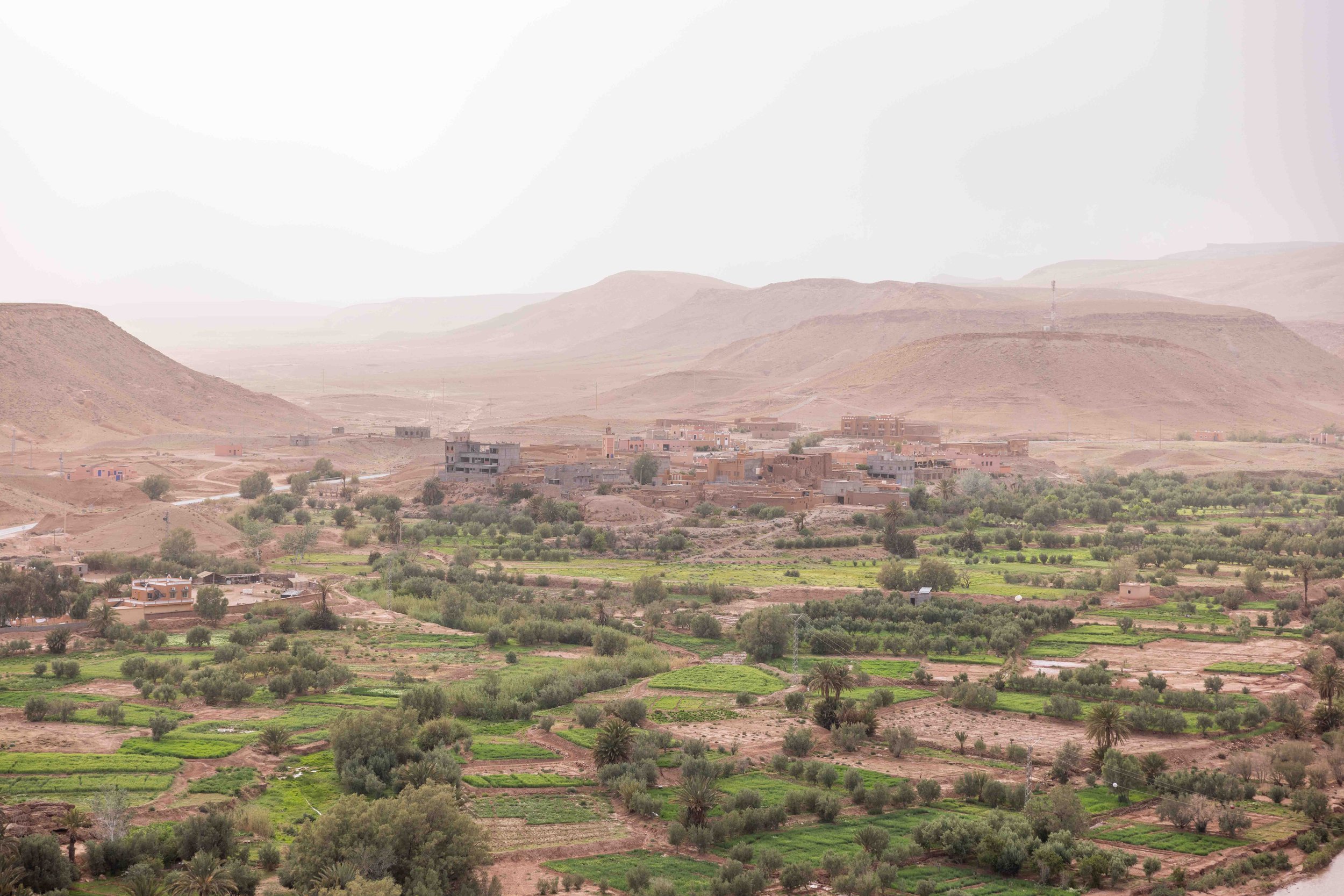
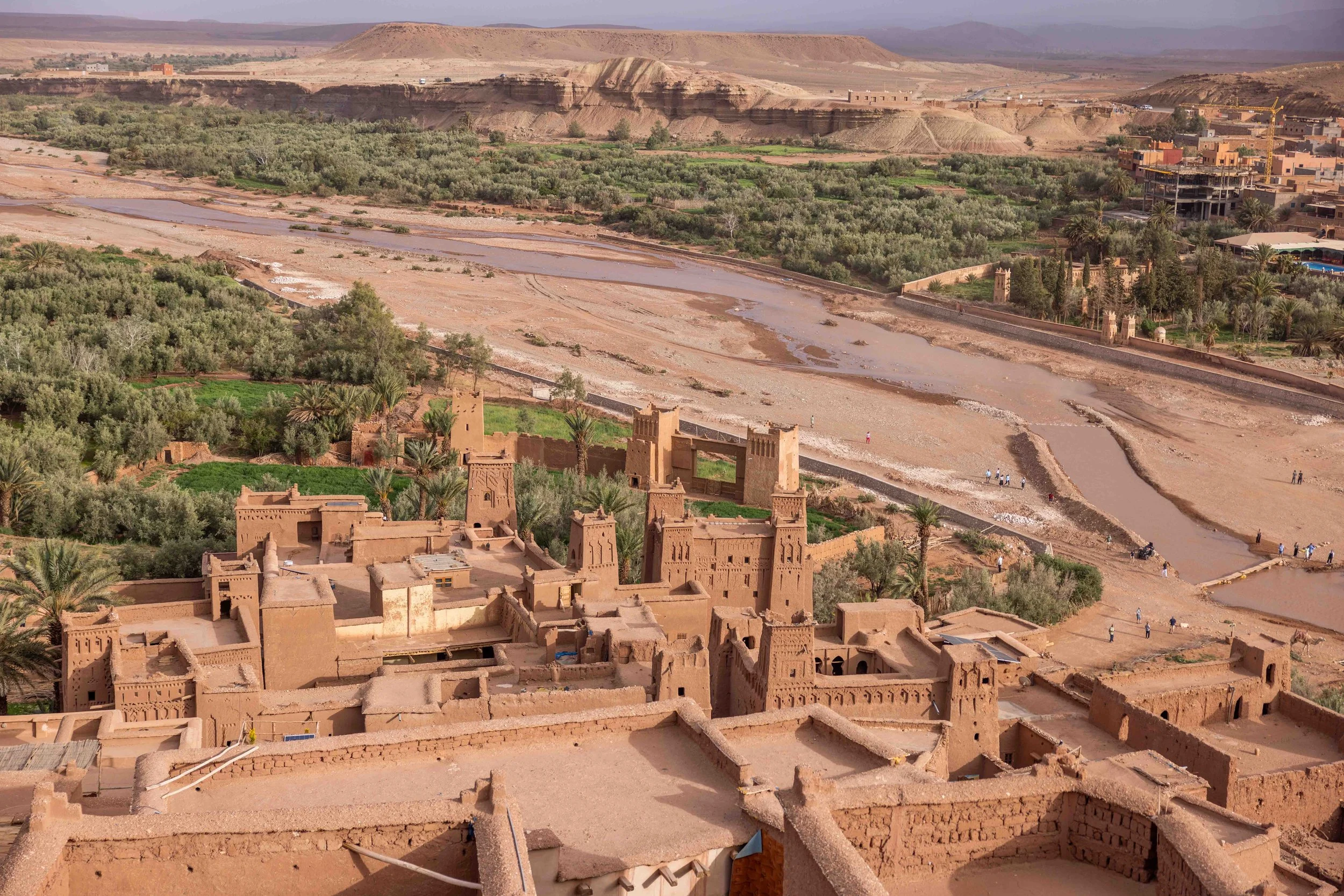
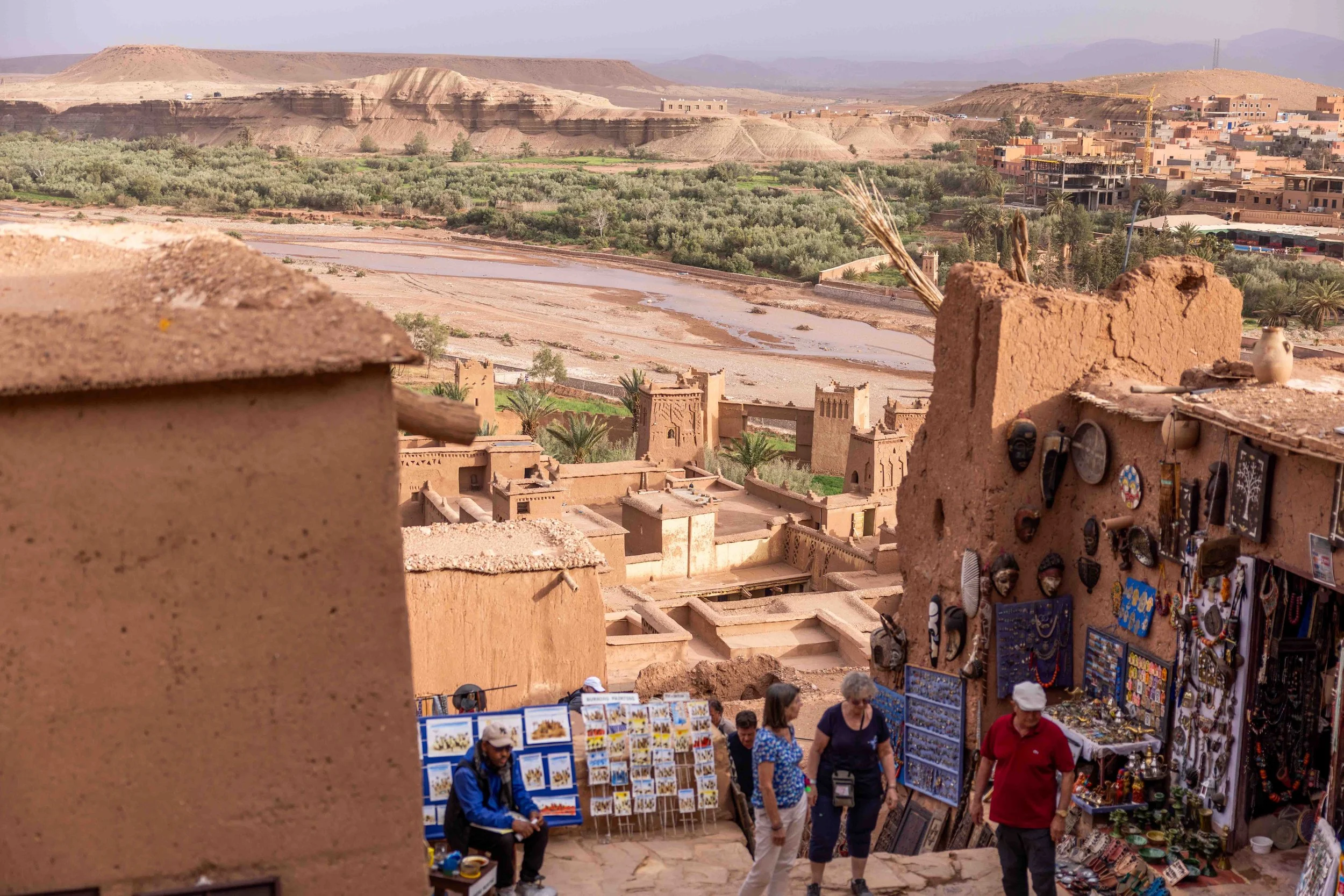
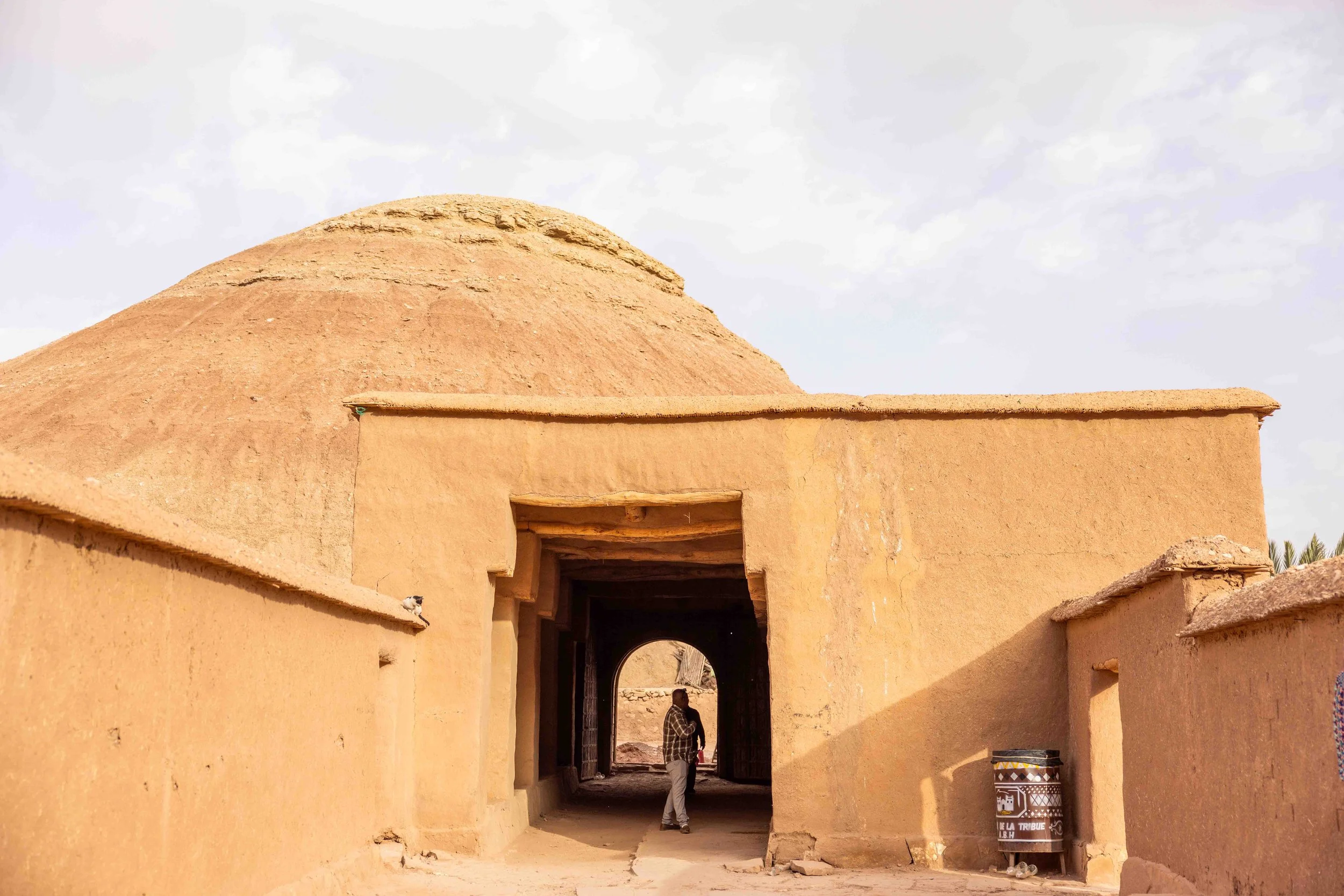
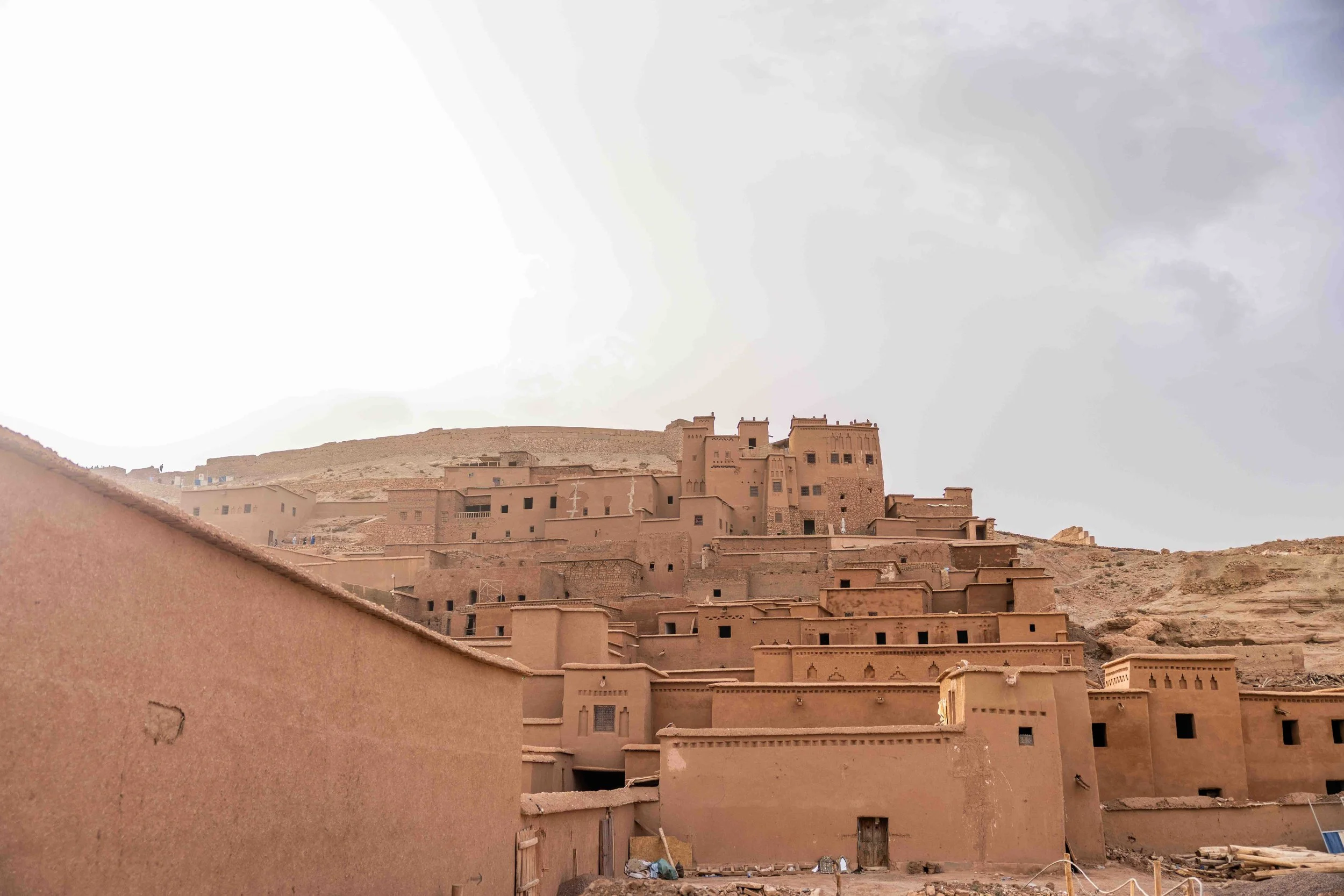
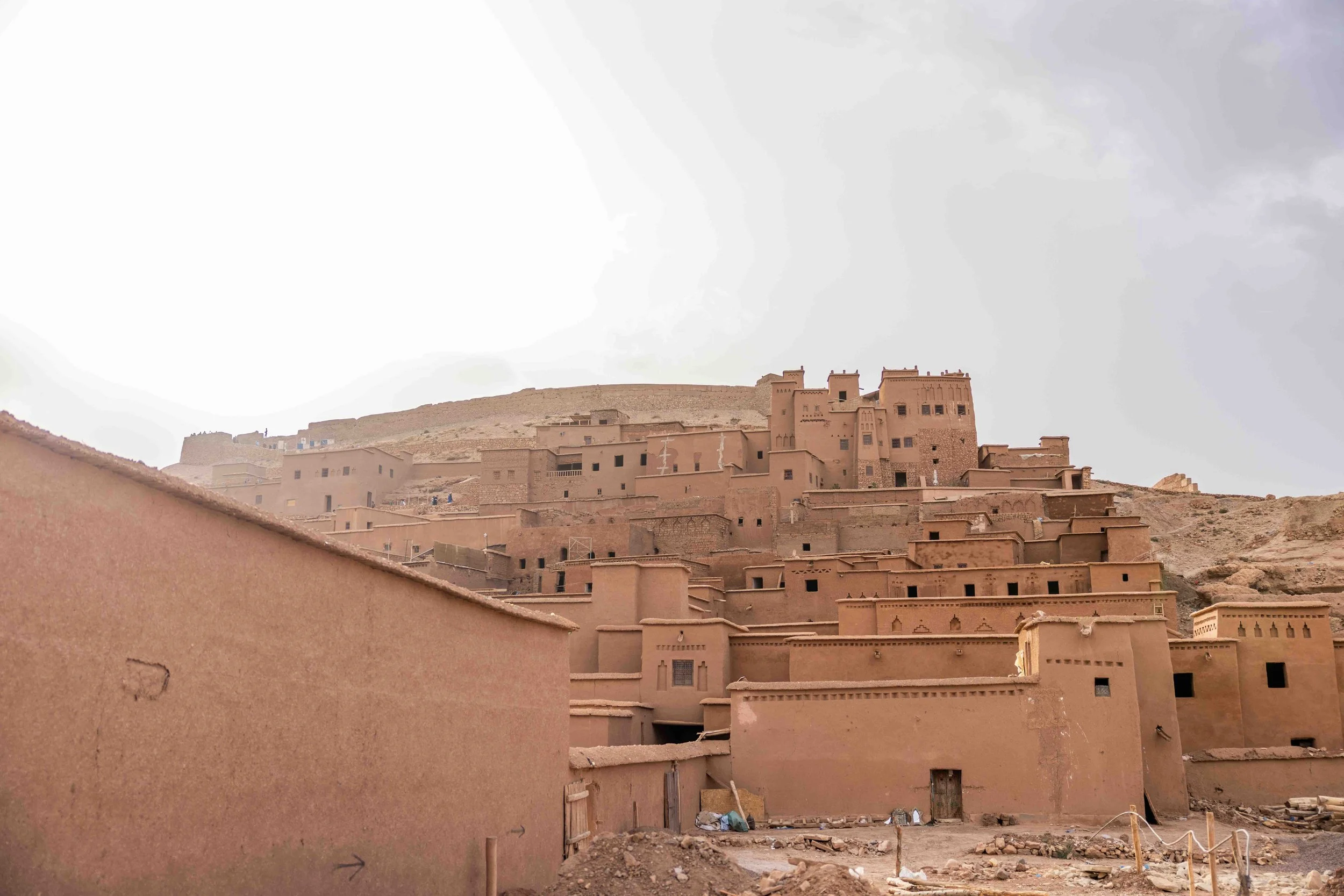
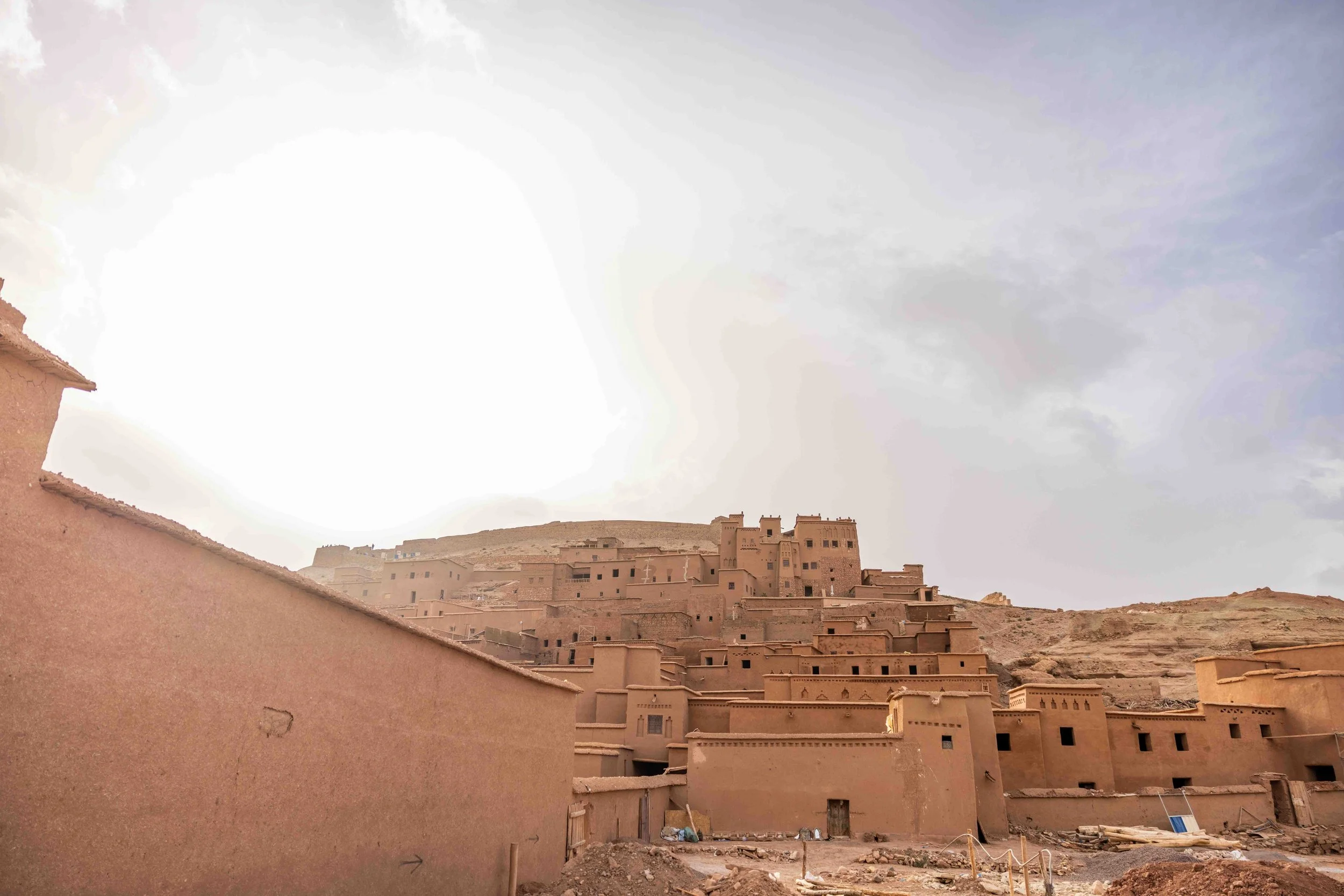
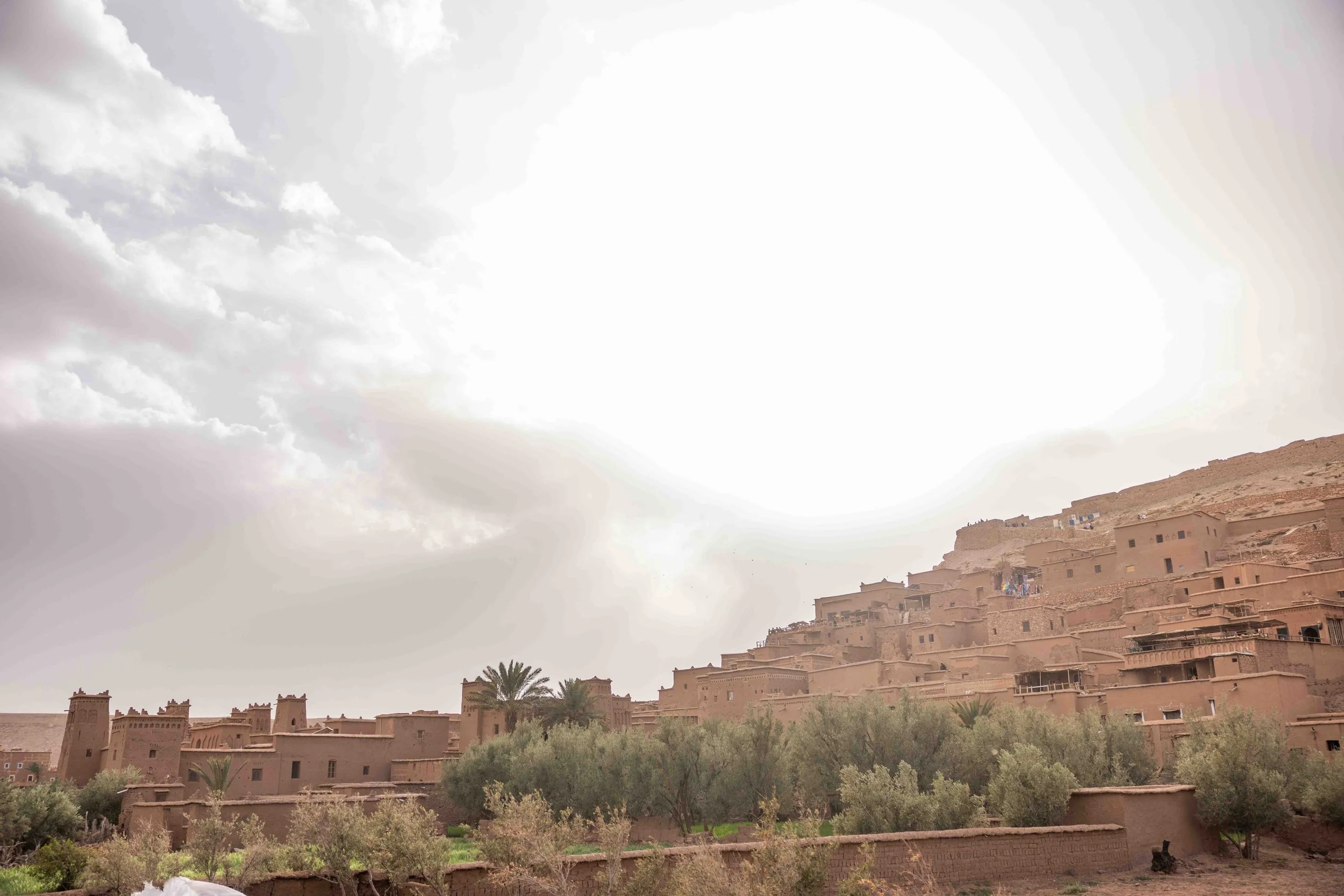
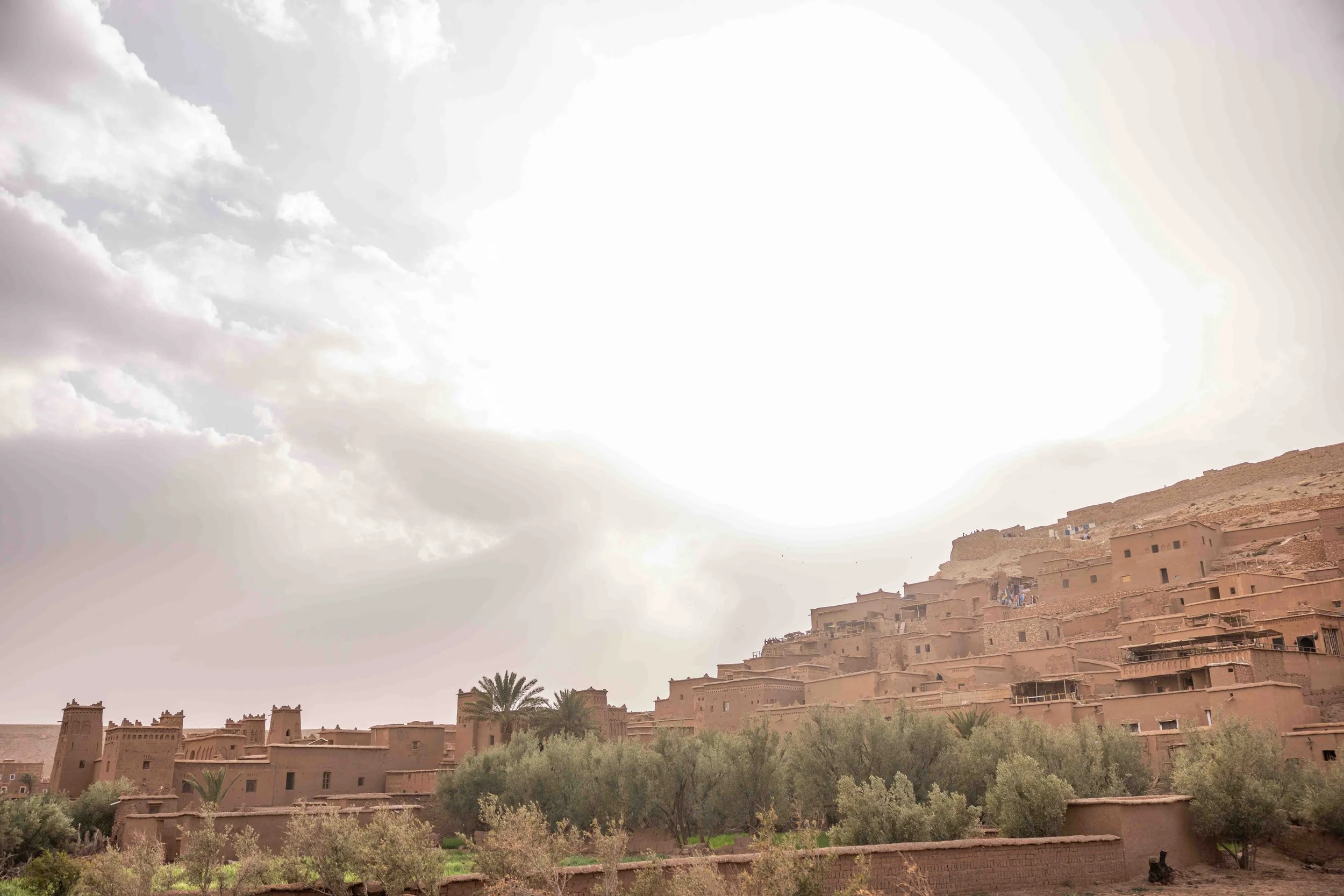
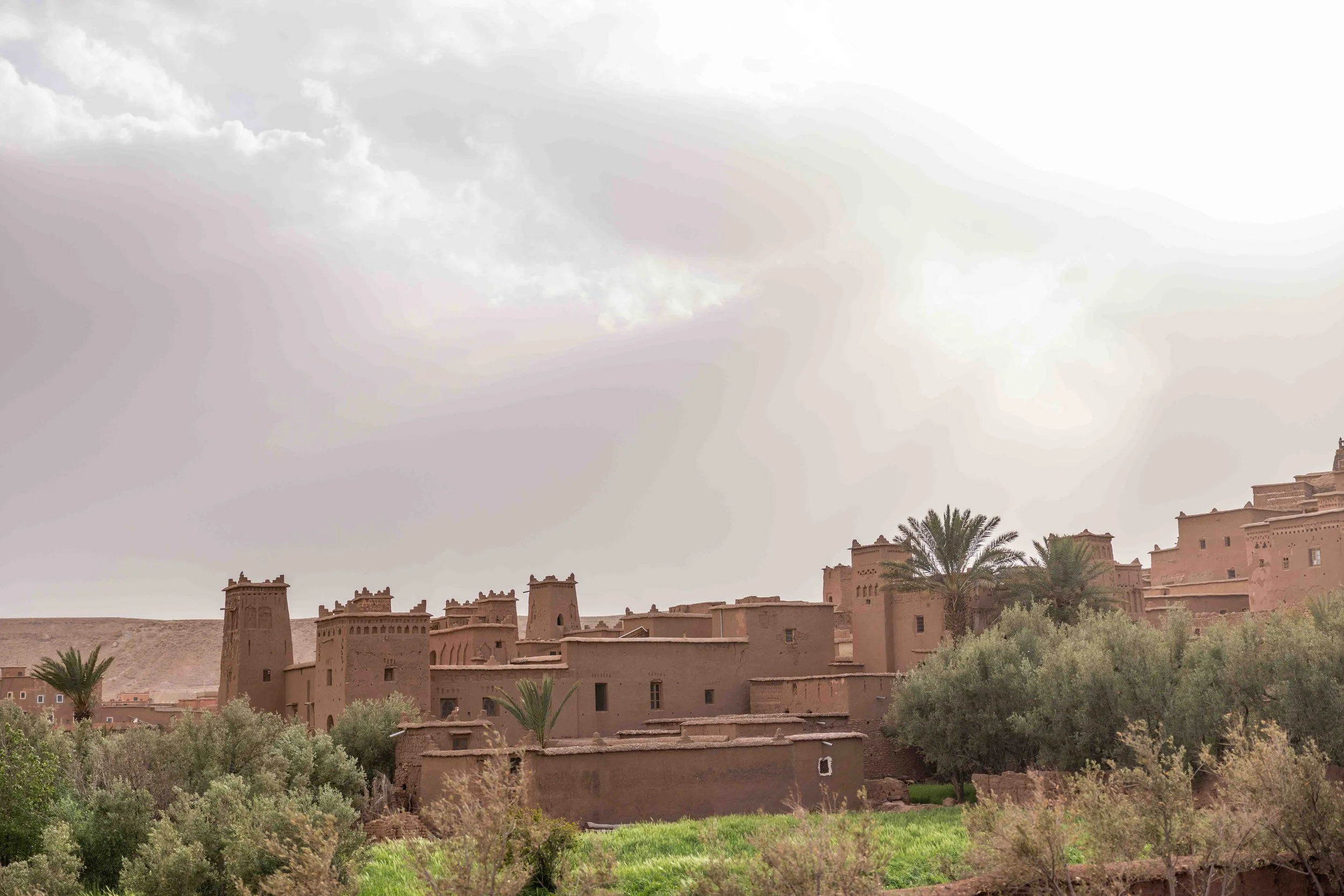
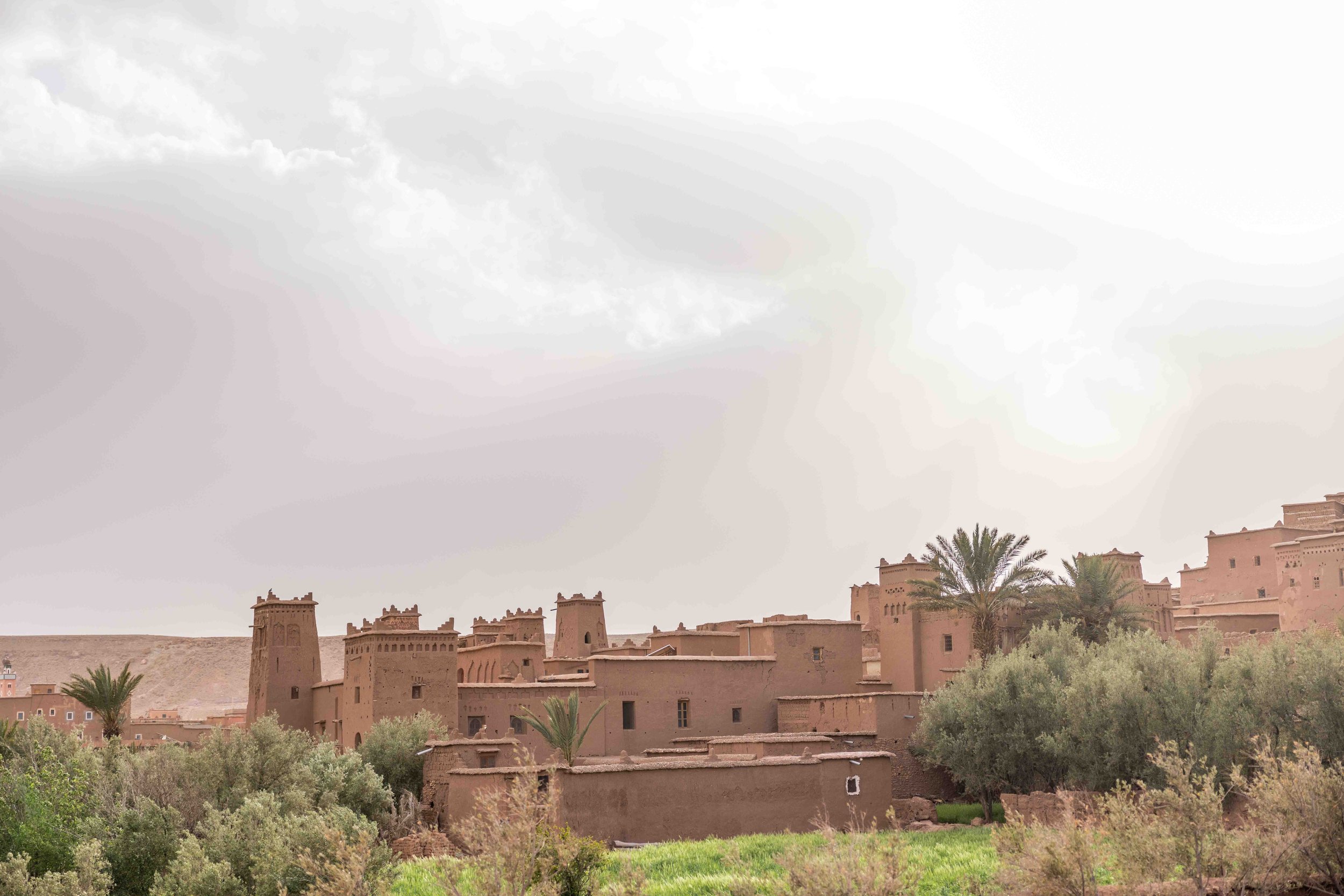
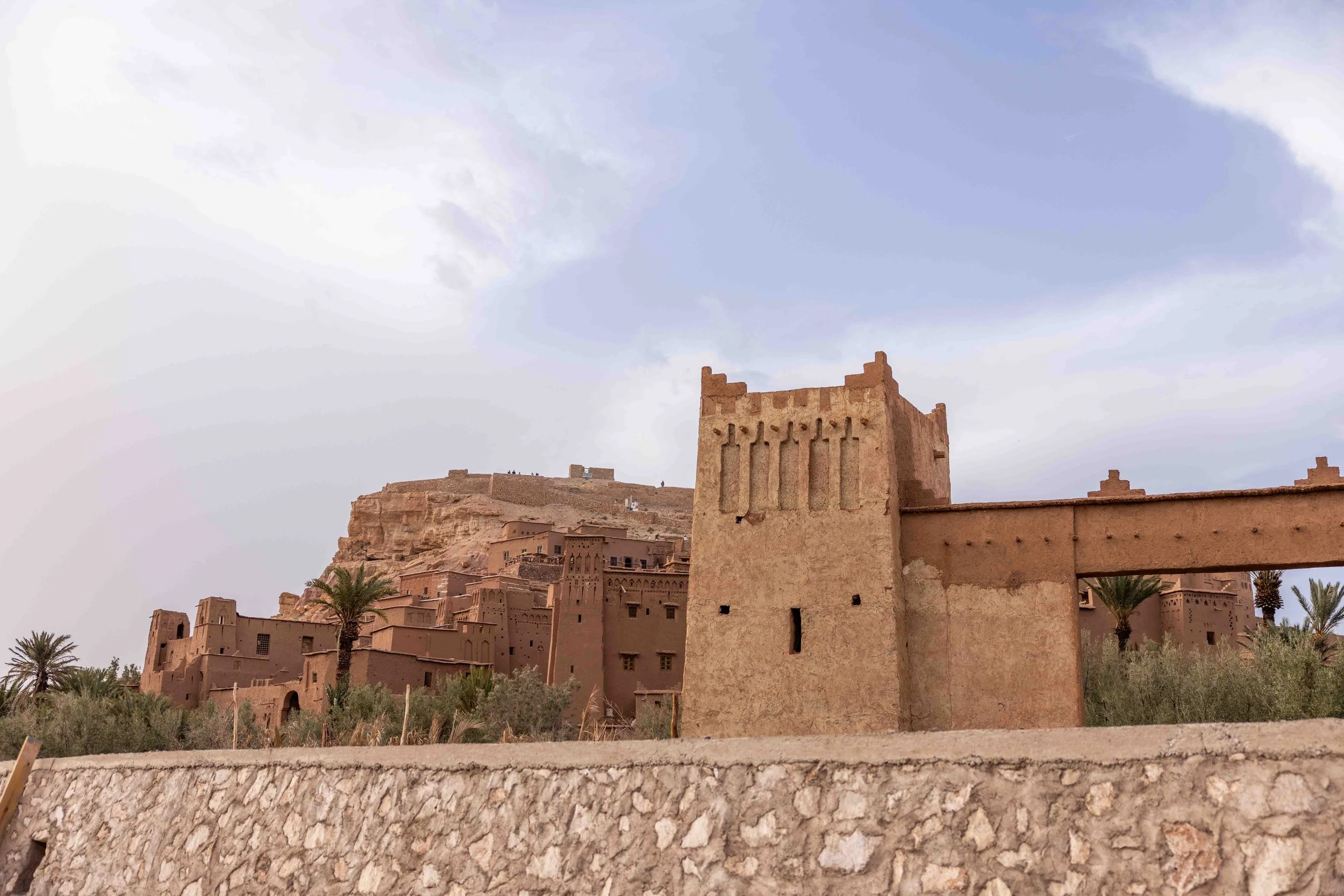
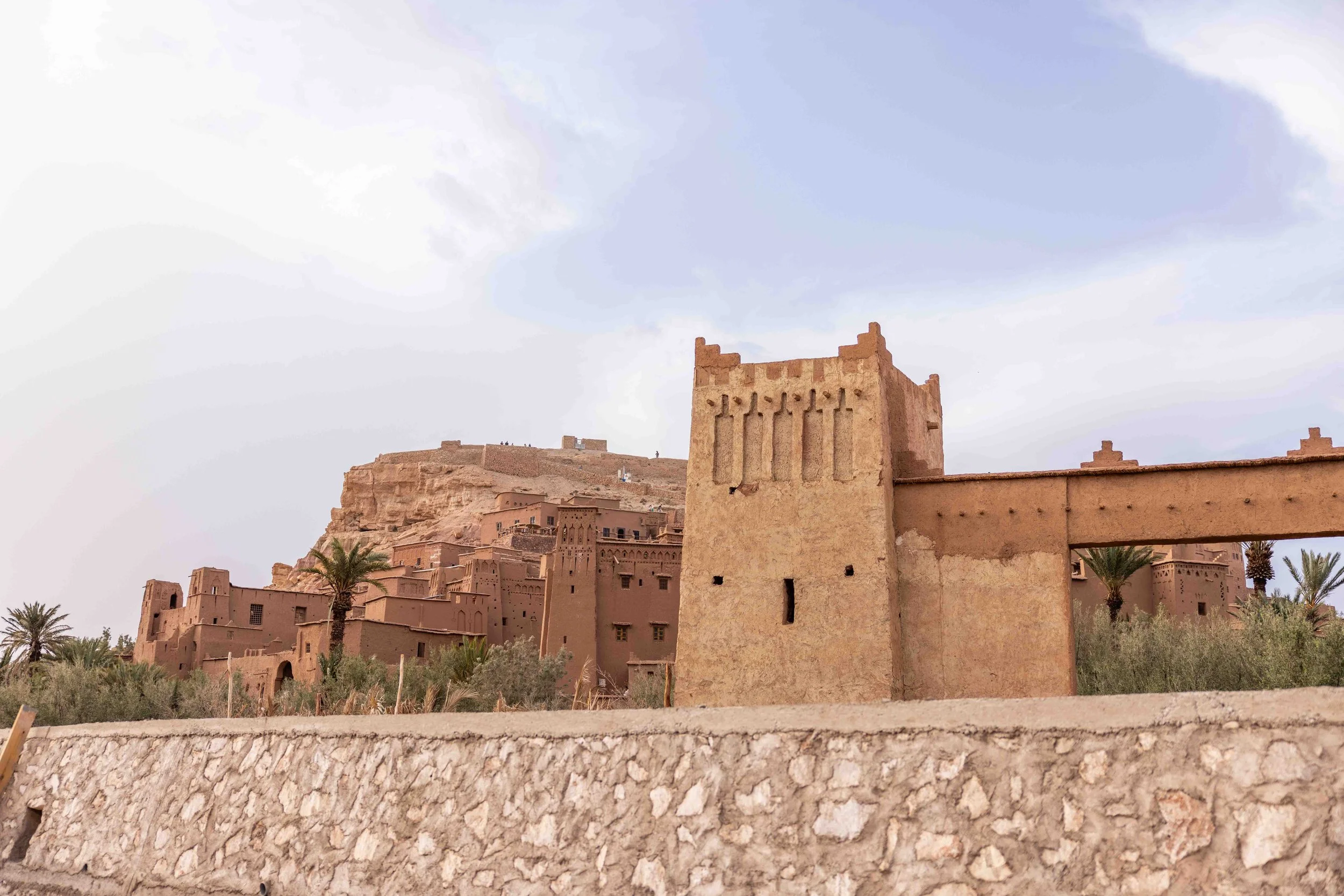
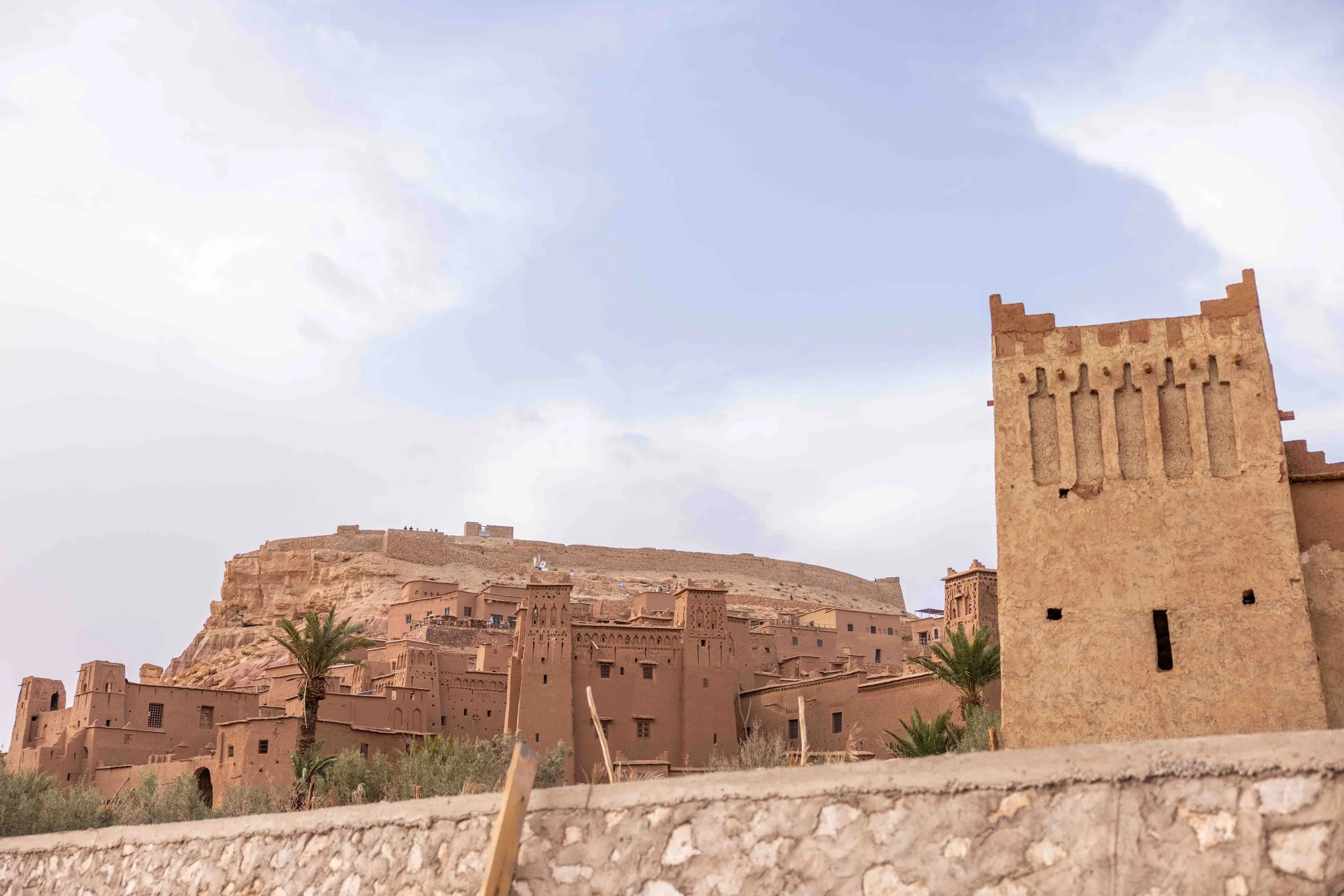
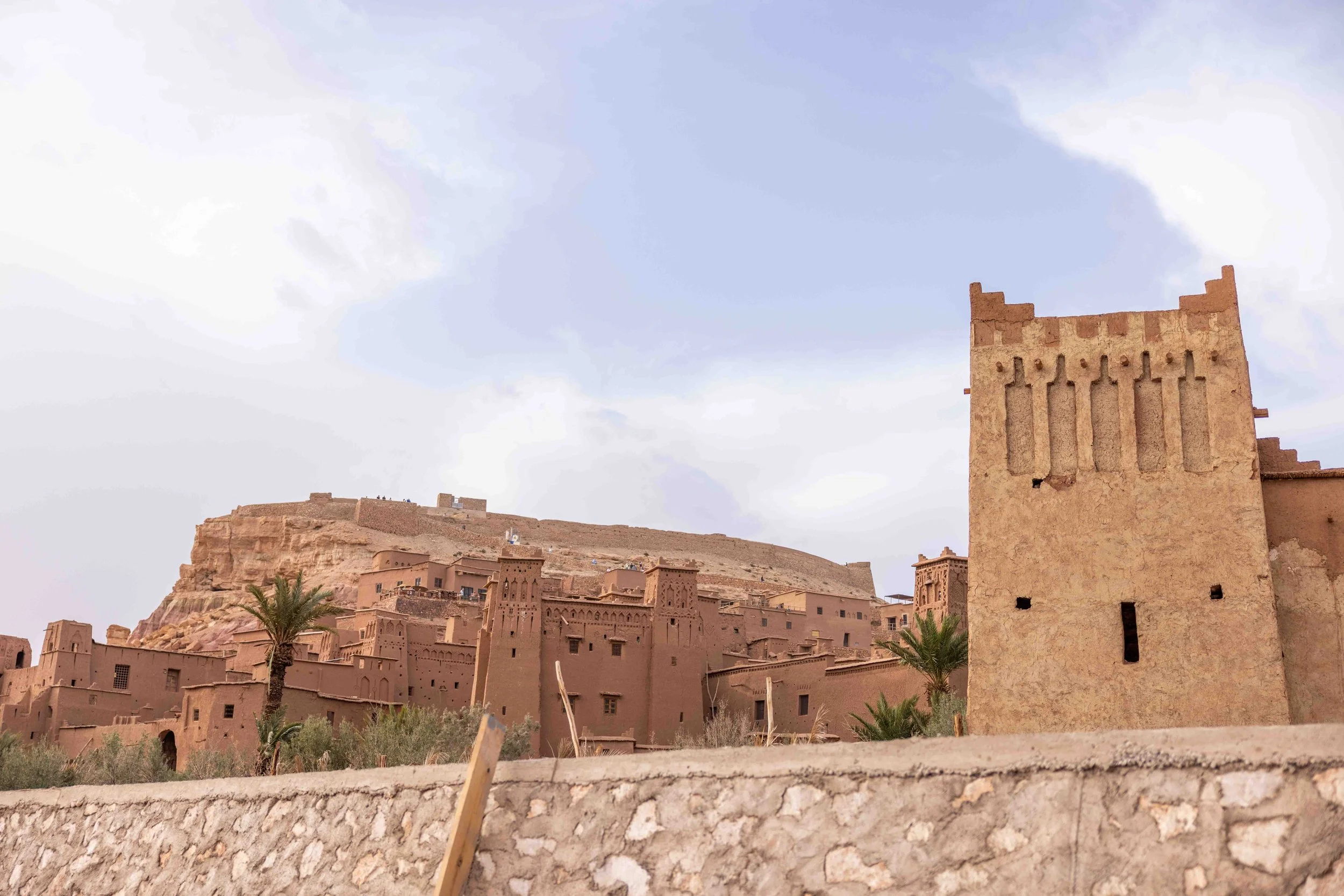
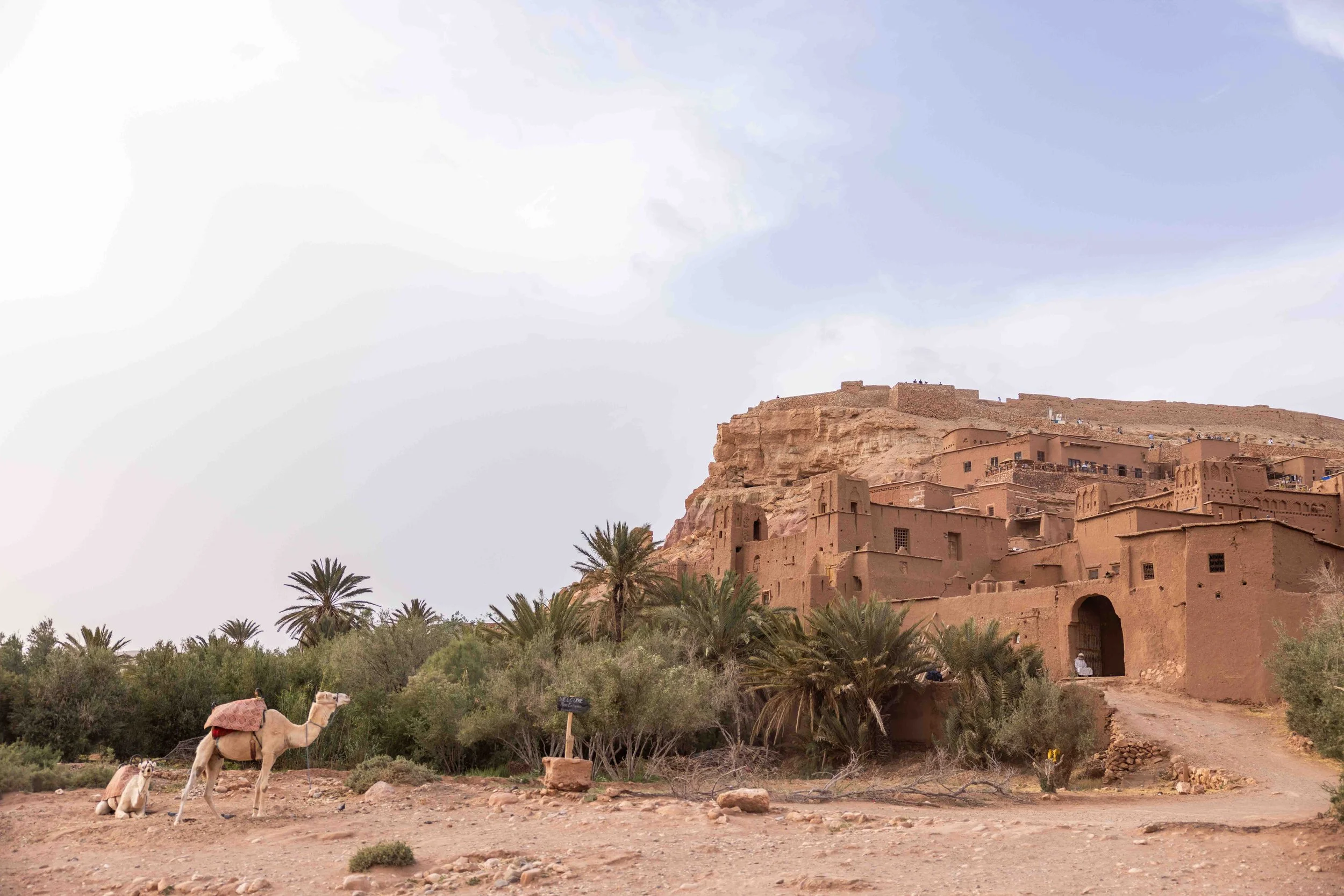
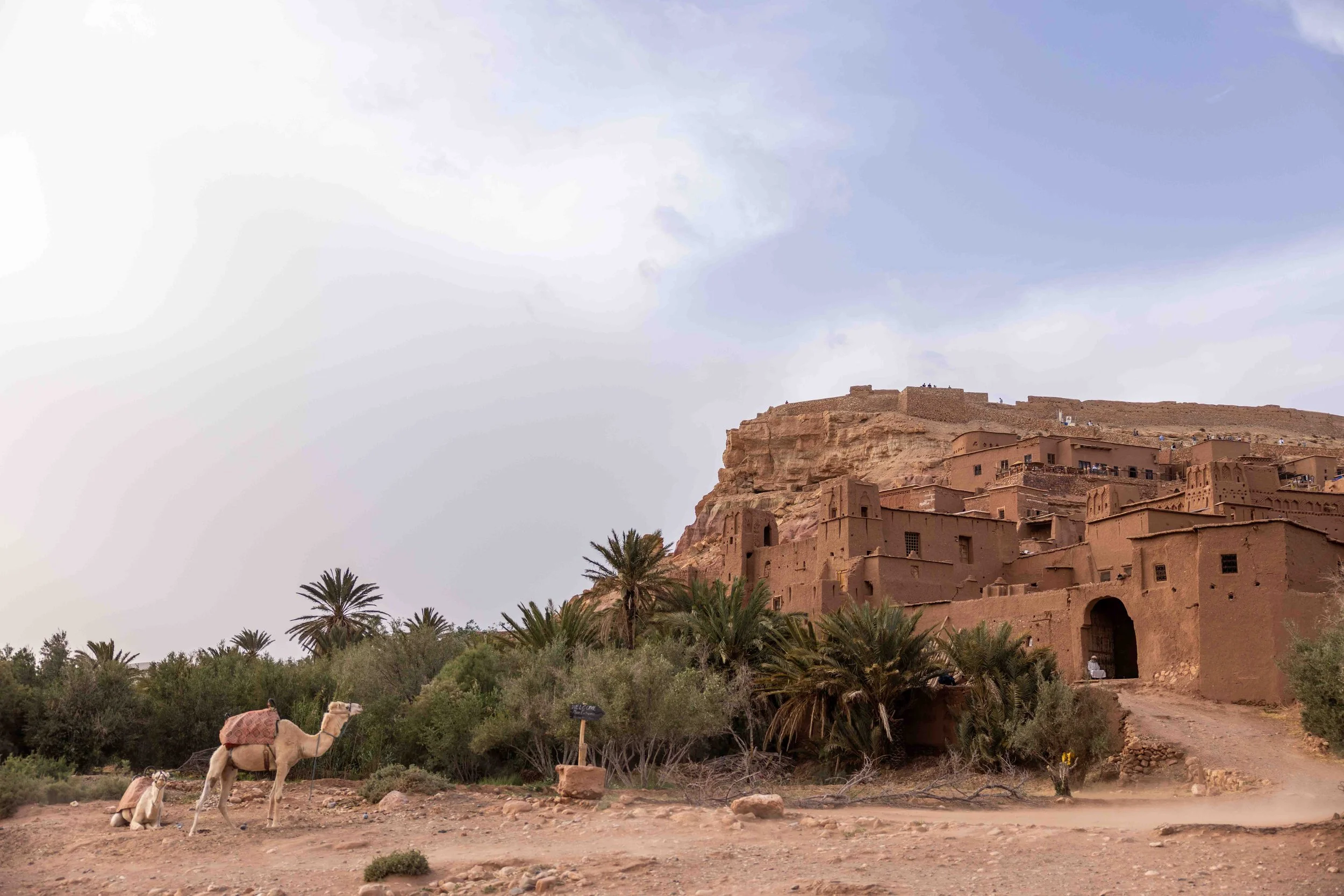
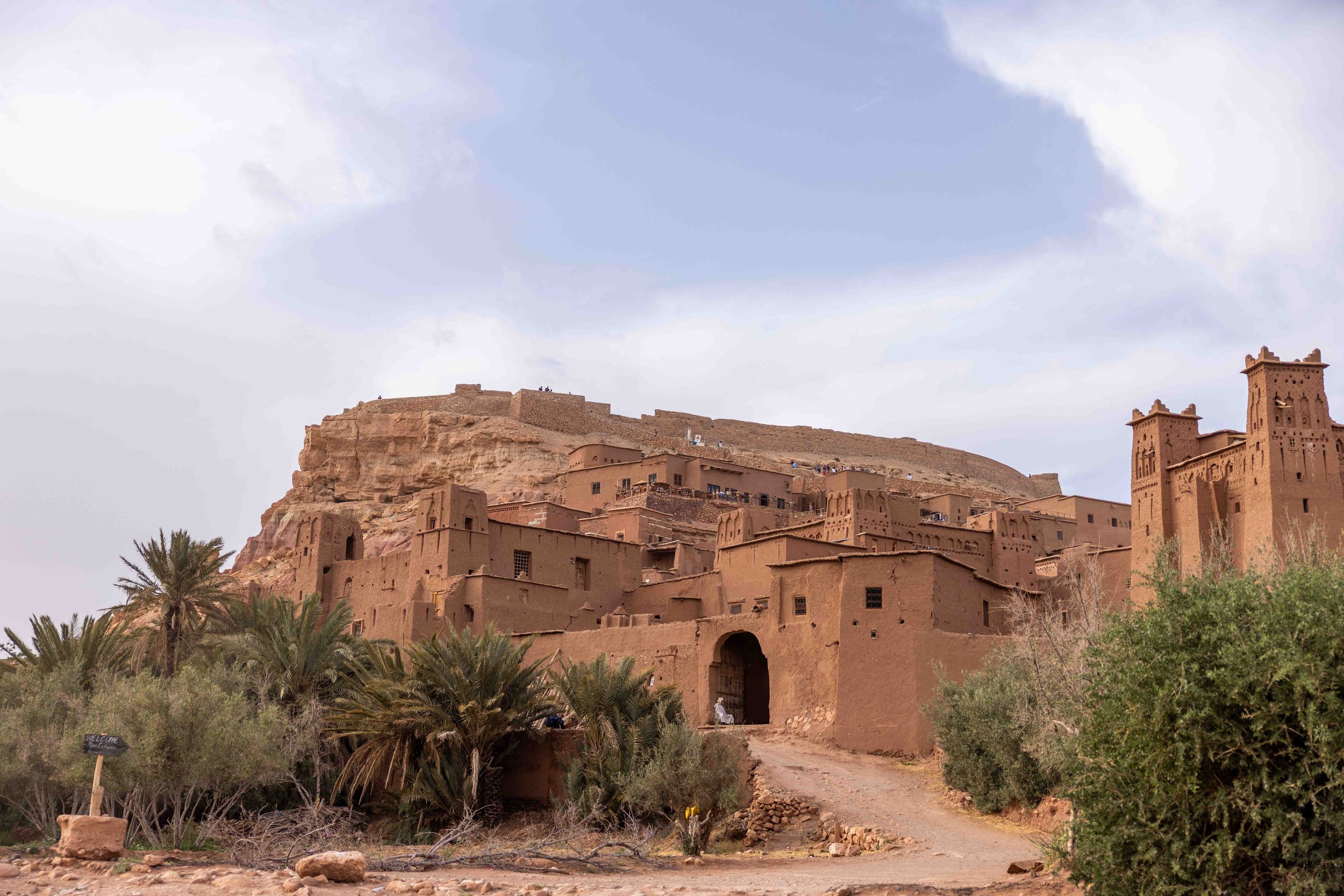
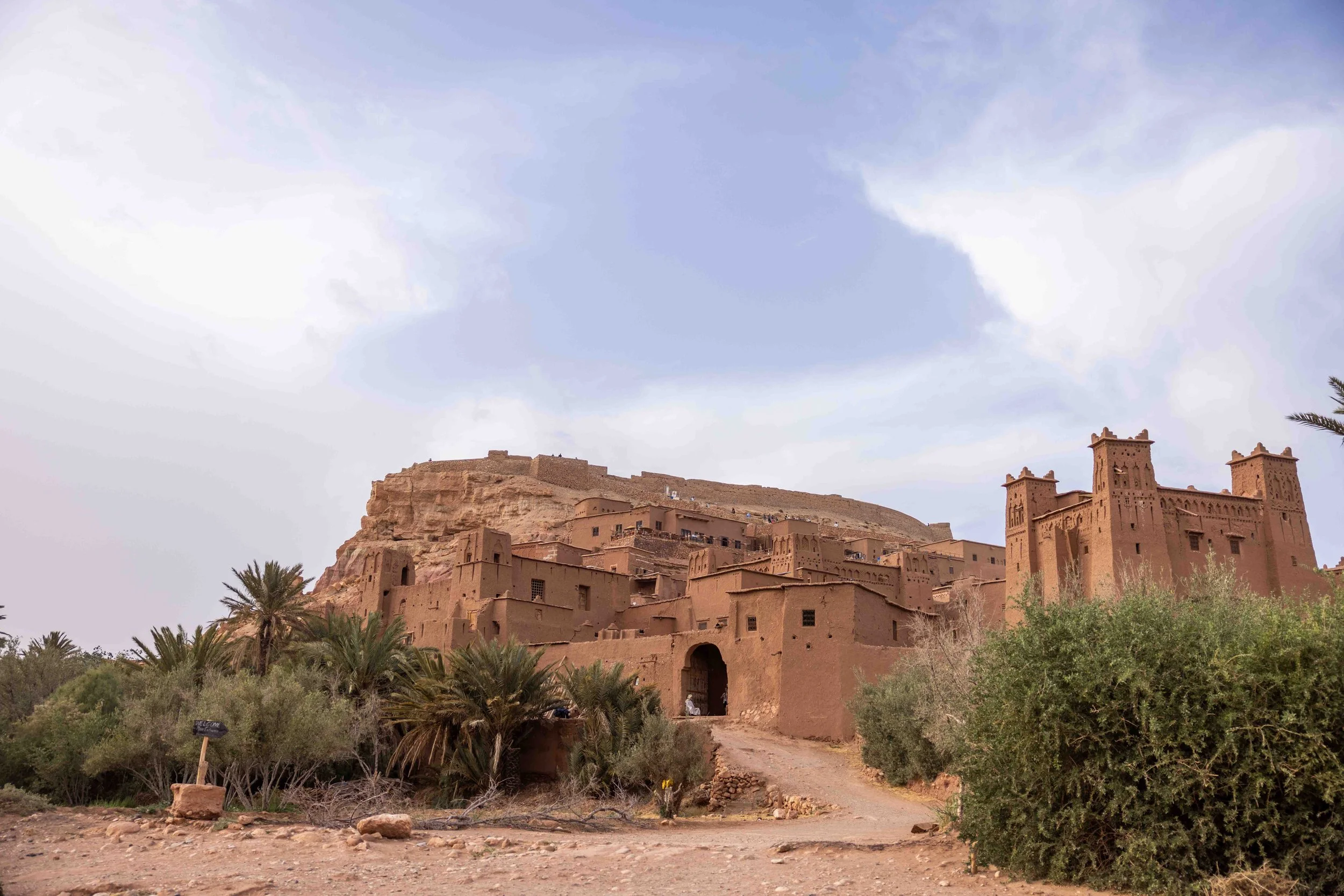
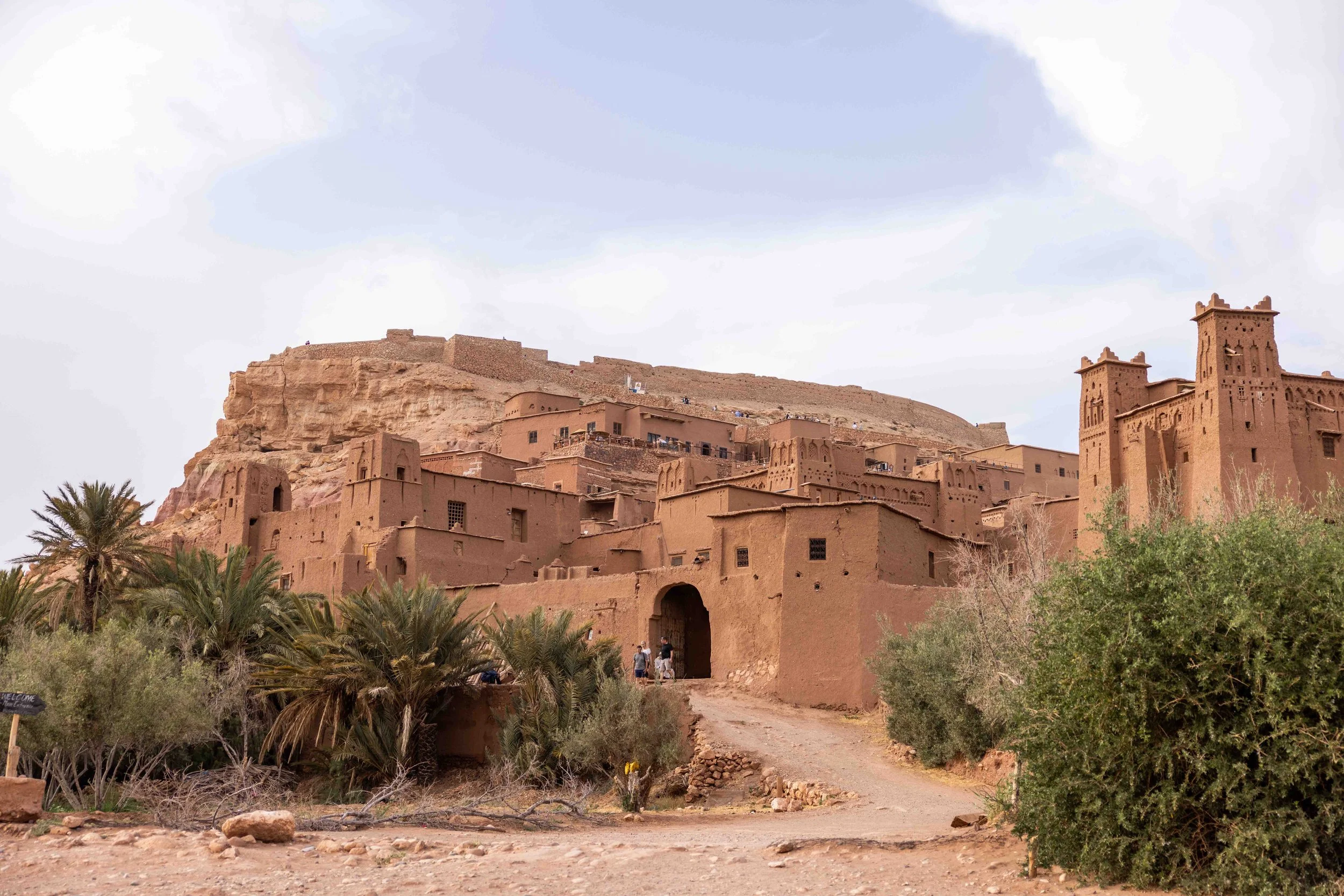
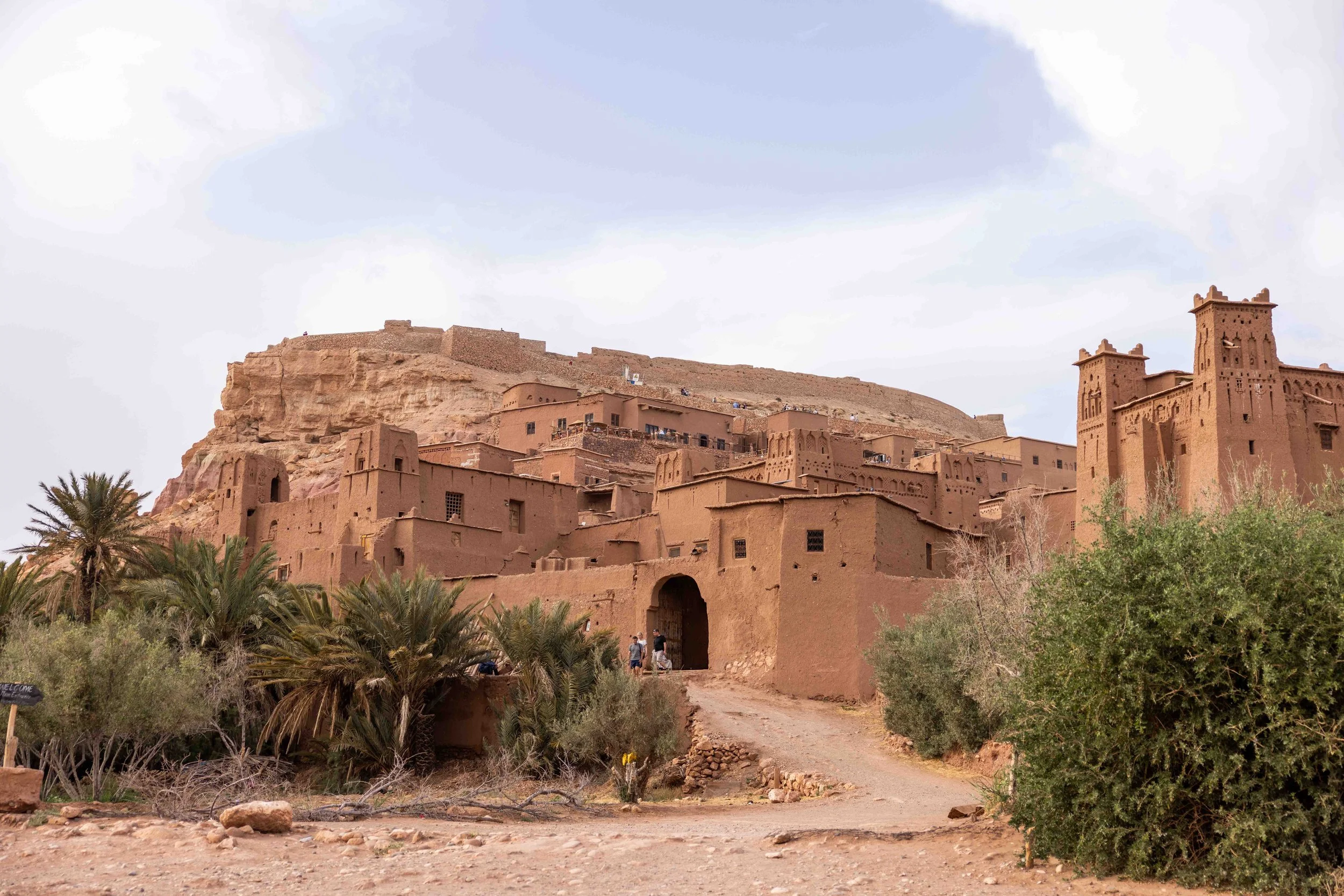
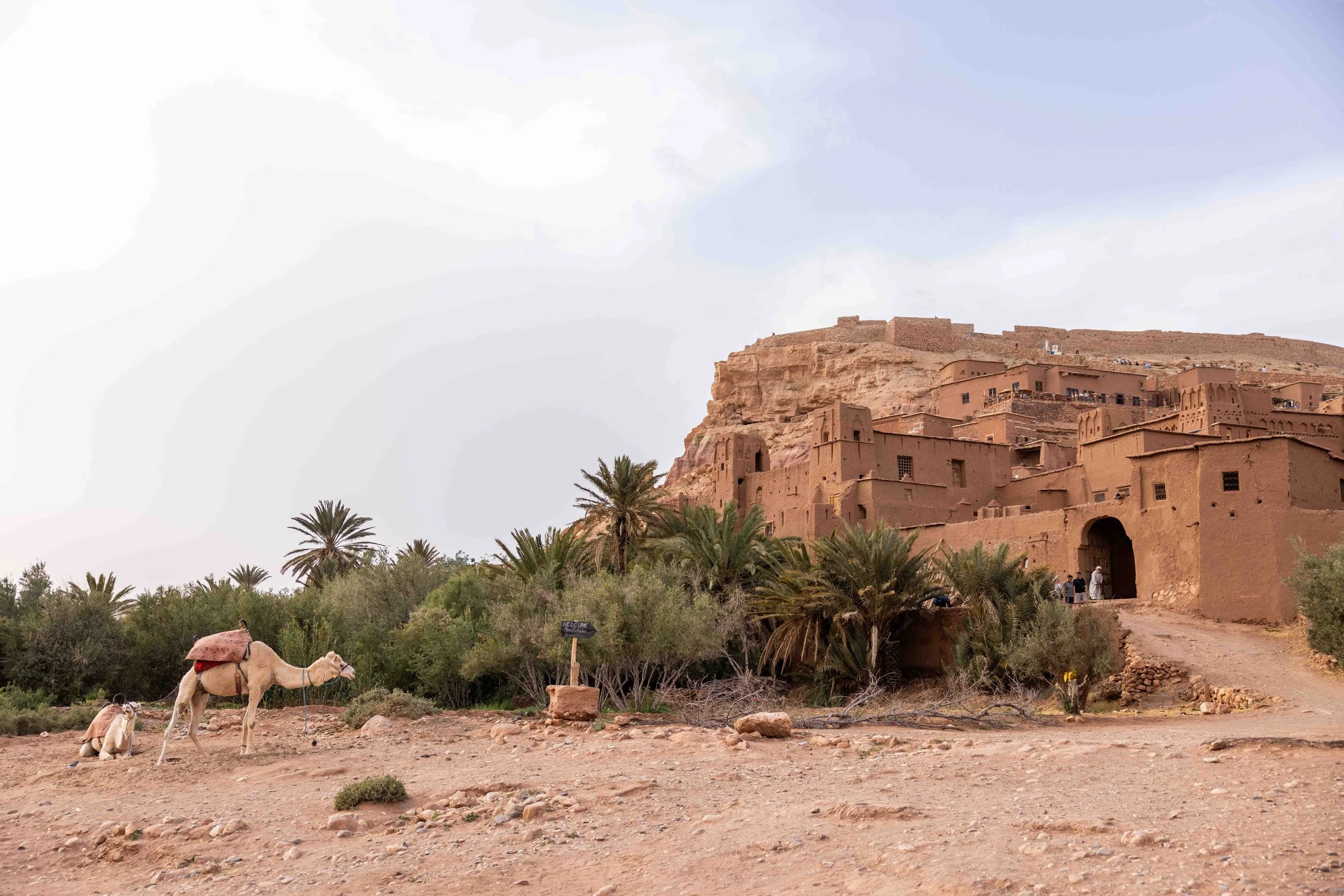
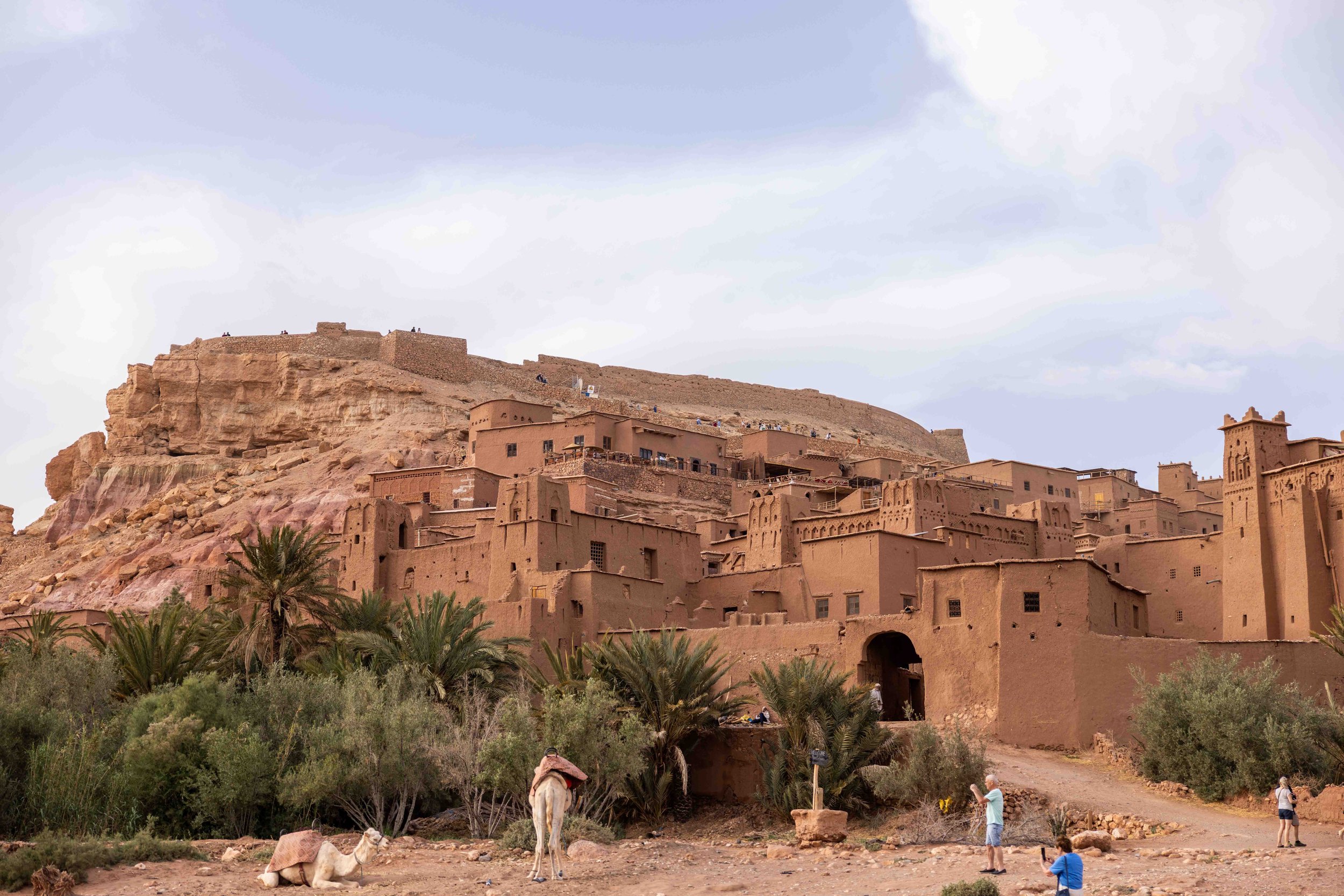
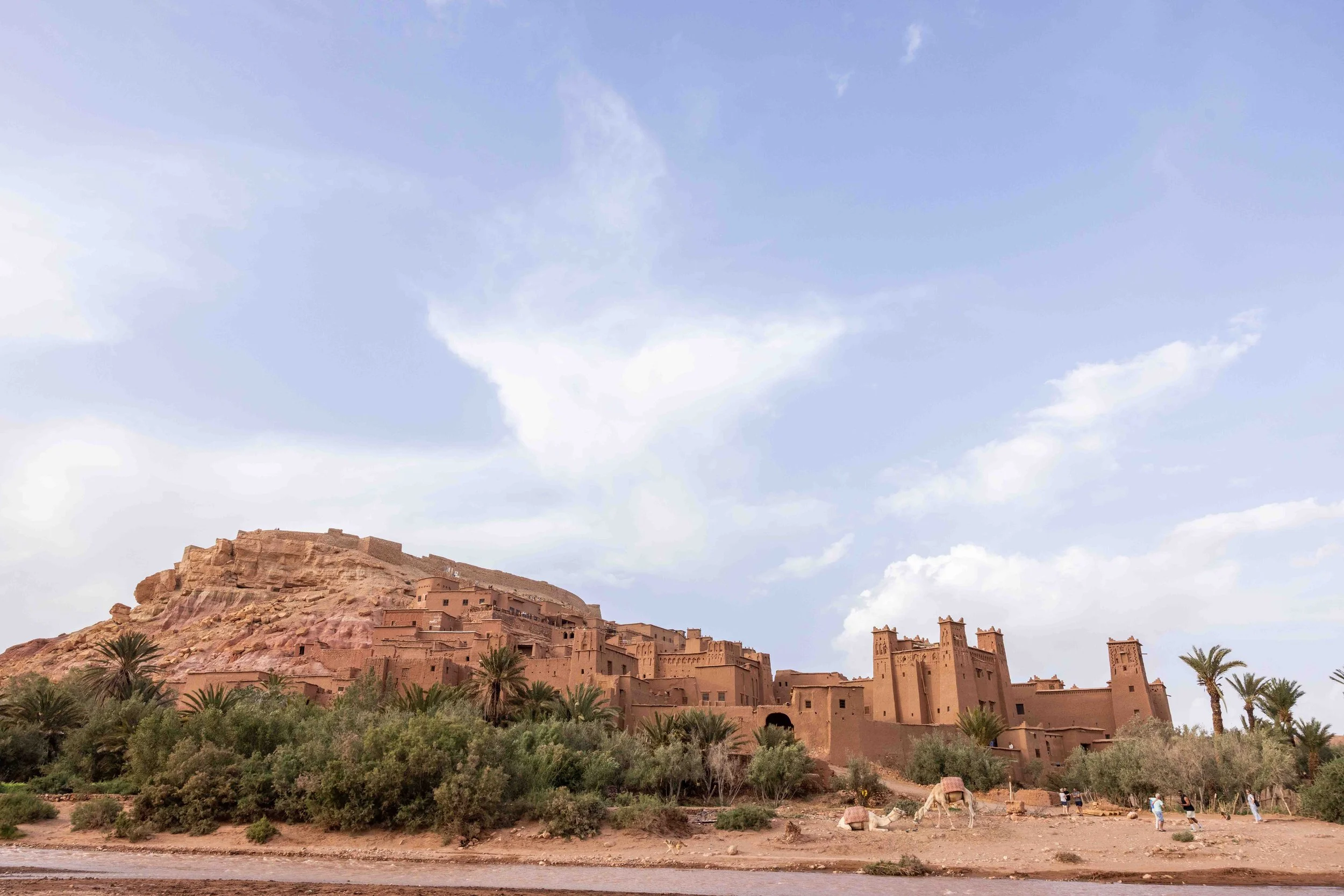
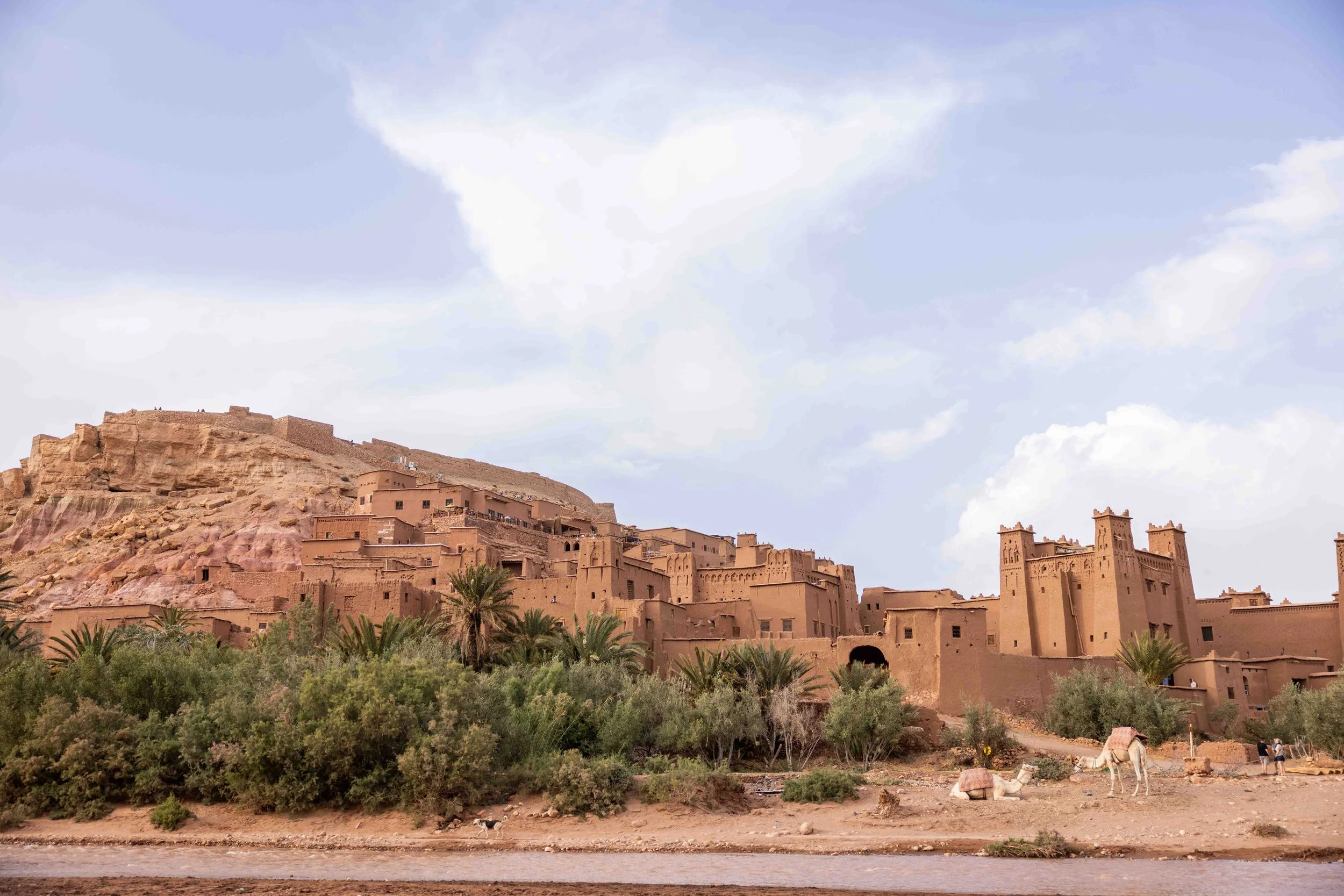
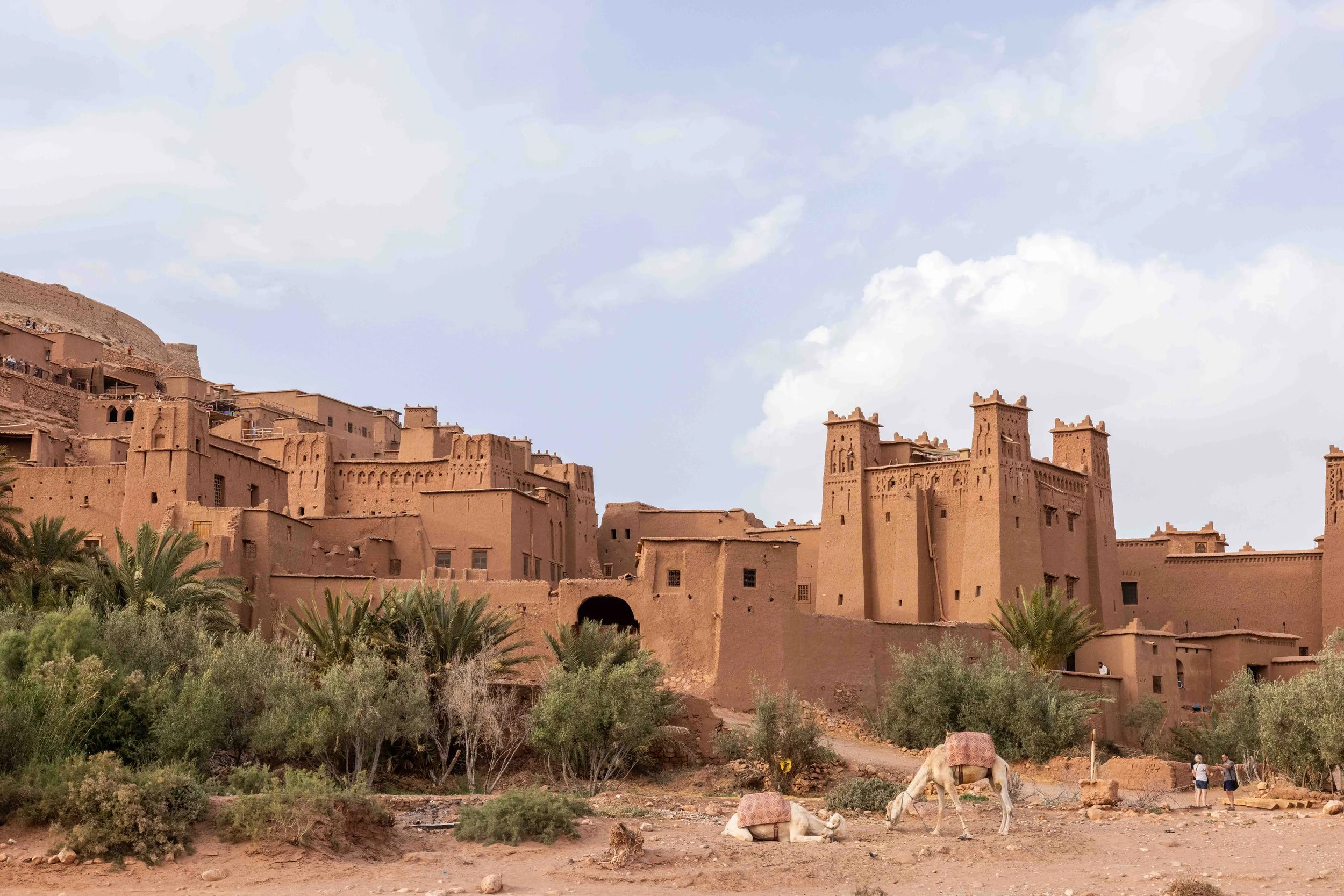
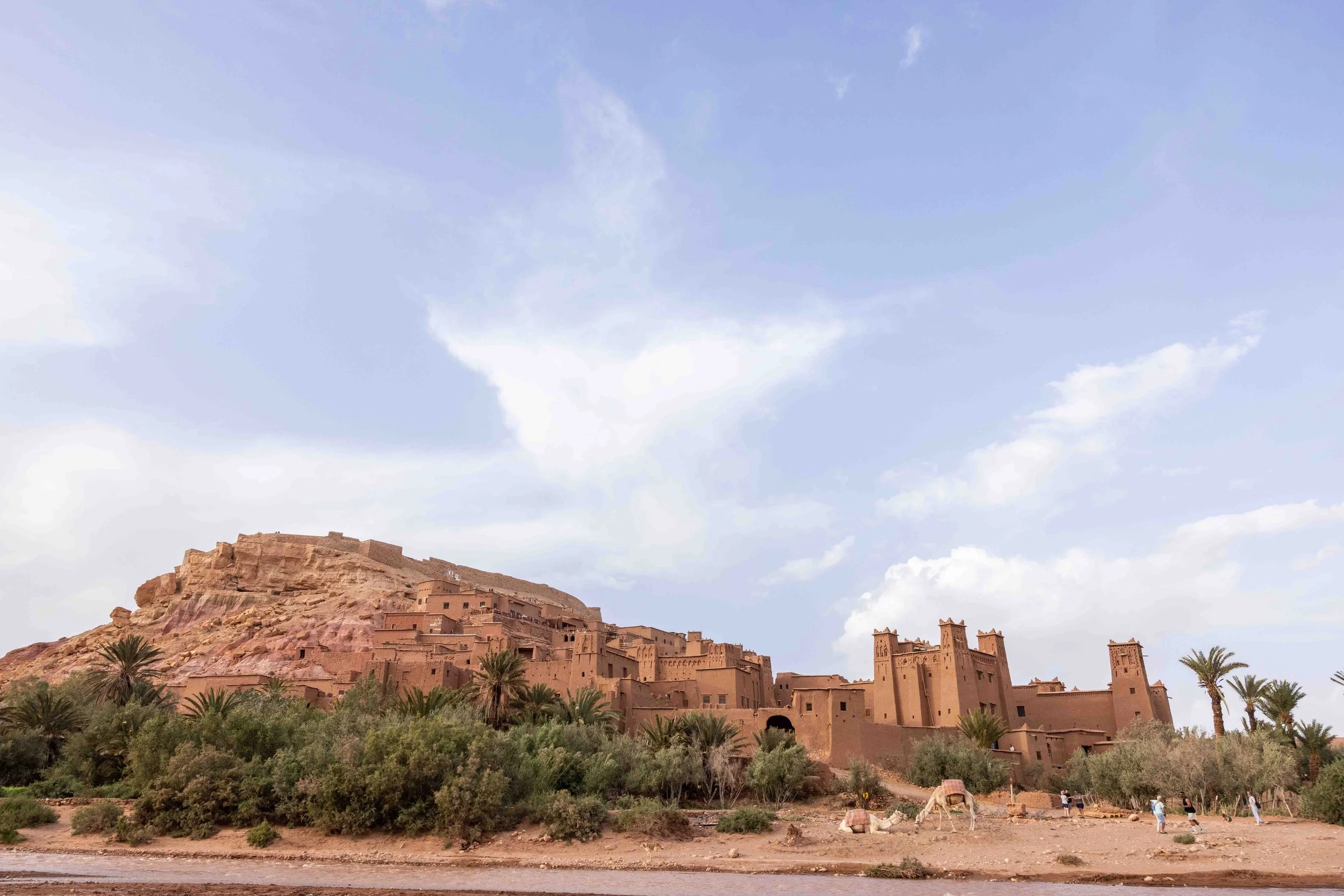
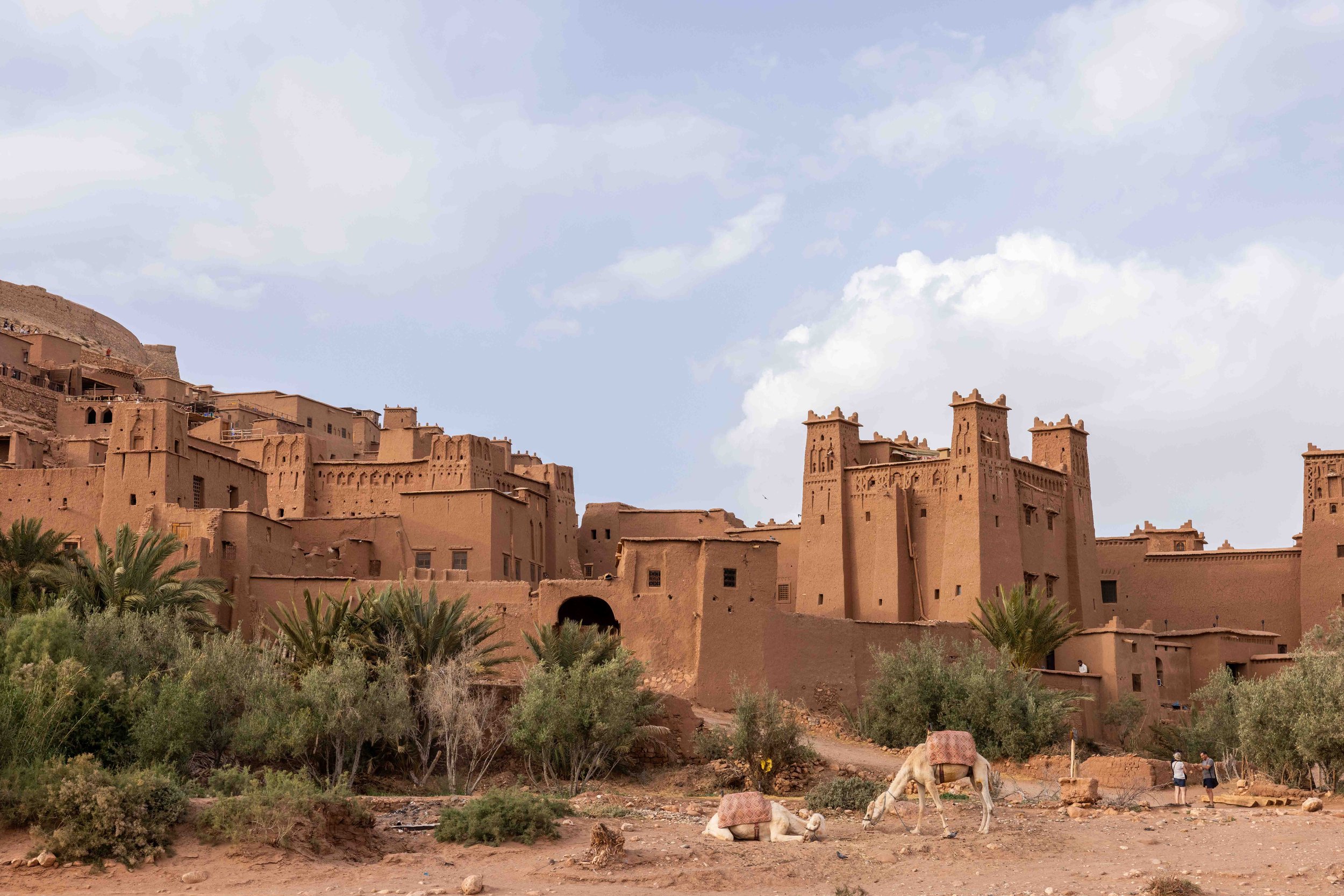
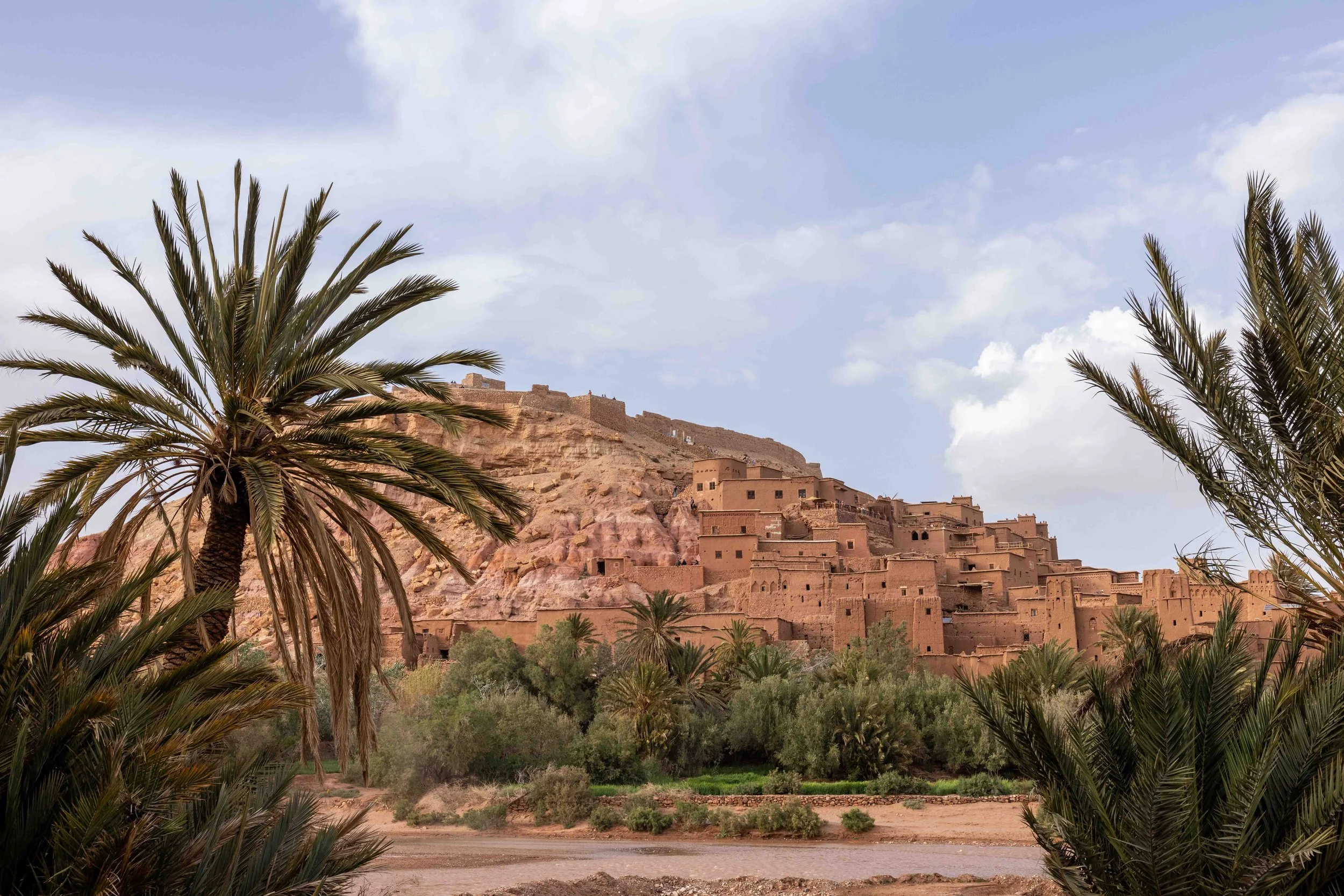
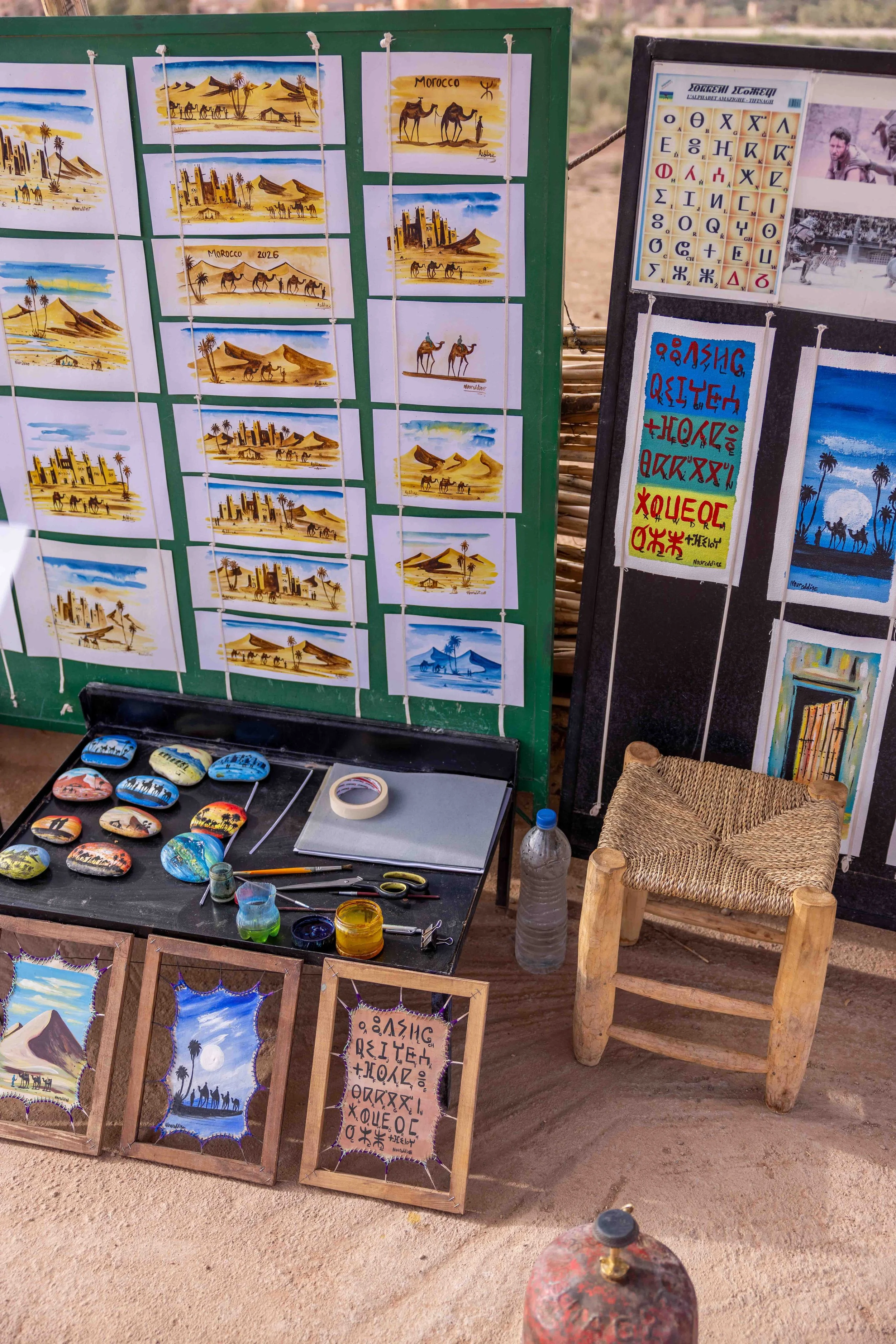
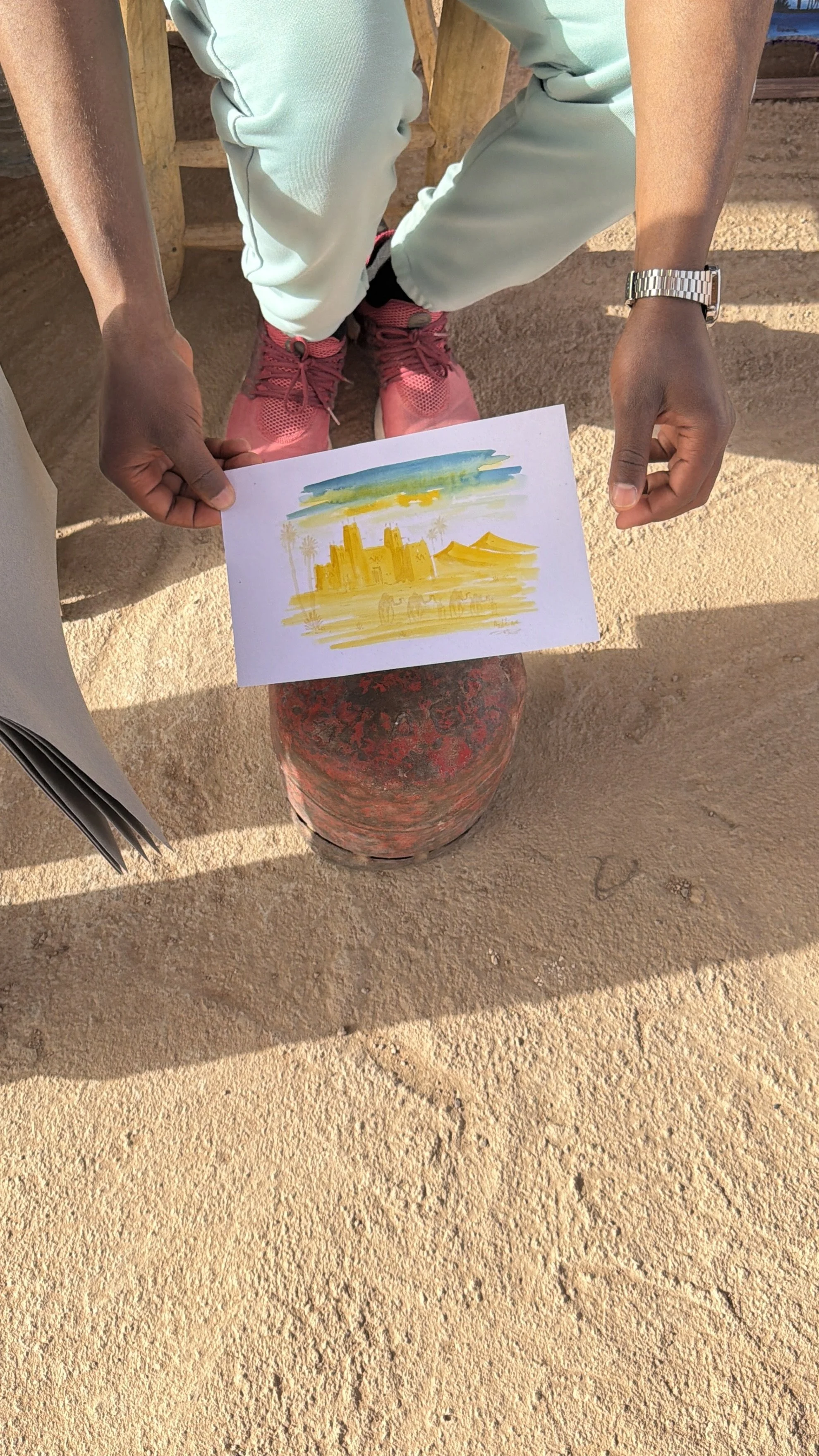
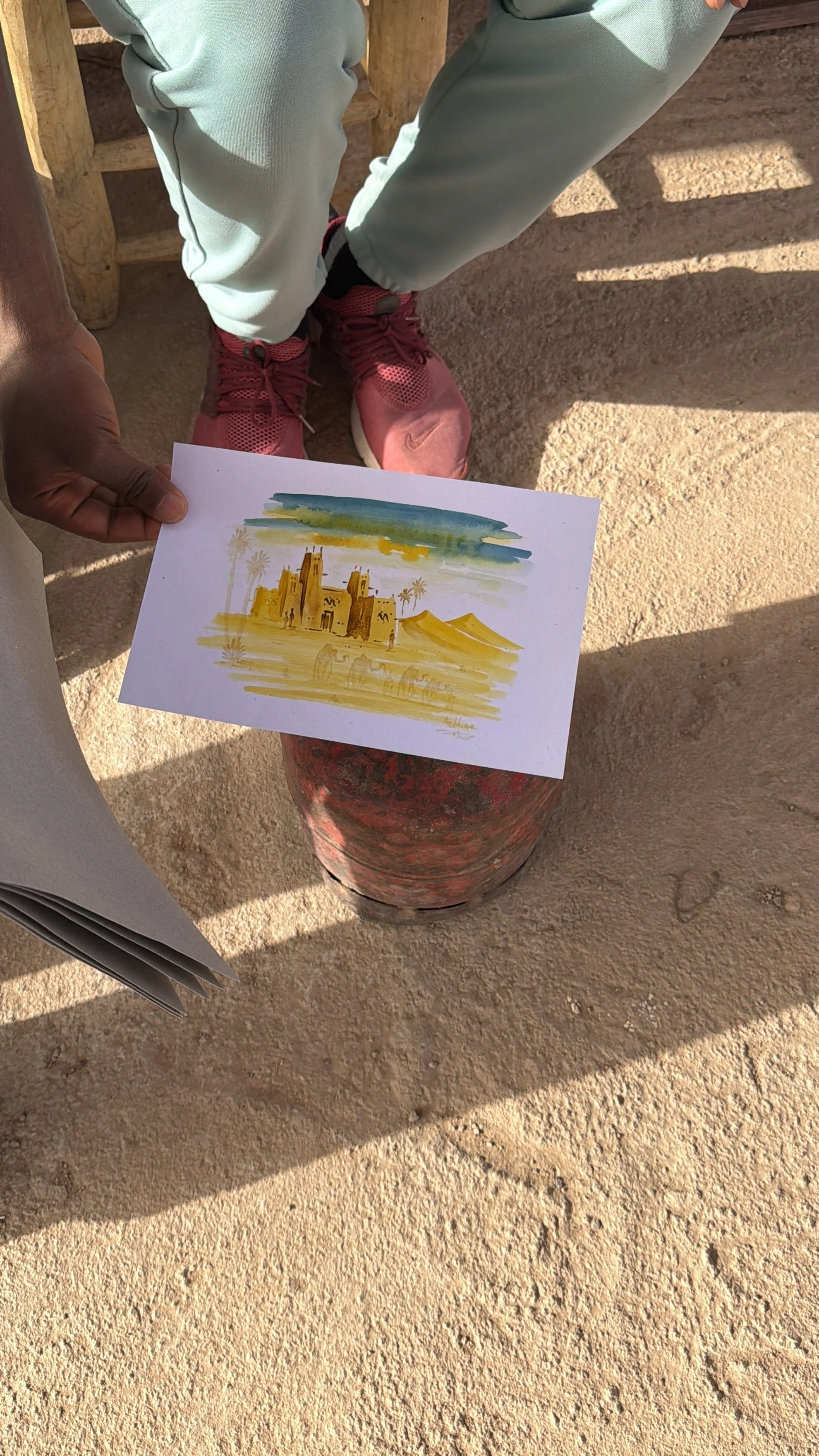
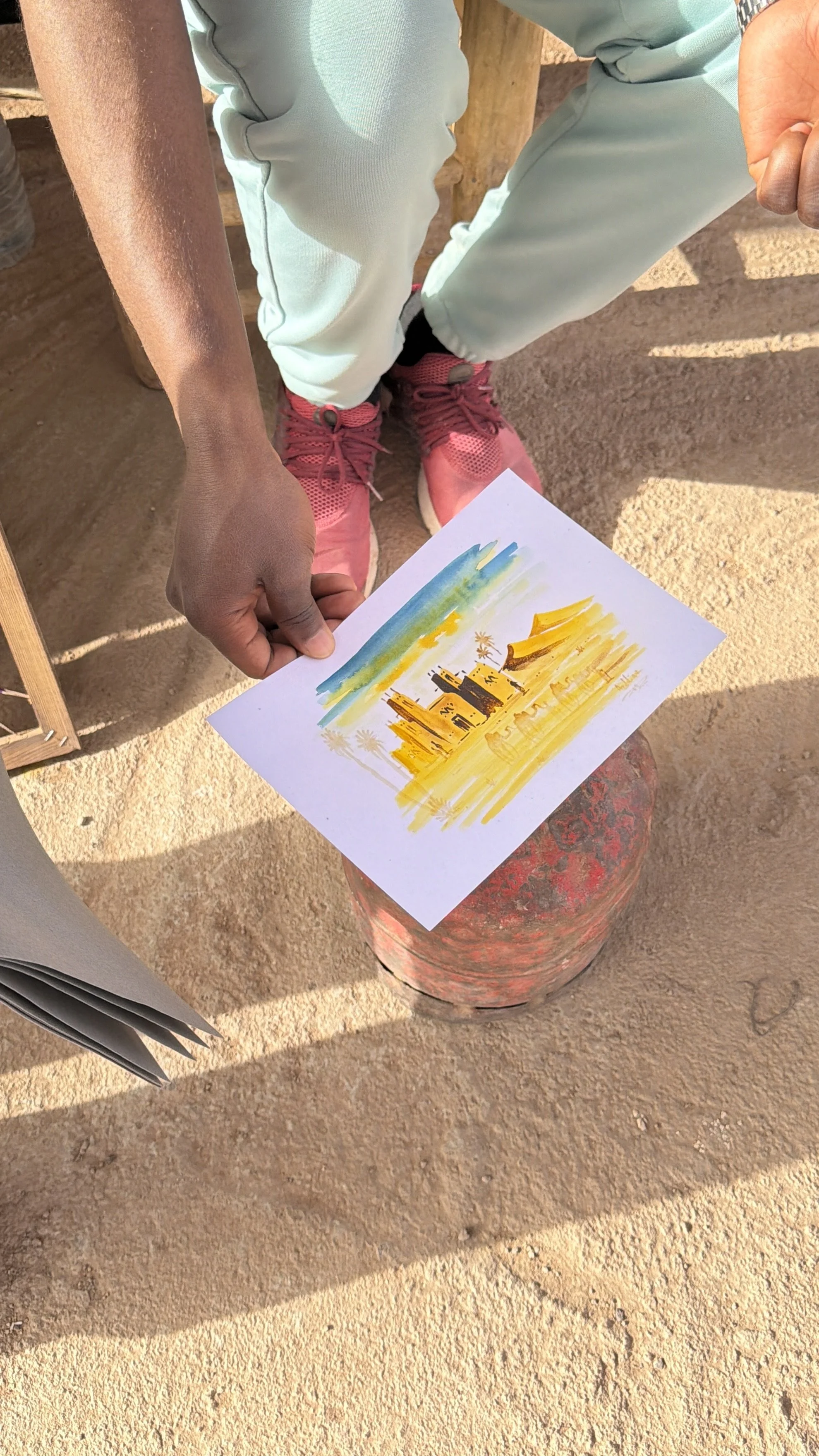
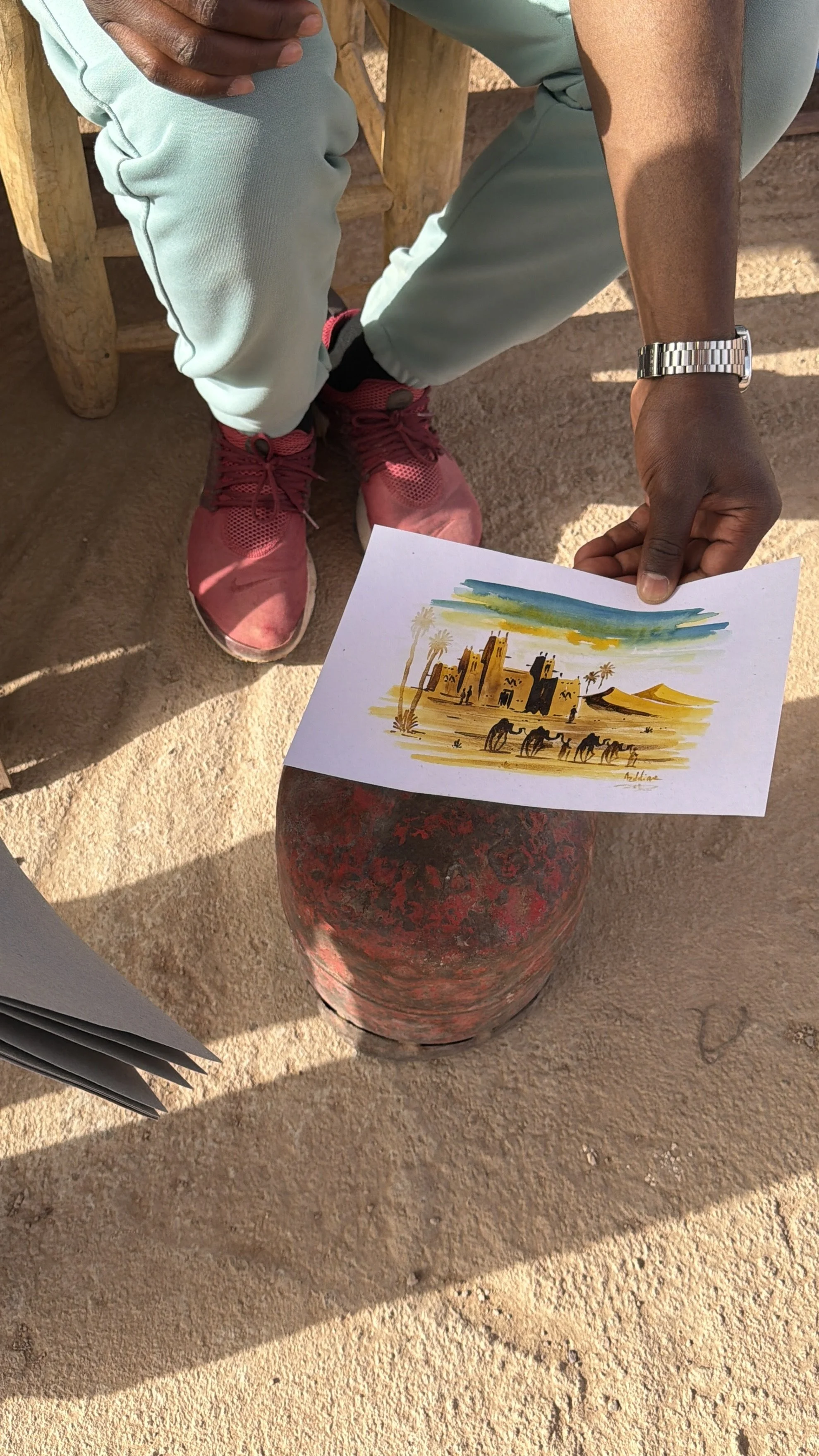
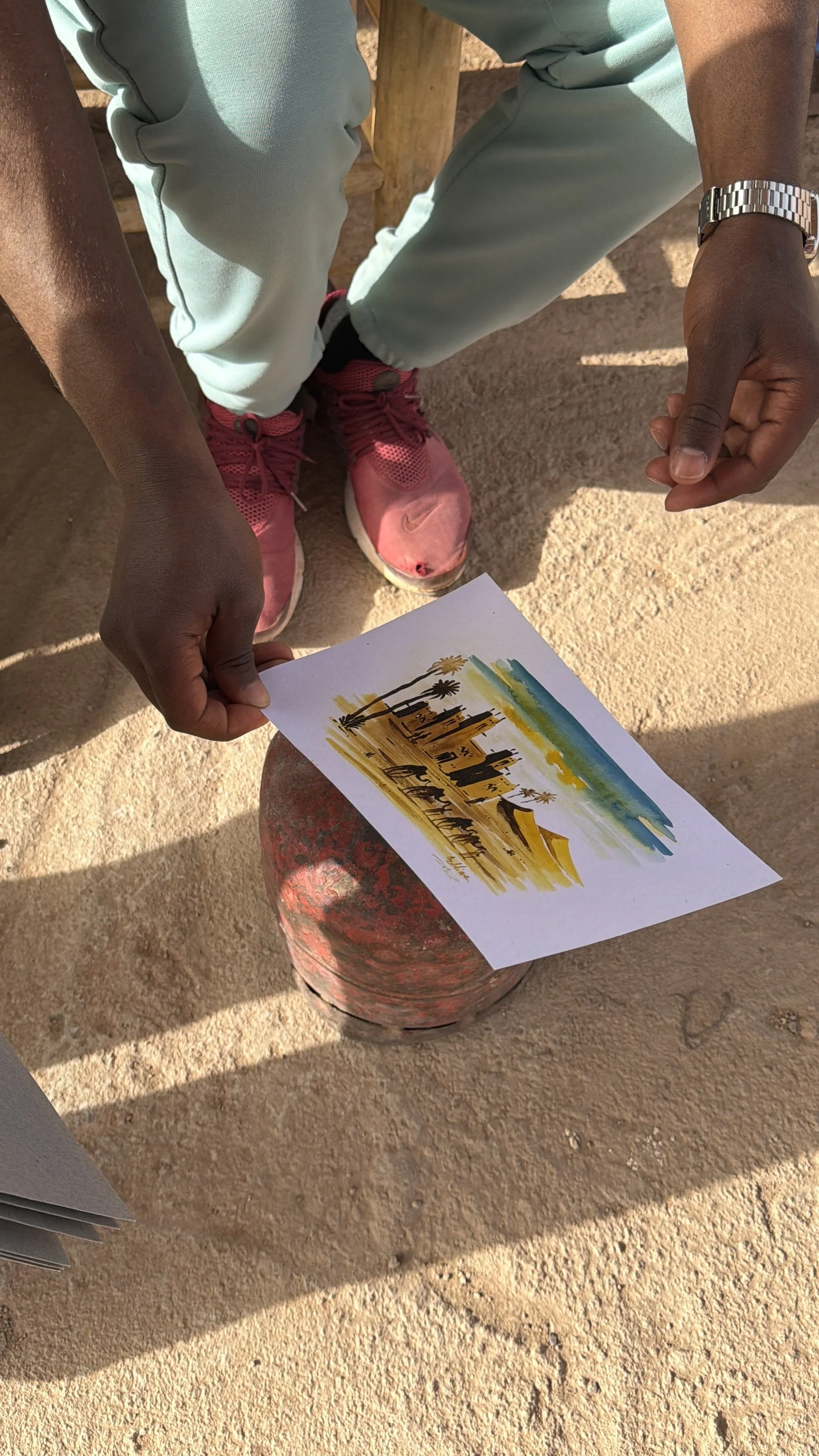
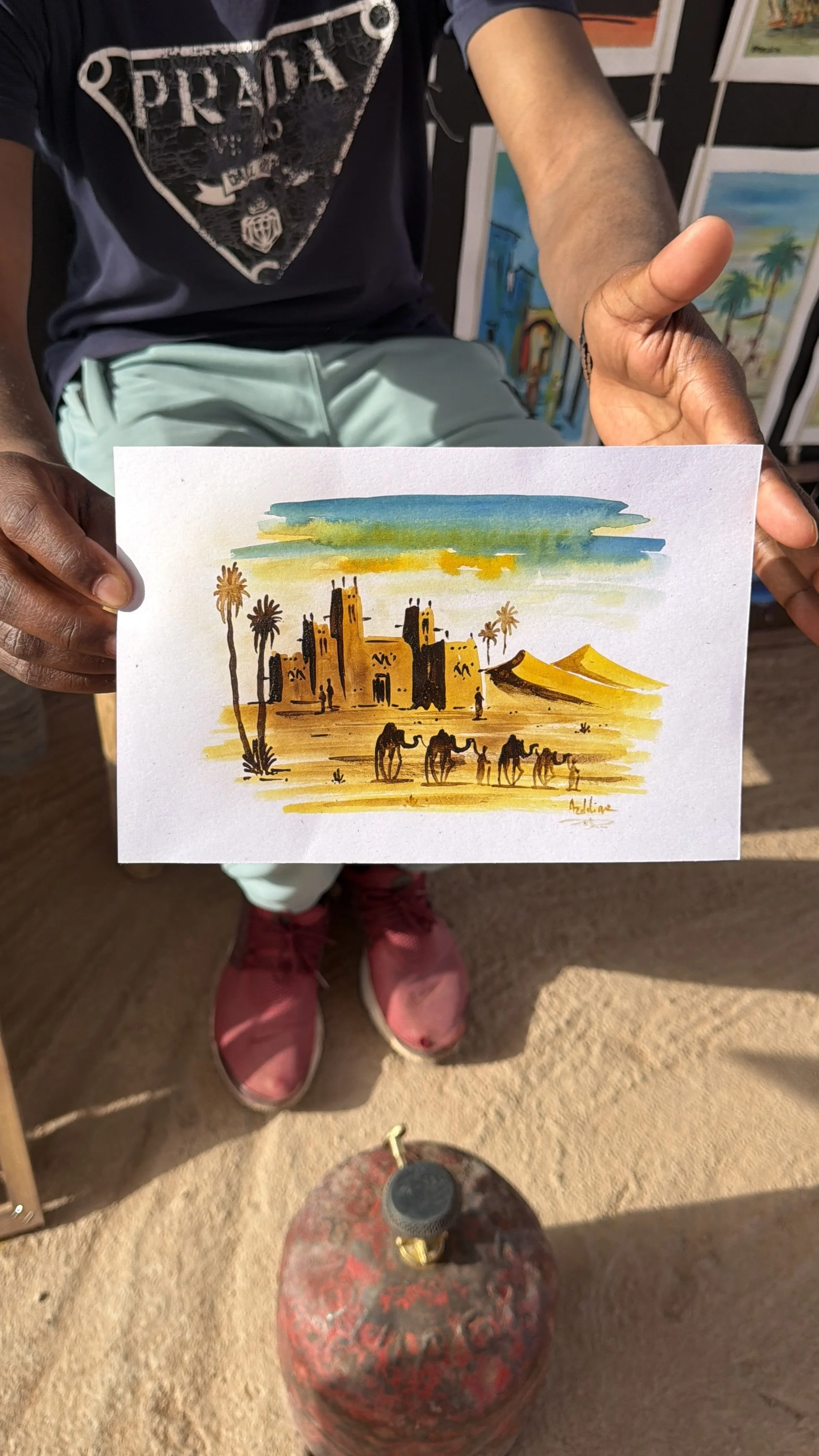
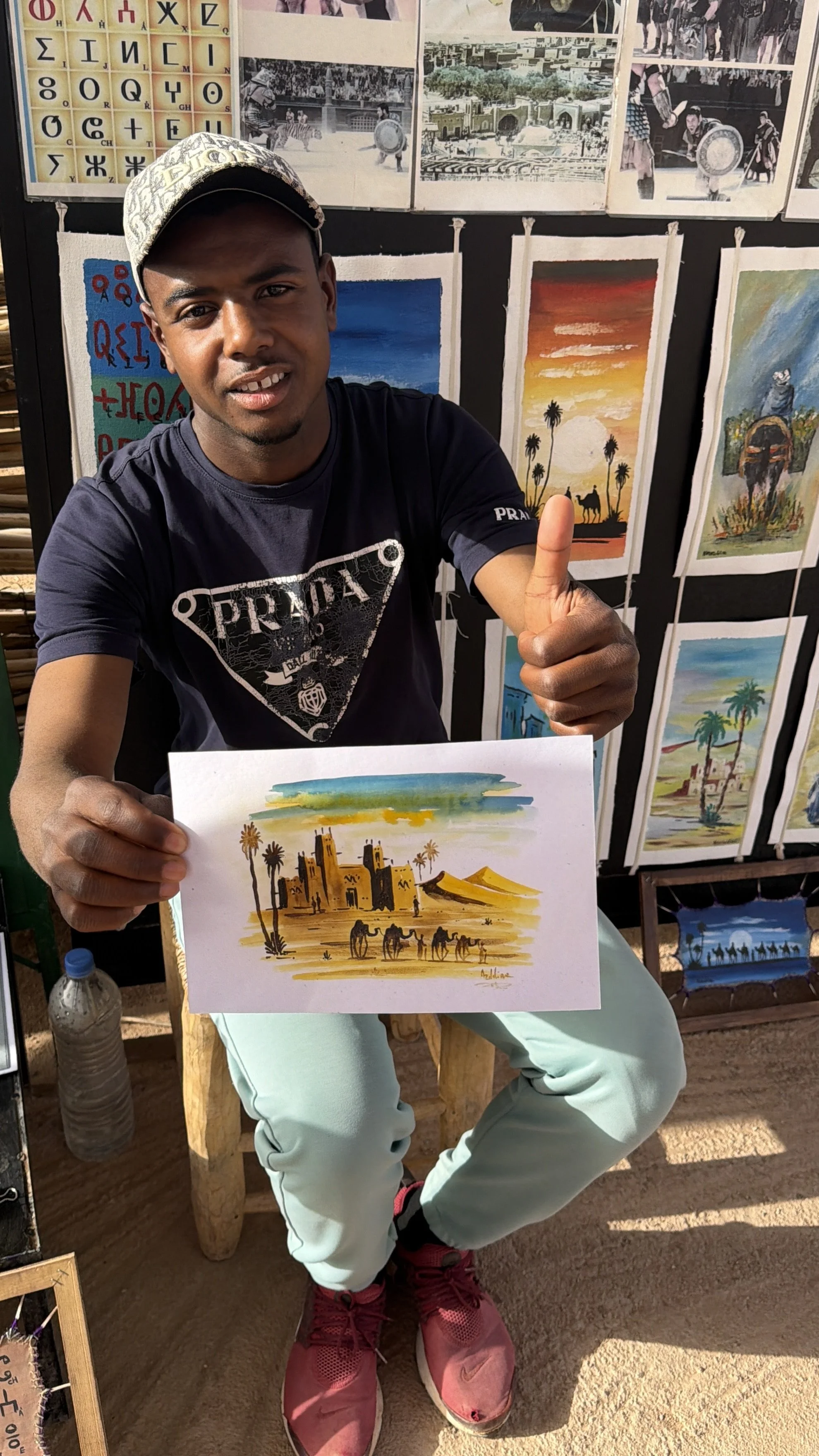
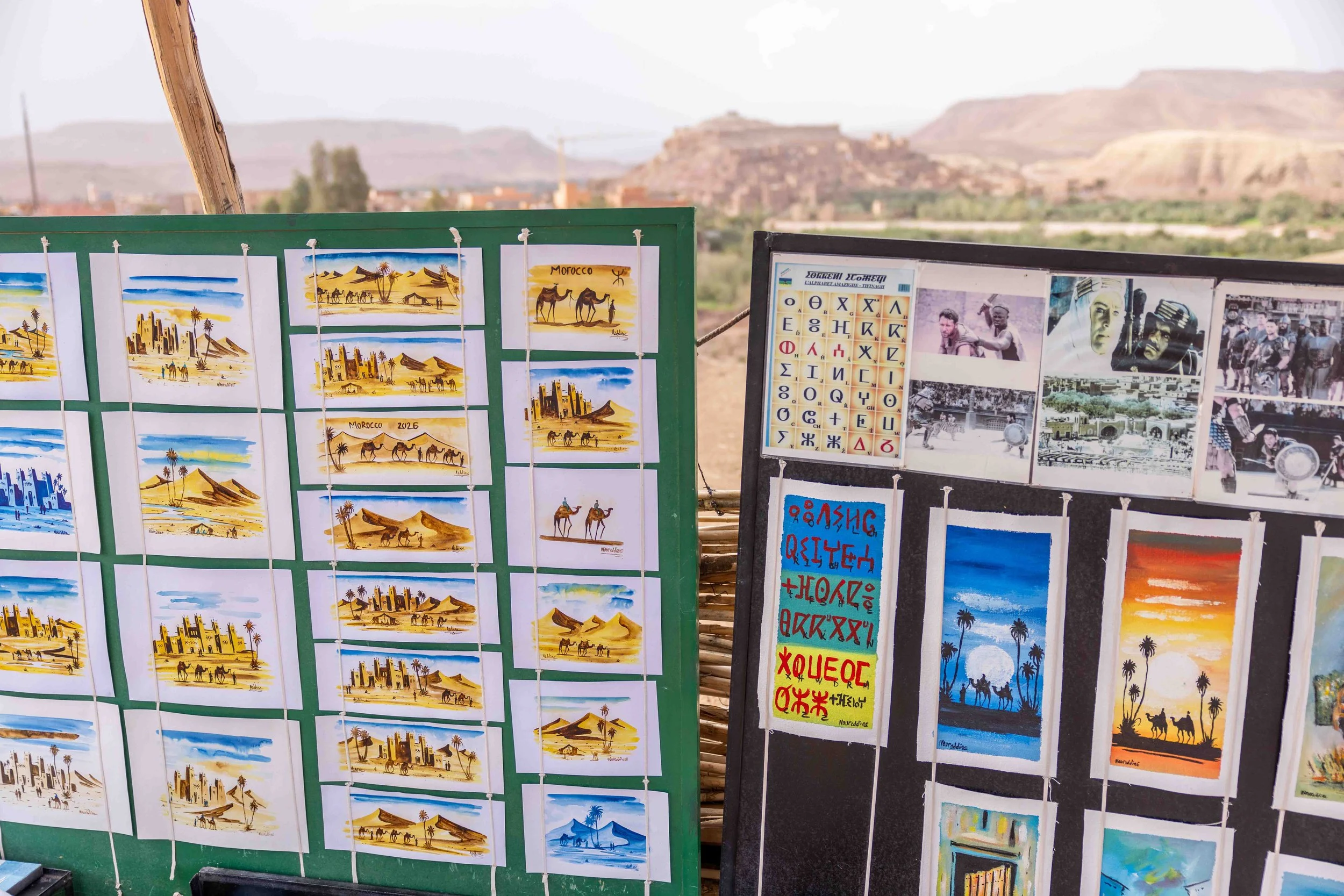
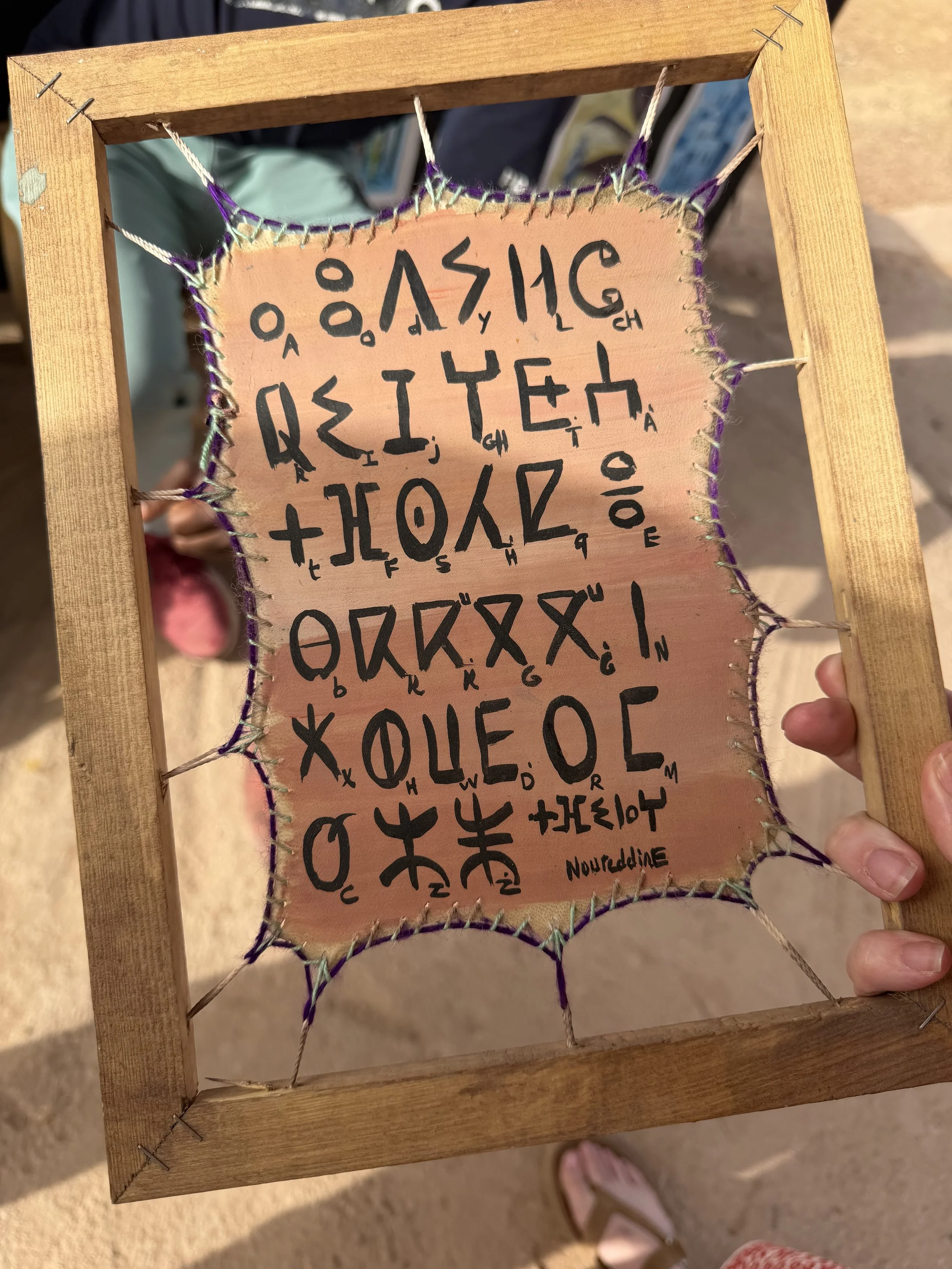
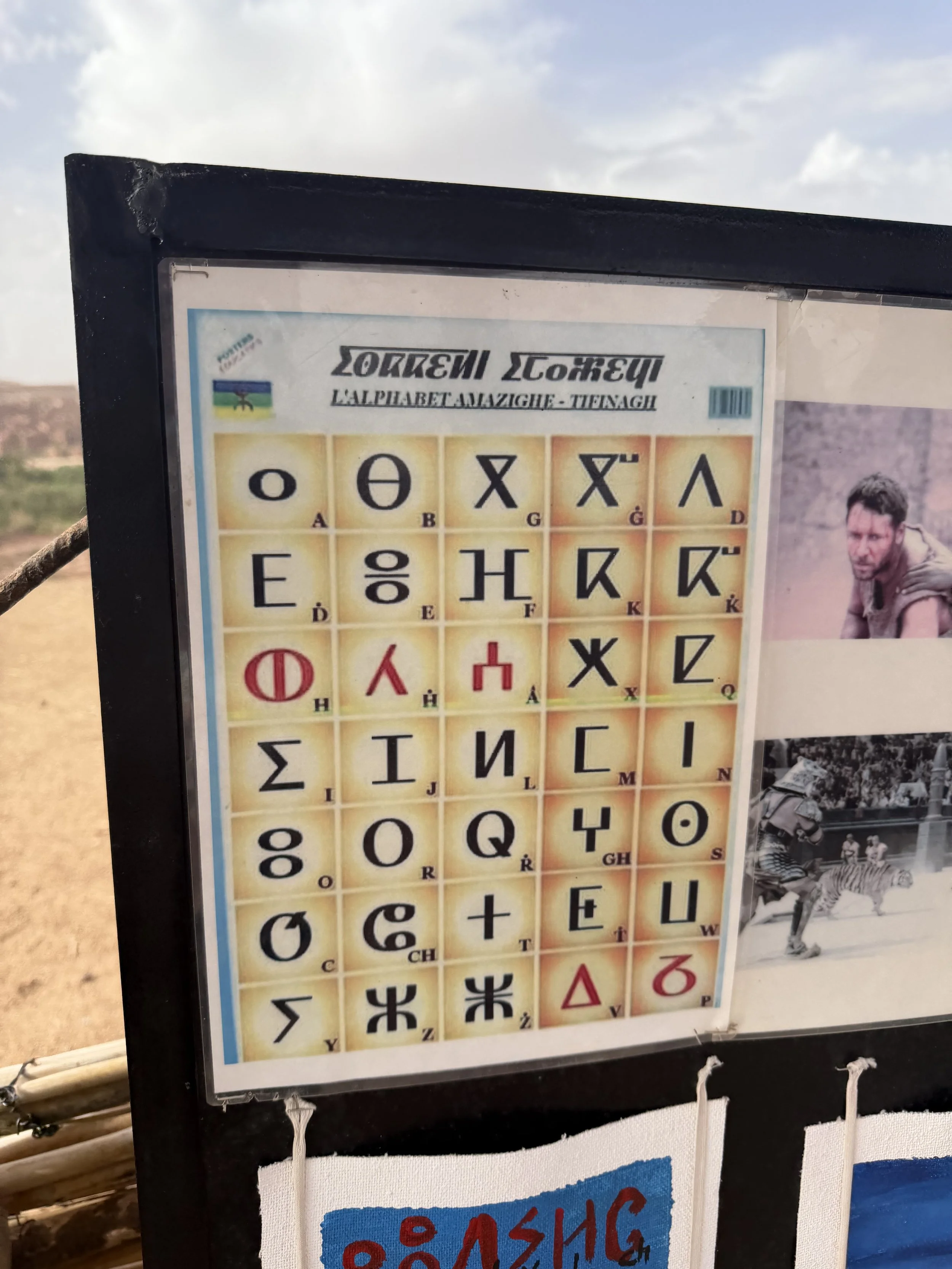
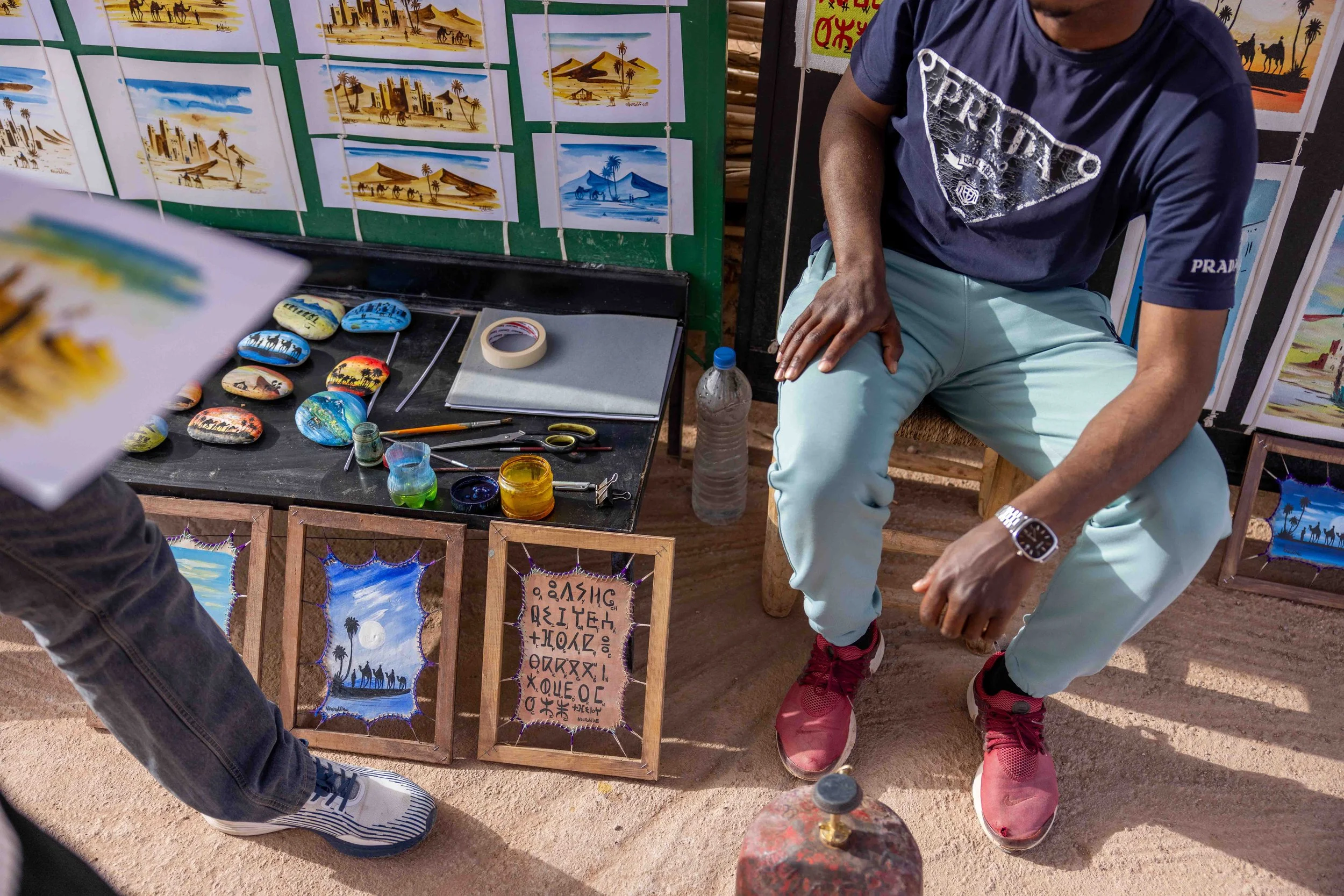
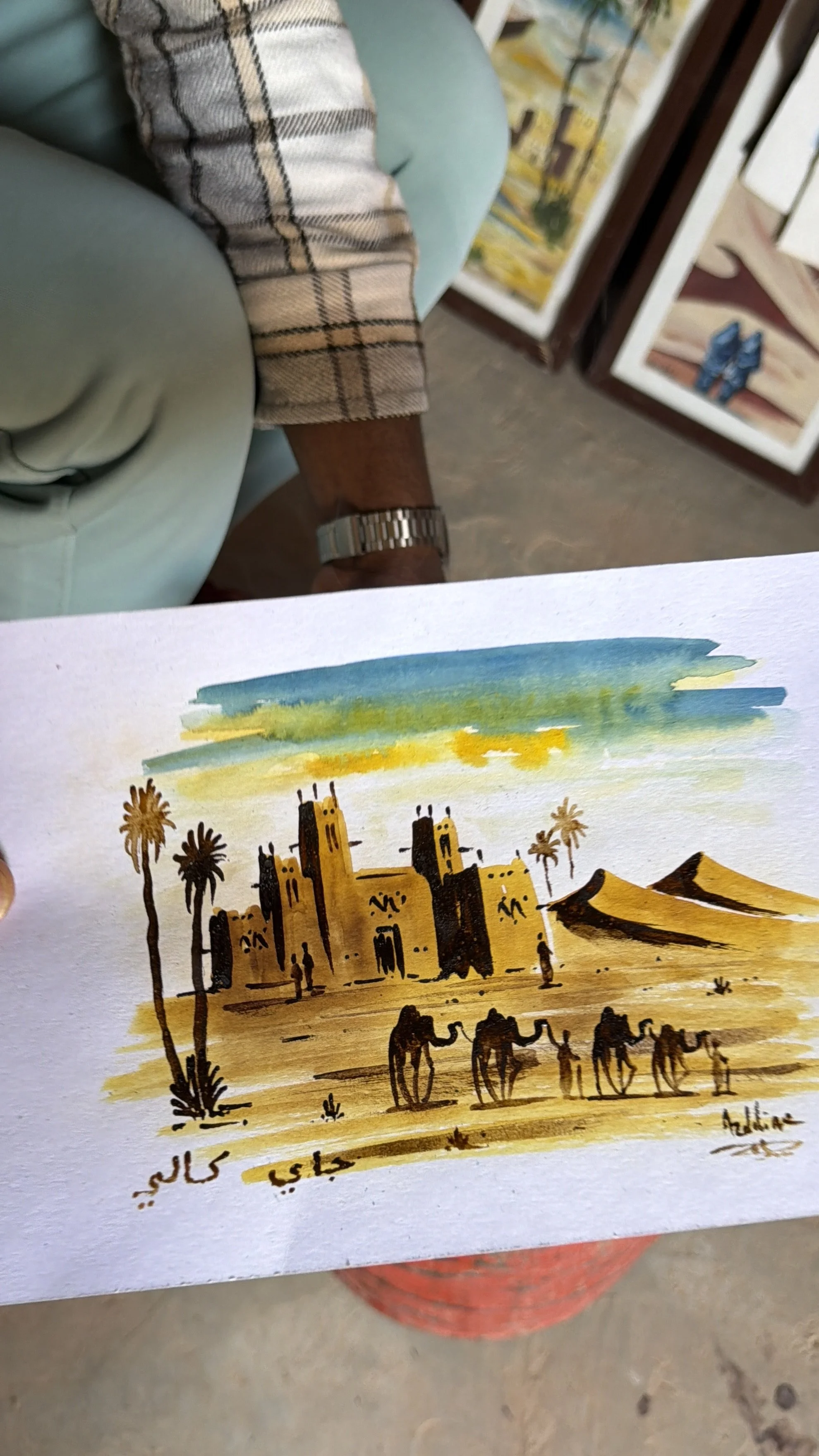
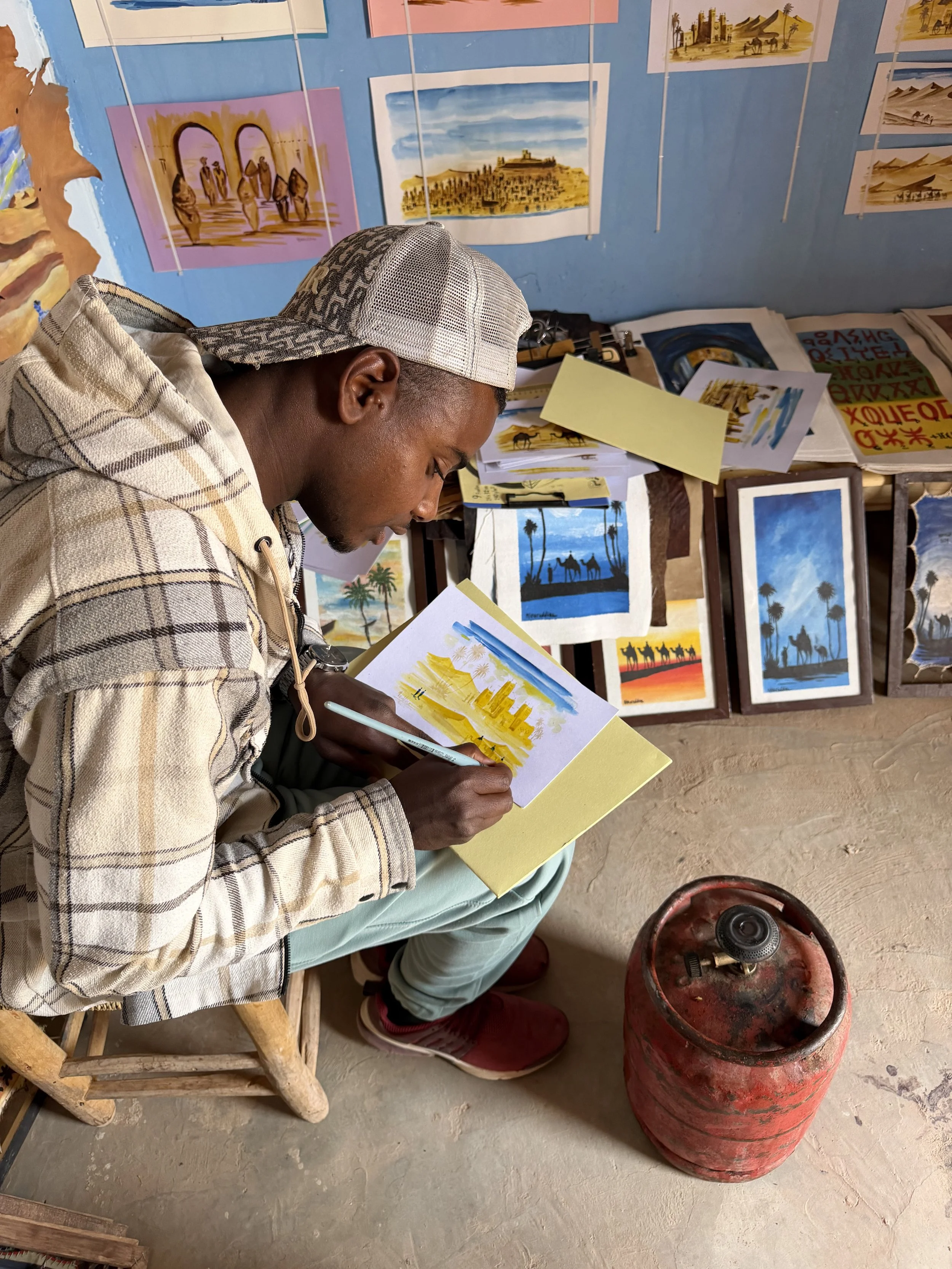
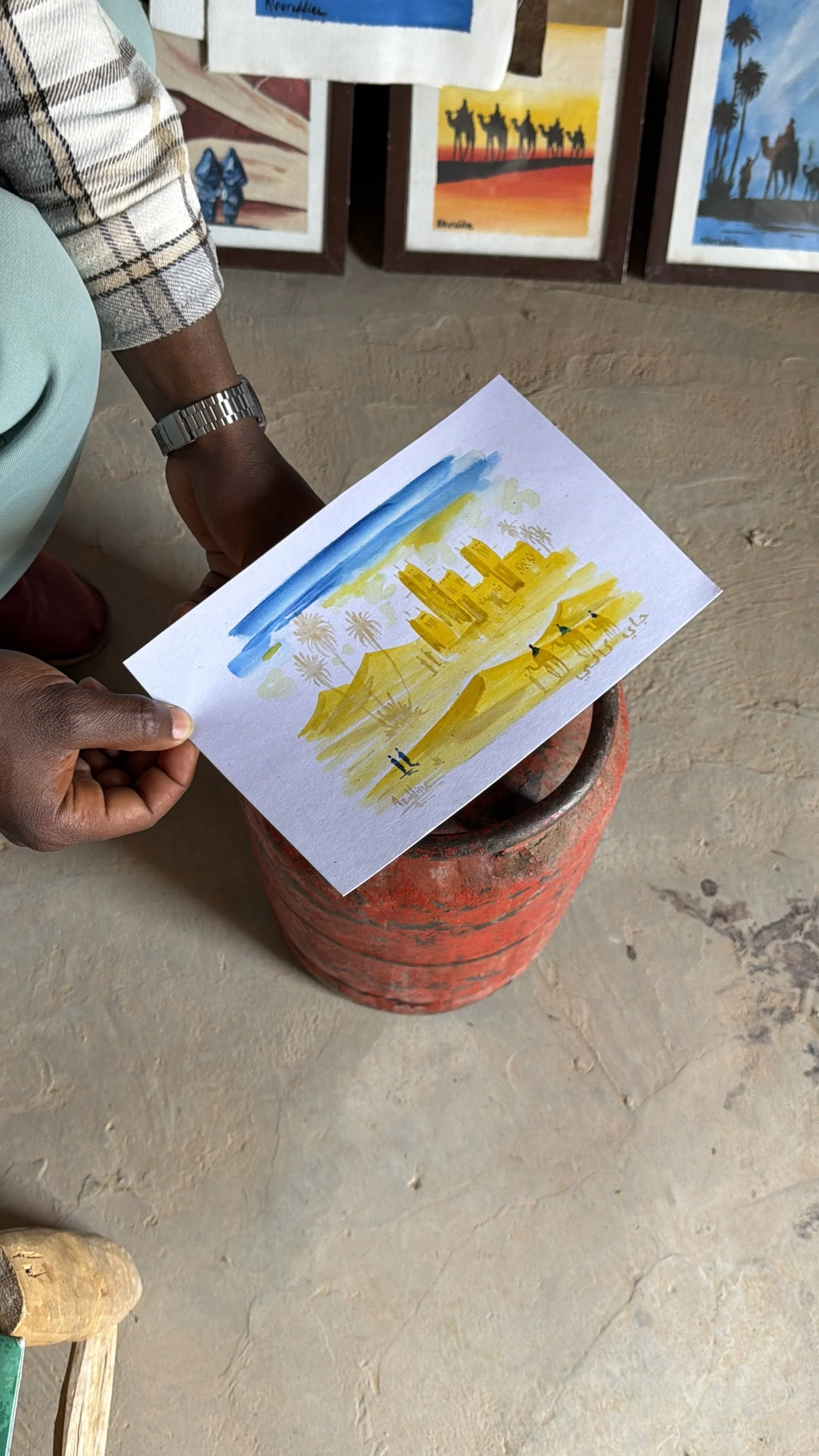
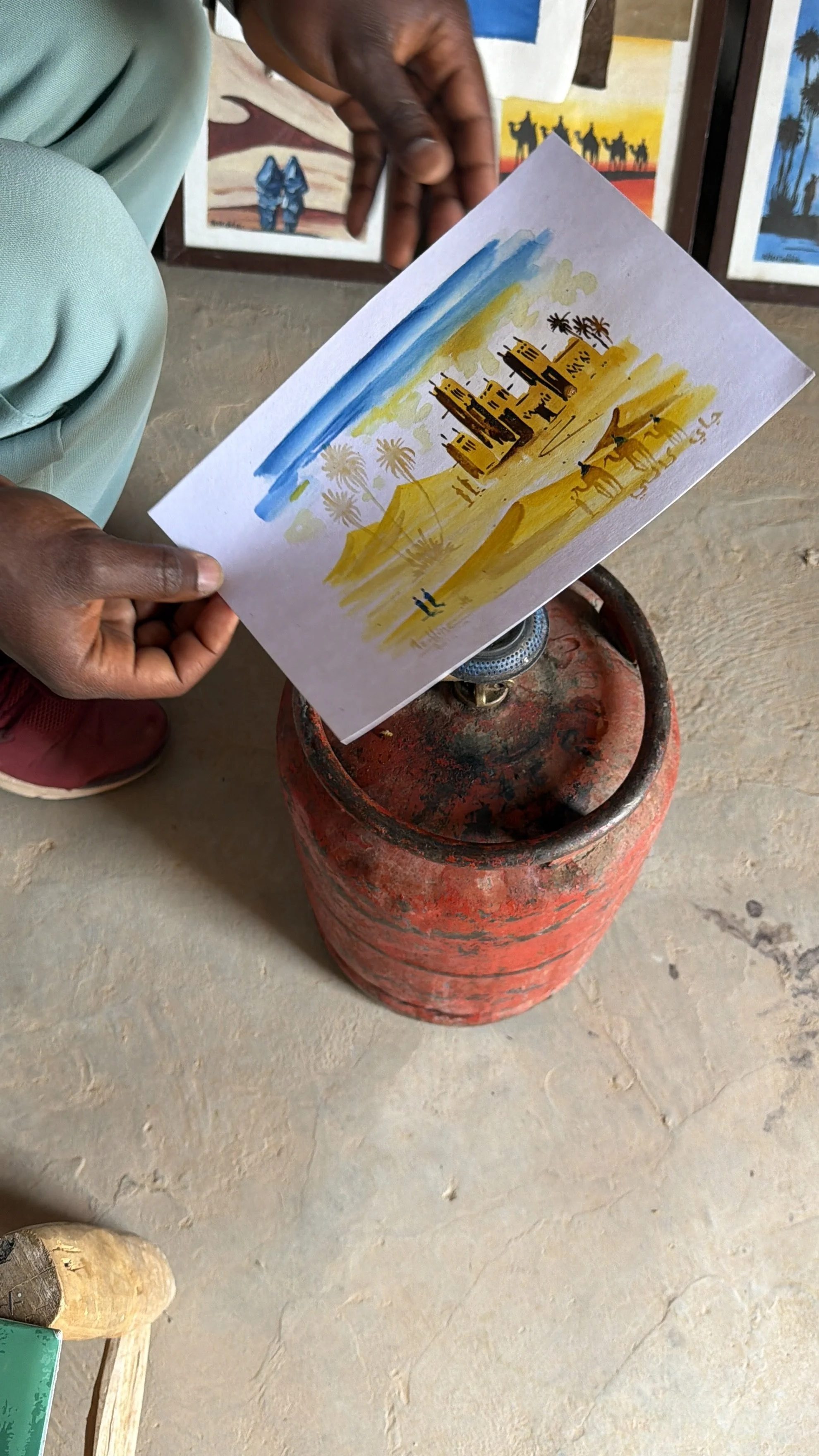
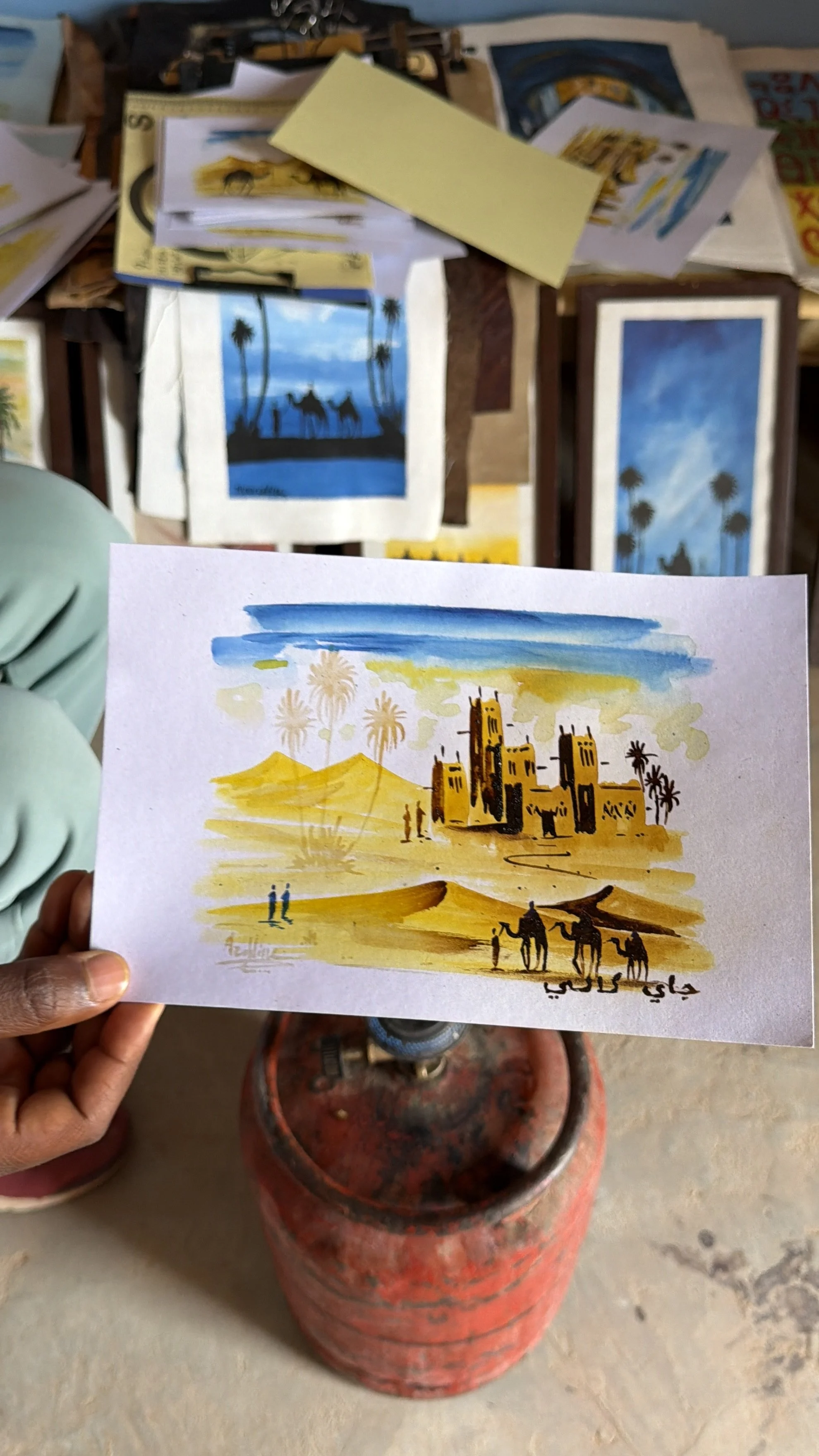
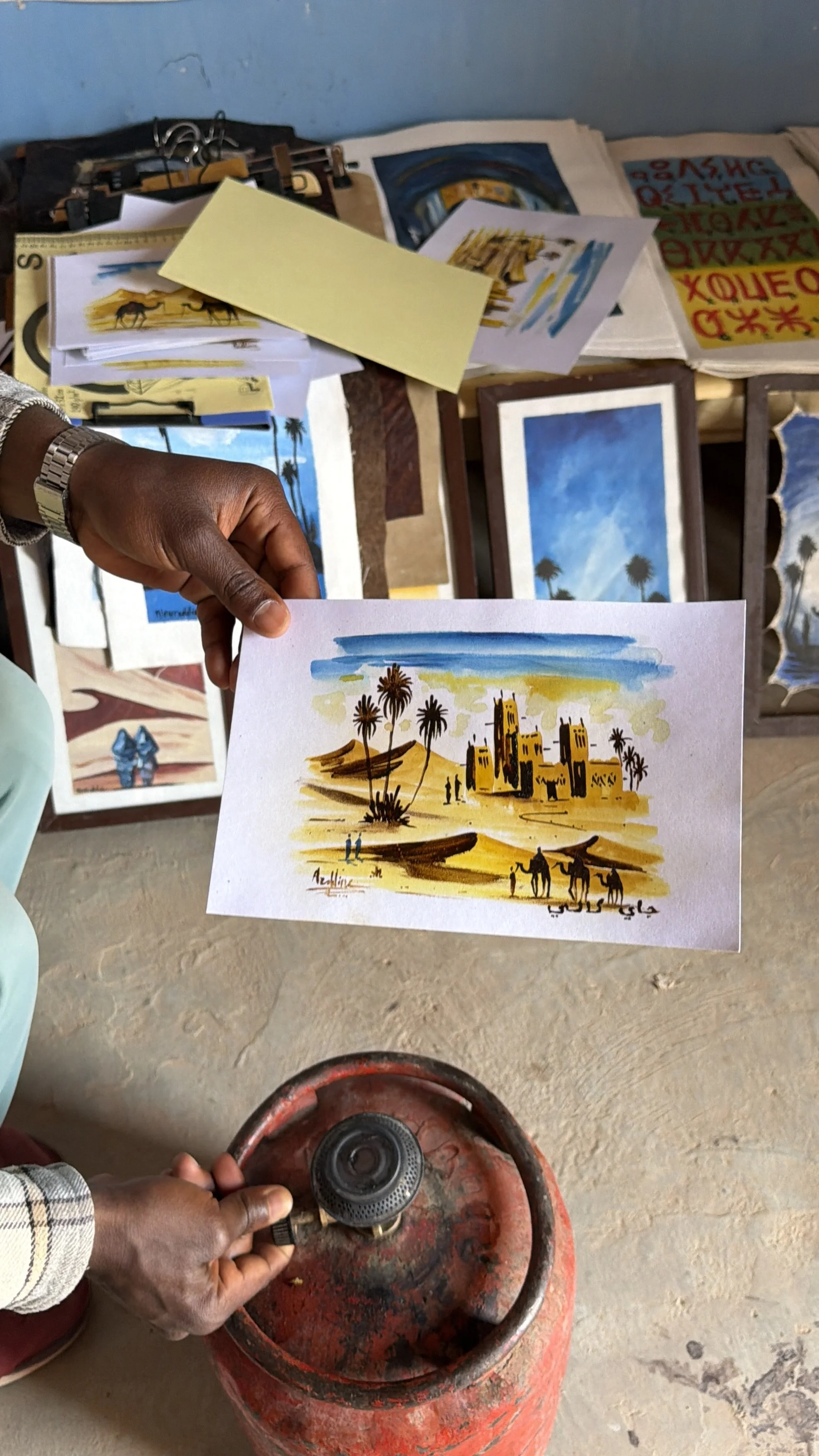
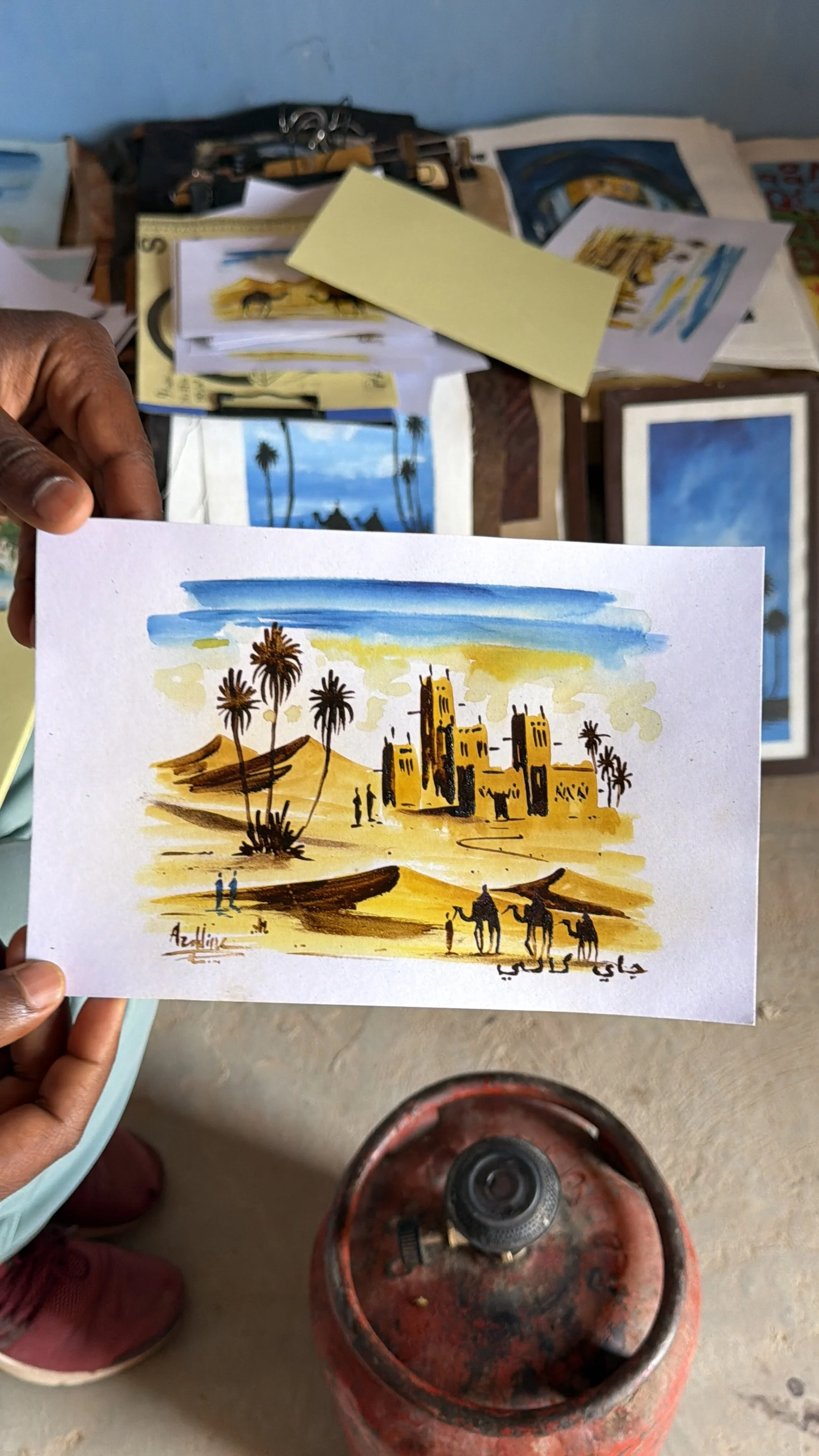
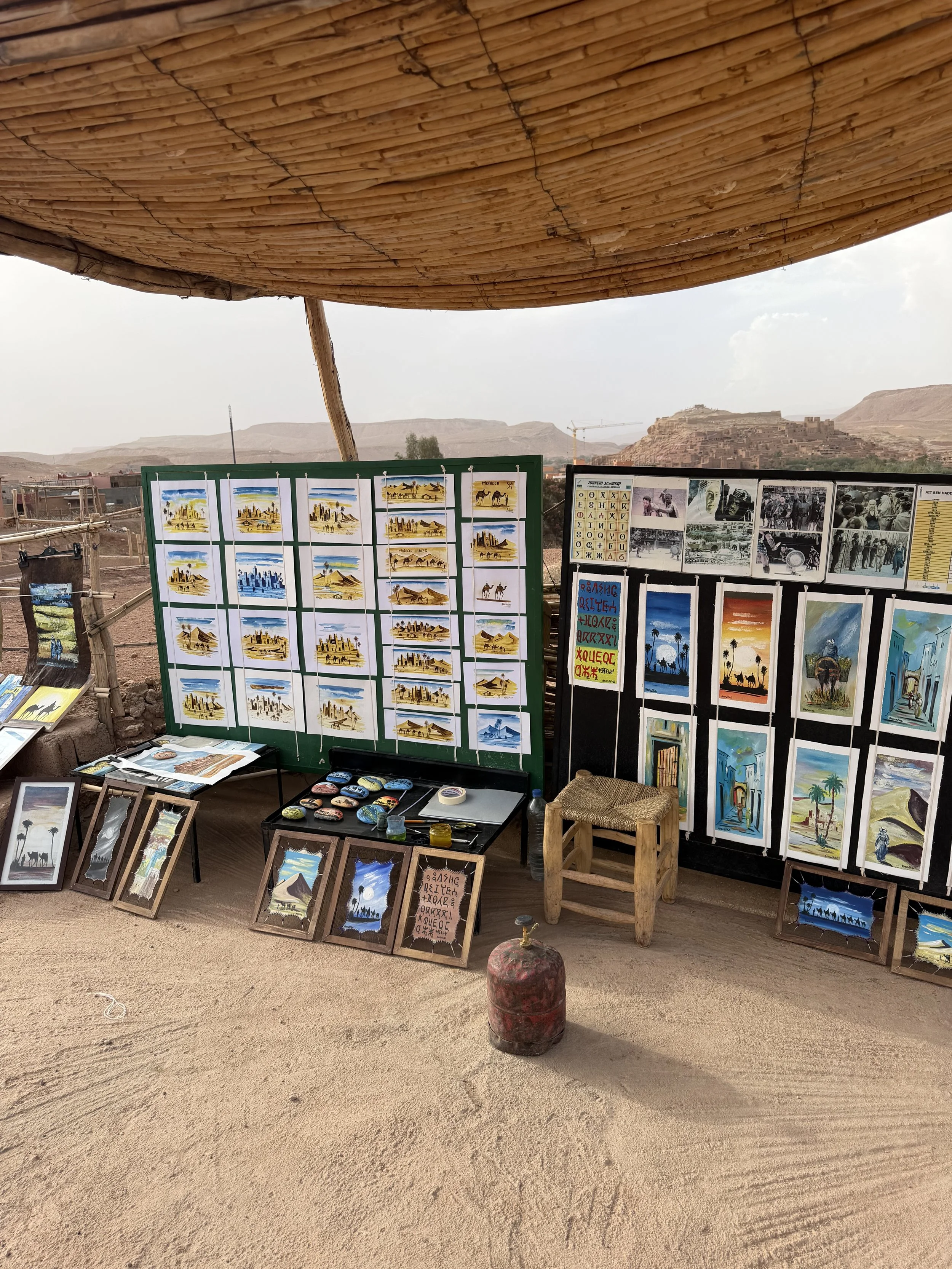
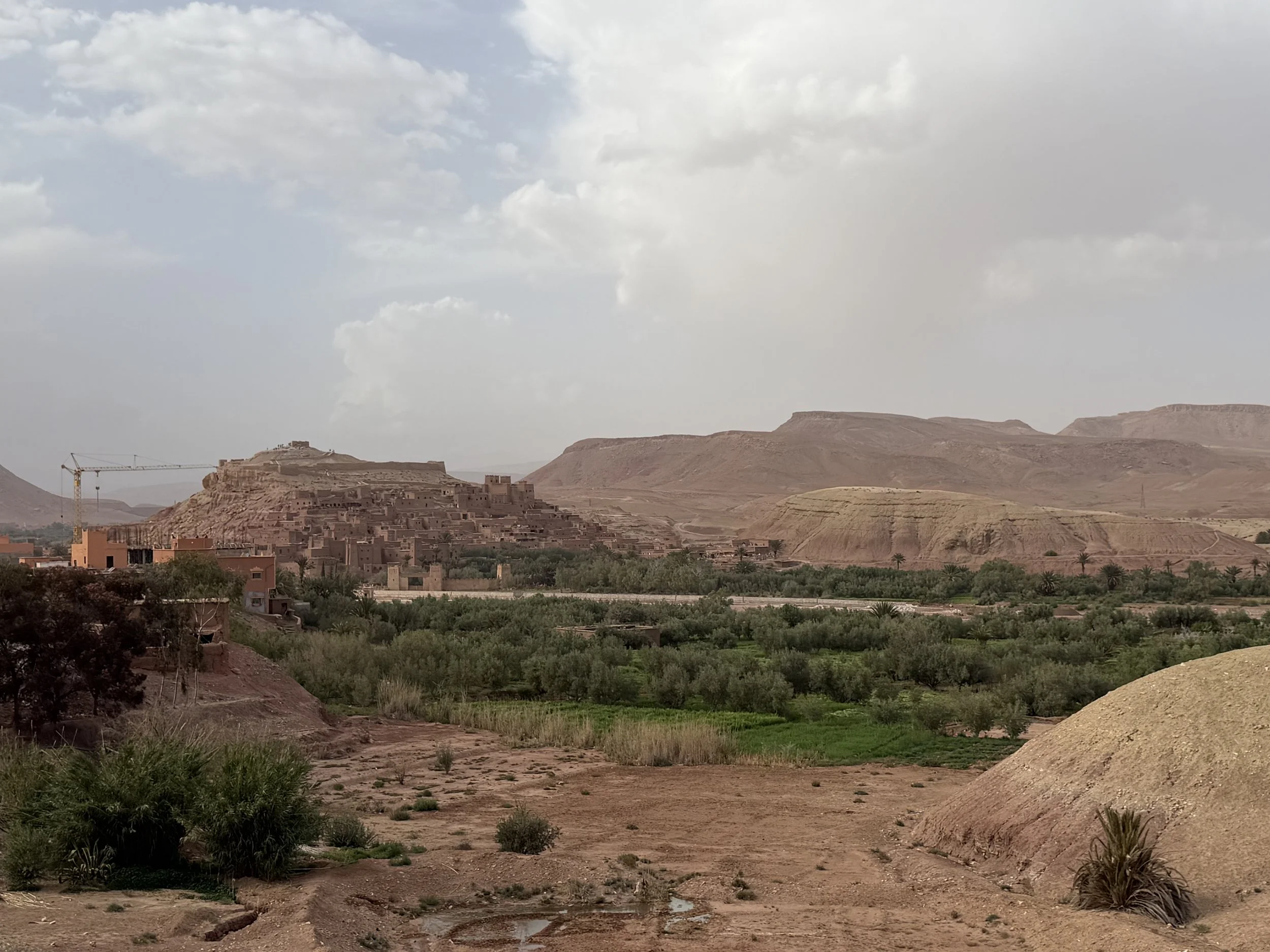
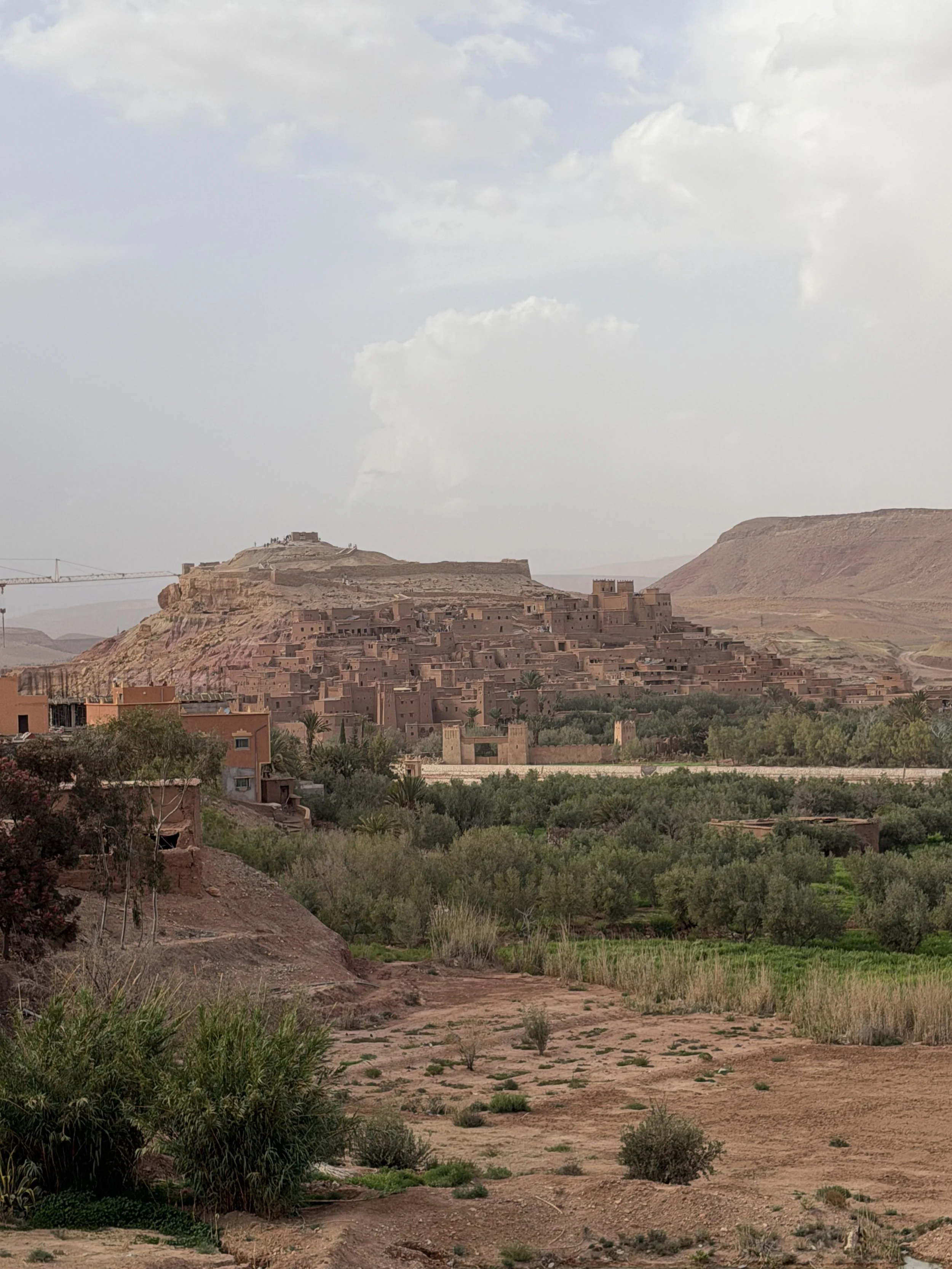
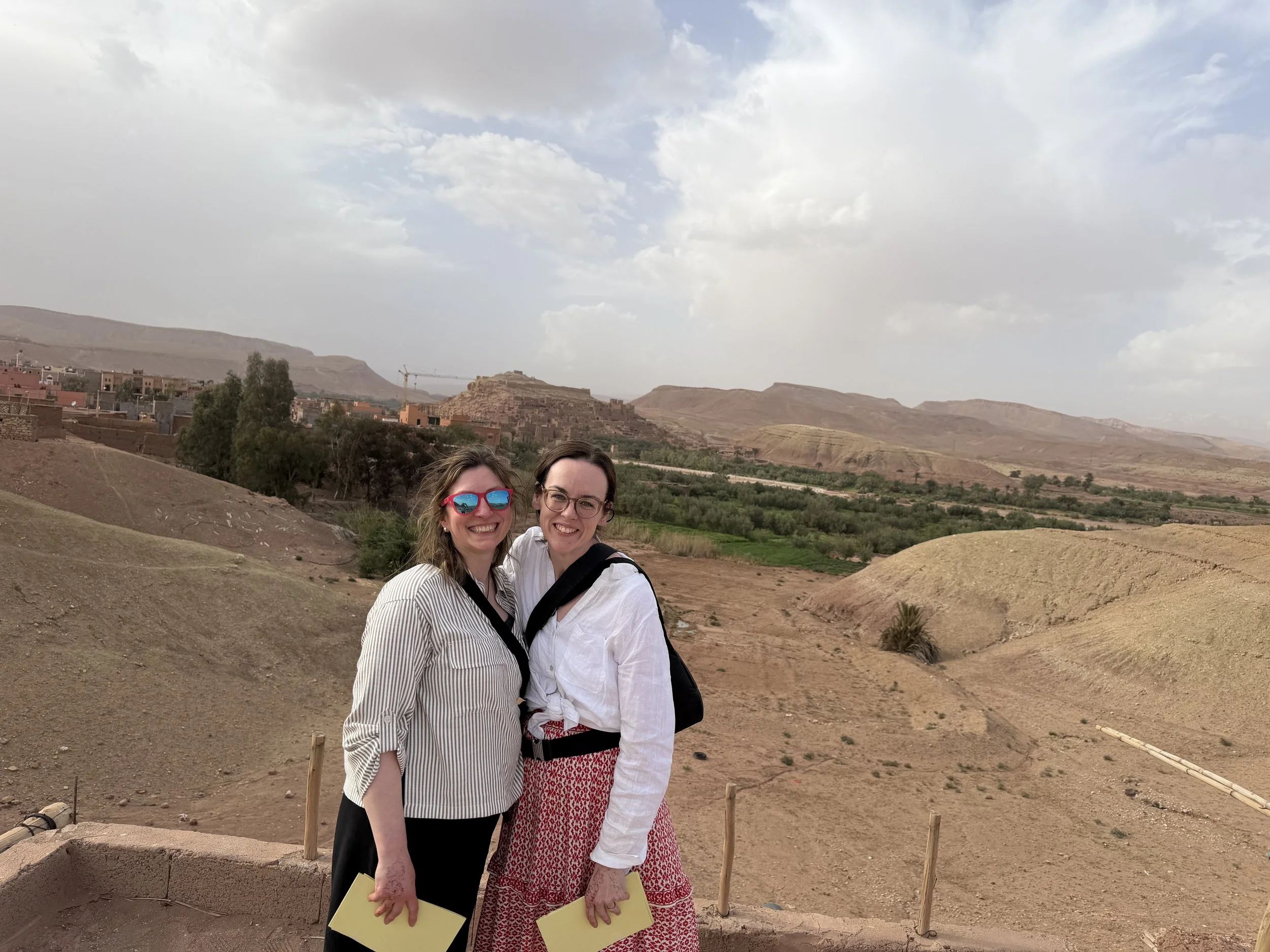
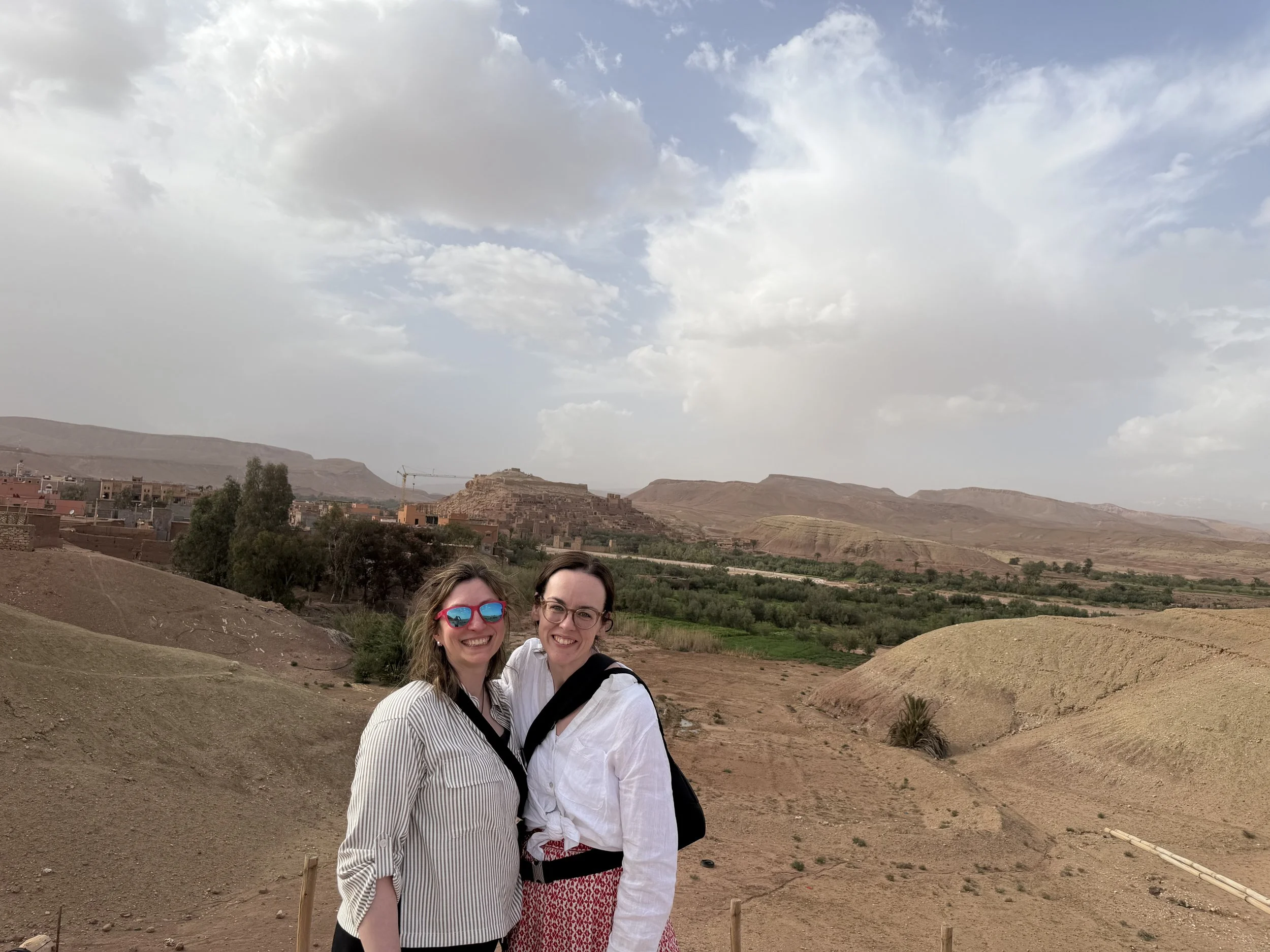
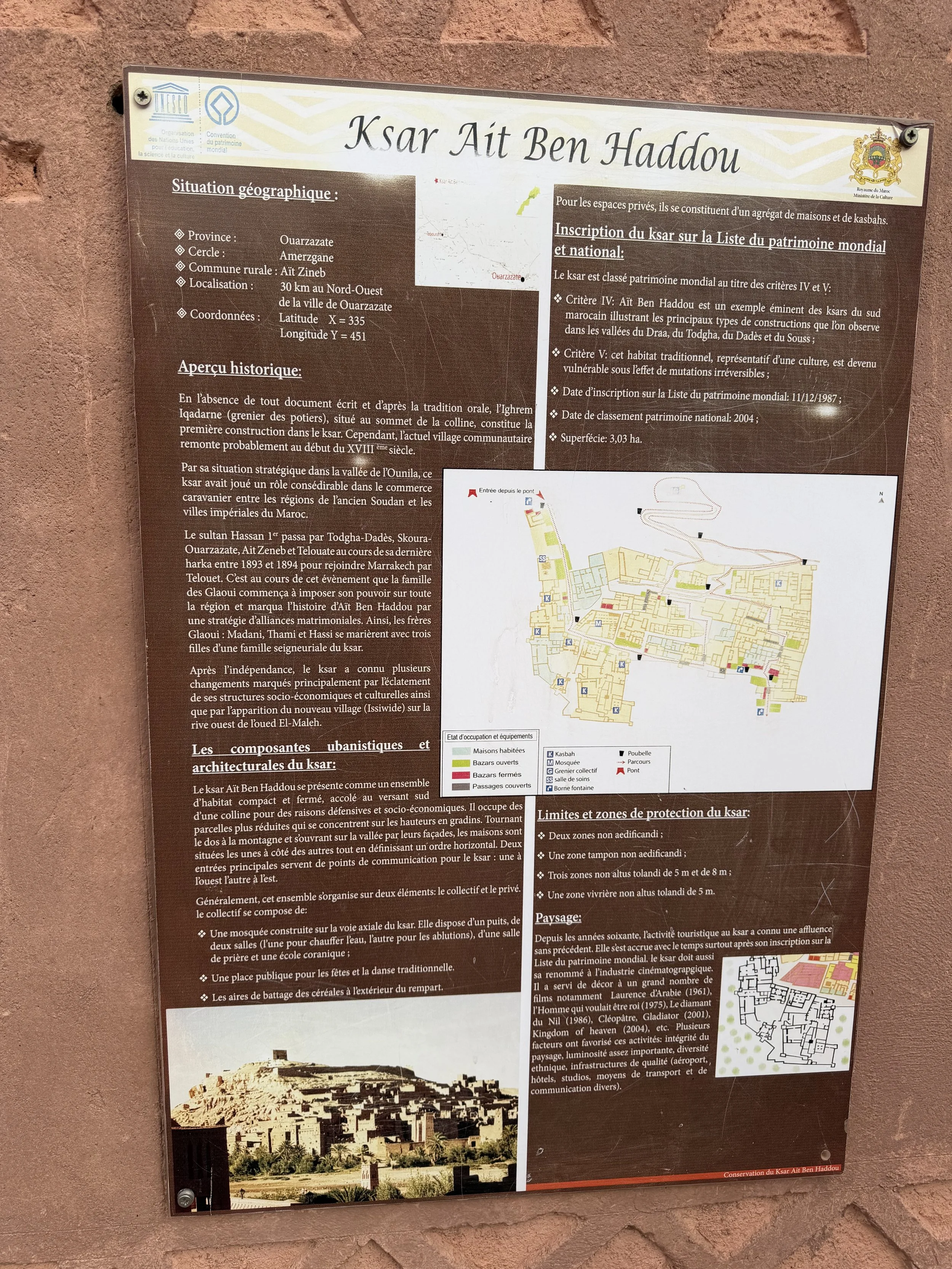
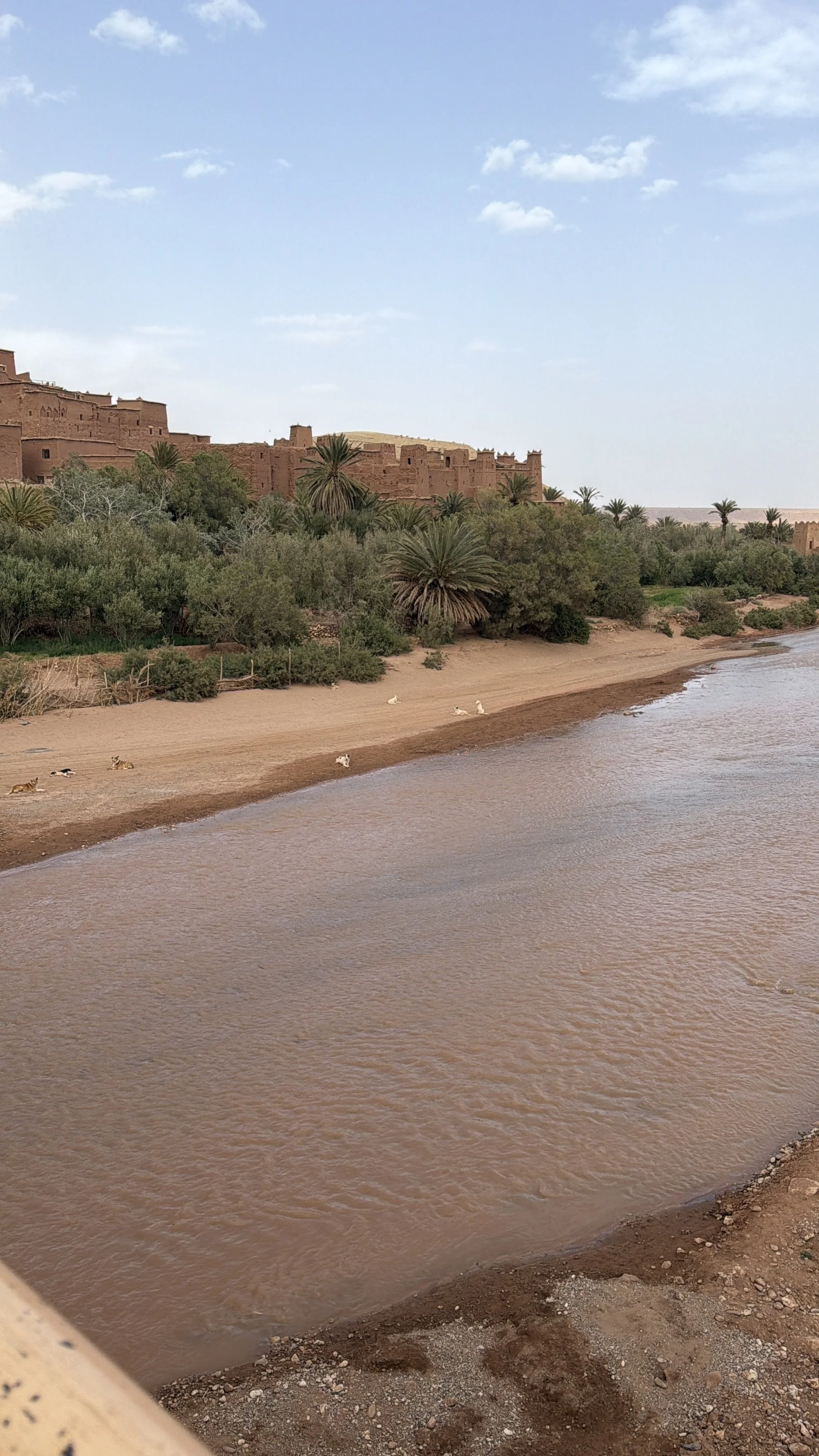
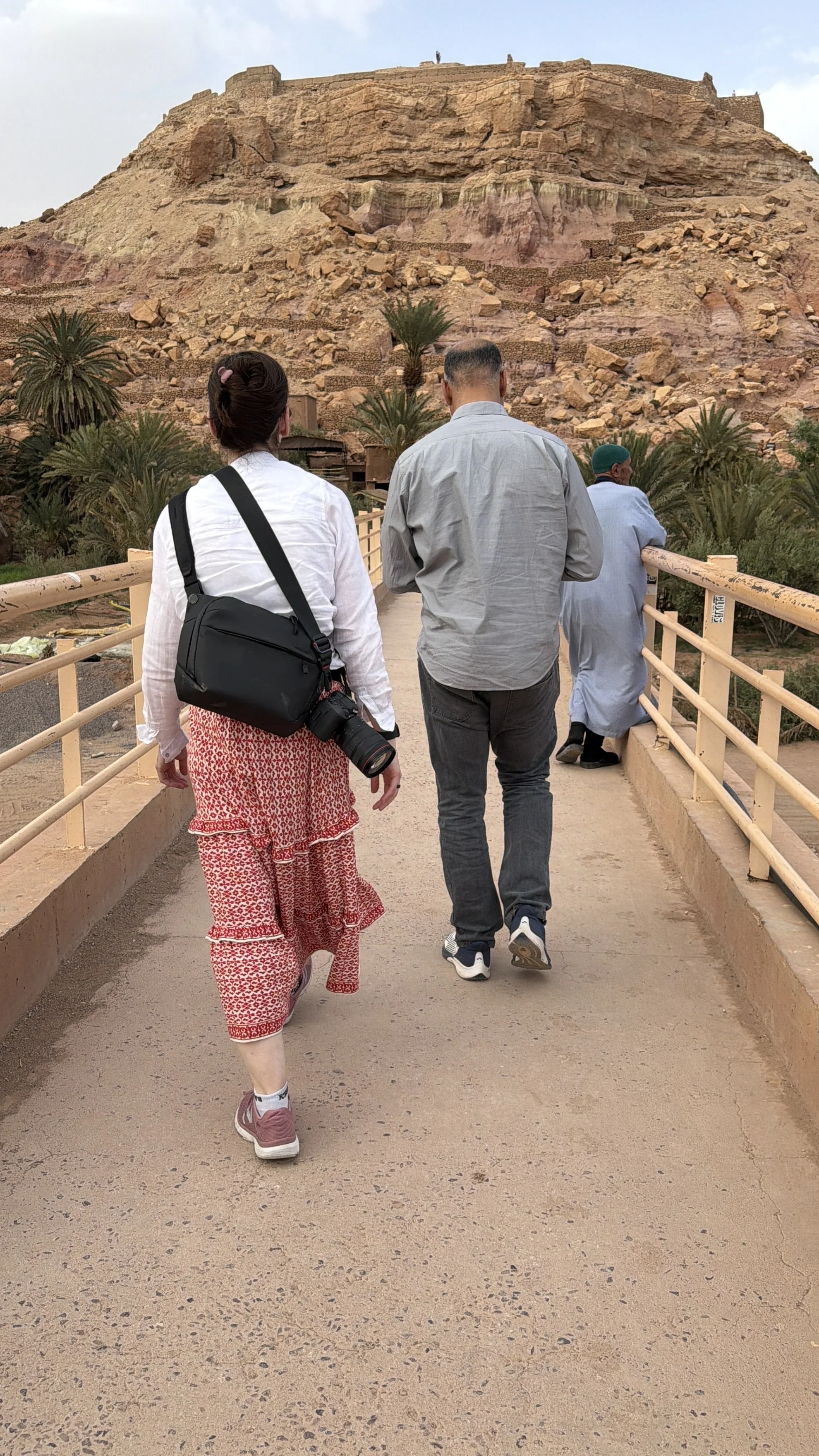
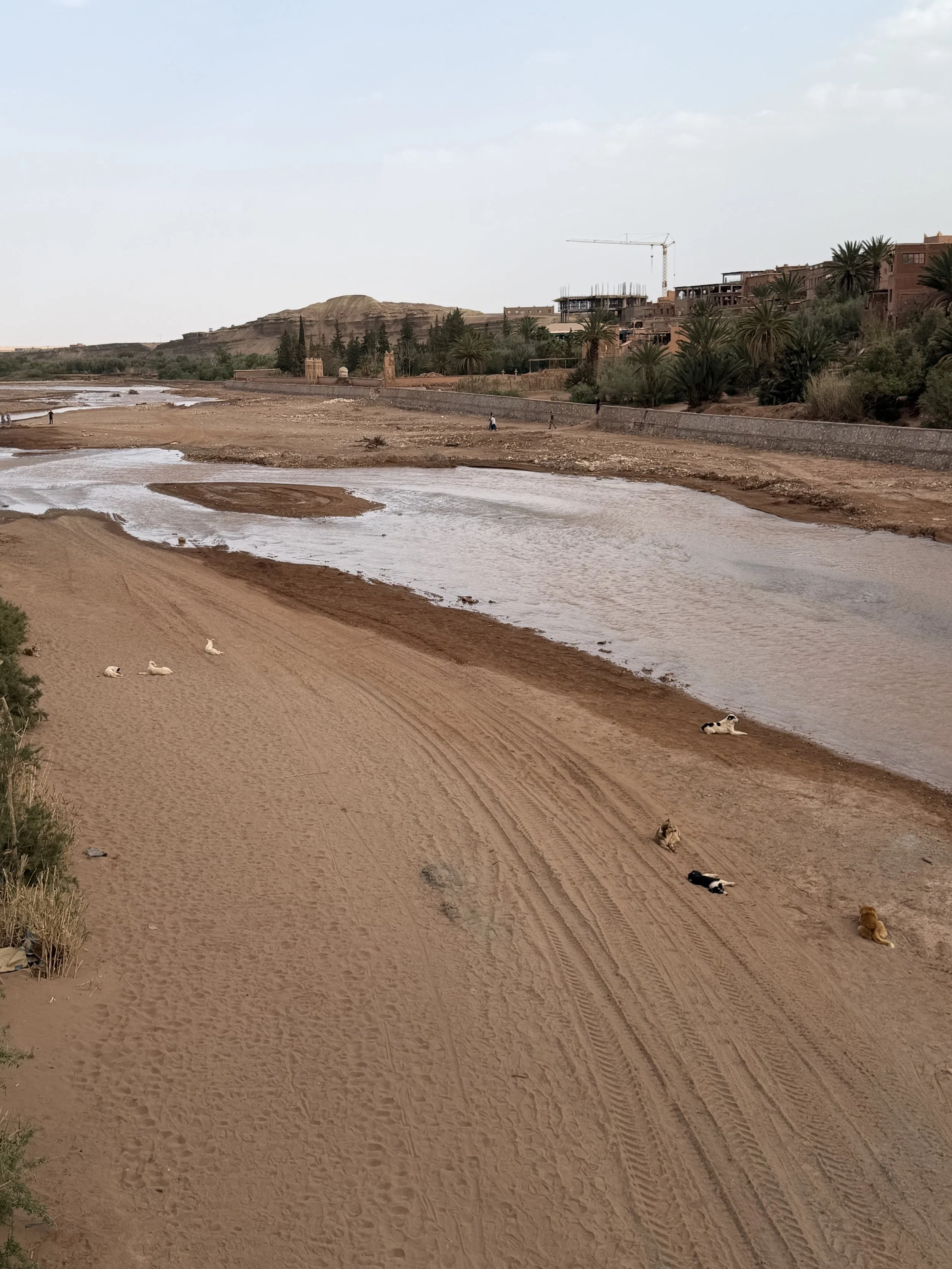
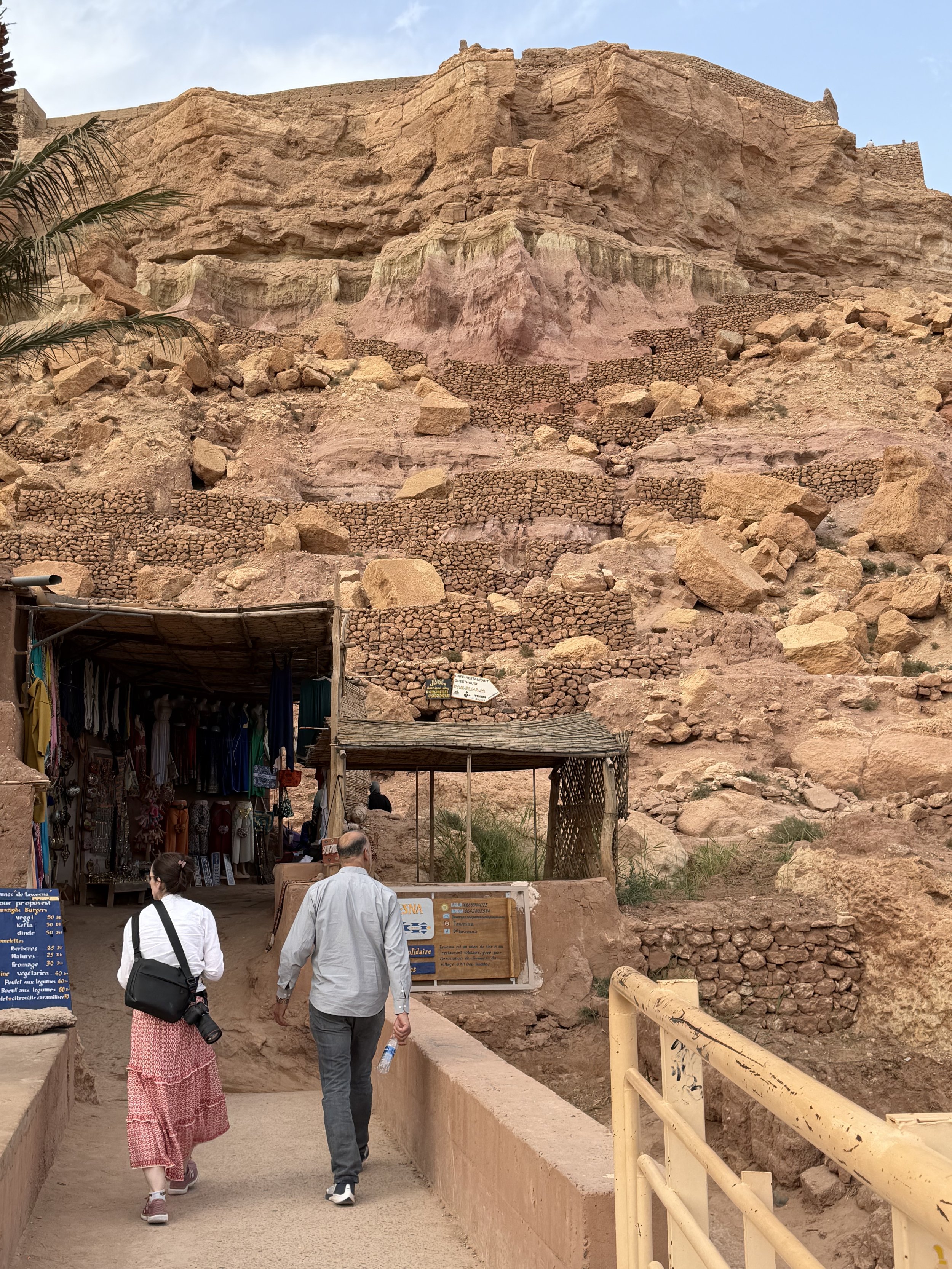
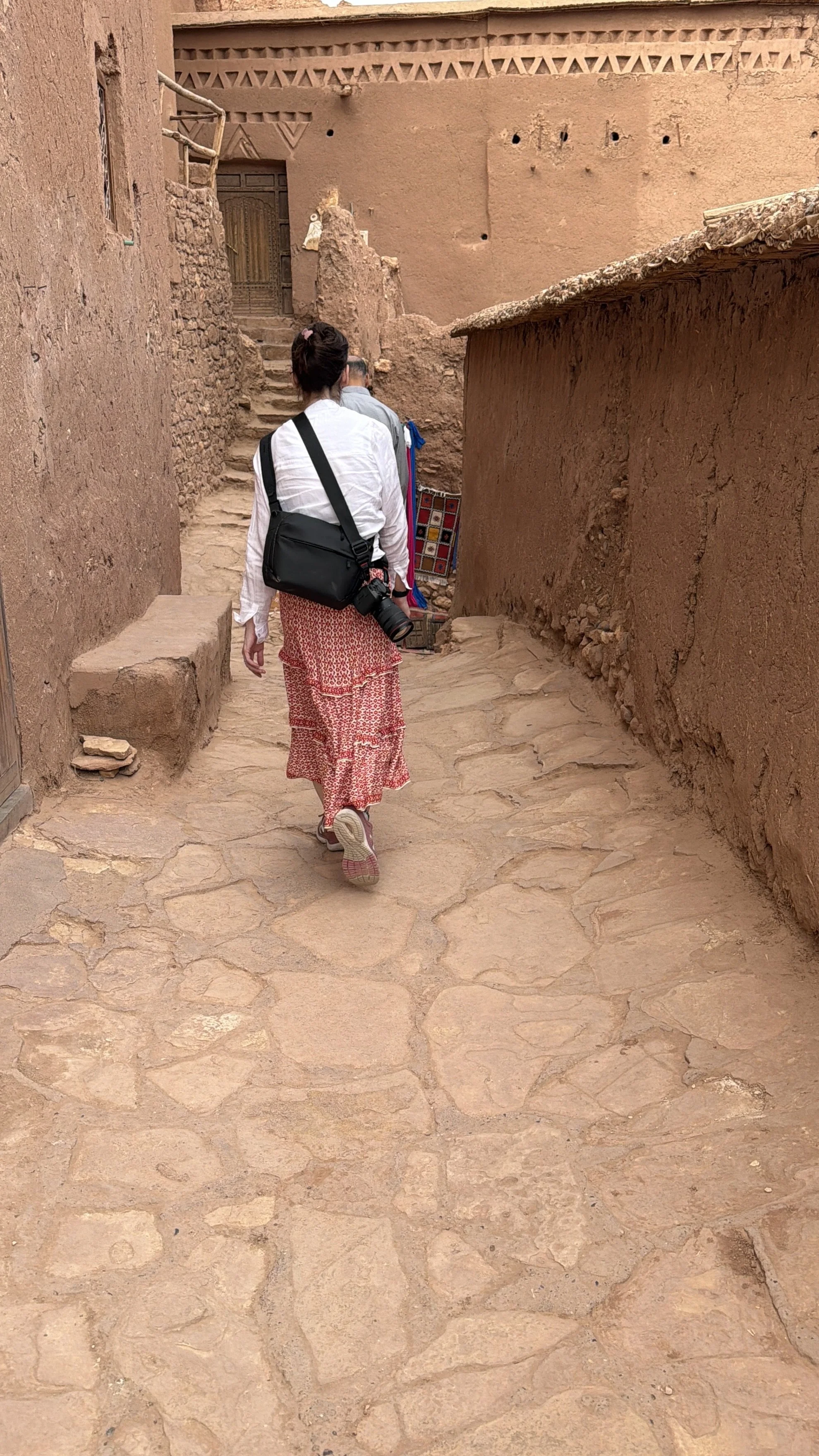
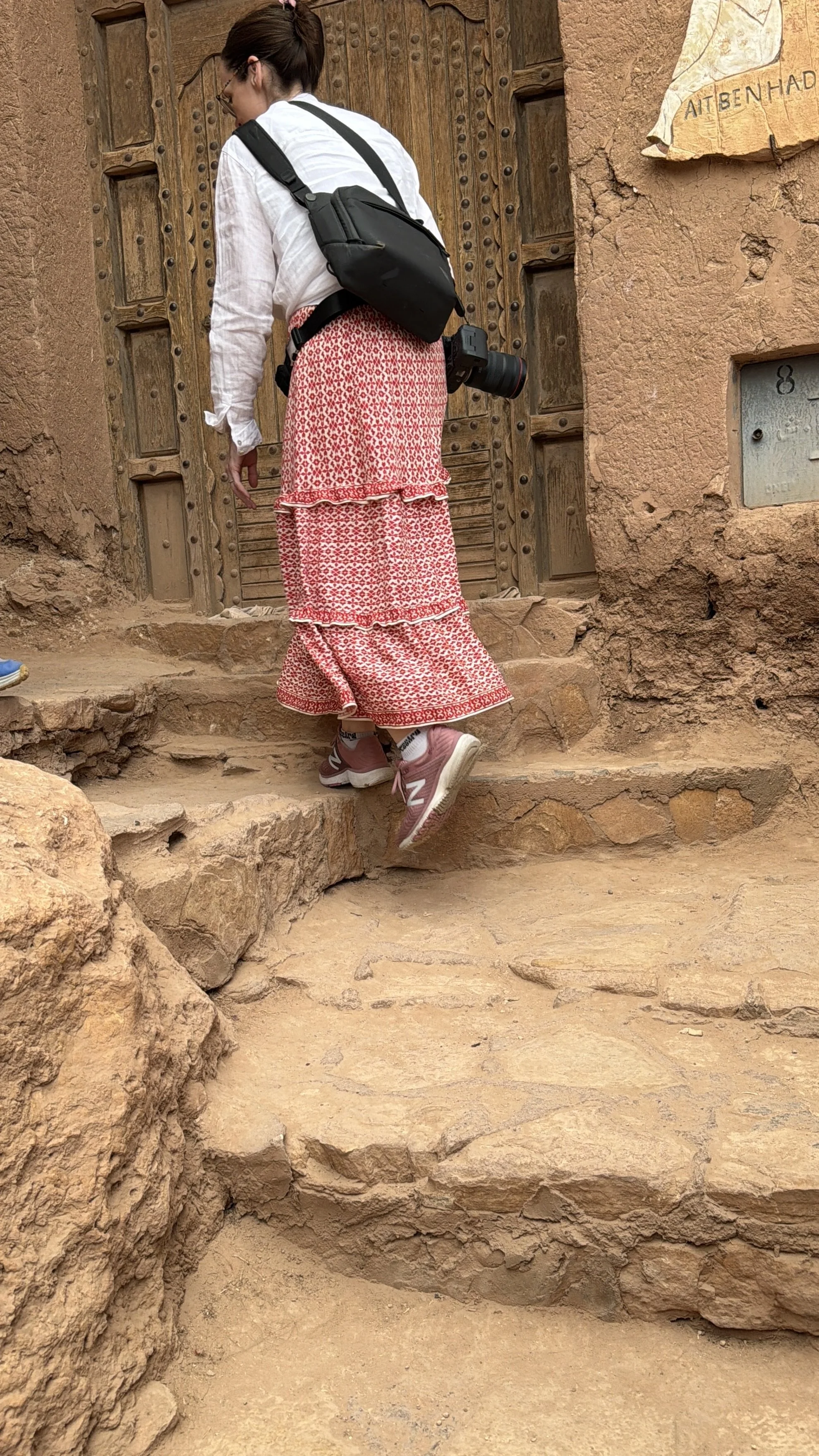
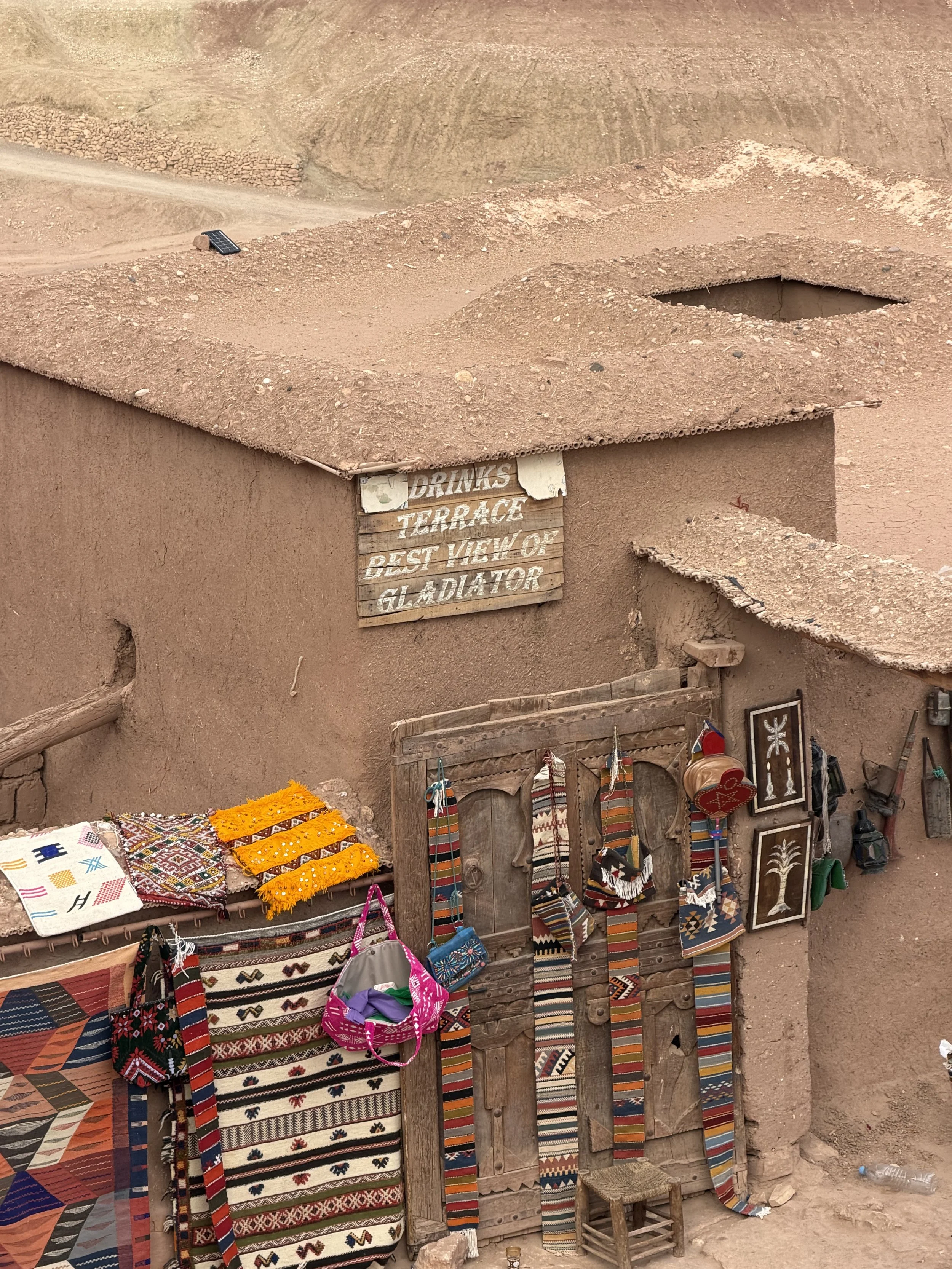
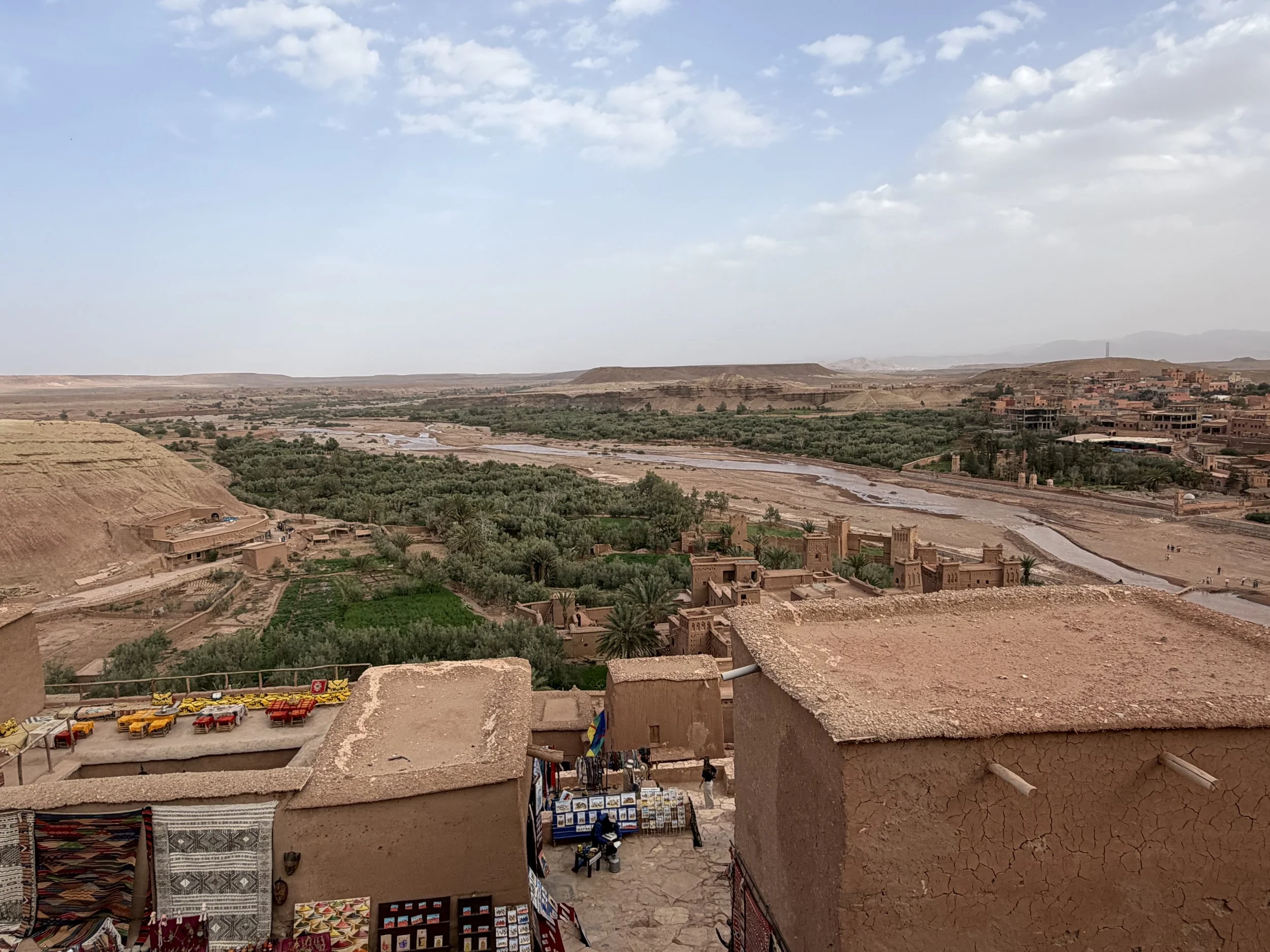
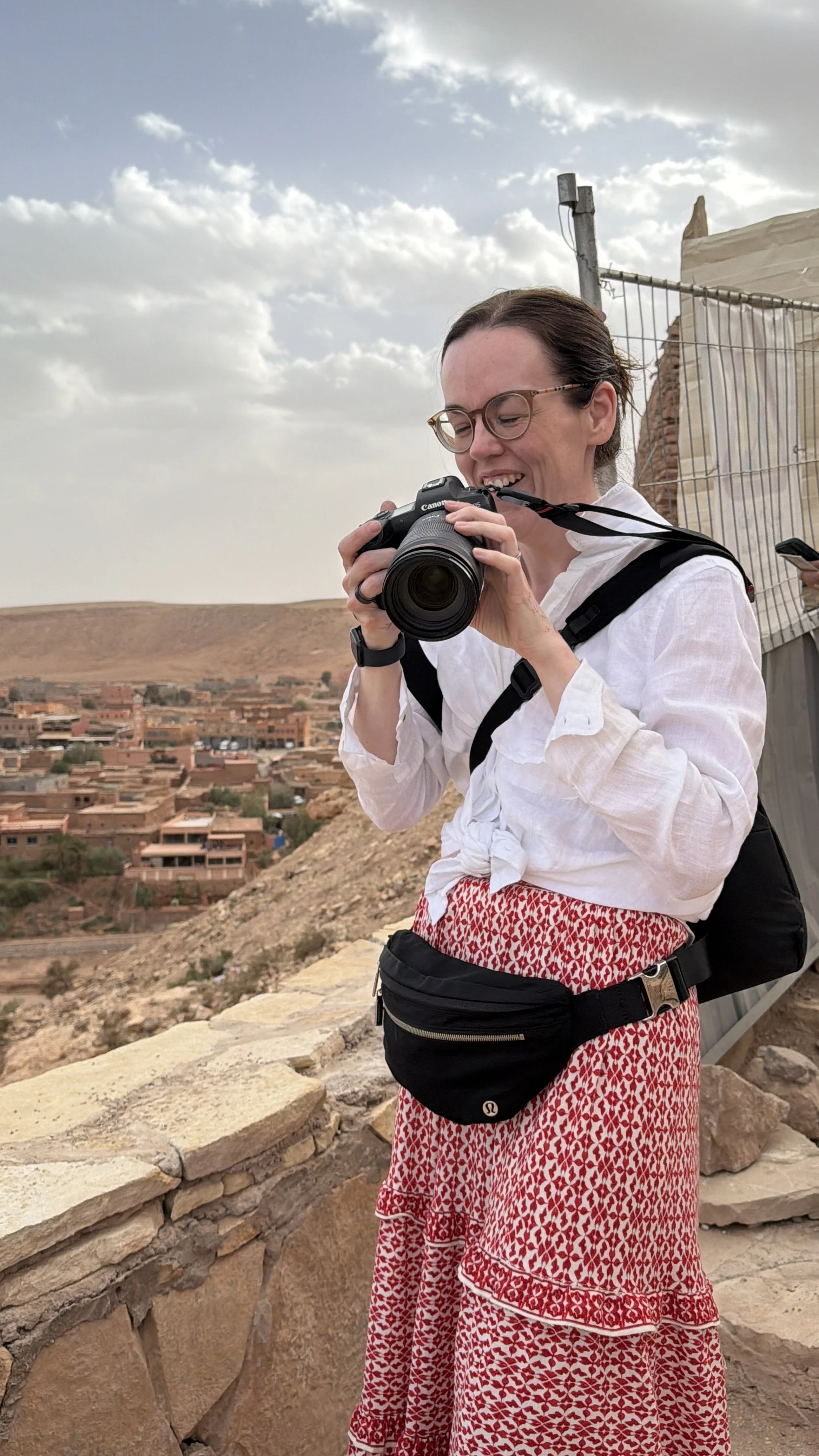
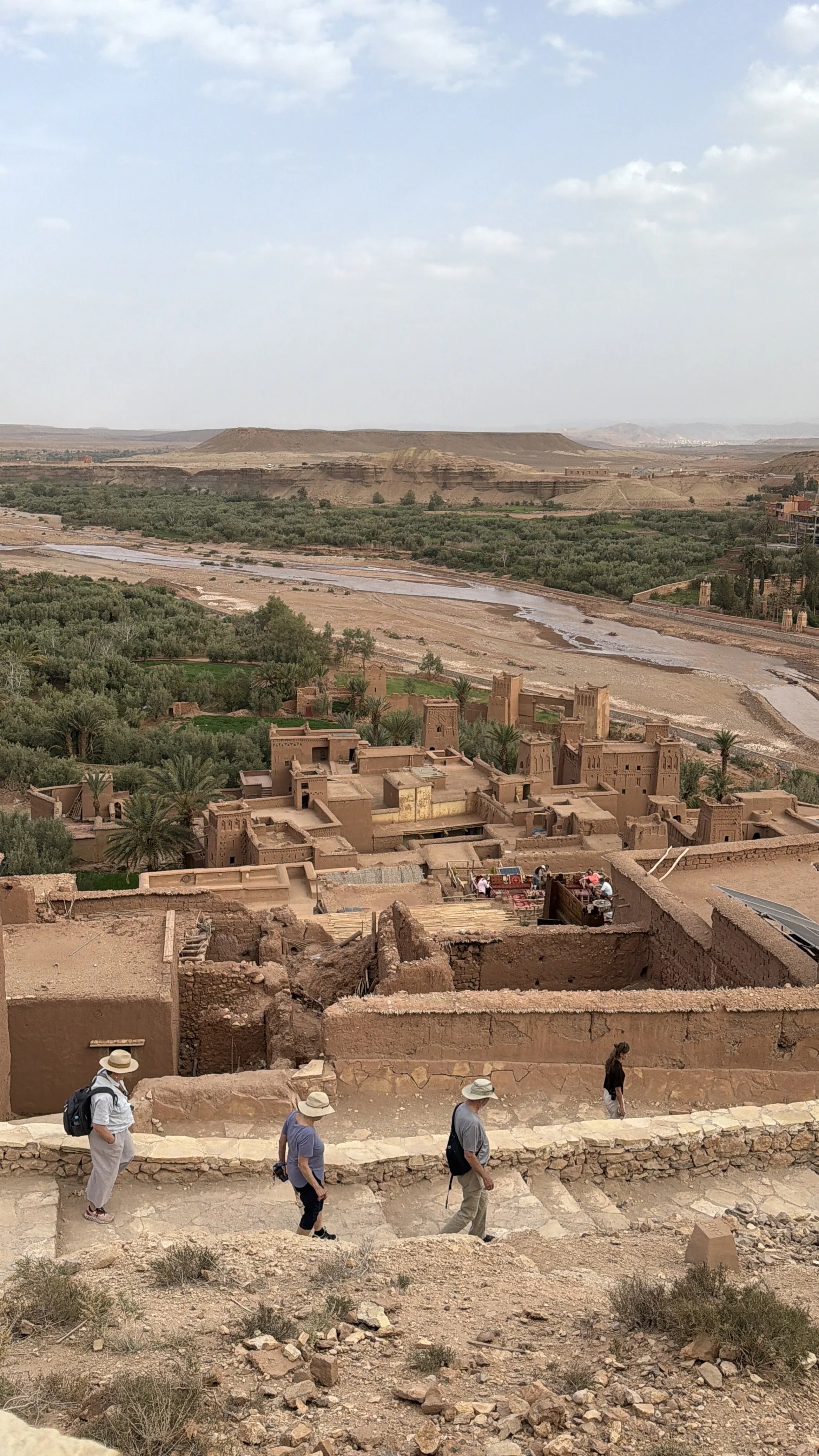
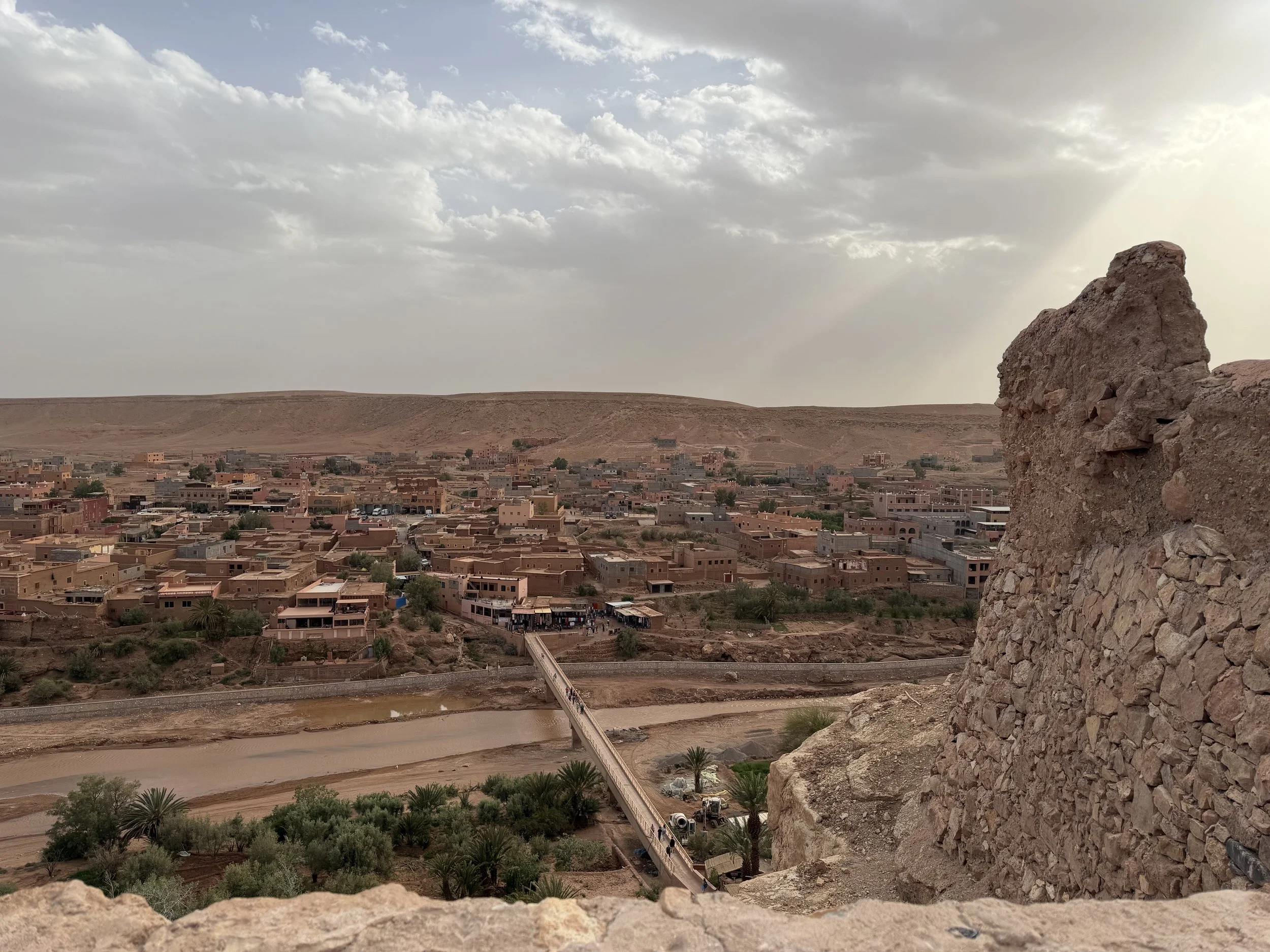
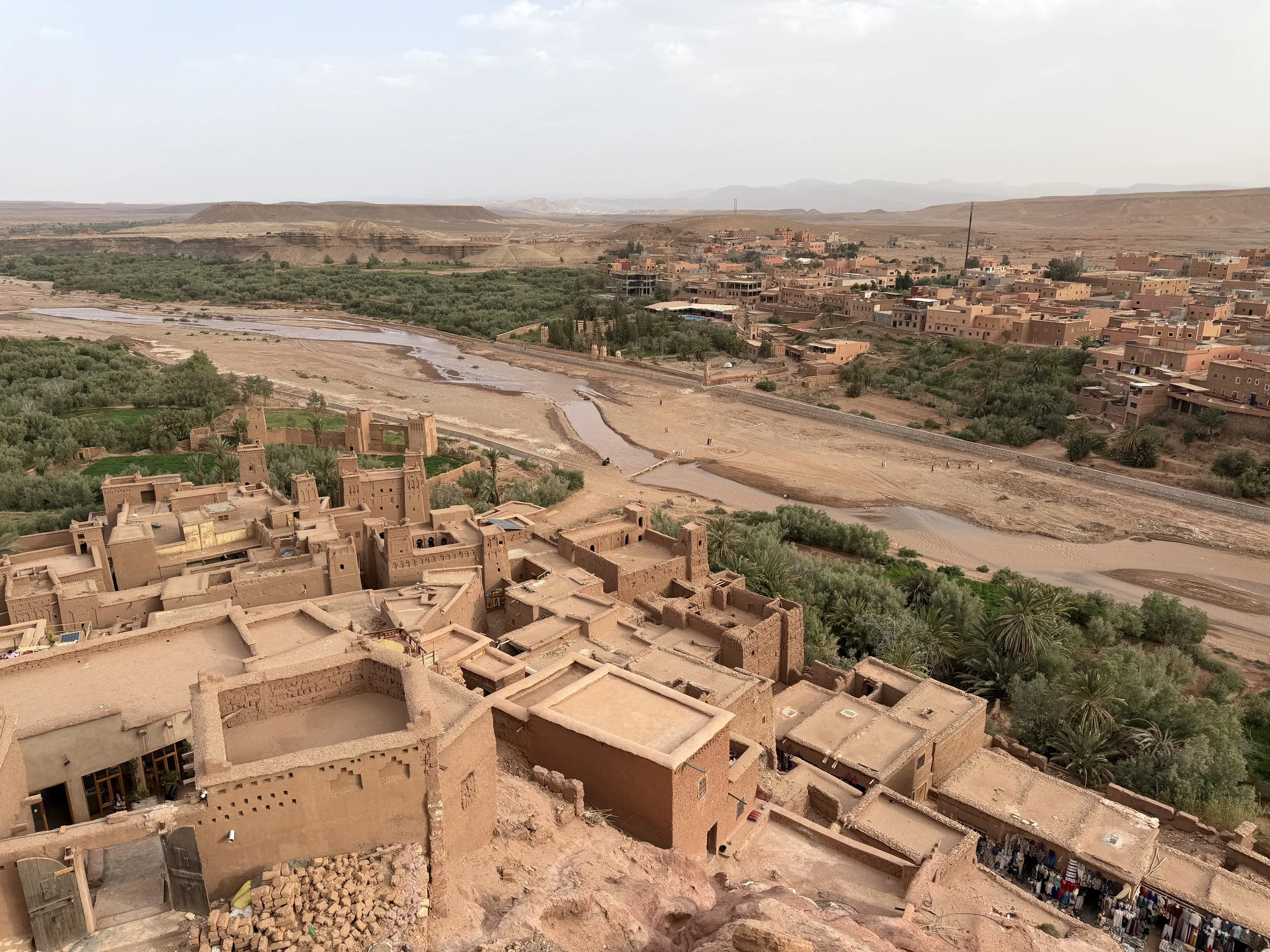
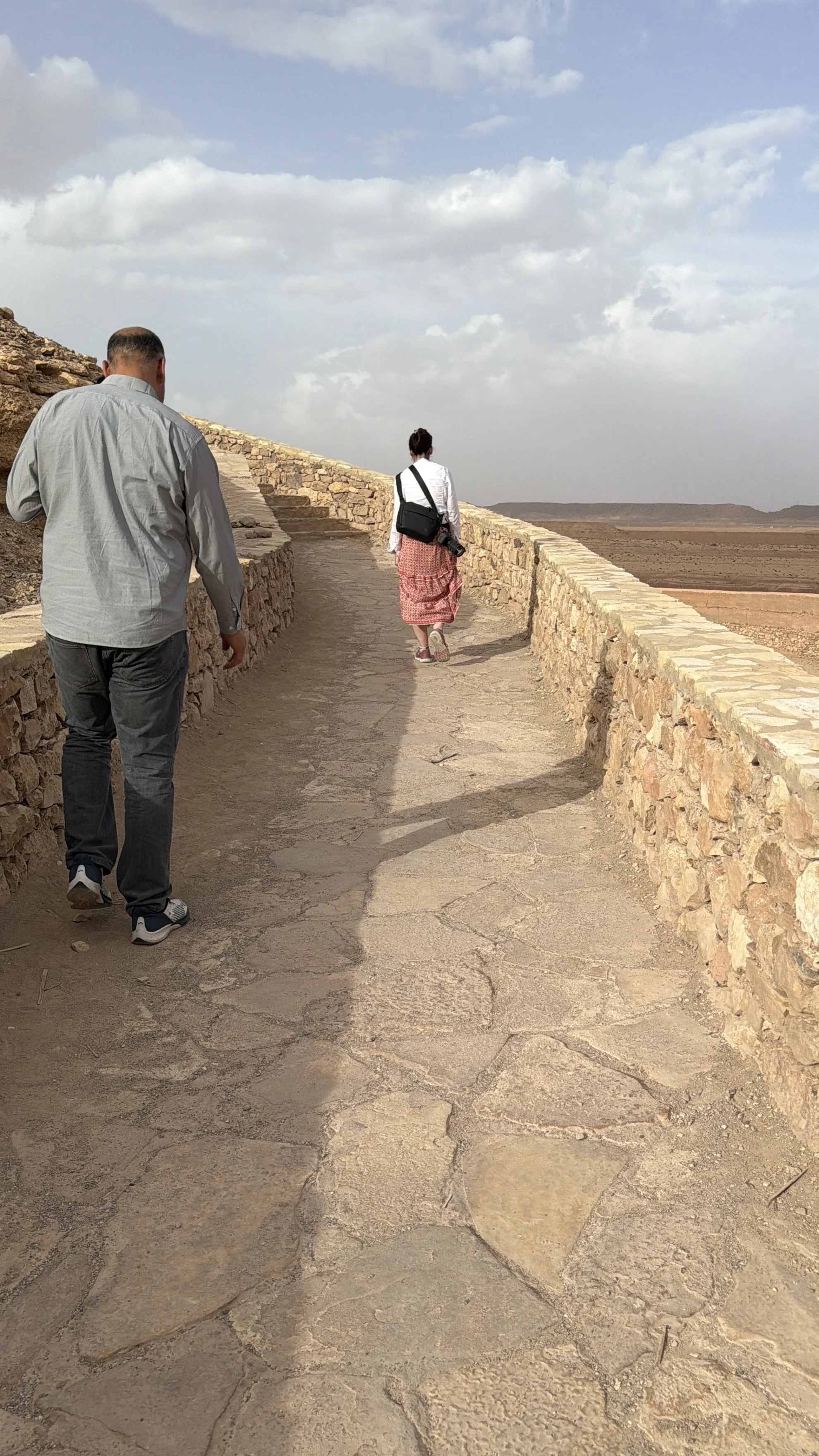
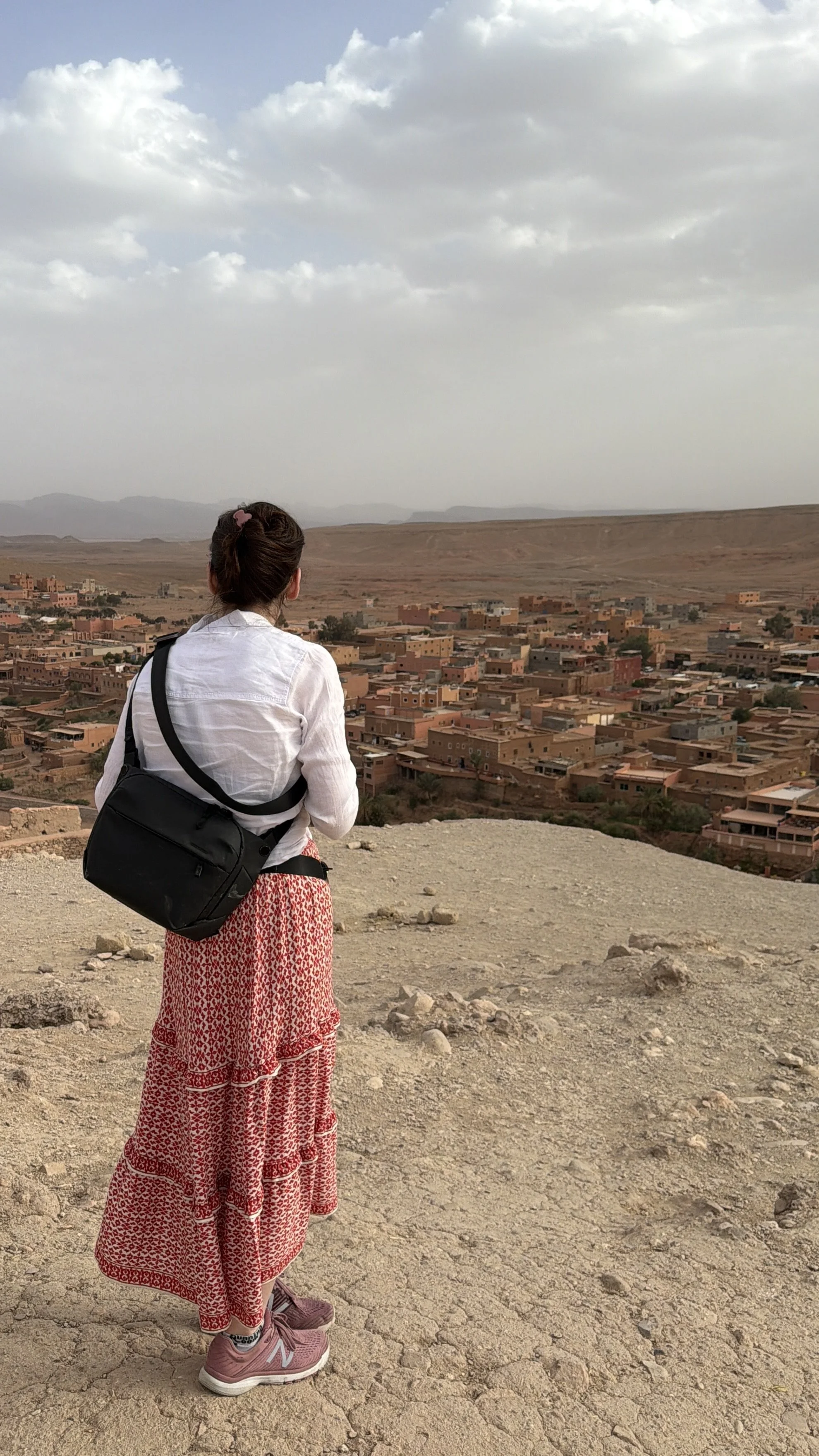
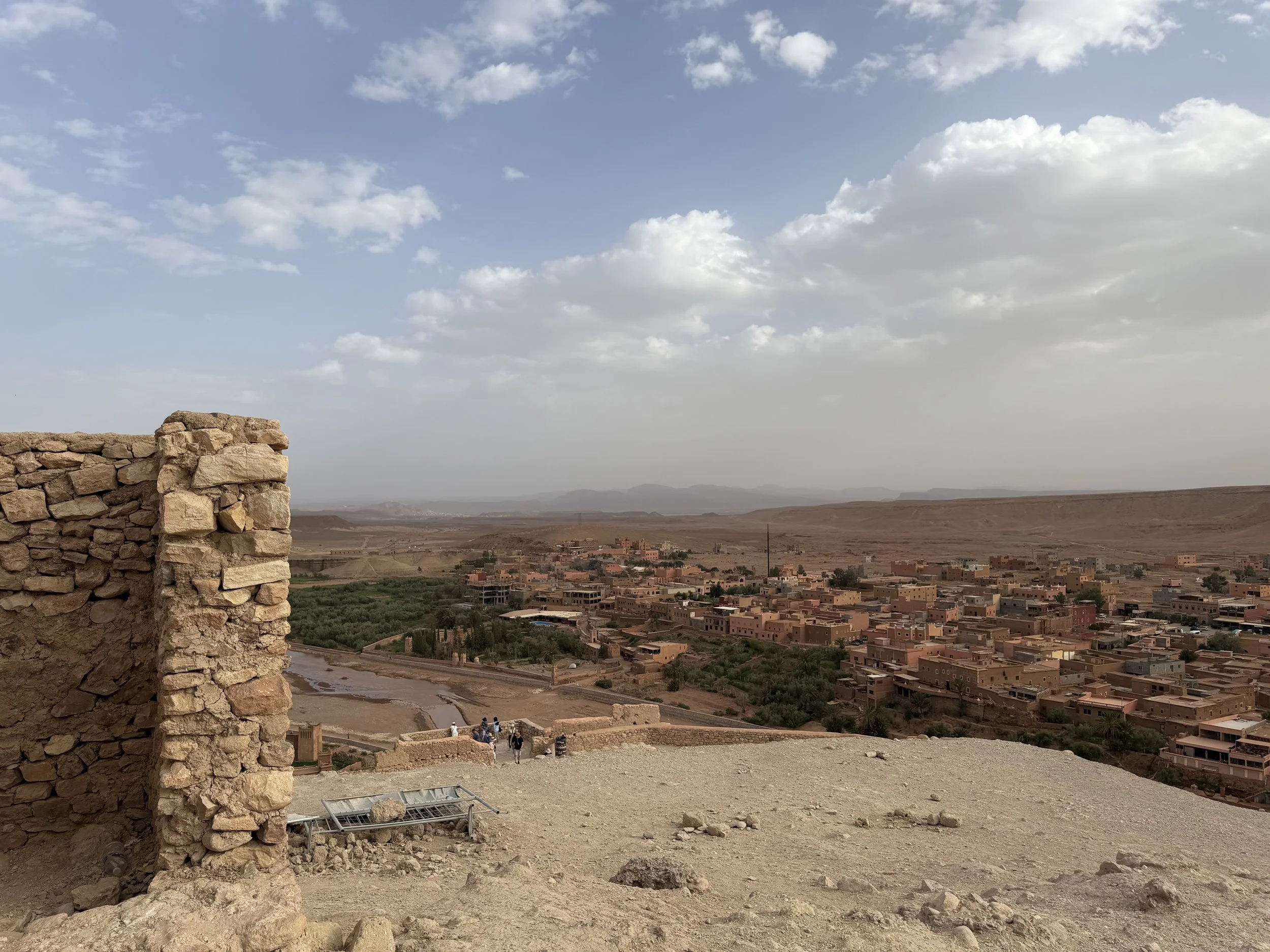
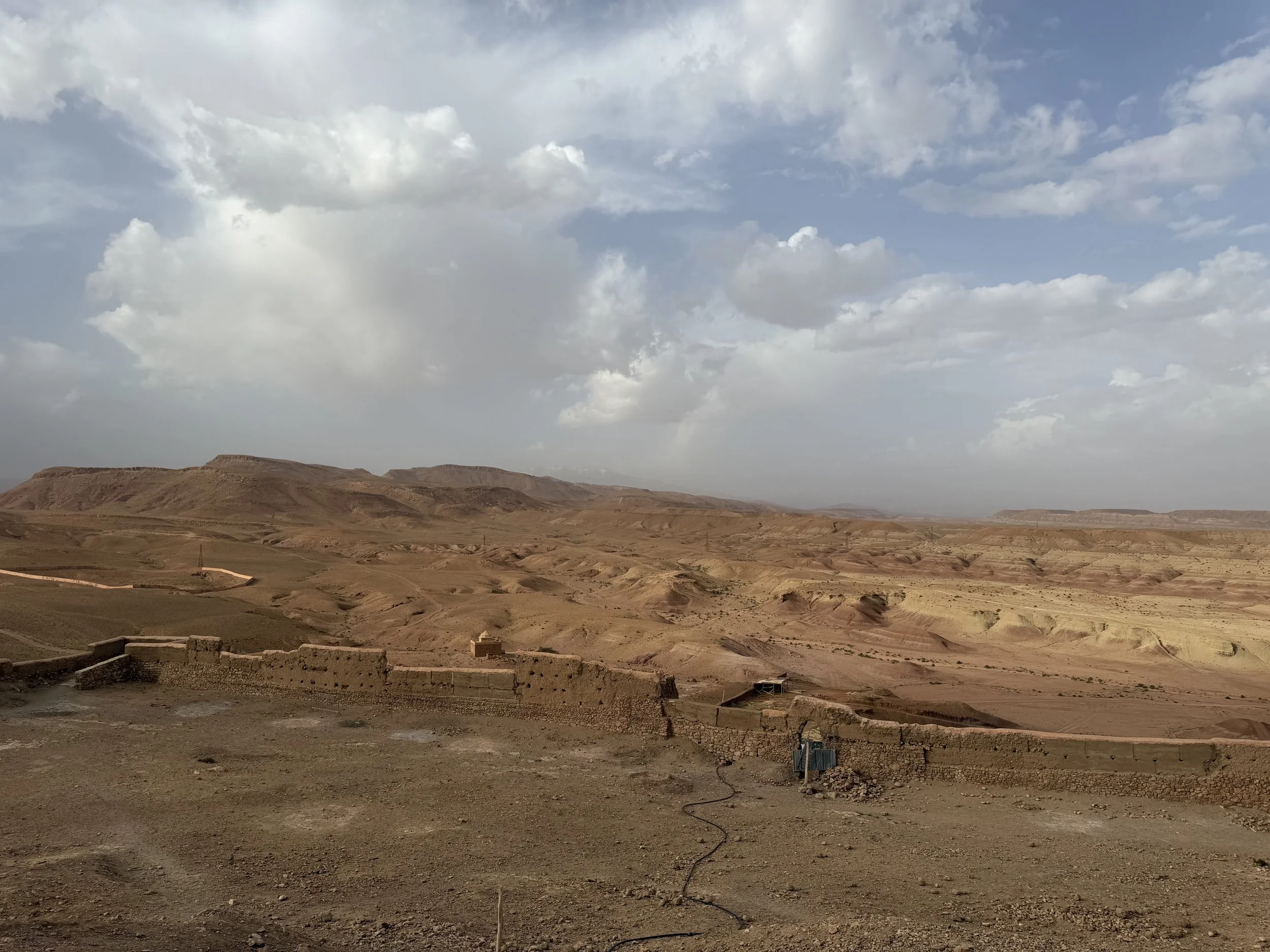
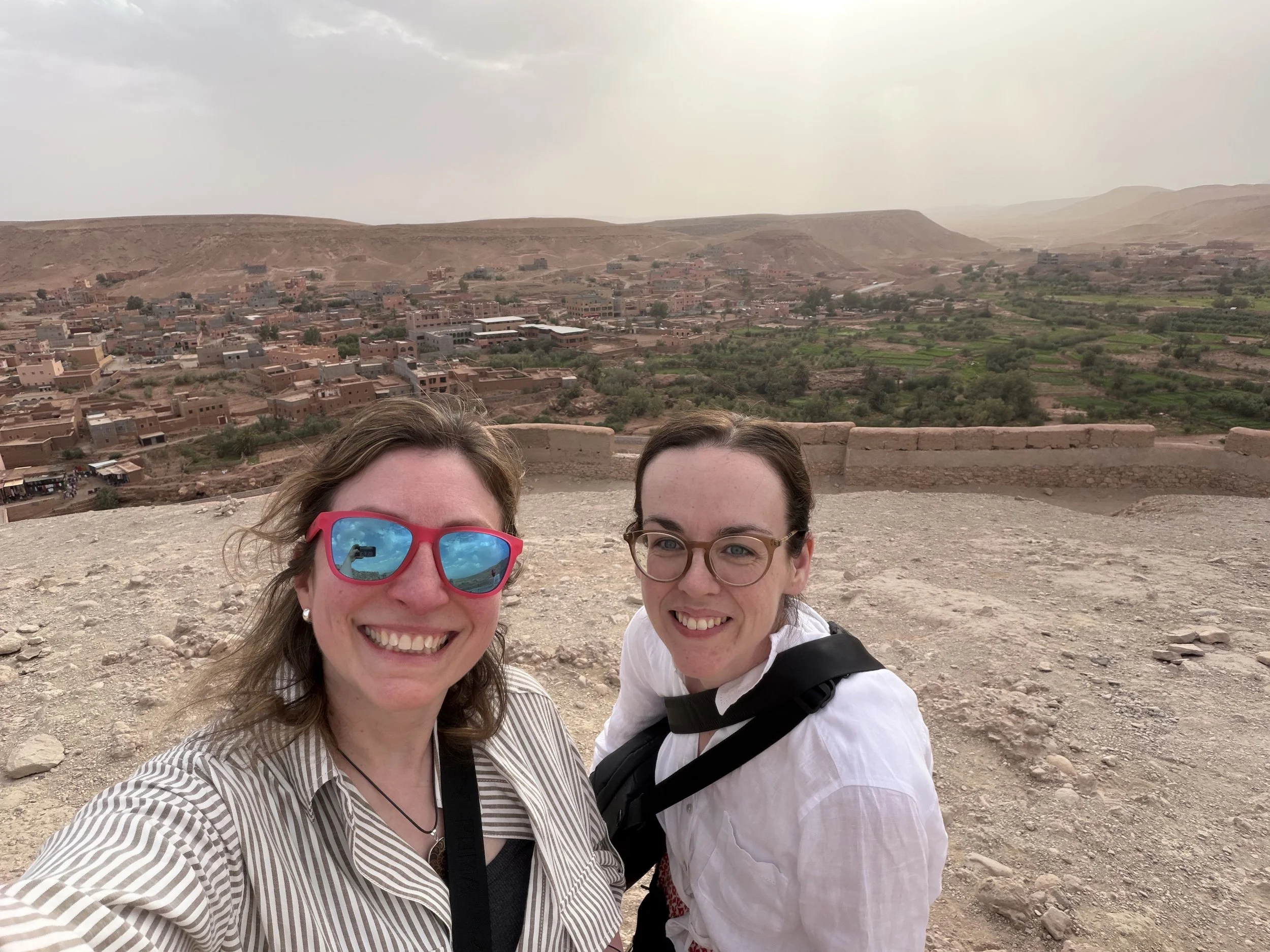
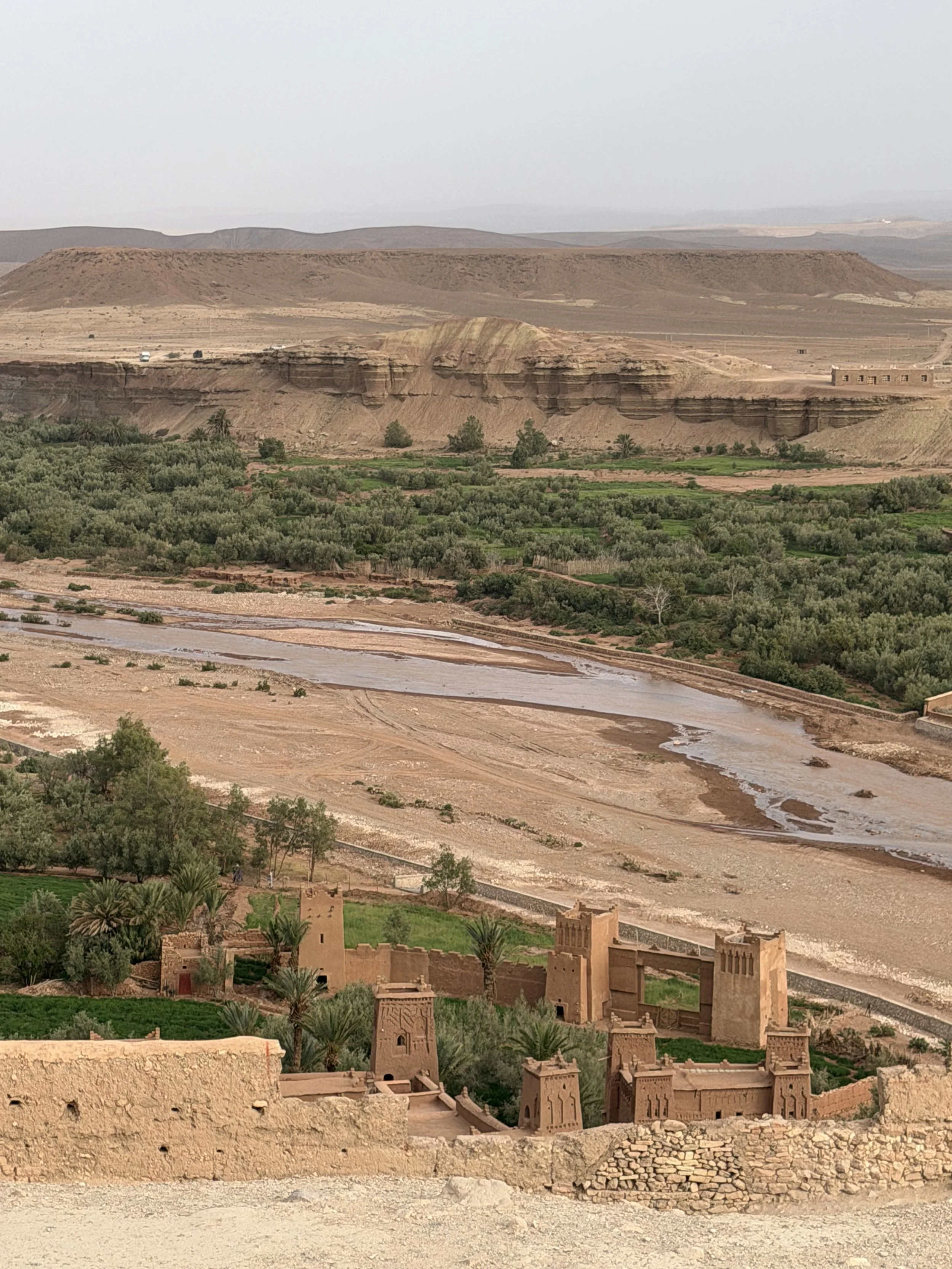
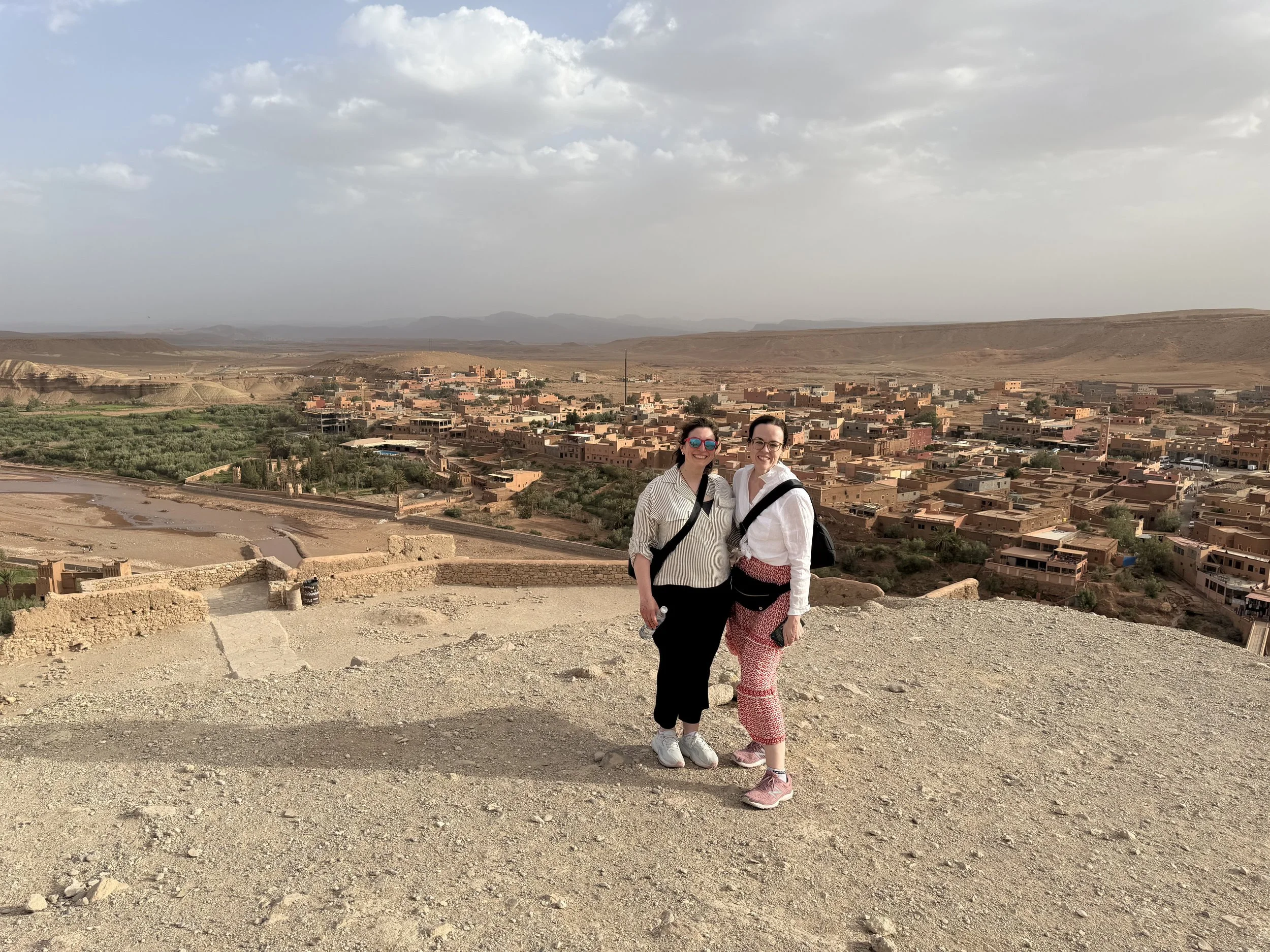
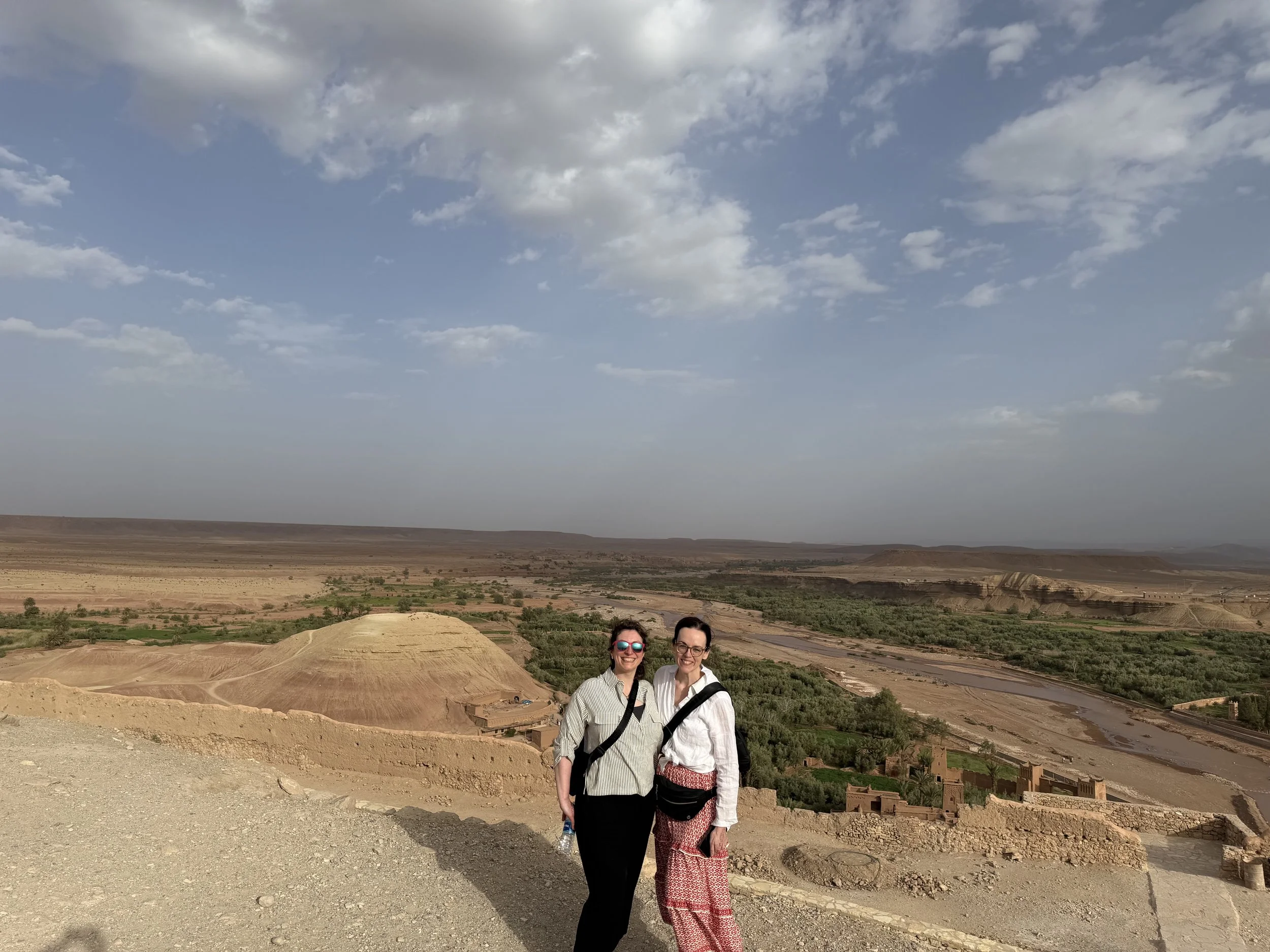
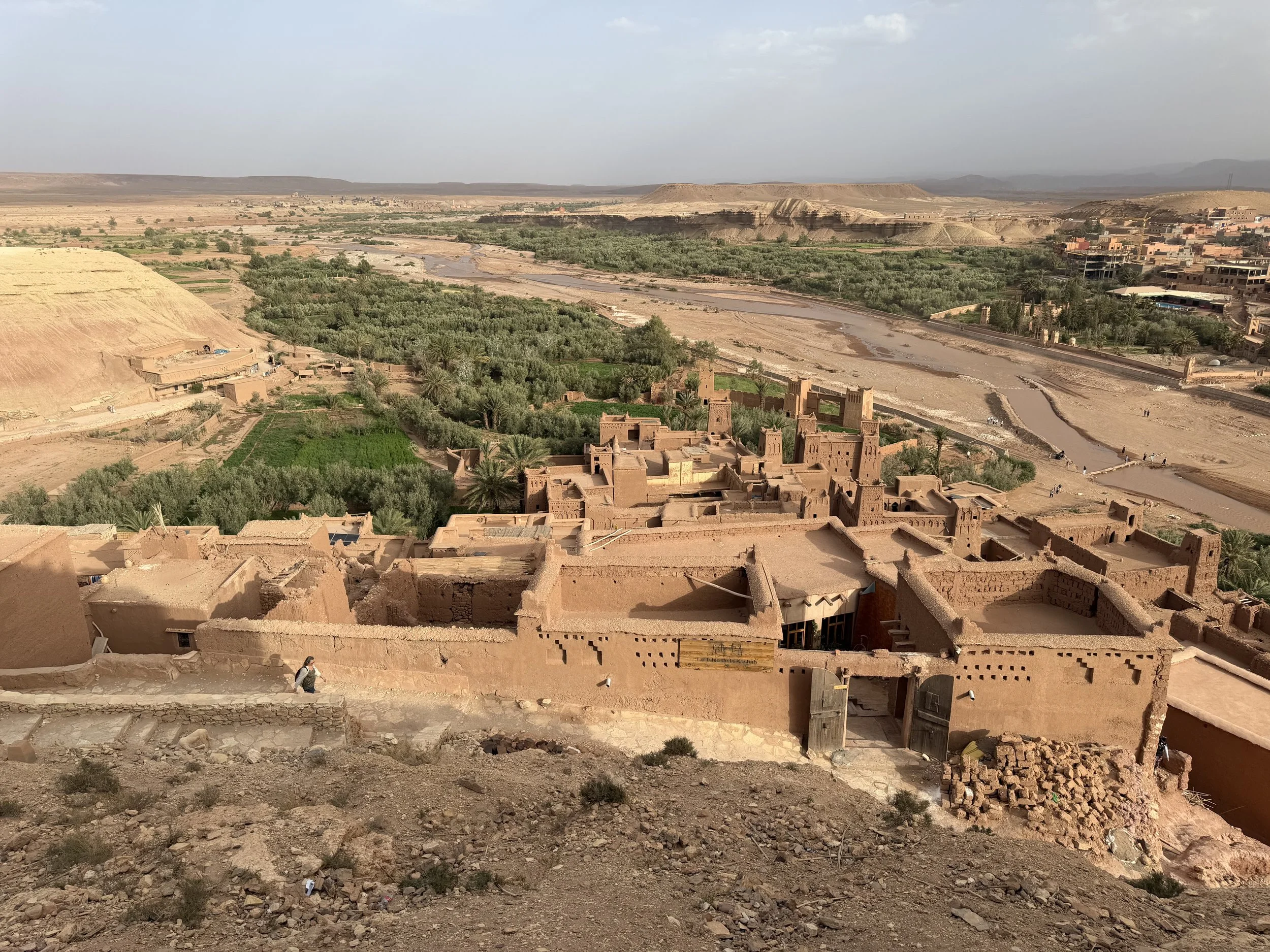
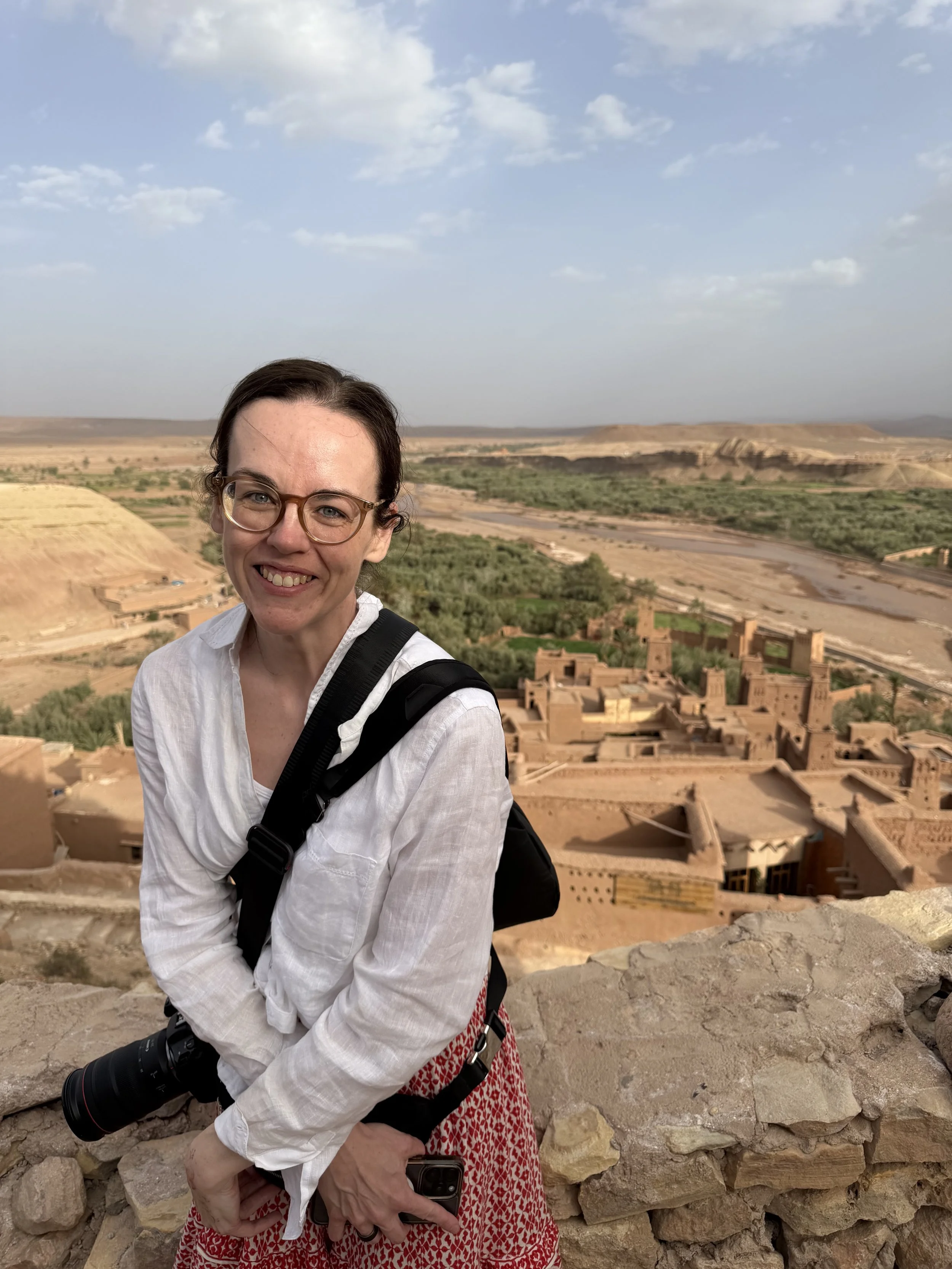
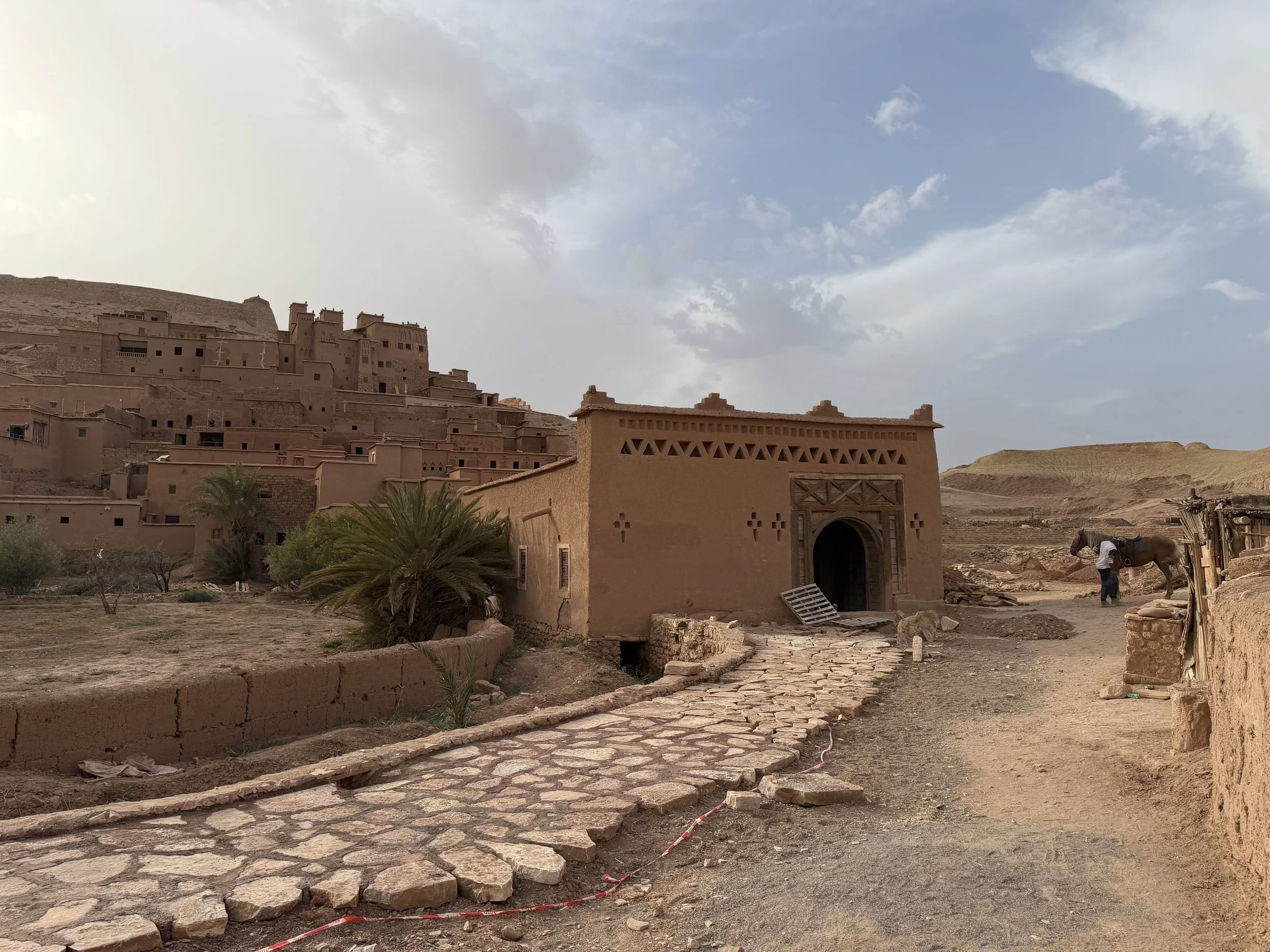
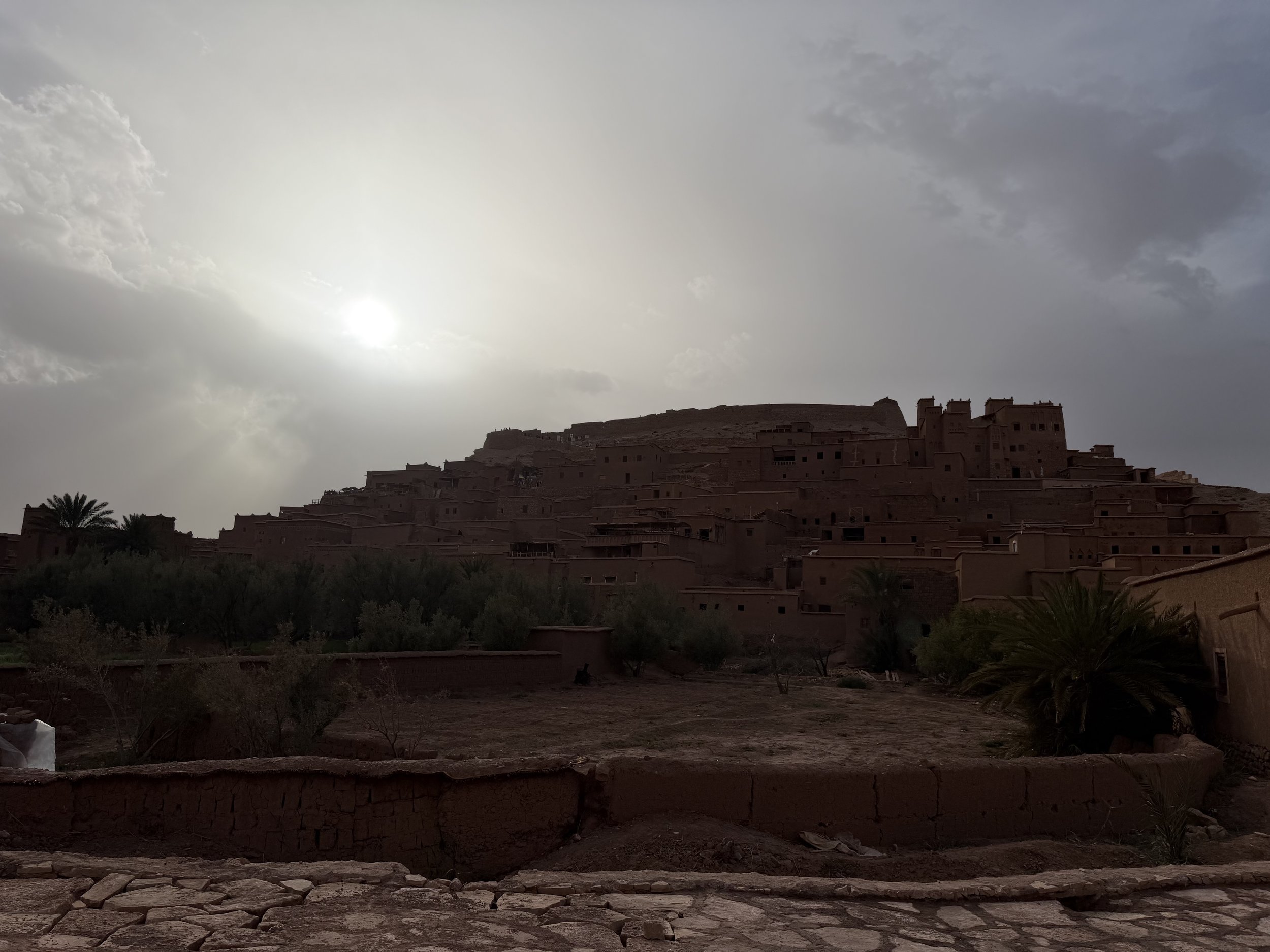
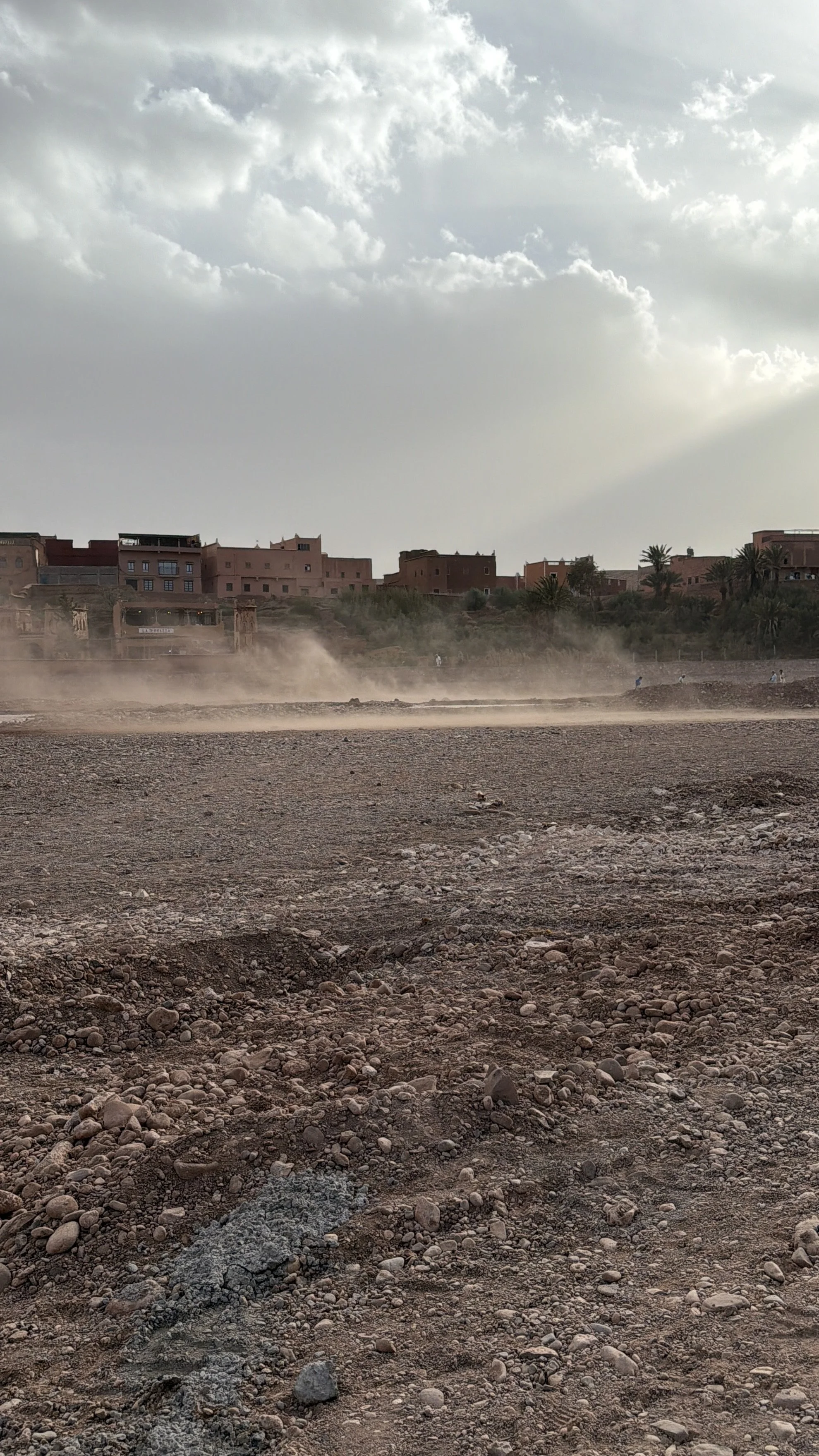
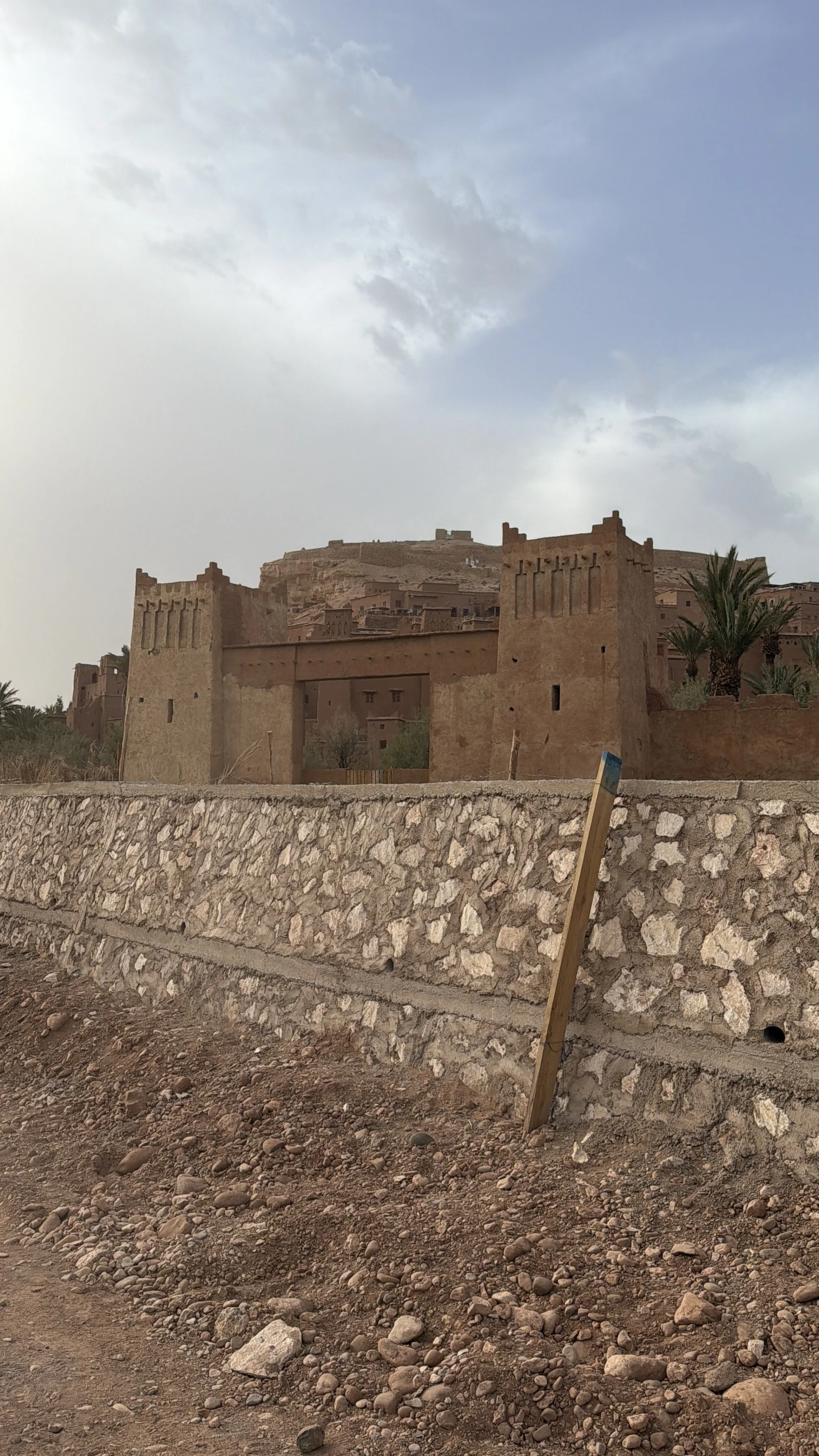
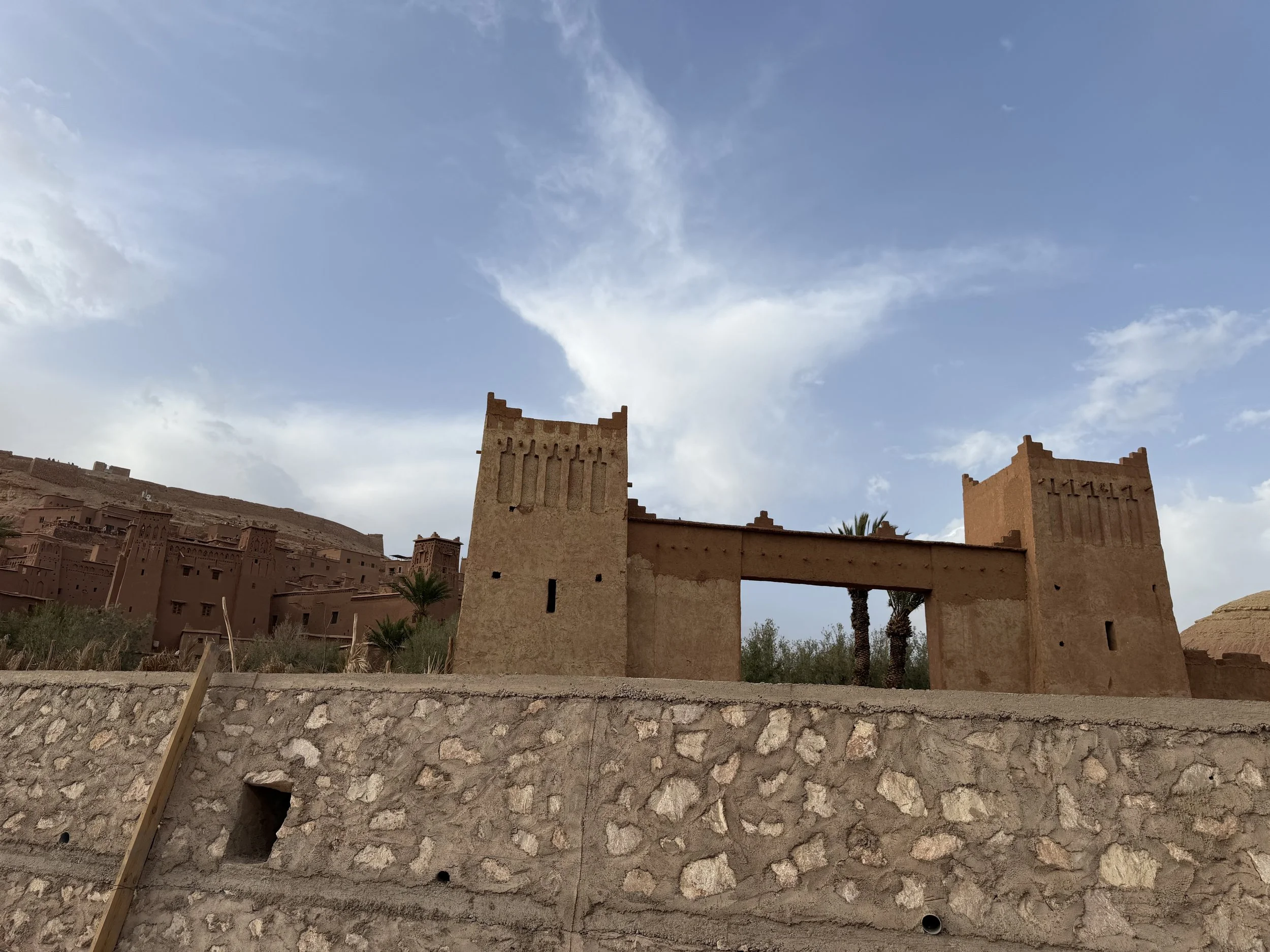
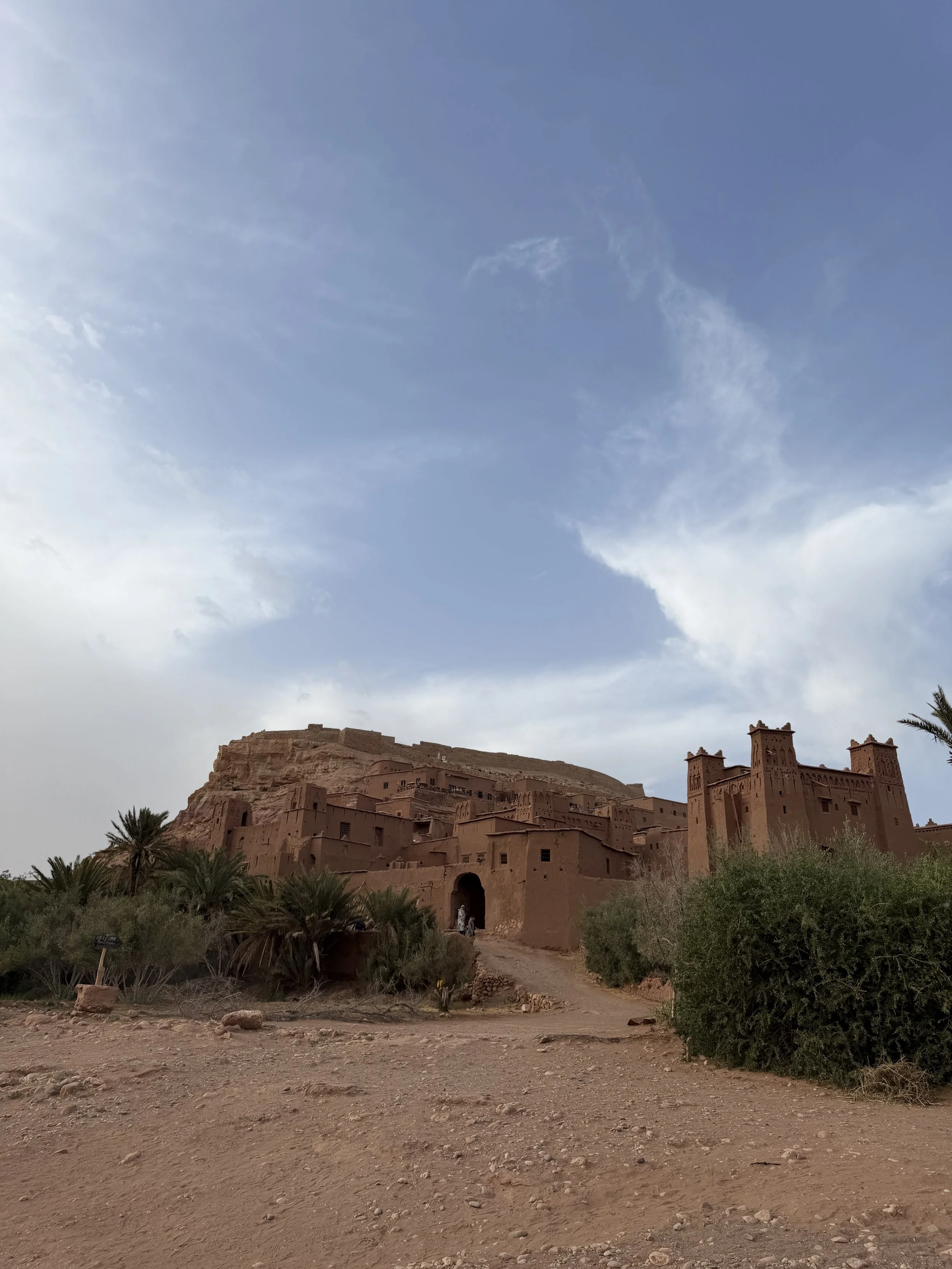
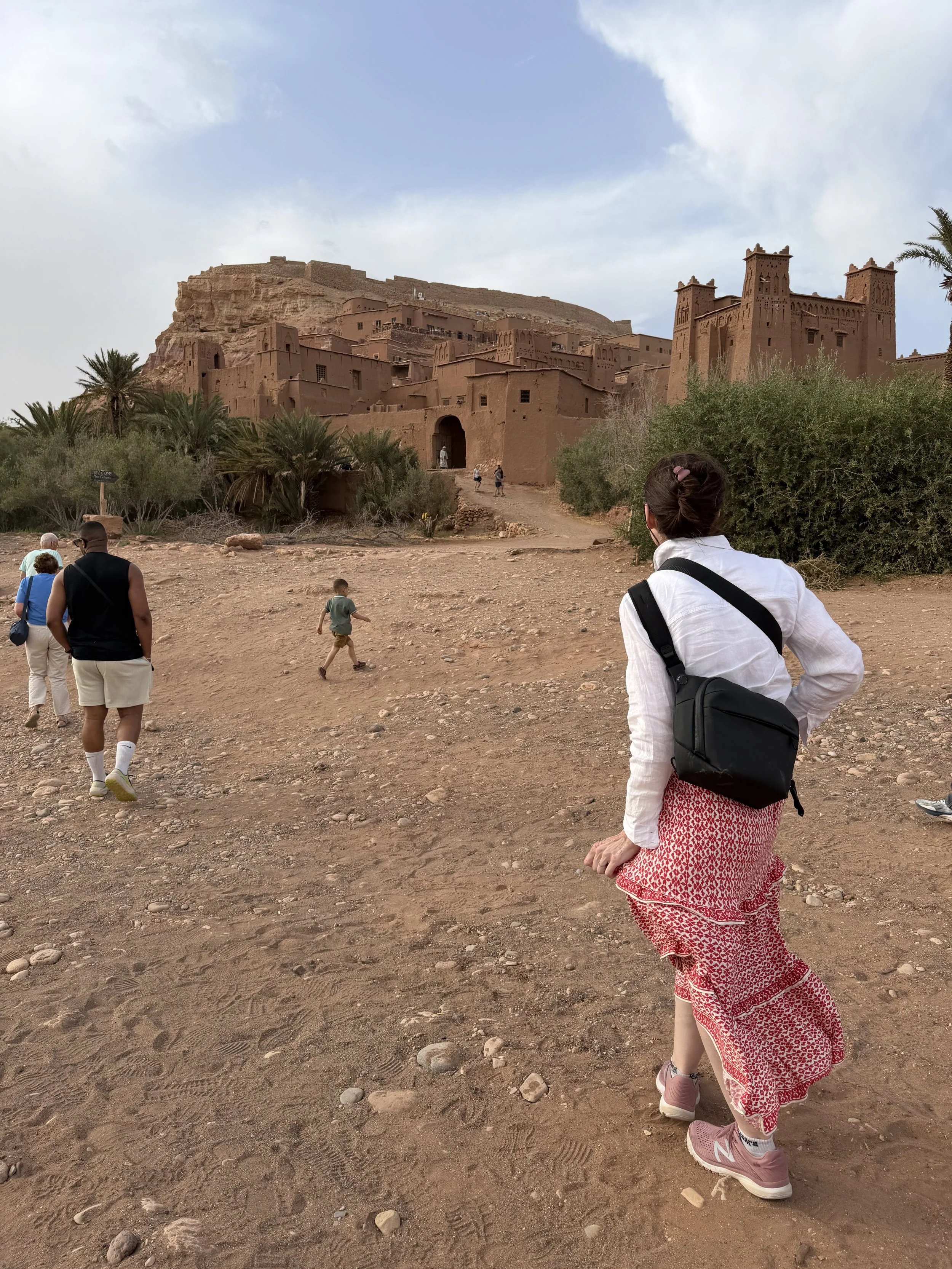
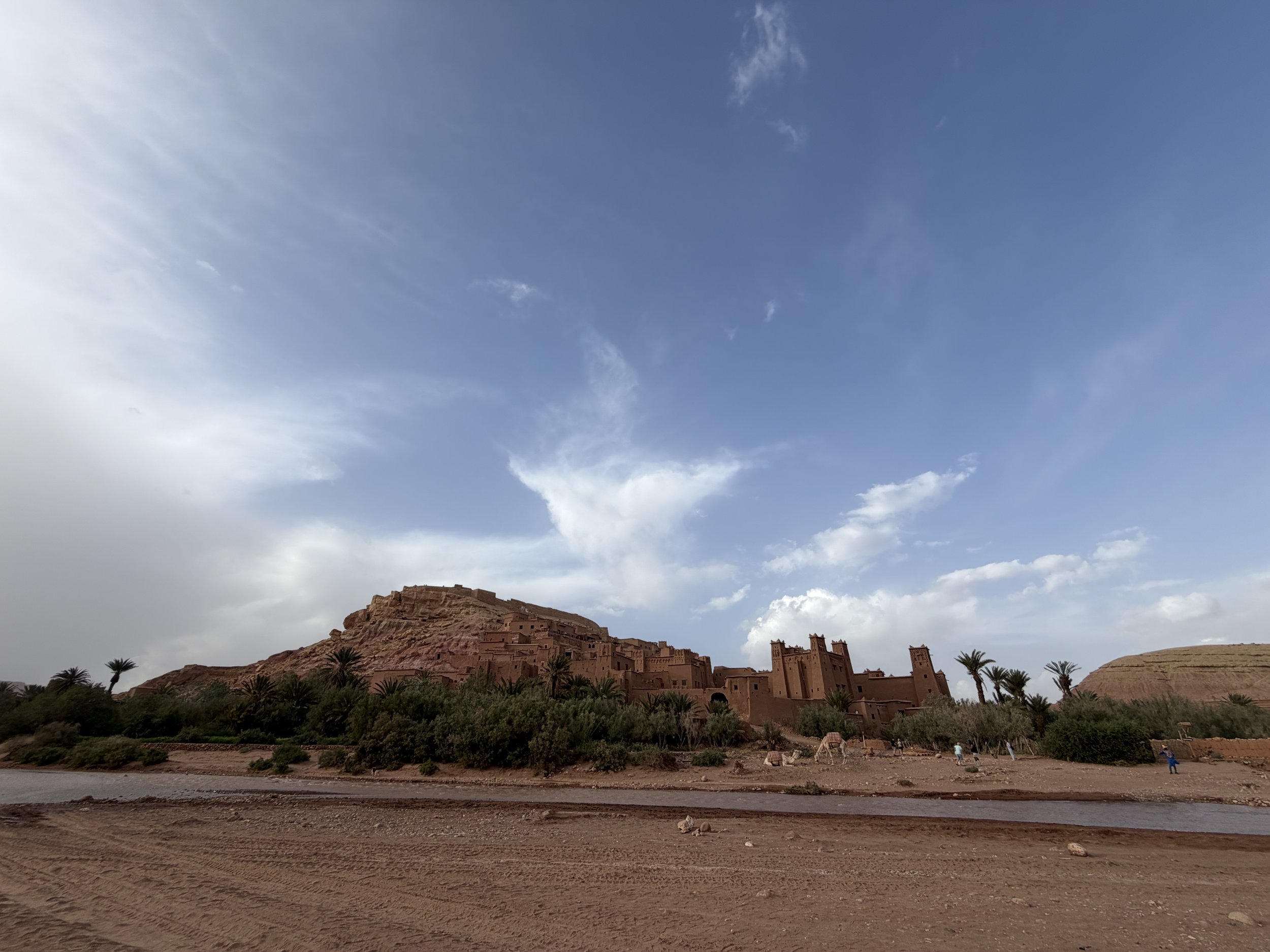
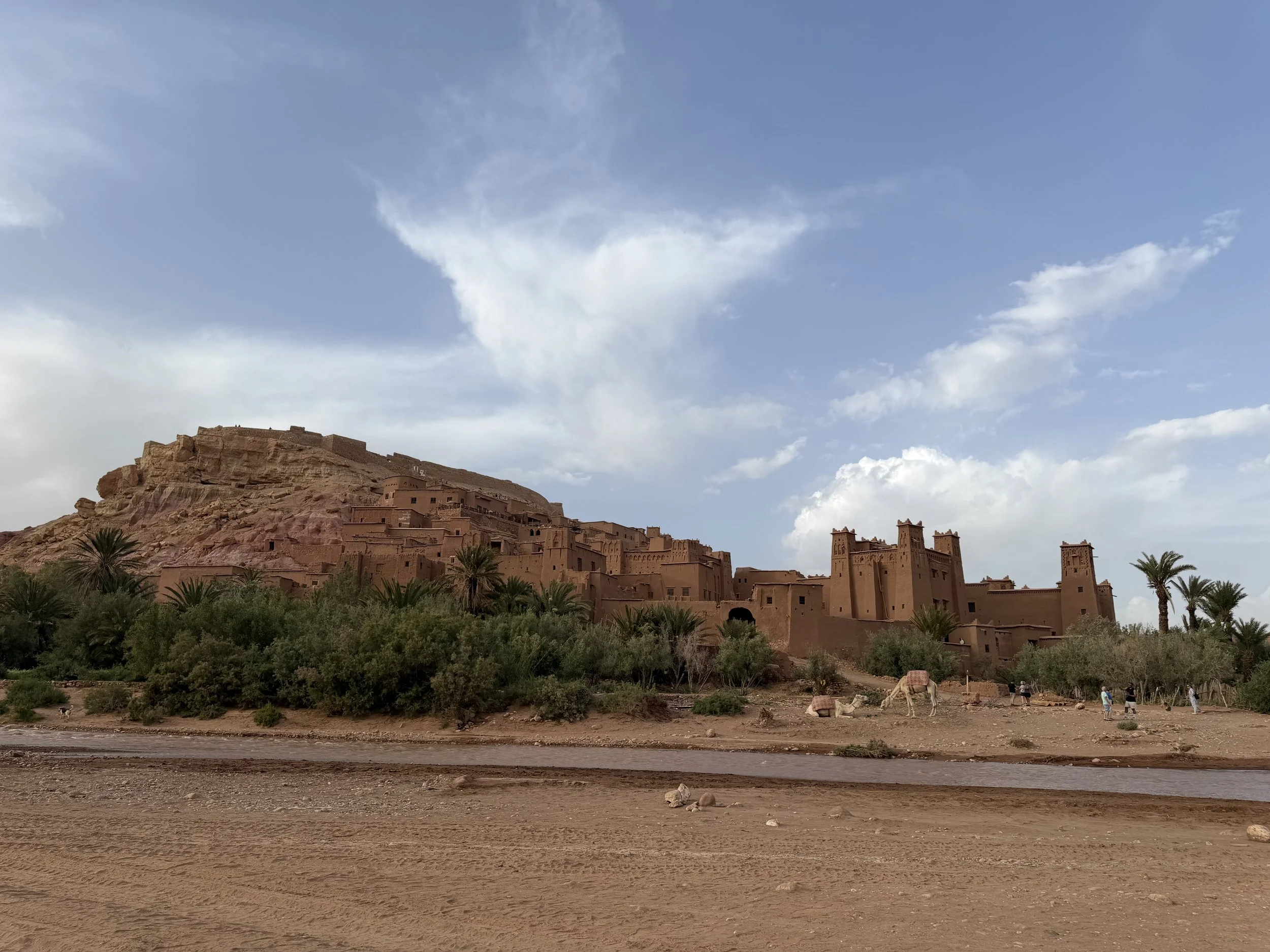
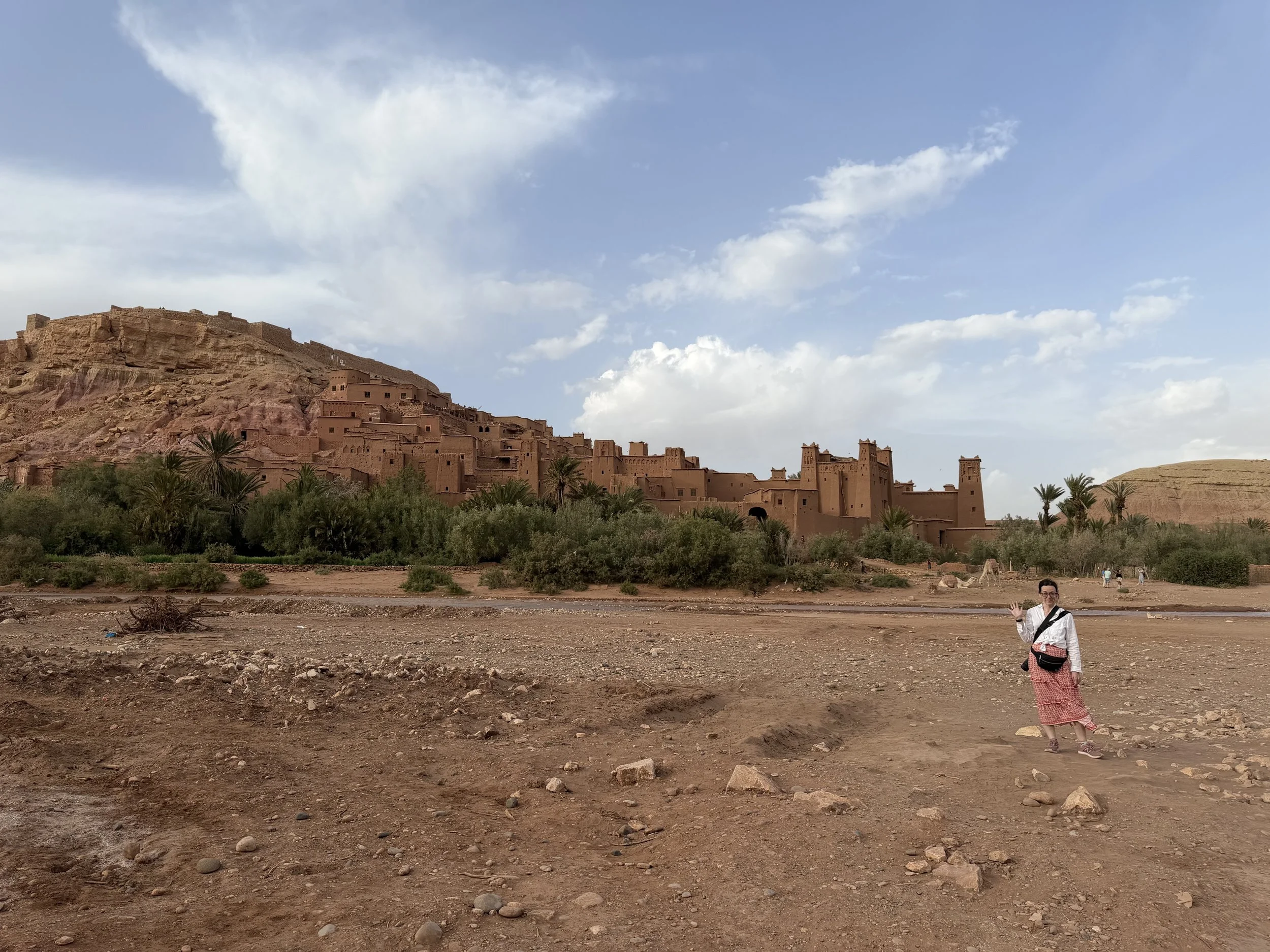
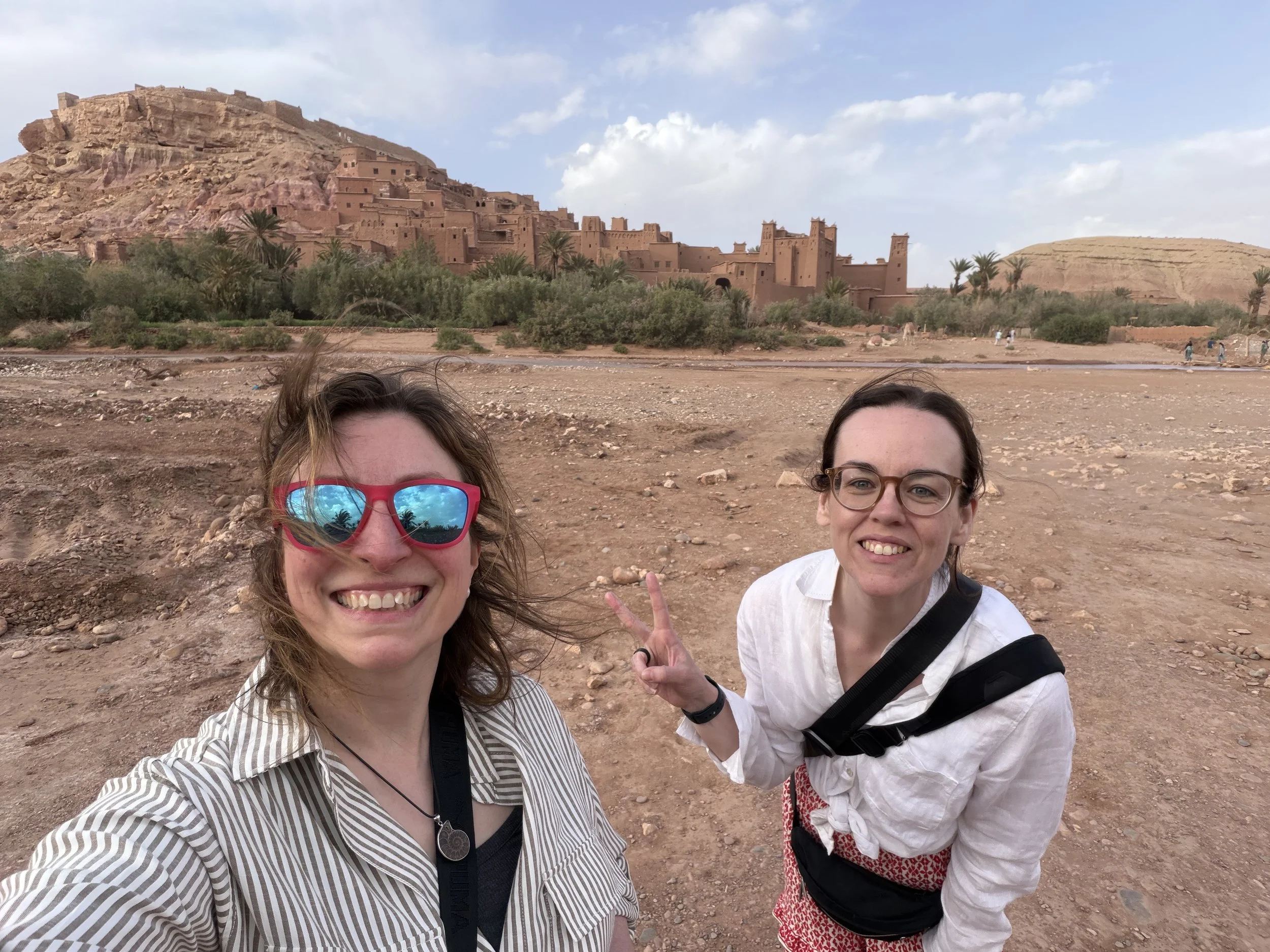
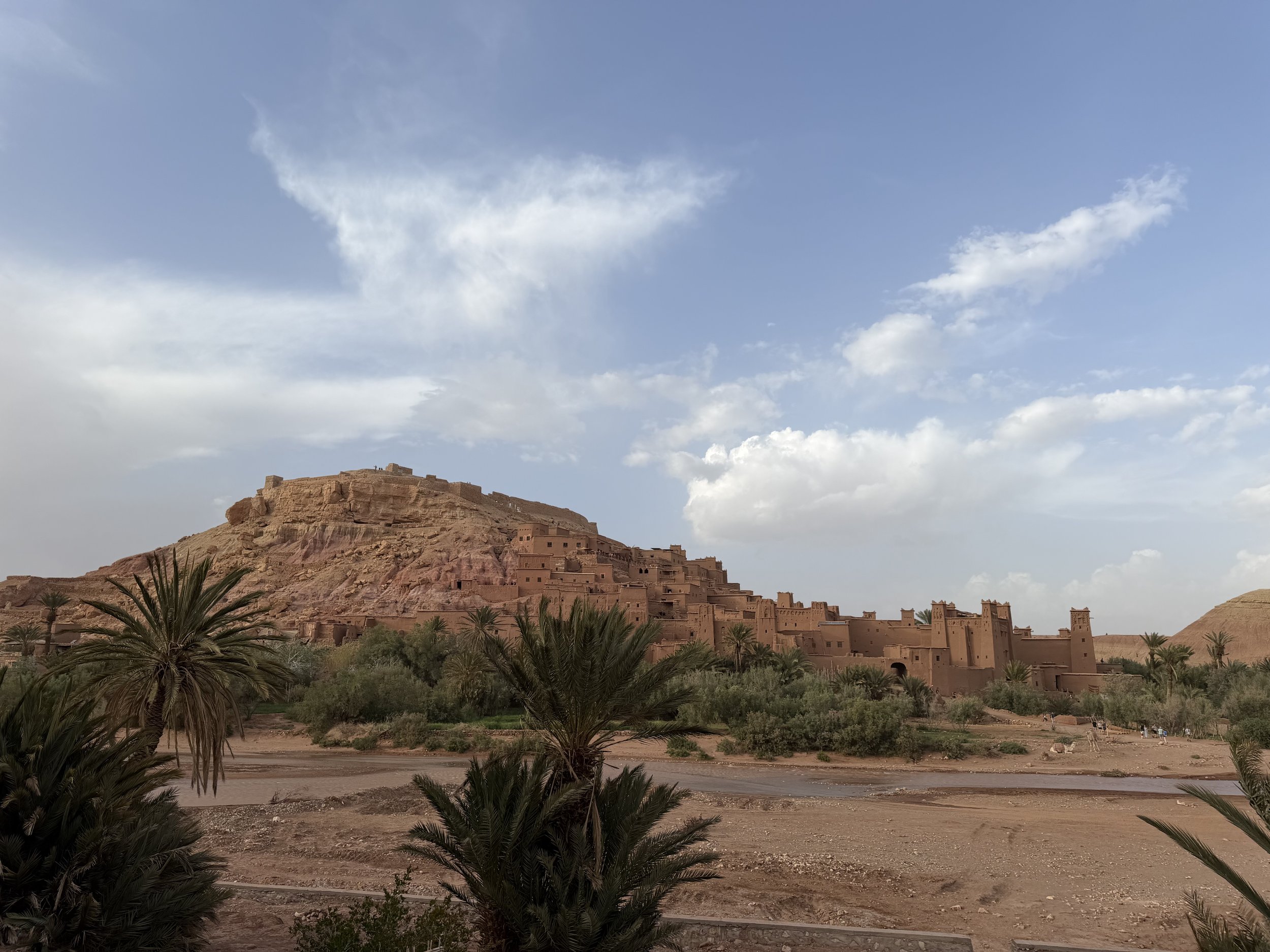
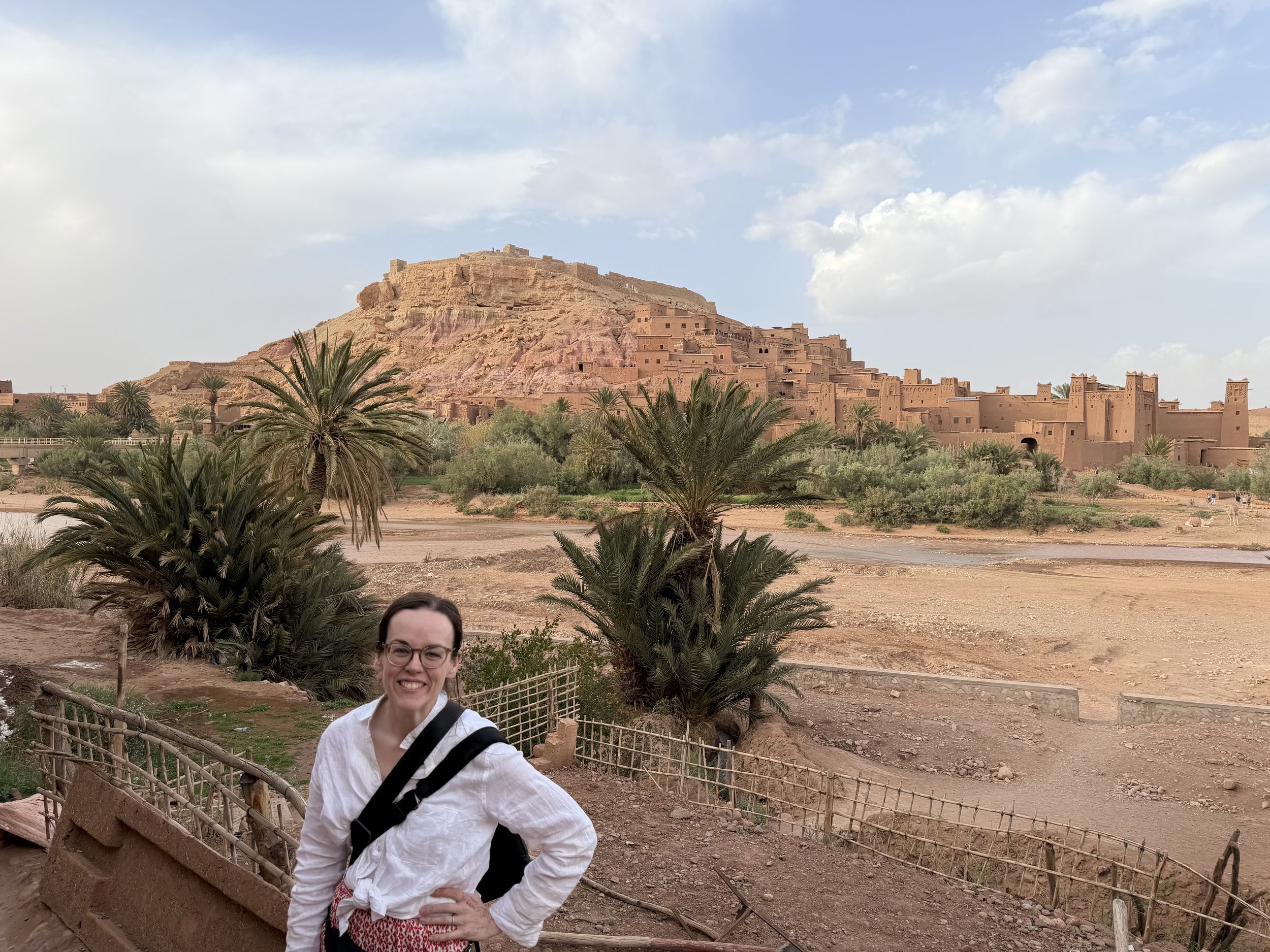
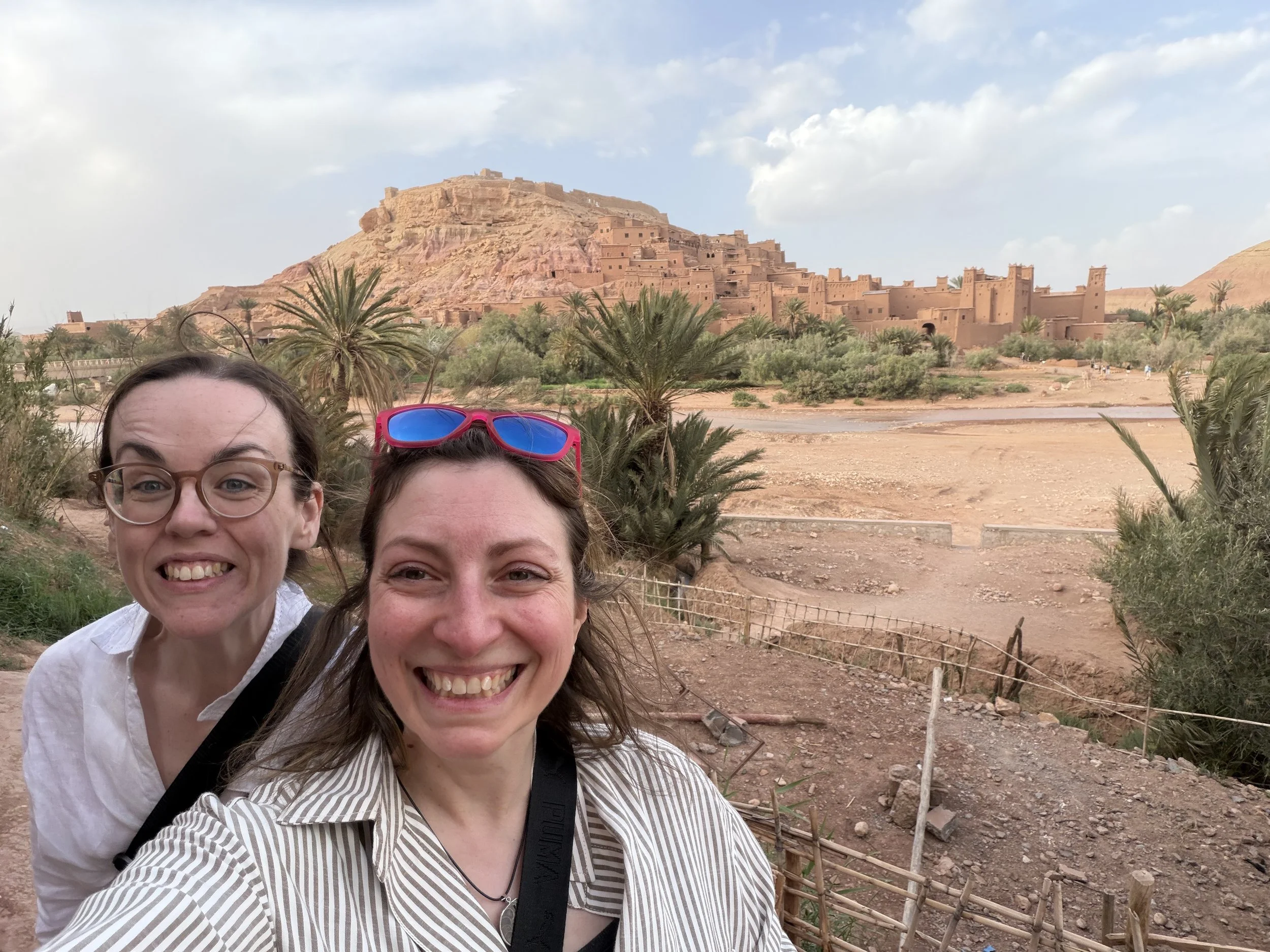
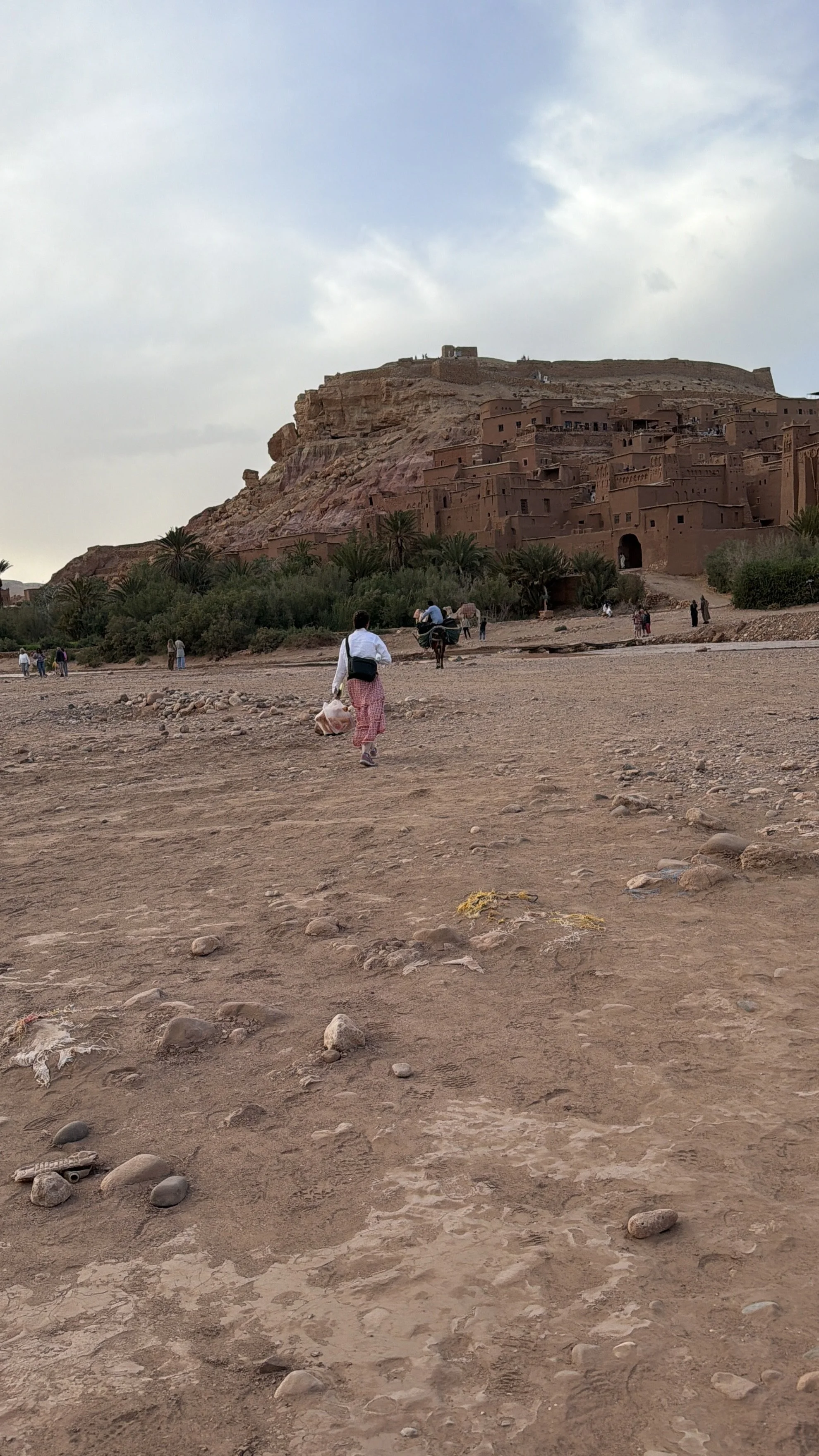
The grand finale of the day was arriving at the legendary Aït Benhaddou.
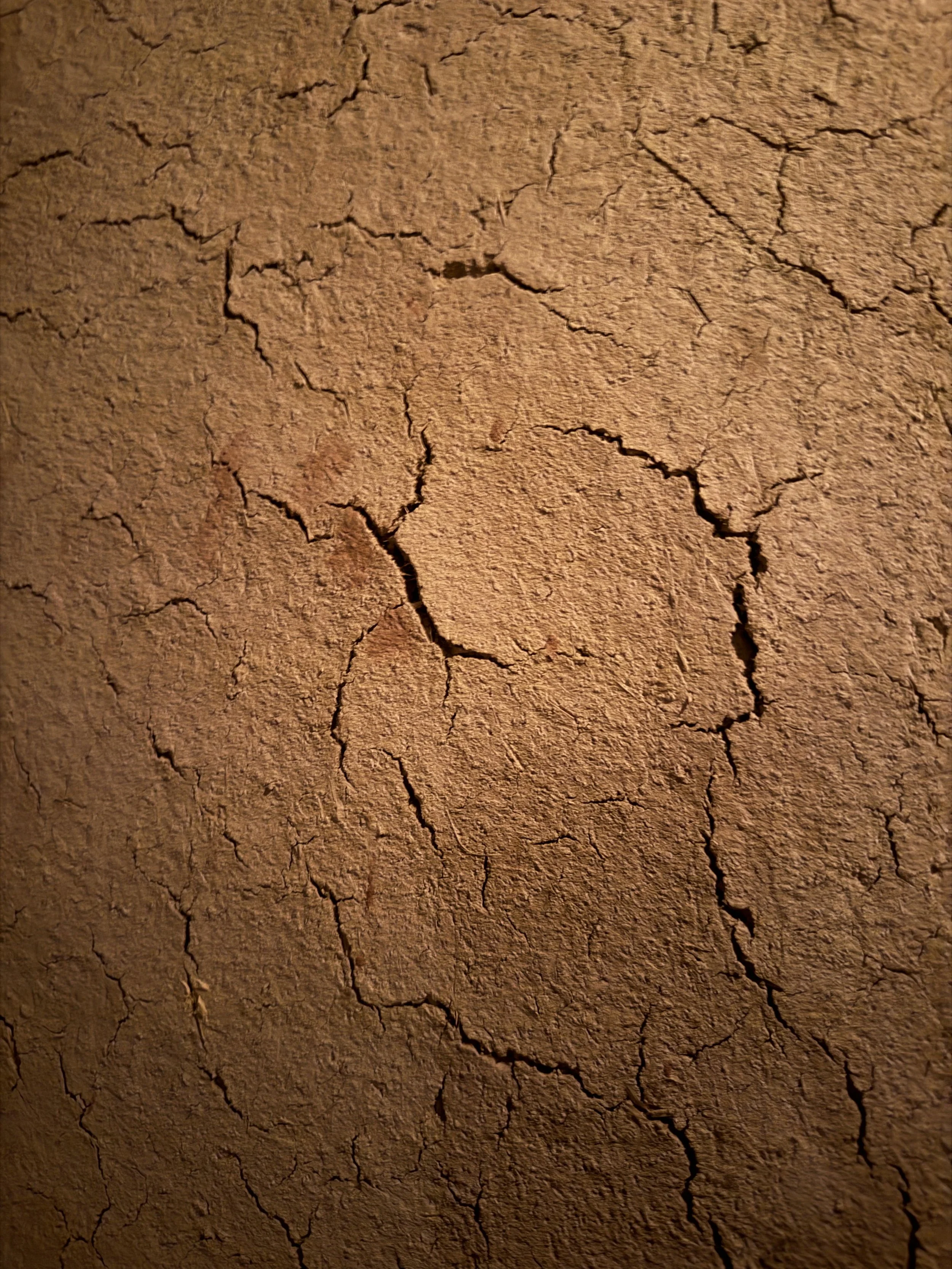
This UNESCO World Heritage ksar is even more impressive in person than in photos. As we climbed higher into the ancient fortified village, the craftsmanship became more and more remarkable. Built from earthen clay and straw, the structures seem to rise organically from the hillside itself, glowing in a haze as the sun tried to break through the clouds, giving an almost foggy effect reminiscent of home. The higher we climbed, the more spectacular the views became across the valley below.
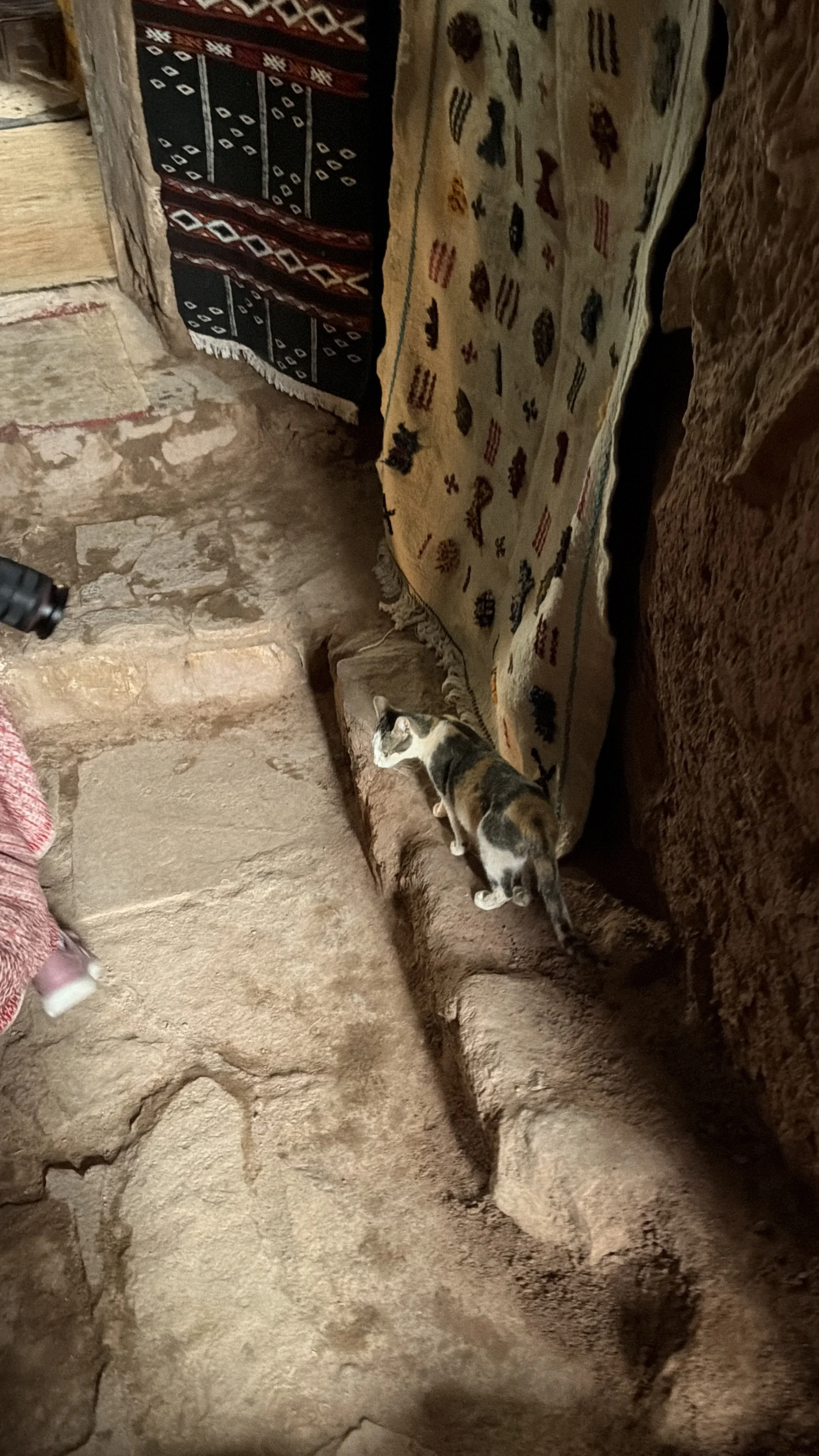
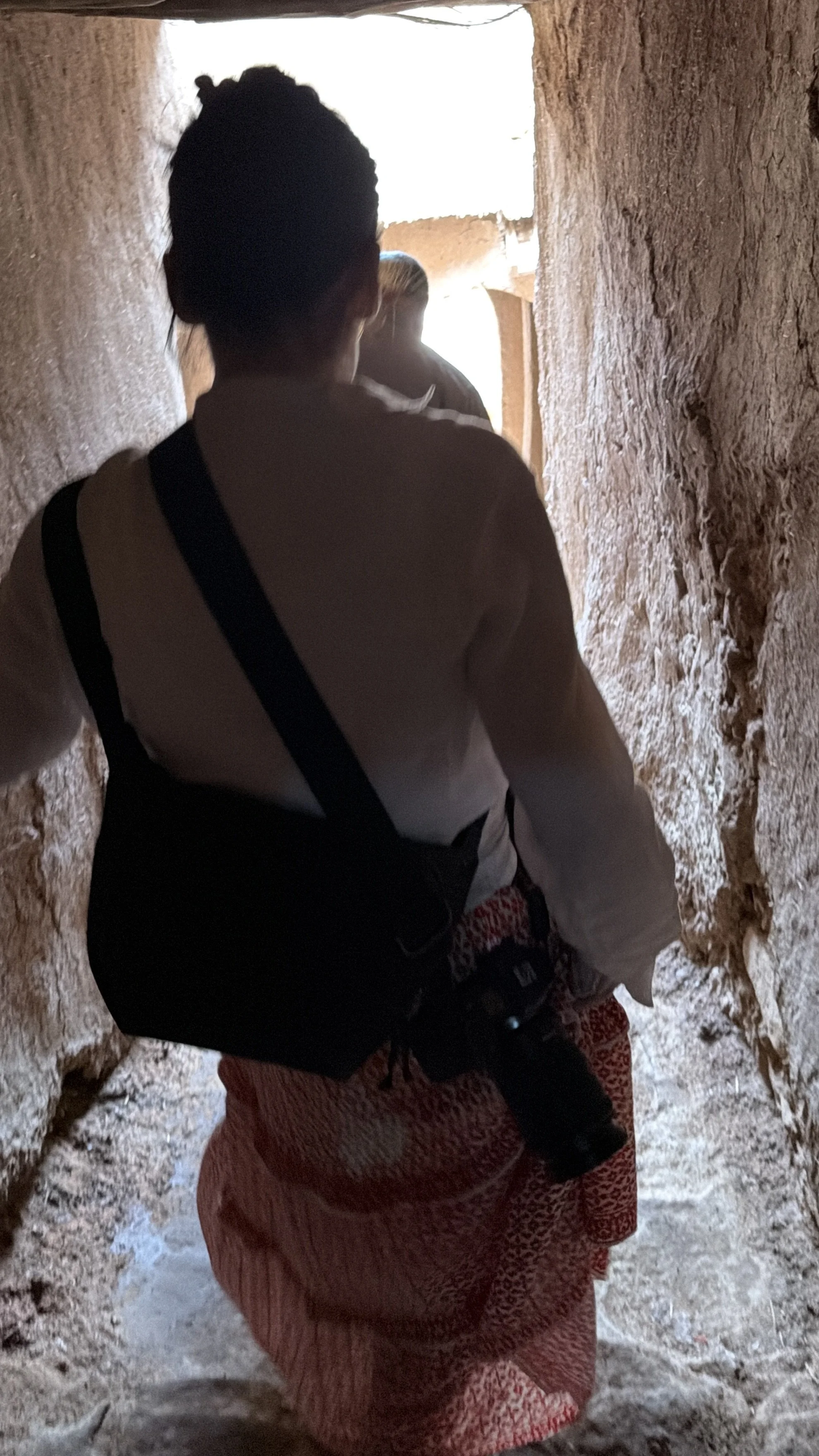
There’s a deep sense of resilience embedded in this place. You can feel the centuries of history in every narrow passageway and weathered wall. While parts of the outer structures have been restored for Hollywood productions, the ksar still retains an incredible authenticity and atmosphere.
It’s easy to understand why filmmakers continue to return here — it feels timeless.
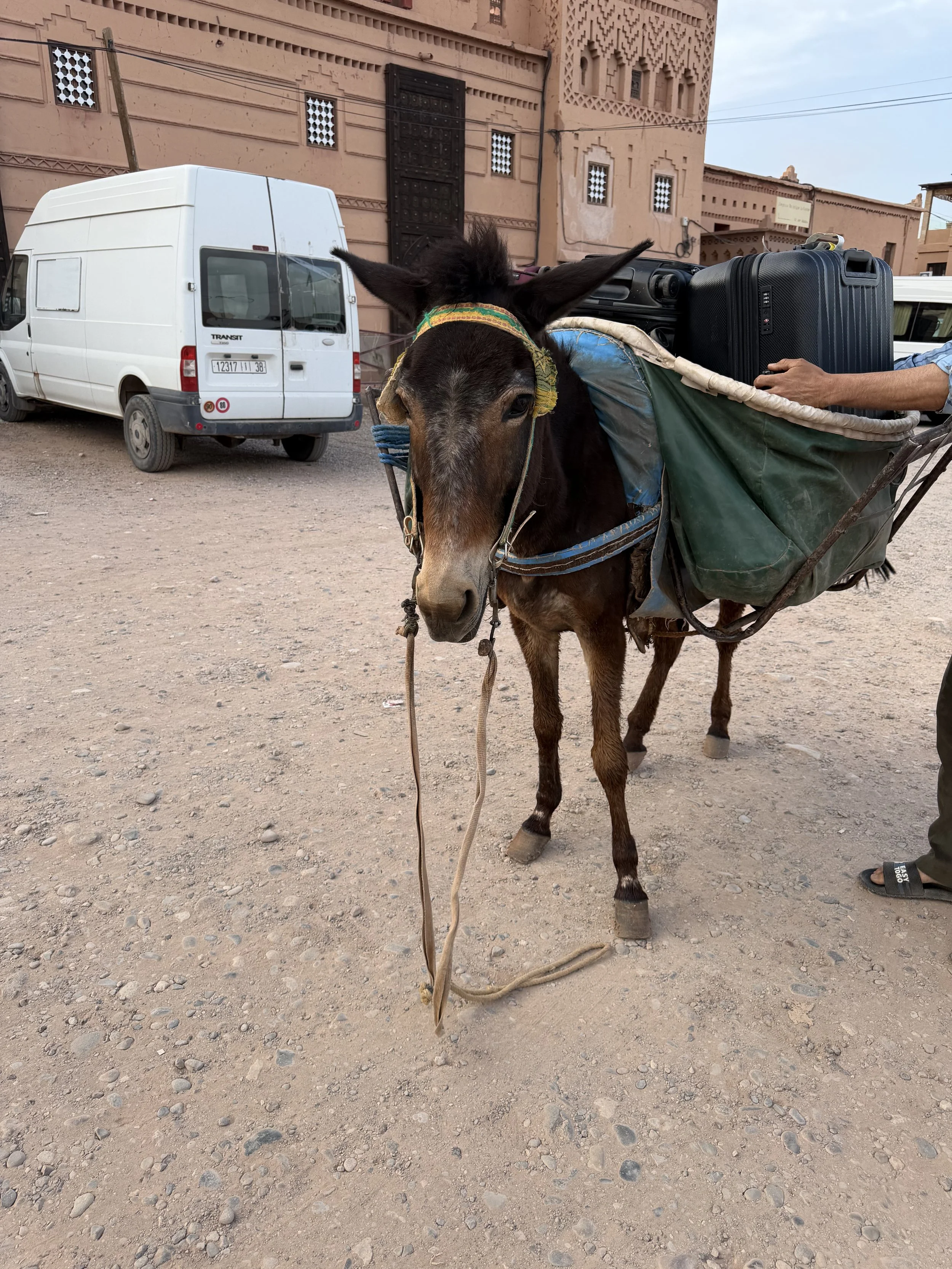
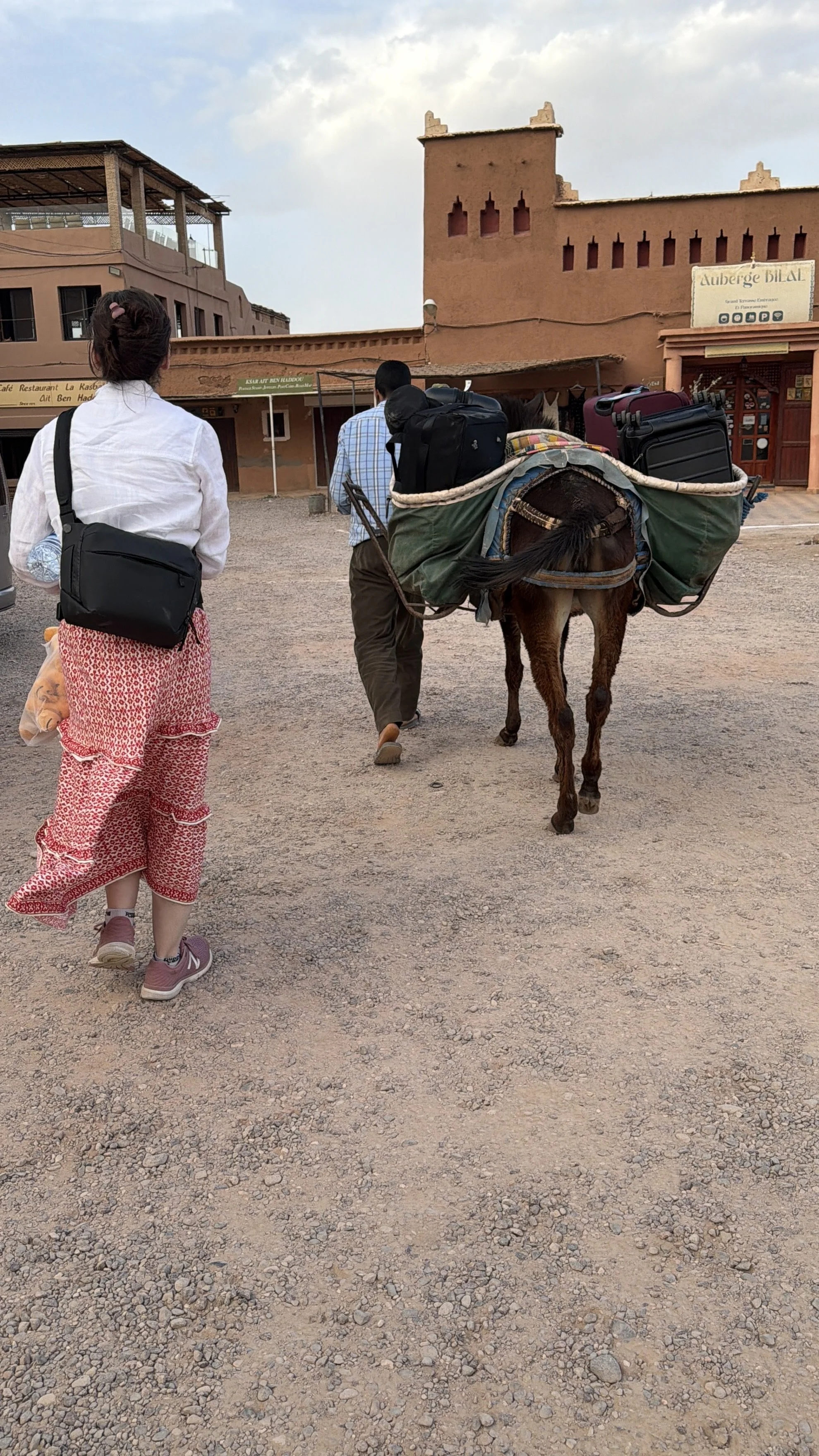
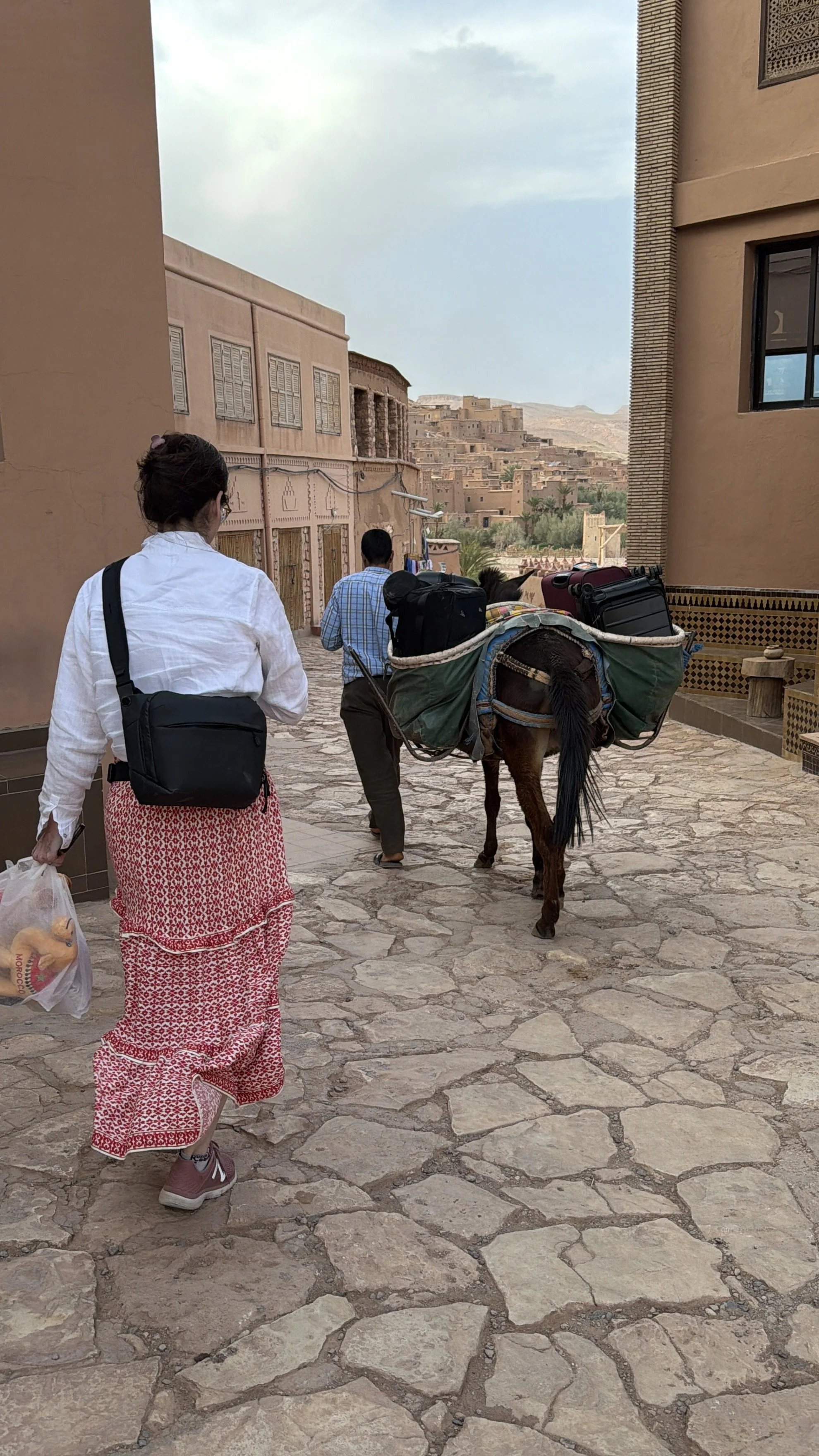
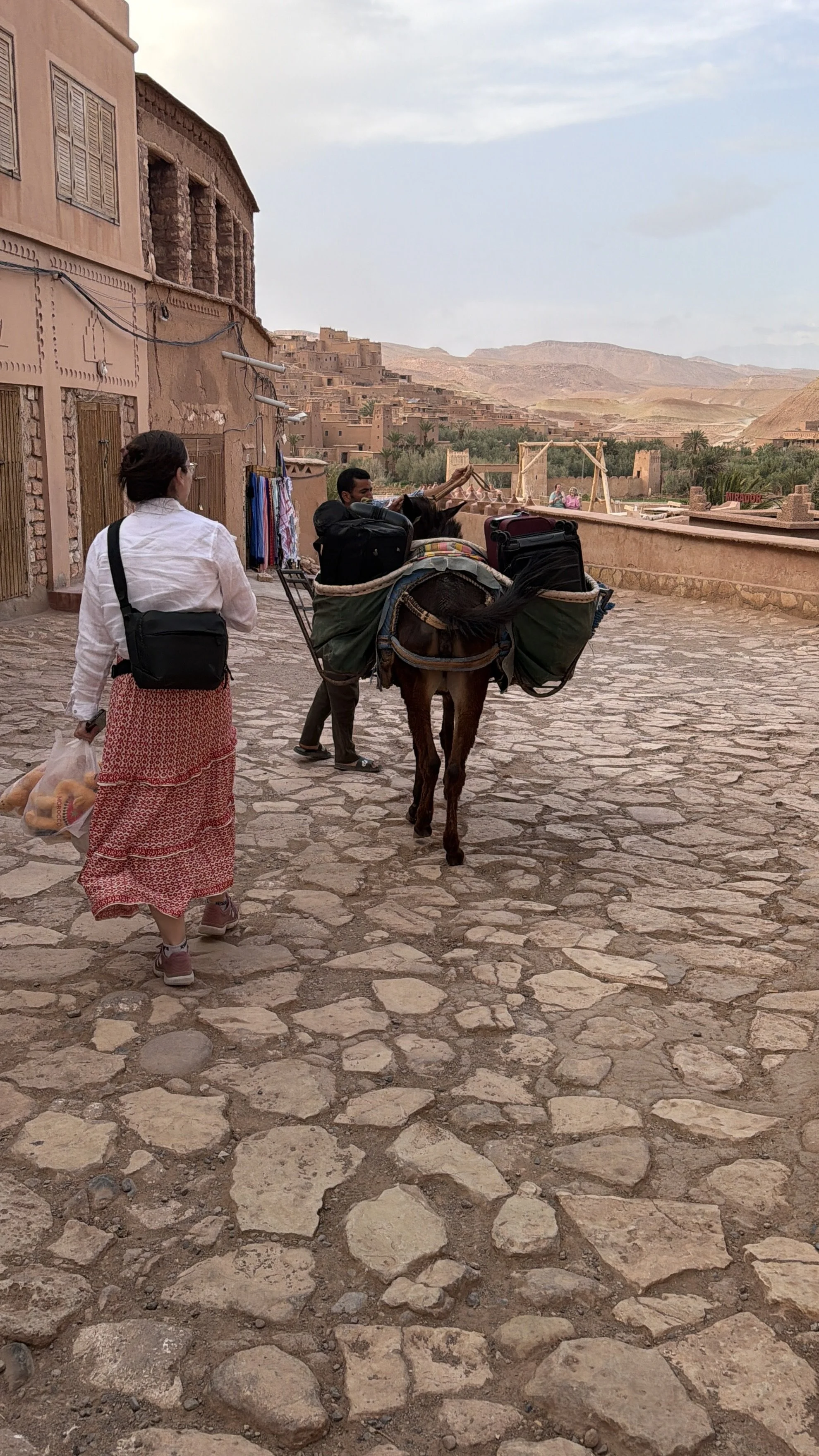
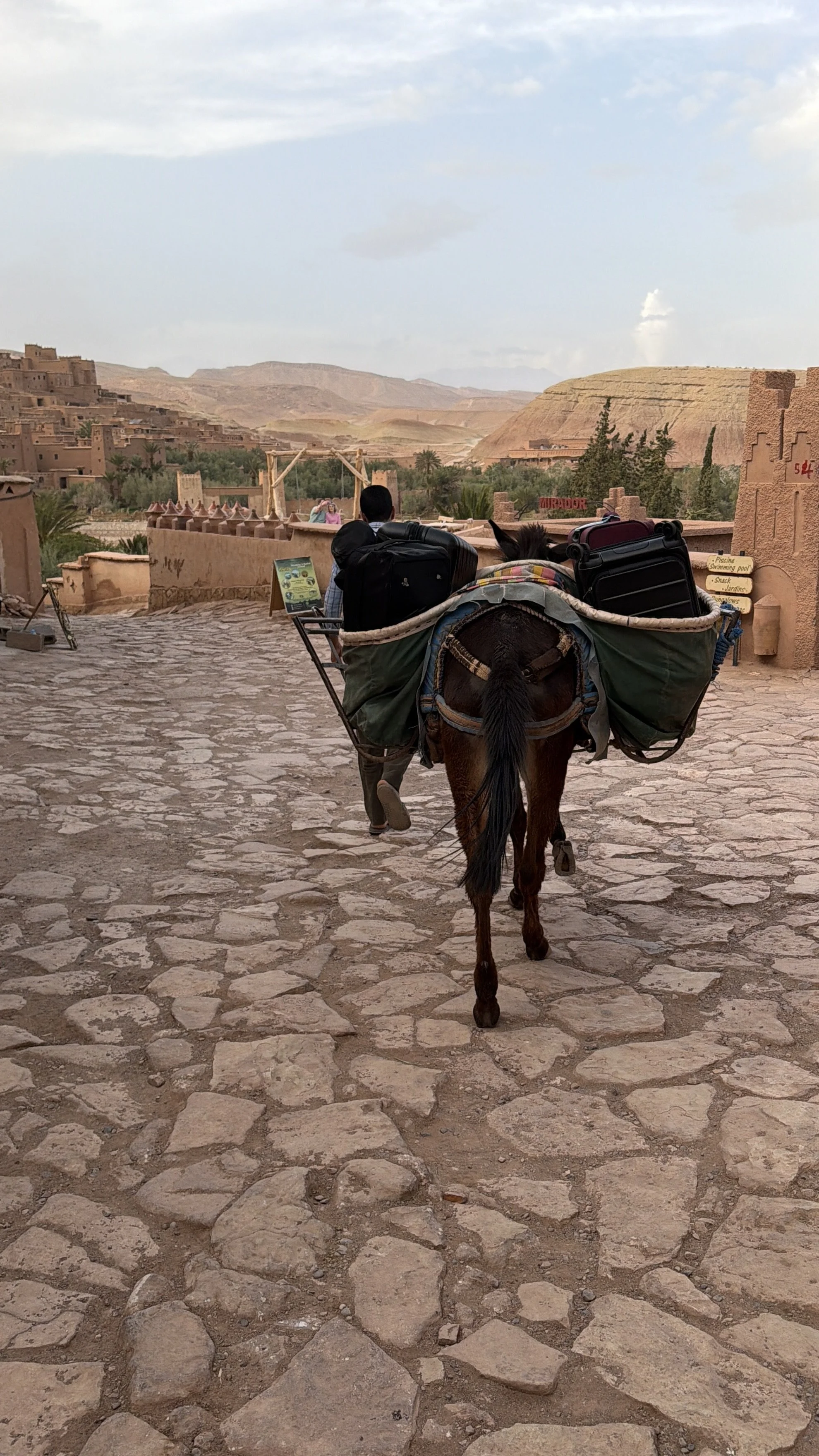
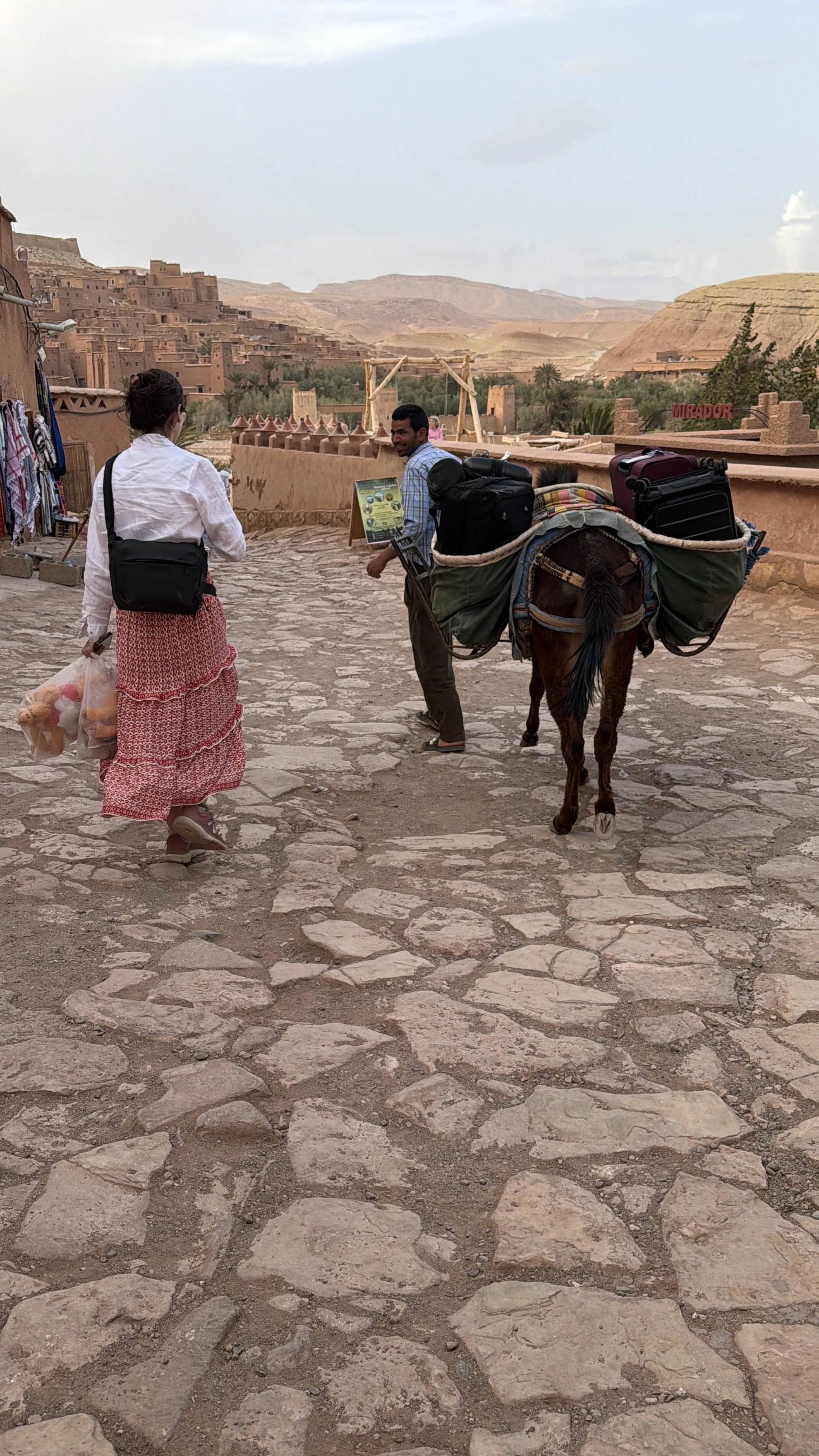
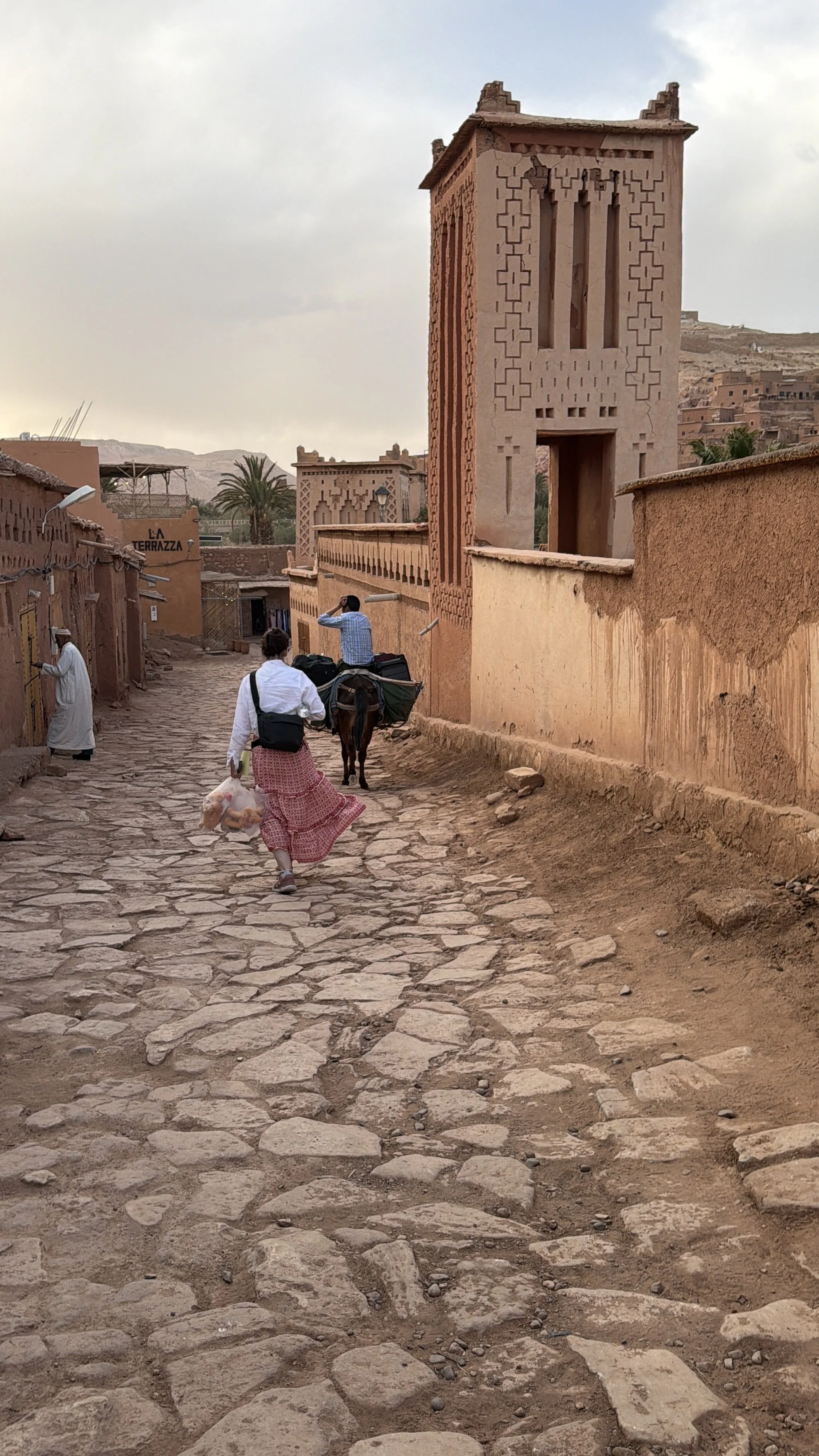
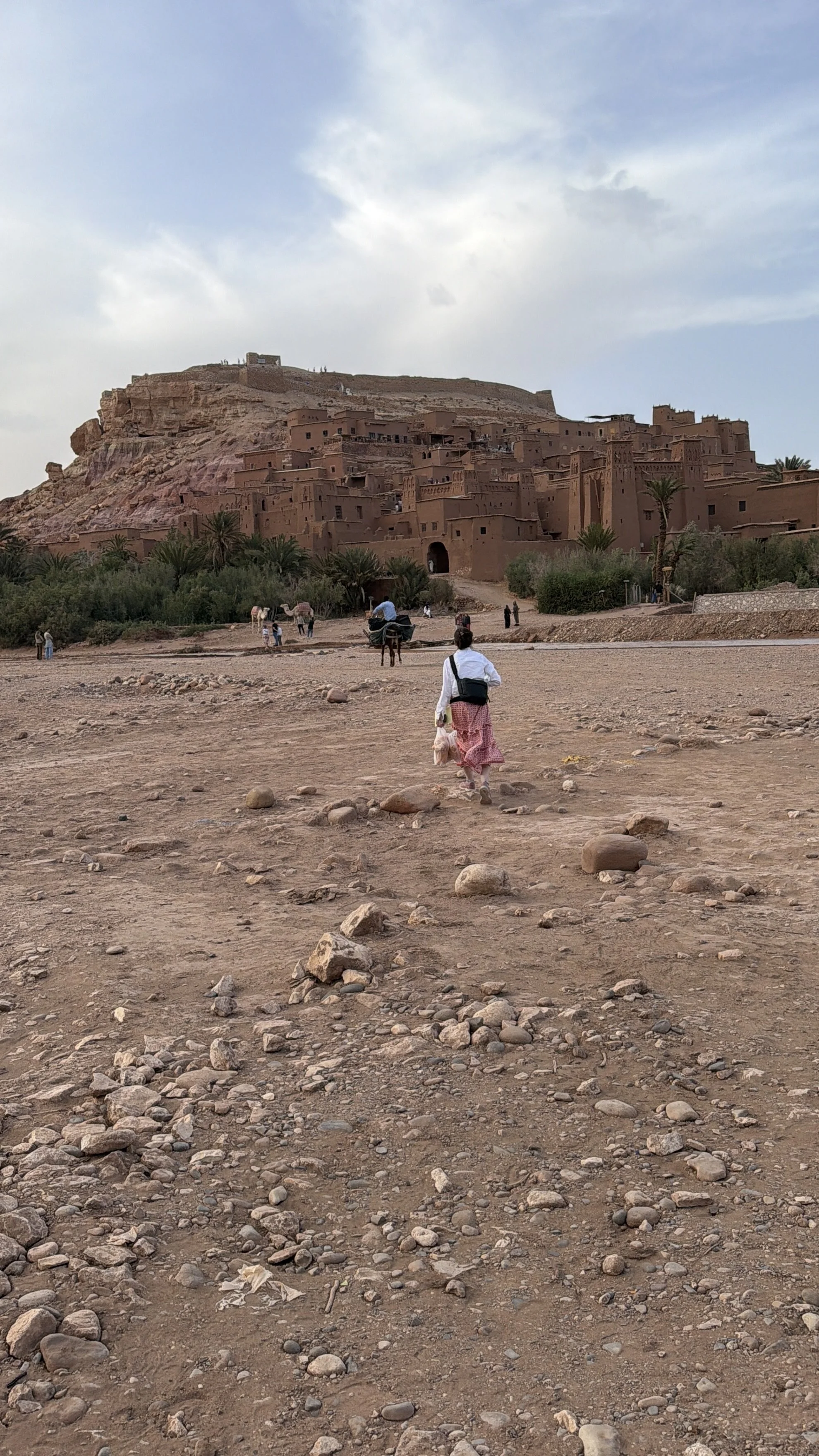
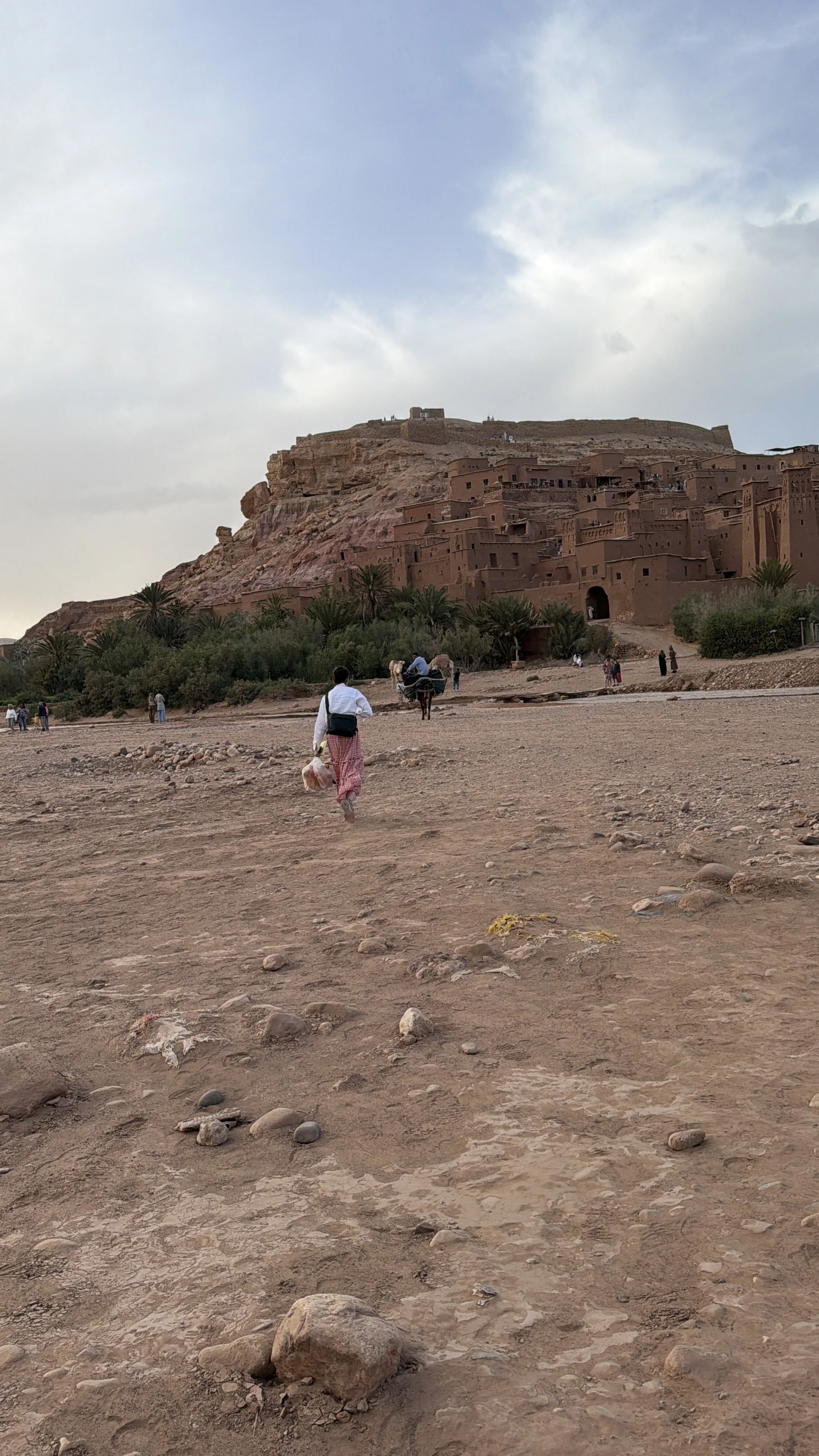
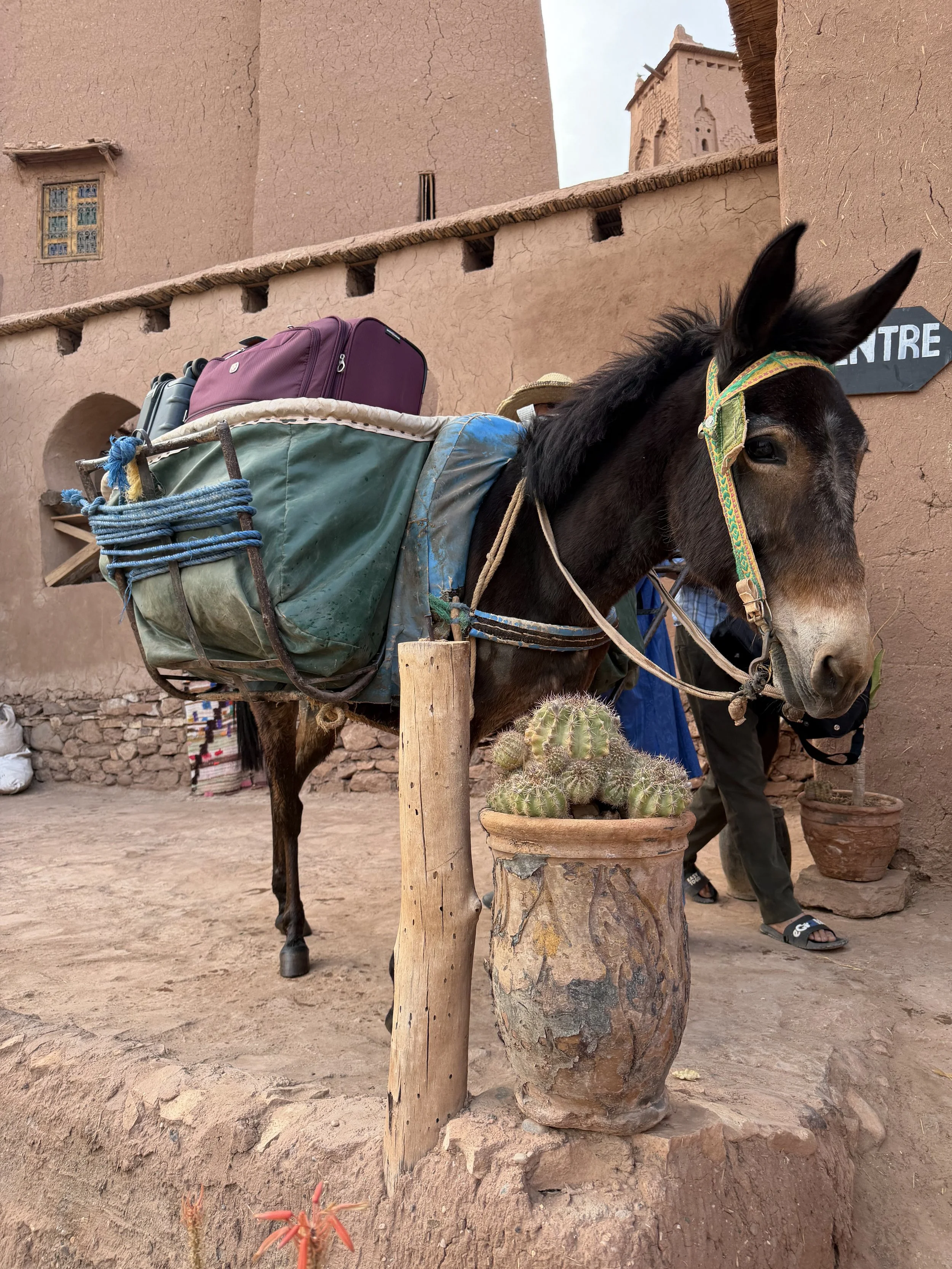
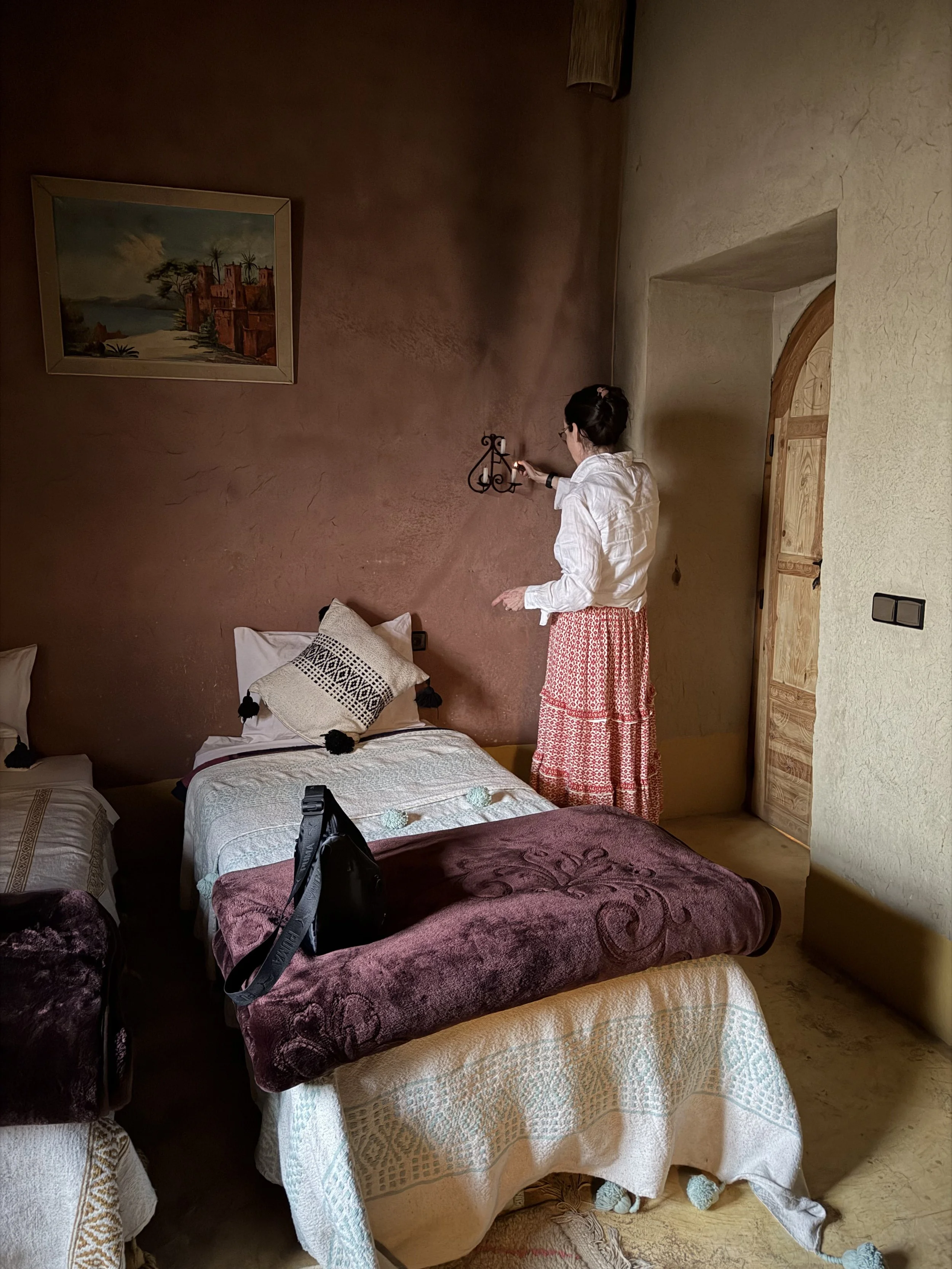
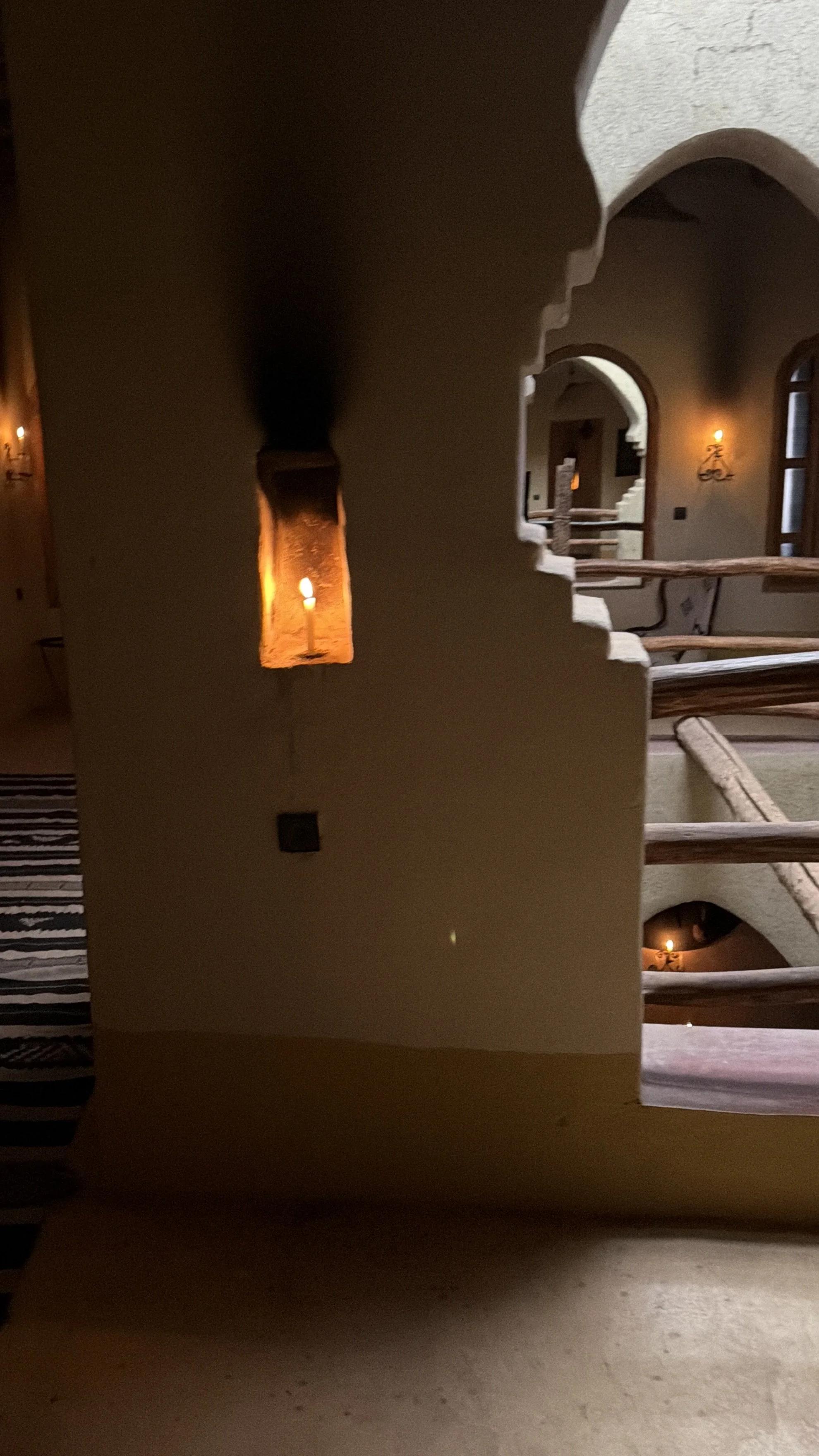
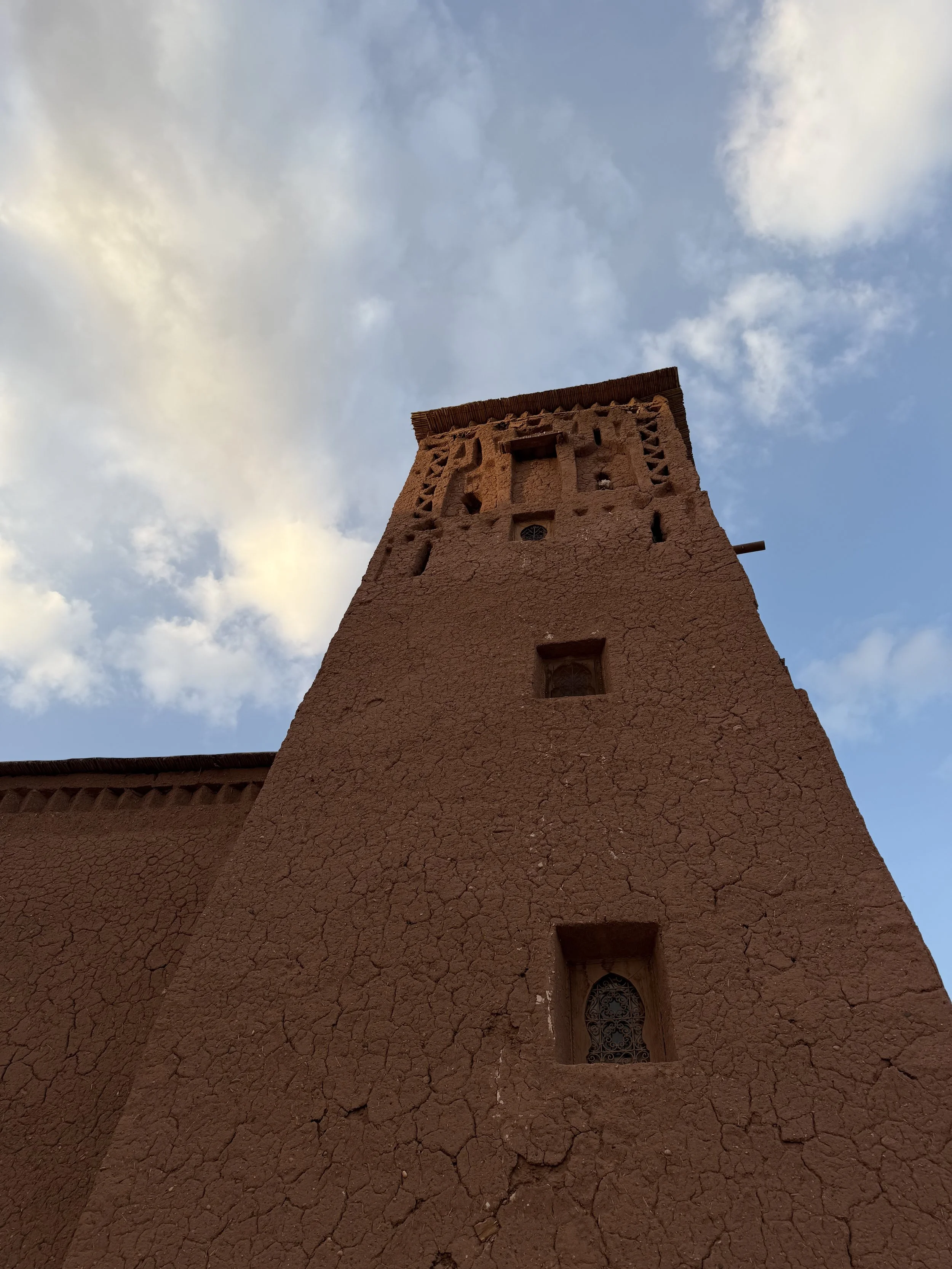
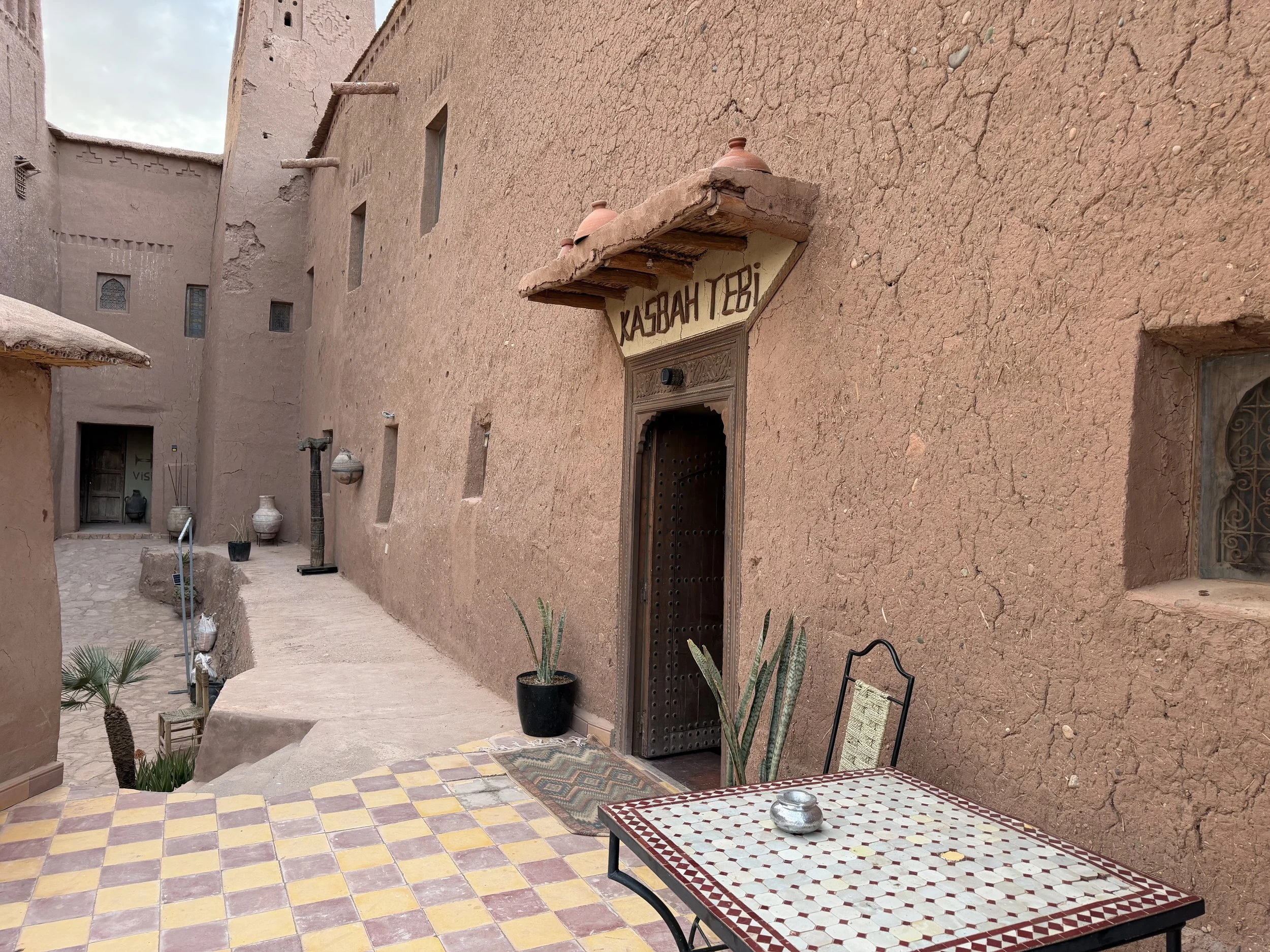
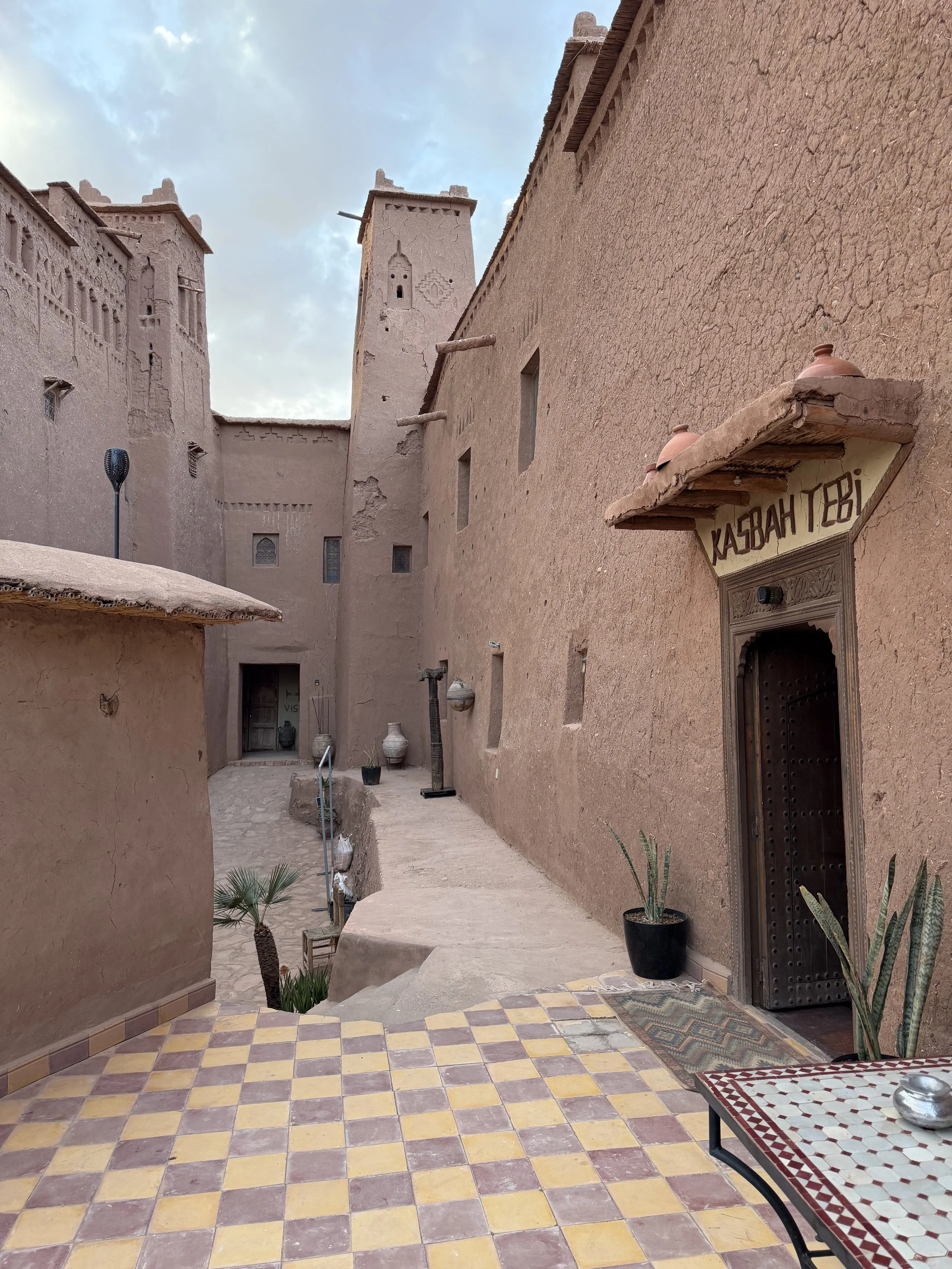
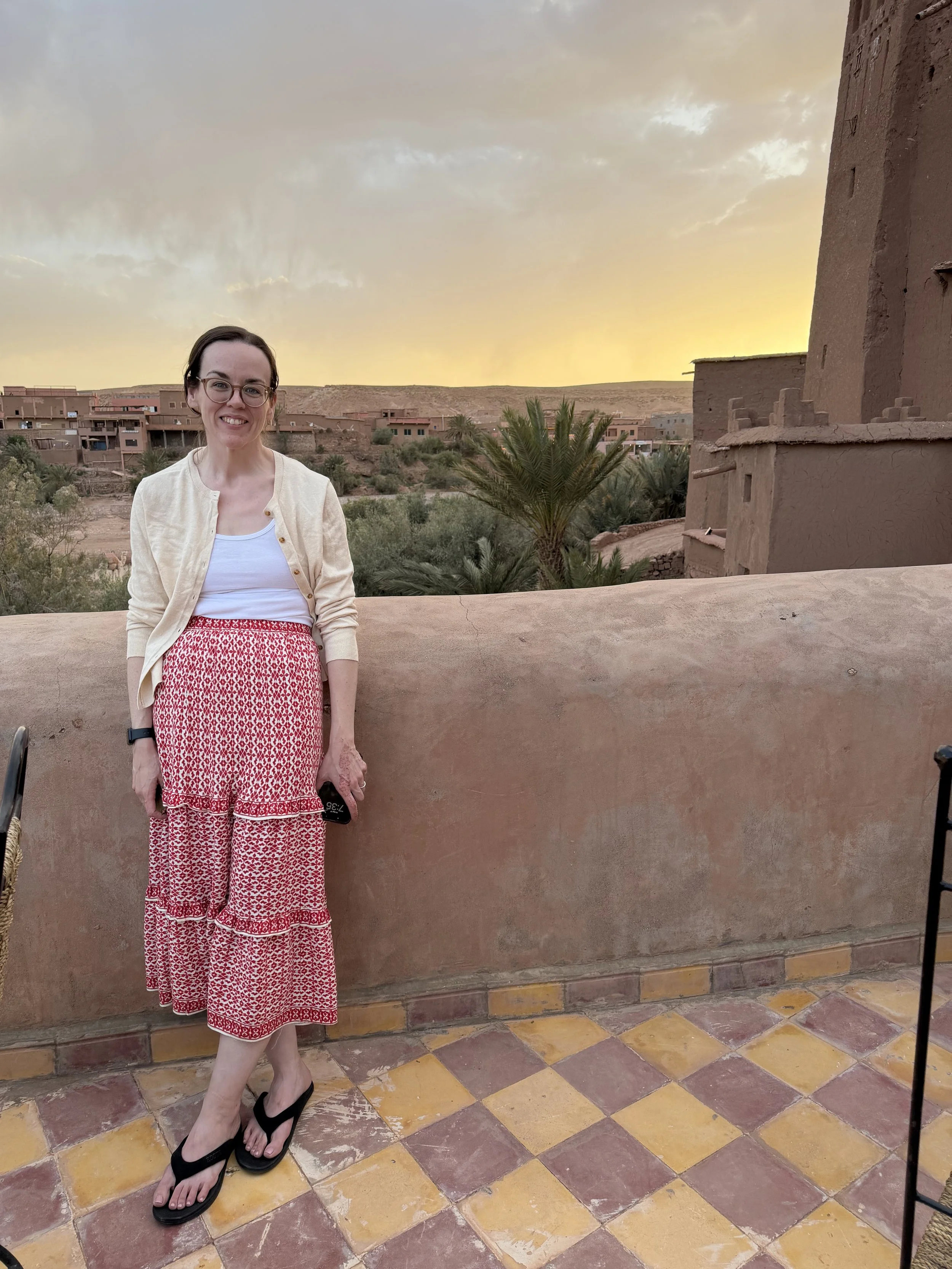
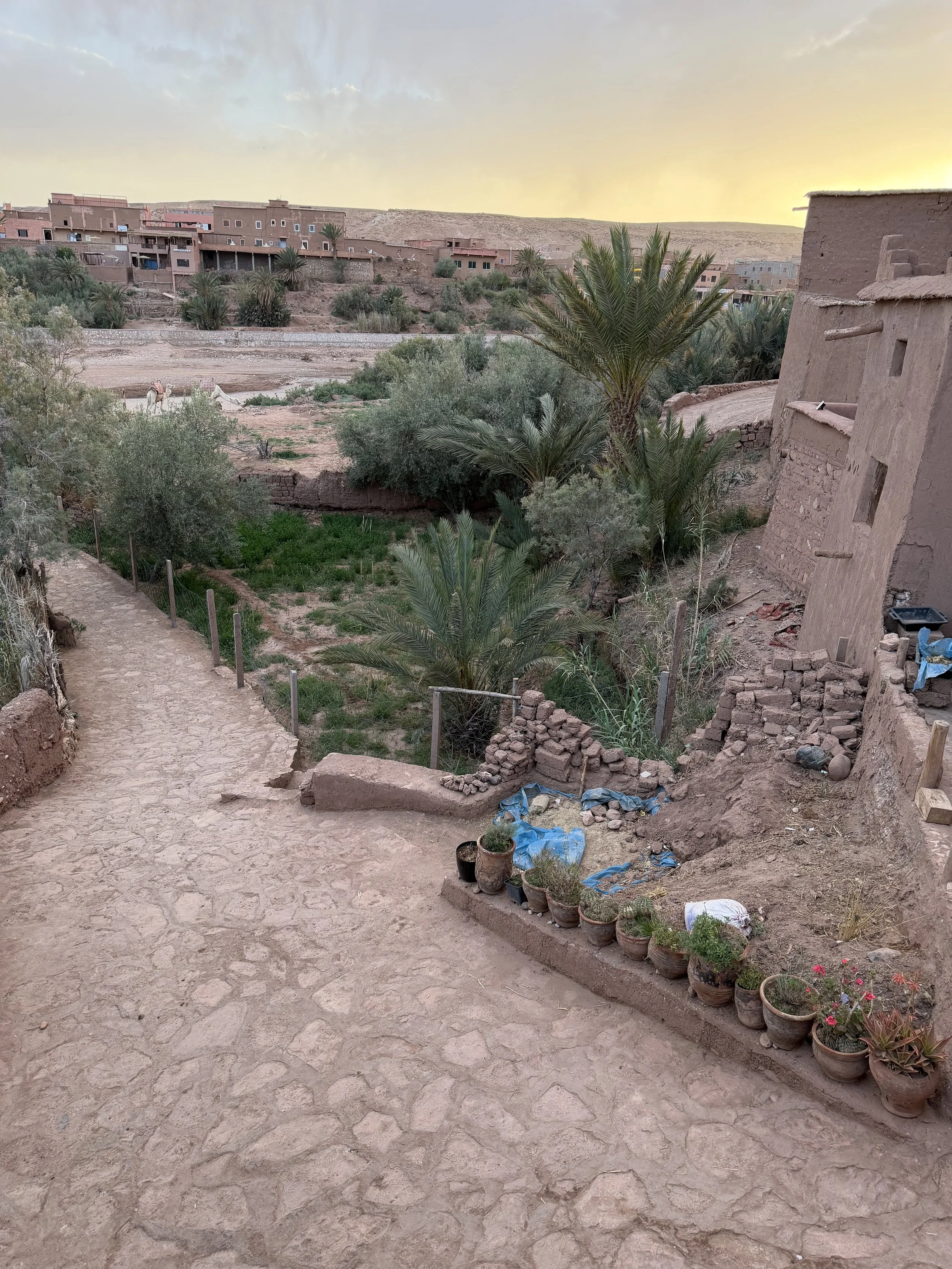
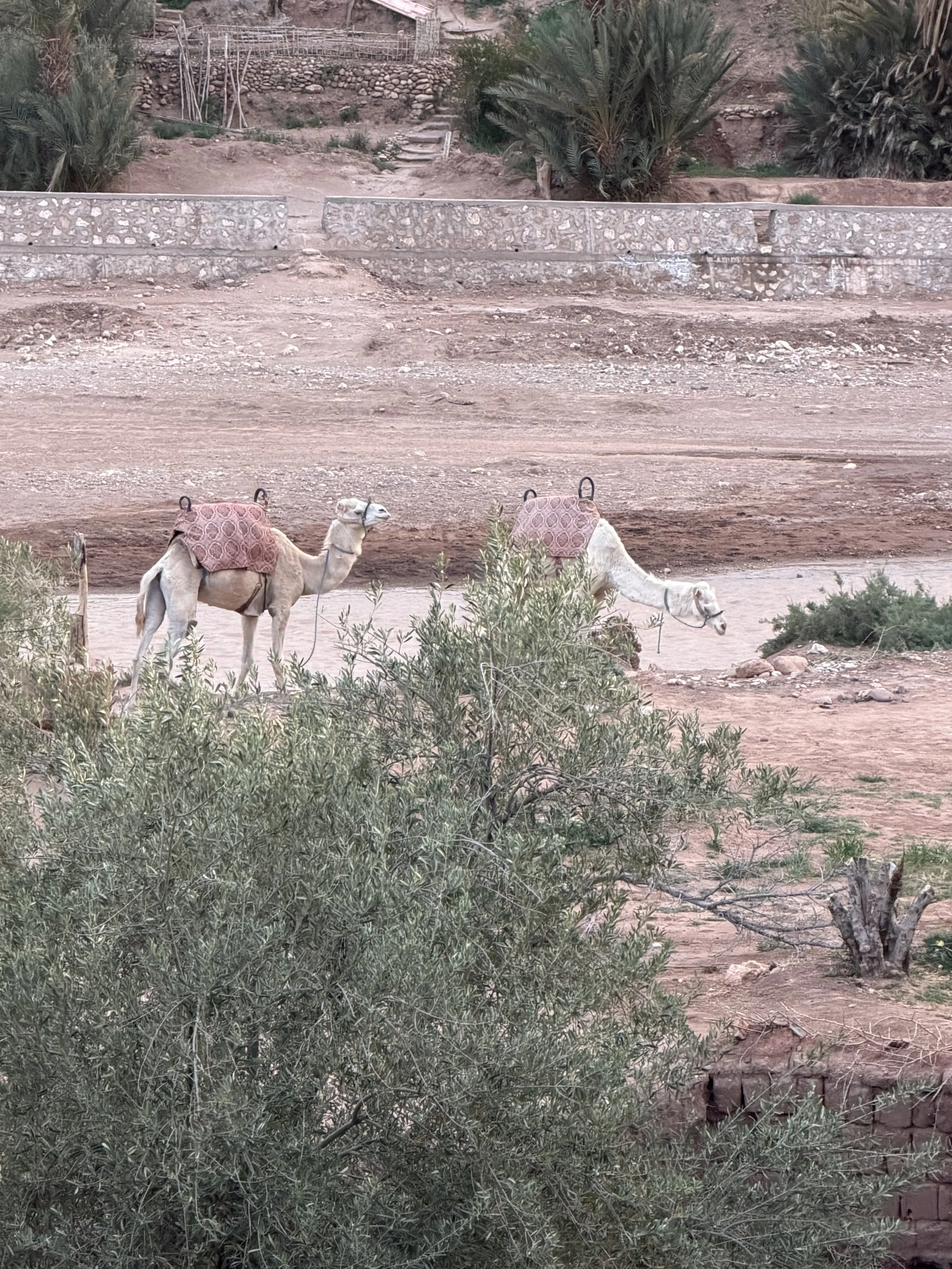
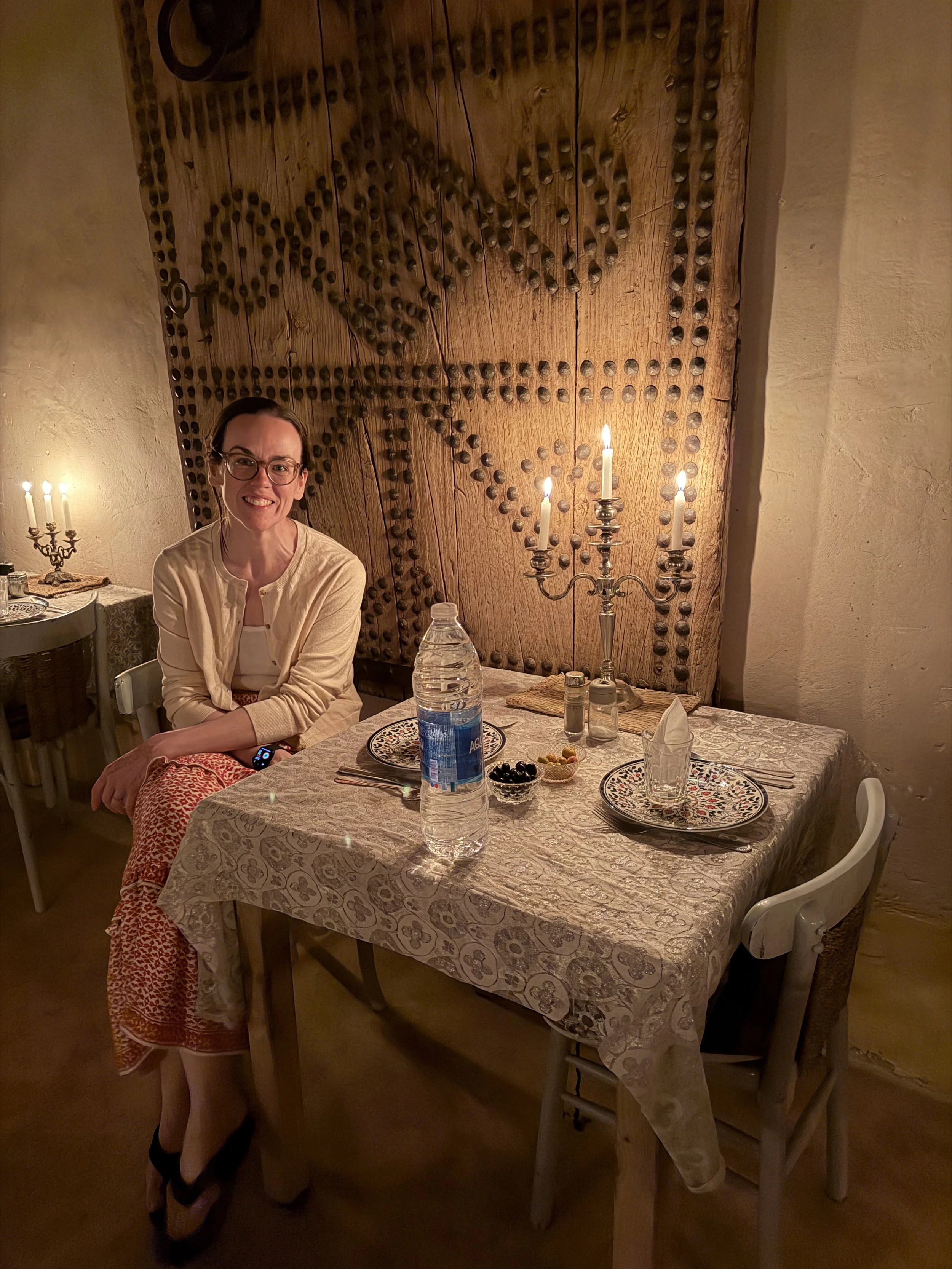
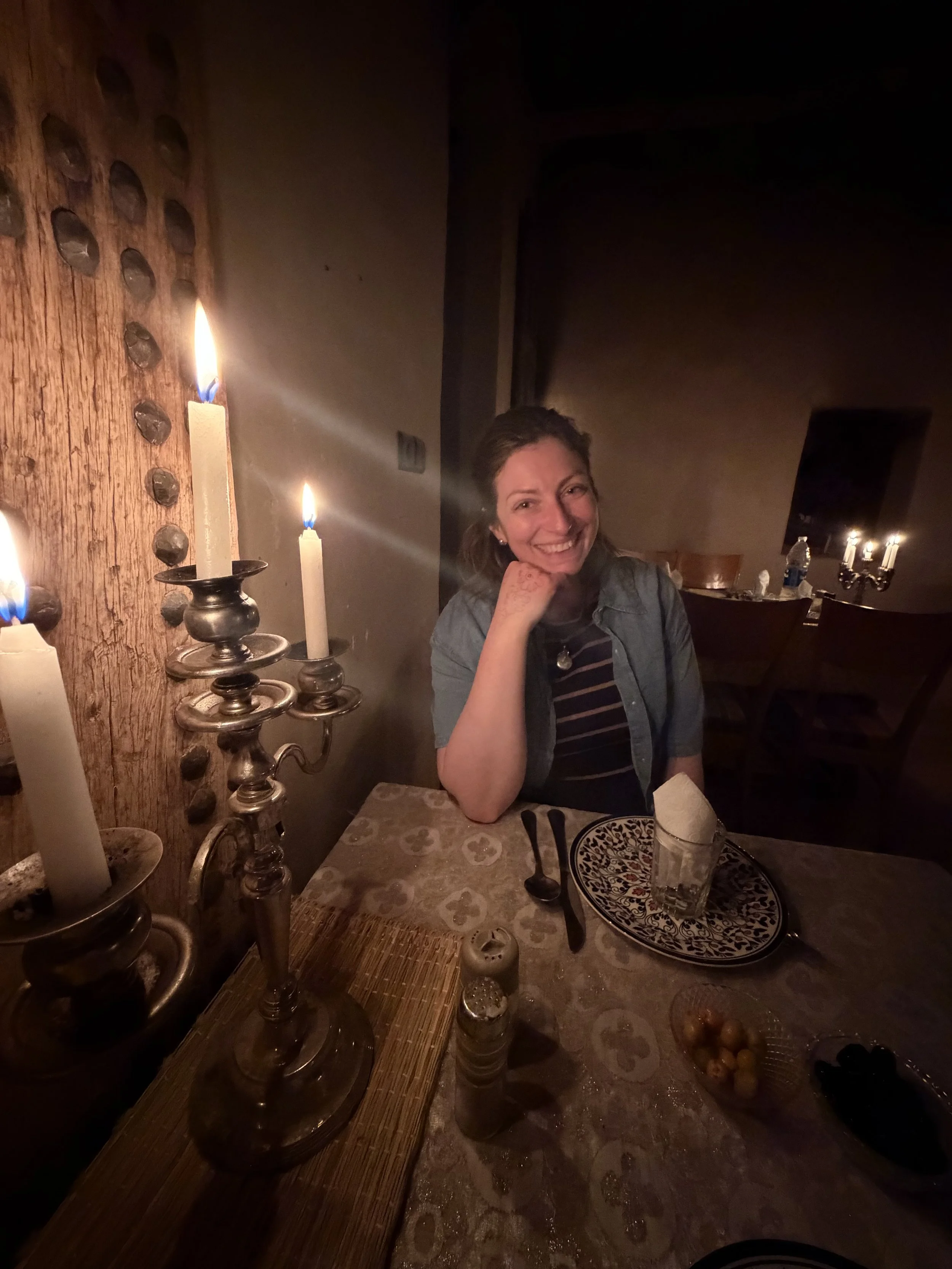
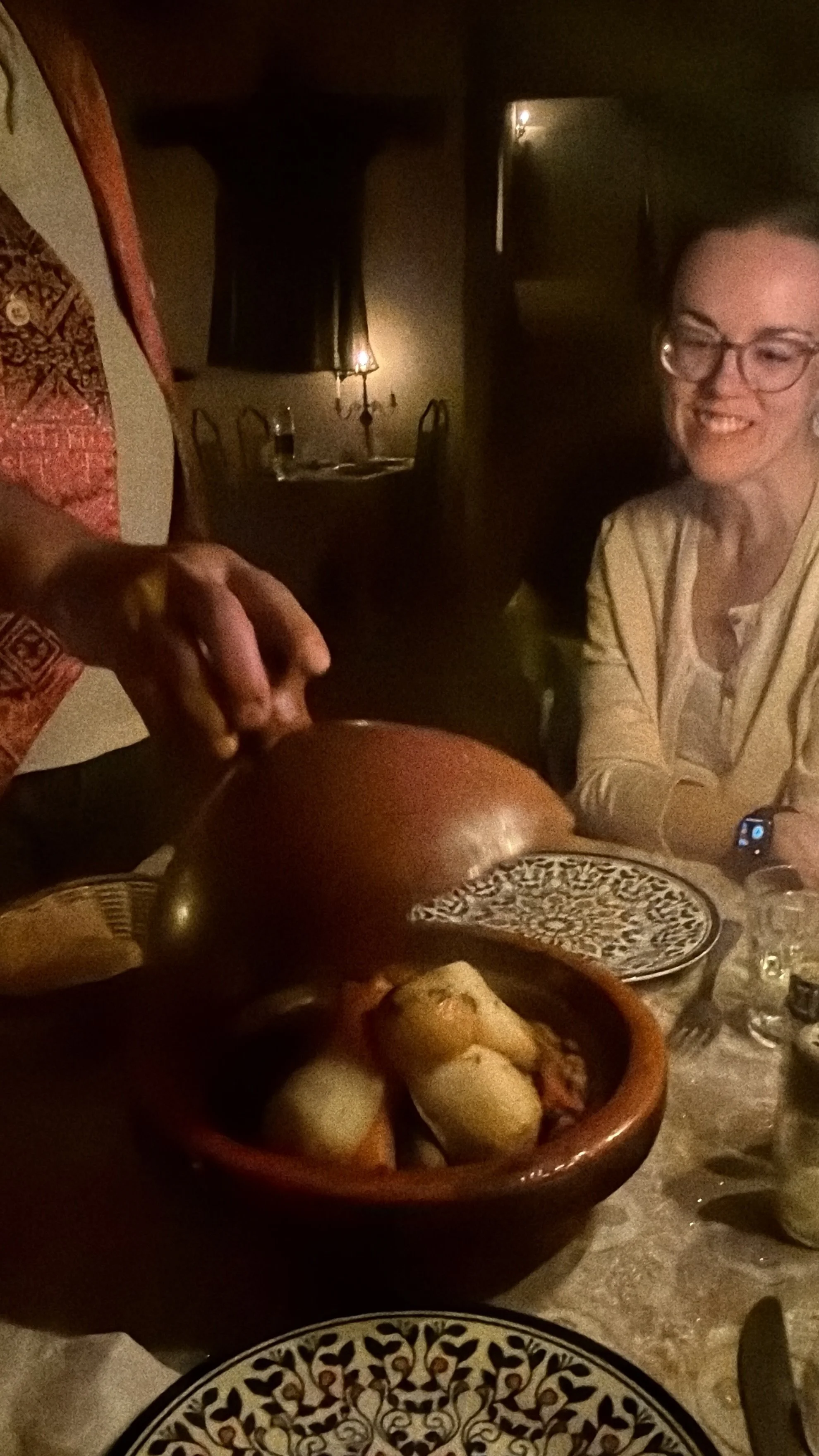
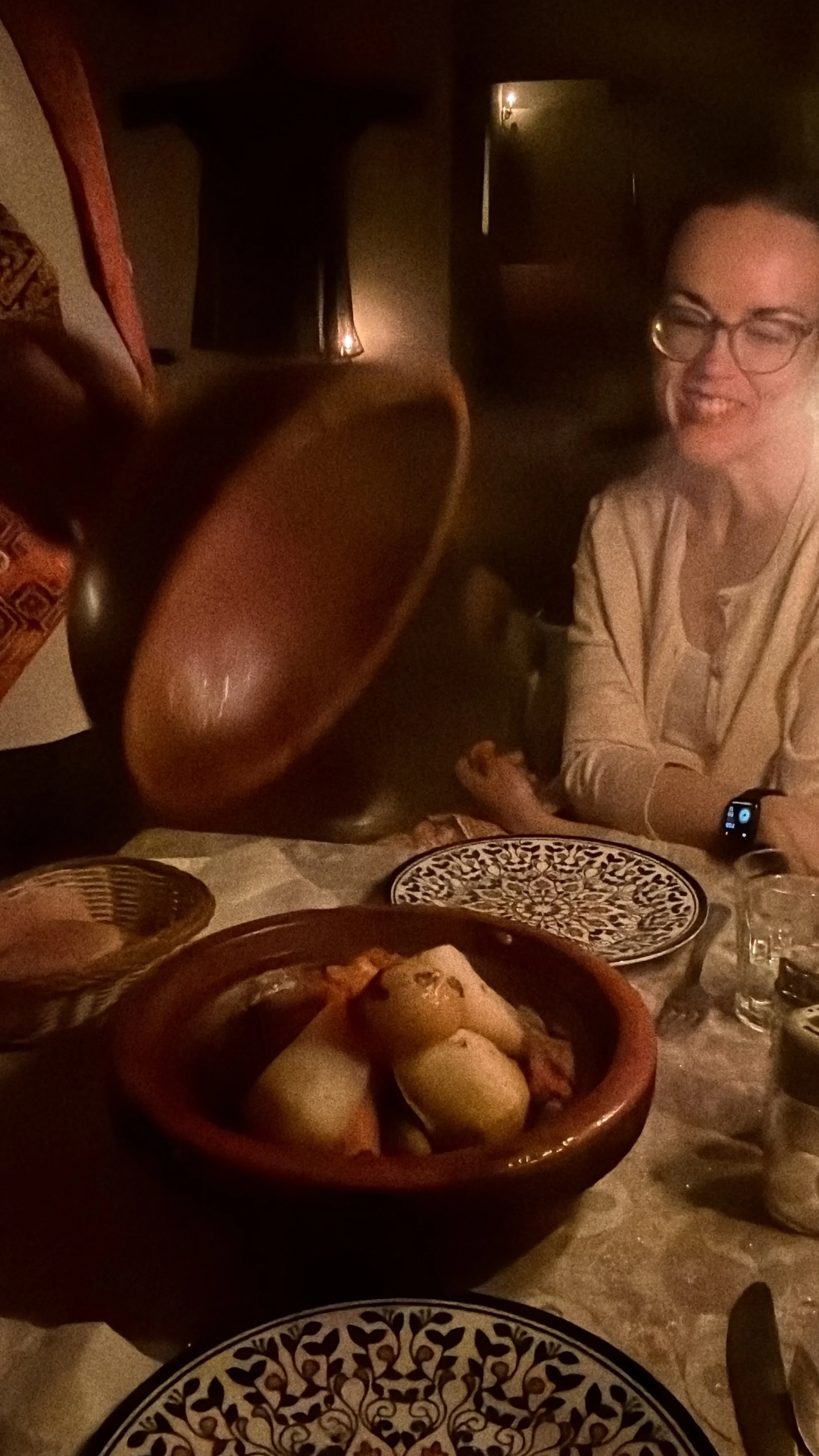
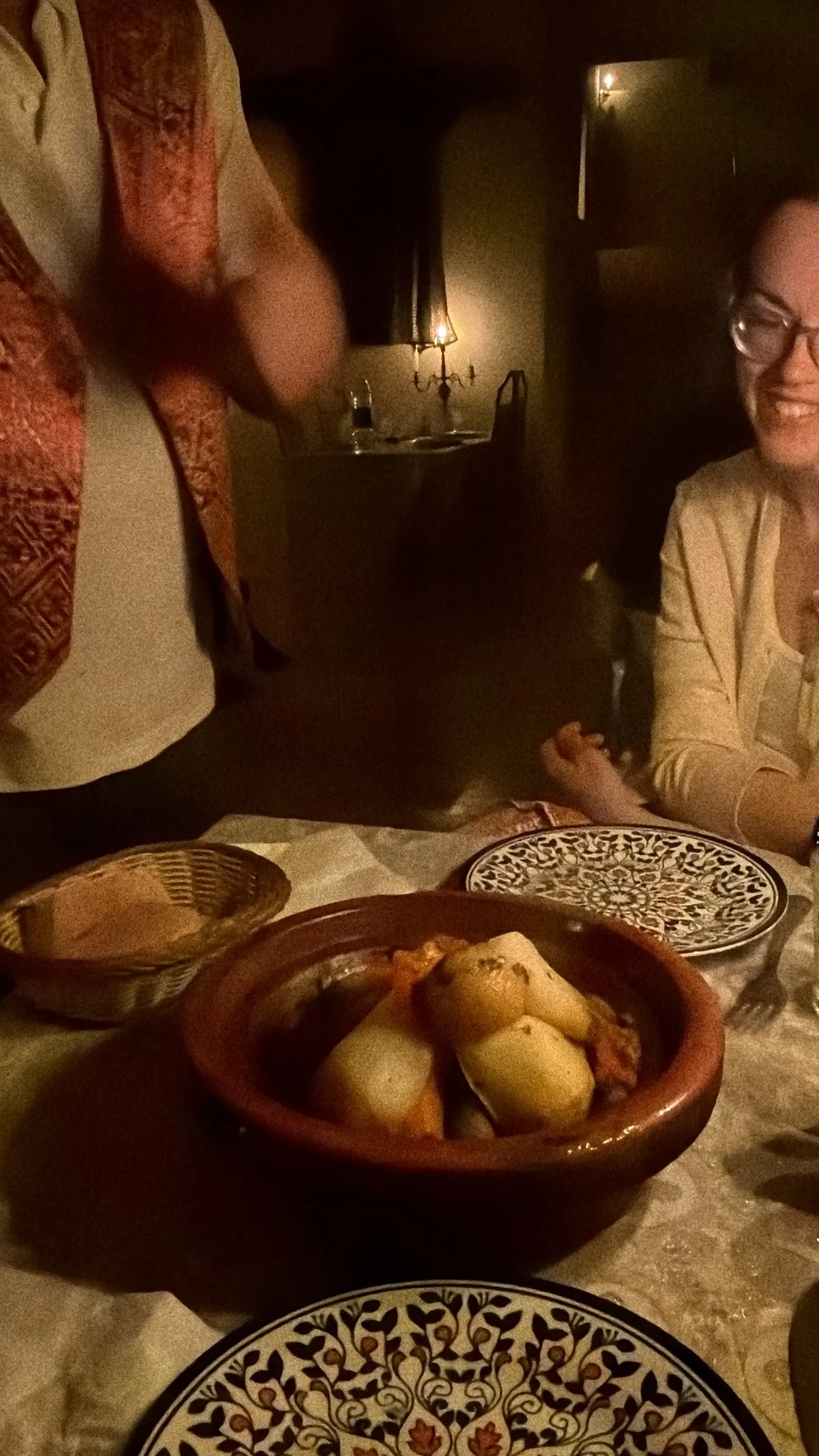

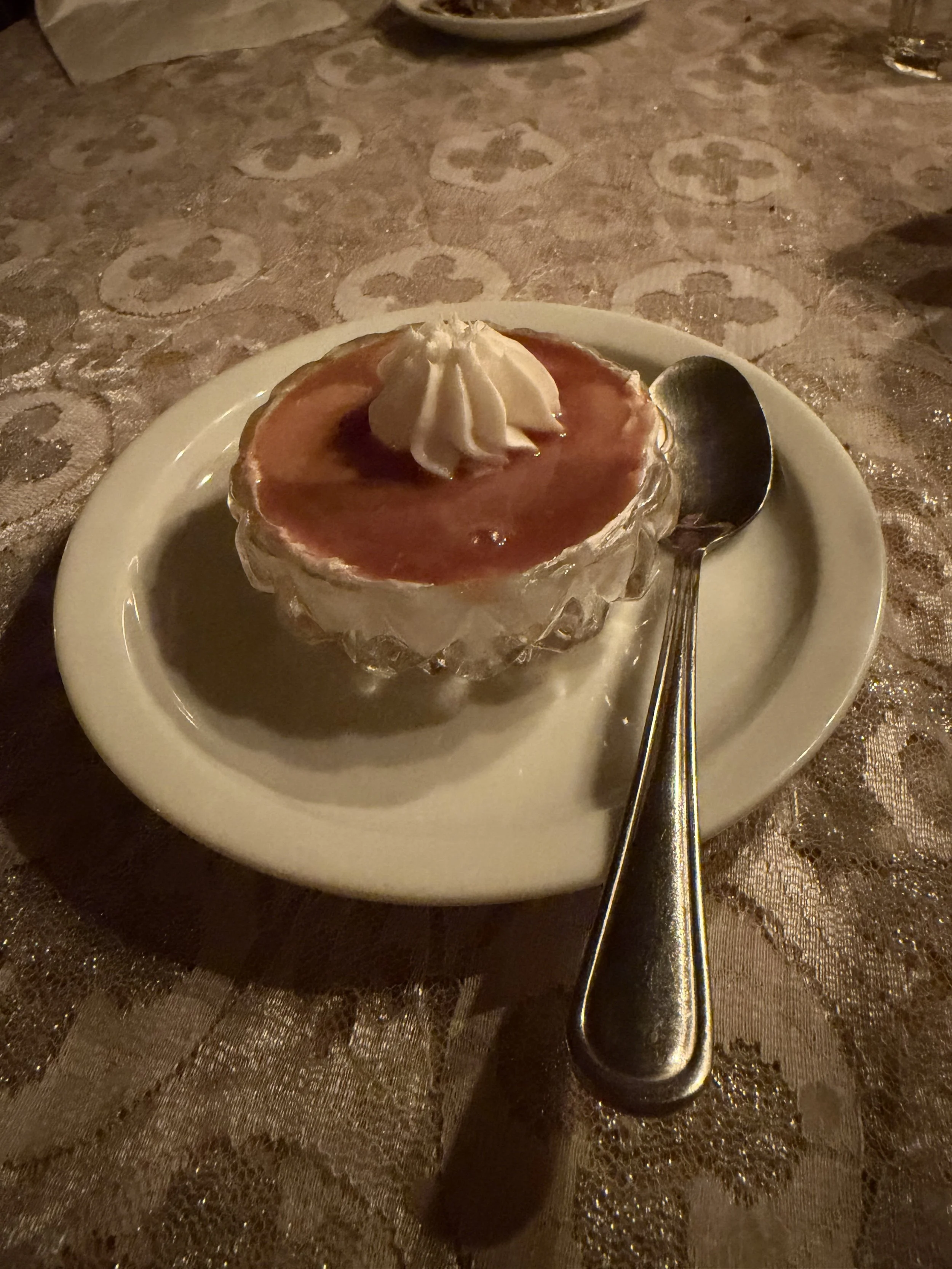

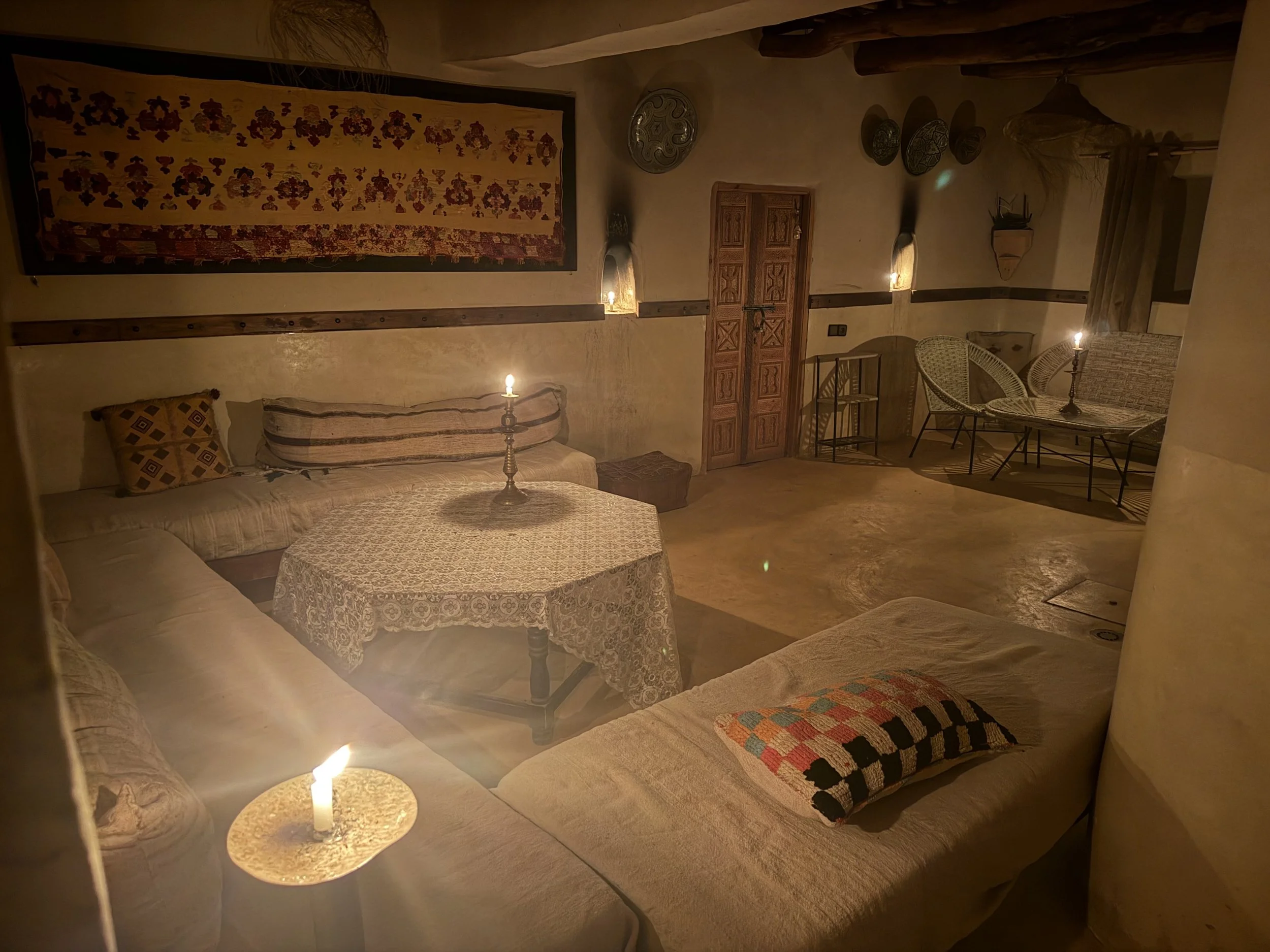
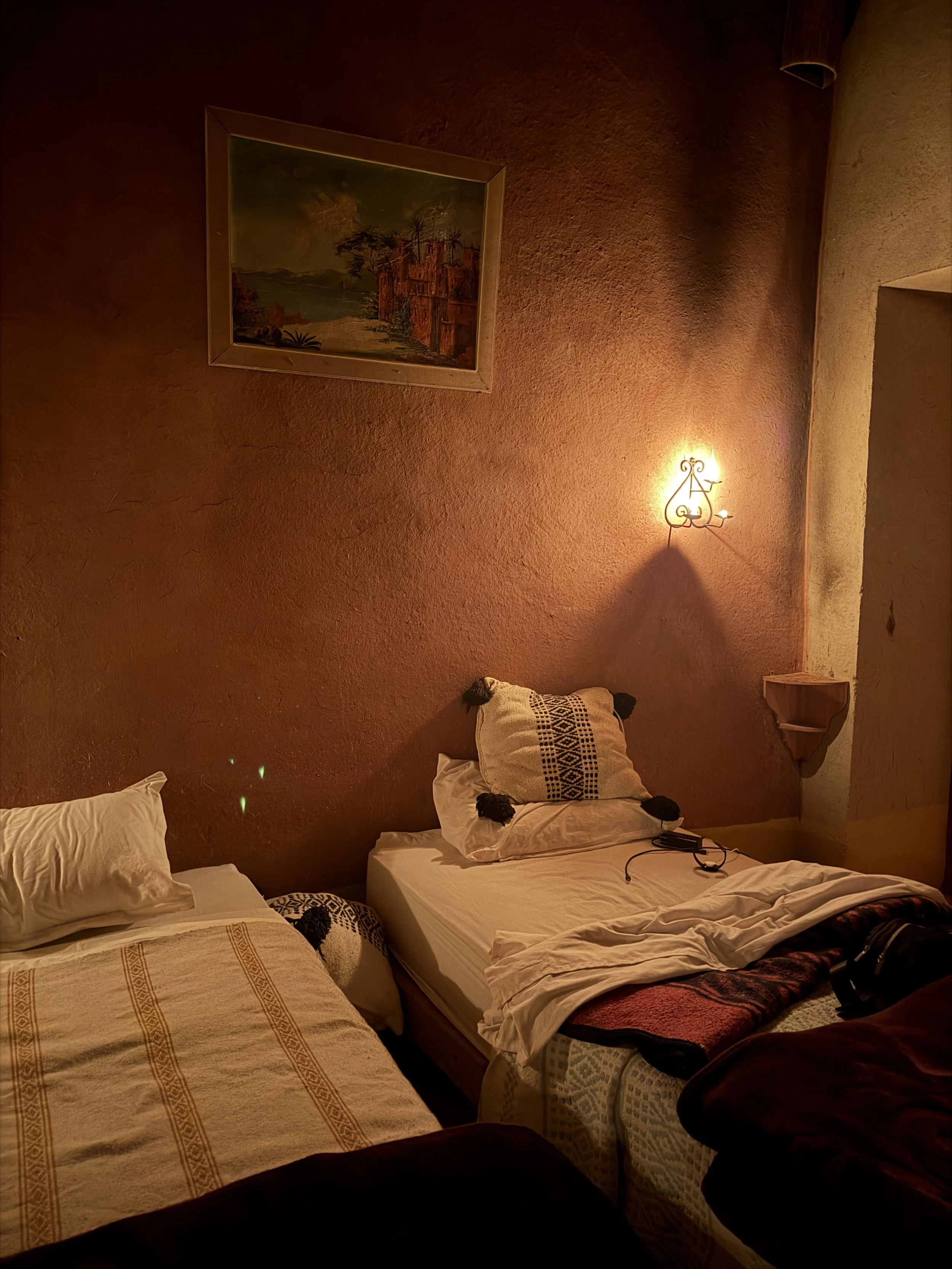
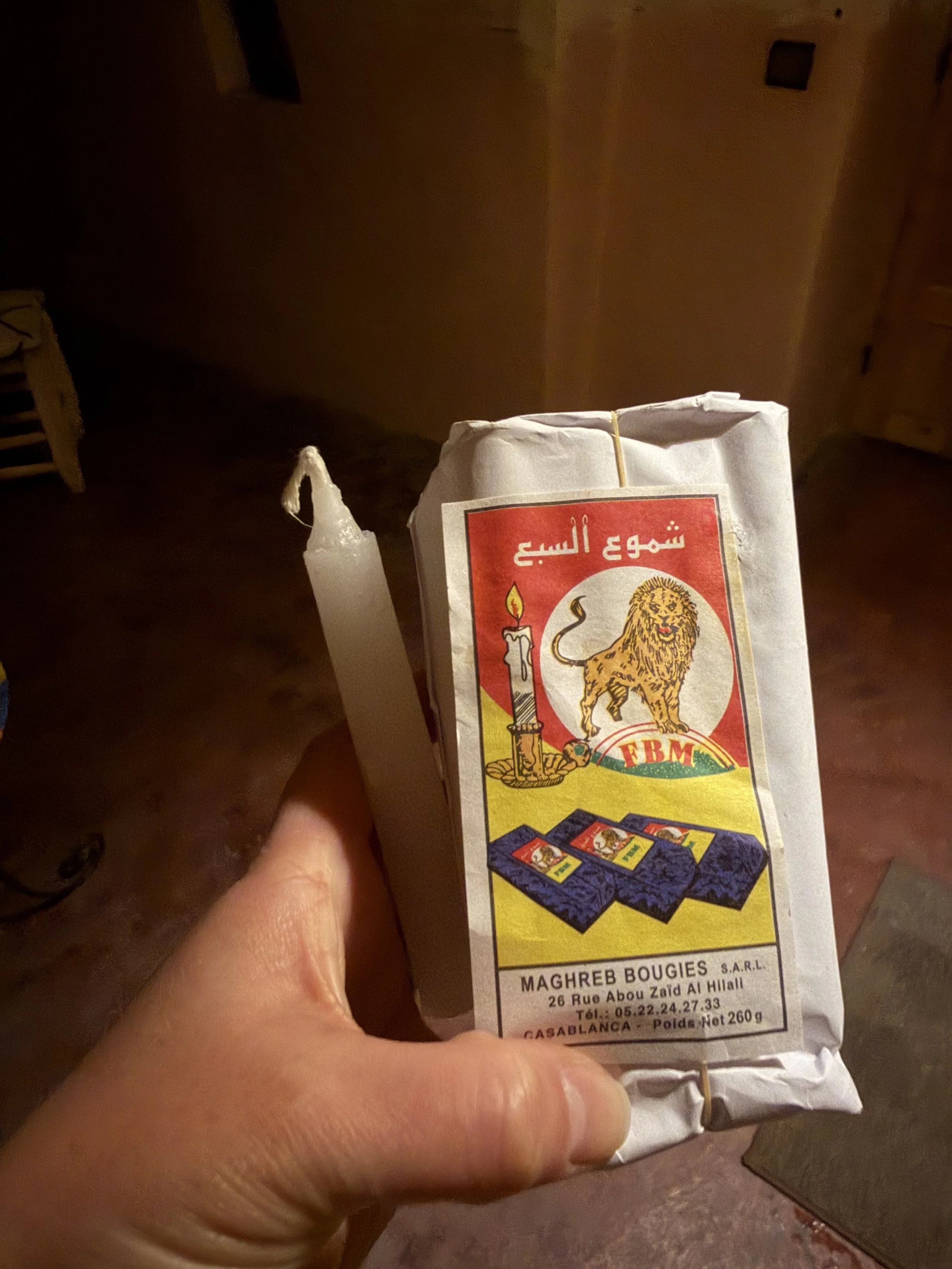
By the time we arrived at our guesthouse within Ait Benhaddou for the evening, Kasbah Tebi, we had traveled through some of the most diverse and visually stunning landscapes of the trip so far.
Day five felt like a perfect blend of nature, history, culture, and cinema: dramatic rock formations, fragrant rose valleys, ancient kasbahs, movie sets in the desert, and finally the unforgettable beauty of Aït Benhaddou.
Morocco somehow outdid itself every single day.